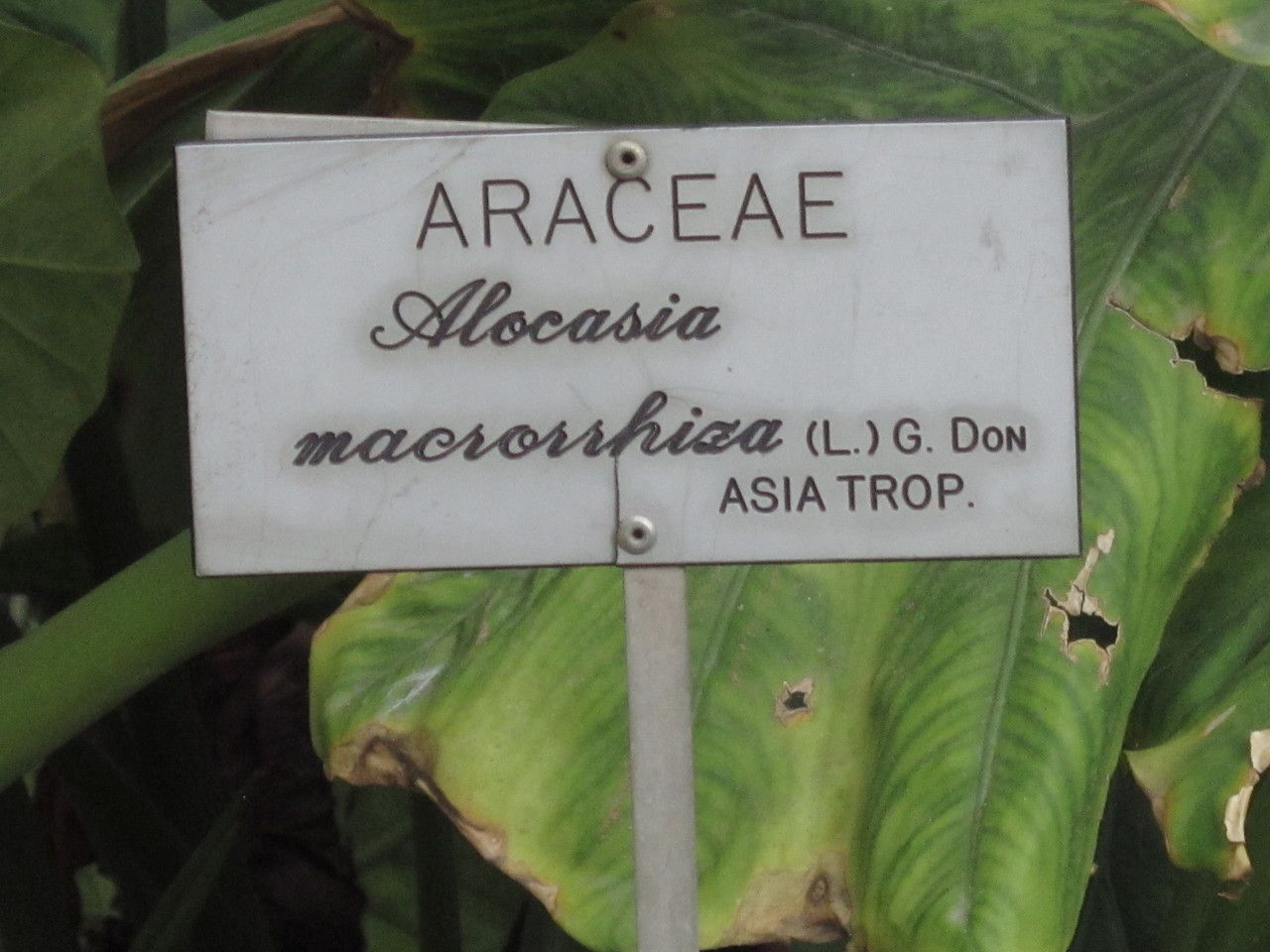
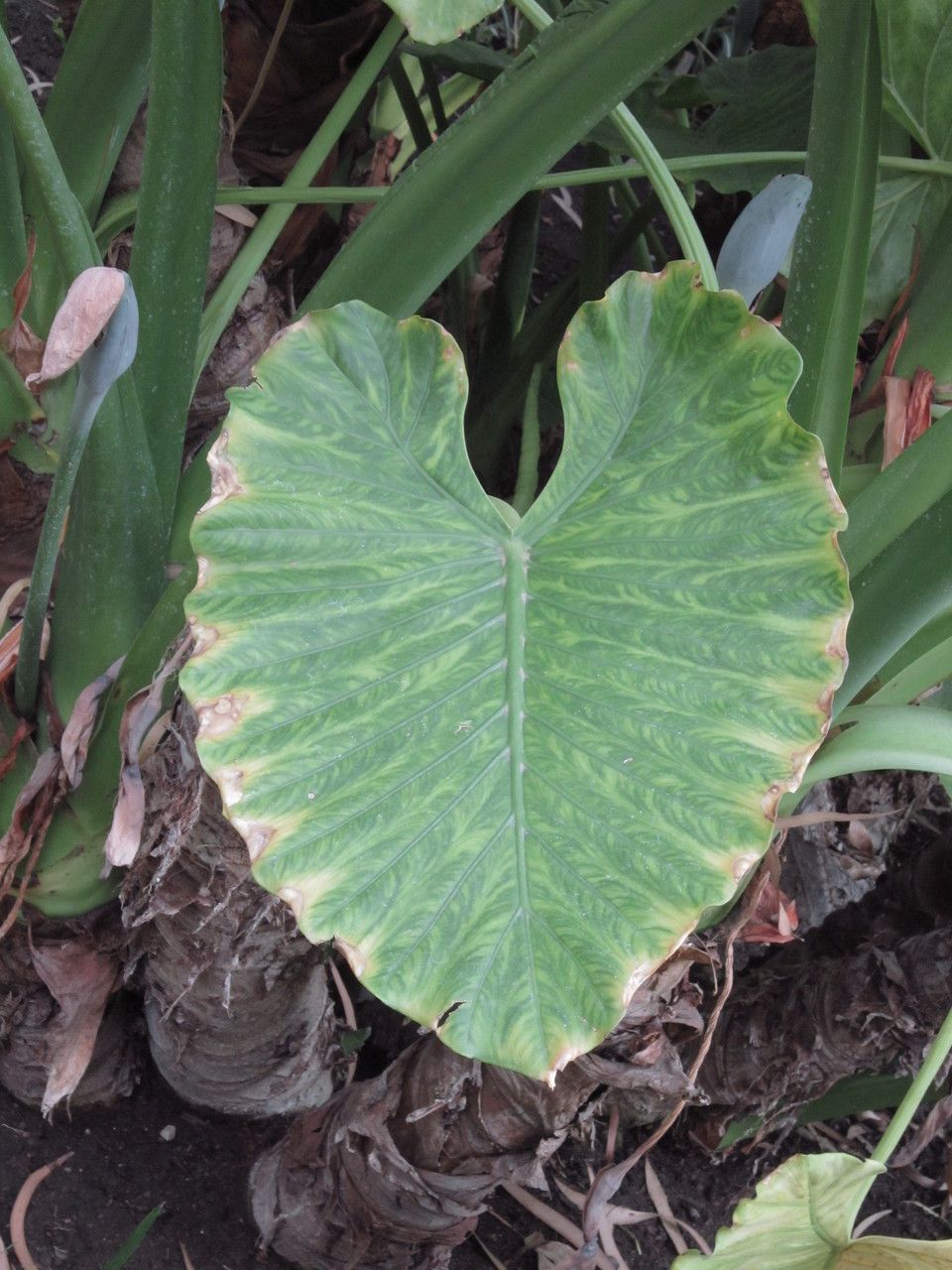
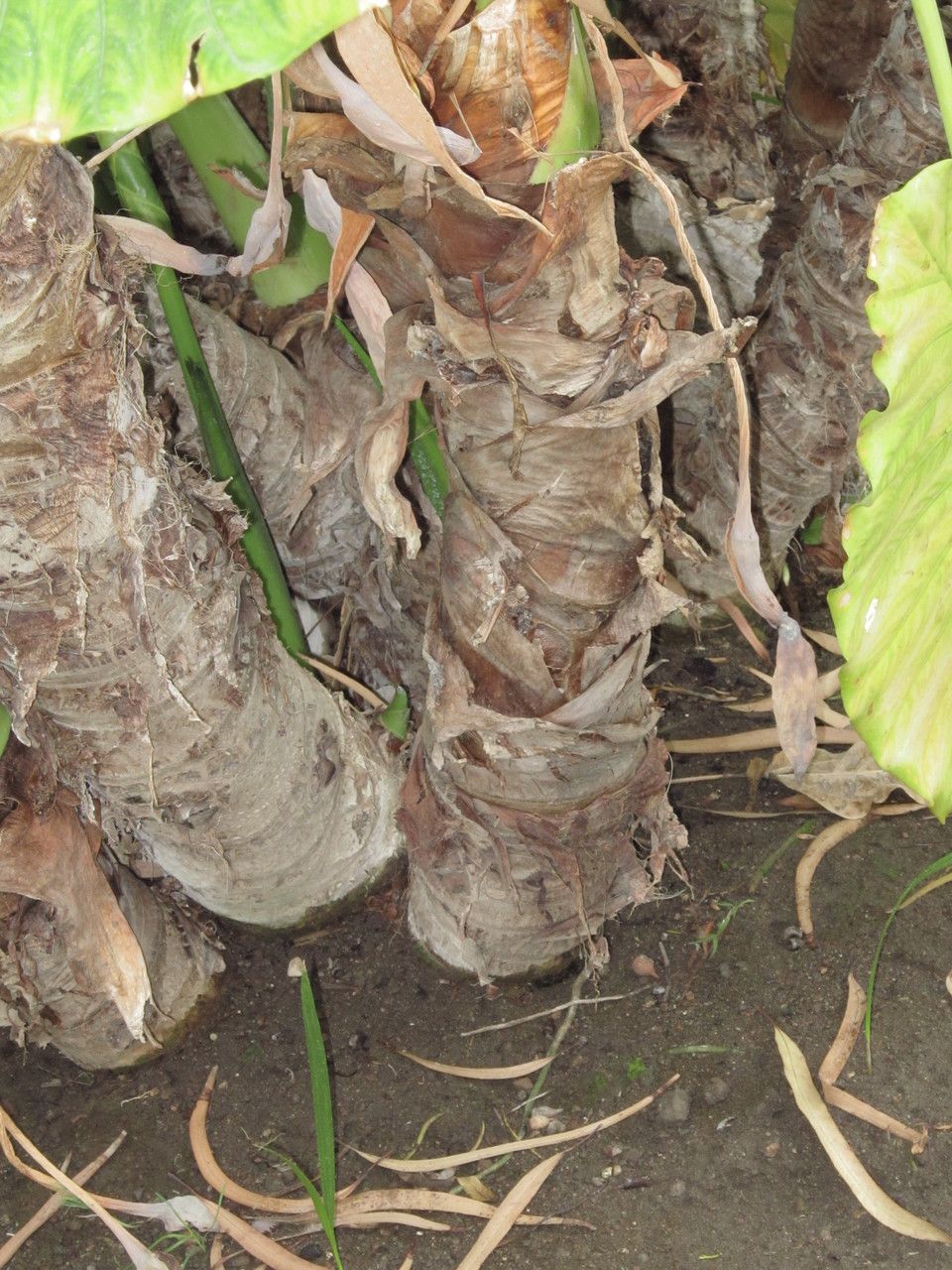
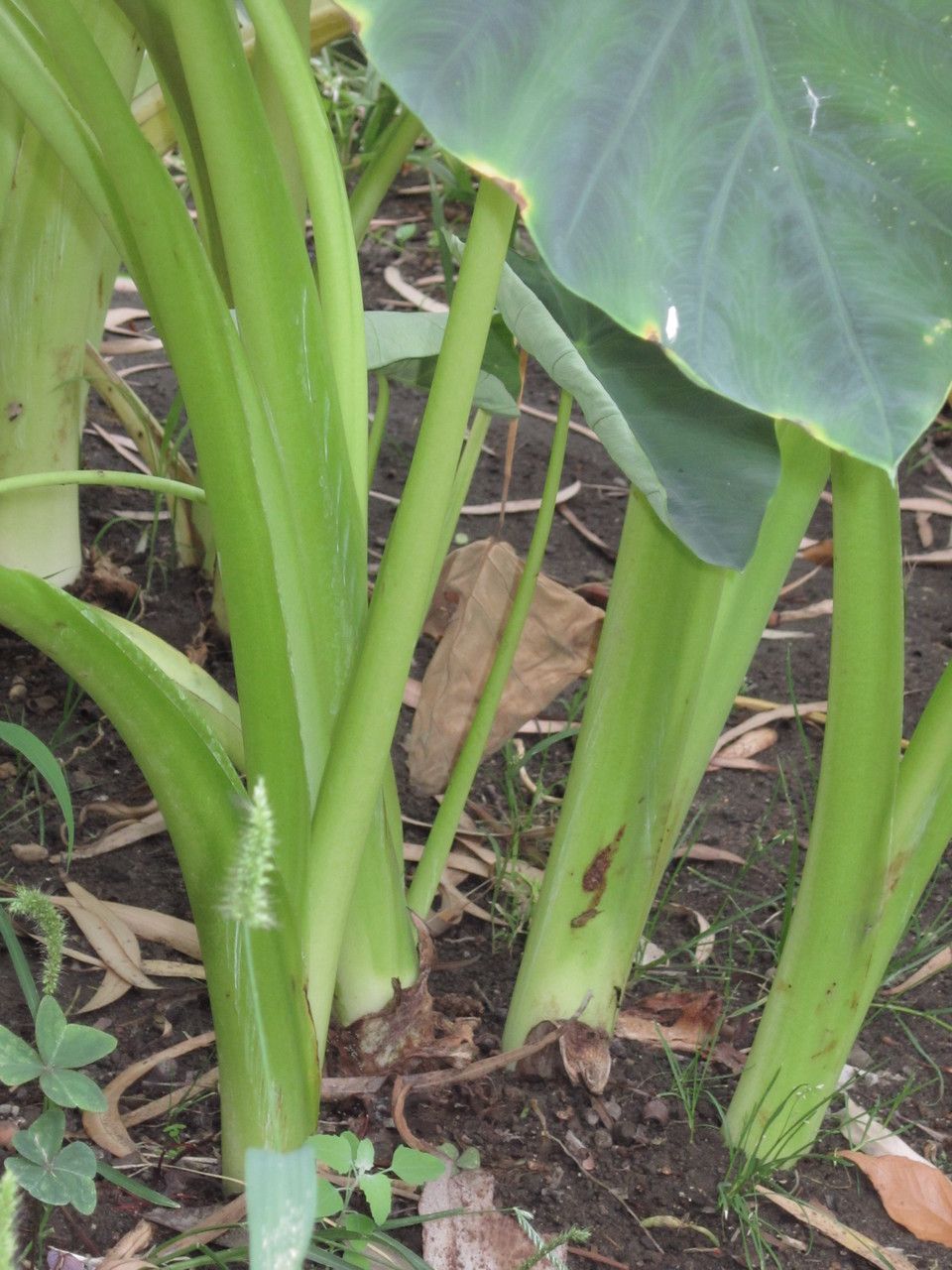
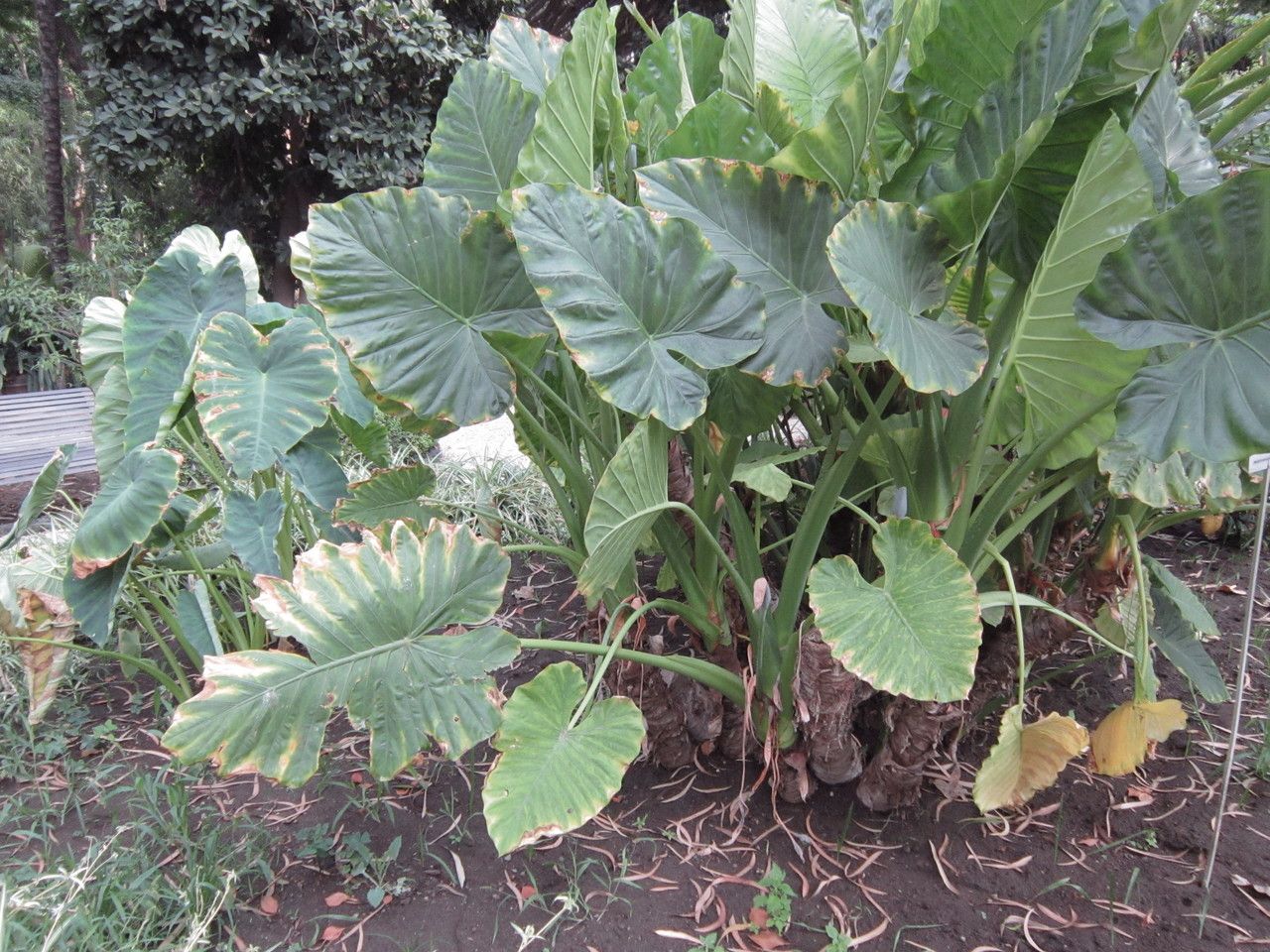
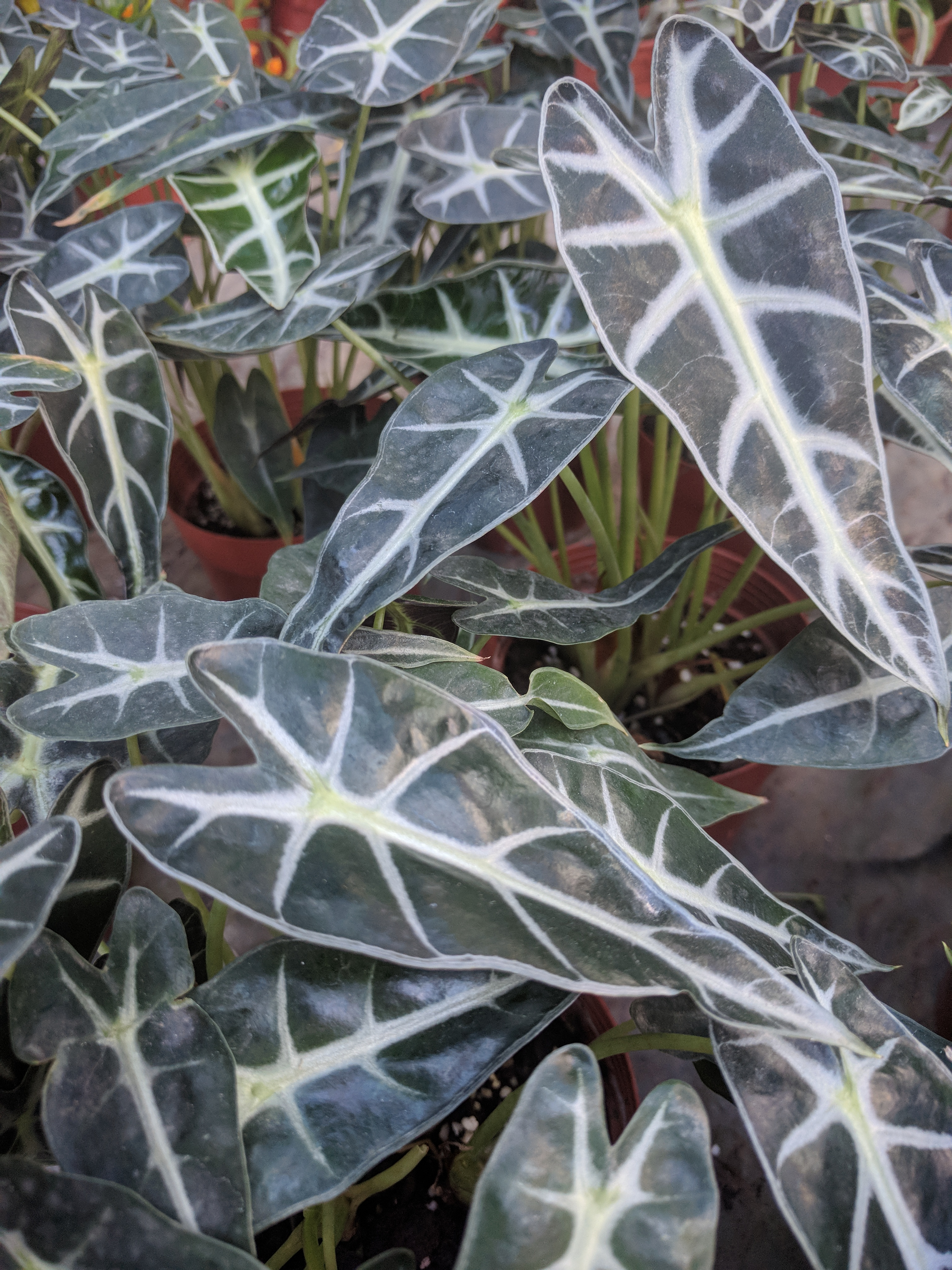
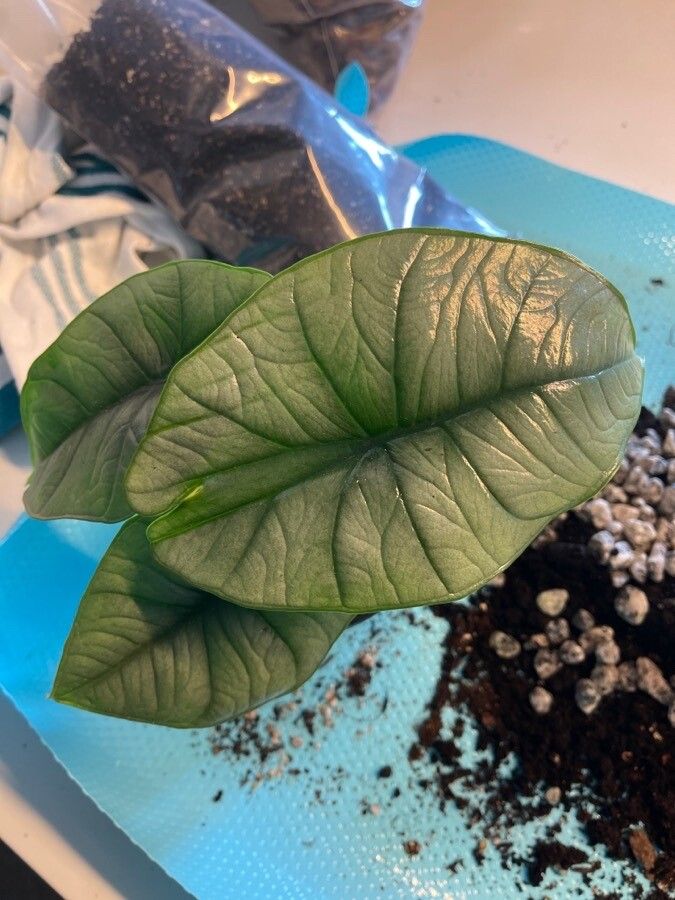
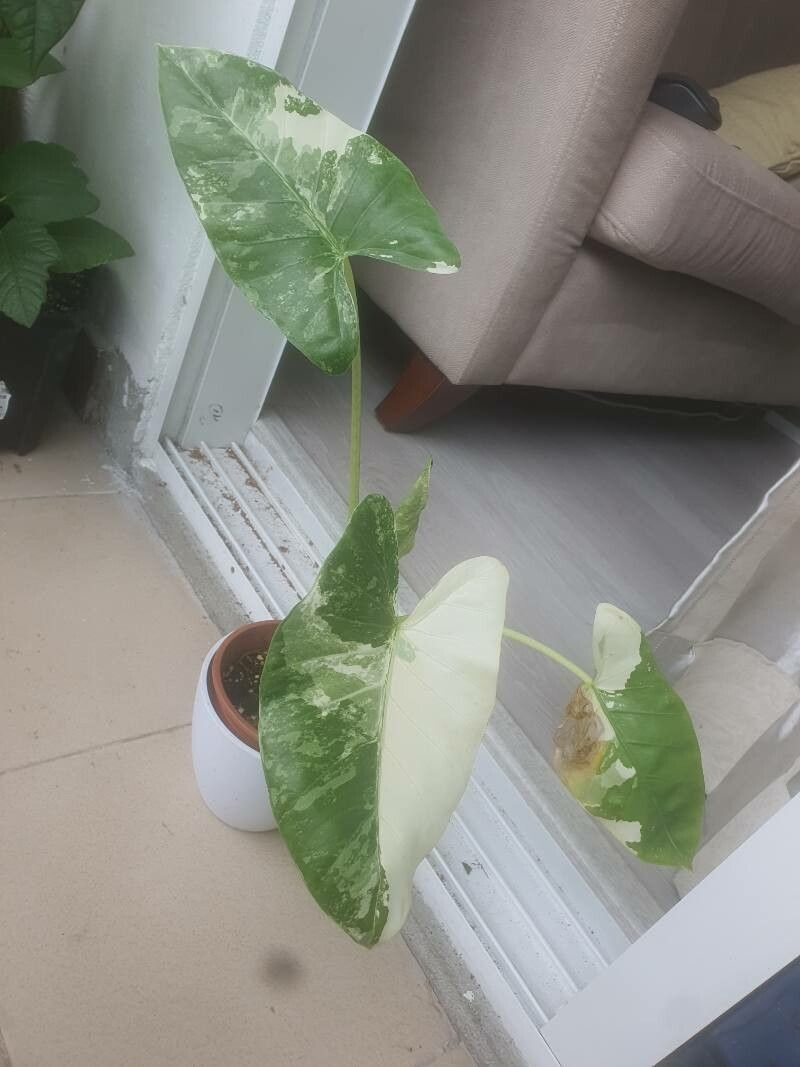
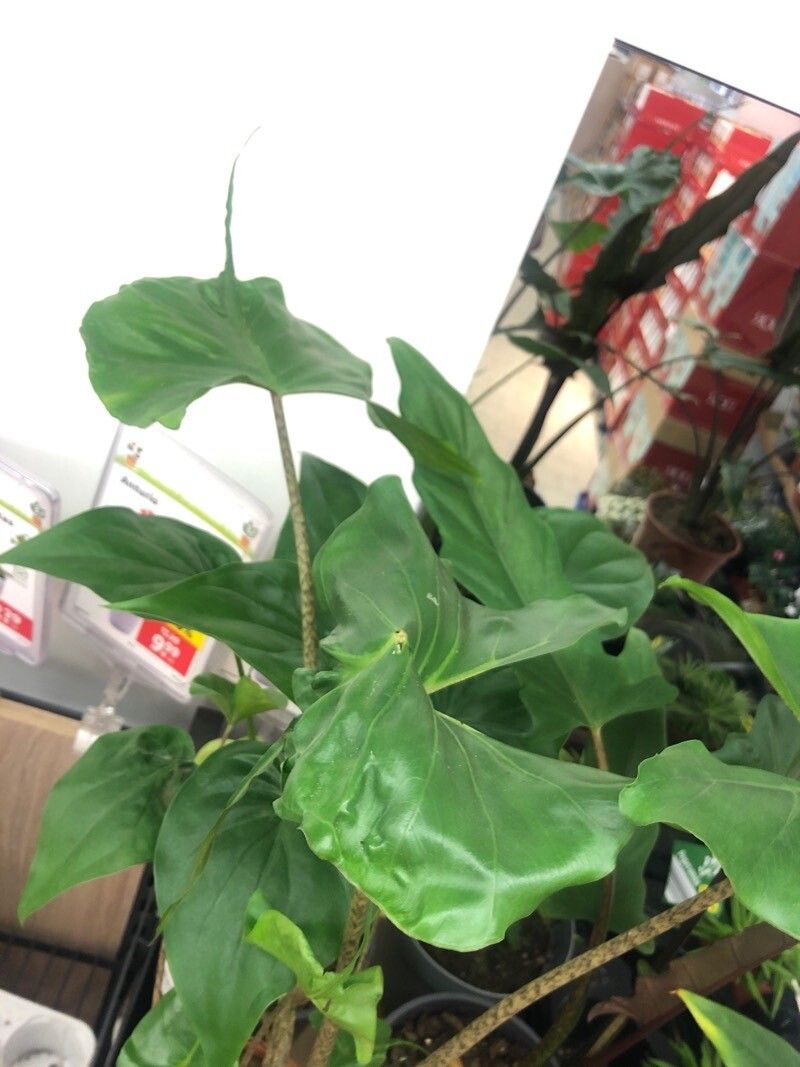
Alocasia macrorrhizos is a species of flowering plant in the arum family (Araceae) that it is native to rainforests of Maritime Southeast Asia, New Guinea, and Queensland and has long been cultivated in South Asia, the Philippines, many Pacific islands, and elsewhere in the tropics. Common names include giant taro, ʻape, giant alocasia, biga, and pia. In Australia it is known as the cunjevoi (a term which also refers to a marine animal).
Giant taro is fairly disease-resistant and typically not vulnerable to illnesses. Nevertheless, it can be affected by pests and diseases present in its surroundings. Such infections are generally mild. In terms of care, the plant requires moderate maintenance. Regular pruning is needed to maintain a good appearance and support healthy growth. Fertilizing can also help encourage flowering. Giant taro is suitable for anyone with an outdoor space, such as a garden or patio, and does not demand extensive care experience. It may need more attention when grown indoors.
How to keep Alocasia Macrorrhiza.
Light
The giant taro naturally grows in shaded areas such as under the forest canopy or on rocky terrains. It thrives best in partial sunlight but shows its adaptability and robust character by being able to endure full sunlight or complete shade.
Water
Giant taro needs plenty of water during the growing season because of its large leaves. Make sure to mist the plant daily and water it whenever the topsoil feels dry. However, in winter, the plant goes dormant, so you should reduce watering to once a week to avoid root rot caused by excess moisture.
Humidity
This plant will thrive in moderate humidity, which is probably the level in your home. However, misting it a few times a week can be very beneficial. Make sure the room has good ventilation.
Temperature
The giant taro is native to the tropics, characterized by consistent heat and moisture. It prospers in conditions of elevated heat and humidity, demonstrating a dislike for abrupt temperature shifts and demanding a steady thermal environment. Avoiding indoor temperature inconsistencies is therefore crucial. For growth, the plant typically needs a warmer environment and commonly shows intolerability to cold climates. The plant's growth may stop or it may perish if the surrounding temperature falls excessively.
Fertilizer
During its active growth stage, typically in the spring, summer, and early autumn, the Giant taro necessitates the highest amount of fertilizer. It's vital to fertilize to replenish vital nutrients that might be absent from the ground, encouraging the healthy development of roots and stems. Besides, it enhances the foliage appeal, which is a significant characteristic of this particular plant.
Pruning
To keep a giant taro healthy, regularly remove any dry, damaged, or yellow leaves by pruning them at the base with a serrated knife. This helps prevent nutrients from being wasted on unhealthy parts. If you notice any pests or signs of disease, promptly prune the affected leaves.
Botanical profile.
- Plant Type
- Herb
- Life Cycle
- Perennial
- Genus
- Alocasia
- Family
- Araceae
- Hardiness Zone
- 9-12
- Mature Height
- 1 cm to 15 cm
- Mature Spread
- 2.13 m to 3.05 m
- Leaf Color
- Green
- Leaf Type
- Evergreen
- Flower Color
- White, Cream, Green
- Flower Size
- 15.24 cm to 20.32 cm
- Bloom Time
- Summer, Early fall
- Planting Time
- Spring, Summer, Autumn
- Harvest Time
- Late summer, Fall
- Native Area
- Malaysia, Cambodia, Myanmar, Laos, Australia, Congo (DRC), Thailand