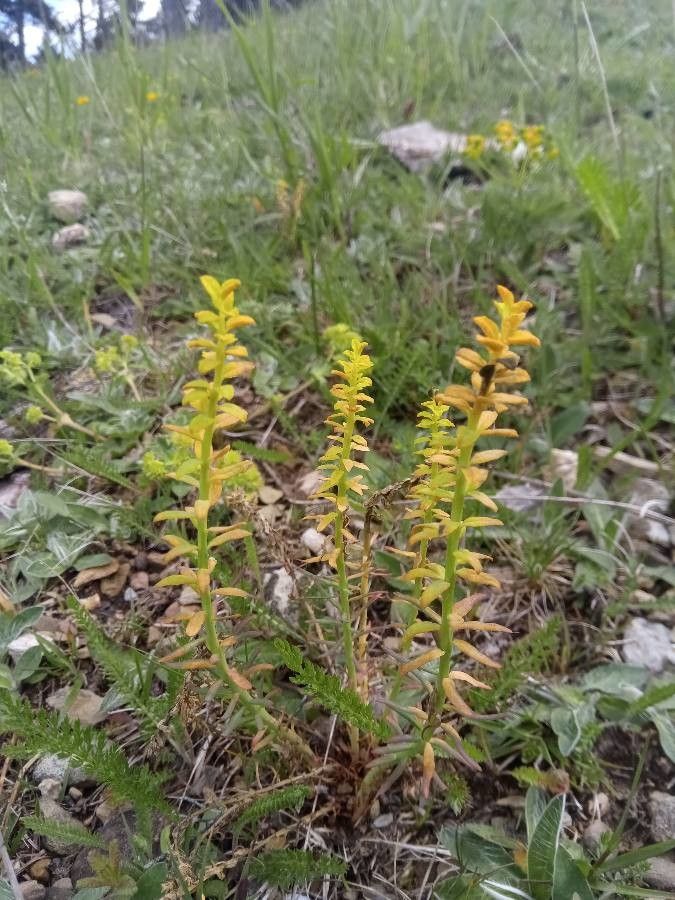
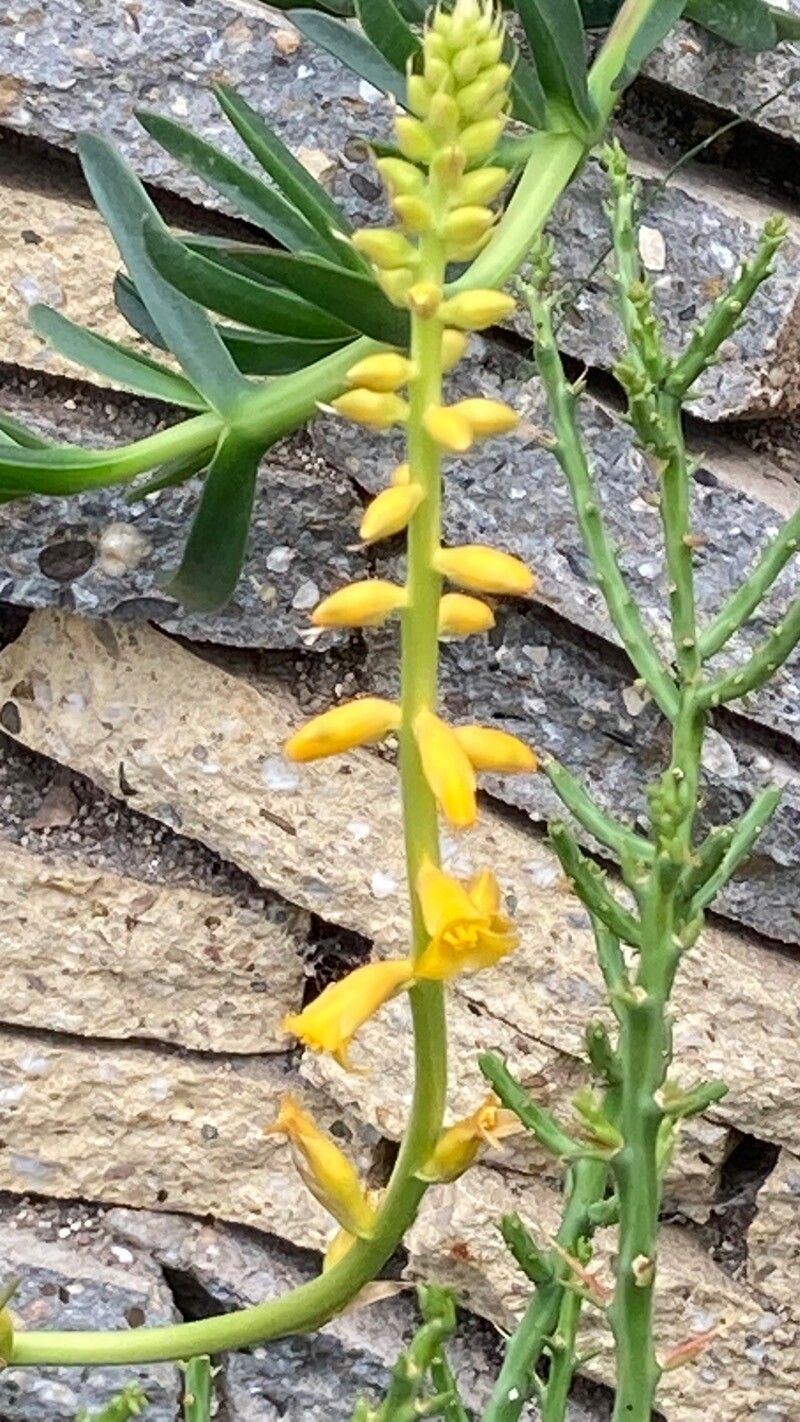
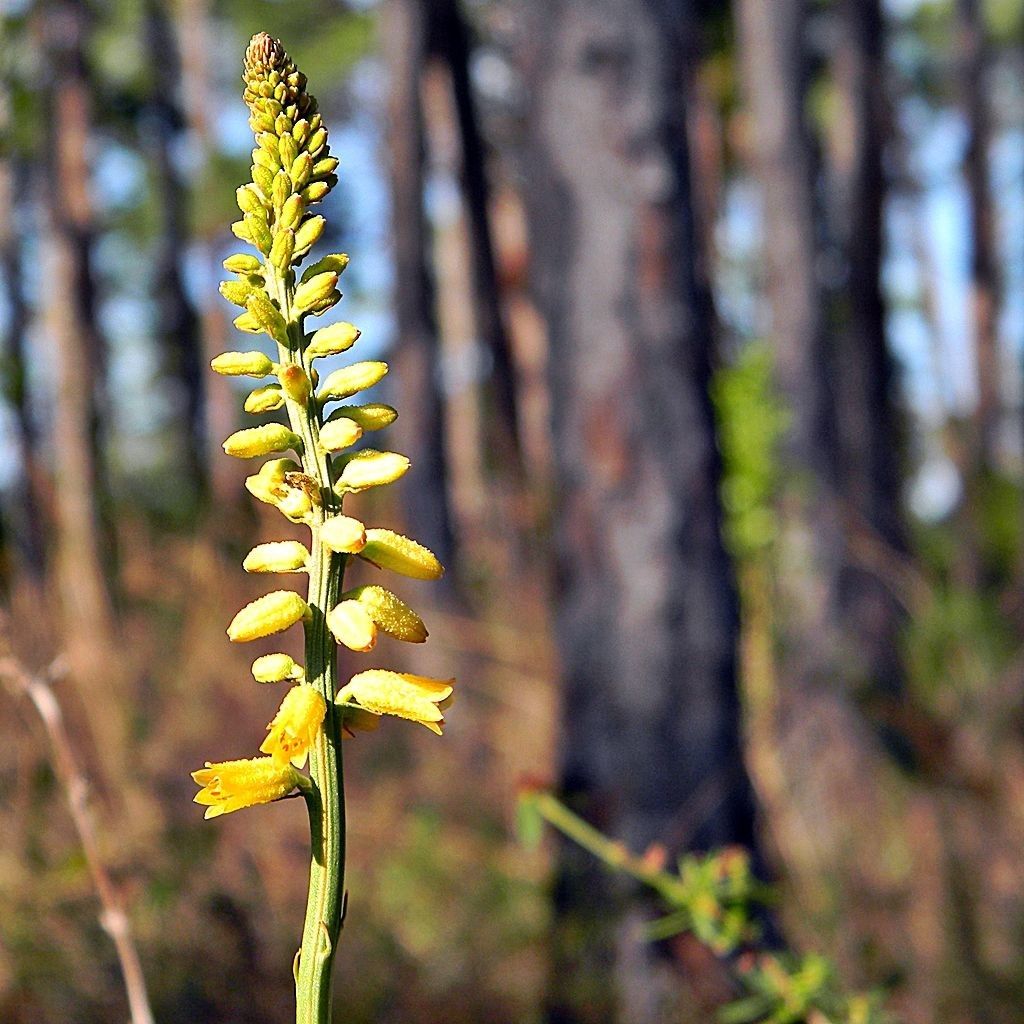
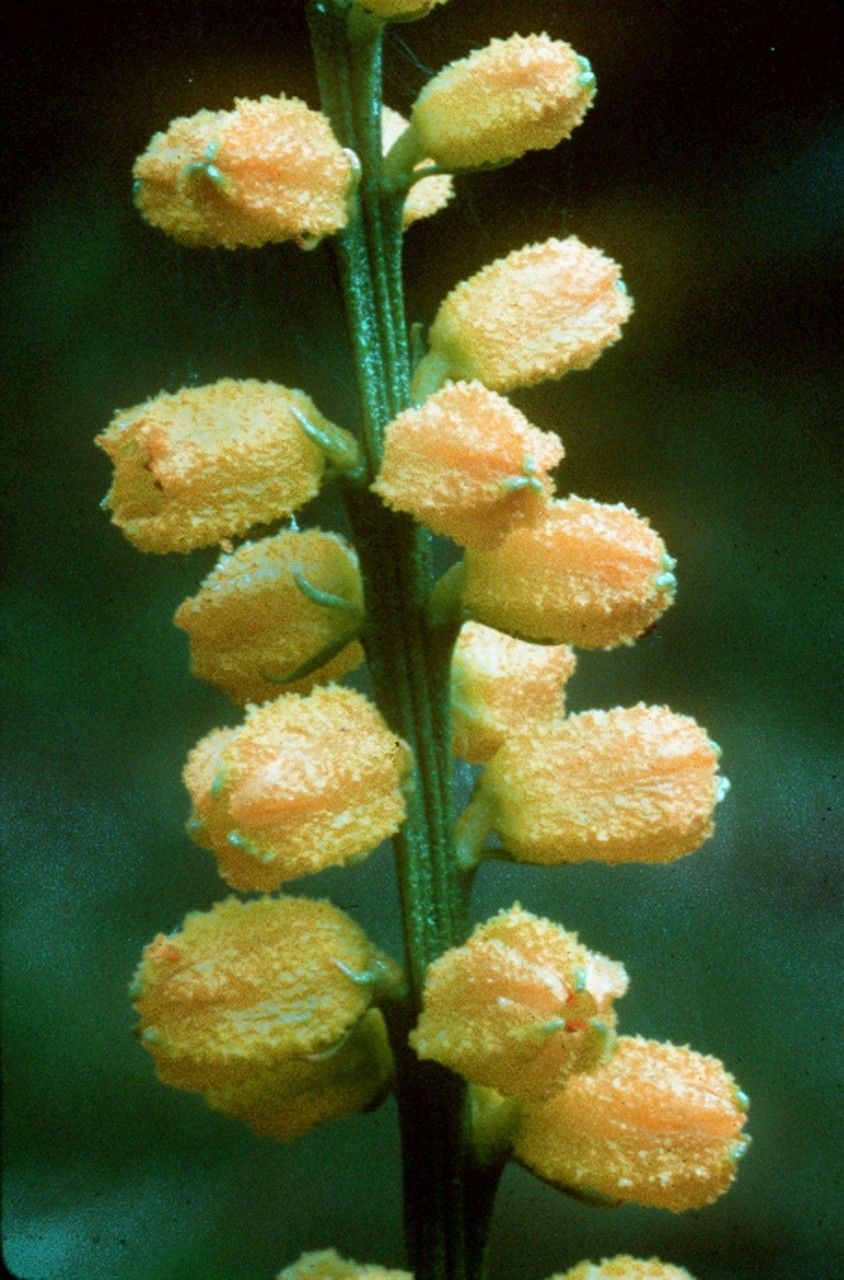
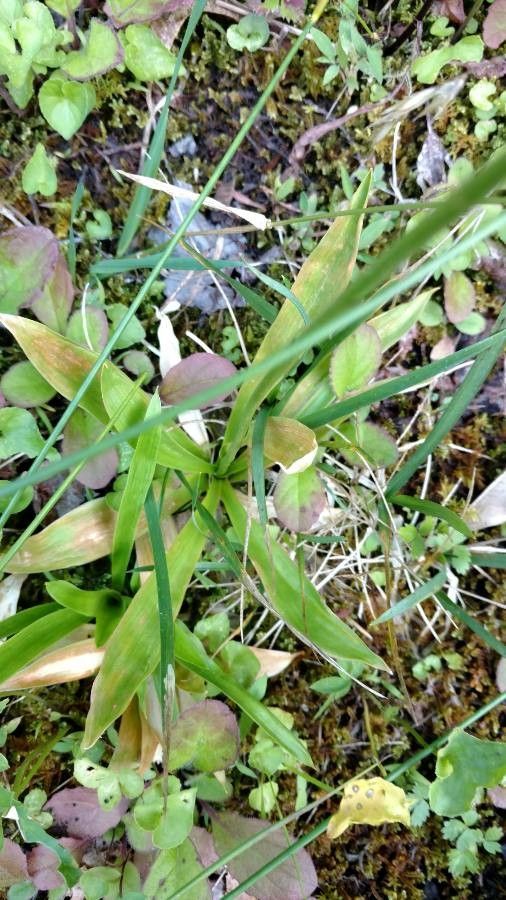
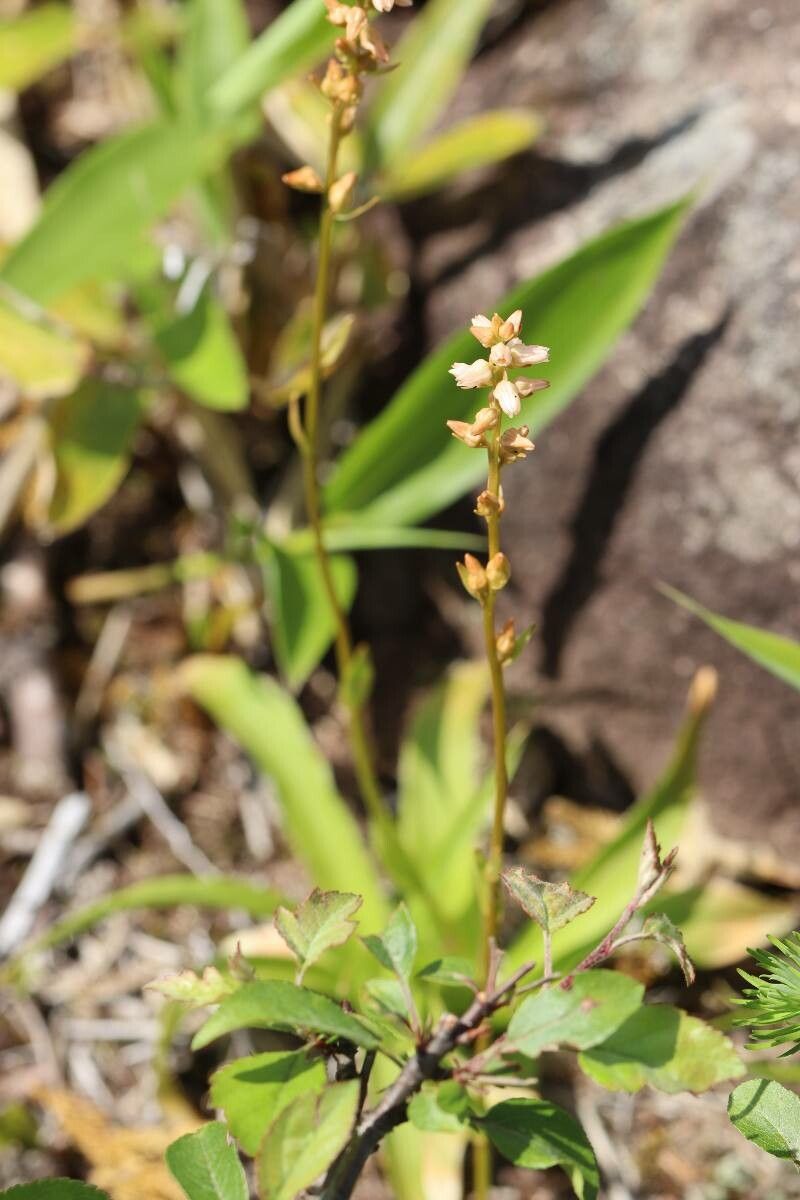
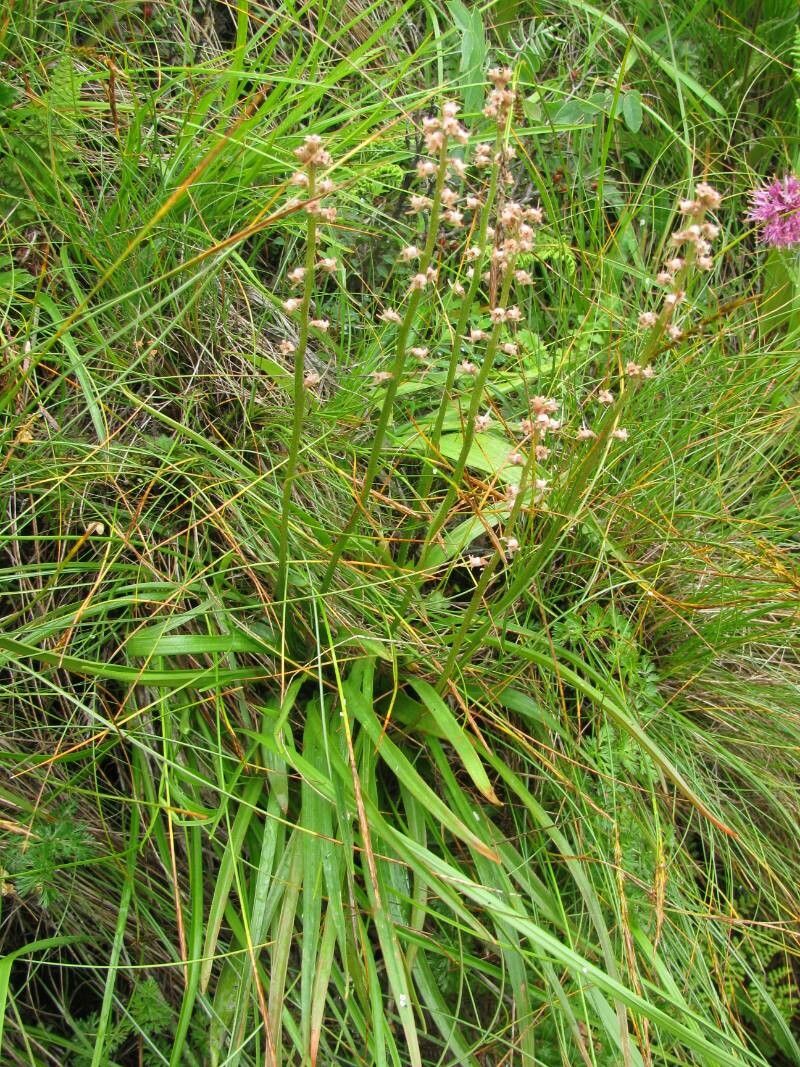
Aletris lutea (Yellow colic-root) is a plant species native to the southeastern United States from Louisiana to Georgia.Aletris lutea grows in wet areas, especially seasonally flooded pine forests near the coast. It is a perennial herb up to 100 cm tall, with a long spike of small, cylindrical flowers. Flowers are usually yellow but sometimes white.
Yellow colicroot has strong disease resistance and is generally not highly susceptible to illnesses. Still, it can be vulnerable to pests and diseases present in its environment. Such infections tend to be mild. Regarding care, this plant needs moderate maintenance. Regular pruning is necessary to preserve a neat appearance and support healthy growth. Applying fertilizer can also encourage blooming. Yellow colicroot is appropriate for anyone with outdoor areas like a garden or patio and does not demand extensive plant-care experience. It may need extra attention when cultivated indoors.
How to keep Aletris Lutea.
Light
Yellow colicroot does best with abundant sunlight; reduced light does not greatly affect its growth, so partial shade is also acceptable. Native to sun-rich regions, this plant has adapted to absorb the sun. However, too little light can inhibit its development, while excessive exposure may cause its leaves to wither.
Water
Yellow colicroot, which naturally grows in moist meadows and open woodlands, thrives in consistently damp conditions. It requires regular watering, about once a week, but care should be taken to avoid waterlogging. As an herbaceous perennial, yellow colicroot is well-suited for outdoor cultivation, where it can benefit from seasonal rainfall to meet its hydration needs.
Temperature
Yellow colicroot is native to habitats with temperatures between 68 and 100 °F (20 and 38 ℃). It favors warmer average temperatures for best growth. Depending on the season, it may need temperature regulation to maintain healthy growth.
Fertilizer
The best time to fertilize Yellow colicroot is in early spring, as it breaks dormancy and starts active growth. Fertilizer supplies essential nutrients needed for healthy development. Although Yellow colicroot has relatively modest fertilization requirements, applying fertilizer annually can improve its survival and encourage better, longer-lasting flowers.
Pruning
Yellow colicroot is known for its vibrant yellow flowers and thrives in moist, sandy soils. To maintain its health and encourage blooming, it’s best to prune the plant from early to late spring, removing any dead growth. Light trimming helps improve air circulation, and using clean tools is important to prevent infection. Be cautious with heavy pruning, as it can increase stress on the plant.
Botanical profile.
- Plant Type
- Herb
- Life Cycle
- Perennial, Biennial
- Genus
- Aletris
- Family
- Nartheciaceae
- Hardiness Zone
- 8-11
- Mature Height
- 0.3 m to 1.22 m
- Mature Spread
- 15 cm to 30 cm
- Leaf Color
- Green
- Leaf Type
- Evergreen
- Flower Color
- Yellow
- Flower Size
- 2.54 cm
- Bloom Time
- Late spring, Early summer
- Planting Time
- Spring, Summer, Autumn
- Harvest Time
- Mid summer, Late summer
Other names.
Reader questions.
What are the sunlight requirements for Yellow colicroot?
Yellow colicroot thrives best in full sun conditions, requiring above 6 hours of direct sunlight daily. It can also grow in partial sun, with about 3-6 hours of sunlight. It's important to observe how sunlight moves through your garden to find spots that offer a balance of light and shade, ensuring optimal growth for your plants.
What is the native temperature range for Yellow colicroot?
Yellow colicroot is native to environments where temperatures range from 68 to 100 °F (20 to 38 °C). It thrives in higher average temperatures for optimal growth. The plant has some degree of cold tolerance, ensuring it generally does not require special care when temperatures are above 0°C. However, if temperatures are expected to fall below 0°C, temporary protective measures should be taken, such as wrapping the plant in materials like plastic film or fabric. These measures should be removed once temperatures rise to ensure healthy growth.
How does sunlight affect the growth of Yellow colicroot?
Ample sunlight is crucial for the healthy growth of Yellow colicroot, as it originates from regions with abundant sunlight. While it can tolerate semi-shaded areas, insufficient light may stunt its growth, and too much direct sunlight could lead to withered leaves. In indoor settings or climates with less natural light, artificial lighting can be used to supplement growth, with LED lights being a popular solution to provide necessary wavelengths of light. Depending on the plant's light needs, the artificial light intensity and duration should be adjusted accordingly.
How does Yellow colicroot react to low temperatures?
Yellow colicroot has a moderate tolerance to low temperatures, performing best when it is above 20°C. During winter months, it's vital to keep the plant above 0°C to prevent damage. Exposure to temperatures below -10°C may cause the leaves to droop; while they might recover in mild cases, severe cold will cause the leaves to wilt and eventually fall off. To protect Yellow colicroot from such conditions, frost-damaged parts should be trimmed, and the plant should be wrapped with non-woven fabric or cloth. Additionally, creating a wind barrier could help protect against cold winds.
What are some symptoms of inappropriate light exposure in Yellow colicroot?
Symptoms of light deficiency in Yellow colicroot include smaller new leaves, leggy or sparse growth, faster leaf drop, slower or no new growth, and lighter-colored new leaves. Excessive sunlight may cause chlorosis, sunscald, leaf curling, wilting, and leaf scorching. These symptoms indicate stress from either insufficient or too much light, affecting the plant's ability to photosynthesize and maintain overall health.
What are the effects of high temperatures on Yellow colicroot, and how can they be mitigated?
During the summer months, it's crucial to ensure that Yellow colicroot's surrounding temperature does not exceed 38°C. Temperatures above 43°C may cause the leaves to lighten in color, dry and wither at the tips, and curl, making the plant more prone to sunburn. To help the plant recover from such conditions, it's advised to trim away sunburned and dried parts, relocate the plant to a shaded area, or use a shade cloth to protect it from the intense midday and afternoon sun. Keeping the soil moist through morning and evening watering can also mitigate the effects of high temperatures.
What are some solutions for managing light exposure in Yellow colicroot?
To manage light exposure for Yellow colicroot, gradually adjust the plant's location to receive at least 6 hours of direct sunlight daily, especially if indoors or in an area with insufficient natural light. Use artificial lighting as needed to supplement light exposure. For outdoor plants, relocate them gradually to avoid shock. Remove any obstructions blocking sunlight or consider transplanting to a sunnier location. Ensure that adjustments to light exposure are made gradually to prevent stress and damage to the plant.