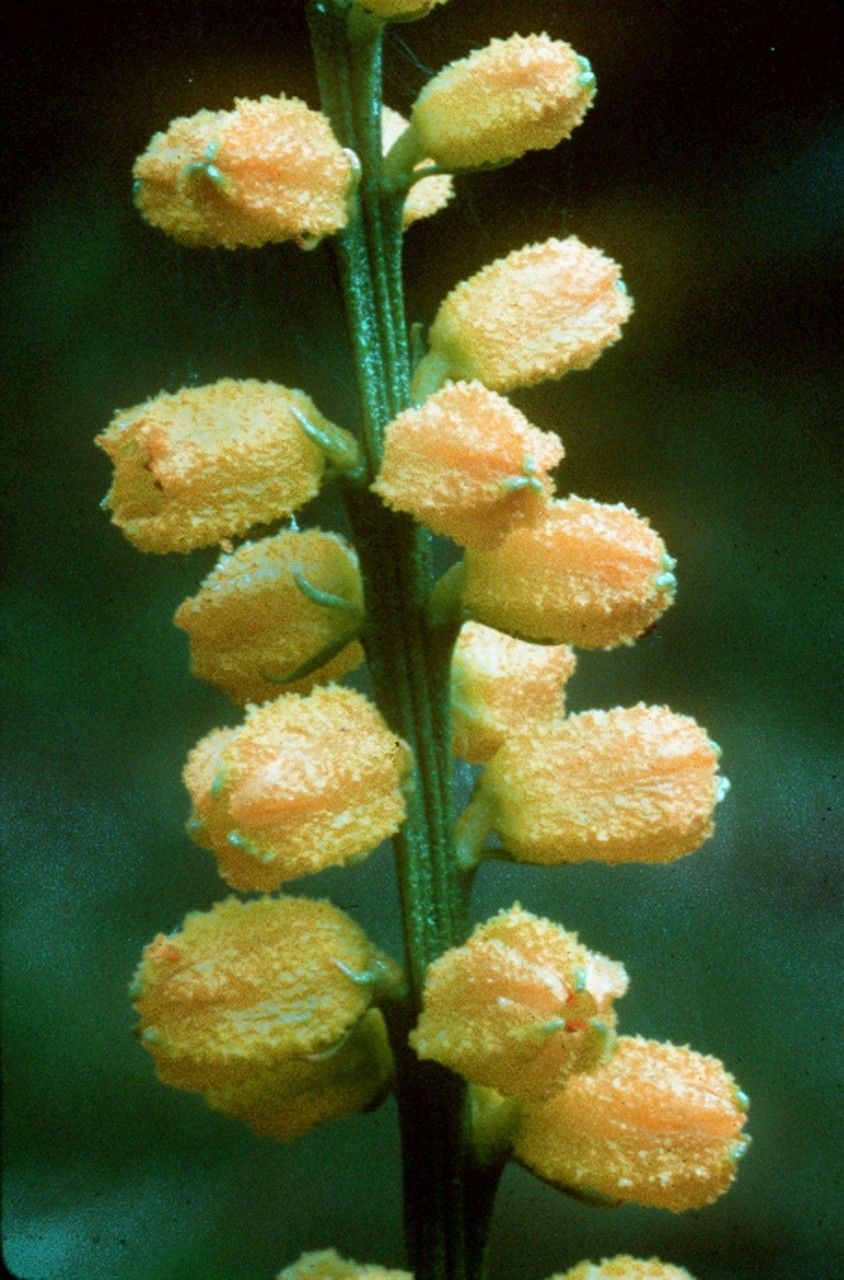
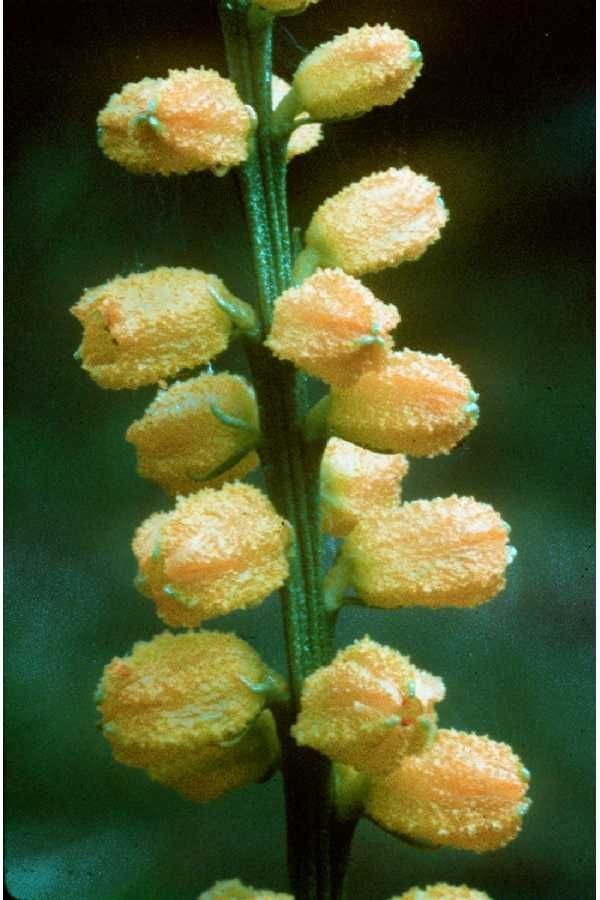
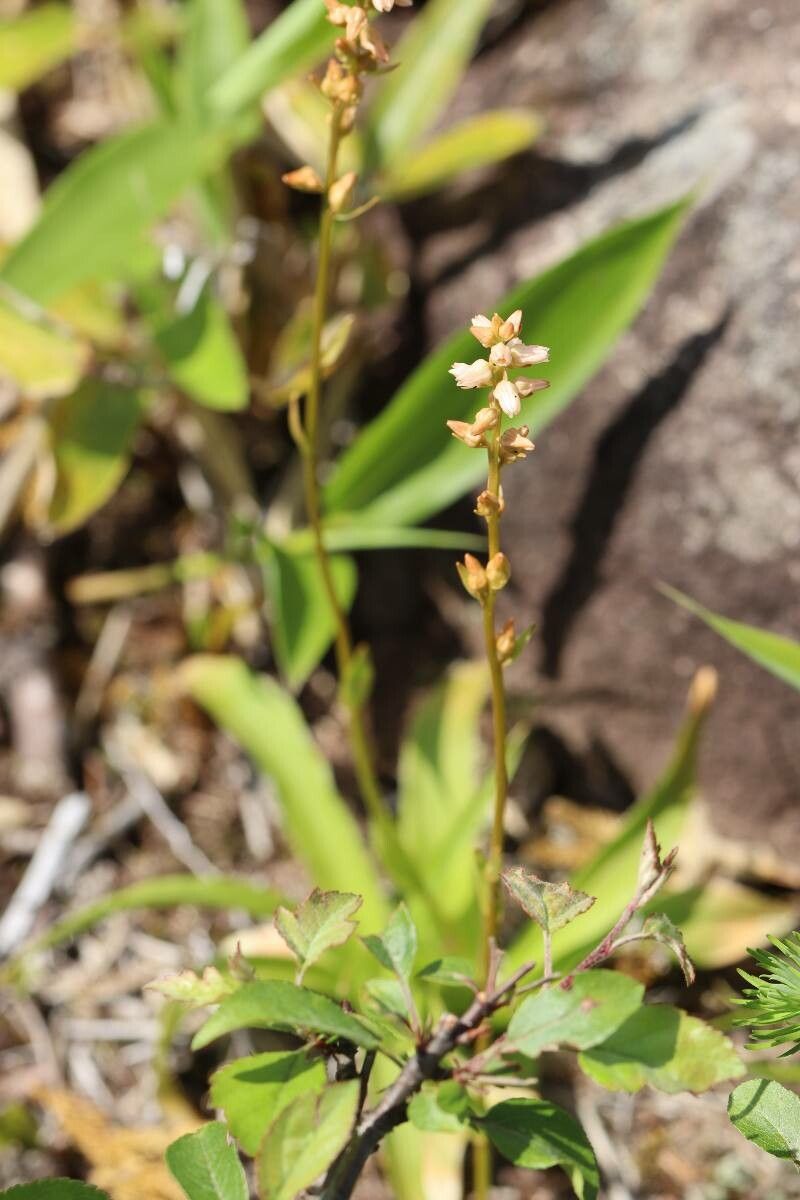
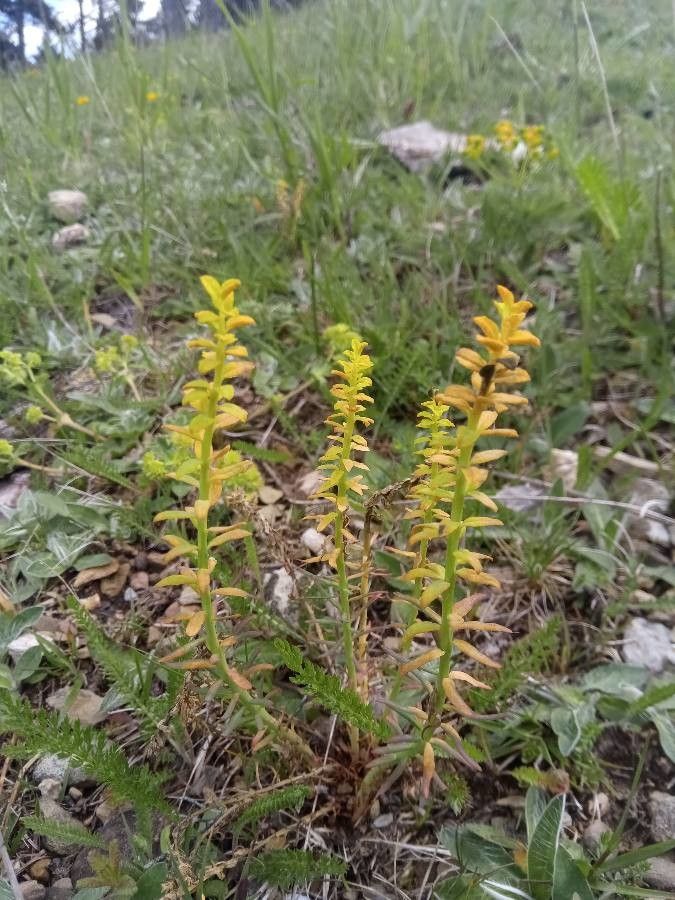
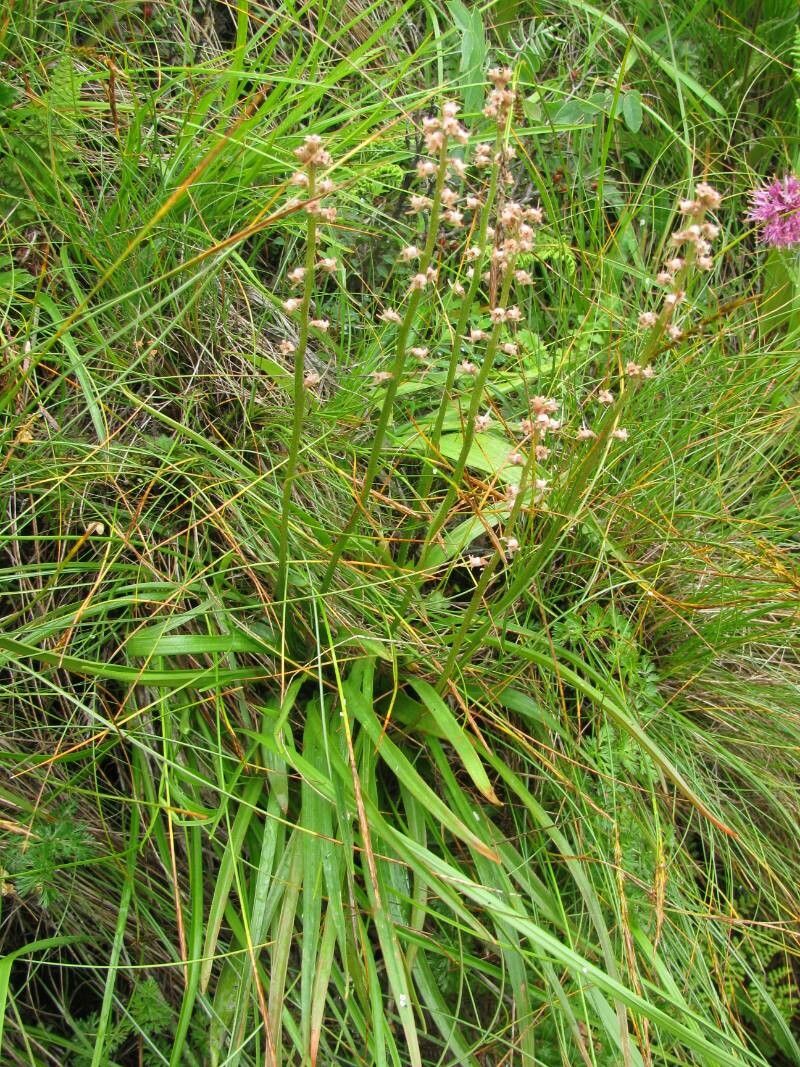
Aletris aurea (golden unicorn root) is a plant species native to the southeastern United States from eastern Texas and southeastern Oklahoma to Maryland.Aletris aurea is a perennial herb up to 80 cm tall, with a long spike of small, golden-yellow, bell-shaped flowers.
Golden colicroot generally resists disease well and is not often affected by illnesses. Still, it can be vulnerable to pests and diseases present in its environment. These issues are usually mild. Regarding care, the plant requires moderate maintenance. It should be pruned regularly to preserve an attractive appearance and healthy growth. Fertilizing can also encourage flowering. Golden colicroot is suitable for anyone with an outdoor area, such as a garden or patio, and does not demand much experience in plant care. It may need more attention when grown indoors.
How to keep Aletris Aurea.
Light
Golden colicroot thrives in locations that get unbroken sunlight throughout the day, though it can also tolerate environments with somewhat lower light. In its native range it occurs in sites with high light exposure. Both too much and too little light can interfere with its healthy development.
Water
Golden colicroot thrives in well-drained soils typically found in open woodlands. While it prefers consistently moist conditions, it can tolerate moderate drought once it is established. For optimal health, it's best to water it weekly, allowing it to benefit from natural rainfall during its active growing season.
Temperature
Golden colicroot originates from habitats where temperatures typically range from 50 to 95 °F (10 to 35 ℃). It thrives best under comparable conditions but can adapt to seasonal temperature variations when required.
Fertilizer
The best time to fertilize a Golden colicroot is in early spring, when it is coming out of dormancy and starting active growth. Fertilization supplies essential nutrients needed for healthy development. While Golden colicroot has relatively low fertilizer requirements, an annual application can improve its survival and encourage better, longer-lasting flowers.
Pruning
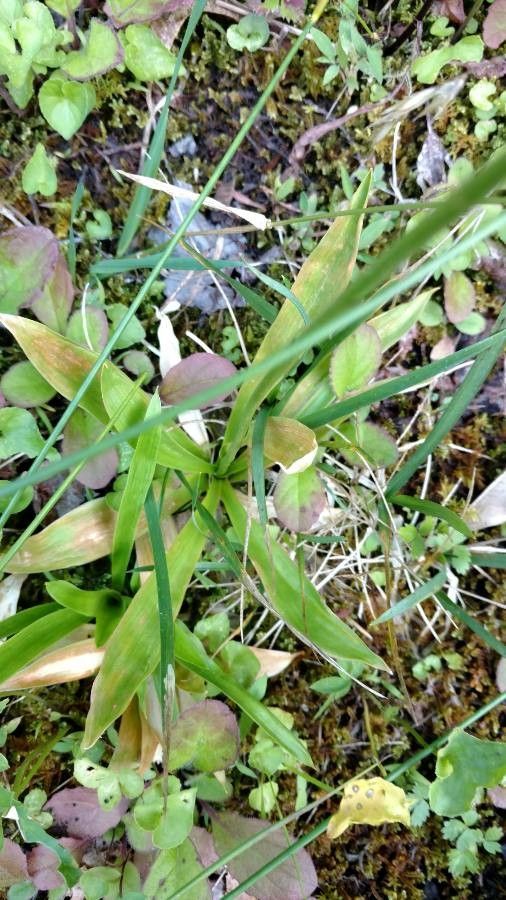
Golden colicroot showcases stunning golden flowers and slender, grass-like leaves. To promote healthy growth, prune the plant from early to late spring by removing any dead stems, but be careful not to over-prune. This approach improves air circulation and light exposure, reducing the risk of disease and increasing the plant's vigor and lifespan in the garden.
Botanical profile.
- Plant Type
- Herb
- Life Cycle
- Perennial
- Genus
- Aletris
- Family
- Nartheciaceae
- Hardiness Zone
- 6-9
- Mature Height
- 76 cm
- Mature Spread
- 30 cm to 49 cm
- Leaf Color
- Green
- Leaf Type
- Deciduous
- Flower Color
- Yellow
- Flower Size
- 2.54 cm
- Bloom Time
- Late spring, Early summer
- Planting Time
- Spring, Summer
- Harvest Time
- Mid summer, Late summer
Other names.
Reader questions.
What are the sunlight requirements for Golden Colicroot?
Golden Colicroot needs full sun, which is above 6 hours of sunlight daily, or partial sun, about 3 to 6 hours of sunlight. It's important to observe how sunlight moves through your garden to pick the best spots that offer an ideal balance between light and shade, ensuring the plants grow healthily.
What are the ideal temperature conditions for Golden Colicroot?
Golden Colicroot thrives in environments where temperatures range between 50 to 95 °F (10 to 35 °C). It has a strong resistance to cold, allowing it to adjust to seasonal temperature changes without special frost protection measures in most cases. However, if winter temperatures are expected to drop below -25°C, it's important to protect the plant by covering it with materials such as soil or straw. Additionally, watering the plant abundantly before the first freeze in autumn helps ensure the soil remains moist and prevents drought during winter and early spring.
Can Golden Colicroot adapt to varying sunlight exposures?
Yes, Golden Colicroot flourishes in areas where it can receive unobstructed sunlight throughout the day, aligning with its natural preference for considerable light exposure. However, it also has the capacity to adapt to environments where sunlight is present but less abundant. It's vital, though, to ensure that the plant receives the right amount of light; too much or too little can inhibit its growth.
How does low temperature affect Golden Colicroot, and what are the solutions?
Golden Colicroot is cold-tolerant and can thrive in temperatures above 10°C. It should ideally be kept above -15°C during winter. When temperatures fall below -25°C, the plant may not show noticeable changes during winter, but there could be a decrease in sprouting or even no sprouting at all during springtime. To alleviate this, in spring, it is recommended to remove any parts of the plant that have failed to sprout.
How can artificial lighting benefit Golden Colicroot indoors?
Artificial lighting can be beneficial when natural sunlight is insufficient, especially during winter or in naturally less sunny spaces. For optimal growth indoors, LED lights that provide specific wavelengths of light suited for plants can be used. Full sun plants typically need 30-50W/sq ft of artificial light, partial sun plants need 20-30W/sq ft, and full shade plants require 10-20W/sq ft. The light source should be placed 12-36 inches above the plant, mimicking the natural daylight cycle with 8-12 hours of light per day.
How does high temperature affect Golden Colicroot, and what are the solutions?
During summer, it's important to keep Golden Colicroot's temperature below 35°C. If temperatures exceed 38°C, the plant's leaves may become lighter in color, prone to curling, susceptible to sunburn, and in severe cases, the plant may wilt and become dry. The solution includes trimming away sunburned and dried-up parts, moving the plant to a shaded location or using a shade cloth to protect it from midday and afternoon sun. Additionally, watering the plant in the morning and evening helps keep the soil moist, further protecting it from high temperatures.
What symptoms indicate Golden Colicroot is getting inadequate light?
Symptoms of inadequate lighting in Golden Colicroot include small or light-colored new leaves, leggy or sparse growth, faster leaf drop, slower or no new growth, chlorosis, sunscald, leaf curling, wilting, and leaf scorching. These signs suggest that the plant is not receiving enough sunlight to maintain its health and may need a change in its location or lighting conditions.
How can I address light deficiency in Golden Colicroot?
To combat light deficiency, gradually move Golden Colicroot to a location where it can receive at least 6 hours of direct sunlight daily. For indoor plants, consider using a south-facing window or artificial grow lights for enough light exposure. Outdoor plants should be moved slowly to sunnier spots to avoid sunburn. If sunlight is obstructed by objects like trees, consider pruning to let more light through. Small or immature plants might require transplanting during their dormant period to a brighter location with better sunlight and drainage.