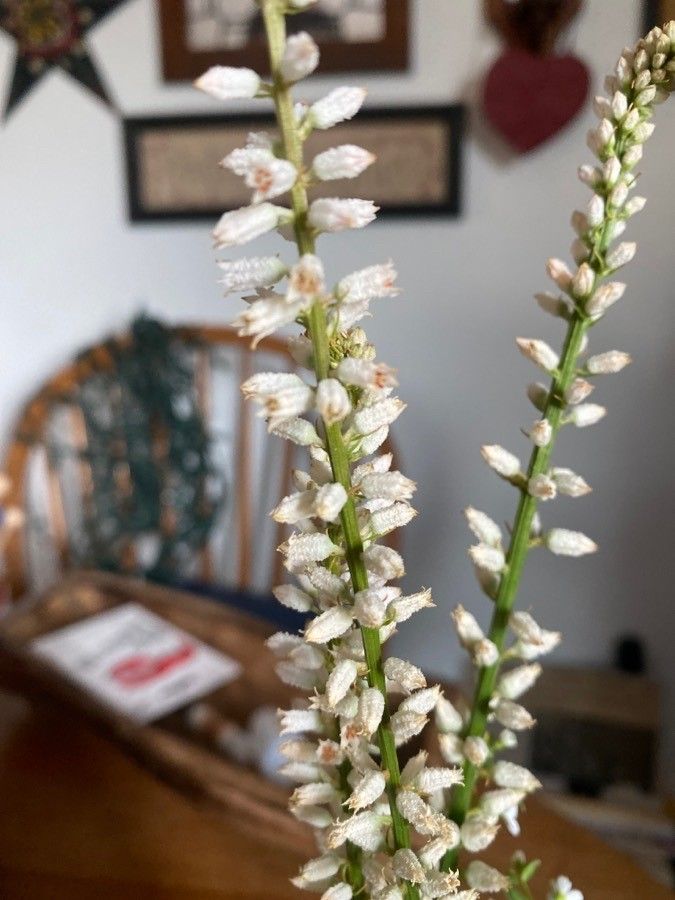
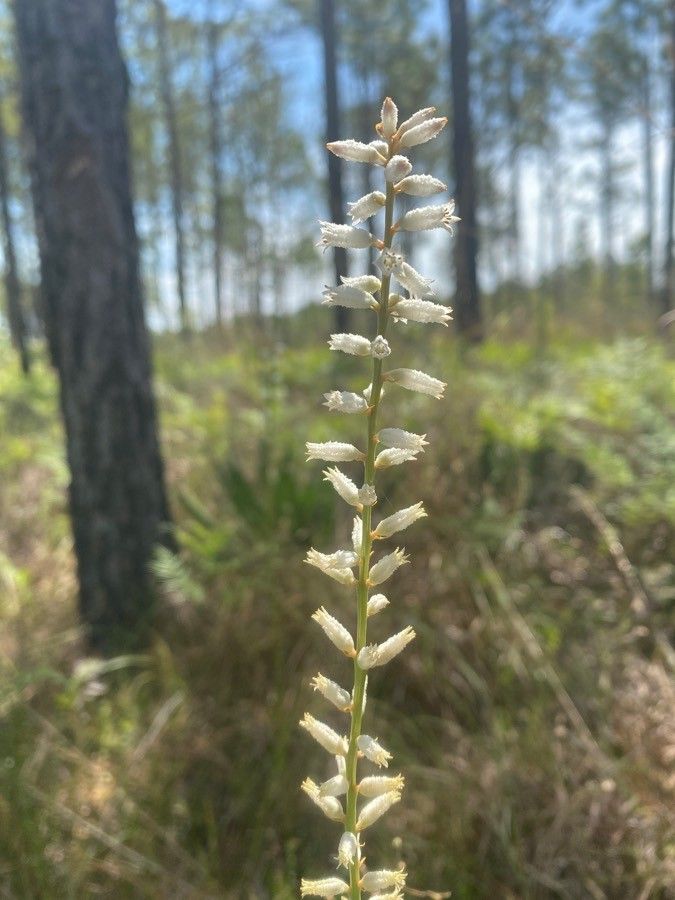
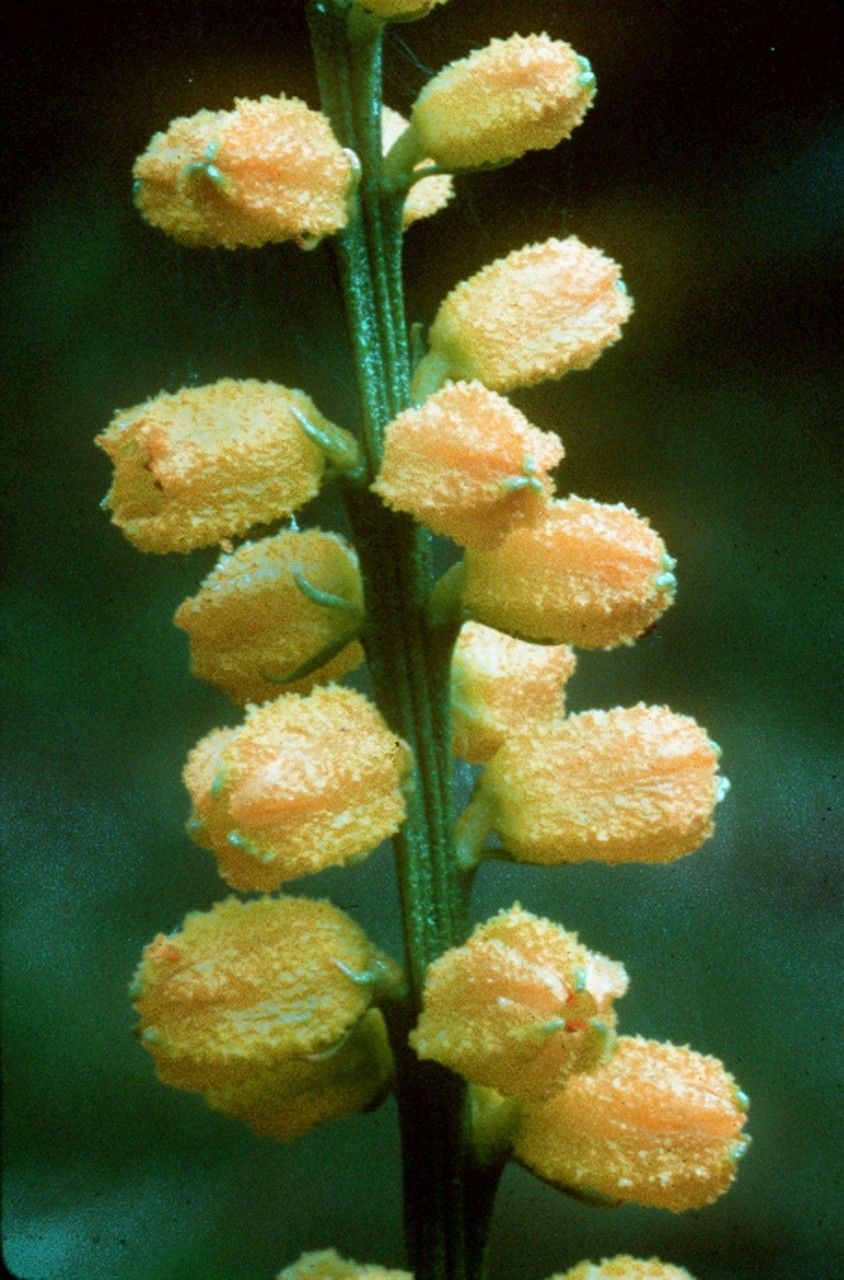
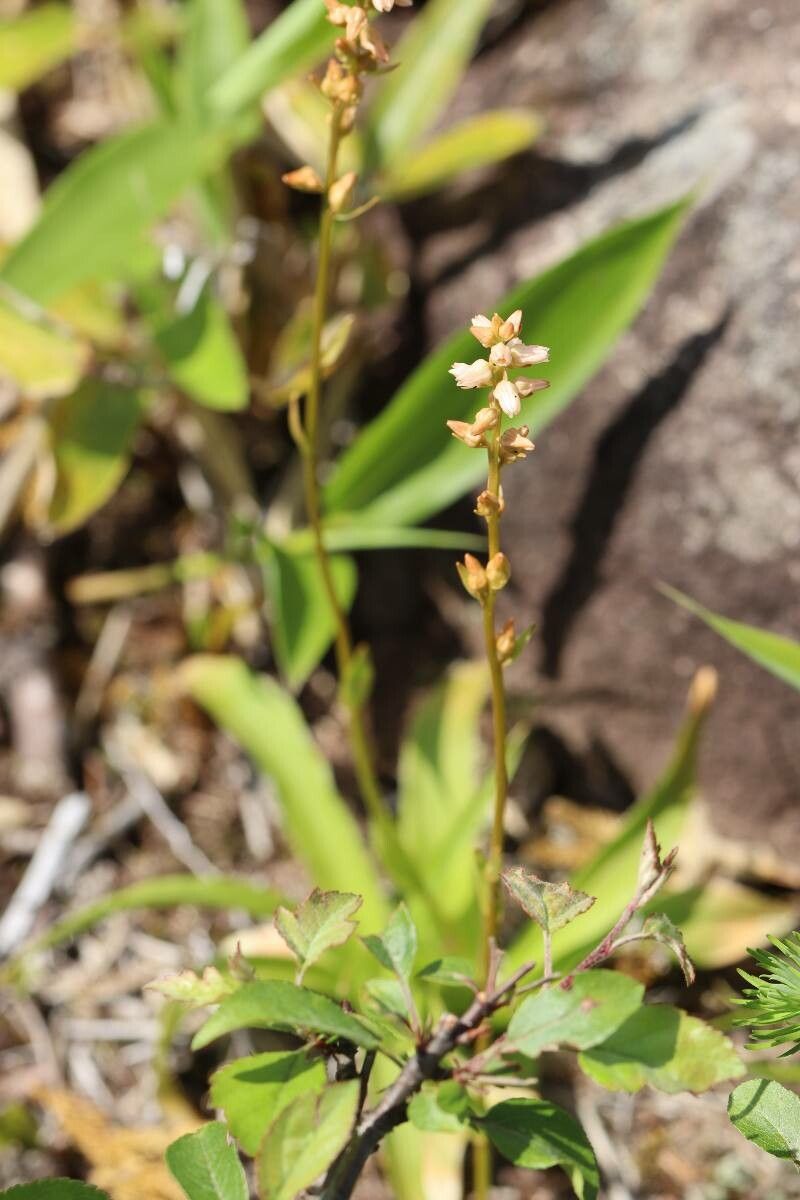
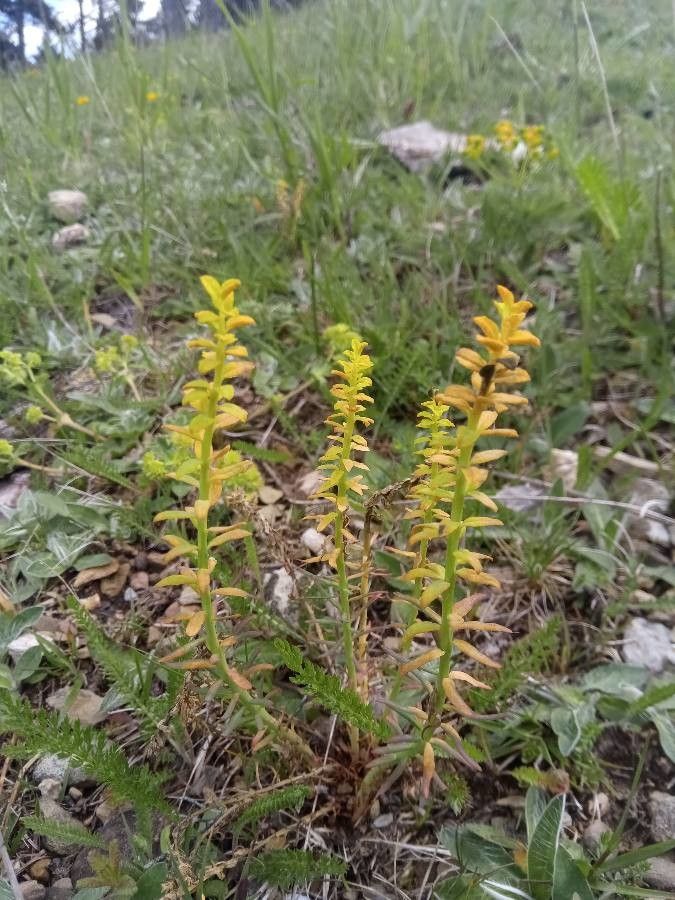
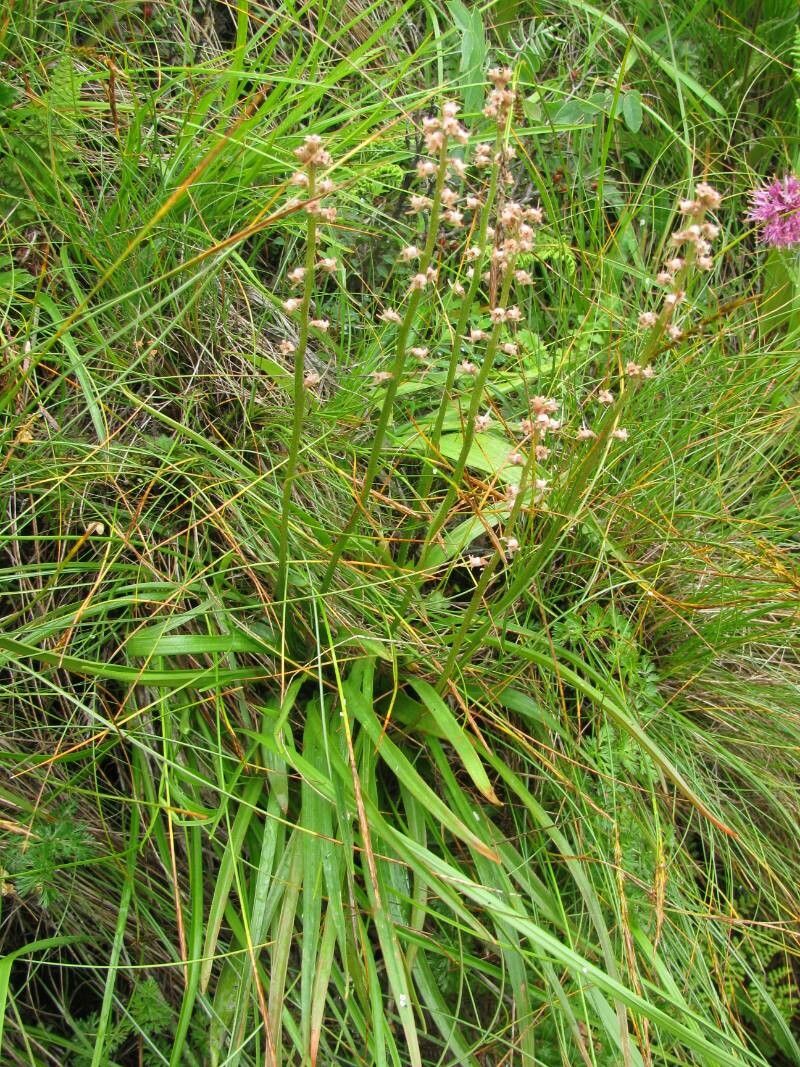
Aletris farinosa, called the unicorn root, true unicorn, crow-corn, white colic-root or white stargrass, is a plant species found across much of the eastern United States. It has also been reported from the southern part of Ontario, Canada. It is known from every state east of the Mississippi River except Vermont, as well as Texas, Oklahoma, Arkansas and Louisiana.Aletris farinosa is a perennial herb spreading by means of underground rhizomes and forming rosettes of leaves. Leaves are narrow, up to 20 cm long, bright yellowish-green. Flowering stalks can be as much as 100 cm tall. Flowers are white, up to 10 mm long. Fruit is a dry capsule tapering at the tip.
White colicroot is fairly resistant to disease and is generally not highly susceptible to illnesses. However, it can be affected by pests and diseases present in its surroundings. These problems are usually mild. Regarding care, the plant requires moderate maintenance. Regular pruning is needed to keep a neat appearance and support healthy growth. Fertilizing can also encourage flowering. White colicroot is suitable for anyone with outdoor space, such as a garden or patio, and does not require extensive care experience. It may need more attention when grown indoors.
How to keep Aletris Farinosa.
Light
The white colicroot does best with continuous exposure to sunlight. The strength of the light source is crucial for its health and development. Originating in areas with abundant light, white colicroot prefers these conditions during its growth stages. Shade or insufficient light harms it, restricting its growth and flowering.
Water
White colicroot thrives in conditions of moderate moisture, requiring consistent weekly watering in the absence of excessive rainfall. As a herbaceous perennial, it requires well-drained soil to prevent overwatering, which can hinder its ability to flower. Maintaining the right moisture balance is essential for optimal growth and blooming.
Temperature
White colicroot is indigenous to habitats where temperatures normally fall between 50 and 95 °F (10 to 35 ℃). It performs best in these conditions. Careful monitoring and adjustments are needed to keep temperatures within this range, particularly when seasons vary.
Fertilizer
The best time to fertilize a White colicroot is in early spring, as it comes out of dormancy and begins active growth. Fertilizing supplies essential nutrients for healthy development. Although White colicroot has relatively low fertilizer requirements, applying fertilizer annually can boost its survival and encourage better, longer-lasting flowers.
Pruning
White colicroot is a perennial herb characterized by its slender, grass-like leaves and clusters of tiny white flowers. To encourage healthy flowering and remove any damaged growth, prune the plant from early to late spring. Be sure to use clean, sharp tools for pruning, and consider consulting gardening guides for the best practices.
Botanical profile.
- Plant Type
- Herb
- Life Cycle
- Perennial
- Genus
- Aletris
- Family
- Nartheciaceae
- Hardiness Zone
- 6-9
- Mature Height
- 46 cm to 91 cm
- Mature Spread
- 5 cm to 18 cm
- Leaf Color
- Green, Yellow, Gold
- Leaf Type
- Semi-evergreen
- Flower Color
- White
- Flower Size
- 2.54 cm
- Bloom Time
- Late spring, Early summer
- Planting Time
- Spring, Summer, Autumn
- Harvest Time
- Mid summer, Late summer
Other names.
Reader questions.
What are the sunlight requirements for White colicroot?
White colicroot requires full sun, which means it needs above 6 hours of sunlight daily for optimal growth. It's crucial to monitor how sunlight moves through your garden meticulously, to situate your plants in areas that ensure they get a harmonious mix of light and shade, guaranteeing their wellbeing. The plant's native environment is typically radiant with abundant light, a condition it continues to prefer for its development. Insufficient sunlight or overshadowing can detrimentally affect its growth and flowering potential.
What are the ideal temperature conditions for growing White colicroot?
White colicroot is native to environments where temperatures generally range between 50 to 95°F (10 to 35°C), thriving best within these conditions. It possesses strong cold resistance, indicating that special frost protection measures are usually not necessary. However, in extremely cold winters where temperatures are expected to drop below -25°C, measures such as covering the plant with soil or straw are recommended to protect it from cold. Additionally, to help the plant through winter and early spring, it is advised to water it abundantly before the first freeze in autumn to maintain soil moisture.
How important is sunlight for White colicroot's health?
Sunlight plays a pivotal role in the health and development of White colicroot. Continuous exposure to sunlight is essential, as the intensity of the light source is key to its wellbeing. The plant originates from brightly lit environments and requires similar conditions to prosper through its growth phases. A lack of sufficient light can harm the plant, stunting its growth and reducing its blooming capability. For indoor plants, when natural sunlight is inadequate, artificial lighting can be a beneficial supplement to promote healthier and faster growth. LED lights are often recommended for their ability to provide specific wavelengths needed by the plants, with varying intensities required for different plant types.
How does White colicroot react to low temperatures, and what are the solutions for any issues caused?
White colicroot is cold-tolerant and thrives best at temperatures above 10°C. During winter, it is essential to keep it above -15°C. If the temperature falls below -25°C, the plant's ability to sprout in spring might be affected, showing either decreased sprouting or none at all. The solution to this issue is to remove any parts of the plant that have failed to sprout once spring arrives.
What symptoms indicate White colicroot is getting insufficient light?
Symptoms of light deficiency in White colicroot include new leaves growing smaller than mature ones, leggy or sparse growth, earlier shedding of older leaves, and delayed or halted new growth. Insufficient sunlight can also lead to the development of paler leaves, a condition known as chlorosis, where leaves lose their green color and turn yellow. More severe symptoms of excessive sunlight exposure include sunscald, which damages plant tissues, leaf curling as a defense mechanism against too much sunlight, wilting due to heightened water loss, and leaf scorching characterized by brown, dry edges on leaves.
What should be done if White colicroot is exposed to high temperatures?
During summer, it's crucial to ensure the temperature around White colicroot does not exceed 35°C. Exposure to temperatures above 38°C may result in the plant's leaves becoming lighter, curling, and even getting sunburned, leading to the entire plant wilting and drying out. To mitigate these issues, trim away the affected parts, relocate the plant to a shaded area away from direct midday and afternoon sun, or utilize a shade cloth. Keeping the soil moist by watering in the morning and evening is also beneficial.
What solutions can mitigate light-related issues for White colicroot?
To address light-related issues for White colicroot, indoor solutions include gradually introducing the plant to sunnier locations, ensuring it receives at least 6 hours of direct sunlight daily, using south-facing windows for maximum exposure, and considering artificial lighting for additional support. Outdoor plants should also be moved progressively to brighter areas while avoiding sudden changes in light intensity to prevent sunburn. Additionally, reducing obstructions like pruning trees can help increase sunlight exposure. For smaller plants, transplanting during their dormant period to sunnier locations with good drainage is advised. It's important to note that parts of the plant already affected by poor light may not recover, but new growth will be healthier following these adjustments.