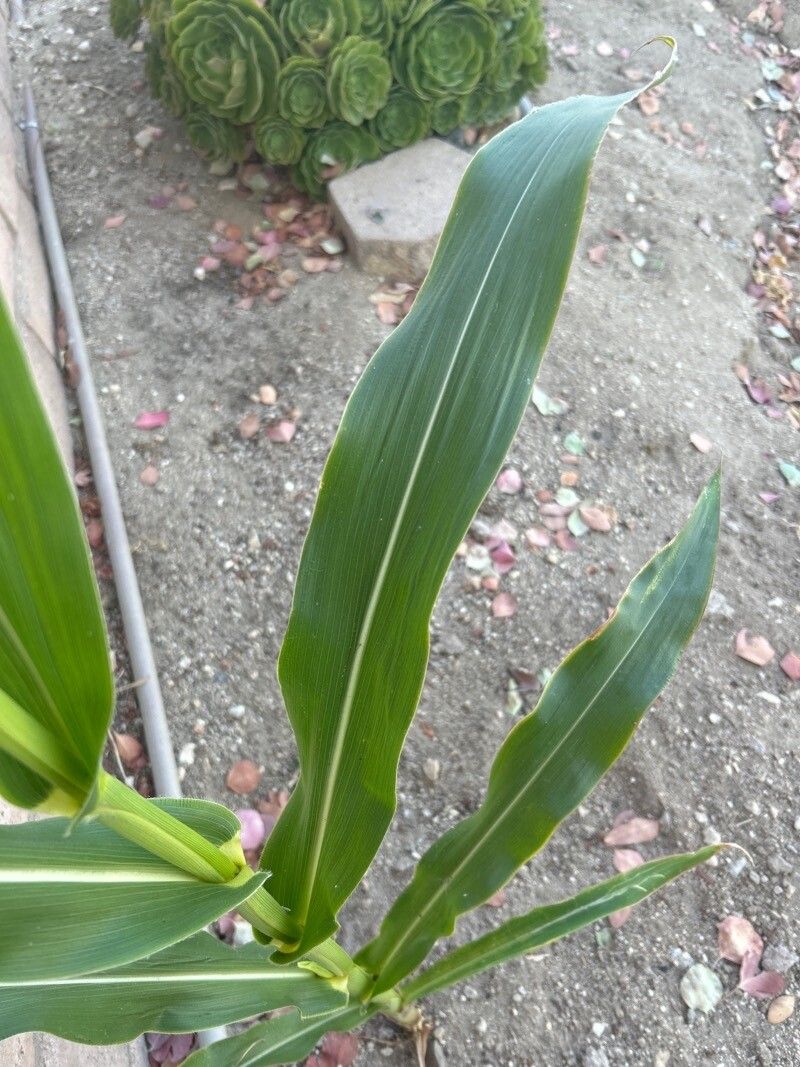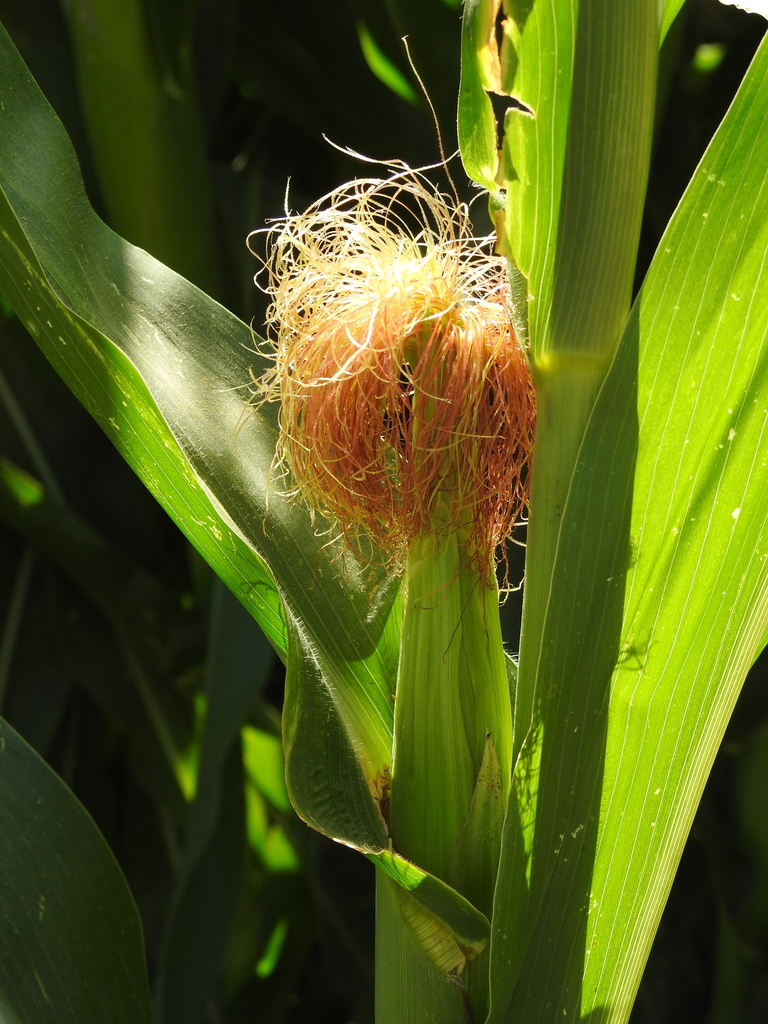
Maize ( MAYZ; Zea mays subsp. mays, from Spanish: maíz after Taino: mahiz), also known as corn (North American and Australian English), is a cereal grain first domesticated by indigenous peoples in southern Mexico about 10,000 years ago. The leafy stalk of the plant produces pollen inflorescences (or "tassels") and separate ovuliferous inflorescences called ears that when fertilized yield kernels or seeds, which are fruits. The term maize is preferred in formal, scientific, and international usage as a common name because it refers specifically to this one grain, unlike corn, which has a complex variety of meanings that vary by context and geographic region. Maize has become a staple food in many parts of the world, with the total production of maize surpassing that of wheat or rice. In addition to being consumed directly by humans (often in the form of masa), maize is also used for corn ethanol, animal feed and other maize products, such as corn starch and corn syrup. The six major types of maize are dent corn, flint corn, pod corn, popcorn, flour corn, and sweet corn. Sugar-rich varieties called sweet corn are usually grown for human consumption as kernels, while field corn varieties are used for animal feed, various corn-based human food uses (including grinding into cornmeal or masa, pressing into corn oil, fermentation and distillation into alcoholic beverages like bourbon whiskey), and as feedstocks for the chemical industry. Maize is also used in making ethanol and other biofuels. Maize is widely cultivated throughout the world, and a greater weight of maize is produced each year than any other grain. In 2021, total world production was 1.2 billion tonnes. Maize is the most widely grown grain crop throughout the Americas, with 384 million metric tons grown in the United States alone in 2021. Genetically modified maize made up 85% of the maize planted in the United States in 2009. Subsidies in the United States help to account for its high level of cultivation of maize and its position as the largest producer in the world.
Maize: The word "maize" comes from the Spanish adaptation of the indigenous Taíno term "mahiz" for the plant. However, in different parts of the world, it is known by various names.
Corn has moderate resistance to disease but can be susceptible to illnesses like leaf spot. Its susceptibility to insect pests varies by variety, although most have lower resistance to pests. Regarding care, corn requires regular watering and fertilization, and frequent removal of yellow leaves. It is important to manage pests and diseases when they appear and to harvest the plant promptly. Corn is suitable for people who can spare some time and energy for regular maintenance.
How to keep Zea Mays.
Light
Corn flourishes under substantial sunlight exposure. This plant thrives on abundant sunlight while growing. It originated in areas with plenty of sunshine. Although it can survive on limited sunlight, it may display symptoms of suppressed growth. Too little or too much exposure could lead to impaired or irregular growth.
Water
Maize thrives in a humid environment and needs regular watering, ideally twice a week, to stay healthy. As an outdoor plant, it requires consistent hydration during its growing season for optimal growth. While maize can tolerate drought conditions, it grows best with regular exposure to humidity.
Temperature
The original habitat of corn is in areas where the temperatures stay between 68 and 100°F (20 to 38°C). These temperatures are optimal for its growth. To ensure maximum yield, the temperature may need to be adjusted in line with the changing seasons.
Fertilizer
To reach its full potential, Corn needs to be fertilized three times: before planting, one month after the seedlings appear, and finally 1 to 1.5 months following the second fertilization. Certain types of Corn could gain advantages from extra fertilizer when planted to facilitate swift growth.
Pruning
Pruning sweet corn plants is not required.
Toxicity
Sweet corn is generally not toxic to humans and animals. The corn kernels contain protein, essential fatty acids, and other substances that are a great source of energy, so long as it's taken off the cob. However, eating the leaves and husks of the plant can cause digestive issues in dogs and cats.
Further reading →
The toxicity and danger assessments provided are for reference only. We do not assure their accuracy, so it's crucial not to depend on them. Seek professional advice when necessary for accurate guidance.
Botanical profile.
- Plant Type
- Grass
- Life Cycle
- Annual, Biennial
- Genus
- Zea
- Family
- Poaceae
- Hardiness Zone
- 2-11
- Mature Height
- 0.91 m to 3.96 m
- Mature Spread
- 30 cm to 61 cm
- Leaf Color
- Green, Variegated
- Leaf Type
- Deciduous
- Flower Color
- Gold
- Flower Size
- 10.16 cm to 25.40 cm
- Bloom Time
- Early summer, Mid summer
- Planting Time
- Spring, Summer
- Harvest Time
- Mid summer
- Native Area
- Mexico, Guatemala
Other names.
Reader questions.
When Should I Water My Maize?
Proper and timely watering is critical for the health and development of maize, impacting its growth, flower production, and disease resistance. Maize requires watering when the top 1 to 2 inches of soil feel dry. If maize leaves appear wilted or begin to yellow, this indicates a need for water. The plant particularly needs more water during the pre-flowering stage, warm temperatures, and high sunlight exposure periods. It's important to avoid watering too early to prevent root rot and too late to avoid growth stunting or plant death. Monitoring soil moisture and leaf condition helps manage watering effectively.
Why is it important to add fertilizer to my Maize crop?
Some plants can naturally obtain all the nutrients they need to grow, while others may require fertilizer. Maize, for example, benefits from fertilizing to increase its yield. Like any other plant, Maize uses nutrients for growth and internal processes that lead to edible seeds or grains. Nutrients are essential for plants to grow, bloom, perform photosynthesis, and produce seeds or fruits. Without enough nutrients, Maize may have reduced tillering, smaller seeds, and lower protein content in the final product.
What are the sunlight requirements for maize?
Maize requires considerable amounts of sunlight to thrive, ideally enjoying abundant exposure during its growth stages. It originates from environments with plentiful sunlight, and while it can endure periods of limited sun exposure, this might lead to slowed growth. Inadequate sunlight exposure or too much of it can result in stunted or abnormal development. Full sun exposure means the plant should receive above 6 hours of sunlight, whereas partial sun is about 3-6 hours of sunlight daily. It's essential to watch how sunlight moves through your garden, choosing spots that ensure a perfect balance of light and shade for the health and happiness of your plants.
What are the ideal temperature conditions for growing Maize?
Maize, also known by its botanical name Zea mays, is best suited to temperatures ranging between 68°F (20°C) and 100°F (38°C). To ensure optimal growth, it's important to maintain temperatures above 20°C, particularly during the winter months to prevent growth inhibition. The plant should be protected from temperatures that drop below freezing, employing strategies such as moving it indoors or utilizing a temporary greenhouse to shield it from the cold, especially when outdoor temperatures approach or fall below -5°C (25°F).
How Should I Water My Maize?
To water maize effectively, utilizing the bottom-watering method can be beneficial, where the plant pot is placed in a tray of water allowing the roots to absorb moisture from below. This method prevents water from sitting at the soil's surface and discourages root over-saturation. When using a watering can, choose one with a narrow spout to direct water to the base of the plant, minimizing foliage wetness and promoting root-level hydration.
When should I fertilize my Maize for the best results?
The best time to fertilize Maize is generally in the spring. For optimal growth, many types of Maize should receive three major fertilizer treatments during the growing season. The first treatment should be done before seeds are planted, followed by a second treatment about a month after seedlings emerge. Finally, a third treatment should be applied about 1 to 1.5 months after the second one. In addition, certain types of Maize can also benefit from a fertilizer boost at the time of planting. Nutrients are important for all stages of the growth cycle. Since some types of Maize can be harvested in as little as a month from seed, it is crucial to provide enough nutrients for them to reach their full size as quickly as possible.
How can artificial lighting support maize growth indoors?
Indoor maize plants require adequate lighting for optimal growth, especially when natural sunlight is insufficient, like during winter or in less sunny spaces. Artificial lights, such as LED lights, are beneficial as they can be customized to provide specific wavelengths of light needed by the plants. Full sun plants need 30-50W/sq ft, partial sun plants require 20-30W/sq ft, and full shade plants need 10-20W/sq ft of artificial light. The light source should be placed 12-36 inches above the plant to mimic natural sunlight, and the duration should mimic natural daylight hours, typically 8-12 hours of light per day.
How does low temperature affect Maize and what are the solutions?
Maize has a moderate tolerance to low temperatures, thriving best within 20°C to 38°C. It is crucial to keep it above 0°C during winter to prevent frost damage. Exposure to temperatures below -40°C can cause leaves to darken, exhibit water-soaked necrosis, wilting, drooping, and eventually turn brown. The solutions include trimming the frost-damaged parts, moving the plant to a warmer indoor environment, or setting up a makeshift greenhouse. Ensuring the plant is near a south-facing window when indoors will provide ample sunlight, complemented by supplemental lighting if necessary.
How Much Water Does Maize Really Need?
The amount of water maize needs depends on several factors including pot size, root depth, and the plant's size. Maize requires 2 to 3 liters of water per watering session for a mature plant in a large pot to ensure the soil is evenly moist but not waterlogged. Properly hydrated maize exhibits dark green leaves, upright stalks, and healthy tassels. Over and underwatering can cause yellow leaves, root rot, or stunted growth, highlighting the importance of balance in watering.
When is the best time to not fertilize my Maize?
To keep Maize healthy and strong, it is important to feed it regularly. However, there are potential risks when it comes to fertilizing. One should avoid fertilizing when the soil is extremely dry or during extreme weather conditions, such as very hot or very cold temperatures. It is crucial to prevent indirect contact between fertilizers and seeds, as this can hinder germination. Additionally, it is recommended to check if the fertilizer is safe to directly touch the plant, as some plants may be damaged if the fertilizer comes into contact with their leaves or fruits. Certain types of fertilizer are only suitable for use in the soil near the plants and should not be applied on top of actively growing plants.
What symptoms indicate light deficiency in maize?
Maize can show several symptoms when exposed to limited light, which may include smaller new leaves compared to previous ones, leggy or sparse growth indicating a thin and stretched appearance, faster leaf drop as the plant tries to conserve resources, slower or halted new growth, and lighter colored new leaves due to insufficient chlorophyll and essential nutrients. These symptoms can easily go unnoticed when maize is grown indoors with inadequate light.
What should be done if Maize is exposed to high temperatures?
During the summer, it is advisable to keep Maize's exposure to temperatures below 38°C to avoid growth retardation and susceptibility to sunburn. Exposure to temperatures above 43°C can result in lighter leaf coloration and slow growth. In such cases, it's best to trim away the sunburned and dried parts of the plant. Moving the plant to a shaded area, particularly to avoid the afternoon sun, and watering it in the morning and evening to maintain soil moisture, are effective strategies for managing high temperatures.