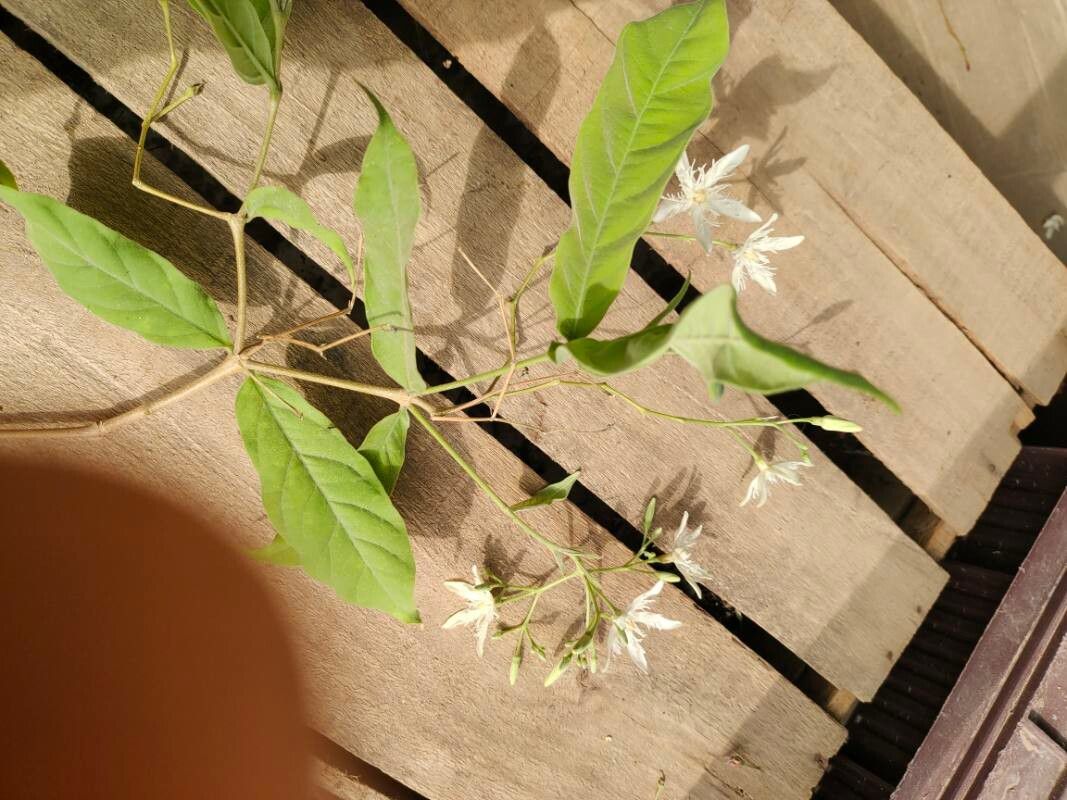
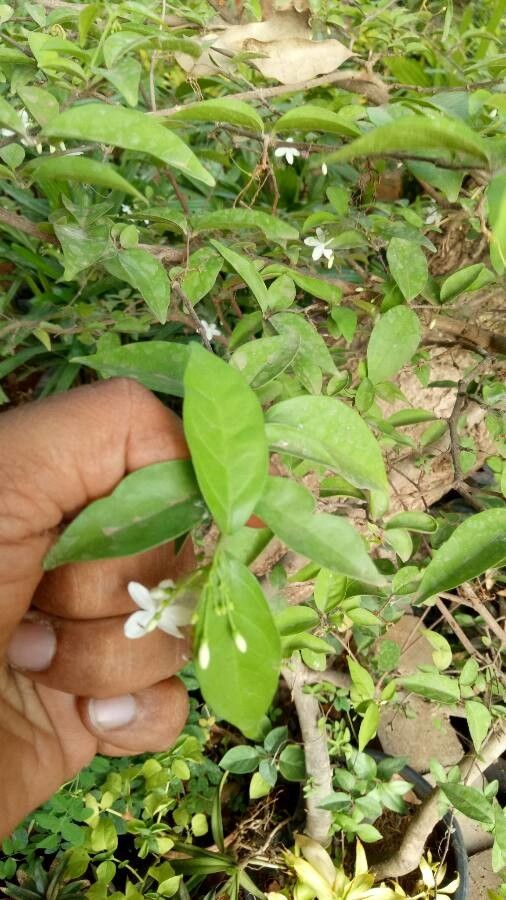
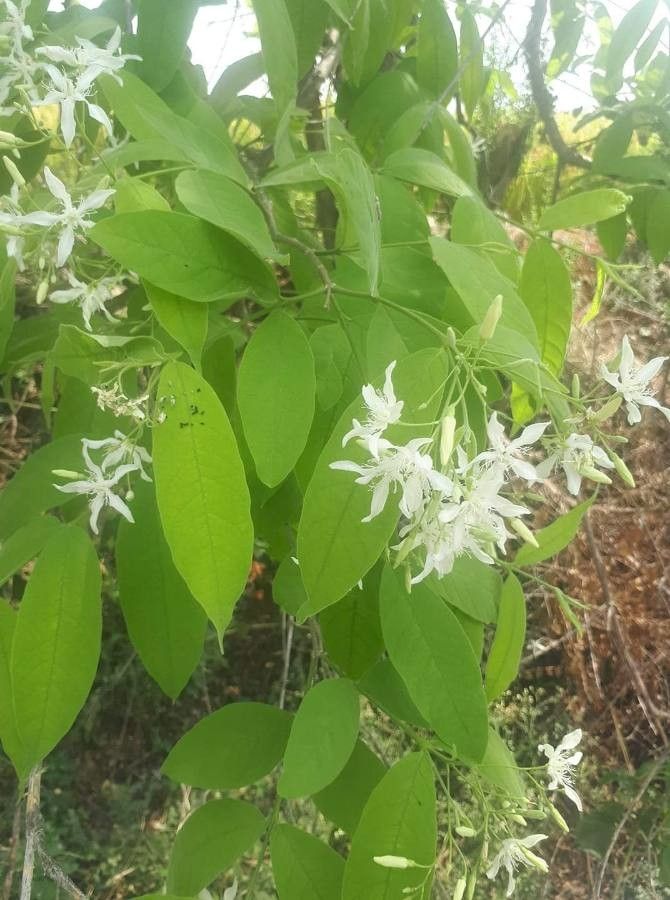
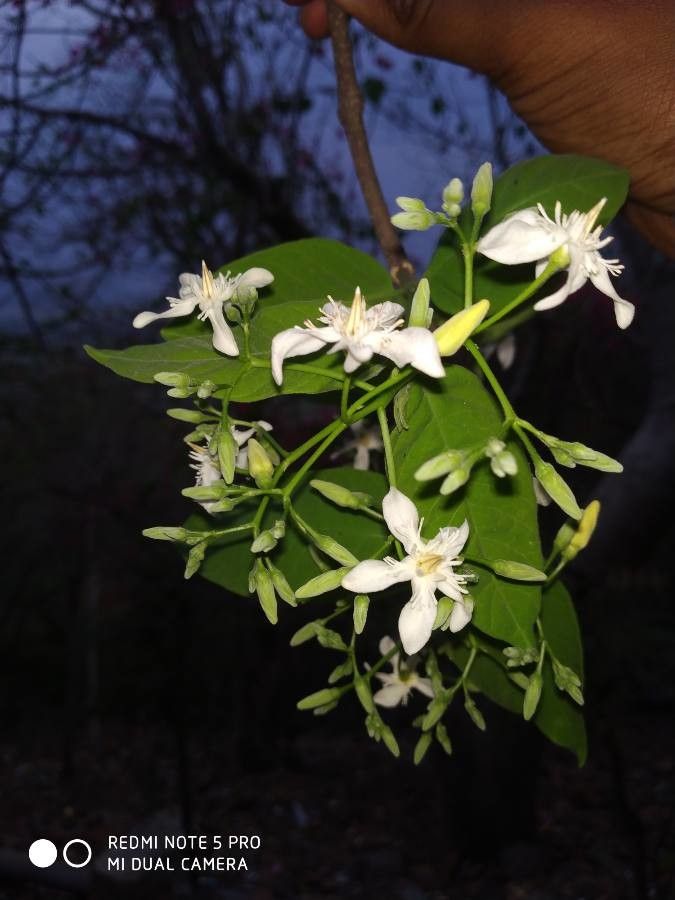
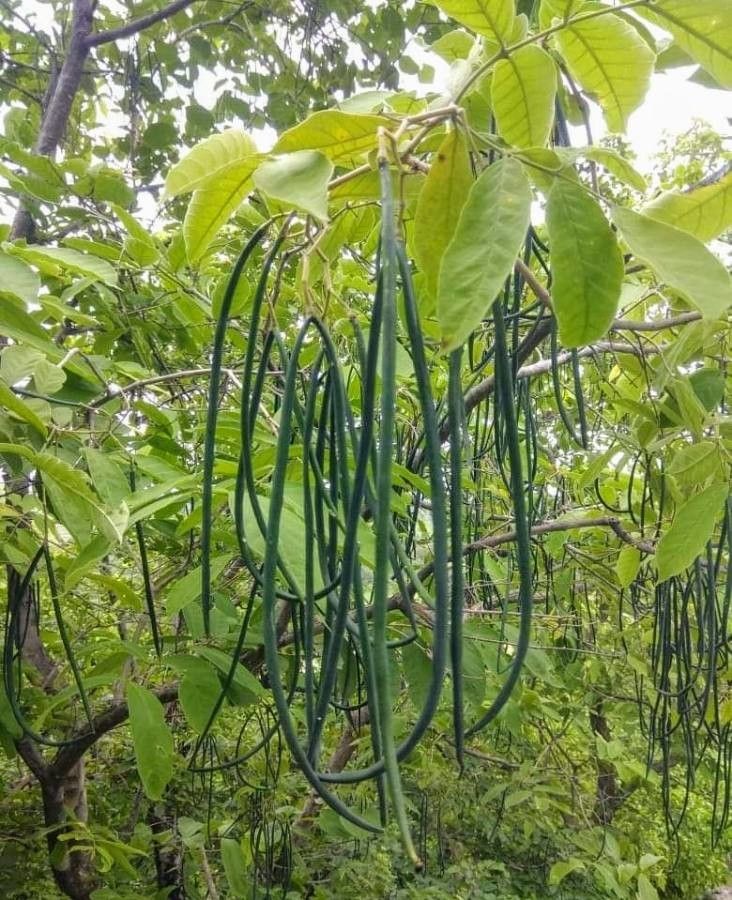
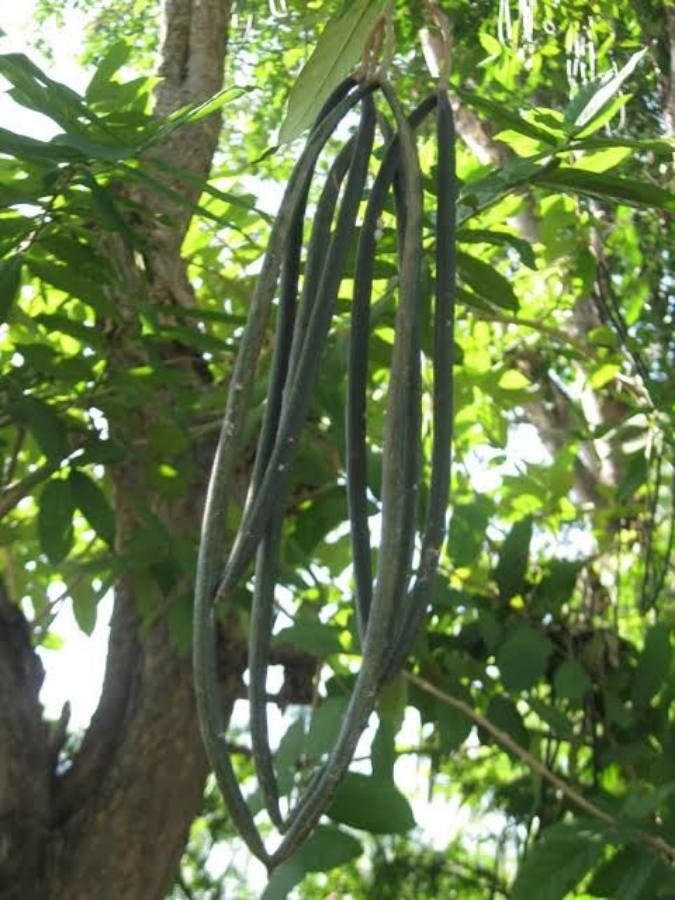
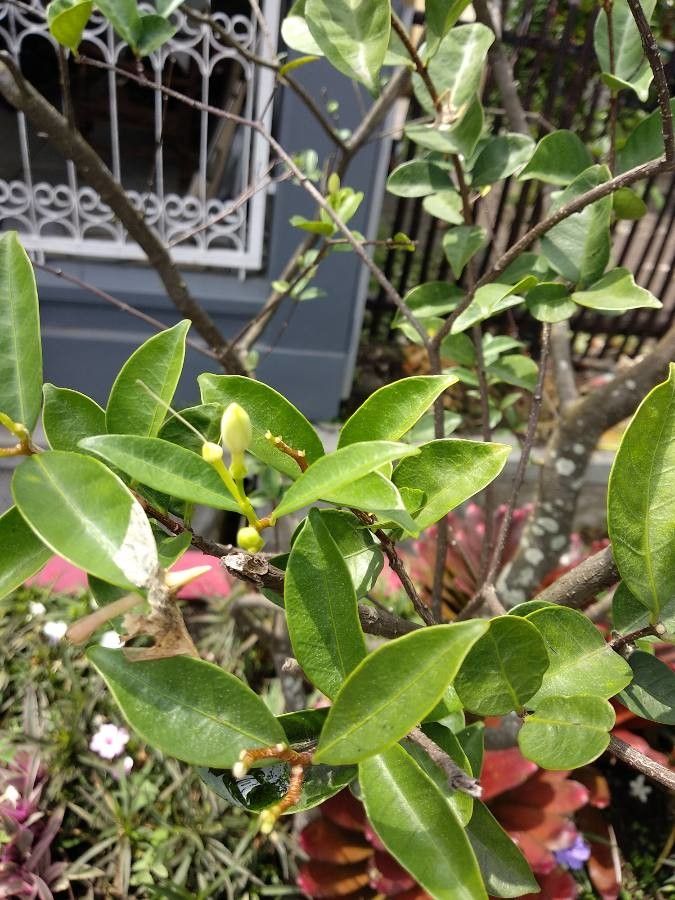
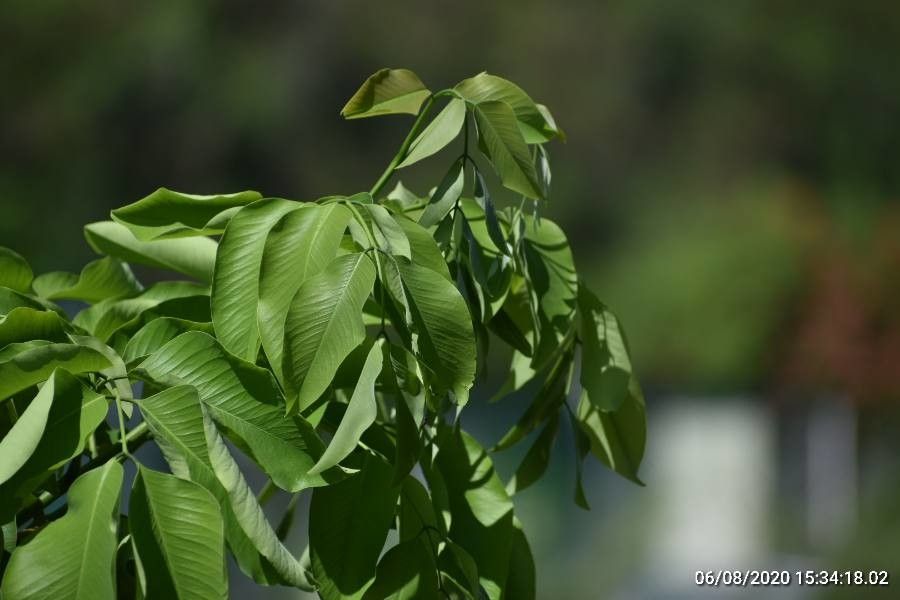
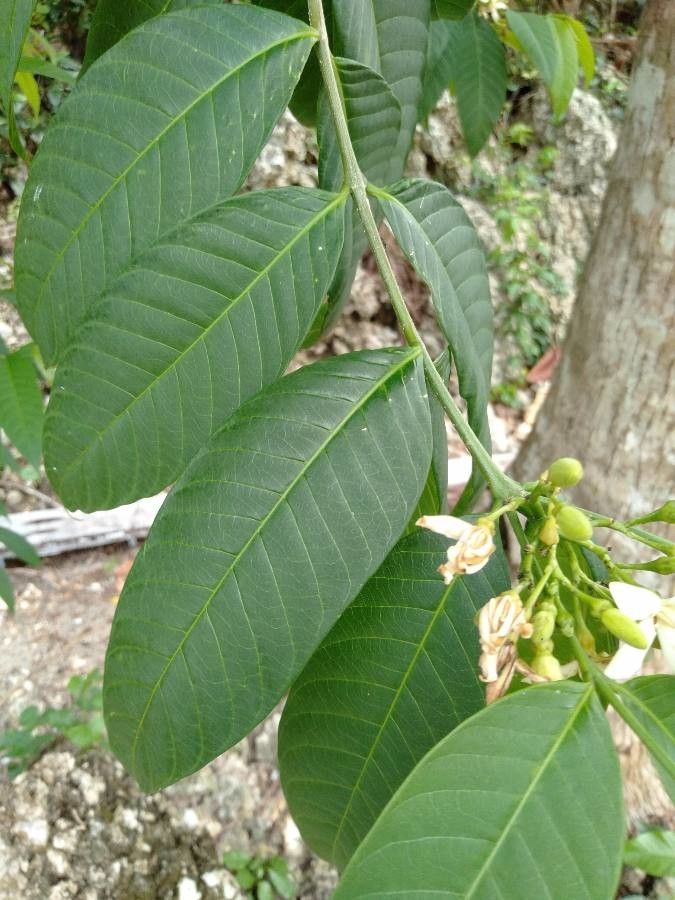
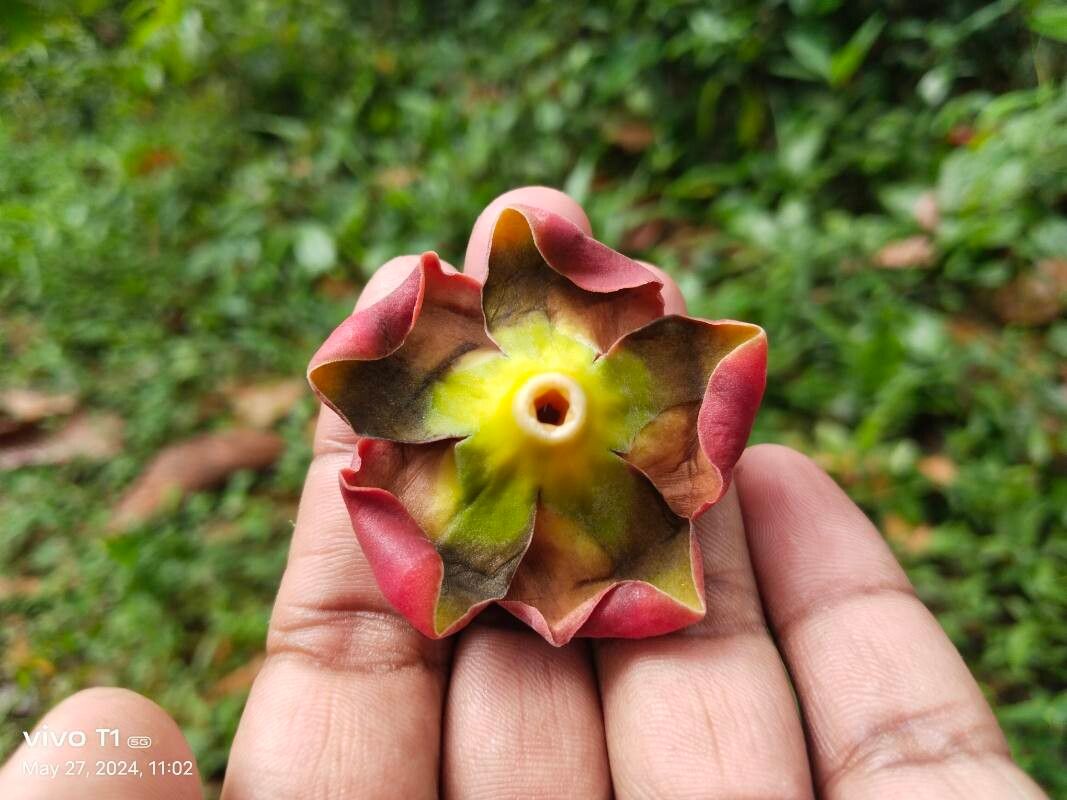
Wrightia tinctoria, Pala indigo plant or dyer's oleander, is a flowering plant species in the genus Wrightia found in India, southeast Asia and Australia. It is found in dry and moist regions in its distribution. Various parts of the plant have been used in traditional medicine, but there is no scientific evidence it is effective or safe for treating any disease.
The Jaundice curative tree has strong resistance to disease and is generally not susceptible to illnesses. In terms of care, this plant is fairly low-maintenance. When grown outdoors it needs only light watering, and larger specimens typically do not require pruning. Smaller plants, however, should be pruned after they have finished blooming. The Jaundice curative tree is suitable for anyone with outdoor space, such as a garden or a deck, and does not call for extensive care experience.
How to keep Wrightia Tinctoria.
Light
Jaundice curative tree originates from habitats like forest understories or rocky areas, where it grows under natural shade. It prefers partial sun but can tolerate both full sun and full shade, illustrating its versatility and hardiness.
Temperature
The Jaundice curative tree comes from tropical areas, where the climate is generally warm and humid. Consequently, it is well-suited to high heat and moisture. It does not tolerate abrupt temperature shifts and favors a consistent thermal environment, so preventing indoor temperature swings is important. It typically cannot withstand cold conditions and needs warmer temperatures to grow. If the surrounding temperature falls too far, the plant may stop growing or even perish.
Fertilizer
Fertilizing is essential for the care of the Jaundice curative tree. Regular applications during the growing season help maintain the energy needed for its showy foliage and encourage overall growth. Failing to fertilize can lead to unhealthy leaves, reduced ornamental value, and stunted or weak growth that is more likely to break.
Pruning
Wrightia tinctoria is known for its distinctive white flowers and medicinal properties. To maintain its health, it is beneficial to prune it in early spring. Key practices include removing dead branches and promoting air circulation, which encourages vibrant growth during the season. It’s important to follow trusted horticultural guidelines to ensure that your approach aligns with the growth characteristics of Wrightia tinctoria and the specific conditions of your region.
Botanical profile.
- Plant Type
- Tree
- Life Cycle
- Perennial
- Genus
- Wrightia
- Family
- Apocynaceae
- Hardiness Zone
- 10-12
- Mature Height
- 10.06 m to 14.94 m
- Mature Spread
- 3.05 m to 4.88 m
- Leaf Color
- Green, Dark Green
- Leaf Type
- Deciduous
- Flower Color
- White
- Flower Size
- 2.03 cm to 3.05 cm
- Bloom Time
- Late spring, Early summer, Mid summer
- Planting Time
- Spring, Summer, Autumn
- Harvest Time
- Late summer, Early fall, Mid fall
Other names.