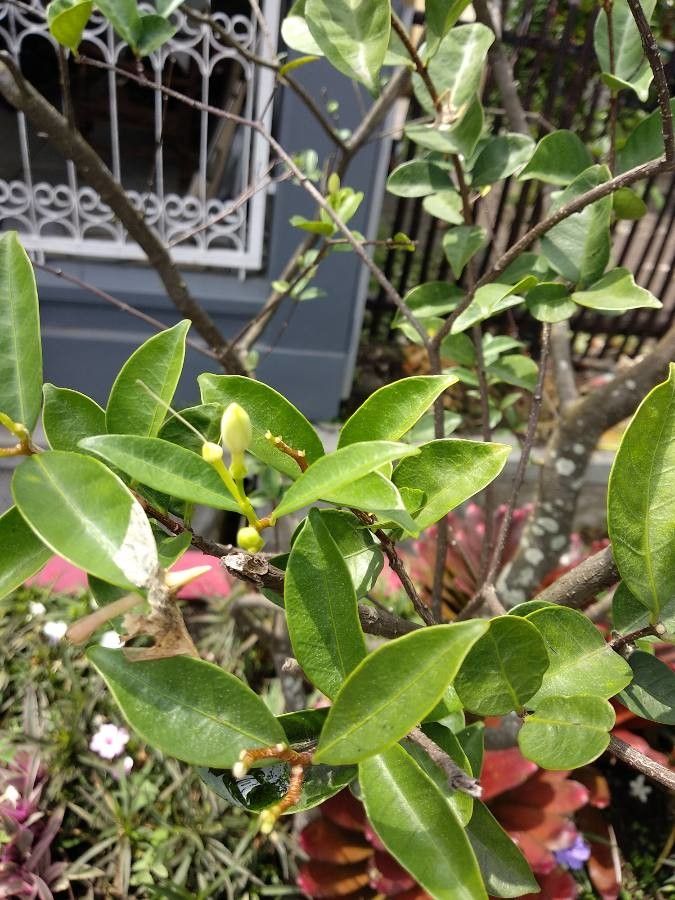
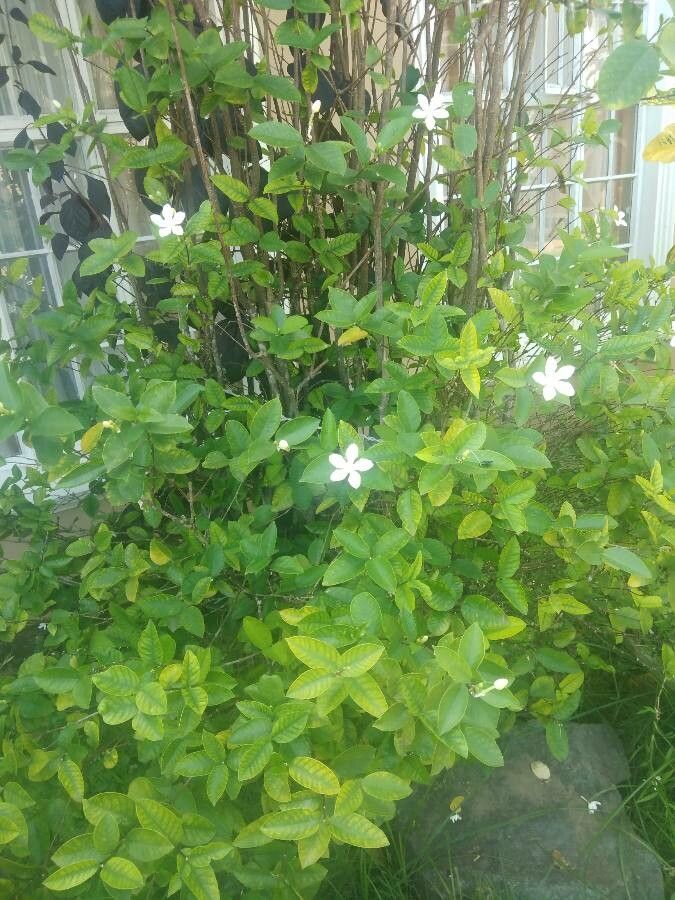
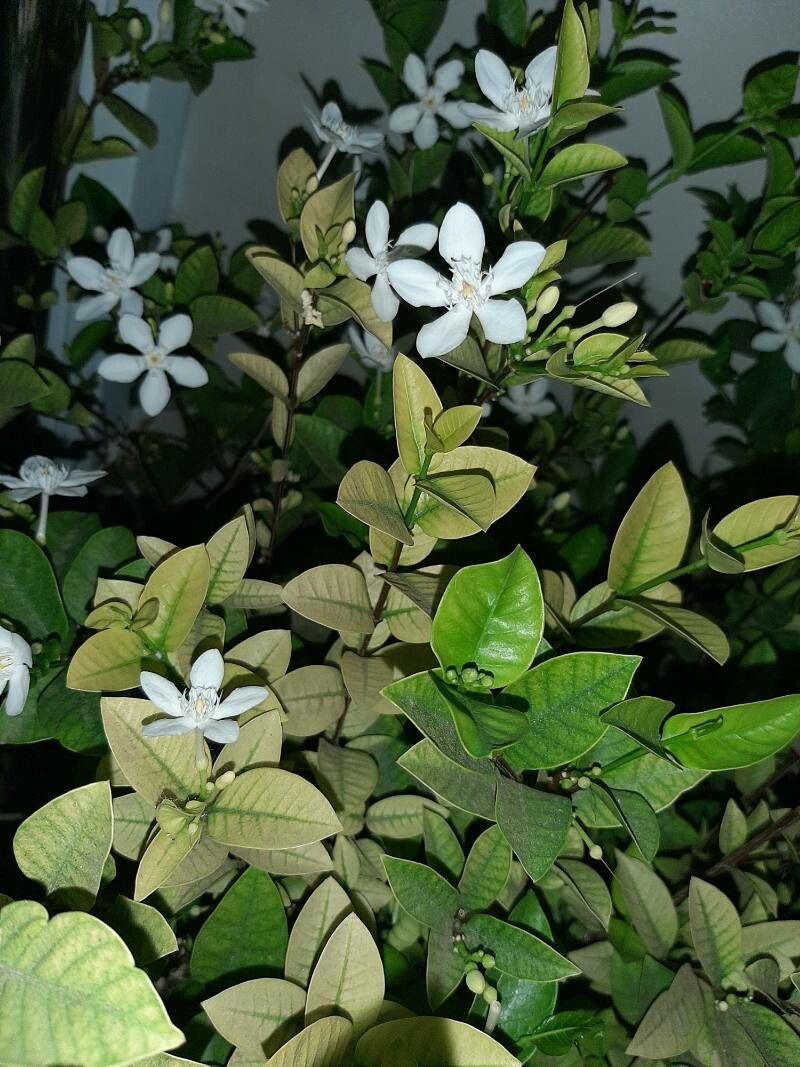
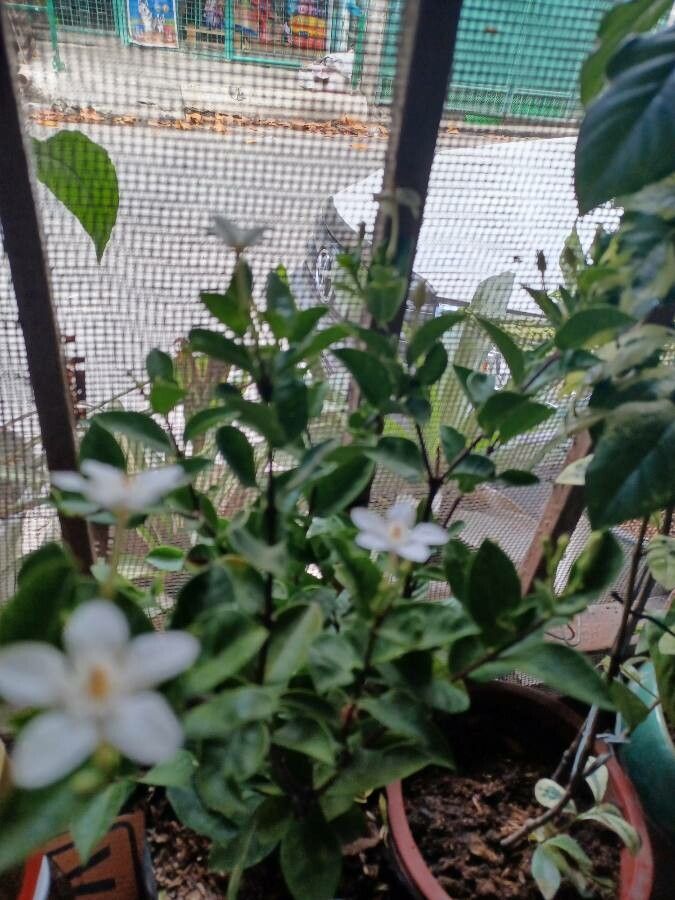
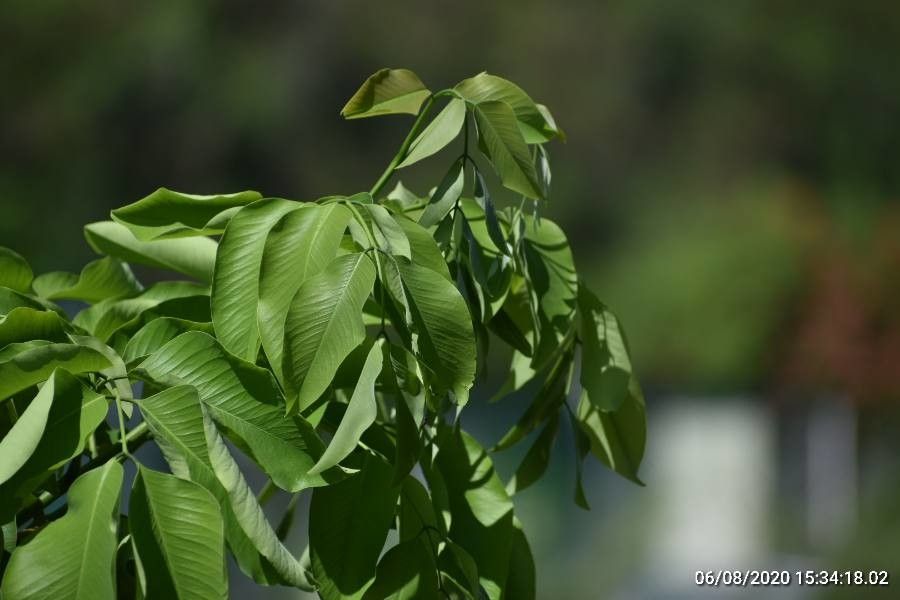
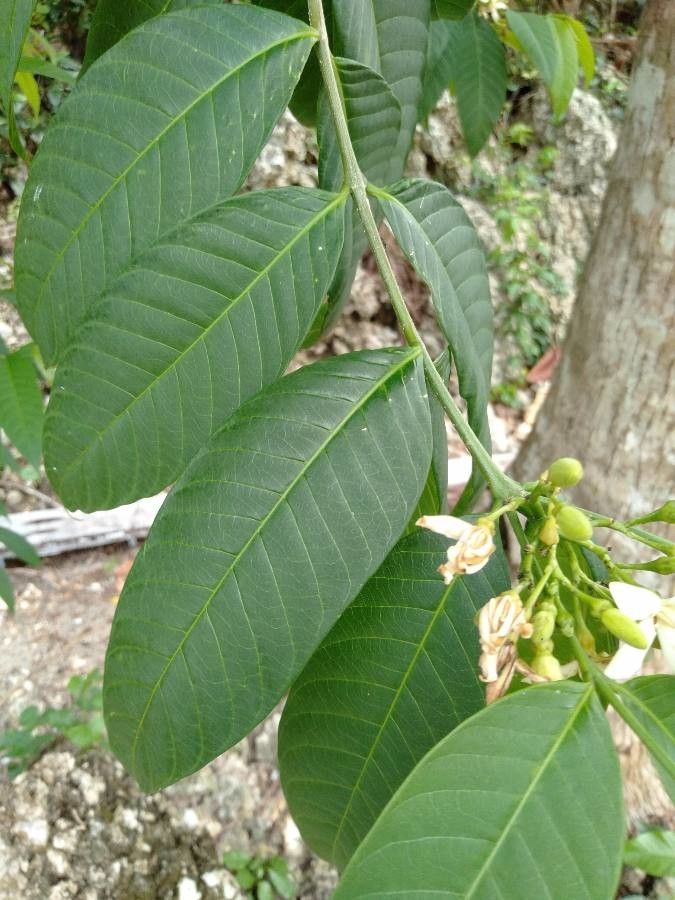
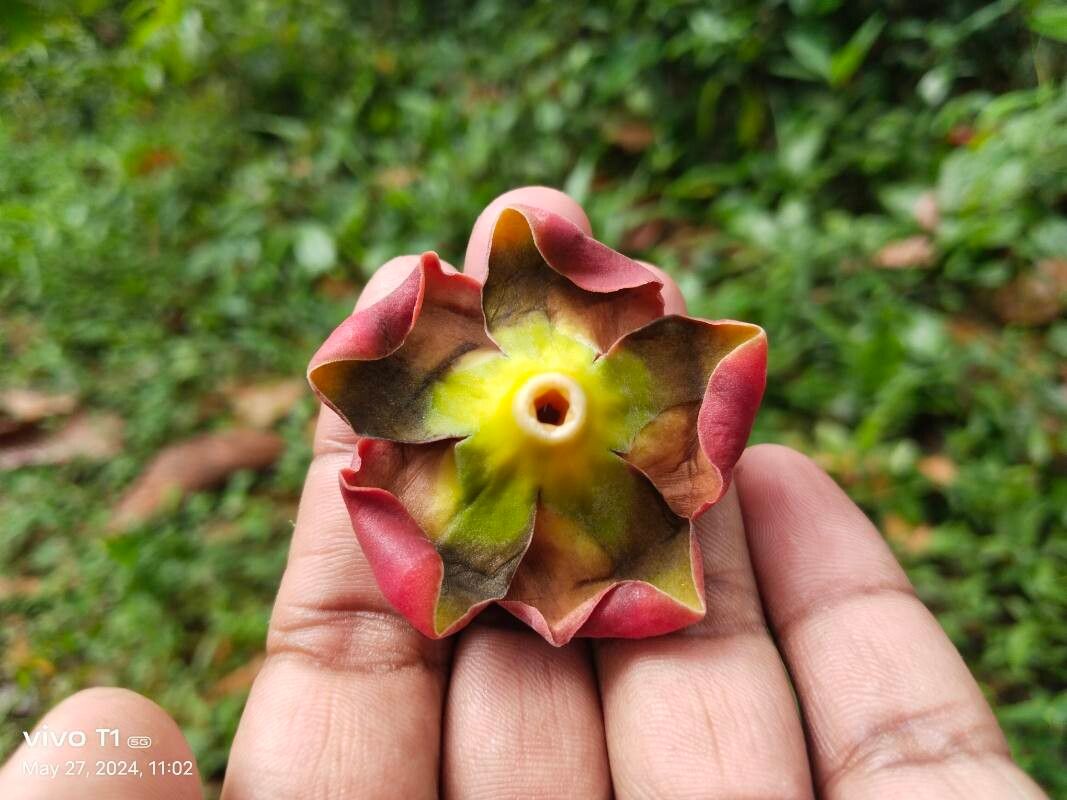
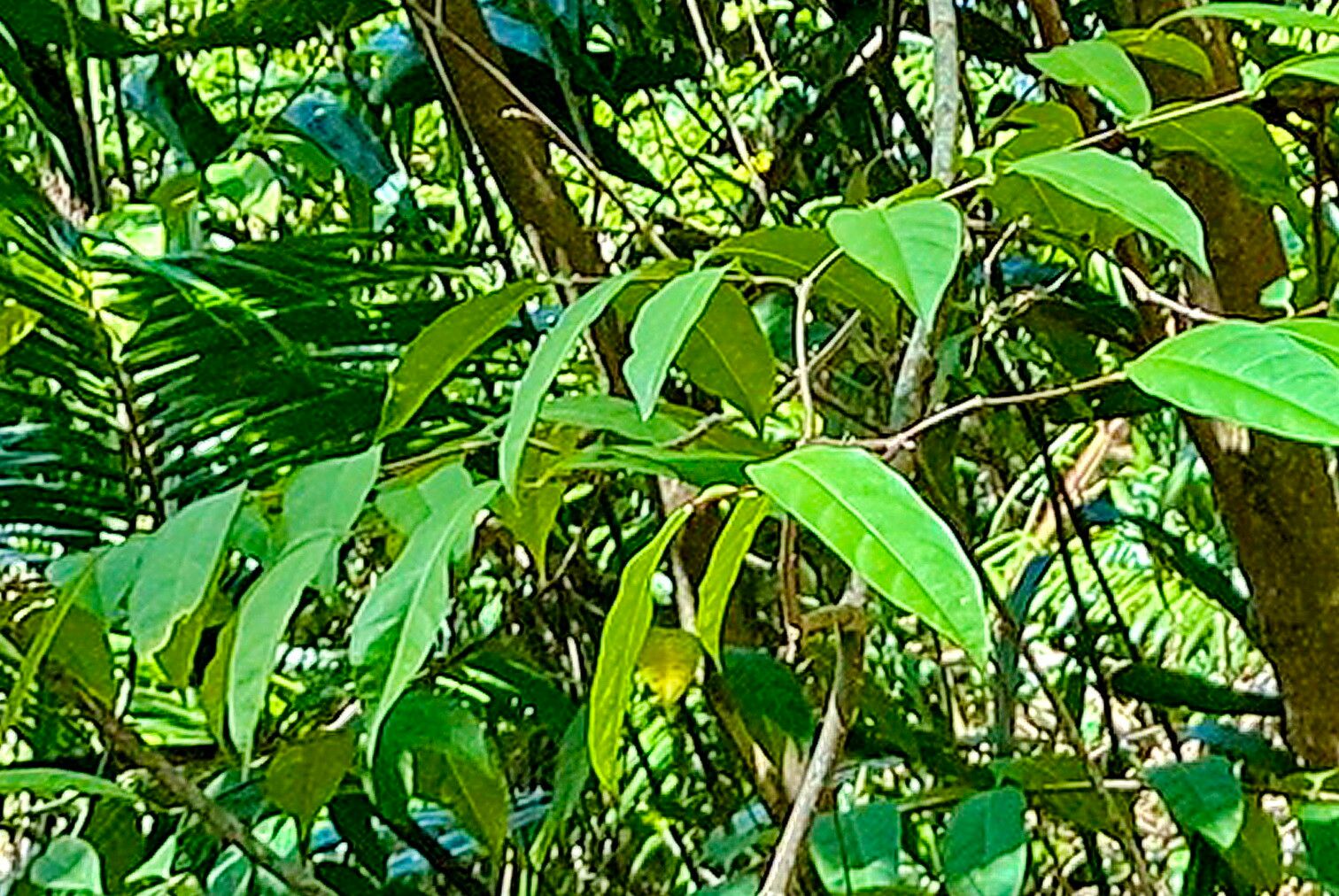
Wrightia antidysenterica, commonly known as the Pala Indigo plant, is a small to medium-sized tree belonging to the Apocynaceae family. Native to India and Southeast Asia, this plant thrives in tropical and subtropical regions. It features smooth grey bark that exudes white latex when cut.
The leaves of Wrightia antidysenterica are simple, opposite, and elliptical in shape, boasting a glossy green surface. Its flowers, which are white or cream-colored and have five petals forming a star shape when fully open, bloom from May to August during the summer months.
Known for its medicinal properties, the Pala Indigo plant has been used for centuries to treat dysentery, thanks to its antibacterial qualities (hence its species name). It is also effective as an antipyretic (fever-reducing) agent and as an anti-inflammatory treatment for skin conditions like eczema and psoriasis.
Beyond its medicinal uses, Wrightia antidysenterica is valued ornamentally for its attractive flowers, making it a popular choice among gardeners. Additionally, its wood is prized for furniture making due to its durability.
Overall, Wrightia antidysenterica is an important plant species both medicinally and ornamentally. Its significance spans cultural and economic aspects across Southeast Asia, where it naturally grows.
Coral swirl shows strong resistance to disease and is generally not susceptible to illnesses. As for care, this plant is fairly low-maintenance. When grown outdoors it needs minimal watering, and larger specimens usually do not require pruning. Smaller plants, however, should be pruned after they have bloomed. Coral swirl is suitable for anyone with outdoor space, such as a garden or deck, and does not demand much prior care experience.
How to keep Wrightia Antidysenterica.
Light
Coral swirl does best with abundant light, imitating its native habitat that receives strong sunlight. Its need for light stays the same across different growth stages. However, too little or too much light can slow its growth or cause damage.
Water
The coral swirl thrives in conditions akin to its tropical roots, requiring consistent moisture and high humidity. Water the plant every 2 to 3 weeks, allowing the soil to dry slightly between waterings. During the growing season, using rainwater can improve hydration and encourage healthy foliage.
Temperature
Coral swirl performs best at 68 to 100 °F (20 to 38 ℃), reflecting the temperatures of its native temperate habitat. In colder regions, cultivating it indoors or in a greenhouse is recommended. Reduce temperatures gradually over the fall to avoid shocking it with a sudden chill.
Fertilizer
The best time to fertilize a Coral swirl is in early spring, as it breaks dormancy. This stimulates overall growth and flower development. Fertilizing improves foliage, stems, and branches, and encourages flowers that are large, vivid, and long-lasting. It also helps transport nutrients from the roots to the flowers and boosts the plant's health and resistance to disease.
Pruning
To ensure the Coral Swirl thrives, it is important to prune it carefully in early spring. This promotes both growth and flowering. Key techniques for effective pruning include removing dead branches, thinning out crowded areas to improve air circulation, and lightly shaping the plant. Regular pruning not only supports the plant's health and encourages blooming, but it also helps manage its size effectively. These benefits make the Coral Swirl a popular choice for ornamental gardening.
Botanical profile.
- Plant Type
- Shrub
- Life Cycle
- Perennial
- Genus
- Wrightia
- Family
- Apocynaceae
- Hardiness Zone
- 10-11
- Mature Height
- 1.22 m to 1.83 m
- Mature Spread
- 0.91 m to 1.22 m
- Leaf Color
- Green
- Leaf Type
- Evergreen
- Flower Color
- White
- Flower Size
- 2.54 cm to 5.08 cm
- Bloom Time
- Late spring, Early summer, Mid summer
- Planting Time
- Spring, Autumn
- Harvest Time
- Mid summer, Late summer
- Native Area
- Sri Lanka
Other names.
Reader questions.
How should I water my Coral swirl plant?
Your Coral swirl is not picky about how you water it. You can use any common watering tool, like cans, hoses, or cups. Just make sure to water the soil directly, evenly moistening all areas to reach the root system. Filtered water is better because tap water may contain harmful particles. Additionally, it's best to use water at or slightly above room temperature to avoid shocking the Coral swirl. However, this plant usually responds well to any kind of water.
Why is it necessary to add fertilizer to my Coral swirl plant?
Ensuring the overall health and well-being of a Coral swirl involves the important process of fertilization. By providing the necessary energy and nutrients, the Coral swirl will flourish with an abundance of healthy foliage, sturdy stems, and branches. However, the true value of this plant lies in its flowers, which are highly sought after by gardeners. Luckily, fertilization plays a crucial role in producing large, vibrant, and long-lasting flowers. This is because the right fertilizer facilitates the efficient transfer of fuel from the roots, through the stems, and ultimately to the flowers. Proper fertilization also enhances the plant's overall health, enabling it to better resist diseases.
What are the sunlight requirements for Coral Swirl?
Coral Swirl requires more than 6 hours of sunlight daily to thrive, as it emulates its original environment that receives extensive sunlight. Regardless of the plant's developmental stages, comprehensive exposure to light is essential for its growth, while inadequate or excessive light might hinder its growth or cause harm. It's recommended to watch how sunlight moves through your garden and choose spots that provide the perfect balance of light and shade for your plants, ensuring their happiness.
What is the preferred temperature range for Coral Swirl?
Coral Swirl, or Wrightia antidysenterica, thrives in temperatures ranging from 68 to 100°F (20 to 38°C), which mirrors its native temperate range. It is extremely heat-loving, and exposure to temperatures colder than its preferred range can cause harm. To prevent damage from cold, Coral Swirl should be acclimatized to lower temperatures gradually over the fall, avoiding shock from abrupt changes. In colder climates, growing Coral Swirl indoors or in a greenhouse, and maintaining temperatures above 20°C during winter, is suggested to ensure its health and growth. It's crucial to move outdoor-grown Coral Swirl plants indoors during autumn, placing them near bright windows but away from direct heat sources to avoid any temperatures that approach 5°C, which are detrimental to the plant.
What should I do if I water my Coral swirl too much or too little?
Outdoor plants, especially newly planted ones or seedlings, are susceptible to insufficient watering. It is important to consistently water them for a few months while they are still small or newly planted. Once the roots are established, they can rely on rain for hydration. When potted Coral swirl plants are involved, overwatering is a common issue. If you accidentally overwater your Coral swirl, take immediate action to mitigate the effects. Stop watering the plant right away to minimize the impact. Then, remove the Coral swirl from its pot and check its roots for signs of root rot. If no root rot is found, you can return the plant to its container. However, if root rot is present, trim the affected roots and consider applying a fungicide to prevent further damage. Lastly, replant the Coral swirl in well-draining soil. On the other hand, if your Coral swirl is underwatered, it can be easily resolved by watering it more frequently. Underwatering is characterized by drooping, drying, and falling leaves, which will quickly recover after being adequately watered. Adjust your watering schedule promptly if you notice underwatering.
When should I put fertilizer on my Coral swirl?
During the early spring, when your Coral swirl plant is coming out of its dormant phase and getting ready to bloom, it is the best time to fertilize it. This will provide the plant with enough energy to support its growth and flower development. However, it is not the only time you can fertilize this plant. Another good time to feed it is at the end of the season, during the fall months, although the second feeding does not have to be as big as the first one. Additionally, some gardeners opt to fertilize their Coral swirl plant while planting it, but this is not always necessary.
How can artificial lighting support the growth of indoor Coral Swirl plants?
For Coral Swirl plants that are grown indoors and may not receive adequate natural sunlight, especially in winter or in less sunny spaces, artificial lighting is a crucial solution. The type of artificial light, such as LED lights, can be customized to provide specific wavelengths your plants need. Full sun plants require 30-50W/sq ft, partial sun plants need 20-30W/sq ft, and full shade plants need 10-20W/sq ft of artificial light. The light source should be placed 12-36 inches above the plant, and most plants need 8-12 hours of light per day to mimic natural daylight hours and promote faster, healthier growth.
How should you care for Coral Swirl in low temperatures?
Coral Swirl prefers warm temperatures and doesn't tolerate cold well, thriving best above 20°C and requiring temperatures to stay above 5°C during winter. Exposure to temperatures below 1°C may lead to leaf discoloration, with frost damage causing leaves to gradually turn brown or black, and exhibit symptoms like wilting and drooping. To care for Coral Swirl in low temperatures, trim off frost-damaged parts and move the plant indoors to a warm environment. Ideally, place the plant near a south-facing window to ensure it receives sufficient sunlight. Additionally, it's important to avoid placing the plant near heating or air conditioning vents to prevent excessive dryness in the air, which could further stress the plant.
How frequently should I water my Coral swirl plant?
Most plants that grow outdoors naturally can rely on rainfall for their water needs. However, if your area lacks rainfall, you will need to provide adequate watering every 2 weeks in the spring and fall. In the summer, you will need to water more frequently. In winter, when plant growth slows down, you can water less often or even not at all. If your Coral swirl plant is young or newly planted, you should water it more frequently to help it establish and grow into a more adaptable and drought-tolerant plant. For potted plants, there are two main approaches to determining watering frequency for your Coral swirl. The first is a predetermined watering schedule, such as once a week or once every other week. However, this may not consider the specific growing conditions for your plant. You can also adjust your watering frequency based on the moisture level of the soil. It is generally best to wait until the top 2 to 4 inches of soil, about ⅓ to ½ the depth of the pot, have completely dried out before watering again. This method allows you to tailor your watering schedule to the specific needs of your Coral swirl plant.
When should I not add fertilizer to my Coral swirl?
During the winter, Coral swirl plants don't require fertilization because they are in a dormant phase and don't need much energy from the soil for new growth. Fertilizing them in winter increases the risk of overfertilization. The main feeding times for Coral swirl plants are in early spring and fall, so they don't need fertilizer for most of the spring and summer. It's also recommended to avoid fertilizing if the plant is experiencing extreme heat or dry conditions.
What are the symptoms of light deficiency in Coral Swirl plants?
Coral Swirl plants show several symptoms when exposed to insufficient lighting, including smaller new leaves compared to the previous ones, leggy or sparse growth, faster leaf drop, slower or no new growth, lighter-colored new leaves, and symptoms of chlorosis where leaves turn yellow. Excessive sunlight can lead to sunscald, leaf curling or twisting, wilting, and leaf scorching, characterized by brown, dry, and crispy edges on leaves. These symptoms indicate a lack of chlorophyll and essential nutrients, or damage caused by intense sunlight.
How does high temperature affect Coral Swirl and what are the solutions?
During summer, it's important to keep Coral Swirl below 38°C to prevent heat stress. When temperatures exceed 43°C, the plant's leaves may lighten in color, and it becomes more susceptible to sunburn. To protect Coral Swirl in high temperatures, trim away any sunburned or dried parts of the plant. Relocating the plant to a shaded area, particularly to avoid the midday and afternoon sun, can help mitigate further damage. Additionally, watering the plant in the morning and evening will help keep the soil moist and cool, which is vital for the plant's health during hotter periods.