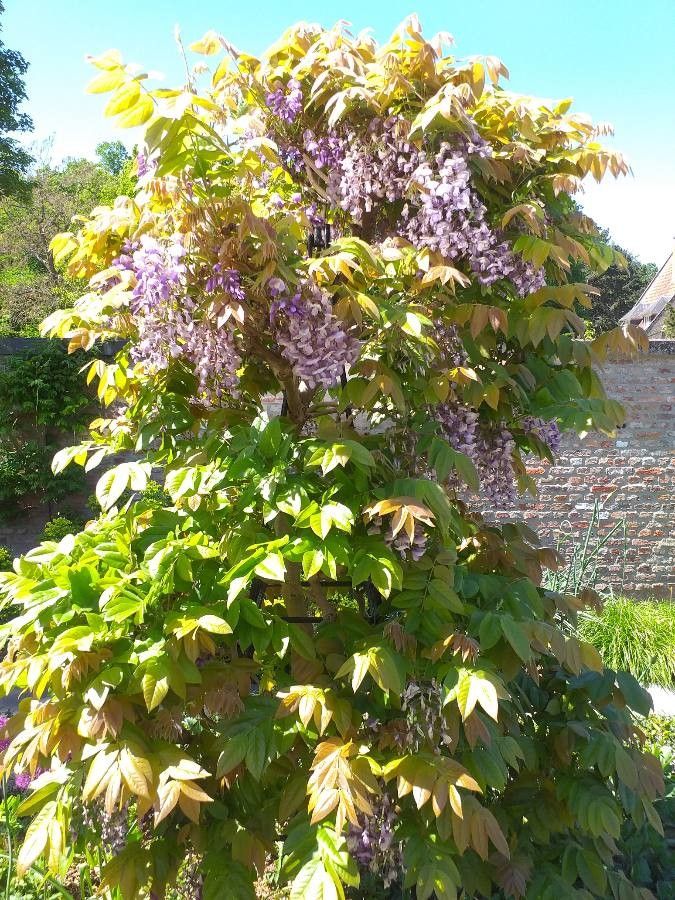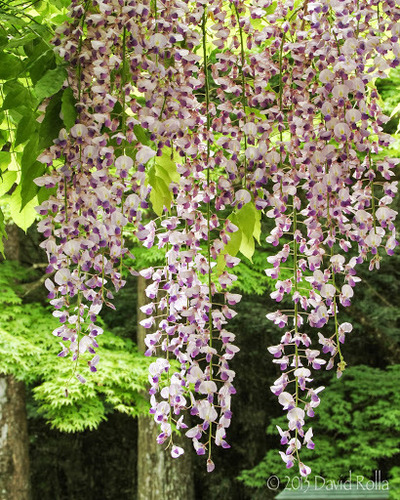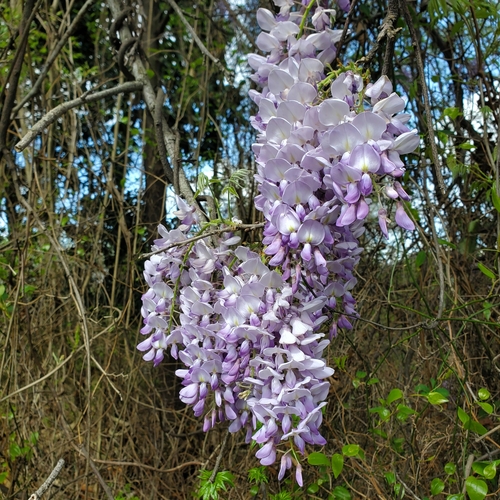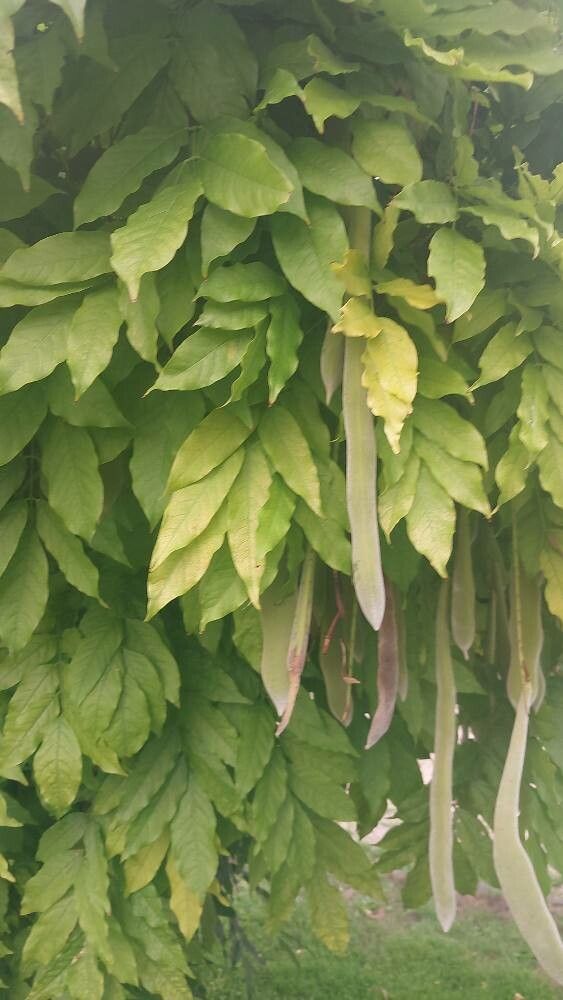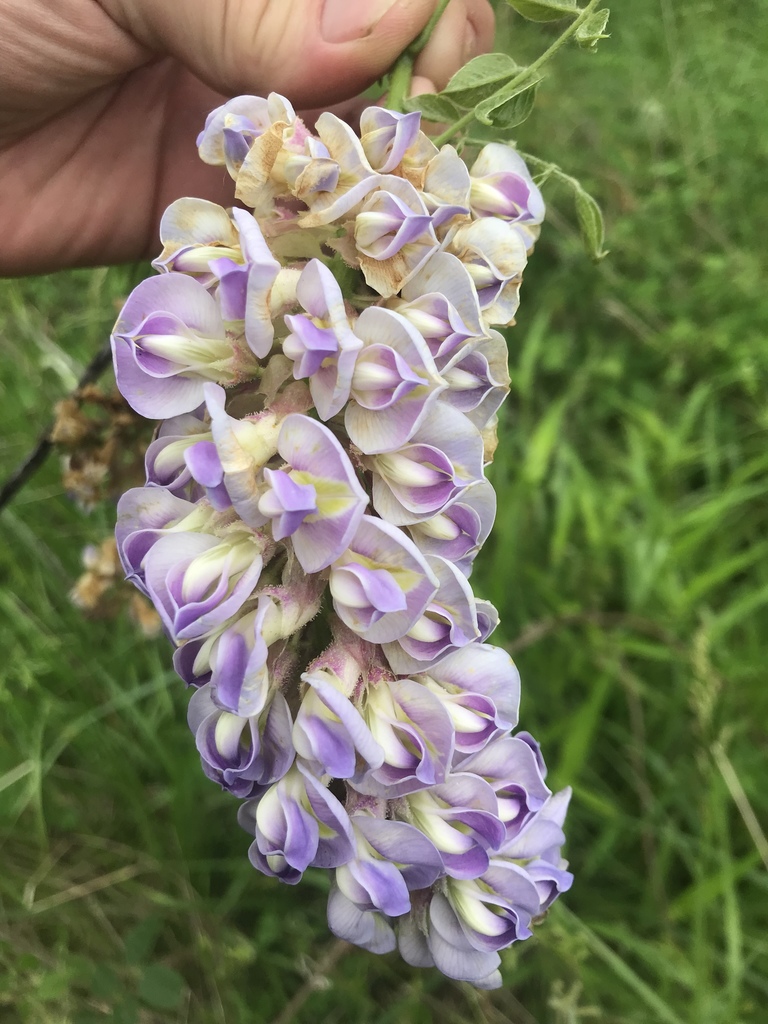
Wisteria frutescens, commonly known as American wisteria, is a deciduous climbing vine native to the southeastern United States. A member of the pea family, it can grow up to 30 feet in length. The plant produces clusters of fragrant, lavender-blue flowers in late spring and early summer, attracting bees and butterflies. Its green, pinnately compound leaves, consisting of 9-15 leaflets, turn yellow in the fall before dropping off.
American wisteria thrives in full sun to partial shade and well-drained soil, but once established, it can also tolerate some drought. Due to its beautiful flowers and ability to climb structures with its twining stems, it is often used as an ornamental plant on trellises, arbors, or pergolas. However, caution is necessary, as this species can become invasive if not properly maintained or controlled, owing to its vigorous growth habit through suckering roots or self-seeding capabilities.
Botanical profile.
- Plant Type
- Vine
- Life Cycle
- Perennial
- Genus
- Wisteria
- Family
- Fabaceae
- Hardiness Zone
- 5-10
- Mature Height
- 4.57 m to 12.19 m
- Mature Spread
- 1.22 m to 2.44 m
- Leaf Color
- Green
- Leaf Type
- Deciduous
- Flower Color
- Lavender
- Flower Size
- 7.62 cm to 15.24 cm
- Bloom Time
- Late spring, Early summer
- Planting Time
- Spring, Autumn
- Harvest Time
- Mid summer
- Native Area
- North America