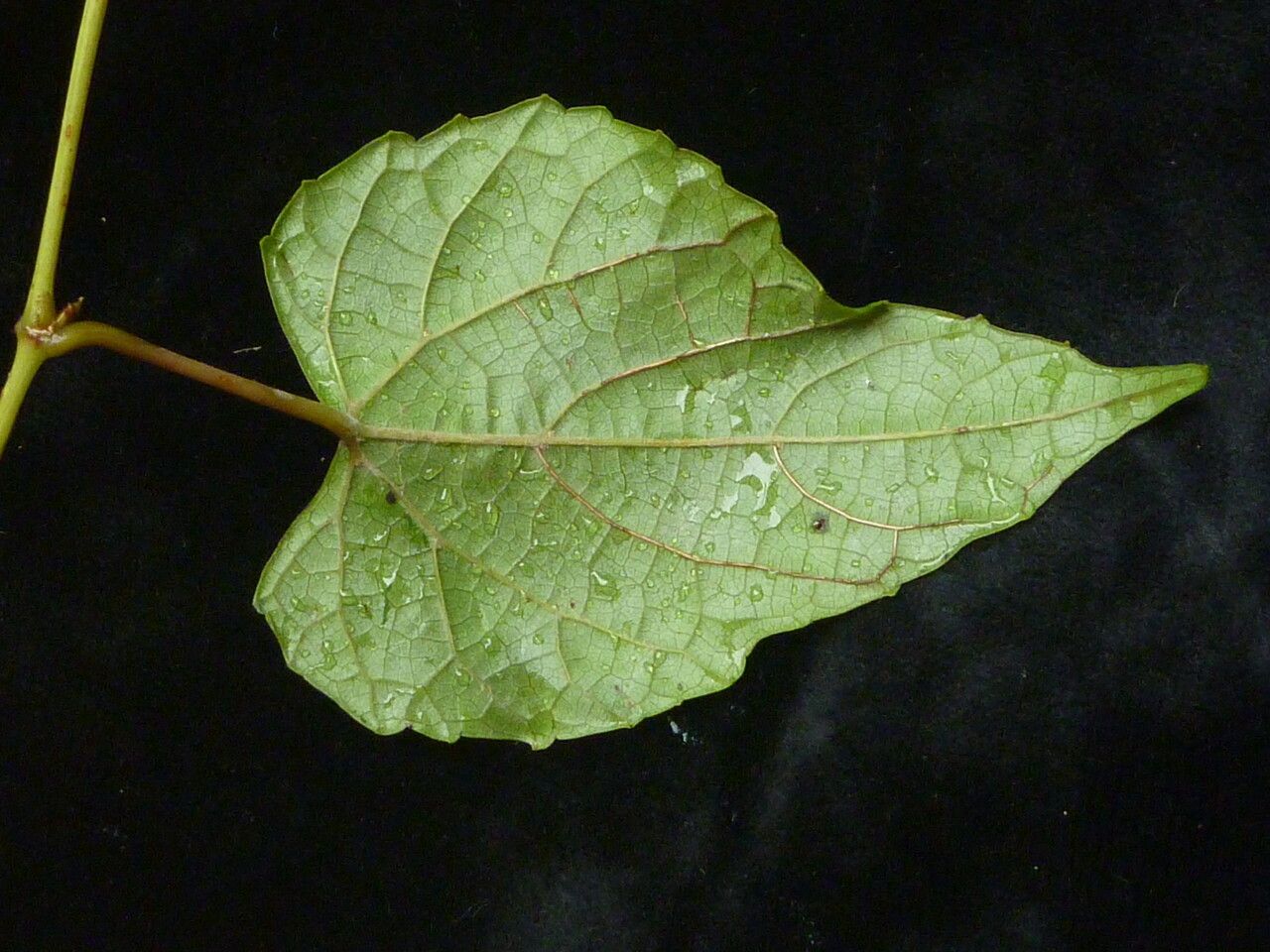
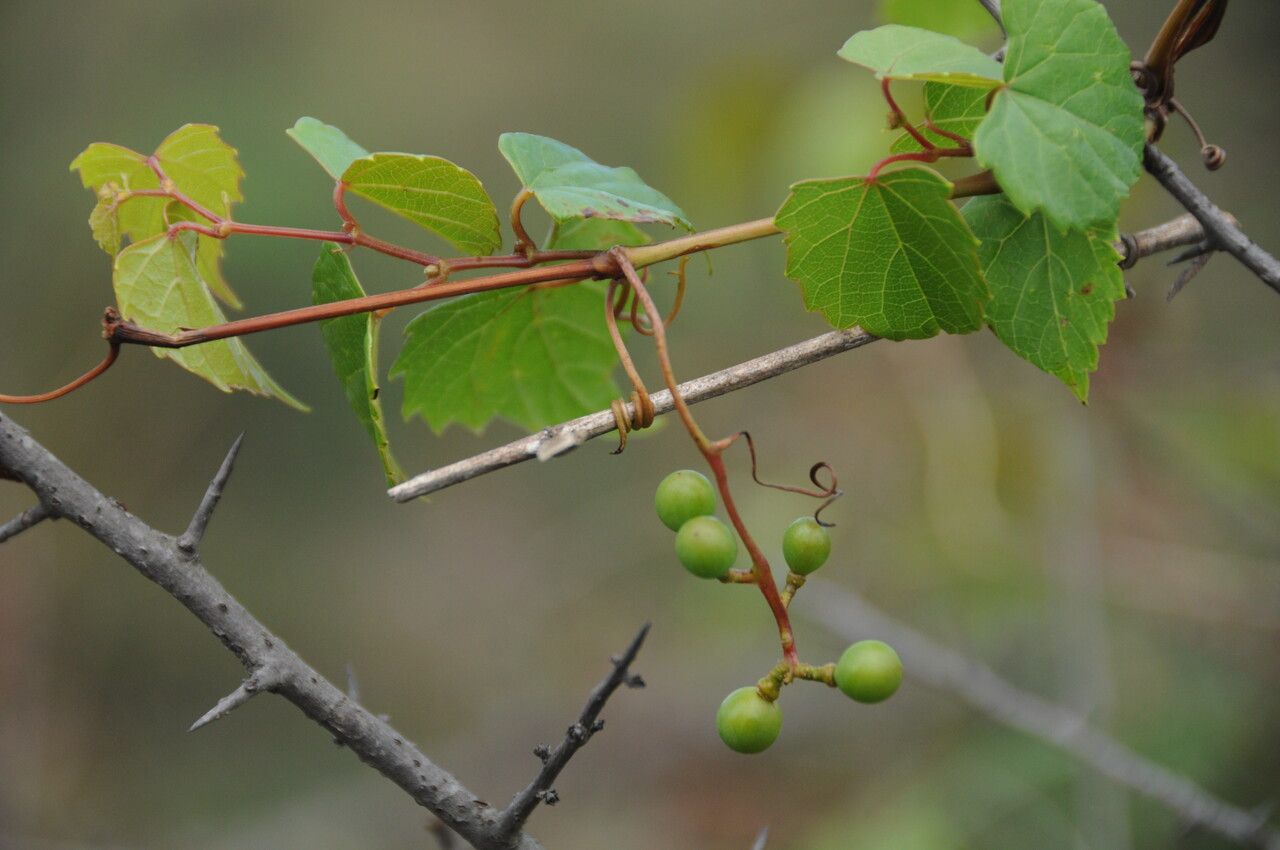
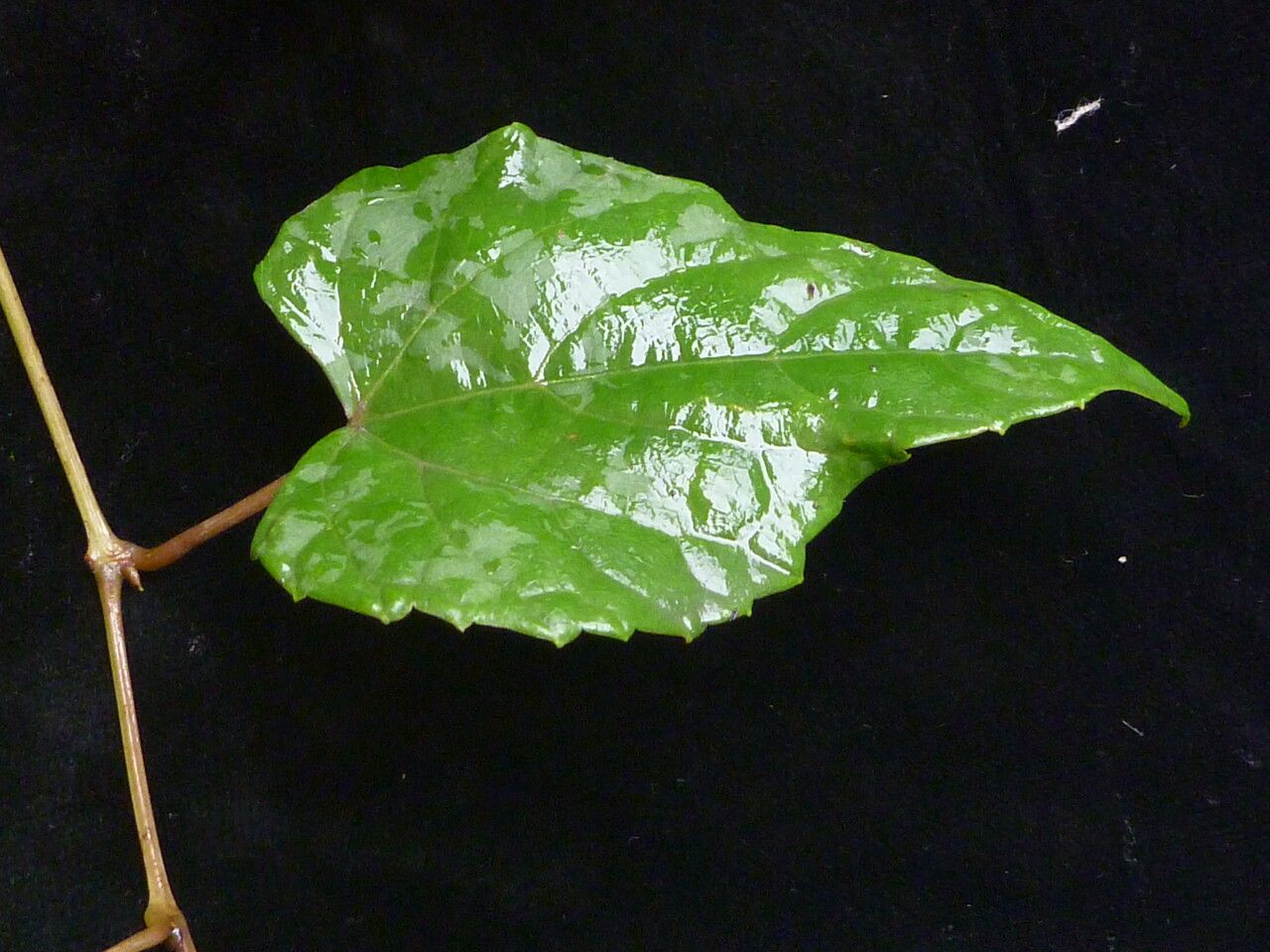
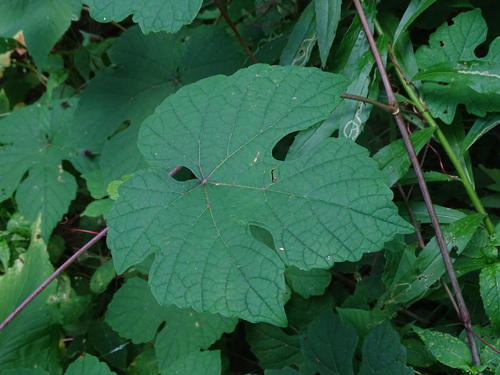
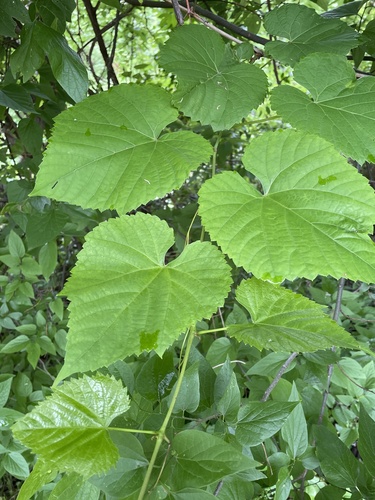
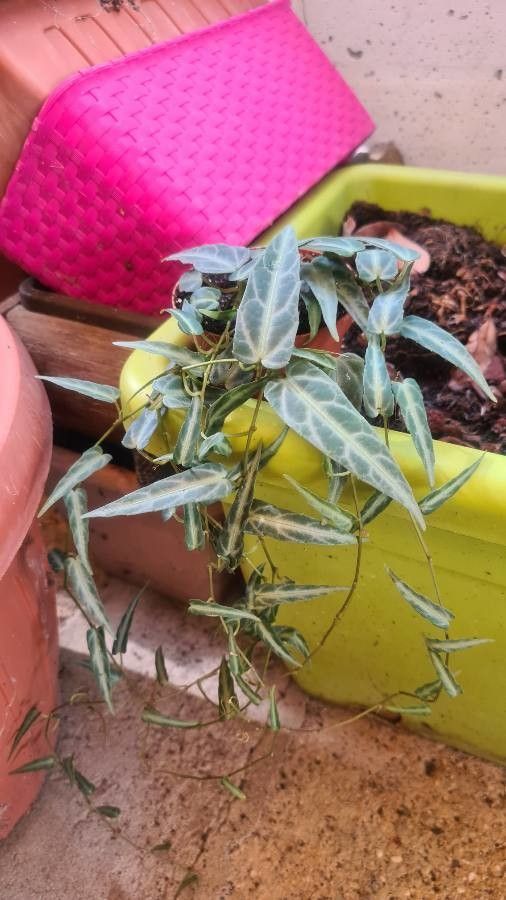
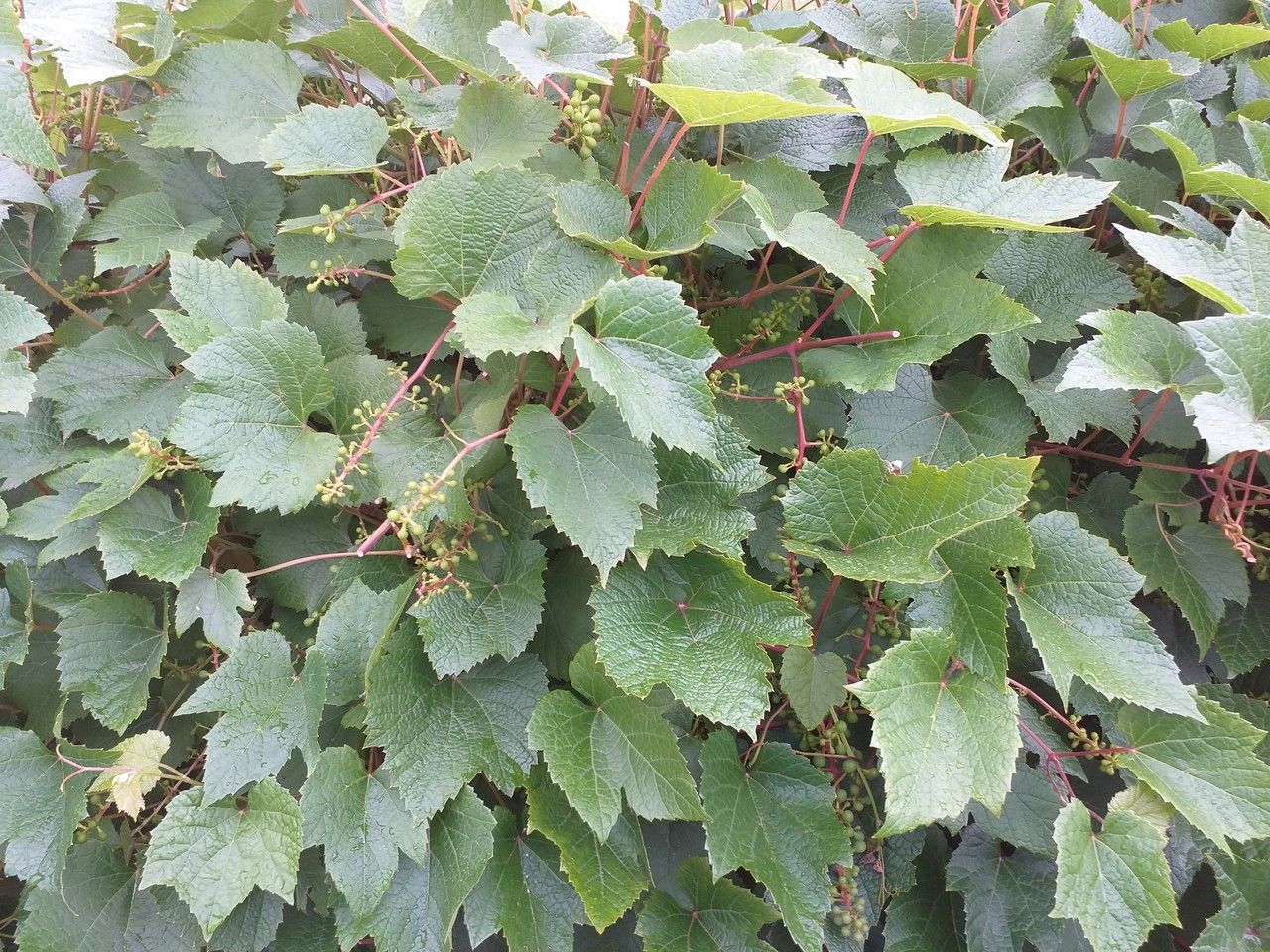
Vitis flexuosa is a species of liana in the grape family. It has a very large native range in Asian tropical and temperate climate zones.
Creeping grapevine is resistant to disease and is typically not susceptible to illnesses. In terms of care, this plant is fairly low-maintenance. When grown outdoors, it needs only light watering, and larger plants usually do not require pruning. Smaller plants, however, should be pruned after they finish blooming. Creeping grapevinet is appropriate for anyone with an outdoor area, like a garden or deck, and does not demand extensive care experience.
How to keep Vitis Flexuosa.
Light
Creeping grapevine is found in open habitats, for example sunny meadows and forest margins, where light is abundant. It performs best in full sun but can also tolerate partial sun, showing adaptability to different light conditions.
Water
The creeping grapevine thrives in humid environments and prefers consistent moisture, though it can tolerate moderate drought. It is recommended to water it approximately once every three weeks. Typically grown outdoors, the vine benefits greatly from seasonal rains, which support its vigorous growth during the active growing season.
Temperature
Creeping grapevine shows strong adaptability to a range of climate conditions, whether in scorching summers or chilly winters. That said, it does have a preferred temperature range for growth. If temperatures get too high, the plant is susceptible to heat and humidity stress, which can kill it. In areas where temperatures approach the lower end of its cold tolerance, providing insulation is important to protect the plant.
Fertilizer
The Creeping grapevine plant needs adequate nutrients to achieve the best fruit production. Apply fertilizer in early spring to promote new growth and flower development. Regular feeding maintains plant health, results in more flavorful fruit, and prevents nutrient deficiency problems such as yellowing leaves and reduced fruit production.
Pruning
The creeping grapevine is a vigorous climber with broad leaves. To enhance air circulation, remove weak branches, and encourage fruit production, prune the plant in early spring. Make sure to use clean, sharp tools during pruning to prevent disease, ensuring the grapevine's optimal growth and appearance.
Botanical profile.
- Plant Type
- Vine, Shrub
- Life Cycle
- Perennial
- Genus
- Vitis
- Family
- Vitaceae
- Hardiness Zone
- 6-9
- Mature Height
- 7.92 m
- Mature Spread
- 3.05 m to 4.88 m
- Leaf Color
- Green, Dark Green
- Leaf Type
- Deciduous
- Flower Color
- Yellow, Green
- Flower Size
- 5.08 cm to 15.24 cm
- Bloom Time
- Early summer, Mid summer
- Planting Time
- Spring, Summer
- Harvest Time
- Late summer, Early fall, Mid fall
- Native Area
- Nepal, India, Indonesia, Vietnam, Japan, Philippines, Bangladesh, Pakistan, South Korea, China
Other names.
Reader questions.
What are the sunlight requirements for Creeping Grapevine?
Creeping Grapevine, known botanically as Vitis flexuosa, thrives in environments that offer full to partial sunlight. Full sun exposure means the plant should receive above 6 hours of direct sunlight per day, while partial sun is defined as about 3-6 hours of sunlight. It's essential to observe how sunlight moves through your garden to select optimal spots that ensure a balance of light and shade, conducive to the plant's health.
How important is sunlight for the growth of Creeping Grapevine?
Sunlight plays a crucial role in the growth and health of the Creeping Grapevine. Originating from open environments such as sunny meadows and the edges of forests, this plant is accustomed to ample light. It ideally thrives in full sun but can adapt to partial sun conditions, making it versatile in various lighting situations. During periods of insufficient natural sunlight, especially in winter or less sunny spaces, artificial lighting can be a vital solution to ensure optimal growth. Adequate lighting promotes faster, healthier growth, with LED lights being a popular choice for their ability to provide specific wavelengths. Full sun plants require 30-50W/sq ft of artificial light, partial sun plants 20-30W/sq ft, and full shade plants 10-20W/sq ft.
What are the symptoms of light deficiency in Creeping Grapevine?
Creeping Grapevine may display several symptoms indicating light deficiency, including smaller new leaves, leggy or sparse growth, faster leaf drop, slowed or ceased new growth, and lighter-colored new leaves. Chlorosis (yellowing leaves), sunscald, leaf curling, wilting, and leaf scorching are also common issues stemming from improper light exposure. These symptoms reflect the plant's struggle in suboptimal lighting conditions, affecting its ability to photosynthesize effectively and maintain overall health.
What solutions can help improve light conditions for Creeping Grapevine?
Improving light conditions for Creeping Grapevine involves several strategies. Indoors, gradually move the plant to a sunnier spot each week until it gets at least 6 hours of direct sunlight daily, using a south-facing window for maximum exposure. Consider artificial lighting for plants that are large or hard to move, keeping lights on for at least 8 hours a day. Outdoors, transition your plants to sunnier locations gradually to prevent sunburn. Reduce obstructions like overhanging branches and consider transplanting smaller plants during their dormant period to areas with better sunlight and drainage. While parts of the plant already affected by insufficient light may not recover, new growth will be healthy with improved light exposure.