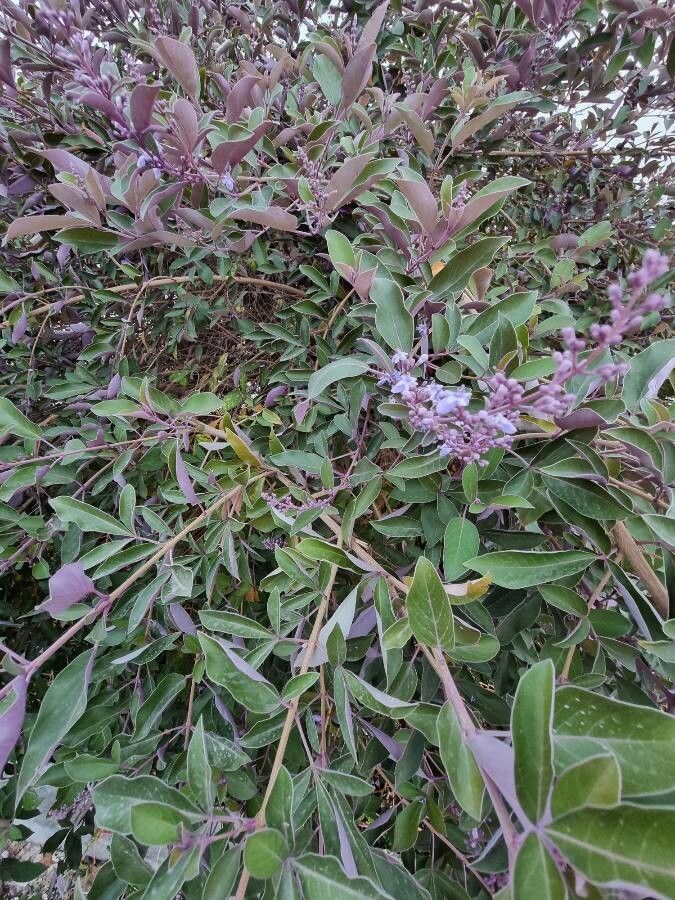
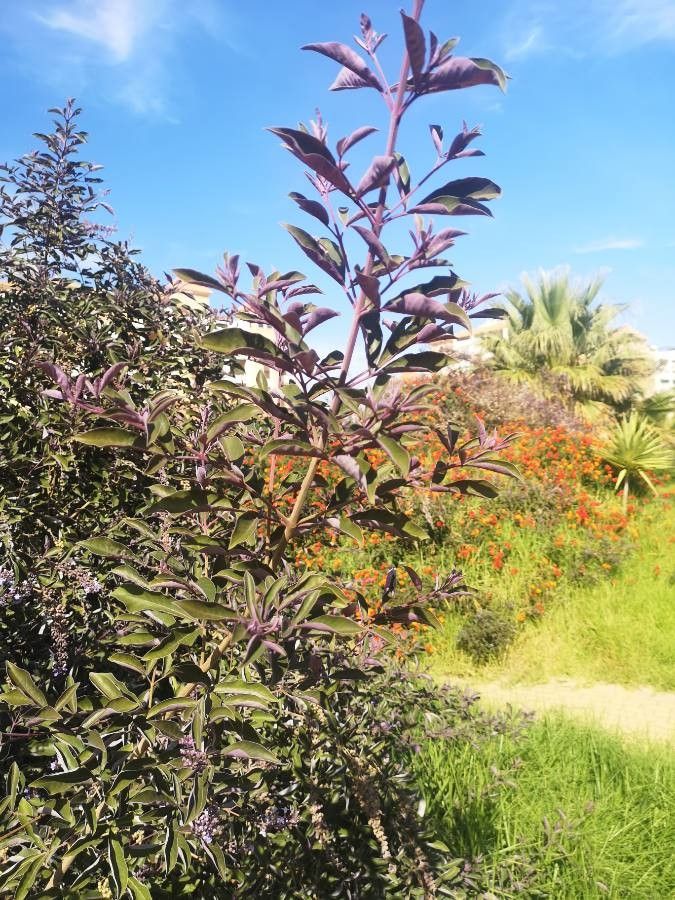
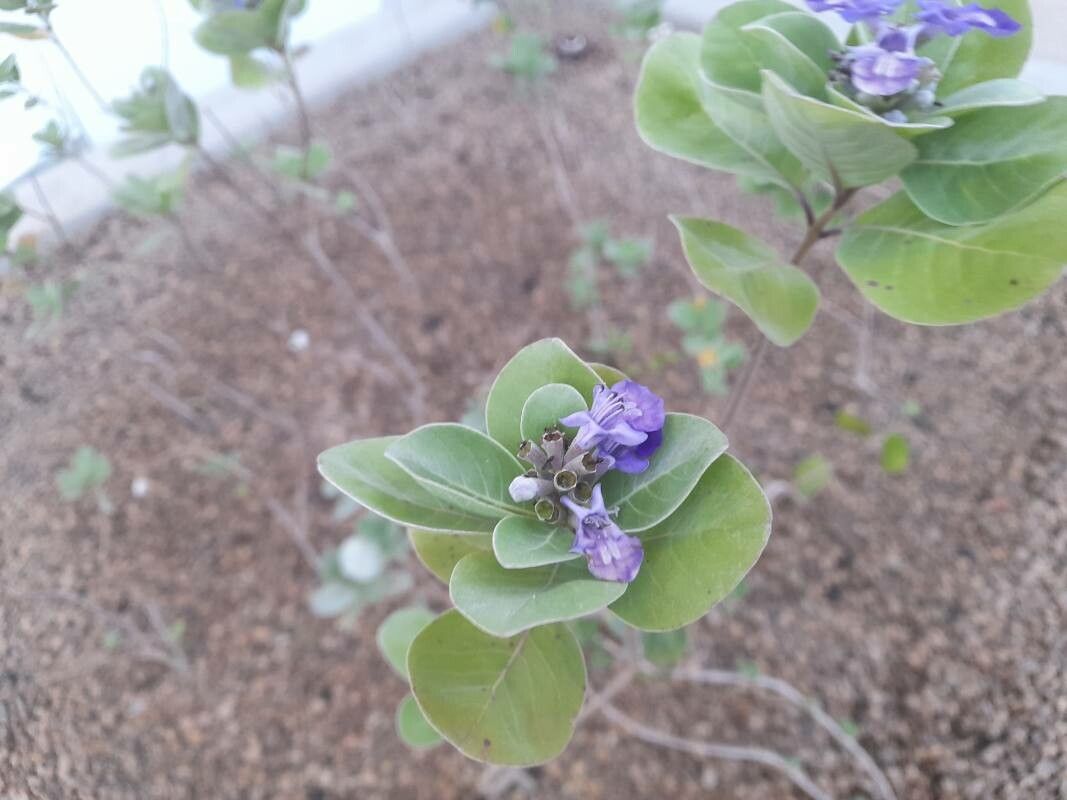
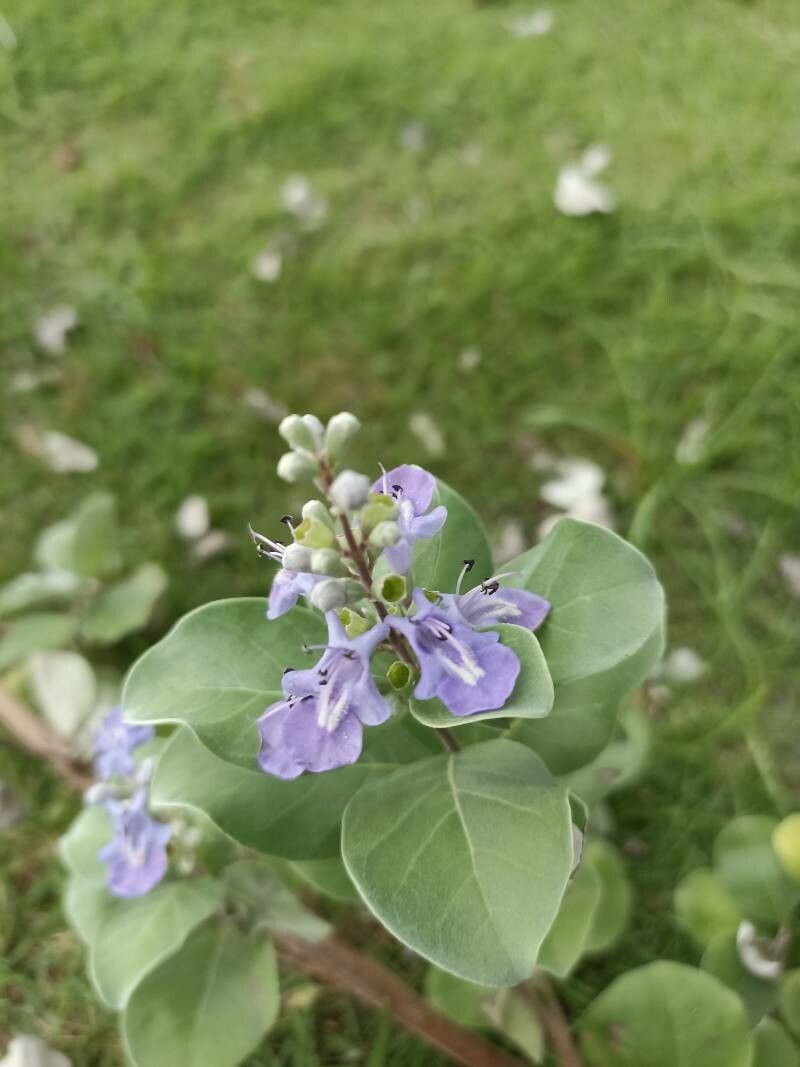
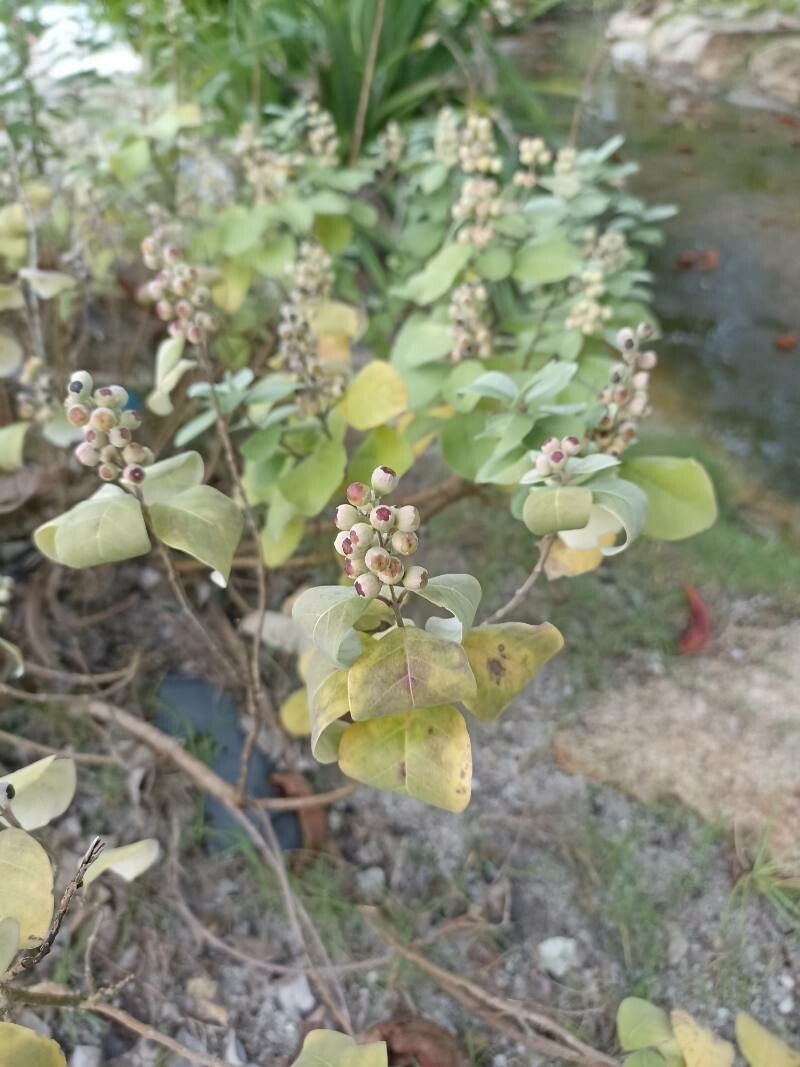
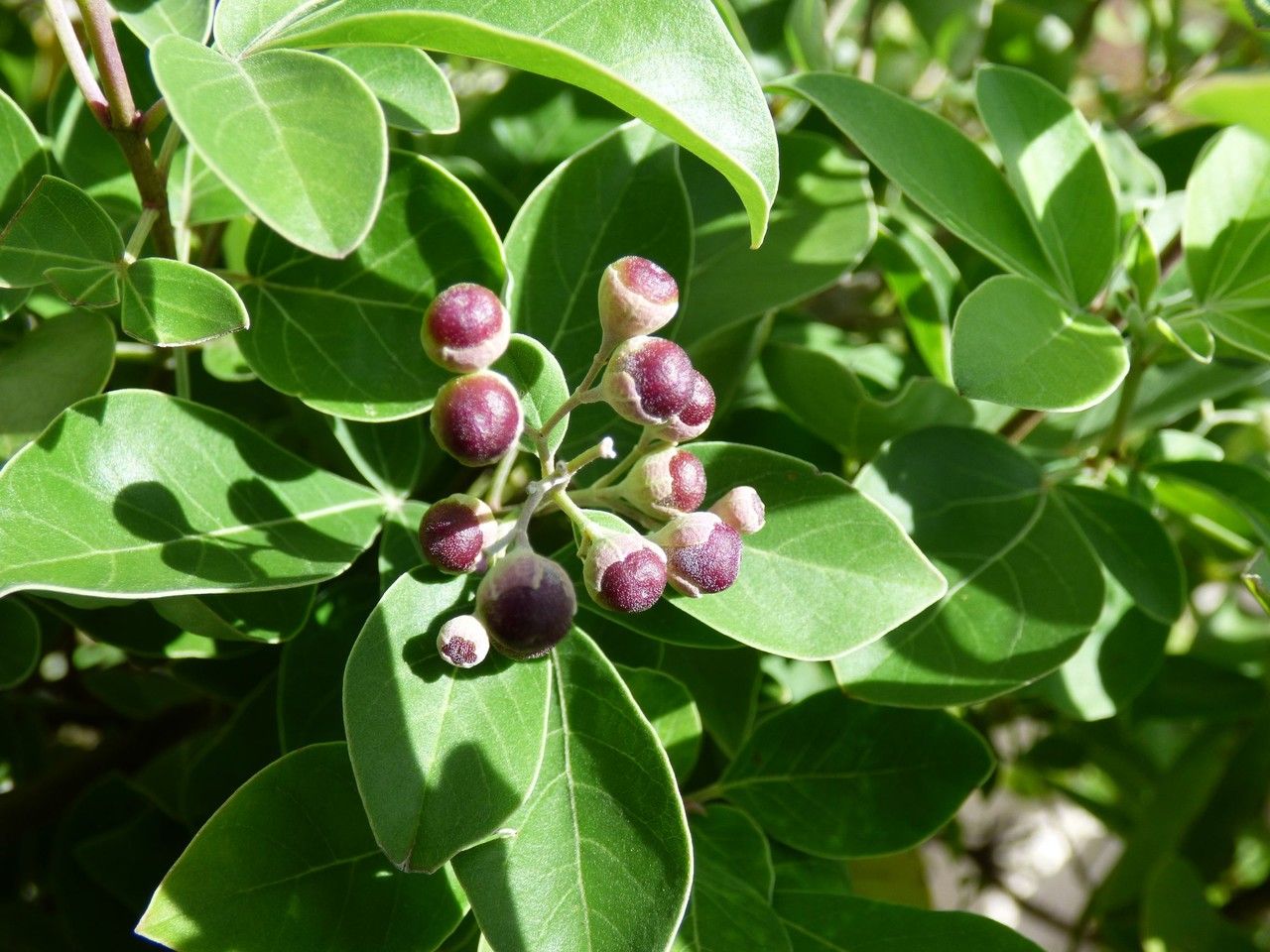
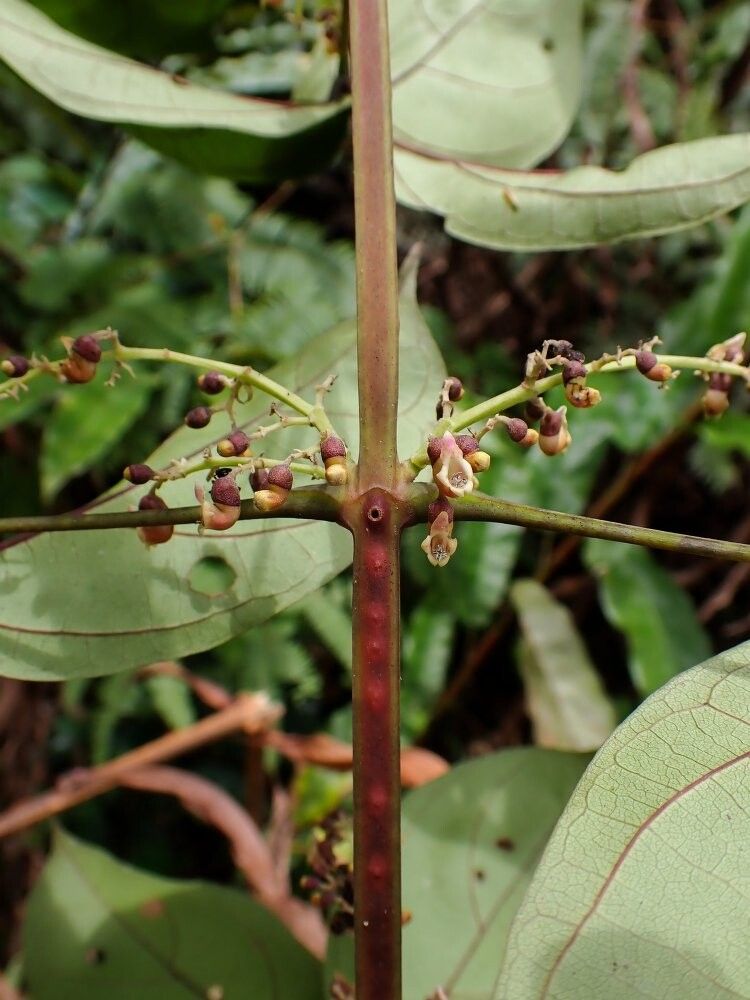
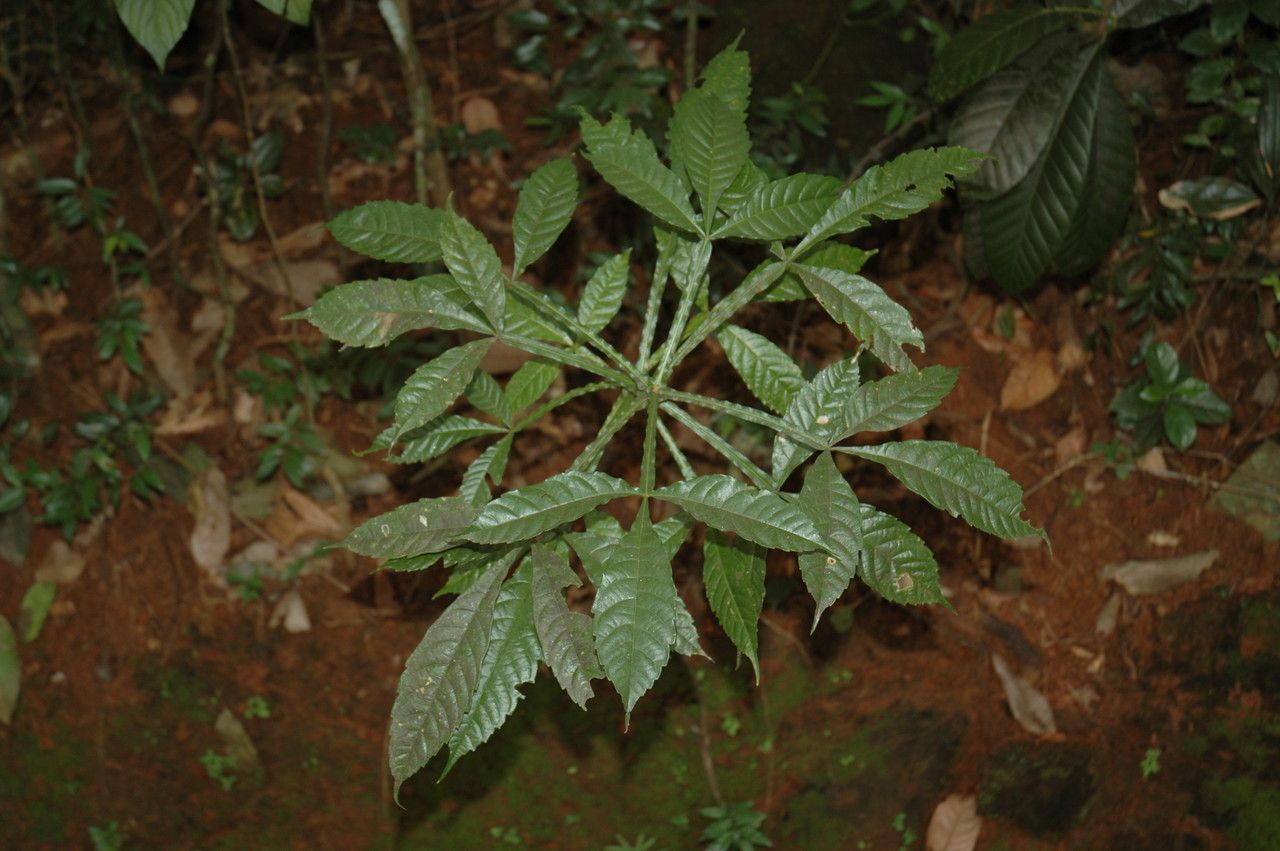
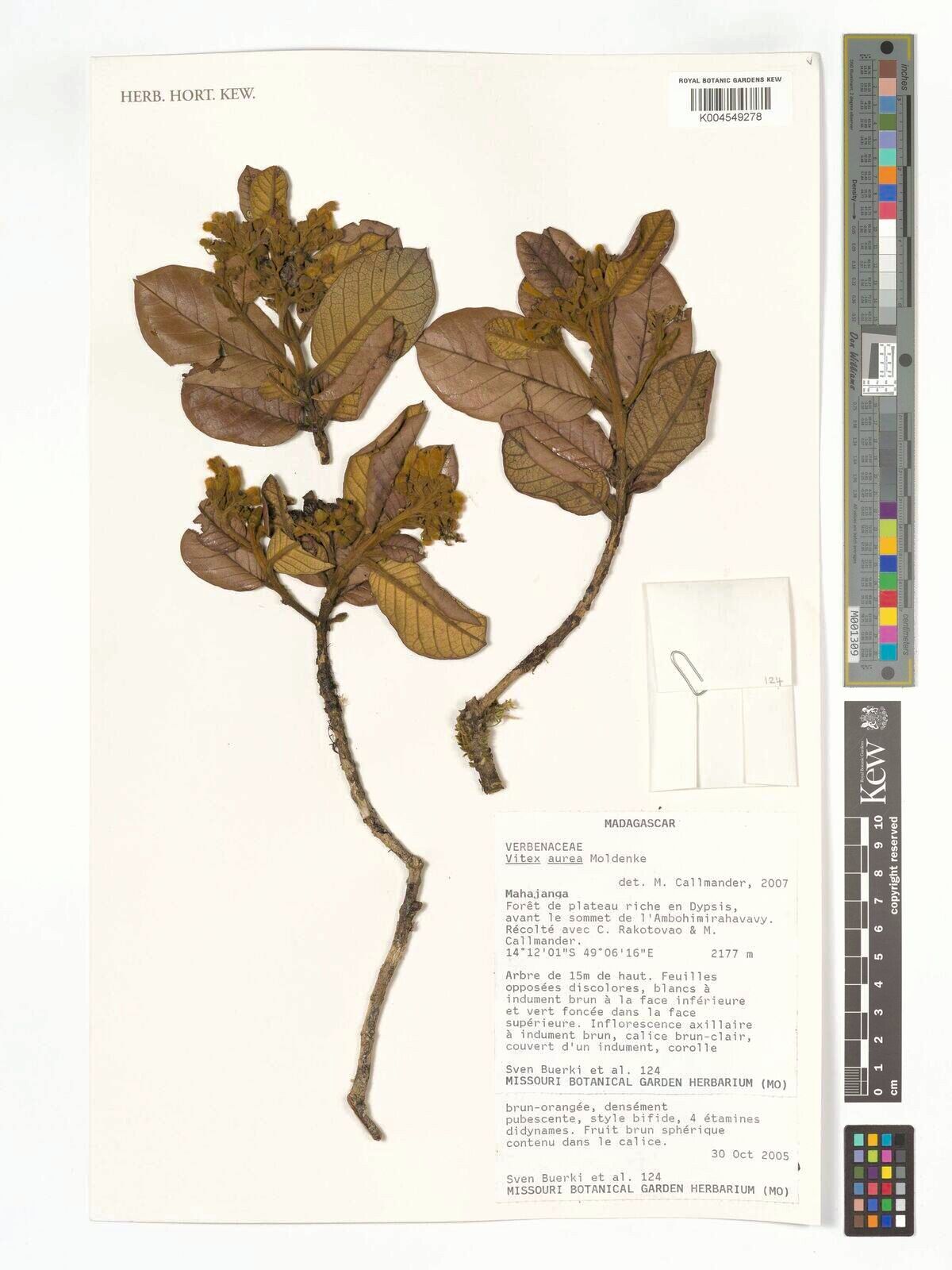
Vitex trifolia, commonly known as the Chinese chaste tree or simpleleaf chastetree, is a versatile shrub belonging to the Verbenaceae family. Native to Southeast Asia, it thrives in diverse habitats such as forests, grasslands, and coastal areas.
This shrub displays a multi-stemmed growth habit with an upright form, reaching heights of up to 6 meters. Its leaves are palmately compound, consisting of three leaflets that are either ovate or lanceolate in shape. The foliage is dark green on the upper side and lighter underneath.
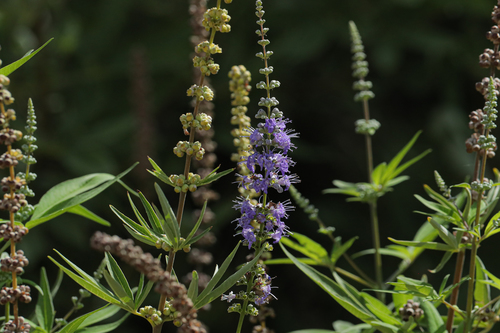
Vitex trifolia blooms with small, fragrant flowers from summer through fall. These blossoms, which can be blue-purple or white, are arranged in panicles at the ends of branches.
The plant has a long history of medicinal use due to its anti-inflammatory properties, which make it effective in treating ailments such as headaches, fever, and arthritis pain.
Additionally, Vitex trifolia is valued for its ornamental appeal. Its attractive foliage makes it an excellent choice for landscaping, particularly when planted en masse along borders or hedges.
Overall, Vitex trifolia is an excellent addition to any garden or landscape design, offering both aesthetic beauty and medicinal benefits.
Simpleleaf chastetree has strong disease resistance and is usually not prone to disease. In terms of care, this plant is relatively low-maintenance. When grown outdoors it requires minimal watering, and larger plants generally do not need pruning. Smaller plants should be pruned after they have finished blooming. Simpleleaf chastetree is suitable for anyone with outdoor space, such as a garden or deck, and does not require much experience in plant care.
How to keep Vitex Trifolia.
Light
Simpleleaf chastetree does best in places with abundant sunlight, though it can adapt to locations that experience periods of reduced light. Sunlight greatly benefits its growth and overall health. Insufficient light may result in stunted development, while excessive light can scorch the leaves.
Water
The Simpleleaf chastetree flourishes in coastal and tropical areas. It prefers moderate humidity with some occasional dryness. Water the plant every 1-2 weeks, making sure to manage the soil's moisture properly to prevent waterlogging. While it is mainly grown outdoors, it needs special care during its active growing season to achieve optimal growth.
Humidity
This plant prefers dry conditions, so don't mist it. However, watering it less often can also thrive in higher humidity.
Temperature
Simpleleaf chastetree comes from regions with temperatures between 68 and 95 °F (20 to 35 ℃). It does best in warm conditions and prefers milder climates. During cooler seasons, protecting simpleleaf chastetree from sudden temperature drops can ensure its survival.
Fertilizer
Proper timing is important when fertilizing the Simpleleaf chastetree. Apply fertilizer in early spring and repeat every month until early summer. Fertilizer encourages attractive blooms and supplies energy during both dormant and active growth periods.
Pruning
The Simpleleaf Chastetree is a fast-growing deciduous shrub known for its aromatic leaves and purple flowers. To encourage new growth, prune the shrub between early and late winter, making sure to remove any dead or crossing branches. After the plant blooms, a light thinning helps improve air circulation and promotes better flowering. Always use clean tools when pruning to maintain the health of the plant.
Botanical profile.
- Plant Type
- Tree, Shrub
- Life Cycle
- Perennial
- Genus
- Vitex
- Family
- Lamiaceae
- Hardiness Zone
- 9-10
- Mature Height
- 3.96 m
- Mature Spread
- 4.88 m
- Leaf Color
- Green
- Leaf Type
- Evergreen
- Flower Color
- Lavender, Purple
- Flower Size
- 2.54 cm
- Bloom Time
- Early summer, Mid summer
- Planting Time
- Spring, Summer, Autumn
- Harvest Time
- Mid summer, Late summer
- Native Area
- Nepal, Sri Lanka, Somalia, India, Malaysia, Vanuatu, South Africa, Philippines, Madagascar, Bangladesh, Laos, Kenya, Fiji, Tanzania, China, Afghanistan, Solomon Islands, Indonesia, Kazakhstan, Vietnam, Mozambique, Myanmar, Japan, Papua New Guinea, Koppen, Iran, South Korea, Thailand
Other names.
Reader questions.
How should I water my Simpleleaf chastetree?
You can water your Simpleleaf chastetree using any common watering tool, such as watering cans, hoses, or even cups. It's important to apply the water directly to the soil, making sure to evenly moisten all areas. Using filtered water is recommended to avoid harmful particles from tap water. It's also best to use water that is at or slightly above room temperature, as extreme temperatures can be a shock to the plant. However, the Simpleleaf chastetree generally responds well to any water you give it.
Why should I put fertilizer on my Simpleleaf chastetree?
To help your Simpleleaf chastetree thrive and produce beautiful blooms, it is important to fertilize it for several reasons. By fertilizing in early spring, you can ensure that your tree will have an abundance of excellent flowers during that season. Additionally, fertilizer provides your Simpleleaf chastetree with the energy it needs to store in the ground during dormant growth phases. Giving your tree extra nutrients during the fall planting process or in late spring will help it retain more energy for active growth.
What are the sunlight requirements for a Simpleleaf chastetree?
The Simpleleaf chastetree requires full sun, meaning it should receive above 6 hours of sunlight daily, but it can also adapt to partial sun, which is about 3-6 hours of sunlight a day. It's important to watch how sunlight moves through your garden to find spots that offer a perfect balance of light and shade, ensuring the plant's health and growth. While the Simpleleaf chastetree thrives in sunlight, insufficient or overly intense light can lead to problems such as stunted development or leaf scorch.
What is the ideal climate for Simpleleaf chastetree?
Simpleleaf chastetree, or Vitex trifolia, prospers in climates where temperatures range between 68 to 95 °F (20 to 35 °C). It flourishes in warm environments and prefers milder climates. The plant has a degree of cold tolerance and does not usually need special care when temperatures are above 0°C. However, when temperatures are forecasted to fall below freezing, it's crucial to apply temporary cold protection measures like covering the plant with plastic film, fabric, or other materials for insulation. Once temperatures rise, these protections should be removed to prevent damage to the plant.
What should I do if I give too much water or too little water to my Simpleleaf chastetree?
Outdoor plants, especially newly planted ones or seedlings, can often suffer from lack of watering. When the tree is small or recently planted, it's important to water it consistently for a few months. Once the roots are established, the Simpleleaf chastetree can rely on rain for most of its water needs. However, when the plant is in pots, overwatering becomes more likely. If you accidentally overwater your Simpleleaf chastetree, there are steps you can take to rectify the situation. First, stop watering the plant immediately to minimize the damage. Then, remove the plant from its pot and check the roots for signs of rot. If no root rot is present, you can return the plant to its container. If there is root rot, trim the affected roots and consider applying a fungicide. Finally, repot the Simpleleaf chastetree in well-draining soil. In the case of underwatering, simply increase the frequency of watering. Symptoms of underwatering include drooping, dry, and falling leaves, which should quickly recover with sufficient hydration. It's important to adjust your watering routine promptly when underwatering is noticed.
When should I fertilize my Simpleleaf chastetree for the best results?
To effectively fertilize Simpleleaf chastetree, timing is crucial. Applying fertilizer too early while the tree is dormant will result in wasted and polluted runoff due to rainwater. The first application should be in early spring, and then continue fertilizing monthly until early summer.
How does artificial lighting affect the growth of indoor Simpleleaf chastetree plants?
Indoor Simpleleaf chastetree plants require adequate lighting for optimal growth, especially when natural sunlight is insufficient, such as during winter or in less sunny spaces. Artificial lights, like LED lights, can be customized to provide specific wavelengths of light needed by the plants. For full sun plants, 30-50W/sq ft of artificial light is needed, partial sun plants require 20-30W/sq ft, and full shade plants need 10-20W/sq ft. The light source should be placed 12-36 inches above the plant to mimic natural sunlight, ensuring the plant receives 8-12 hours of light per day.
How does Simpleleaf chastetree react to low temperatures?
Simpleleaf chastetree demonstrates moderate tolerance to low temperatures and thrives when the temperature remains above 20°C. It's important to ensure the plant's temperature does not dip below 0°C during the winter. Exposure to temperatures below -5°C may cause the leaves to droop; though they might recover in milder cases, severe cold exposure can lead to the leaves wilting and eventually falling off. The ideal solution to combat the damage from low temperatures includes trimming off the frost-damaged areas, wrapping the plant with non-woven fabric or cloth, and building a wind barrier to protect it from cold winds.
How often do I need to water my Simpleleaf chastetree?
To help your outdoor plants grow normally, they usually just need rainfall. But if your area doesn't get much rain, you should water the plants every 2 weeks in the spring and fall, and more frequently in the summer. In the winter, when plants grow more slowly and need less water, you can water them less often or not at all. However, if you have a young or newly planted Simpleleaf chastetree, you should water it more often to help it establish and grow. For potted plants, there are two ways to determine how often to water your Simpleleaf chastetree. One way is to follow a set watering schedule, such as once a week or every other week. But this may not always suit the specific conditions of your plant's environment. Another option is to water based on the moisture level of the soil. It's generally best to wait until the top two to four inches of soil, about one-third to half the depth of the pots, have dried out completely before watering again. This method helps ensure you don't overwater your plants.
When is the best time to not use fertilizer on my Simpleleaf chastetree?
To ensure proper growth and blooming of Simpleleaf chastetree, it is important to avoid using a fertilizer with excessive nitrogen. This can result in an abundance of leaves but few blooms. Instead, opt for a fertilizer that has a lower level of nitrogen compared to other nutrients. Additionally, refrain from fertilizing the tree after the early autumn season, as this can lead to excessive growth right before winter. It is also not advisable to fertilize Simpleleaf chastetree during hot and dry periods, as dry soil does not effectively deliver fertilizer like moist soil does. Moreover, fertilizing during such times can promote growth that demands more water, which may not be readily available. It is best to apply fertilizer earlier in the season when temperatures are cooler. Lastly, keep in mind that Simpleleaf chastetree can absorb fertilizer applied to nearby plants or lawns. Be cautious to avoid inadvertently giving the tree a double-dose of fertilizer.
What are the symptoms of insufficient light in Simpleleaf chastetree plants?
Symptoms of insufficient light in Simpleleaf chastetree plants include smaller new leaves, leggy or sparse growth, quicker leaf drop, halted or slowed new growth, lighter-colored new leaves, chlorosis, sunscald, leaf curling, wilting, and leaf scorching. These symptoms indicate that the plant is not receiving enough sunlight, leading to a range of health problems including reduced chlorophyll and essential nutrient levels.
How should Simpleleaf chastetree be cared for in high temperatures?
During the summer, it's essential to ensure the Simpleleaf chastetree does not experience temperatures above 35°C. High temperatures exceeding 41°C may cause the leaves to lighten in color, dry, and curl. The plant also becomes more prone to sunburn under these conditions. To mitigate damage from high temperatures, sunburned and dried parts of the plant should be trimmed away. Relocating the plant to a shaded area or using a shade cloth can protect it from the harsh midday and afternoon sun. Keeping the soil moist with watering in the morning and evening is also crucial during hot weather.