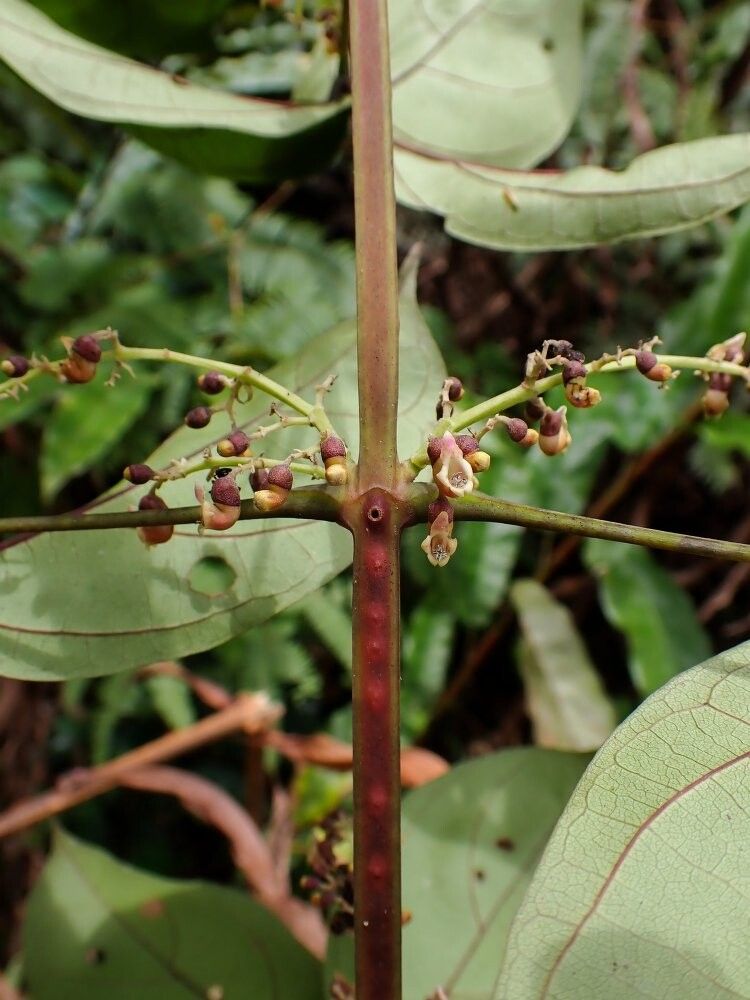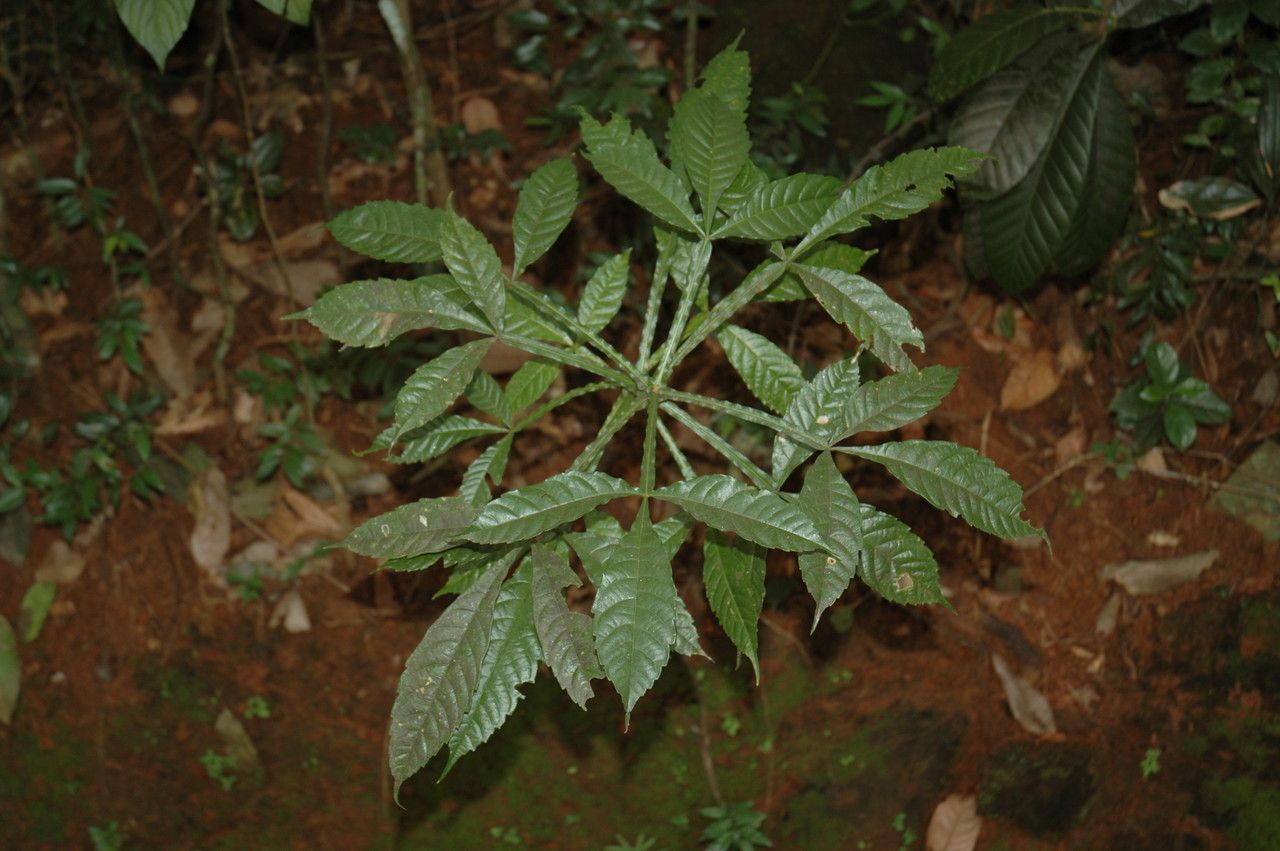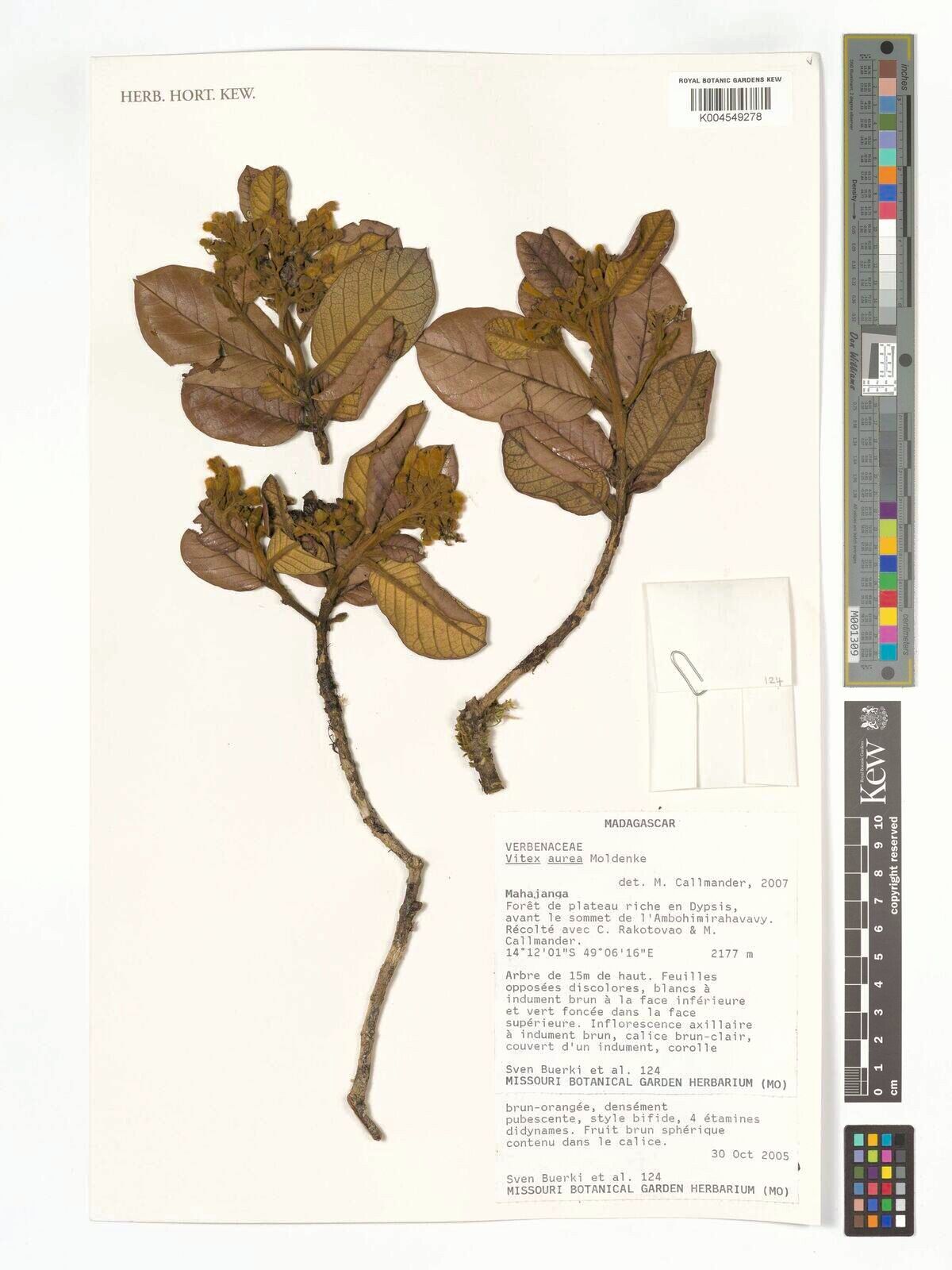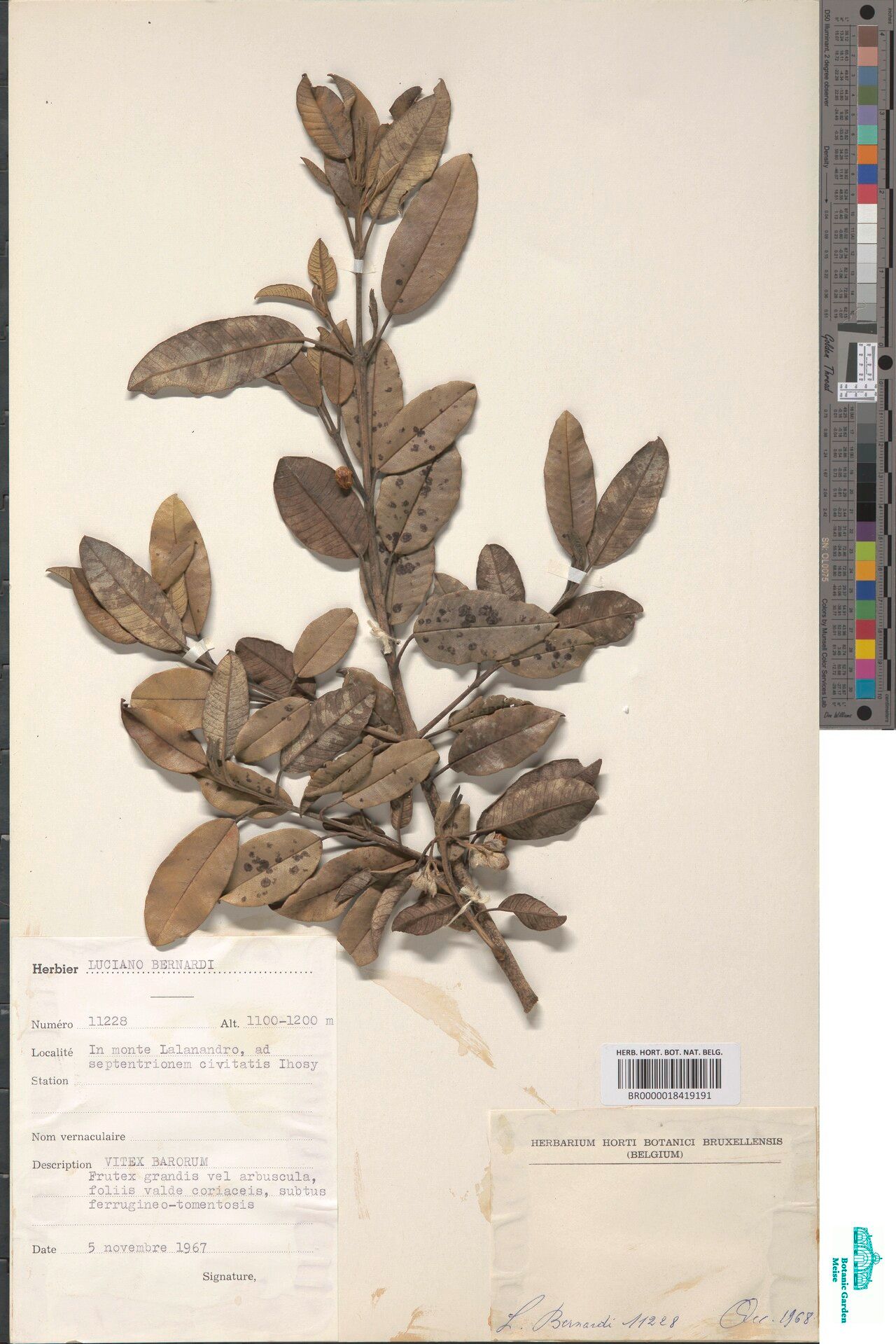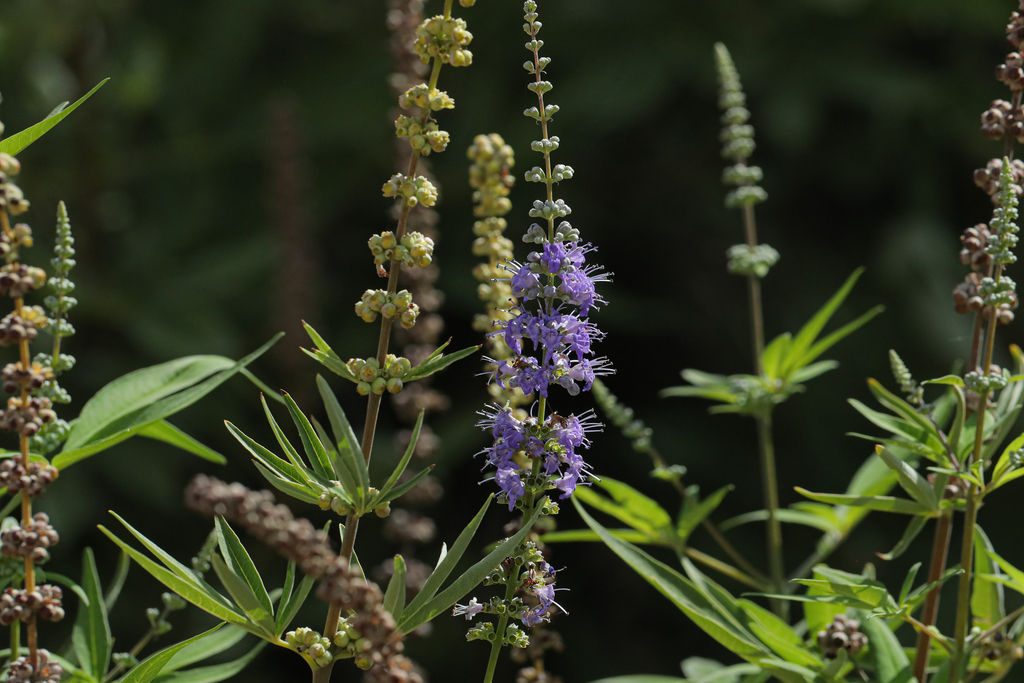
Vitex agnus-castus, commonly known as the chaste tree or monk's pepper, is a deciduous shrub or small tree native to the Mediterranean region. It belongs to the Lamiaceae family and can grow up to 5 meters tall. The plant features grayish-brown bark and aromatic leaves composed of five to seven leaflets.
The chaste tree blooms with fragrant lilac-colored flowers in late spring or early summer, followed by small, brownish-black fruits in autumn. These fruits have been used for medicinal purposes for centuries, particularly for their ability to regulate hormones and alleviate menstrual issues.
Additionally, Vitex agnus-castus is popular as an ornamental plant, thanks to its attractive foliage and flowers. It also attracts butterflies and bees, making it a delightful addition to any garden.
The chaste tree thrives in well-drained soil and full sun but can tolerate partial shade. Once established, it is drought-tolerant, although it benefits from regular watering during dry spells.
Overall, Vitex agnus-castus is a versatile plant with both medicinal and ornamental uses. It can thrive in various growing conditions with minimal care.
Chaste tree is resistant to disease and is generally not vulnerable to illnesses. In terms of care, this plant is fairly low-maintenance. When grown outdoors it needs little watering, and larger specimens typically do not require pruning. Smaller plants, however, should be pruned after they have finished blooming. Chaste tree is suitable for anyone with outdoor space, such as a garden or deck, and does not demand much care experience.
How to keep Vitex Agnus Castus.
Light
Chaste tree does best in locations that receive bright sunlight during the day, although it can tolerate spots that don’t get the full strength of the sun. This light helps its growth and flowering. Conversely, too much or too little light can lead to poor plant health and reduced growth.
Water
The chaste tree, native to the Mediterranean region, thrives in environments with dry summers and wet winters. To simulate its natural habitat, it should be watered every 1-2 weeks. Providing deep watering during its active growing season is essential for encouraging strong root development and supporting its flowering.
Humidity
This plant will thrive in moderate humidity, which is probably the level in your home. However, misting it a few times a week can be very beneficial. Make sure the room has good ventilation.
Temperature
The chaste tree is native to warm temperate regions and prefers temperatures between 41 and 100 ℉ (5 to 38 ℃). It can tolerate lower temperatures if provided with well-drained soil and a sheltered location. During colder seasons, it is advisable to reduce watering frequency and shield the plant from frost or cold winds.
Fertilizer
Timing is important when fertilizing the Chaste tree. Apply fertilizer in early spring and continue once a month through early summer. Fertilizer promotes attractive blooms and supplies energy during both dormant and active growth stages.
Pruning
Pruning the chaste tree annually in early spring has several benefits. Removing weak branches encourages new growth, while thinning the interior of the tree improves air circulation and light penetration. These practices help maintain the tree's health and structure, as well as enhance the quality of its flowers.
Pot & Repot
For healthy growth and to prevent root rot, chaste trees need excellent drainage when planted in pots.
Botanical profile.
- Plant Type
- Shrub
- Life Cycle
- Perennial
- Genus
- Vitex
- Family
- Lamiaceae
- Hardiness Zone
- 5-11
- Mature Height
- 0.91 m to 4.88 m
- Mature Spread
- 1.52 m to 4.57 m
- Leaf Color
- Green, Gray, Blue
- Leaf Type
- Deciduous
- Flower Color
- Lavender
- Flower Size
- 2.54 cm
- Bloom Time
- Early summer, Mid summer
- Planting Time
- Spring, Autumn
- Harvest Time
- Mid summer, Late summer
- Native Area
- Libya, Egypt, Turkey, Austria, Montenegro, Pakistan, Croatia, Slovenia, Morocco, Iraq, Germany, Mozambique, Oman, France, Portugal, Saudi Arabia, Tunisia, Cyprus, Bulgaria, Greece, Lebanon, Afghanistan, Syria, Italy, Spain, Israel, Senegal, Iran, Albania, Algeria, Turkmenistan
Other names.
Reader questions.
When Should I Water My Chaste Tree?
Timely watering of the chaste tree is essential for its health, supporting all key physiological processes for vibrant growth. If the leaves appear wilted or droopy outside of high-heat periods, it may indicate water stress. Moreover, a change to a gray-green color or the presence of yellow or brown patches on leaves suggests inadequate watering. Checking the soil is straightforward; if it feels dry about an inch below the surface, it's time to water the tree. Watch for slowed growth rates as a sign of water stress. Be cautious of watering too early or late in the day, as improper timing can lead to diseases due to overwatering or stress and weakening from underwatering.
Why should I put fertilizer on my Chaste tree?
Fertilizing a Chaste tree is important for several reasons. Firstly, it helps the tree produce beautiful blooms. For optimum flower production, it is recommended to fertilize in early spring. Additionally, fertilizing provides the tree with energy that it can store when it is dormant. By giving it extra nutrients in the fall or late spring, the tree can store more energy to use when it becomes active again.
What are the sunlight requirements for a Chaste Tree?
The Chaste Tree (Vitex agnus-castus) thrives when it receives ample sunlight throughout the day. It requires full sun exposure, which is characterized by more than 6 hours of direct sunlight daily, to support its growth and flowering. However, it can also adapt to partial sun conditions, receiving about 3-6 hours of sunlight. It's important to observe how sunlight moves through your garden to find spots that offer the right balance of light and shade, ensuring the plant's health and happiness.
What is the native climate for the Chaste Tree?
The Chaste Tree, or Vitex agnus-castus, is native to warm temperate climates and prefers a temperature range of 41 to 100°F (5 to 38°C). It is well-suited to environments that can provide these temperature conditions for optimal growth.
How Should I Water My Chaste Tree?
Watering sensitivity of the chaste tree is moderate; it prospers in well-drained soil and tolerates drought conditions, requiring less frequent watering than many garden plants. The best method involves watering deeply but infrequently, preferably at the soil level using a watering can with a long spout to reach the base without wetting the foliage, or employing a soaker hose or drip irrigation system to minimize leaf moisture and prevent disease. A moisture meter can help gauge when to water next, ensuring the root zone sufficiently dries out between sessions. Focus your watering on the soil at the base of the plant, slightly away from the stem, to avoid wetting foliage and prevent disease.
When should I fertilize my Chaste tree?
The timing of fertilizing Chaste trees is important for effective use. Applying fertilizer too early, while the tree is still dormant, will lead to wastage and pollution as the rainwater will wash it away. To ensure proper utilization, the first application of fertilizer should be in early spring, followed by monthly applications until early summer.
How can artificial lighting benefit indoor Chaste Trees?
Indoor Chaste Trees can greatly benefit from artificial lighting, especially when natural sunlight is insufficient, such as during winter or in less sunny spaces. Artificial lights, such as LED lights, can mimic natural sunlight by providing the specific wavelengths of light that plants need for growth. The intensity of the light should be adjusted depending on the plant's requirements: full sun plants need 30-50W/sq ft, partial sun plants need 20-30W/sq ft, and full shade plants need 10-20W/sq ft. The light source should be positioned 12-36 inches above the plant and turned on for 8-12 hours per day to mimic natural daylight hours, promoting healthier, faster growth.
How can you protect the Chaste Tree during colder seasons?
To protect the Chaste Tree during colder seasons, it is recommended to decrease watering frequency and shield the plant from frost or cold winds. The Chaste Tree has a strong cold resistance but if temperatures are expected to drop severely, wrapping the trunk and branches with non-woven fabric or cloth can offer additional protection. Additionally, watering the plant abundantly before the first freeze in autumn helps the soil stay moist and prevents drought and water scarcity during winter and early spring.
How Much Water Does Chaste Tree Really Need?
The chaste tree's deep root system implies a need for deep, rather than superficial watering, allowing the water to fully saturate the soil. The exact amount can vary depending on factors like pot size and plant size, but 1-2 liters per watering session for a mature plant in a medium-sized pot is typically adequate. Signs of proper hydration include vibrant, healthy-looking leaves and sturdy stems, while both under and overwatering present risks. To avoid such risks, allow the soil to dry somewhat between waterings, facilitating healthy root development and preventing waterlogged conditions.
When is it best not to fertilize my Chaste tree?
To ensure healthy growth and abundant blooming, it is important to be mindful of the fertilizer you use for Chaste tree. Avoid fertilizers high in nitrogen, as these can promote leaf growth but inhibit blooming. Instead, choose a fertilizer with a lower nitrogen content and a balanced mix of nutrients. It is also crucial to time your fertilization correctly. Avoid fertilizing after early autumn, as this can encourage excessive growth before winter. Additionally, refrain from fertilizing during hot and dry periods, as dry soil is less effective at delivering nutrients and can stimulate growth that demands more water. It is advisable to apply fertilizer during cooler temperatures earlier in the season for optimal results. Lastly, be cautious of inadvertently providing Chaste tree with a double dose of fertilizer, as it can absorb nutrients from neighboring plants or lawns.
What symptoms indicate a Chaste Tree is receiving improper sunlight?
Improper sunlight can lead to several symptoms in Chaste Trees. Symptoms of light deficiency include smaller new leaves, leggy or sparse growth, faster leaf drop, slower or halted new growth, lighter-colored new leaves, and overall weaker plant structure. Conversely, too much sunlight can cause chlorosis (yellowing of leaves), sunscald (pale or necrotic areas on leaves), leaf curling, wilting, and leaf scorching (brown, dry edges or patches on leaves). These symptoms reflect the plant's struggle with adapting to its light environment, either seeking to minimize water loss and damage or conserve resources in low light.
What are the symptoms of low temperature on the Chaste Tree and how can you mitigate them?
When the Chaste Tree experiences temperatures below its tolerable minimum, although it may show no immediate changes in winter, in spring, the branches may turn brittle and dry, and fail to produce new shoots. To mitigate this issue, it is suggested to prune away any dead branches that have failed to produce new leaves once spring arrives.