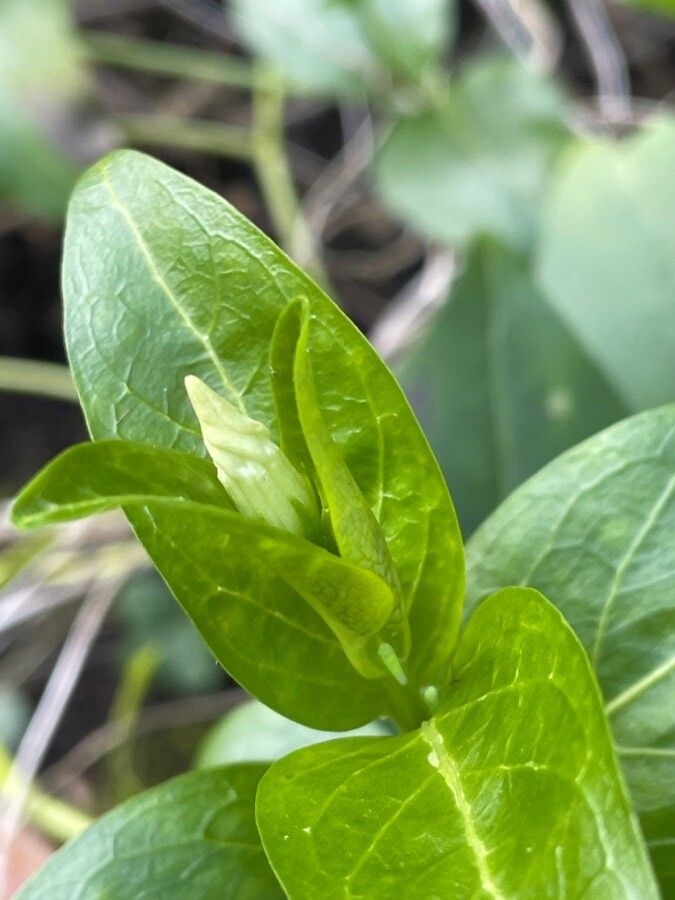
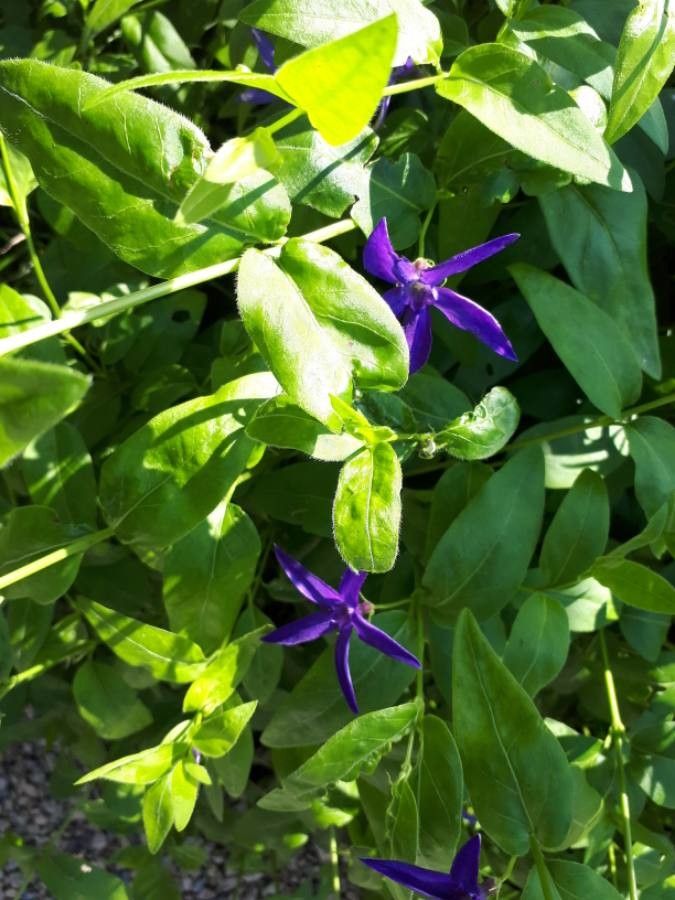
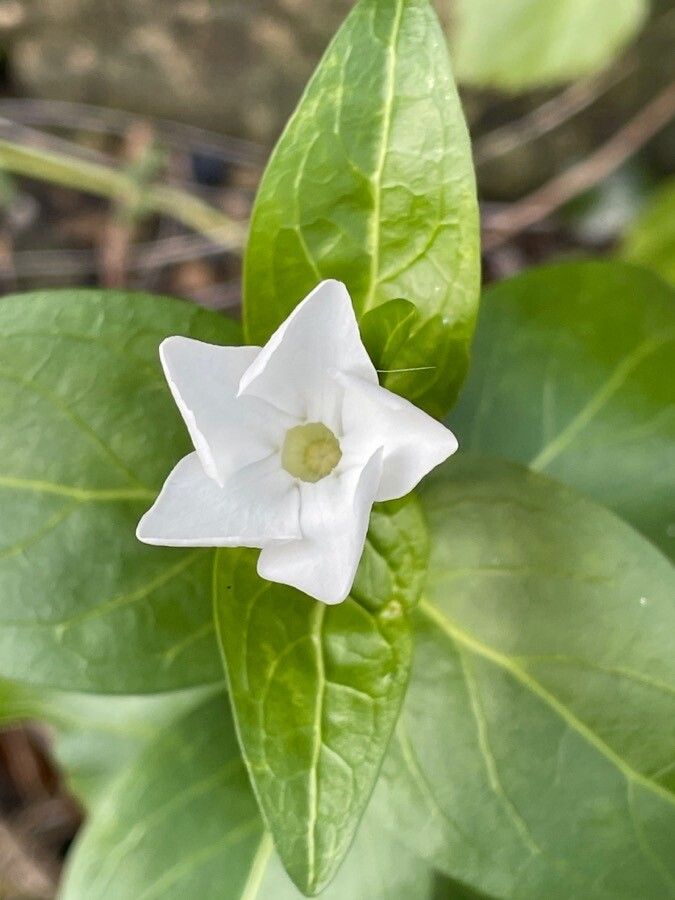
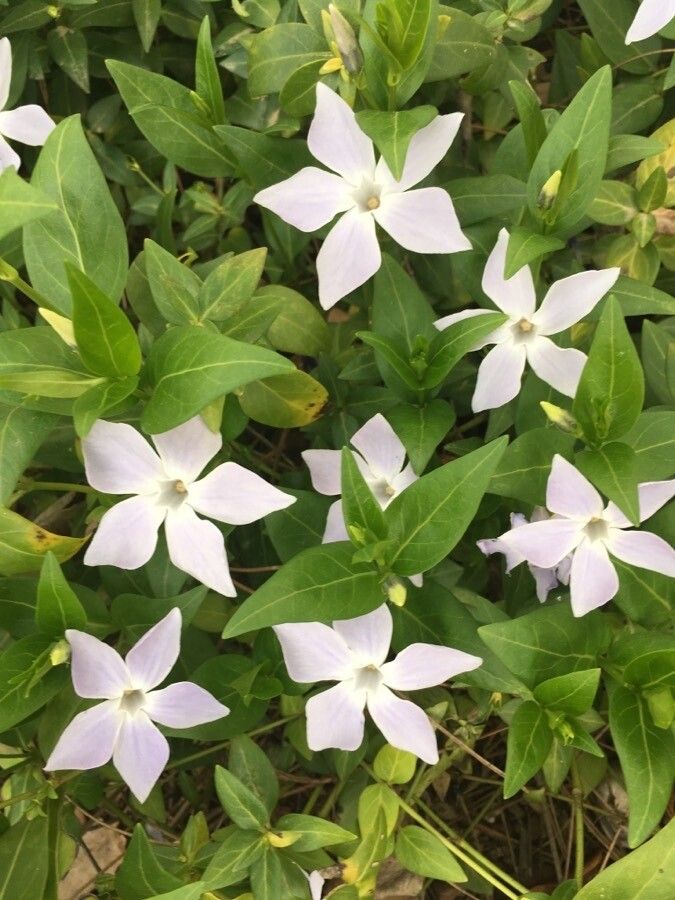
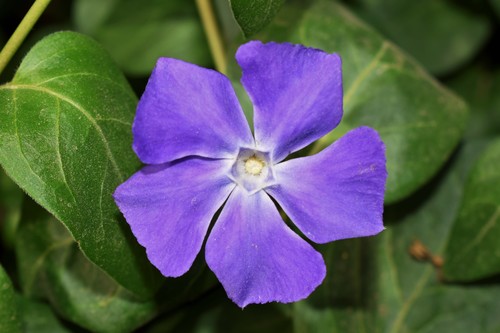
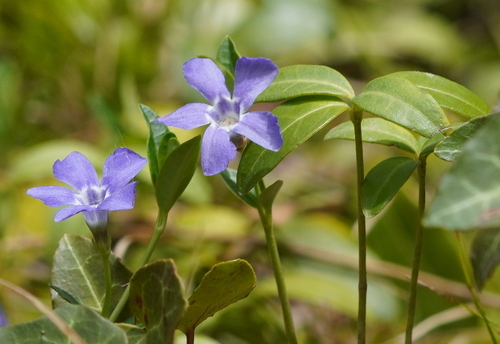
Vinca difformis, commonly known as the intermediate periwinkle, is a low-growing evergreen plant that belongs to the Apocynaceae family. Native to the Mediterranean region, it thrives in rocky areas, open woodlands, and alongside roads.
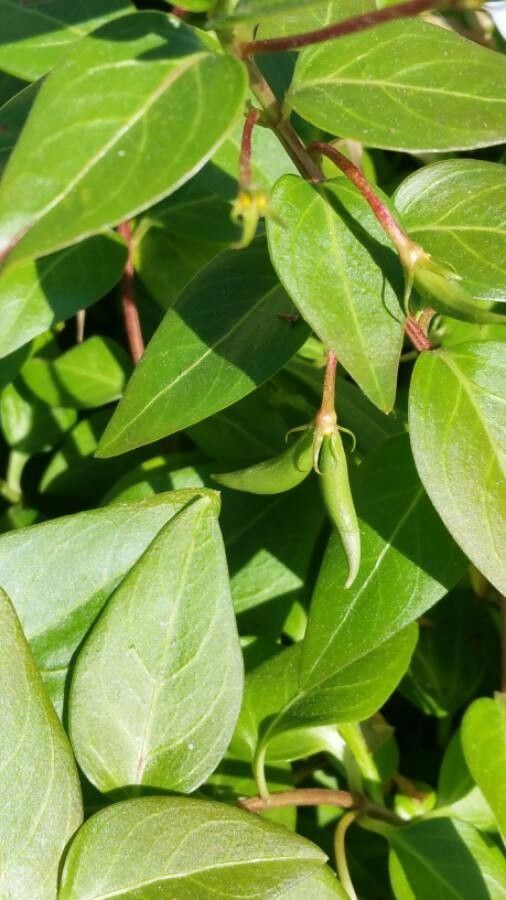
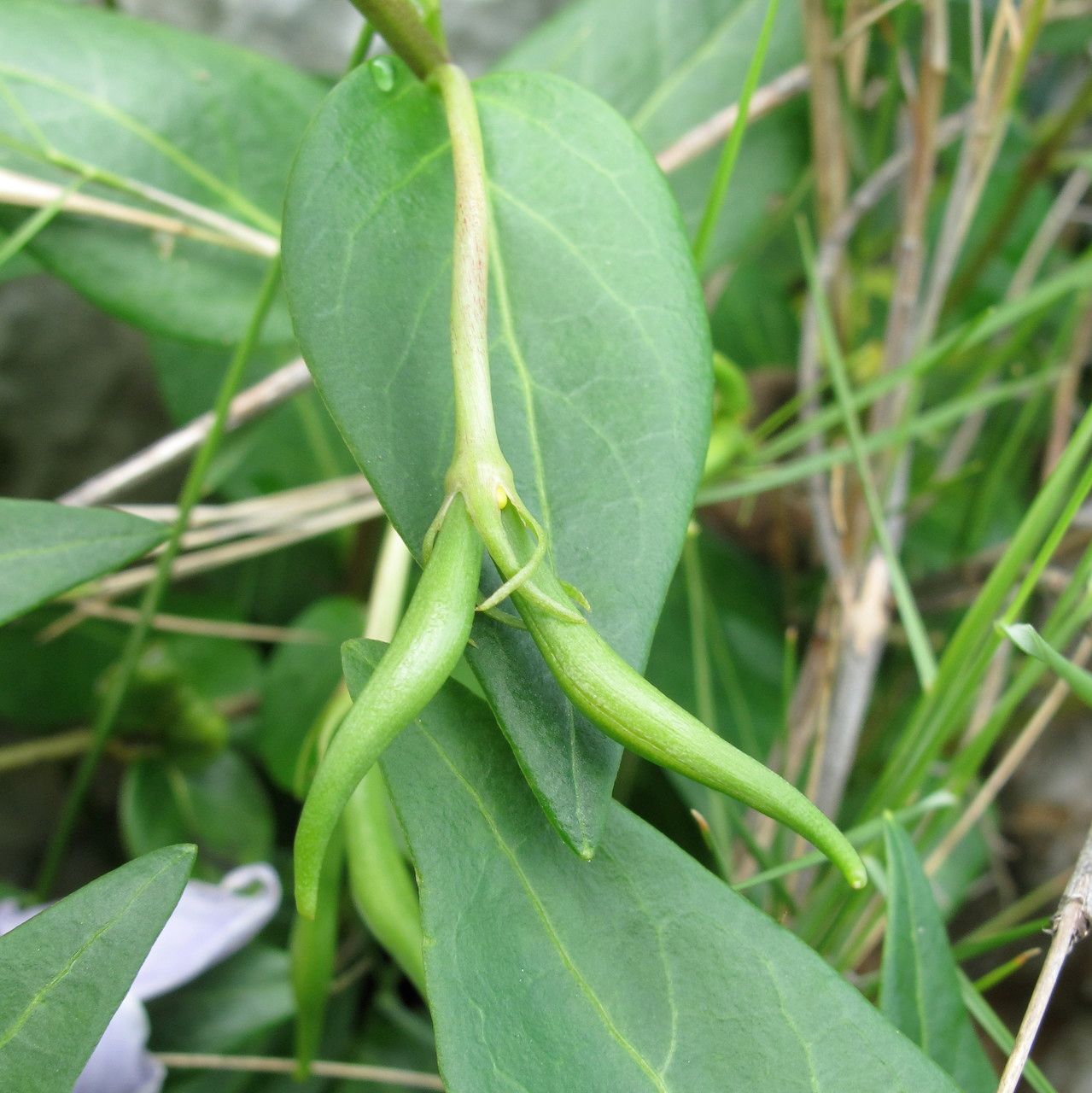
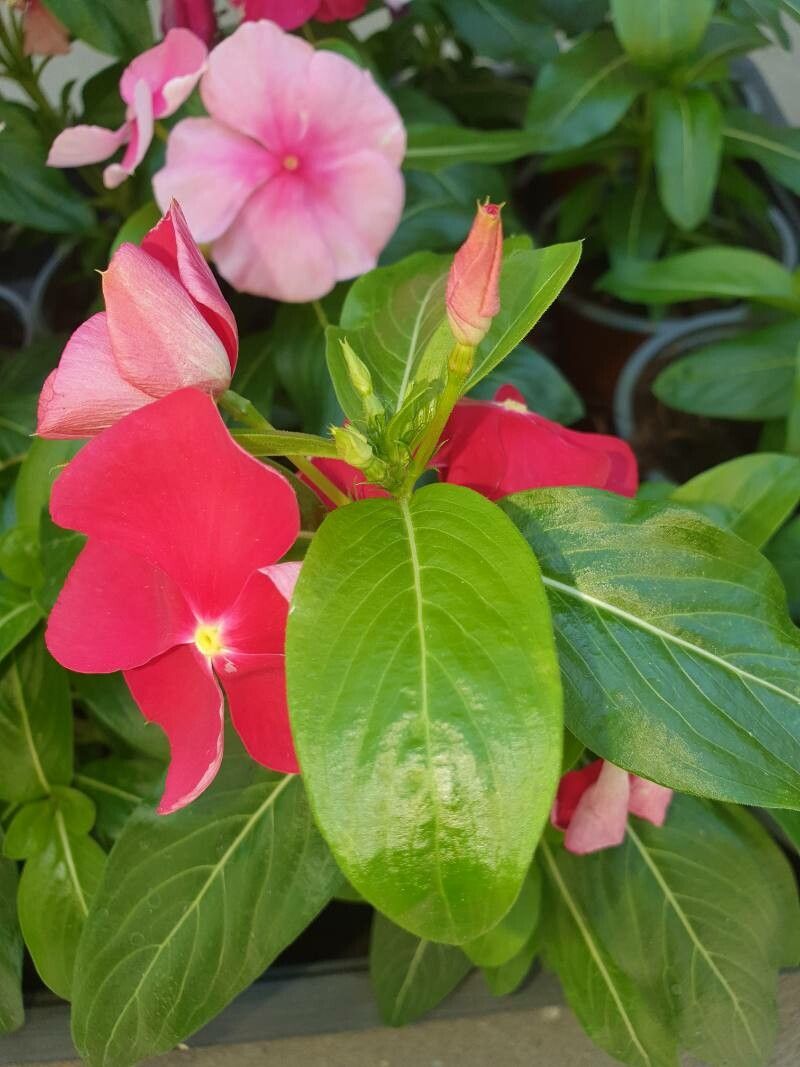
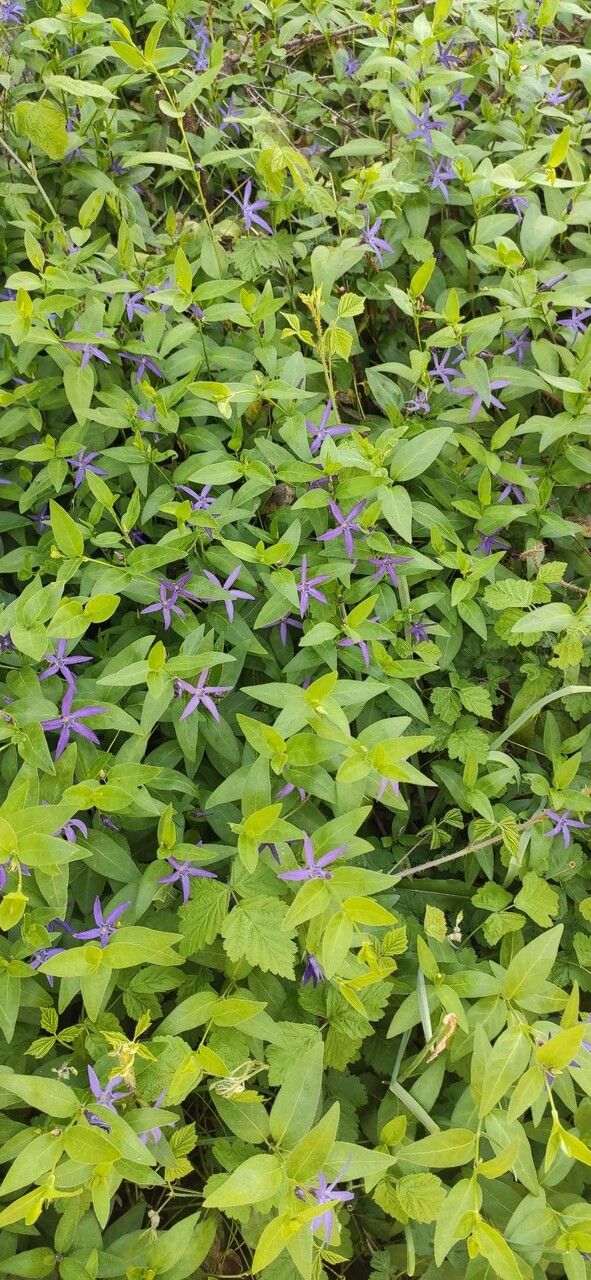
This plant has a trailing habit with stems that can extend up to 1 meter in length. Its leaves are glossy green, oval-shaped, and end in a pointed tip. The star-shaped flowers, each with five petals, come in shades ranging from pale pink to lavender-blue.
Vinca difformis is easy to cultivate, preferring well-drained soil and partial shade, although it can also tolerate full sun exposure. Once established, it is drought-tolerant but benefits from occasional watering during extended dry spells.
The plant has several medicinal properties due to its alkaloids, such as vincamine, which have been used to treat various ailments including high blood pressure, memory loss, and cerebral circulatory disorders.
Overall, Vinca difformis makes an excellent ground cover or trailing accent for rock gardens or containers, thanks to its attractive foliage and beautiful flowers that bloom from late winter through spring.
Intermediate periwinkle has strong disease resistance and is usually not vulnerable to illnesses. As for maintenance, this plant is fairly easy to care for. When grown outdoors it needs only light watering, and larger plants typically do not need pruning. Smaller plants, however, should be pruned after blooming. Intermediate periwinklet is appropriate for anyone with an outdoor area, such as a garden or deck, and does not demand a great deal of care experience.
How to keep Vinca Difformis.
Light
Intermediate periwinkle prefers ample sunlight, which contributes significantly to its healthy growth. However, it can also tolerate lower-intensity sun exposure. Its native habitat receives substantial sunlight, and both insufficient and excessive sunlight can affect its health and growth.
Water
Intermediate periwinkle grows best in Mediterranean-like climates that have a balance of dry and moist periods. It moderately tolerates drought conditions and prefers well-drained soil. It's advisable to water the plant every 2 to 3 weeks, allowing the soil to dry slightly between watering sessions. Usually cultivated outdoors, the intermediate periwinkle also benefits from adequate humidity levels.
Temperature
Intermediate periwinkle grows in environments with temperatures between 41 to 95 °F (5 to 35 ℃). It copes well with temperature changes and can withstand mild frosts. However, in extremely cold or hot seasons, it's advisable to move it or provide protective covering.
Fertilizer
Proper timing is essential for fertilizing Intermediate periwinkle. Begin fertilizing in early spring and continue once a month until early summer. Fertilizer promotes attractive blooms and supplies energy during both dormant and active growth phases.
Pruning
Intermediate periwinkle is a plant characterized by its trailing growth and glossy evergreen leaves. To maintain its shape, improve air circulation, and remove overgrown stems, it is best to prune the plant in late spring, after it has finished blooming. Regular pruning encourages blooming and helps keep the plant aesthetically pleasing. For specific guidance based on your region, consult local horticultural resources.
Botanical profile.
- Plant Type
- Shrub
- Life Cycle
- Perennial
- Genus
- Vinca
- Family
- Apocynaceae
- Hardiness Zone
- 4-9
- Mature Height
- 25 cm
- Mature Spread
- 1.37 m
- Leaf Color
- Green, Blue
- Leaf Type
- Evergreen
- Flower Color
- White, Lavender
- Flower Size
- 4.06 cm
- Bloom Time
- All year round
- Planting Time
- Spring, Summer, Autumn
- Harvest Time
- All year round
Other names.
Reader questions.
How should I water my Intermediate periwinkle plant?
Your Intermediate periwinkle doesn't require specific watering methods. You can use various watering tools like cans, hoses, or cups to moisten its soil. Regardless of the tool, make sure you water the soil directly and evenly to provide sufficient water to the whole root system. Using filtered water is recommended as tap water may have harmful particles. It's also better to use water at or slightly above room temperature to avoid shocking the plant. However, the Intermediate periwinkle generally adapts well to different water types.
Why should I put fertilizer on my Intermediate periwinkle?
Fertilizing an Intermediate periwinkle is important for several reasons. Firstly, it helps the plant produce beautiful blooms. Applying fertilizer in early spring is particularly effective in ensuring vibrant flowers during that season. Additionally, fertilizer provides the plant with energy that it can store in the ground during dormant growth phases. By giving the plant extra nutrients during fall planting or late spring, it will have more stored energy to utilize once active growth resumes.
What are the sunlight requirements for Intermediate Periwinkle?
Intermediate Periwinkle thrives best in full sun conditions, which means it requires above 6 hours of sunlight daily. However, it can also grow well in partial sun, with about 3-6 hours of sunlight. It's important to watch how sunlight moves through your garden to pick the perfect spot for your plants that balances light and shade optimally. This approach ensures the plants' happiness and healthy growth.
What is the native environment temperature range for Intermediate Periwinkle?
Intermediate periwinkle, scientifically known as Vinca difformis, thrives in environments where the temperature ranges from 41 to 95 °F (5 to 35 °C). It is well-adapted to temperature variations and can tolerate mild frosts, making it quite versatile in different climates. Despite its strong cold resistance, during extremely cold or hot seasons, it may require some adjustments to its location or some form of protective coverage to ensure its health and growth.
What should I do if I give too much or too little water to my Intermediate periwinkle?
Outdoor plants, especially newly planted plants or plant seedlings, can often suffer from lack of watering. It is important to remember that sufficient watering is necessary for the first few months when the tree is small or recently planted. Once the roots are established, rainwater will usually be enough for Intermediate periwinkles. When planting Intermediate periwinkles in pots, overwatering can be a common issue. If you accidentally overwater your plants, it is crucial to take immediate action. Firstly, stop watering the plant right away to minimize the effects. Then, remove the Intermediate periwinkle from its pot to inspect the roots. If there is no root rot present, you can return the plant to its container. However, if root rot is discovered, trim affected roots and consider using a fungicide to prevent further damage. Finally, repot the plant using well-draining soil. For underwatered Intermediate periwinkles, simply water the plant more frequently. Underwatering is usually a simple problem to fix. If you notice drooping, drying out, or falling leaves, and the leaves regain their fullness after watering, adjust your watering frequency promptly.
When should I fertilize my Intermediate periwinkle?
To ensure successful fertilization, timing is critical for Intermediate periwinkle. Applying fertilizer too early, when the plant is still dormant, is ineffective and causes wastage and pollution as it gets washed away by rainwater. It is recommended to first apply fertilizer in early spring, and then continue monthly fertilization until early summer.
How does sunlight affect the growth of Intermediate Periwinkle?
Sunlight plays a significant role in the growth of Intermediate Periwinkle. Abundant exposure to sunlight is crucial for its healthy growth, owing to its origin habitat involving substantial sunlight exposure. Insufficient or excessive sunlight can negatively impact its health and growth. In scenarios where natural sunlight is lacking, especially during winter or in less sunny spaces, artificial lighting can be a vital solution. Adequate artificial light, including LED lights which can be customized to provide specific light wavelengths, is essential for optimal growth. The amount of artificial light required varies depending on whether the plant needs full sun, partial sun, or shade.
How should Intermediate Periwinkle be protected during winter?
Intermediate Periwinkle has a notable resistance to cold and typically does not require special frost protection measures during winter. However, if winter temperatures are anticipated to fall below -30°C, providing additional cold protection becomes important. This can include wrapping the plant's trunk and branches with protective materials like non-woven fabric or cloth. To further support the plant, it's advised to water it abundantly before the first freeze of autumn, ensuring the soil remains moist. This preparation helps in preventing drought and water scarcity for the plant when it is most vulnerable during winter and early spring.
How often do I need to water my Intermediate periwinkle?
Most plants that grow outdoors can rely on rainfall for water. However, if you live in an area with little rainfall, you will need to water your plants every 2 weeks in the spring and fall. In the summer, you will need to water them more frequently. In the winter, when plant growth slows down and water needs decrease, you can water them less often or not at all. If you have a young or newly planted Intermediate periwinkle, you should water it more frequently to help it establish and grow into a drought-tolerant plant. For potted plants, there are two main ways to determine watering frequency for Intermediate periwinkles. One way is to follow a predetermined watering schedule of once a week or once every other week. However, this may not always work as it does not take into account the specific conditions of your growing environment. Another approach is to base your watering frequency on soil moisture. It is generally best to wait until the first two to four inches of soil, about ⅓ to ½ depth of the pots, have completely dried out before watering again. This method allows you to adjust the watering frequency based on the season, as the plant's water needs are higher in the summer.
When is the right time to not fertilize my Intermediate periwinkle?
To ensure optimal growth and bloom production for Intermediate periwinkle, it is important to carefully manage its fertilizer application. High nitrogen content in fertilizers should be avoided, as it can result in excessive foliage growth but limited blooming. Look for fertilizers with a lower nitrogen level compared to other essential nutrients. Timing of fertilization is also crucial. It is best to refrain from fertilizing Intermediate periwinkle after early autumn, as this can lead to excessive growth right before winter, which may not be ideal. Moreover, during hot and dry periods, it is not recommended to fertilize the plant since dry soil does not effectively deliver the nutrients, and stimulating growth during such times would demand additional water that may be unavailable. Therefore, it is advisable to reserve fertilizer application for earlier in the season when temperatures are cooler. Another essential consideration is to be mindful of other nearby plants or lawns. Intermediate periwinkle can absorb fertilizer that has been applied to these neighboring vegetation, potentially resulting in an unintentional overdose of nutrients. Thus, it is important to exercise caution to prevent inadvertently providing a double-dose of fertilizer to trees or shrubs.
What symptoms indicate that Intermediate Periwinkle is not receiving adequate sunlight?
There are several symptoms to look out for which indicate that Intermediate Periwinkle is not receiving adequate sunlight. These include smaller new leaves, leggy or sparse growth, faster leaf drop, slowed or halted new growth, and lighter-colored new leaves, indicating a lack of chlorophyll and essential nutrients. Additionally, chlorosis, sunscald, leaf curling, wilting, and leaf scorching can occur due to excessive sunlight, affecting the plant's ability to photosynthesize and overall health.
What symptoms indicate Intermediate Periwinkle is experiencing low temperatures, and what solutions are recommended?
Intermediate Periwinkle exhibits strong cold tolerance, thriving best in temperatures above 5°C and desiring winter conditions to remain above -25°C. When exposed to temperatures below -30°C, the plant may not show immediate signs of distress during the winter, but come spring, its branches may become brittle and dry, and new shoots may fail to emerge. The recommended solution for these symptoms is to prune away any dead branches in the spring that have not produced new leaves, encouraging new growth and maintaining the health of the plant.