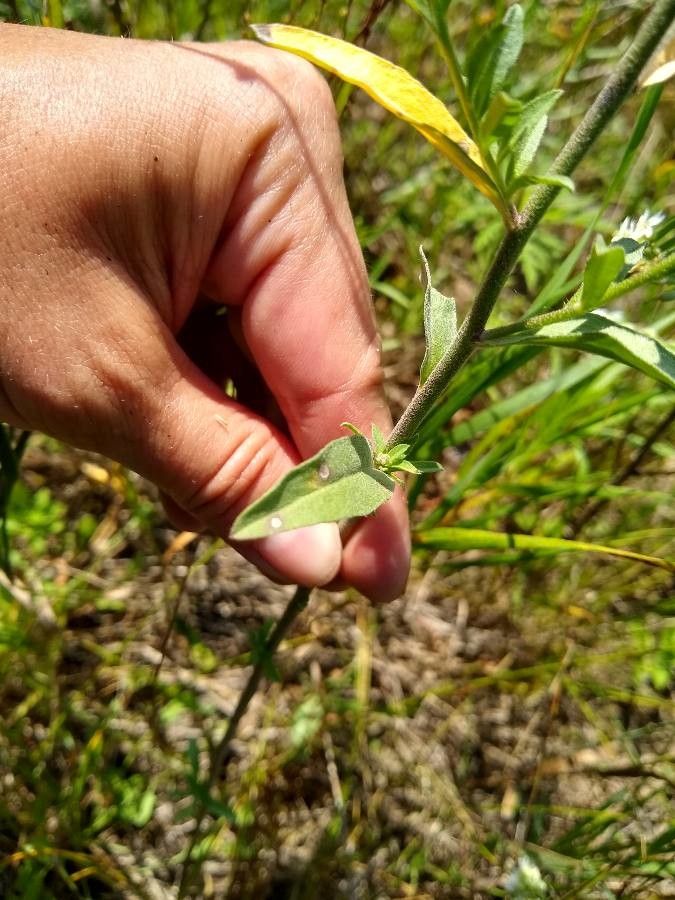
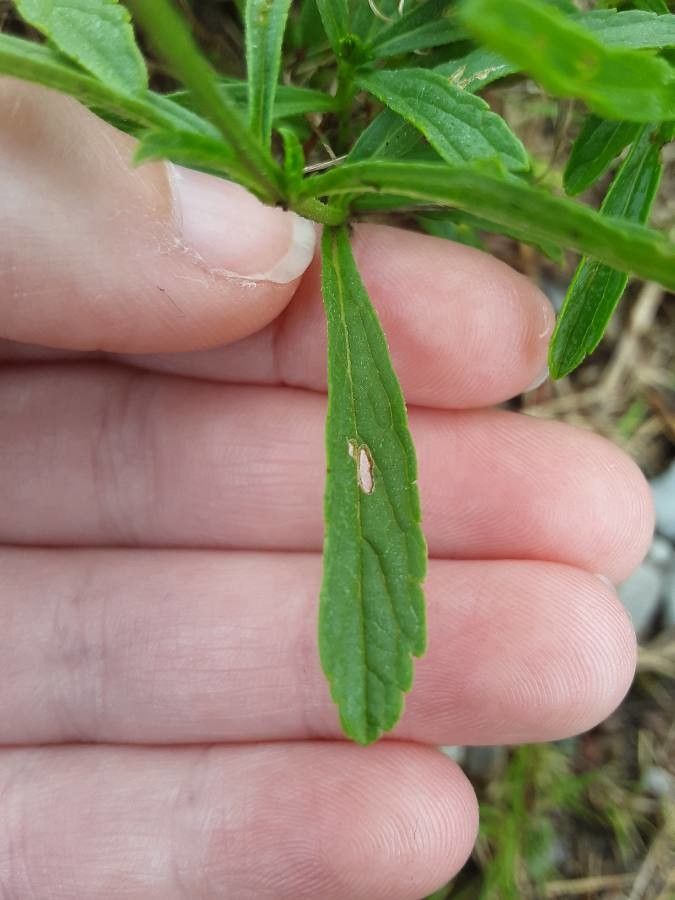
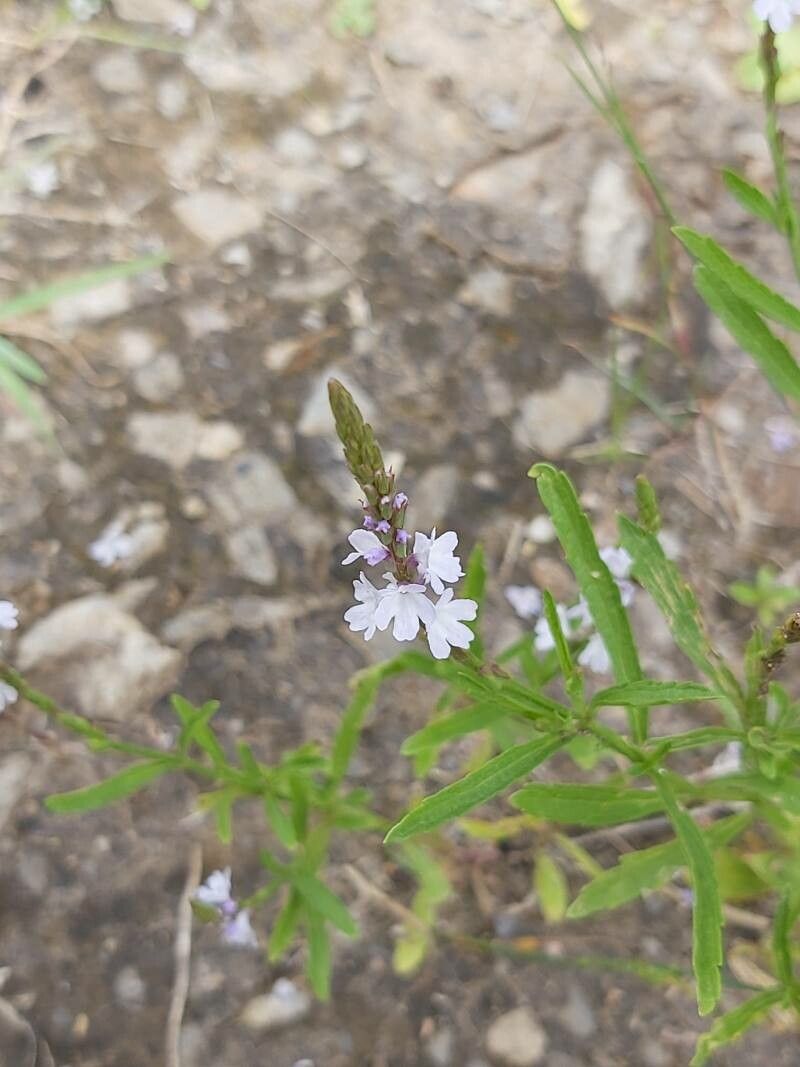
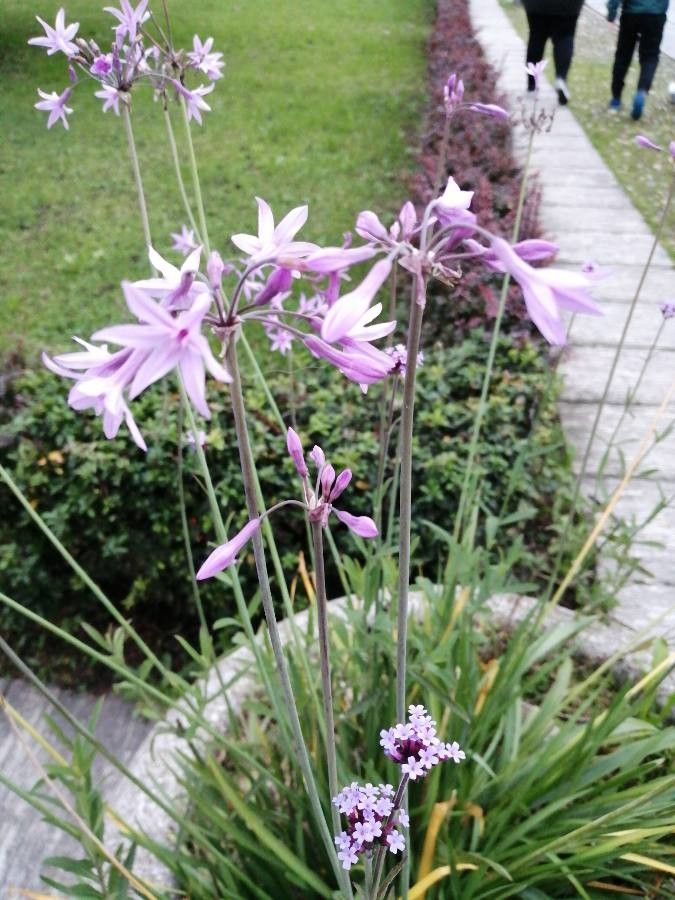
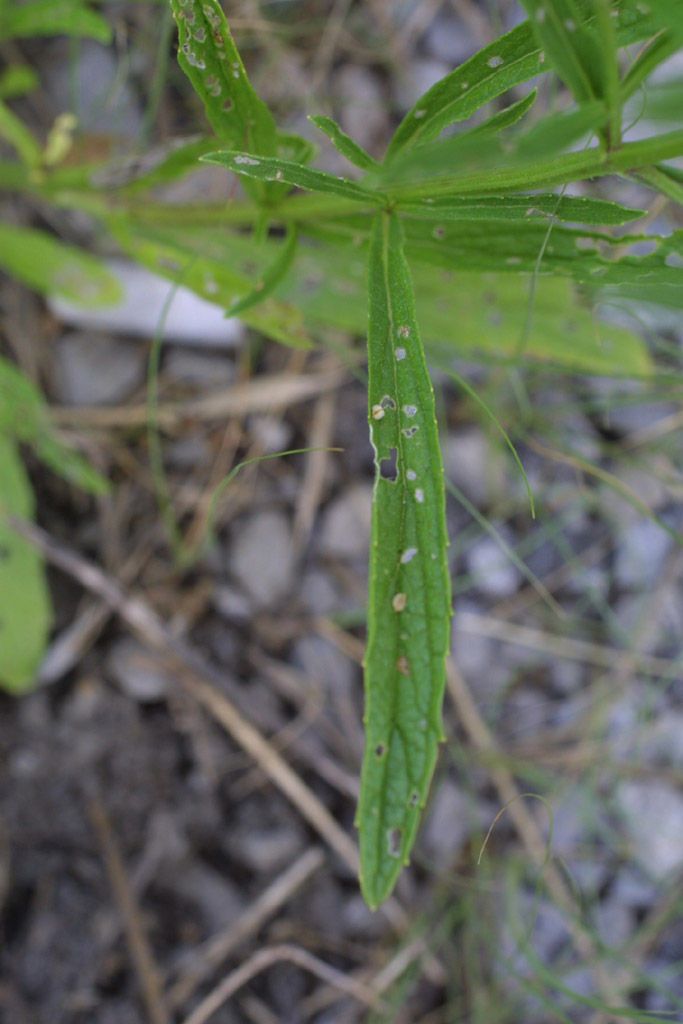
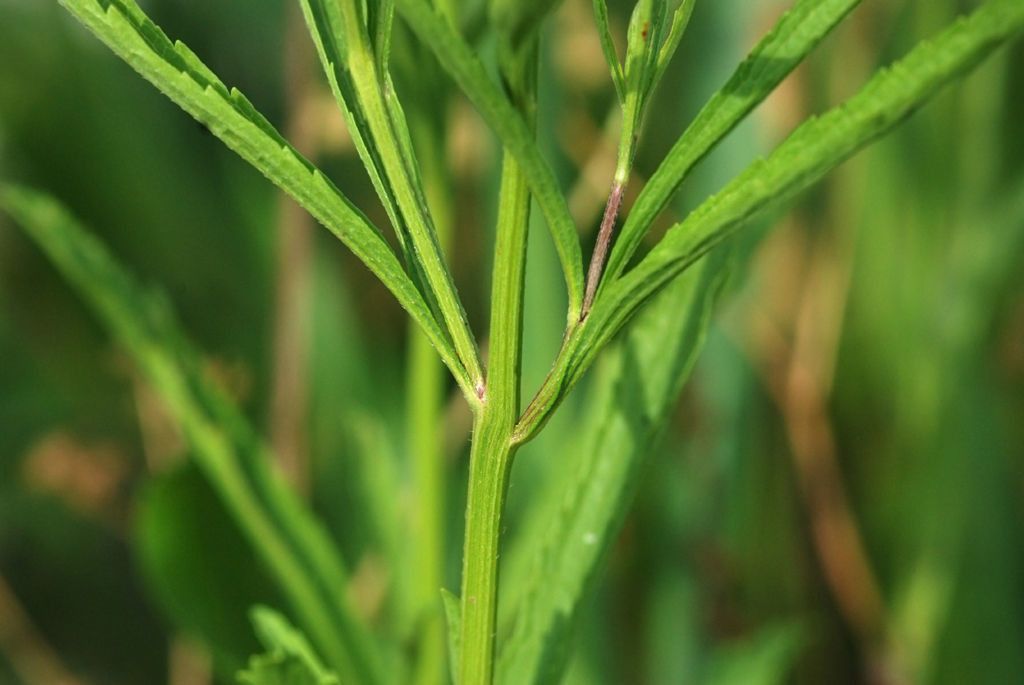
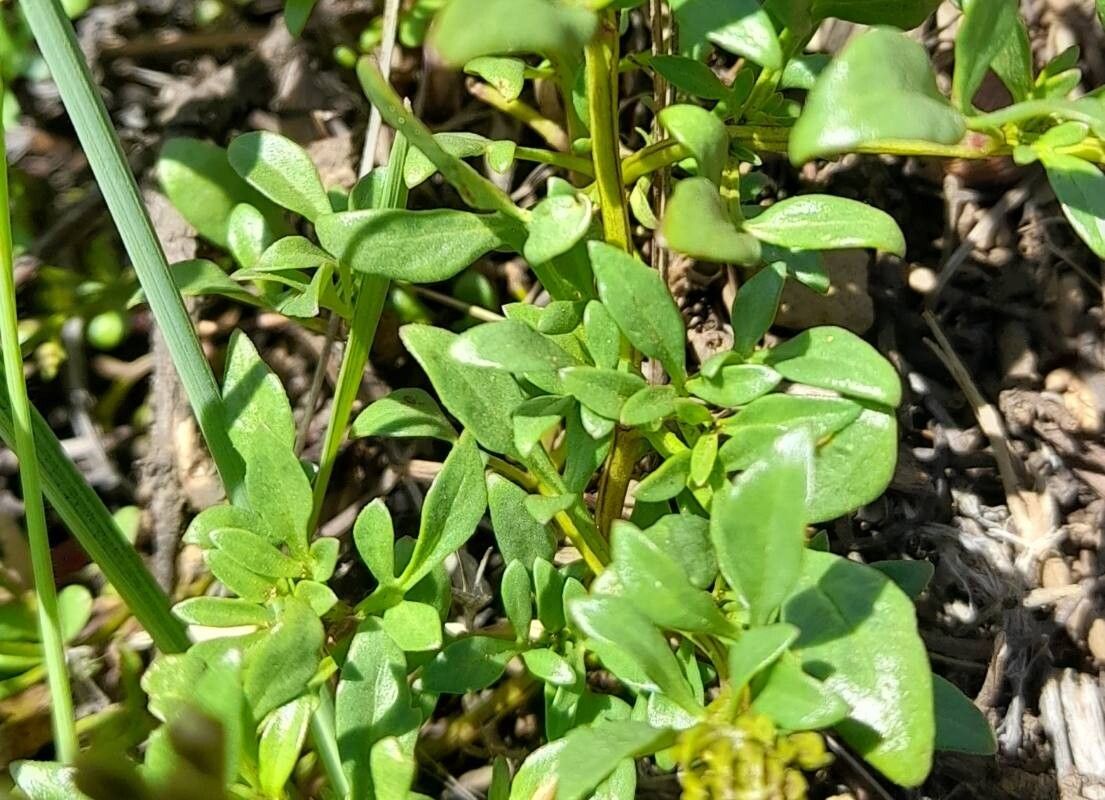
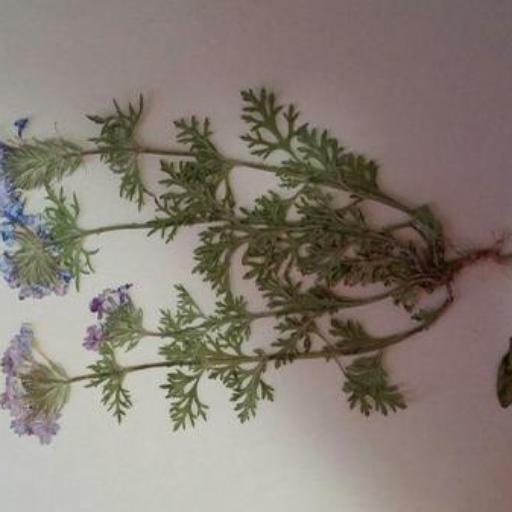
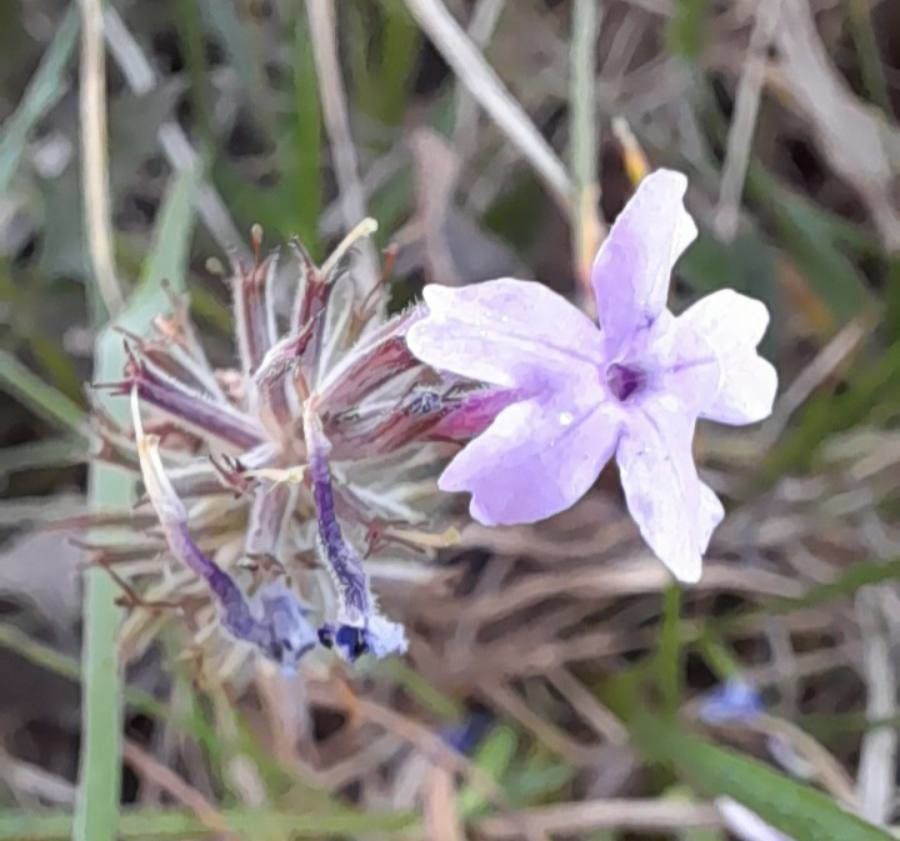
Verbena simplex, commonly known as narrowleaf vervain, is an herbaceous perennial plant in the verbena family. It is native to eastern North America where it is found in open, dry, habitats on calcareous soil. It is tolerant of disturbance, and is often seen in pastures and roadsides with sparse vegetation.Verbena simplex produces spikes of lavender colored flowers in the summer.
Narrowleaf vervain is fairly resistant to disease and generally does not commonly suffer from illnesses. Nonetheless, it can be affected by pests and diseases present in its environment. Such problems are usually mild. For care, this plant requires moderate maintenance. It should be pruned on a regular basis to keep a neat appearance and healthy growth. Feeding it with fertilizer can also encourage flowering. Narrowleaf vervain is well suited for anyone with outdoor areas like a garden or patio and does not demand extensive gardening experience. It may need more attention when grown indoors.
How to keep Verbena Simplex.
Light
Narrowleaf vervain does best with plenty of light for optimal growth, reflecting its natural presence in brightly lit habitats. While it can tolerate moderate light, too much or too little can impede its development. Its light requirements remain consistent across all stages of growth.
Water
Narrowleaf vervain thrives in well-drained soil and prefers dry conditions, exhibiting significant drought tolerance. For optimal growth, it needs occasional watering, about once a week, to maintain its vigor. When grown outdoors, it's important to manage soil moisture to prevent waterlogging and support healthy root development.
Temperature
Narrowleaf vervain is adapted to temperatures between 32 and 95 °F (0 to 35 ℃), reflecting its native temperature-driven environment. Depending on the season, it may occasionally need insulation or shade to adjust to the temperature.
Fertilizer
The best time to fertilize a Narrowleaf vervain is in early spring, as it comes out of dormancy and begins active growth. Fertilization supplies essential nutrients for healthy development. Although Narrowleaf vervain has relatively low fertilizer requirements, an annual application can improve its survival and encourage better, longer-lasting flowers.
Pruning
To encourage healthy growth in Narrowleaf vervain, it's beneficial to prune it in early spring. Begin by removing any weak stems to improve airflow. Later, in late spring, perform light pruning again to enhance the plant's blooming. Regular pruning helps prevent the plant from becoming leggy, encourages a fuller appearance, and reduces the risk of disease. For the best results, always use clean tools and make cuts just above the leaf nodes.
Botanical profile.
- Plant Type
- Herb
- Life Cycle
- Perennial
- Genus
- Verbena
- Family
- Verbenaceae
- Hardiness Zone
- 3-9
- Mature Height
- 20 cm to 61 cm
- Mature Spread
- 20 cm to 30 cm
- Leaf Color
- Green
- Leaf Type
- Deciduous
- Flower Color
- Purple, Lavender
- Flower Size
- 2.54 cm
- Bloom Time
- Late spring, Early summer, Mid summer
- Planting Time
- Spring, Summer, Autumn
- Harvest Time
- Mid summer, Late summer, Early fall
- Native Area
- Mexico
Other names.
Reader questions.
How should I water my Narrowleaf vervain plant?
To properly water the Narrowleaf vervain, it's best to use filtered water that is at room temperature. Tap water may contain harmful particles, so filtering is recommended. This plant prefers warmer temperatures since it originates from a warm environment, so cold water should be avoided. Additionally, overhead watering should be avoided as it may cause issues with the foliage. Instead, thoroughly soak the soil with filtered room temperature water. This helps moisturize the roots and promotes their growth and nutrient collection.
What are the sun requirements for Narrowleaf vervain?
Narrowleaf vervain requires full sun, which means it needs above 6 hours of sunlight daily, or partial sun, about 3-6 hours of sunlight. It's essential to observe how sunlight moves through your garden to find spots that offer the perfect balance for your plants. This ensures they receive the right amount of light and shade for optimal growth and happiness.
What temperature conditions are ideal for Narrowleaf Vervain?
Narrowleaf vervain thrives in temperatures ranging from 32 to 95°F (0 to 35°C), reflecting its adaptation to a wide range of climates. It has strong cold resistance, allowing it to survive without special frost protection in most cases. However, when the winter temperatures are expected to drop below -35°C, it's crucial to protect the plant from cold by covering it with soil or straw. Additionally, before the first freeze in autumn, watering the plant abundantly to keep the soil moist can help prevent drought and water scarcity during the colder months.
What should I do if I give my Narrowleaf vervain too much water or not enough water?
Overwatering is a more common problem for Narrowleaf vervain and can cause wilting, yellowing of leaves, and diseases like root rot, mold, and mildew. Underwatering is less common, but can lead to brittle, brown leaves. It's important to recognize signs of overwatering early, as some diseases may be irreversible if not addressed promptly. Reduce watering if you notice early signs and check the soil's drainage. Replace poorly draining soil with a loose, well-draining potting mix. For underwatering, simply water more regularly until signs improve.
How does sunlight affect the growth of Narrowleaf vervain?
Sunlight plays a crucial role in the growth of Narrowleaf vervain, a plant that thrives in light-rich environments. Adequate sunlight is paramount for its development throughout various growth stages. While it can tolerate moderate exposure, too much or too little light can negatively impact its growth. Indoor plants may need artificial lighting to meet their light requirements, especially in less sunny spaces or during winter. LED lights are recommended for their ability to provide specific wavelengths needed by plants, with the intensity and duration of light carefully adjusted to mimic natural conditions.
How does Narrowleaf Vervain respond to low temperatures, and what measures should be taken?
Narrowleaf vervain is cold-tolerant, preferring temperatures above 0°C and requiring protection if temperatures drop below -30°C. It can withstand temperatures down to -35°C without noticeable changes during winter, but lower temperatures may inhibit sprouting in spring. In such cases, it's advisable to remove any parts of the plant that have failed to sprout as a measure to encourage healthy growth.
How often should I give water to my Narrowleaf vervain?
If your Narrowleaf vervain is in a pot, you can determine if it needs water by sticking your finger in the soil. If the top two to three inches are dry, it's time to water it. The same method can be used for Narrowleaf vervain grown outdoors in the ground. Once the top few inches of soil have dried out, it's time to give it water. Generally, during spring and early fall, watering once a week should be sufficient. However, in very hot weather, watering may need to be increased to about twice a week or even more. It's worth noting that mature, well-established Narrowleaf vervain has a remarkable ability to withstand drought.
What are some common symptoms of improper lighting in Narrowleaf vervain?
Narrowleaf vervain may exhibit several symptoms if it's not receiving adequate light. These include smaller new leaves, leggy or sparse growth, faster leaf drop, slower or no new growth, and lighter-colored or chlorotic leaves. Excessive sunlight can cause sunscald, leaf curling, wilting, and leaf scorching. It's essential to observe these signs and adjust the plant's exposure to light accordingly to maintain its health and promote robust growth.
What are the signs of high temperature stress in Narrowleaf Vervain, and how can it be managed?
When the temperature rises above 35°C, Narrowleaf vervain may show signs of stress, such as leaves becoming lighter, curling, susceptible to sunburn, or in severe cases, wilting and drying up. To manage high temperature stress, trim away sunburned and dried parts, provide shade during the midday and afternoon sun using a shade cloth if necessary, and water the plant in the morning and evening to maintain soil moisture.
How much water does my Narrowleaf vervain plant need?
To properly water your Narrowleaf vervain, it is important to give it an adequate amount of water. When the top two to three inches of soil are dry, it is a good time to water. It is recommended to give the plant a thorough watering, making sure to completely soak the soil. You should add enough water so that excess water flows out of the drainage holes in the pot. If you don't see any excess water draining, it is likely that you haven't given enough water. However, be careful not to let water accumulate in the soil, as this can harm the plant. On the other hand, if water doesn't drain well from the pot, it could mean that the soil doesn't drain properly, which is not good for the plant's health. If the plant is outdoors, one inch of rain per week should be enough.
How can I address lighting issues for my Narrowleaf vervain?
To address lighting issues for Narrowleaf vervain, gradually increase sunlight exposure for outdoor and indoor plants to ensure they get at least 6 hours of direct sunlight daily. Utilize south-facing windows and keep curtains open during the day for maximum sunlight. For large or immobile plants, consider using artificial light or grow lights. If sunlight is obstructed by trees or buildings, prune branches or relocate plants to brighter locations. Remember, while you can improve conditions for new growth, parts of the plant already damaged by inadequate light may not recover.
How should I change the way I water my Narrowleaf vervain as it grows?
The water needs of the Narrowleaf vervain can vary during different growth stages. When it is in the early years of its life or if it has been recently transplanted, more water than usual is required. This is because the plant is focused on developing new roots that will support future growth. During these stages, the roots need additional moisture to perform at their best. As the Narrowleaf vervain matures, it will require less water. Another growth stage that may demand more water is during the blooming period. Flower development consumes a significant amount of moisture, which means it will need extra watering during this time.