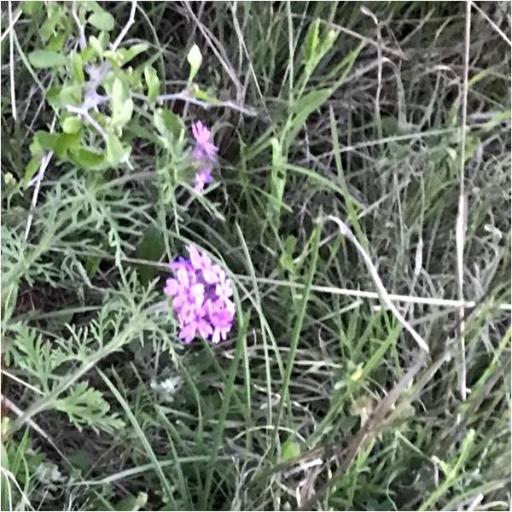
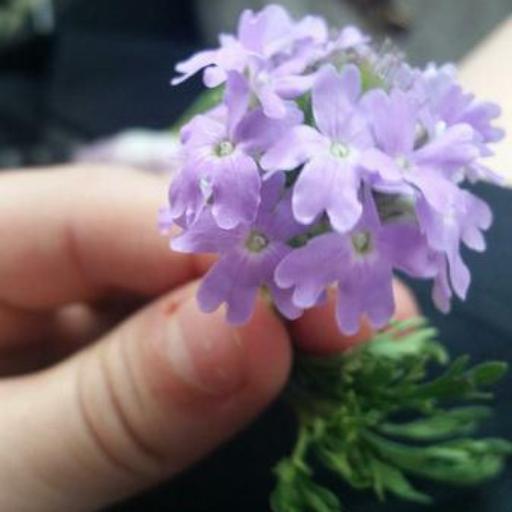
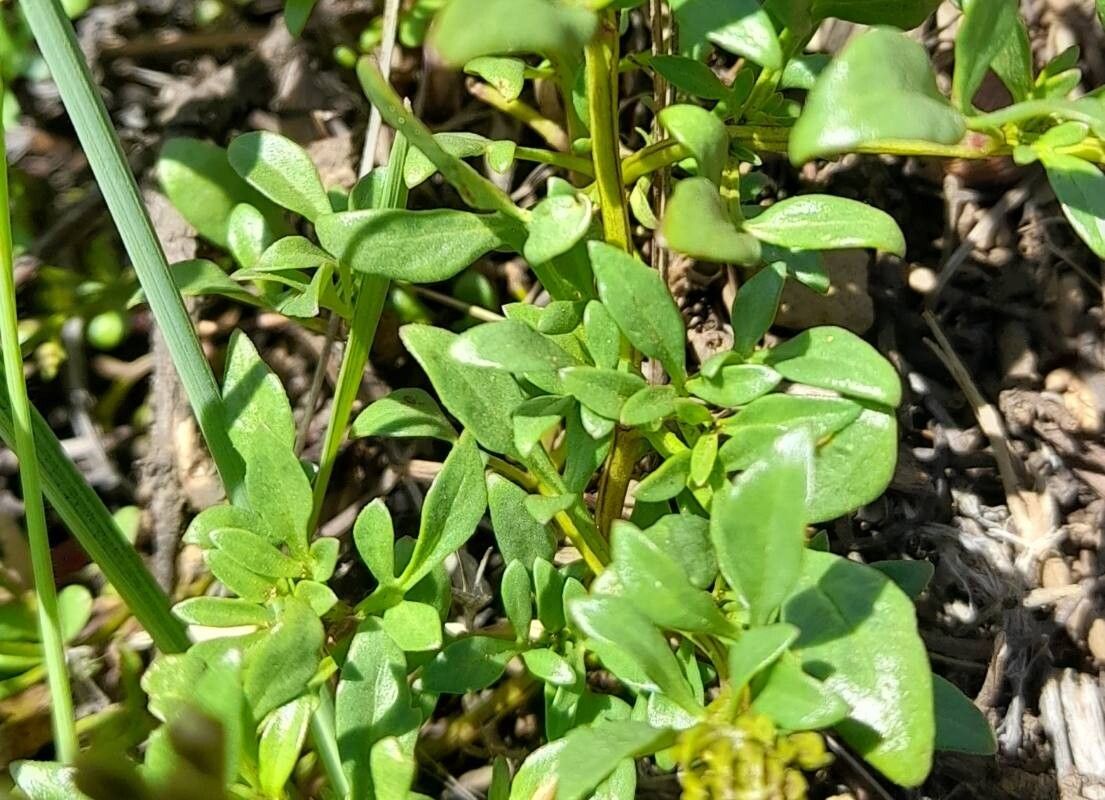
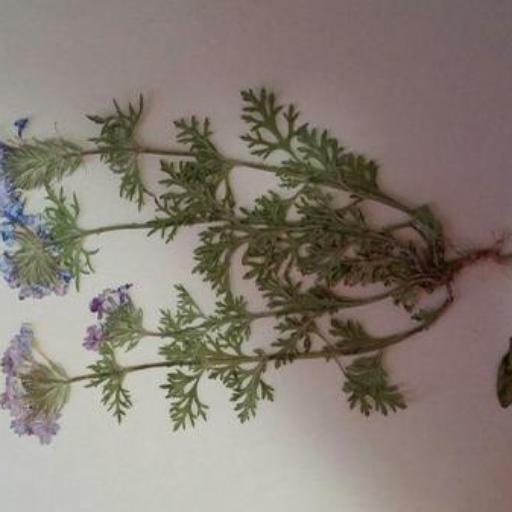
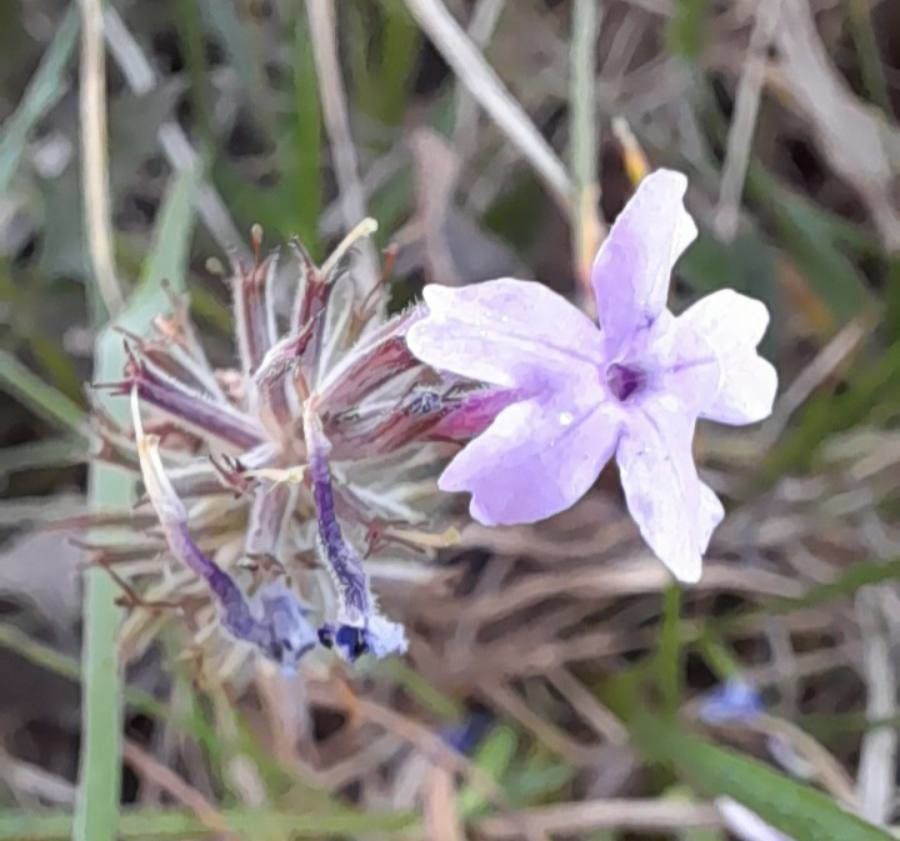
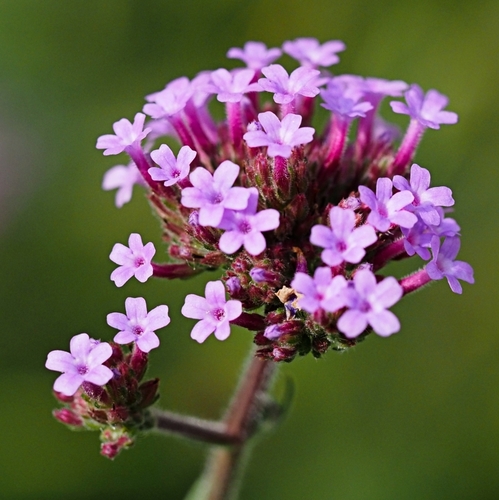
Verbena bipinnatifida, commonly called Dakota mock vervain, prairie verbena, and Moradilla, among others, is a species of flowering plant in the verbena family Verbenaceae.
Prairie verbena is fairly resistant to diseases and typically does not suffer from them. Still, it can be affected by pests and diseases present in its environment. When infections occur, they are generally mild. Regarding maintenance, this plant needs a moderate level of care. Regular pruning is necessary to keep it looking good and to support healthy growth. Applying fertilizer can also encourage more blooms. Prairie verbena is appropriate for anyone with outdoor space like a garden or patio and does not demand extensive gardening experience. It may need extra attention if grown indoors.
How to keep Verbena Bipinnatifida.
Light
Prairie verbena is a plant that thrives when exposed to plentiful sunlight. Although it can tolerate areas with weaker sun, it achieves its best growth with strong sun exposure. Still, too much sun or too little can inhibit its growth or cause damage.
Temperature
Prairie verbena naturally occurs in habitats with temperatures between 68 and 95 °F (20 to 35 °C). Because it prefers this warm climate, prairie verbena may require help adjusting temperatures during colder seasons to recreate its native conditions.
Fertilizer
The best time to fertilize Prairie verbena is in early spring, as it is coming out of dormancy and starting active growth. Fertilization supplies essential nutrients needed for healthy development. Although Prairie verbena has fairly low fertilizer requirements, applying fertilizer annually can improve its survival and encourage better, longer-lasting blooms.
Pot & Repot
When repotting Prairie verbena, pick a pot 1-2 inches (2.5–5.1 cm) larger that has good drainage. Use a well-draining potting mix. Repot in spring or fall, making sure the root ball sits slightly below the rim of the flower pot. Water thoroughly after repotting and place in a warm spot with indirect sunlight.
Botanical profile.
- Plant Type
- Herb
- Life Cycle
- Perennial, Annual
- Genus
- Verbena
- Family
- Verbenaceae
- Hardiness Zone
- 7-10
- Mature Height
- 30 cm
- Mature Spread
- 61 cm
- Leaf Color
- Green, Blue
- Leaf Type
- Deciduous
- Flower Color
- Purple, Lavender
- Flower Size
- 1.02 cm
- Bloom Time
- Mid spring, Late spring, Early summer
- Planting Time
- Spring
- Harvest Time
- Early summer, Mid summer
- Native Area
- Honduras, Mexico, Guatemala
Other names.