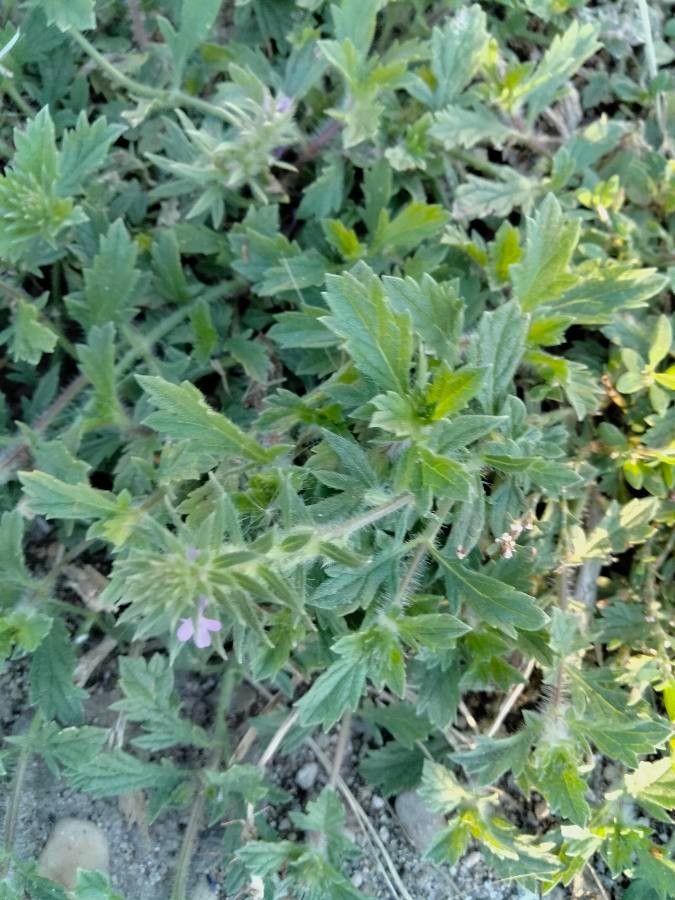
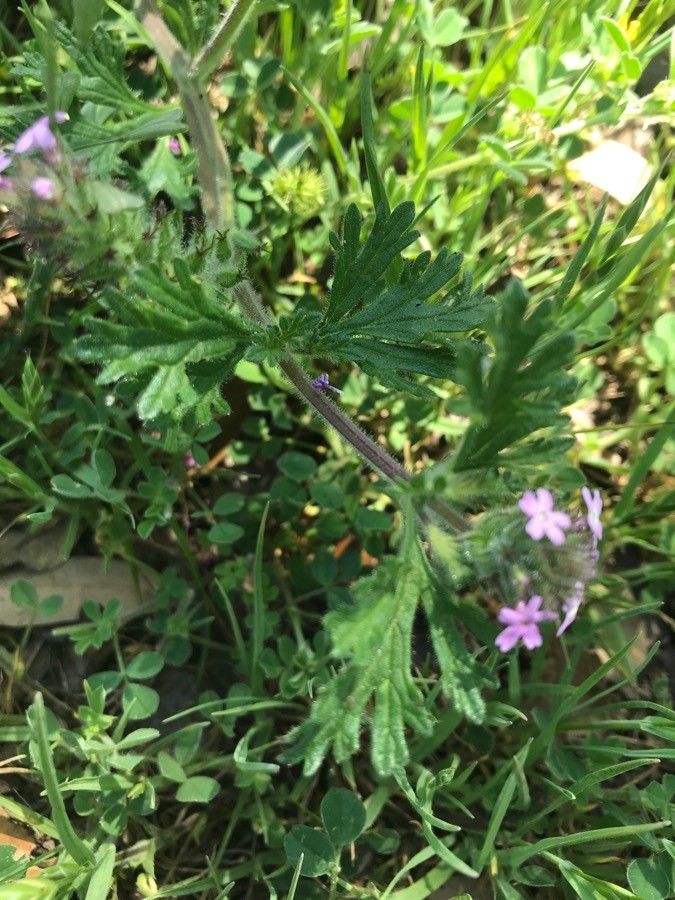
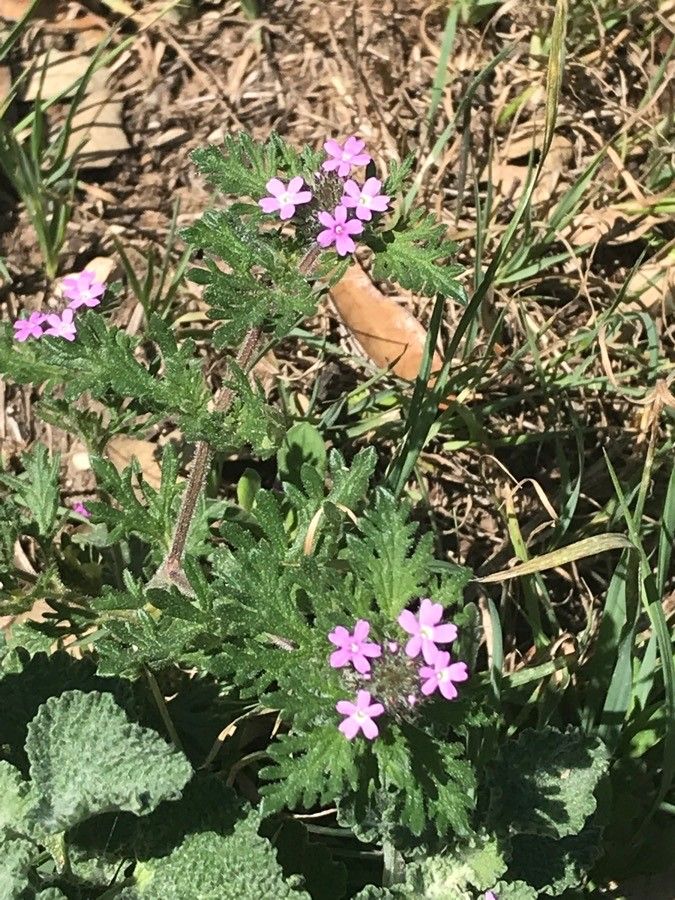
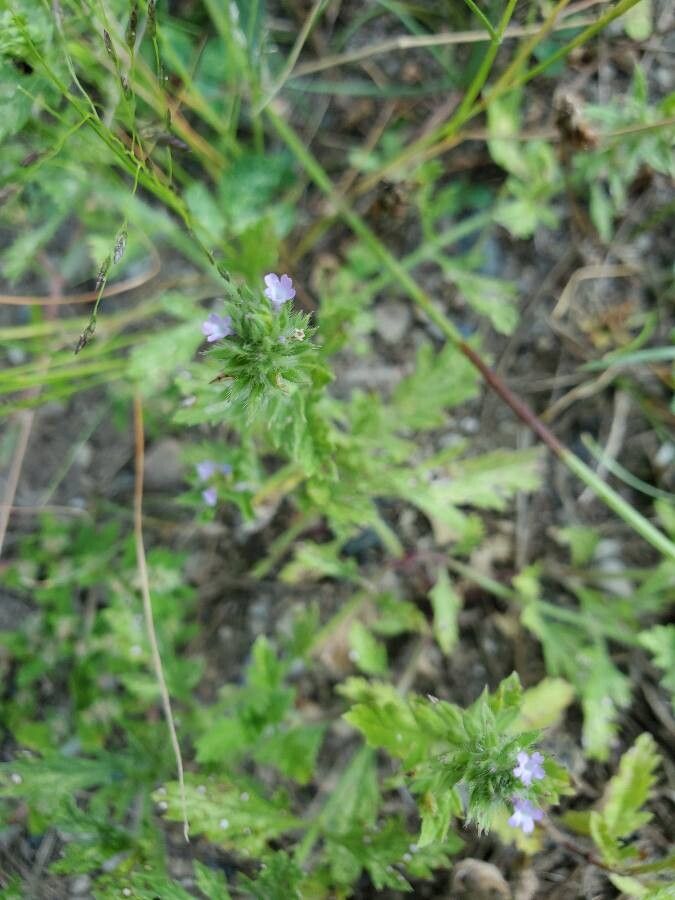
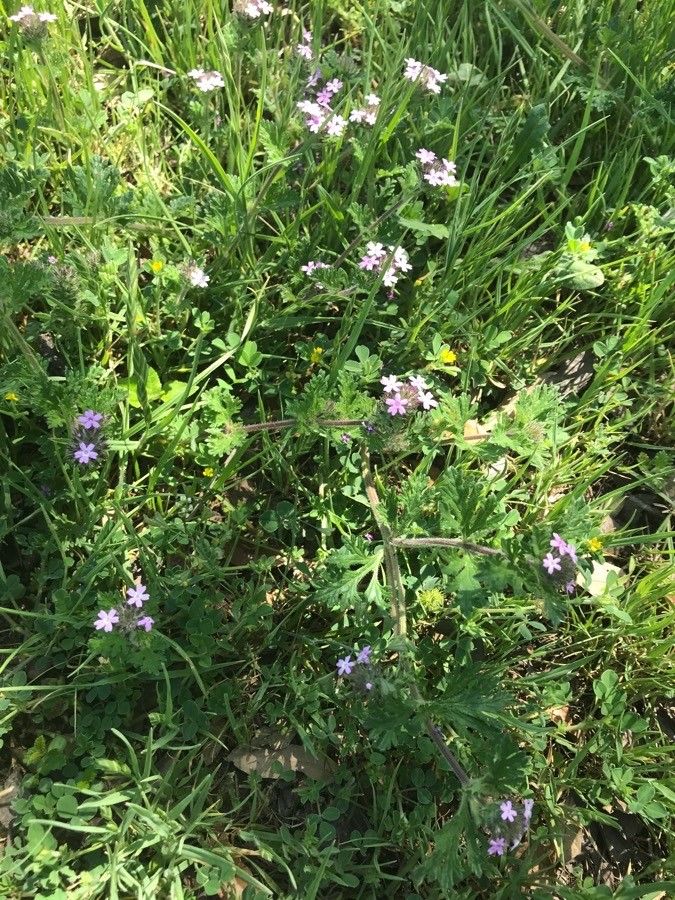
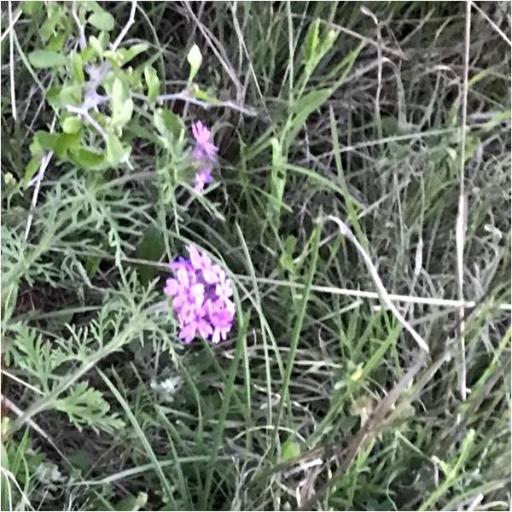
Pink verbena is fairly disease-resistant and usually does not develop illnesses. However, it can be affected by pests and diseases present in its environment. These problems are typically minor. For care, this plant requires moderate maintenance. It should be pruned regularly to keep a tidy appearance and support healthy growth. Fertilizing can also encourage flowering. Pink verbena suits anyone with an outdoor area, such as a garden or patio, and does not demand extensive gardening experience. It may need more attention if grown indoors.
How to keep Verbena Pumila.
Light
Pink verbena does best with plenty of sunlight, similar to the light levels it experiences in its natural habitat. It can, however, tolerate somewhat lower light. Too much or too little light can harm the plant, causing problems such as stunted growth or discoloration.
Temperature
Pink verbena originates from areas where temperatures are usually between 68 and 100 °F (20 to 38 ℃). It prefers these moderately warm conditions, so seasonal adjustments may be needed to keep temperatures within that range.
Fertilizer
After Pink verbena has opened most of its blooms to full size, you should resume fertilizing. When the flowers are at their peak, apply fertilizer once every three to four weeks, weather permitting. Then, once Pink verbena begins producing fewer new blooms, stop fertilizing; there’s no need to feed the plant when it cannot produce additional blooms.
Botanical profile.
- Plant Type
- Herb
- Life Cycle
- Annual
- Genus
- Verbena
- Family
- Verbenaceae
- Hardiness Zone
- 5-11
- Mature Height
- 15 cm to 30 cm
- Mature Spread
- 30 cm to 61 cm
- Leaf Color
- Green
- Leaf Type
- Semi-evergreen
- Flower Color
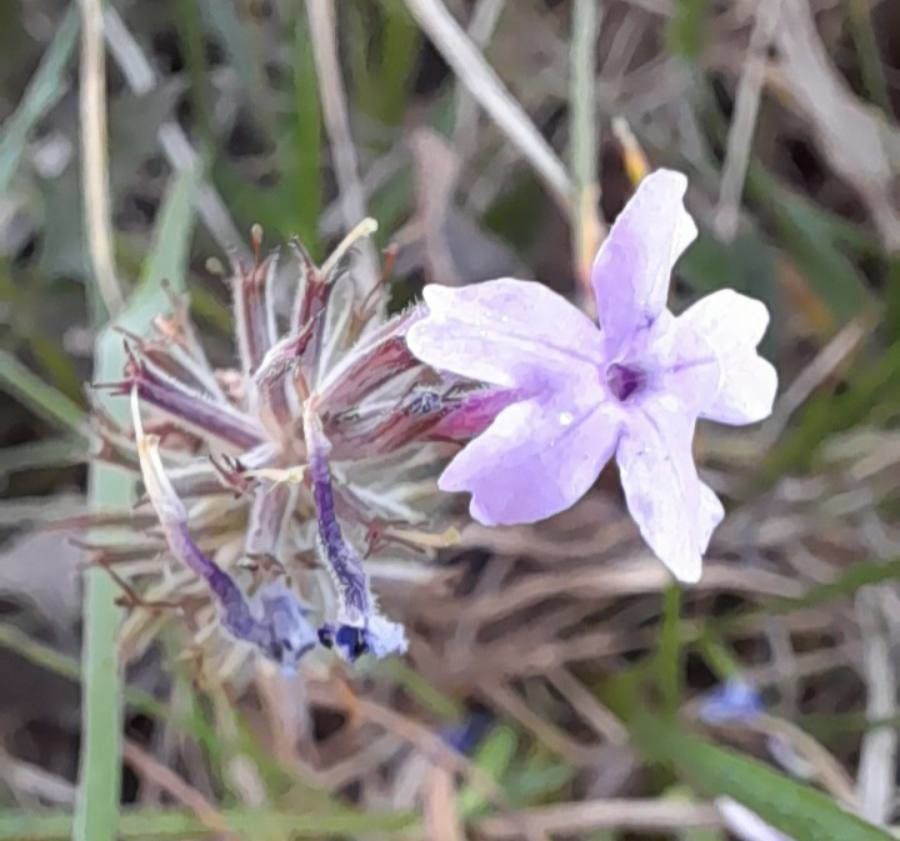
- Purple, Lavender
- Flower Size
- 3.81 cm to 4.57 cm
- Bloom Time
- All year round
- Planting Time
- Spring, Autumn
- Harvest Time
- All year round
- Native Area
- Mexico
Other names.