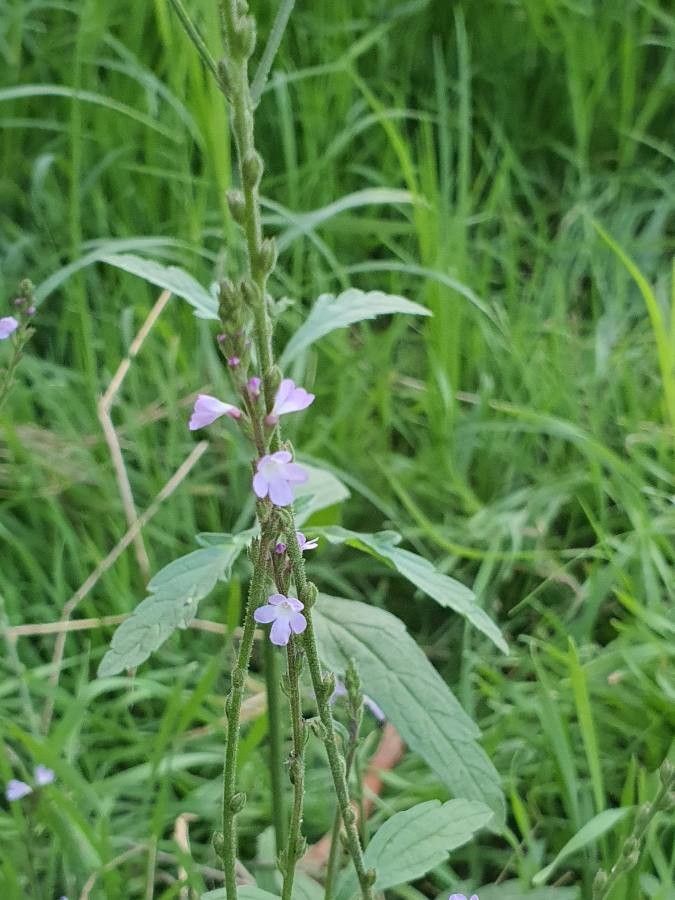
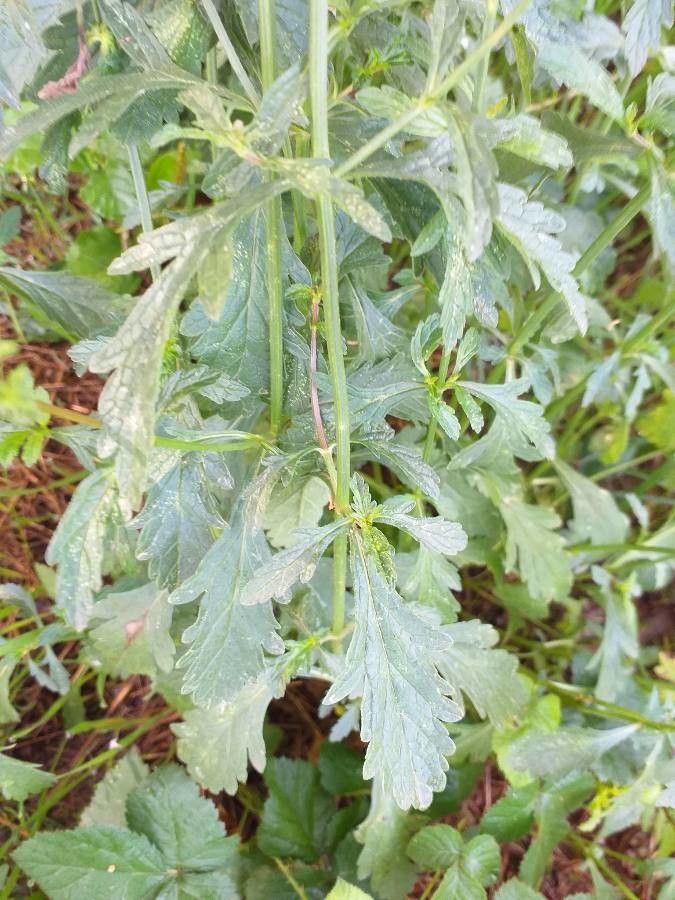
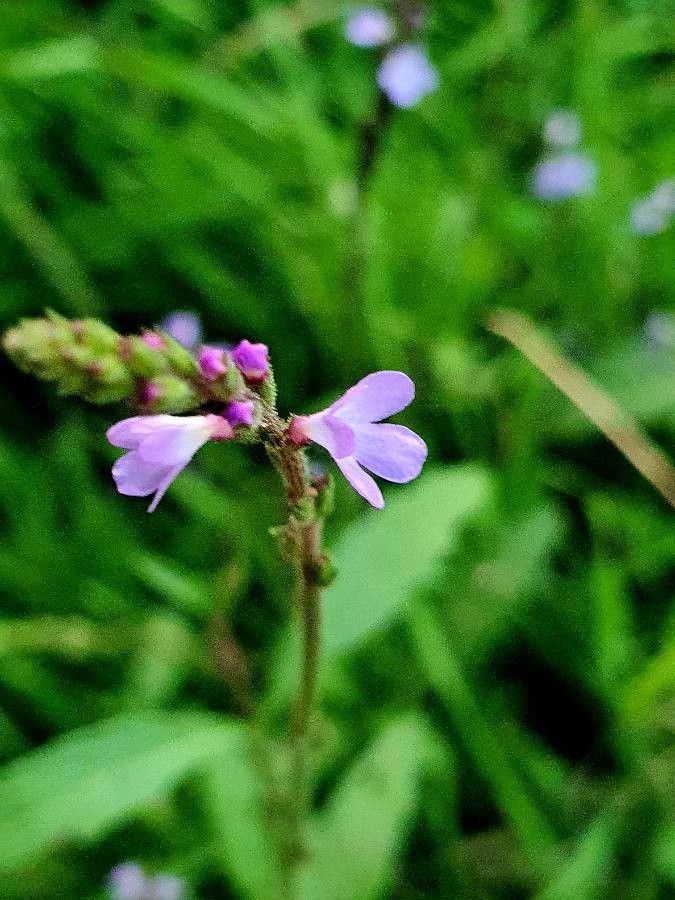
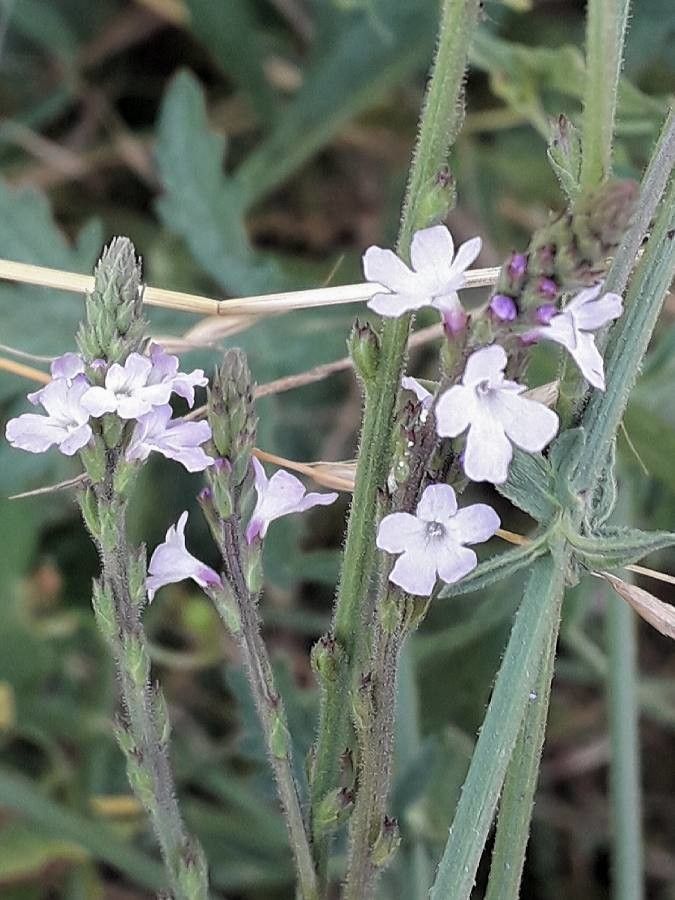
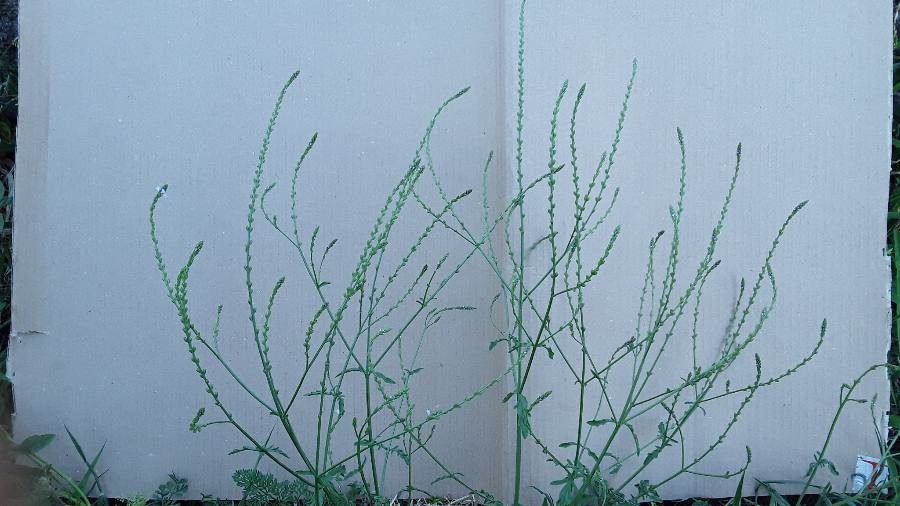
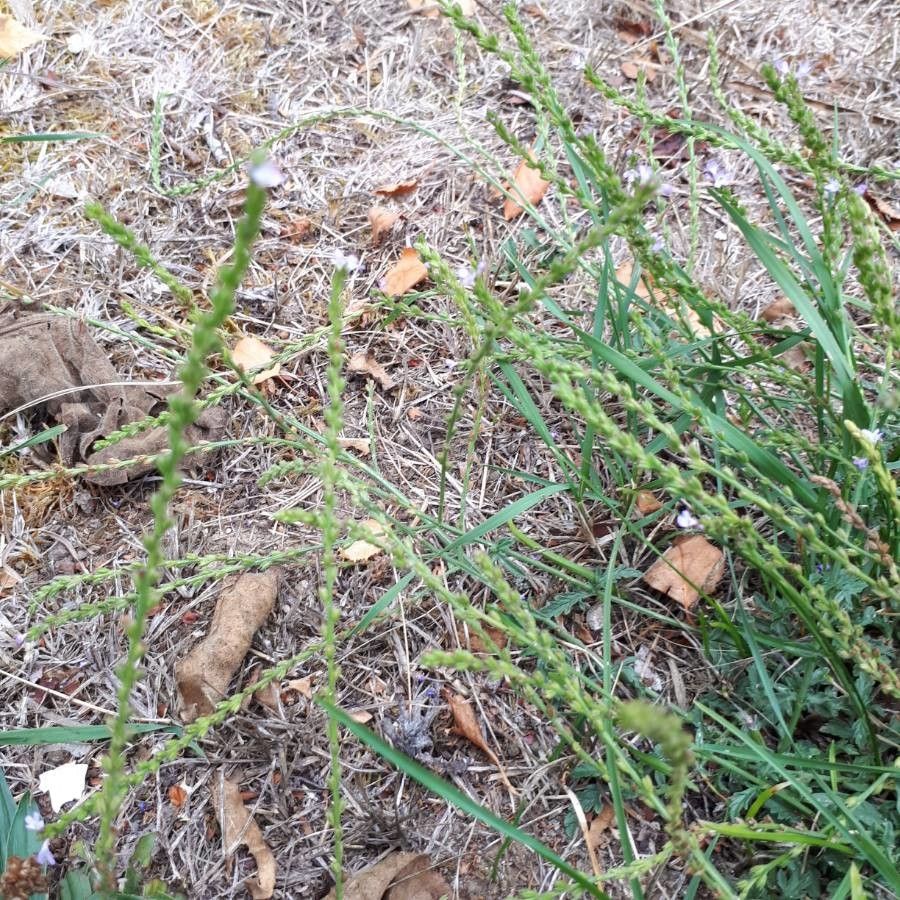
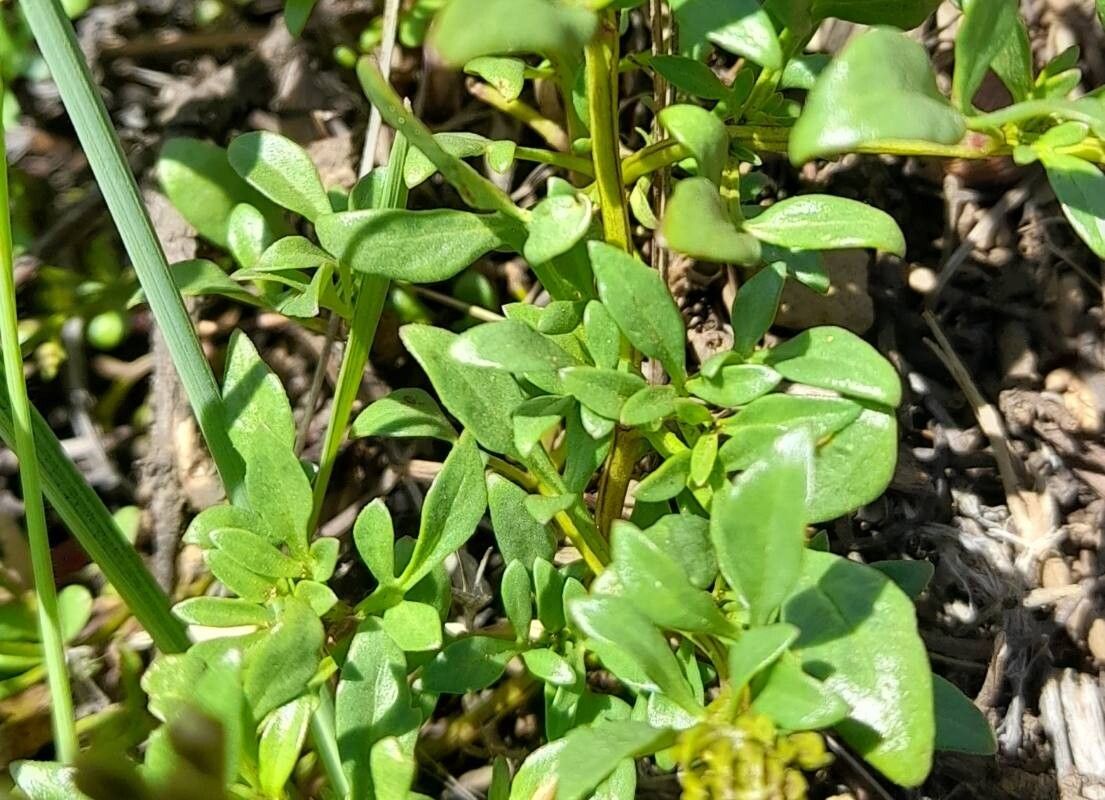
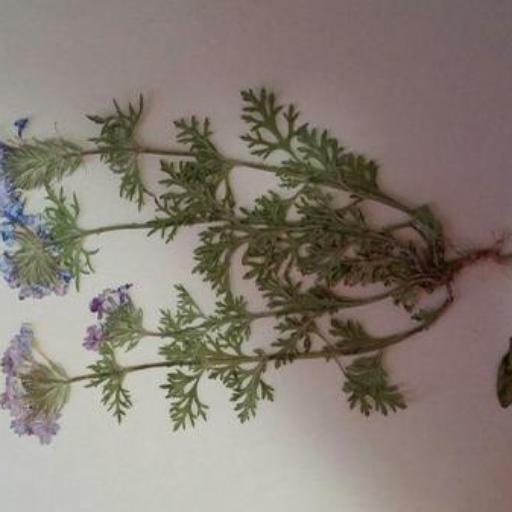
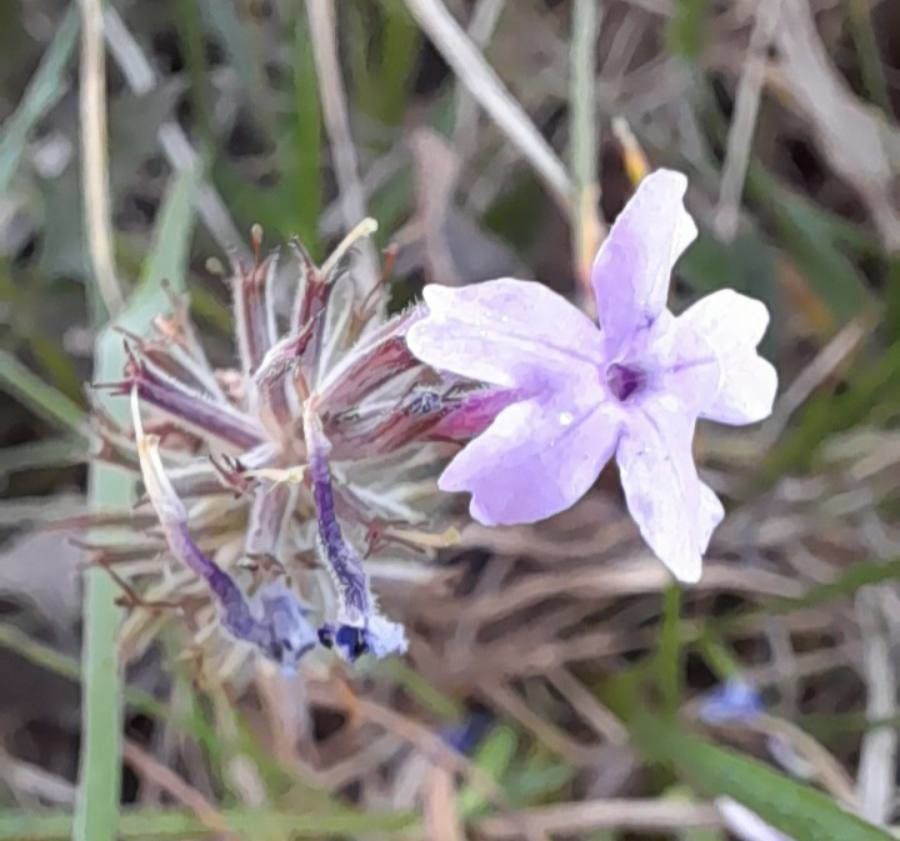
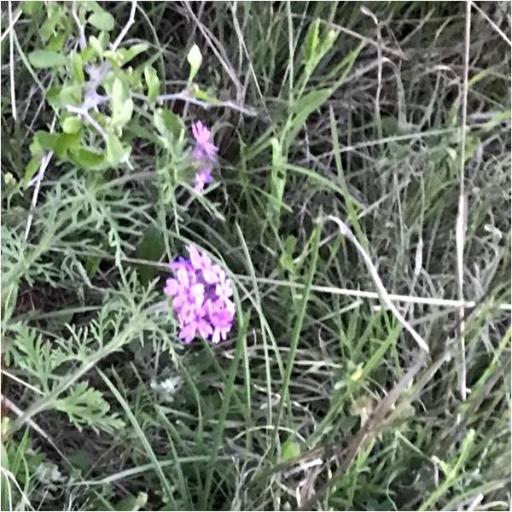
Verbena officinalis, the common vervain or common verbena, is a perennial herb native to Europe. It grows up to 70 cm high, with an upright habitus. The lobed leaves are toothed, and the delicate spikes hold clusters of two-lipped mauve flowers.This plant prefers limey soils; it is occasionally grown as an ornamental plant but perhaps more often for the powerful properties some herbalists ascribe to it. Propagation is by root cuttings or seed. It is widely naturalised outside its native range, for example in North America.
Common vervain is fairly disease-resistant and typically does not suffer from many illnesses. That said, it can be vulnerable to pests and diseases present in its environment. Such infections are generally mild. Regarding care, the plant needs moderate maintenance. Regular pruning is necessary to preserve a neat appearance and encourage healthy growth. Applying fertilizer can also boost flowering. Common vervain is suitable for people with outdoor areas like a garden or patio and doesn't require extensive care experience. When grown indoors it may need extra attention.
How to keep Verbena Officinalis.
Light
Common vervain needs plenty of sunlight to grow healthy and vigorous, flourishing in places where the sun's rays are unobstructed. Although it can tolerate spots with some shade, too little light may diminish its vitality. Conversely, excessive sun can sometimes wither the plants, similar to the light conditions in its native habitat.
Water
Common vervain thrives best in conditions with moderate moisture, avoiding both extreme dryness and excessive humidity. As an herbaceous perennial, it typically requires weekly watering and benefits from natural rainfall when grown outdoors.
Temperature
Common vervain does best in climates of 68 to 95°F (20 to 35℃). For peak growth, keep temperatures inside this range. Still, with proper care it can tolerate somewhat cooler or hotter conditions; modify care as the seasons change.
Fertilizer
The best time to fertilize Common vervain is in early spring, when it is coming out of dormancy and starting active growth. Fertilizing supplies essential nutrients for healthy growth. Although Common vervain has relatively low fertilizer requirements, applying fertilizer once a year can improve its survival and encourage better, longer-lasting flowers.
Pruning
Common vervain is characterized by its slender stems and delicate purple flowers. To encourage fresh growth and a bushier appearance, it is best to prune the plant from early to late spring. Be sure to remove any dead stems to maintain the plant's health. Regular pruning not only enhances flowering but also prevents the plant from becoming leggy. The ideal time for pruning is during the plant's active growth phase, which allows it to recover more effectively.
Botanical profile.
- Plant Type
- Herb
- Life Cycle
- Perennial, Annual
- Genus
- Verbena
- Family
- Verbenaceae
- Hardiness Zone
- 4-8
- Mature Height
- 61 cm
- Mature Spread
- 61 cm
- Leaf Color
- Green, Gray
- Leaf Type
- Deciduous
- Flower Color
- Lavender, Pink, White
- Flower Size
- 2.54 cm
- Bloom Time
- Early summer, Mid summer
- Planting Time
- Spring
- Harvest Time
- Mid summer, Late summer
- Native Area
- Libya, India, Pakistan, Slovenia, Belarus, Koppen, Ethiopia, Latvia, Netherlands, Tunisia, Philippines, Bulgaria, Bangladesh, China, Afghanistan, Kyrgyzstan, Kazakhstan, Japan, Finland, Egypt, Austria, Zimbabwe, Uzbekistan, Russia, Estonia, Oman, France, Nepal, Tajikistan, Sudan, Mauritania, Armenia, Poland, Greece, Norway, Switzerland, Bhutan, United Kingdom, Algeria, Turkey, Sweden, Slovakia, Montenegro, Croatia, Morocco, Uganda, Tanzania, Benin, Germany, Jordan, Indonesia, Romania, Belgium, Portugal, Saudi Arabia, Cyprus, Turkmenistan, Ukraine, New Zealand, Lebanon, Syria, Italy, Iran, Azerbaijan, Congo (DRC), Somalia, Eritrea, Yemen, Kenya, Niger, Iraq, South Korea, Czech Republic, South Africa, Zambia, Serbia, Lithuania, Spain, Vietnam, Myanmar, Denmark, Israel, Albania, Ireland, Hungary, Thailand
Other names.
Reader questions.
How should I water my Common vervain plant?
To properly water the Common vervain plant, it is recommended to use filtered water at room temperature. This is because tap water may contain harmful particles. The Common vervain plant prefers warmer temperatures, so using cold water can be somewhat shocking for it. It is also important to avoid overhead watering, as it can cause issues with the foliage. Instead, gently apply the filtered room temperature water directly to the soil until it is fully soaked. This helps to moisten the roots and aids in their spread through the soil to collect necessary nutrients.
Why should I put fertilizer on my Common vervain?
Fertilization is important for the Common vervain because it provides essential nutrients for the plant's overall growth. While the Common vervain has relatively low fertilization needs and can survive without it, annual fertilization can greatly benefit the plant. It helps maintain its vitality and can even enhance the quality and duration of its flowers. Therefore, if you want your Common vervain to thrive and look its best, regular yearly fertilization is recommended.
What are the sunlight requirements for common vervain?
Common vervain requires ample sun exposure to grow healthy and robust, ideally thriving in areas where it can receive the unhindered rays of the sun. Full sun, defined as above 6 hours of sunlight, is preferred, although the plant can also manage with partial sun, which is about 3-6 hours of sunlight. However, it's crucial to monitor sunlight exposure as both inadequate and excessive sunlight can impact the plant’s vitality. For indoor plants, when natural light is insufficient, artificial lighting can serve as an effective alternative, helping the plant maintain healthy growth.
What is the optimal growth temperature range for common vervain?
The optimal growth temperature range for common vervain (Verbena officinalis) is between 68 to 95°F (20 to 35°C). This range supports its natural thriving conditions. However, common vervain is adaptable and can adjust to cooler or warmer environments with the right care. It's important to maintain this temperature range for optimal growth but adjust your care techniques seasonally to accommodate changes in climate.
What should I do if I give my Common vervain too much or too little water?
Overwatering is a common issue for the health of the Common vervain, while underwatering happens less frequently. If the plant receives too much water, the stems and leaves may wilt and turn yellow. Over time, overwatering can lead to diseases like root rot, mold, and mildew, which can kill the plant. On the other hand, underwatering is rare, but when it occurs, the leaves become brittle and brown. It's important to identify signs of overwatering early to prevent irreversible damage. Reduce watering immediately if you notice early signs and check the soil's drainage. If it drains poorly, replace it with a loose, well-draining potting mix. Conversely, if the plant needs more water, simply increase the watering frequency until signs of underwatering disappear.
When should I fertilize my Common vervain for the best results?
The best time to fertilize a Common vervain is in late winter to early spring when the plant is coming out of its dormant phase and starting to grow actively. Fertilizing at this time promotes healthy growth and sets the plant up for a good season. While it's generally best to fertilize in early spring, it's also okay to fertilize in the fall. However, it's not recommended to fertilize during summer or winter.
What happens if common vervain does not receive enough light?
When common vervain is placed in inadequate lighting conditions, it may exhibit symptoms such as smaller new leaves, leggy or sparse growth, faster leaf drop, slower or no new growth, and lighter-colored or irregularly colored new leaves. These symptoms arise because insufficient sunlight affects the plant's ability to perform photosynthesis optimally, leading to reduced growth and vigor.
Does common vervain require frost protection measures during winter?
Common vervain exhibits strong cold resistance, meaning special frost protection measures are often not necessary. Yet, if winter temperatures are expected to plummet below -30°C, it's crucial to provide cold protection to the plant. You can safeguard common vervain from extreme cold by covering it with soil or straw. Additionally, before the onset of autumn's first freeze, watering the plant abundantly to keep the soil moist is advisable. This preparation helps avoid drought and water scarcity throughout the winter and early spring, promoting better plant health.
How frequently do I need to water my Common vervain?
If your Common vervain plant is in a pot, the best way to know if it needs water is to check the soil by sticking your finger into it. If the top two to three inches of soil are dry, then it's time to water it. The same method can be used for Common vervain plants grown outdoors in the ground. If the top few inches of soil are dry, it's time to water. Typically, you'll need to water this plant about once a week in the spring and early fall. During extremely hot weather, you may need to water it twice or more per week. However, it's important to note that mature, well-established Common vervain plants can tolerate drought well.
When is the best time to not fertilize my Common vervain?
To properly care for your Common vervain, it is important to understand its fertilization needs. It is recommended to only fertilize this plant during late winter and early spring. The plant does not require frequent fertilization, so a single annual feeding should be sufficient. Overfertilizing during spring, summer, and fall can lead to complications, so it is best to avoid fertilizing the plant during this time unless you didn't fertilize in spring, in which case fall fertilization is acceptable. Additionally, there is no need to fertilize the plant during winter as it is in a dormant growth phase and does not produce new growth.
How does excessive sunlight affect common vervain?
Excessive sunlight exposure can cause several adverse effects on common vervain, including chlorosis (yellowing of leaves), sunscald (damage appearing as pale, bleached areas on the plant tissue), leaf curling (as a defense mechanism to minimize water loss), wilting (loss of turgor pressure leading to droopiness), and leaf scorching (brown, dry edges or patches on leaves). These symptoms indicate that the plant is struggling to cope with the intense sunlight, impacting its overall health.
How does common vervain react to low temperatures?
Common vervain is notably cold-tolerant, thriving best when temperatures remain above 20°C. It's essential to keep its environment above 0°C during winter. Although common vervain may not exhibit immediate changes when temperatures dip below -30°C, such extreme cold can impact its vitality, potentially leading to a decrease in sprouting or a complete absence of sprouting come springtime. To address these issues, any parts of the plant that have failed to sprout by spring should be removed.