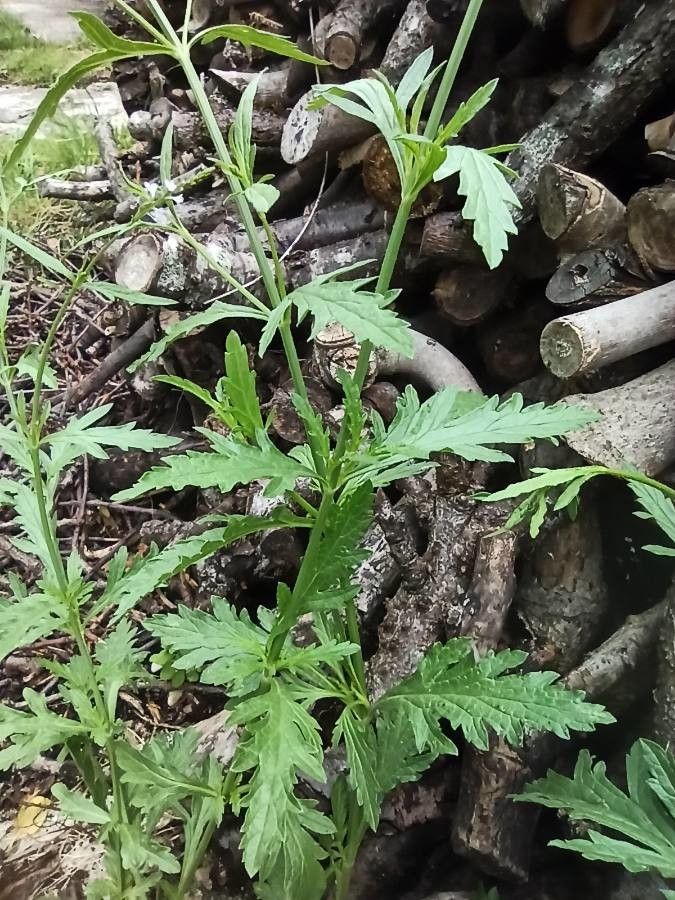
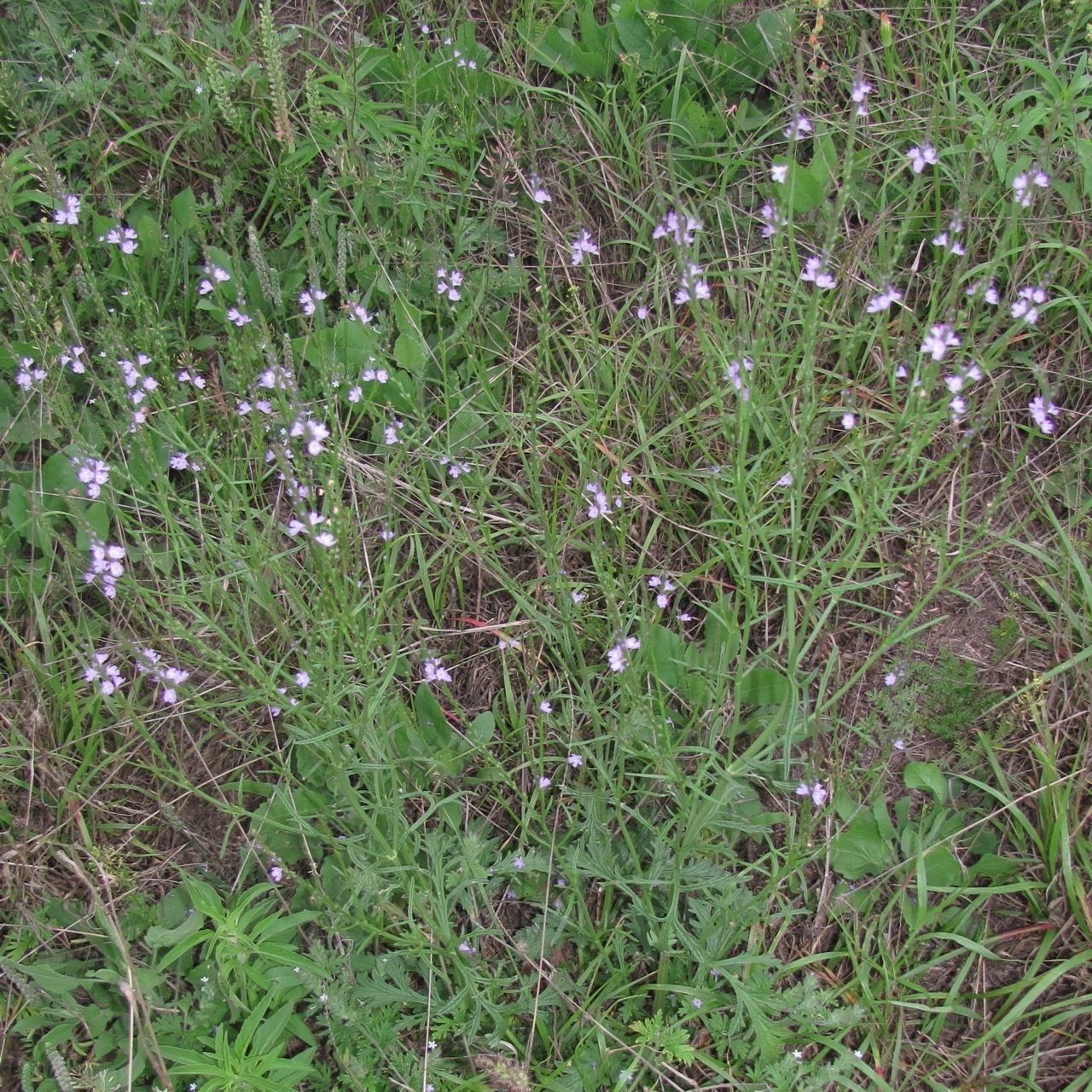
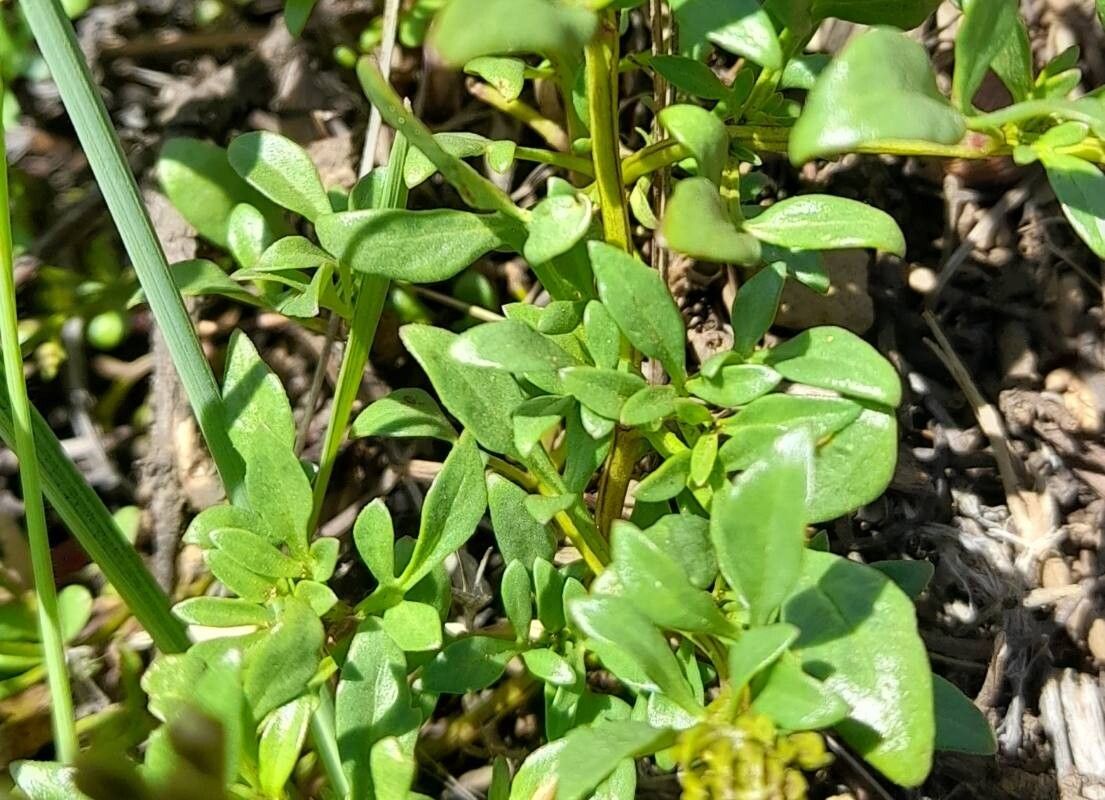
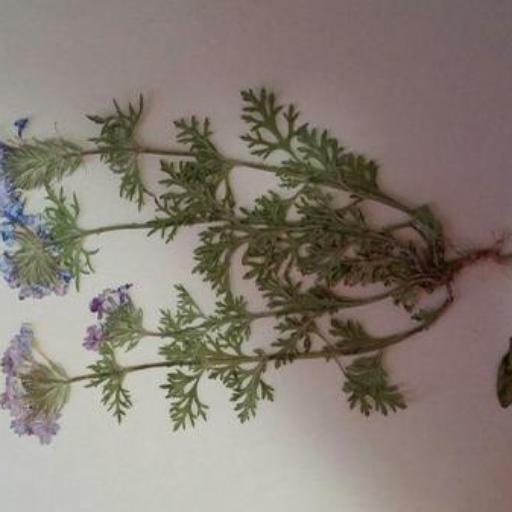
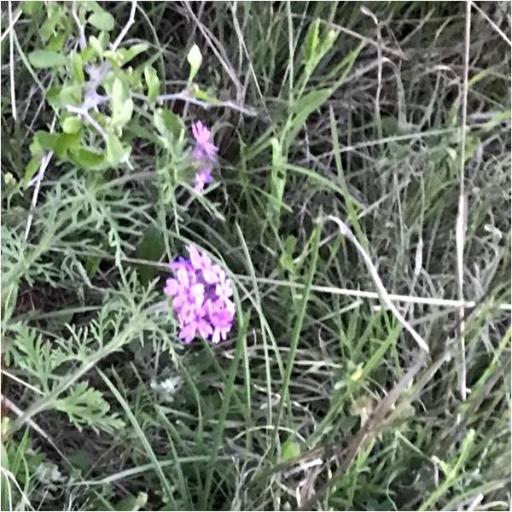
Verbena menthifolia, commonly known as mint-leaved vervain, is a perennial herbaceous plant in the Verbenaceae family. Native to North America, this plant thrives in diverse habitats such as prairies, meadows, and open woods. It can reach up to 60 cm in height and features square stems with opposite, lance-shaped leaves that have serrated edges. When crushed, the leaves emit a minty fragrance.
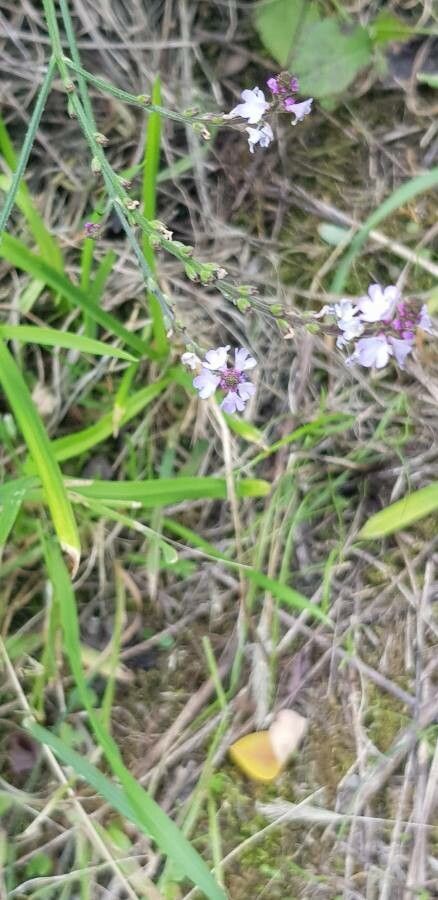
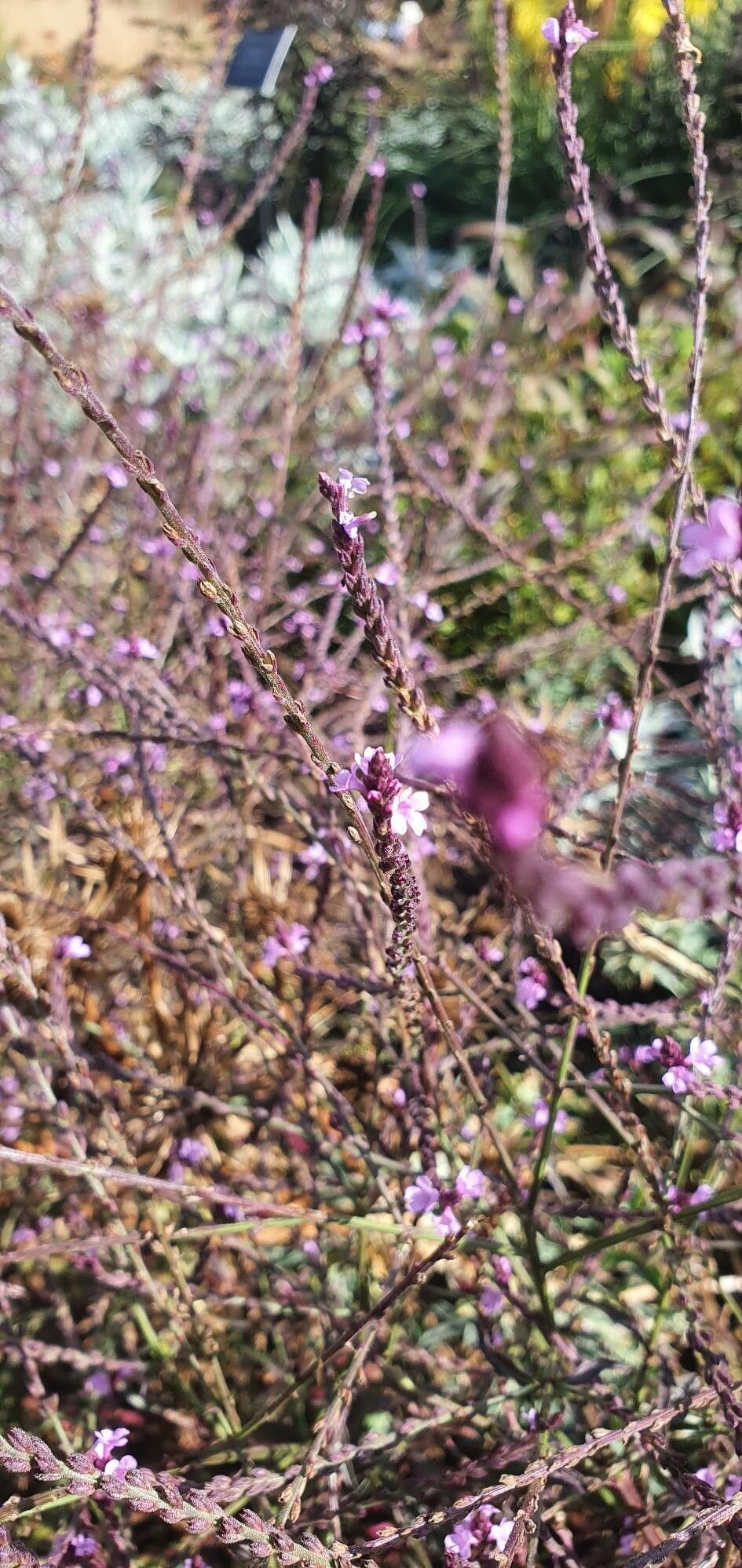
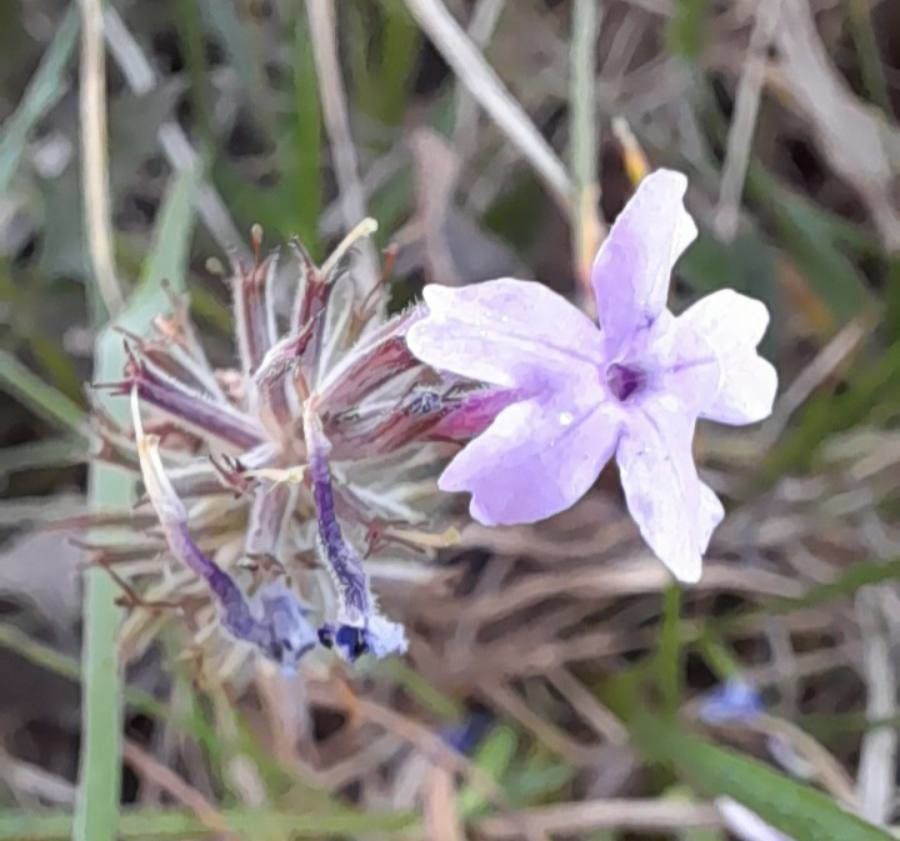
The flowers of Verbena menthifolia are small, tubular, and have five petals that vary in color from pale lavender to deep purple. Blooming from June through September, these flowers attract bees, butterflies, and other pollinators.
Native Americans have used Verbena menthifolia for medicinal purposes for centuries. The plant contains compounds like verbascoside, which have anti-inflammatory properties, and it is traditionally used to treat headaches and reduce fever, among other ailments.
For optimal growth, Verbena menthifolia requires full sun or partial shade and well-drained soil. It can be propagated through seeds or cuttings taken in the spring.
Overall, Verbena menthifolia is an attractive herbaceous perennial that adds vibrant color to any garden while also offering medicinal benefits. It is an excellent addition to any garden or landscape design project!
Mint vervain has strong resistance to disease and is typically not susceptible to illnesses. Nevertheless, it can be vulnerable to pests and diseases present in its environment, though such infections are usually minor. Regarding care, this plant requires a moderate level of maintenance. It should be pruned regularly to keep a neat appearance and support healthy growth. Fertilizing can also encourage more flowering. Mint vervain is appropriate for anyone with outdoor space like a garden or patio and does not demand a lot of care experience. It may need additional attention when cultivated indoors.
How to keep Verbena Menthifolia.
Light
Mint vervain is a sun-loving perennial herbaceous plant native to open habitats and commonly found in meadows and grasslands. It prefers full sun but can also tolerate partial sun.
Water
Mint vervain needs regular watering during the spring and summer, but less during the fall and winter. In hot weather, it’s a good idea to check the plant daily. If the soil is dry or the plant looks wilted, water it at the base to avoid harming the delicate petals.
Temperature
Mint vervain can tolerate a wide range of temperatures, but its distribution can still be restricted by different combinations of moisture and heat. It does best in warm summer climates with sufficient rainfall or watering. Long stretches of cloudy, rainy weather or prolonged high temperatures can increase the chance of Mint vervain dying. In winter, protecting the plant from cold can improve its survival rate.
Fertilizer
The best time to fertilize a Mint vervain is in early spring, as it is coming out of dormancy and beginning active growth. Fertilization supplies essential nutrients needed for healthy growth. Although Mint vervain has relatively low fertilizer requirements, applying fertilizer once a year can improve its survival and encourage better, longer-lasting flowers.
Pruning
Mint vervain is a hardy perennial, valued for its fragrant leaves and charming flowers. To promote bushier growth, prune it in early spring by removing any dead stems and cutting back one-third of the plant. Regularly deadhead the flowers to encourage longer blooming periods and maintain a compact shape, which prevents legginess.
Botanical profile.
- Plant Type
- Herb
- Life Cycle
- Perennial
- Genus
- Verbena
- Family
- Verbenaceae
- Hardiness Zone
- 7-10
- Mature Height
- 30 cm to 61 cm
- Mature Spread
- 20 cm to 40 cm
- Leaf Color
- Green, Dark Green
- Leaf Type
- Deciduous
- Flower Color
- Lavender
- Flower Size
- 0.51 cm to 0.76 cm
- Bloom Time
- Late spring, Summer
- Planting Time
- Spring
- Harvest Time
- Mid summer, Late summer, Early fall, Mid fall
- Native Area
- Mexico, Guatemala
Other names.
Reader questions.
What is Mint Vervain?
Mint Vervain, scientifically known as Verbena menthifolia, is a plant recognized for its distinctive characteristics and uses. The specifics regarding its essential qualities, symptoms it can address, and any additional information are not provided in the given data.