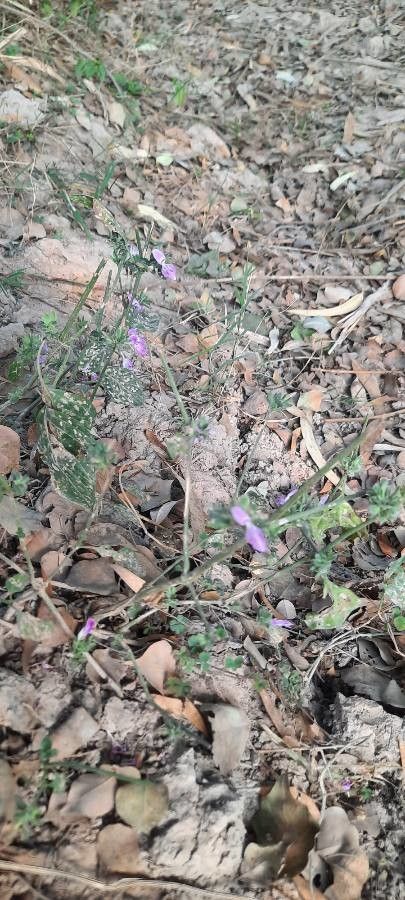
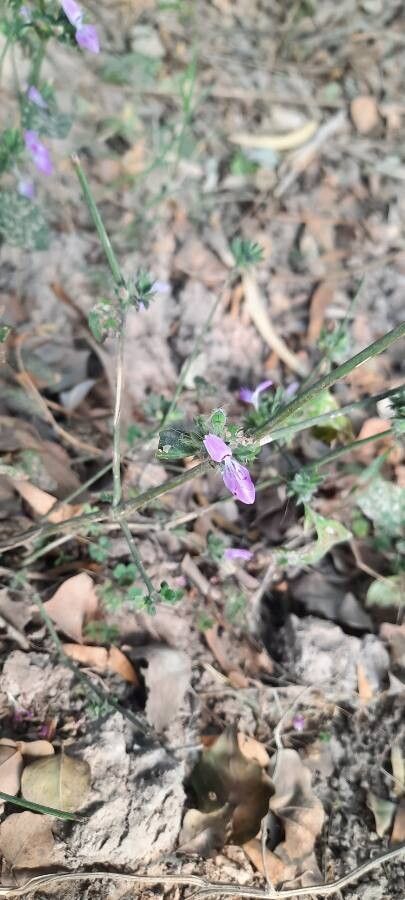
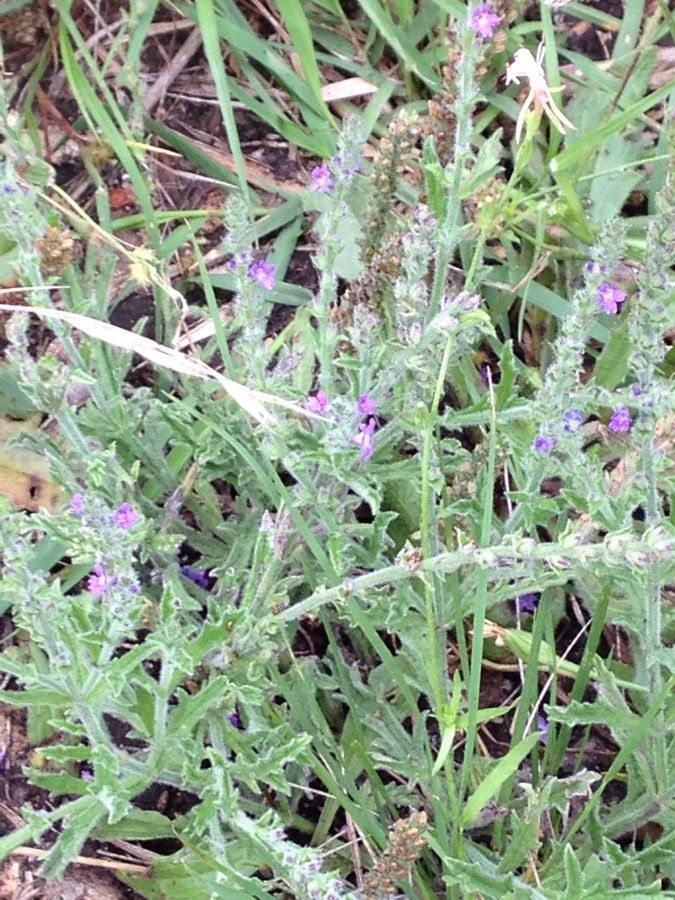
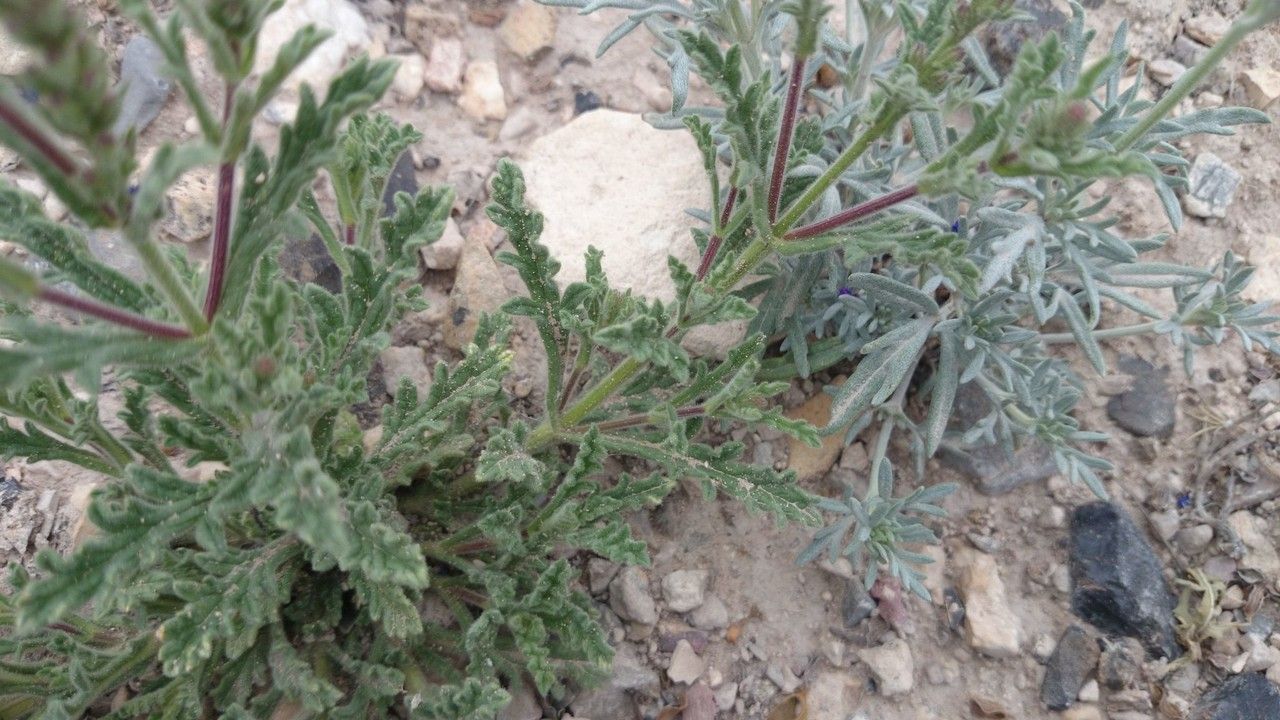
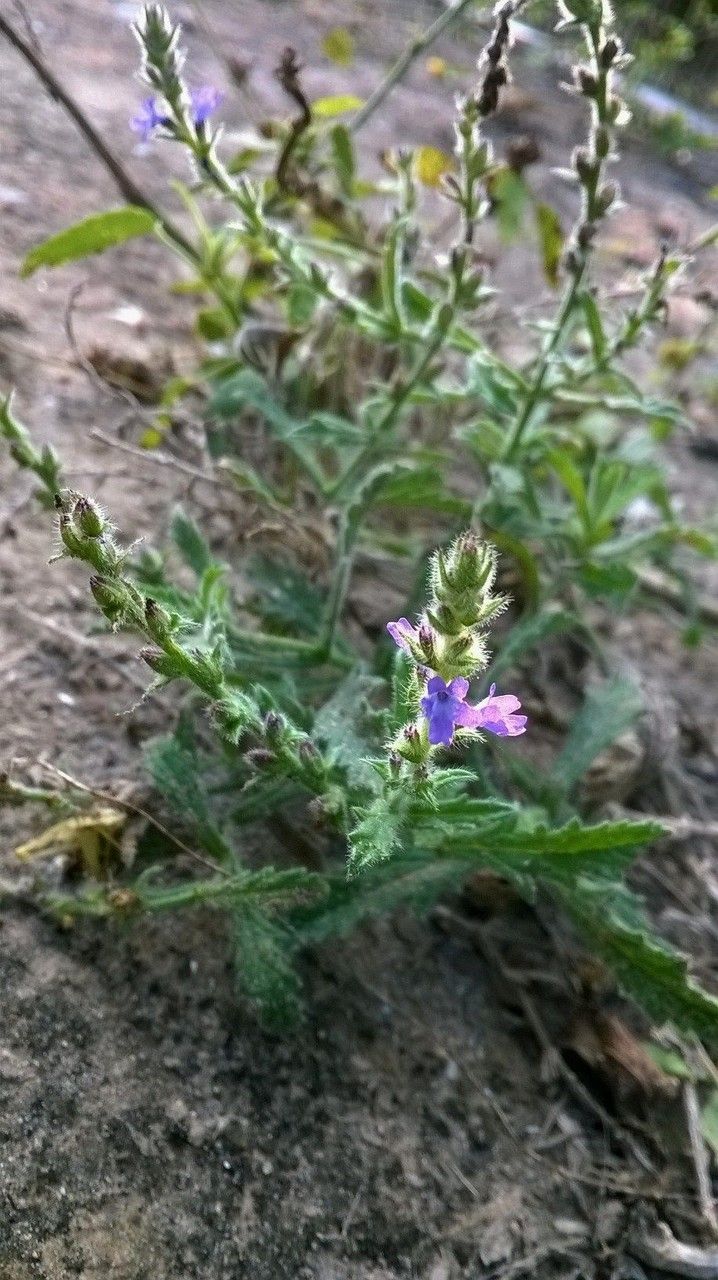
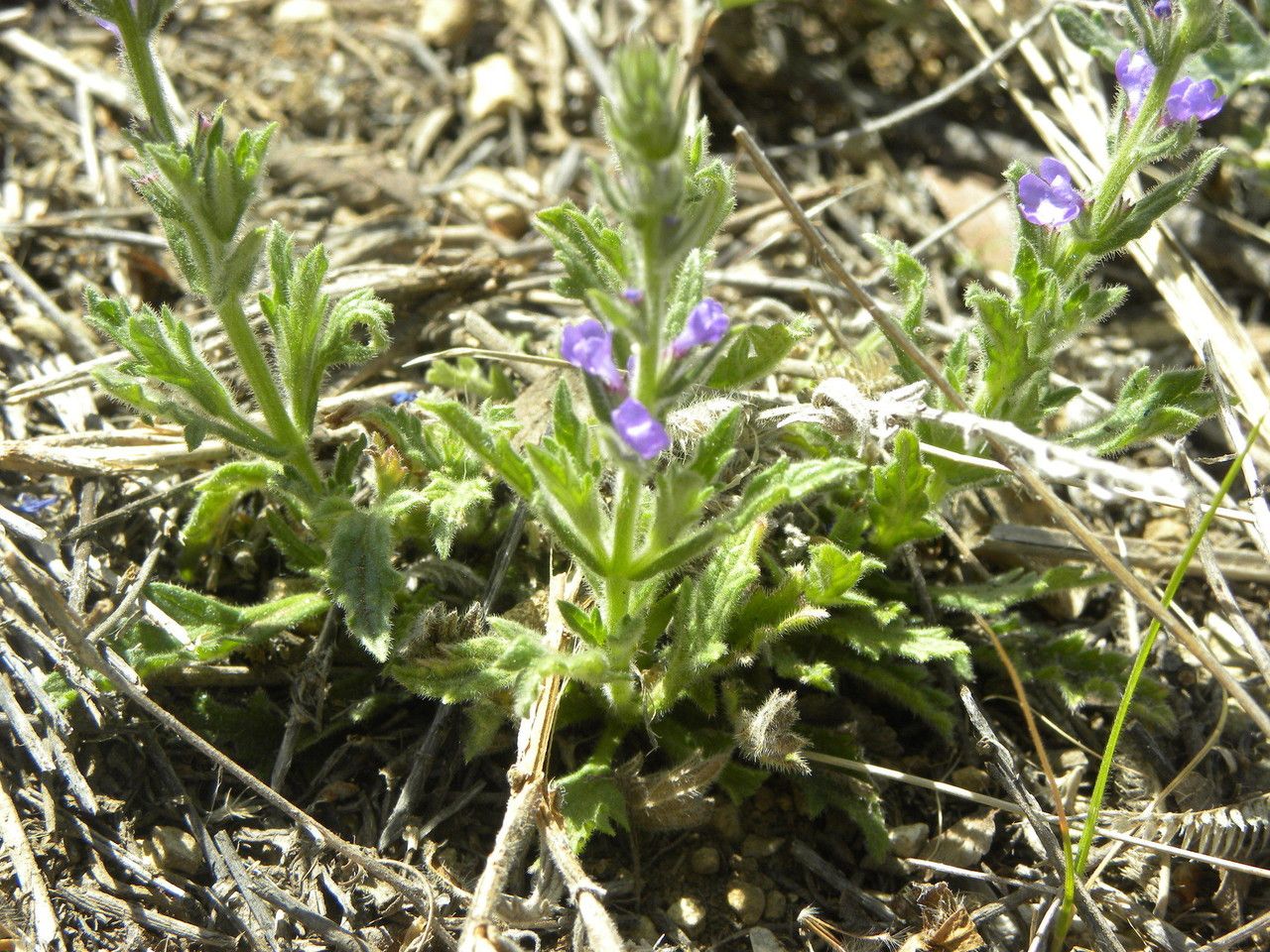
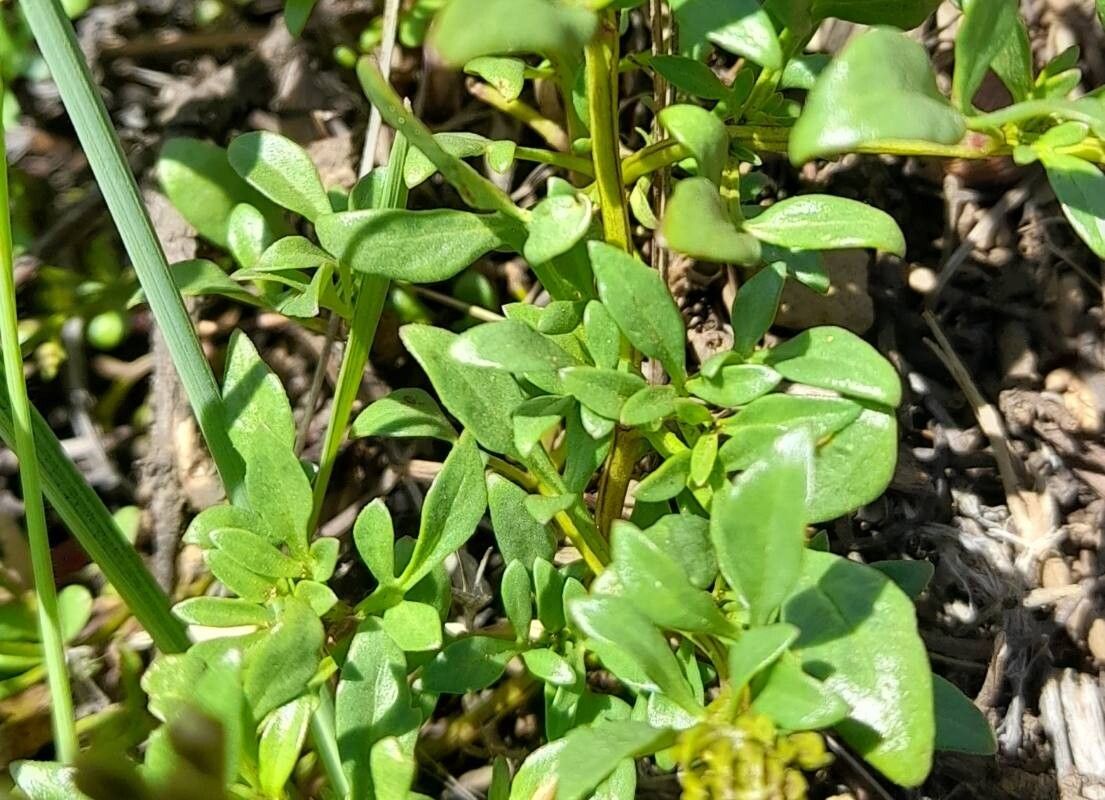
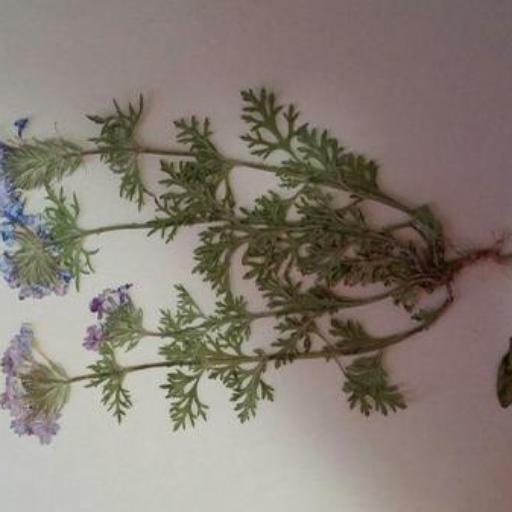
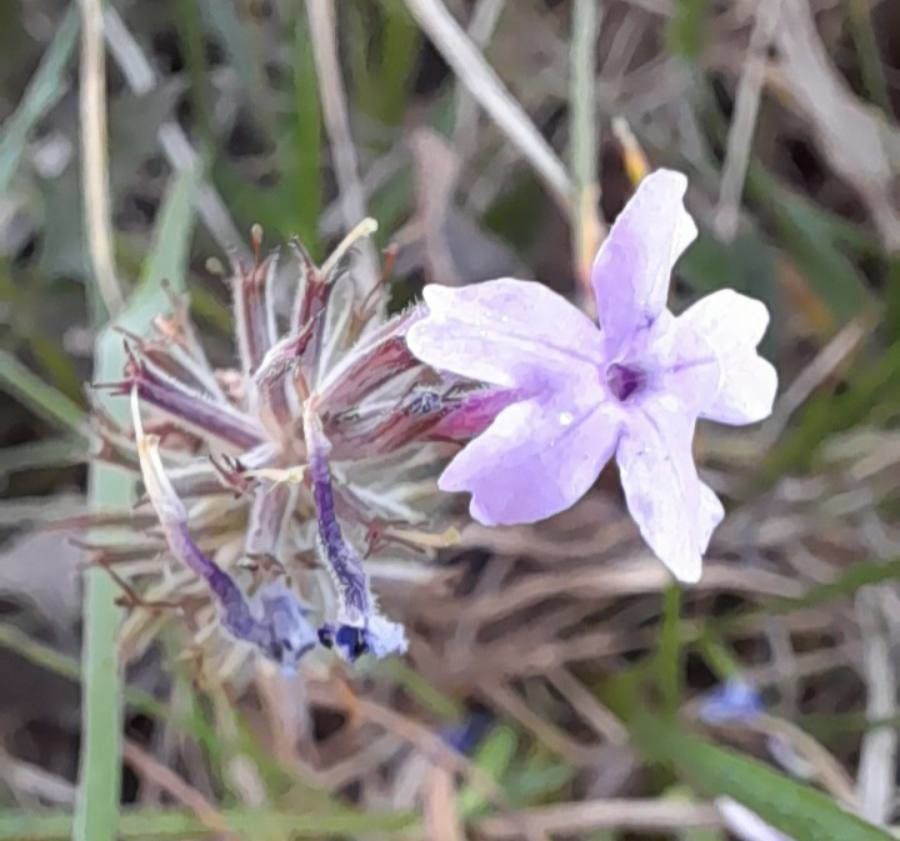
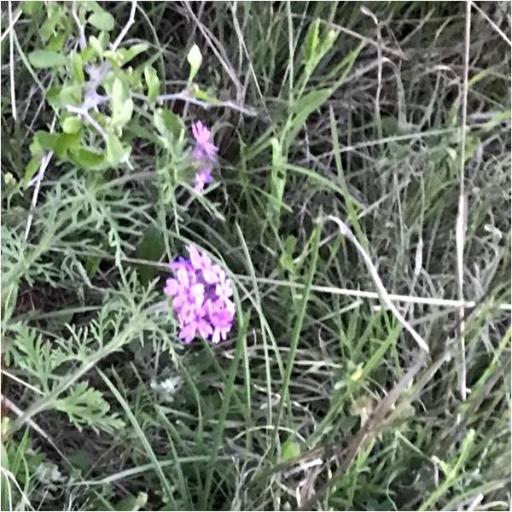
Verbena canescens, often called the woolly or gray vervain, is a plant species belonging to the family Verbenaceae.
Big-Bract Verbena is fairly disease-resistant and generally not prone to illnesses. Nevertheless, it can be affected by pests and diseases present in its environment. These problems are usually not serious. For care, this plant needs moderate maintenance. Regular pruning is necessary to preserve a neat appearance and encourage healthy growth. Fertilizing can also help stimulate flowering. Big-Bract Verbena is well suited for anyone with outdoor space like a garden or patio and does not demand extensive gardening experience. It may need more attention if cultivated indoors.
How to keep Verbena Canescens.
Light
The big-Bract Verbena thrives best in full sun. Native to areas with plentiful sunlight, it takes in a large portion of solar radiation to fuel growth through its various stages. However, excessive exposure can impair photosynthesis and cause damage. It does poorly without any sun.
Water
Gray vervain, native to moderate climates, thrives best in evenly moist soil with consistent humidity. It can tolerate moderate drought conditions but generally benefits from weekly watering. Usually cultivated outdoors, gray vervain prefers slightly damp soil, similar to its natural environment where rainfall is regular but not excessive.
Humidity
This plant will thrive in moderate humidity, which is probably the level in your home. However, misting it a few times a week can be very beneficial. Make sure the room has good ventilation.
Temperature
Big-Bract Verbena is native to regions with moderate temperatures and thrives between 68 and 95 °F (20 to 35 ℃). These temperature preferences make it adaptable to a variety of climates. Seasonal adjustments may be necessary to maintain the plant's health.
Fertilizer
Big-Bract Verbena benefits from regular, dilute applications of fertilizer to encourage healthy leaf growth. You should fertilize Big-Bract Verbena about once a month during the summer. Nitrogen is vital for foliage, and providing nitrogen-rich sources helps Big-Bract Verbena thrive.
Pruning
Gray vervain is known for its distinctive gray-green leaves and vibrant purple blooms. To promote bushiness and improve airflow, prune any dead stems and leggy growth from early to late spring. Regular pruning not only enhances the plant's appearance but also reduces the risk of disease.
Botanical profile.
- Plant Type
- Herb
- Life Cycle
- Annual, Biennial, Perennial
- Genus
- Verbena
- Family
- Verbenaceae
- Hardiness Zone
- 2-6
- Mature Height
- 5 cm to 25 cm
- Mature Spread
- 30 cm to 91 cm
- Leaf Color
- Green, Dark Green
- Leaf Type
- Semi-evergreen
- Flower Color
- Purple, Lavender
- Flower Size
- 2.54 cm
- Bloom Time
- Late spring, Early summer, Mid summer
- Planting Time
- Spring, Autumn
- Harvest Time
- Summer
- Native Area
- Mexico
Other names.
Reader questions.
What are the sunlight requirements for Gray vervain (Verbena canescens)?
Gray vervain (Verbena canescens) thrives in conditions where it receives the right amount of sunlight. For full sun exposure, it requires above 6 hours of sunlight daily. However, if your garden cannot provide that, partial sun with about 3-6 hours of sunlight will also suffice. It's important to observe the movement of sunlight through your garden to choose locations that offer a perfect balance of light and shade, ensuring the plants' well-being.