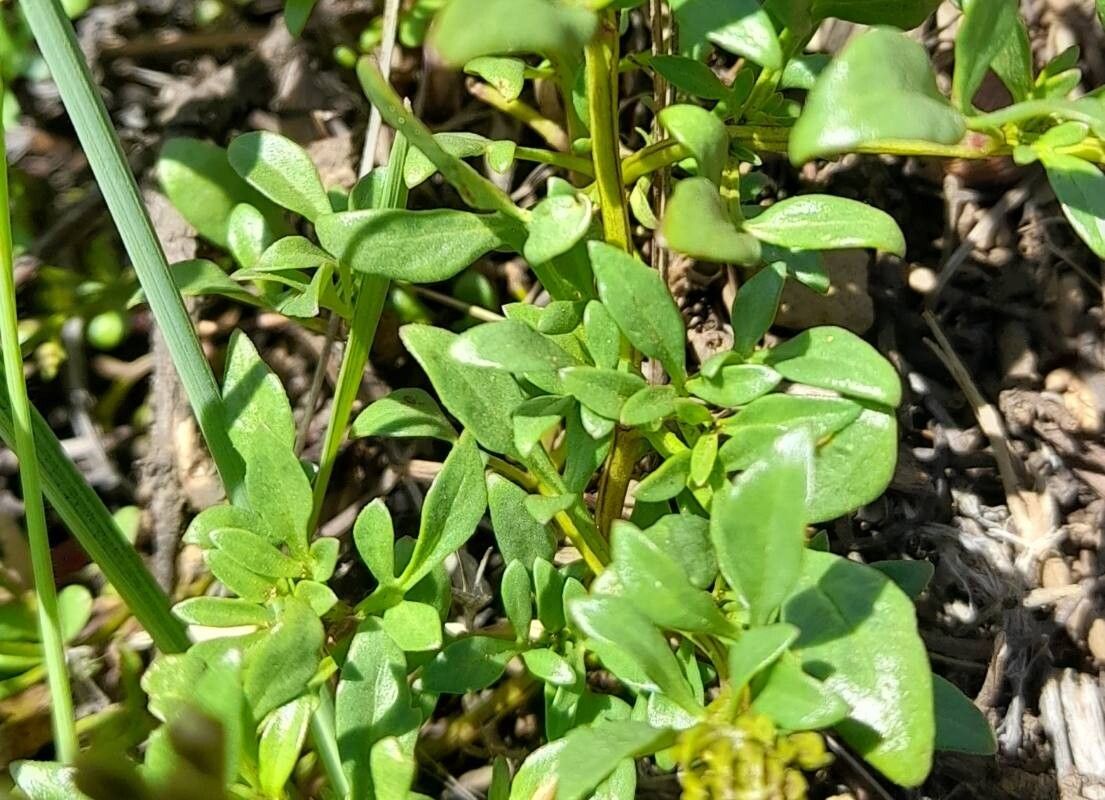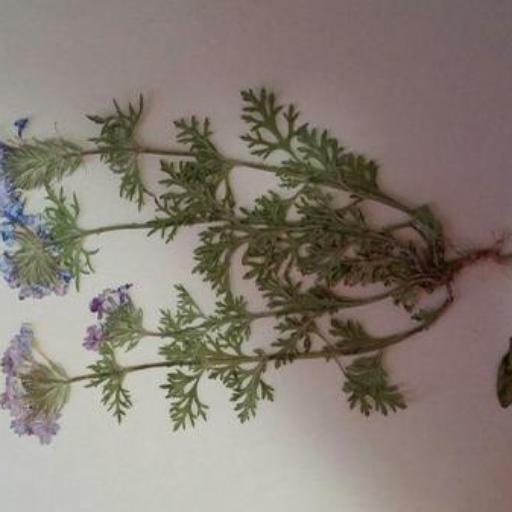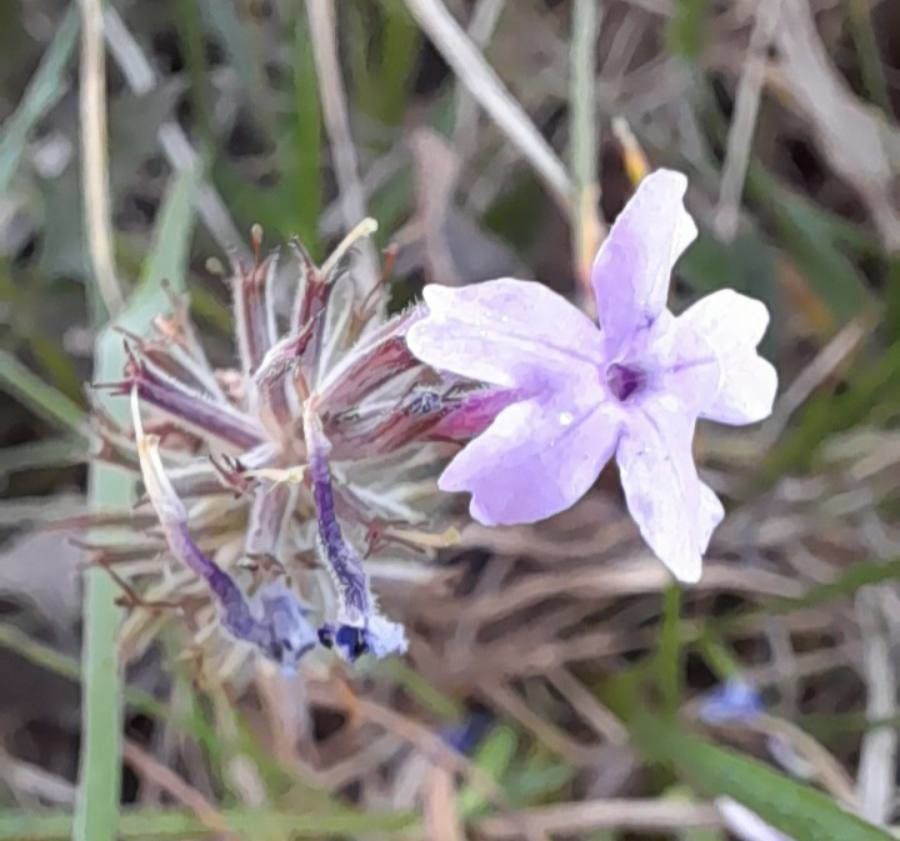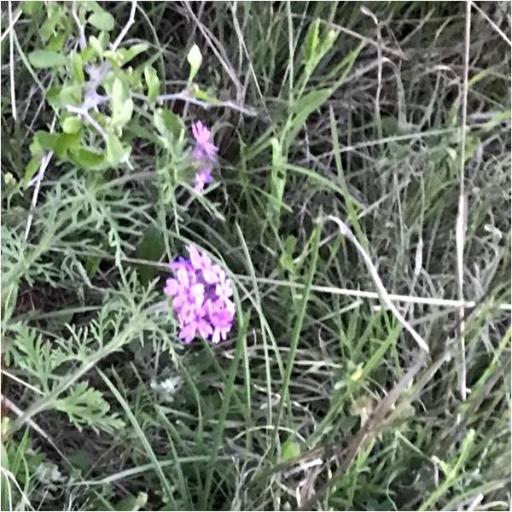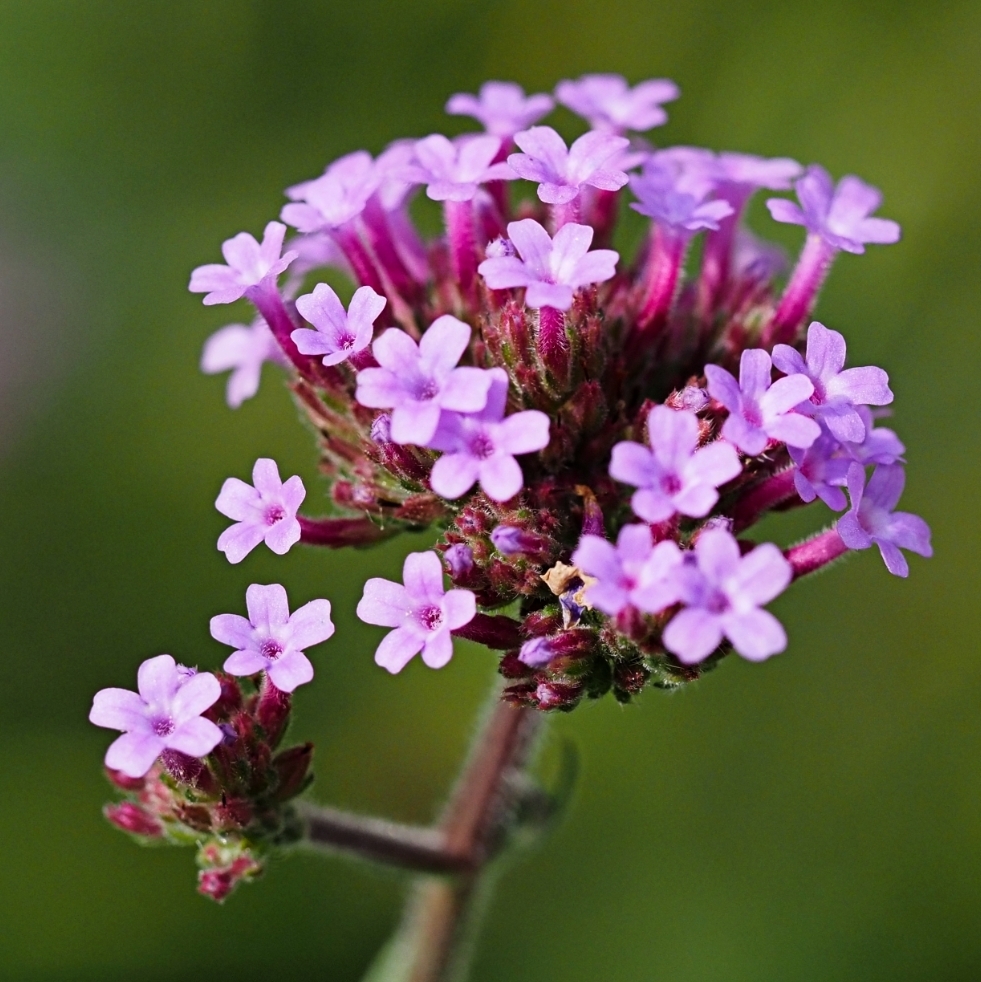
Verbena bonariensis, commonly known as tall verbena or purple top, is a perennial flowering plant in the Verbenaceae family. It is native to South America but has gained popularity worldwide as a garden plant thanks to its attractive appearance and ease of cultivation.
This plant can reach heights of up to 1.5 meters and features long, slender stems adorned with clusters of small purple flowers. These blooms appear from mid-summer through fall and are highly appealing to bees, butterflies, and other pollinators.
Verbena bonariensis thrives in full sun but can tolerate partial shade in hotter climates. It prefers well-drained soil with moderate moisture levels but can also withstand drought conditions once established.
Due to its versatility, this plant is often used as a border or accent plant in garden beds and mixed container gardens. Its long stems and vibrant color make it an excellent choice for cut flowers in floral arrangements.
In summary, Verbena bonariensis is an outstanding option for gardeners seeking a low-maintenance yet striking addition to their landscape.
Purpletop vervain is fairly disease-resistant and typically not prone to illnesses. Still, it can be affected by pests and diseases present in its environment. Such infections are generally not serious. Regarding care, this plant needs moderate upkeep. It should be pruned regularly to preserve an attractive appearance and promote healthy growth. Feeding it with fertilizer can also encourage flowering. Purpletop vervain is well suited for anyone with an outdoor area, like a garden or patio, and does not demand extensive gardening experience. It may need additional attention when cultivated indoors.
How to keep Verbena Bonariensis.
Light
Purpletop vervain prefers plentiful light and performs best in open locations where it can receive sunlight all day. It can tolerate light shade when sunlight intensity is reduced. A few hours of decreased light may retard its growth, while excessive light exposure can cause its leaves to scorch.
Water
Purpletop vervain flourishes in tropical climates where regular rainfall and high humidity are common. It thrives in consistently moist conditions, although it does not tolerate waterlogging well. Once established, it can withstand moderate drought. To keep the plant optimally hydrated, water it twice a week. This makes purpletop vervain an excellent choice for rain gardens or areas that receive regular watering.
Humidity
This plant will thrive in moderate humidity, which is probably the level in your home. However, misting it a few times a week can be very beneficial. Make sure the room has good ventilation.
Temperature
Purpletop vervain is native to temperate regions where temperatures usually range from 68 to 100 °F (20 to 38 ℃). The plant prefers warmer conditions but can tolerate cooler periods when necessary. In colder seasons, consider providing a warmer microclimate to ensure its survival.
Fertilizer
The best time to fertilize Purpletop vervain is in early spring, when it is coming out of dormancy and starting active growth. Fertilization supplies essential nutrients for healthy development. Although Purpletop vervain needs relatively little fertilizer, an annual application can improve its survival and encourage better, longer-lasting blooms.
Pruning
Purpletop vervain is characterized by its tall structure and clusters of tiny purple flowers. To encourage vigorous growth, it is beneficial to prune it annually from early to late spring. Trimming old stems and removing spent flowers will promote continuous blooming, improve air circulation, and prevent legginess, resulting in a healthier appearance.
Pot & Repot
When repotting Purpletop vervain, pick a pot 1-2 inches (2.5–5.1 cm) larger that provides ample drainage. Use a well-draining potting mix. Repot in spring or fall, making sure the root ball is set slightly lower than the rim of the flower pot. Water thoroughly after repotting and place it in a warm spot with indirect sunlight.
Toxicity
Verbena bonariensis has no toxic effects reported.
Further reading →
The toxicity and danger assessments provided are for reference only. We do not assure their accuracy, so it's crucial not to depend on them. Seek professional advice when necessary for accurate guidance.
Botanical profile.
- Plant Type
- Herb
- Life Cycle
- Perennial, Annual, Biennial
- Genus
- Verbena
- Family
- Verbenaceae
- Hardiness Zone
- 7-11
- Mature Height
- 1.83 m
- Mature Spread
- 91 cm
- Leaf Color
- Green
- Leaf Type
- Deciduous
- Flower Color
- Purple, Lavender
- Flower Size
- 0.51 cm to 0.51 cm
- Bloom Time
- Late spring, Summer
- Planting Time
- Spring
- Harvest Time
- Summer, Early fall
- Native Area
- Bolivia, Ecuador, Peru
Other names.
Reader questions.
How should I water my Purpletop vervain plant?
When watering the Purpletop vervain, it is recommended to use filtered water at room temperature. Tap water can be harmful due to potential particles. Additionally, the water should not be cold as it can shock the plant since it is accustomed to a warm environment. Avoid overhead watering as it can cause issues with the foliage. Instead, thoroughly water the soil with filtered room temperature water until it is completely soaked. This benefits the plant by moistening the roots and allowing them to spread and gather nutrients in the soil.
Why should I put plant food on my Purpletop vervain?
Fertilization is important for the Purpletop vervain because it provides essential nutrients for its growth both above and below ground. Although the fertilization needs for this plant are generally low, annual fertilization can greatly benefit the Purpletop vervain. It not only helps to keep the plant alive, but it also promotes the production of more beautiful and long-lasting flowers. Therefore, those who want their Purpletop vervain to thrive should make sure to fertilize it annually.
What are the sunlight requirements for Purpletop vervain?
Purpletop vervain requires full sun, meaning it thrives with more than 6 hours of sunlight per day, but it can also grow in partial sun conditions of about 3 to 6 hours of sunlight. It is important to watch how sunlight moves through your garden to select spots that offer the right balance of light and shade, ensuring the plant’s health and happiness.
What is the ideal temperature range for Purpletop vervain?
Purpletop vervain thrives in temperate climates, with an ideal temperature range between 68 to 100 °F (20 to 38 °C). It prefers warmer conditions but can endure cooler periods when necessary. This plant has a strong cold resistance, thus special frost protection measures aren't typically required during winter. However, if temperatures are forecasted to fall below -15°C, cold protection by covering the plant with soil or straw should be considered.
What should I do if I give my Purpletop vervain plant too much or too little water?
Overwatering is a common issue for Purpletop vervain and can cause wilting, yellowing of leaves, and potential diseases such as root rot, mold, and mildew. Underwatering is less likely but can result in brittle, brown leaves. It's important to recognize signs of overwatering early and reduce watering immediately. Assess the soil's drainage and replace if necessary. If underwatering is the issue, water more consistently until symptoms improve.
When should I fertilize my Purpletop vervain for best results?
The best time to fertilize a Purpletop vervain is in late winter to early spring as the plant is transitioning from its dormant phase to active growth. This helps promote healthy growth and gives the plant a good start for the season. While early spring is generally the most beneficial time for fertilization, it is also okay to fertilize in the fall. However, it is not recommended to fertilize in the summer or winter.
How does Purpletop vervain respond to different light conditions?
Purpletop vervain craves abundant light and performs best in open areas under full sun. While it can tolerate slightly shaded areas, lower light levels may slow its growth, and overexposure can result in scorched leaves. Adequate lighting, either natural or artificial, is essential for its optimal growth. In less sunny spaces or during winter, artificial lighting such as LED lights can be used to supplement natural light, promoting healthier growth.
How should Purpletop vervain be cared for during colder seasons?
During colder seasons, it's crucial to ensure Purpletop vervain has a warmer microclimate to survive. Before the first freeze of autumn, water the plant abundantly so the soil is moist and can enter a frozen state. This prevents drought and water scarcity during winter and early spring. If winter temperatures are expected to drop below -15°C, the plant should be covered with protective materials to safeguard it from frost.
How often should I water my Purpletop vervain plant?
If your Purpletop vervain plant is in a pot, the most precise way to determine if it needs water is by checking the soil moisture. Simply stick your finger into the soil and if the top two to three inches are dry, it's time to water. If you have Purpletop vervain growing outdoors in the ground, you can use a similar method to test the soil. When the top few inches of soil are dry, it's time to water. Typically, during spring and early fall, watering once a week is sufficient. However, during extreme heat, you may need to increase watering to twice or more per week. Keep in mind that mature, well-established Purpletop vervain plants have the impressive ability to tolerate drought.
When is it best to not put fertilizer on my Purpletop vervain?
To properly care for your Purpletop vervain, it's important to know when to fertilize. The best time for fertilization is during late winter and early spring, as this plant only requires one annual feeding. Overfertilization can cause issues, so it's best to avoid fertilizing during spring, summer, and fall unless you skipped fertilization in the spring. In that case, it is permissible to feed the plant in the fall. Additionally, fertilization during the winter should be avoided since the Purpletop vervain is in a dormant growth phase and doesn't produce new growth.
What are the symptoms of inadequate light in Purpletop vervain?
When Purpletop vervain is grown in conditions with inadequate lighting, it may exhibit symptoms such as smaller new leaves, leggy or sparse growth, faster leaf drop, slowed or ceased growth, lighter-colored new leaves, chlorosis, sunscald, leaf curling, wilting, and leaf scorching. These symptoms indicate either too little or too much sunlight, affecting the plant's ability to thrive and stay healthy.
What should be done if Purpletop vervain is exposed to temperatures below -15°C?
If Purpletop vervain experiences temperatures below -15°C, you might not notice immediate changes during winter, but there may be a decrease in sprouting or even a lack of sprouting in spring. To address this, remove any parts of the plant that have failed to sprout come spring. This helps the plant recover and promotes new growth.