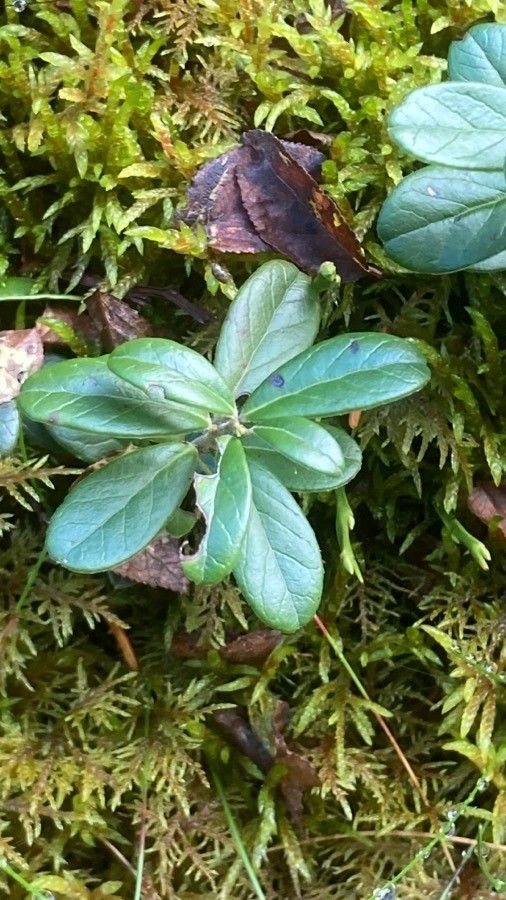
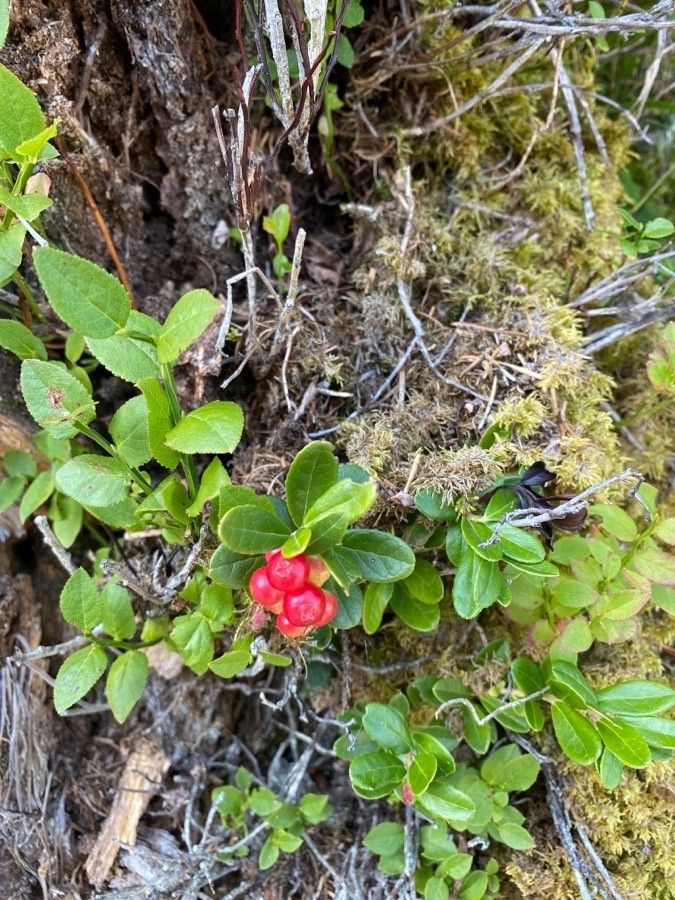
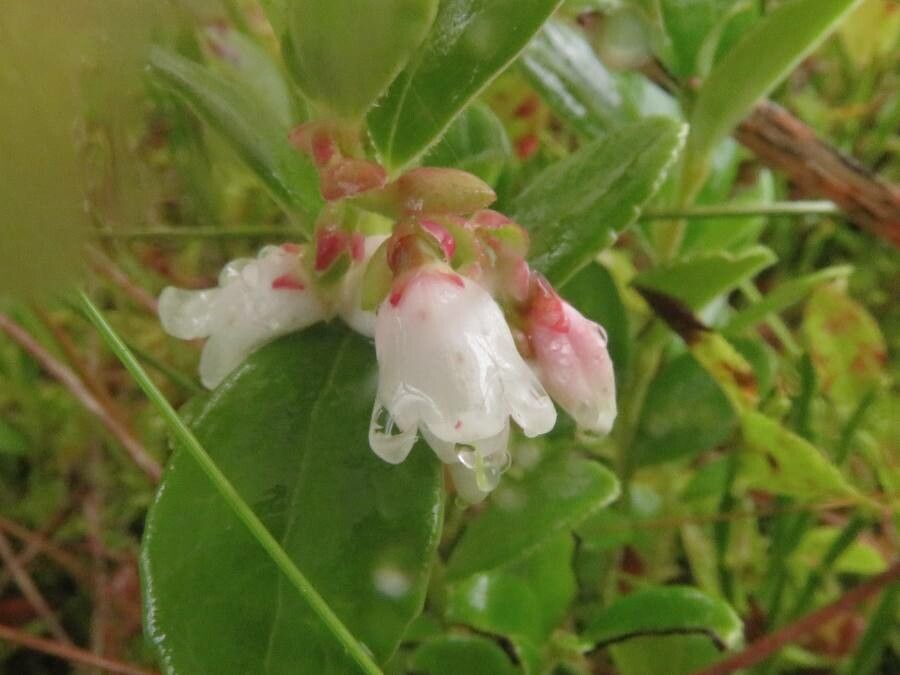
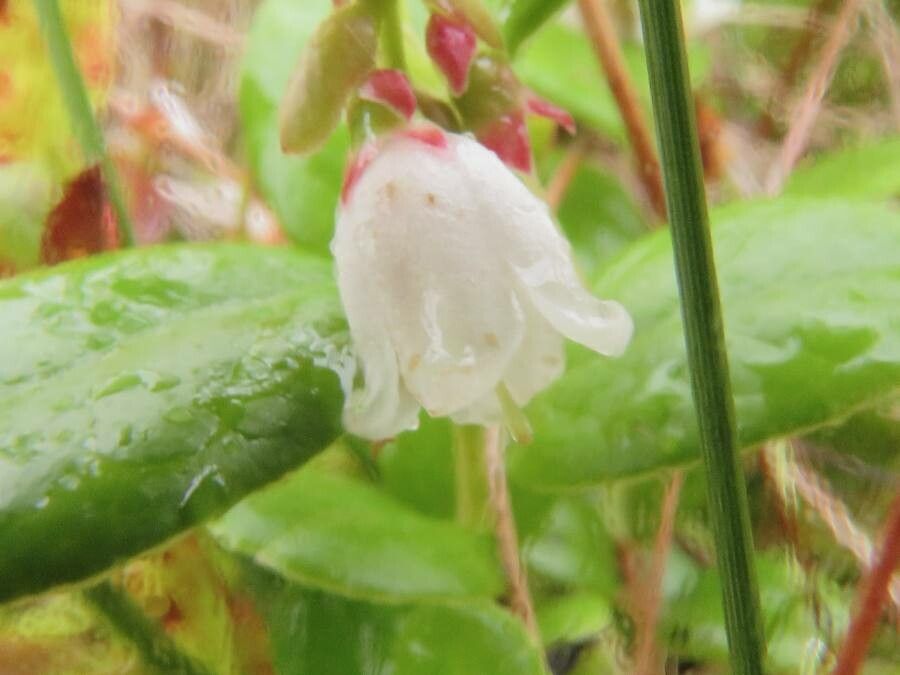
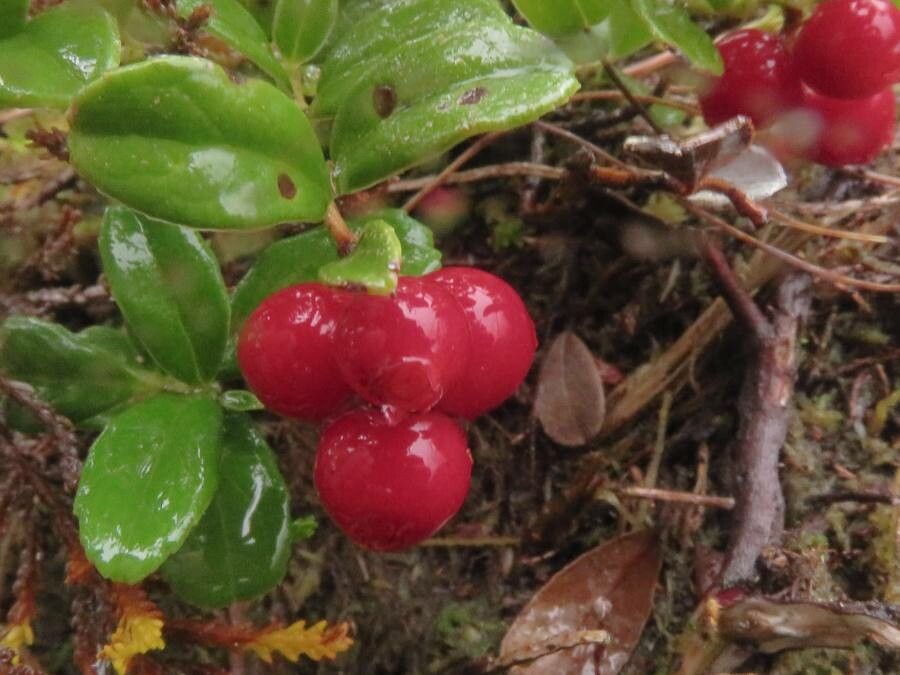
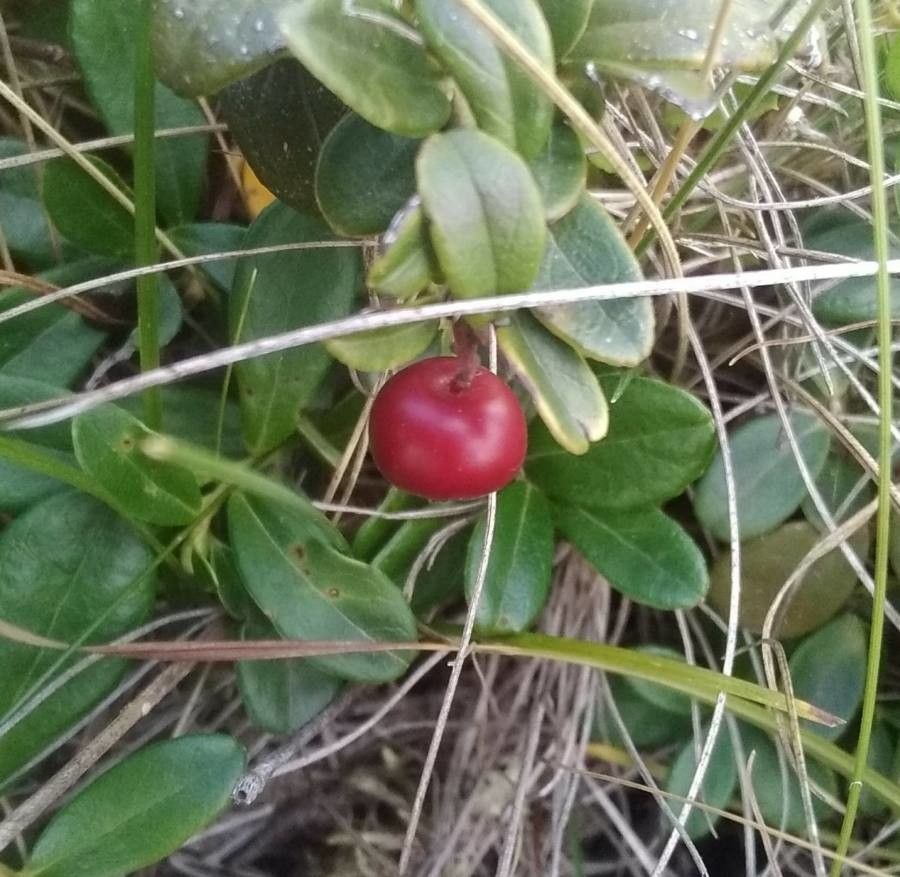
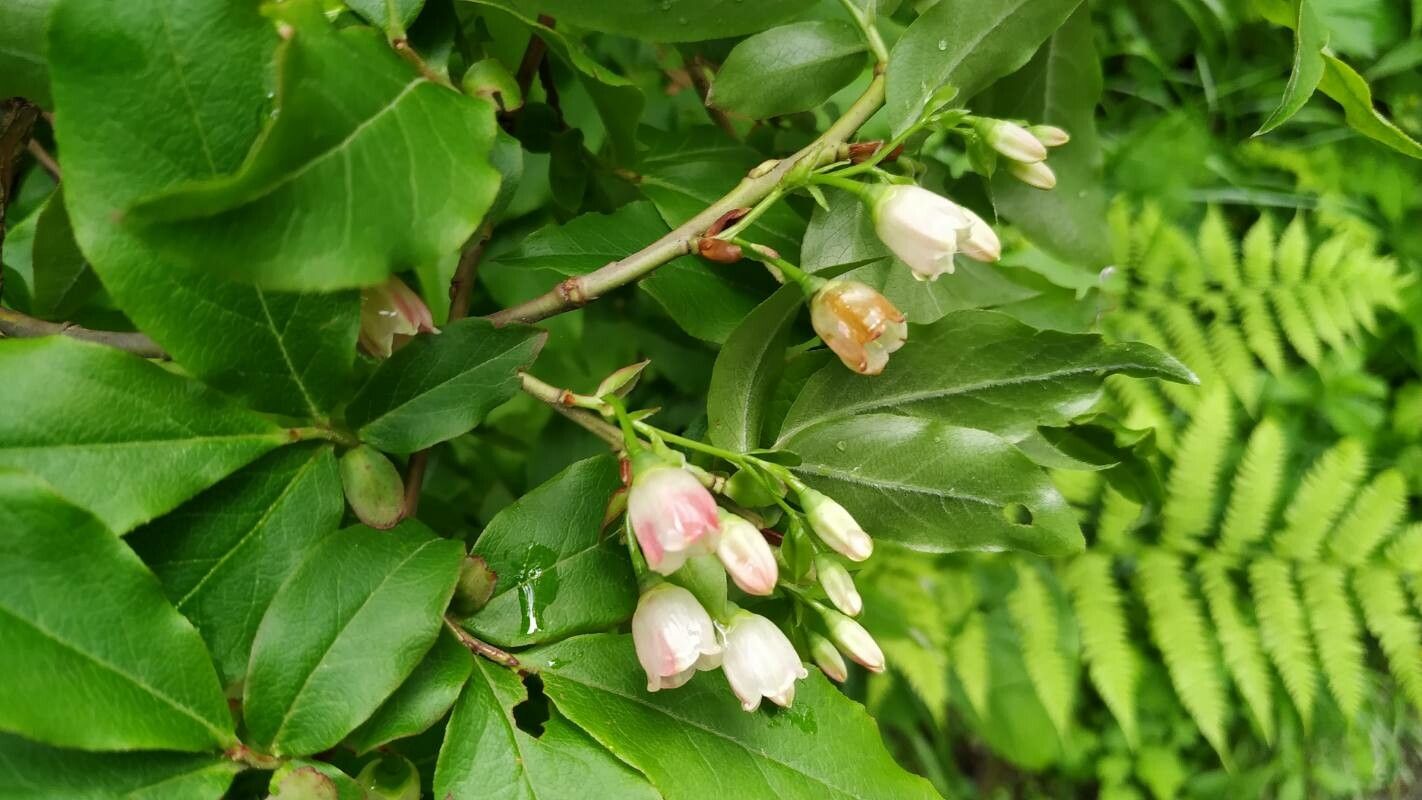
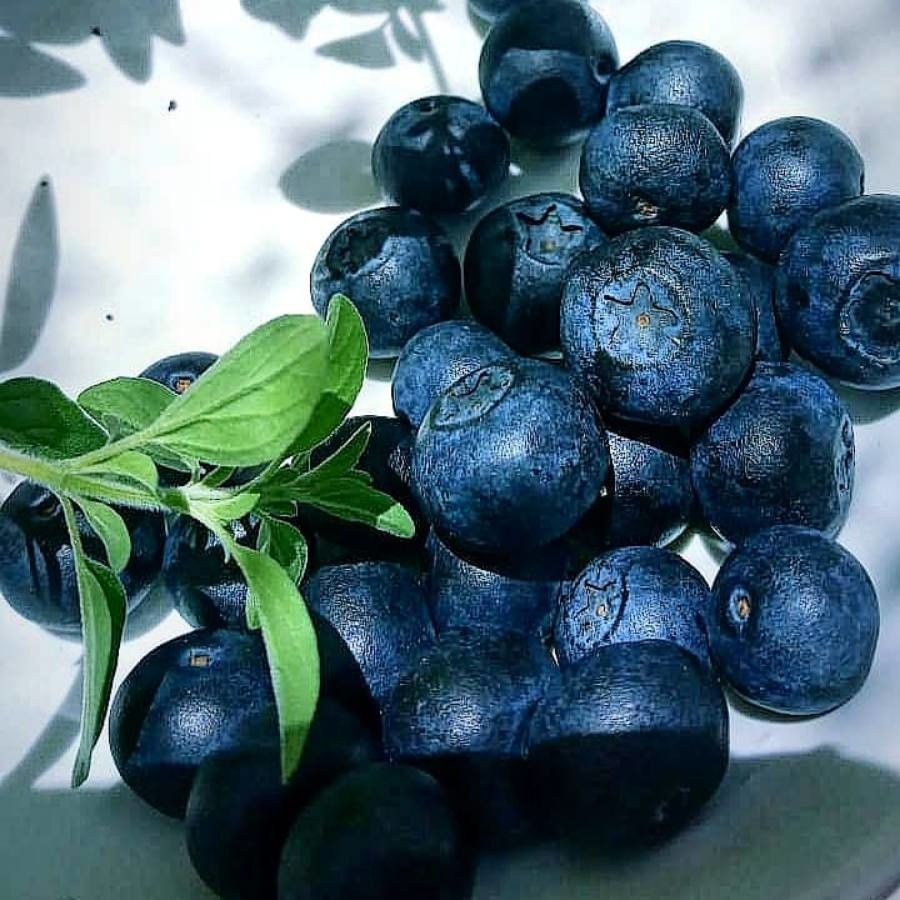
Vaccinium vitis-idaea, the lingonberry, partridgeberry, mountain cranberry or cowberry, is a small evergreen shrub in the heath family Ericaceae, that bears edible fruit. It is native to boreal forest and Arctic tundra throughout the Northern Hemisphere, from Europe and Asia to North America. Lingonberries are picked in the wild and used to accompany a variety of dishes in Northern Baltoscandia, Russia, Canada and Alaska. Commercial cultivation is undertaken in the U.S. Pacific Northwest and in many other regions of the world.
Lingonberry is fairly disease-resistant and usually does not suffer from many illnesses. Regarding care, the plant is relatively low-maintenance. When grown outdoors it needs only minimal watering, and larger specimens typically do not require pruning. Smaller plants, however, should be trimmed after they finish blooming. Lingonberry is suitable for anyone with an outdoor area, such as a garden or deck, and does not demand much gardening experience.
How to keep Vaccinium Vitis Idaea.
Light
Lingonberry grows best with abundant light similar to full daylight. It can, however, tolerate less sunny spots, reflecting the varied light conditions of its native habitat. Too much light or too little can harm its health and growth, affecting foliage and berry production.
Water
Lingonberry, native to cool temperate regions, thrives in moist, well-drained soil. It prefers consistent moisture and should be watered every 1-2 weeks. Its evergreen, waxy leaves help minimize water loss, making the plant resilient to temperature changes and varying levels of precipitation.
Temperature
Lingonberry originates from cold environments; preferred temperatures range from 32 to 90°F (0 to 32 °C). In severe frost, shelter and insulation should be provided. During extremely hot periods, shade protection is advised.
Fertilizer
Lingonberry plants need adequate nutrients for optimal fruit production. Fertilize in early spring to promote new growth and flower development. Regular fertilization keeps the plant healthy, encourages production of more delicious fruit, and prevents nutrient deficiency problems like yellow leaves and poor fruit production.
Pruning
Lingonberry plants have small evergreen leaves and bright red berries. To keep them healthy, prune them from early to late winter. Remove any dead wood and thin out crowded branches to improve air circulation. This practice enhances the plant's compactness, boosts fruit production, and strengthens its resistance to pests and diseases, leading to a healthier yield.
Botanical profile.
- Plant Type
- Shrub
- Life Cycle
- Perennial
- Genus
- Vaccinium
- Family
- Ericaceae
- Hardiness Zone
- 2-7
- Mature Height
- 20 cm
- Mature Spread
- 30 cm
- Leaf Color
- Green
- Leaf Type
- Evergreen
- Flower Color
- Pink, White
- Flower Size
- 2.54 cm
- Bloom Time
- Late spring, Early summer
- Planting Time
- Spring, Autumn
- Harvest Time
- Mid summer
Other names.
Reader questions.
How should I water my Lingonberry plant?
Your Lingonberry can be watered using any common watering tool such as watering cans, hoses, or even cups. It's important to water the plant directly onto the soil, making sure to evenly moisten all areas to provide water to the entire root system. Using filtered water is recommended to avoid harmful particles, as tap water may contain them. It's also best to use water that is at or slightly above room temperature, as colder or hotter water can shock the Lingonberry. However, the plant generally responds well to any type of water it receives.
Why should I put fertilizer on my Lingonberry plant?
No matter what type of Lingonberry you own, regular fertilization can significantly improve the overall health of your plant. Supplying the proper nutrients will promote vigorous growth and enhance the plant's resilience against challenging growing conditions, as well as its ability to fight off diseases and pests. It's worth noting that the foliage of your Lingonberry is a particularly attractive feature, so it's important to take measures to preserve it. This involves establishing and consistently following a fertilization schedule tailored to your Lingonberry, which will encourage the growth of beautifully colored and lush leaves.
What are the sunlight requirements for Lingonberry plants?
Lingonberry plants require specific sunlight conditions to thrive. They do best in full sun, which means they need above 6 hours of sunlight daily, but they can also grow in partial sun, with about 3-6 hours of sunlight. It's crucial to observe the movement of sunlight through your garden to find spots that provide the right balance of light and shade, ensuring the plants' optimal growth and happiness.
What is the native environment for lingonberry?
Lingonberry is native to cold environments and thrives in temperatures ranging from 32 to 90°F (0 to 32°C). It is highly cold-tolerant and adapts well to colder climates.
What should I do if I give my Lingonberry plant too much water or too little water?
Outdoor plants, especially newly planted ones or seedlings, are often prone to inadequate watering. It's important to remember to water them enough for the first few months, particularly when the tree is small or recently planted. This is because once the roots are established, Lingonberry plants can rely on rain for the most part. When Lingonberry plants are in pots, overwatering is more likely to happen. If you accidentally overwater your Lingonberry, you should take immediate action to remedy the situation. First, stop watering the plant right away to minimize the impact of overwatering. Next, remove the Lingonberry from its pot and inspect its roots. If you find that none of the roots have developed root rot, you can safely return the plant to its container. However, if there are signs of root rot, trim away the affected roots and consider applying a fungicide to prevent further damage. Lastly, repot the Lingonberry in well-draining soil. In the case of underwatering, simply water the Lingonberry plant more frequently. Underwatering is usually an easy issue to fix. If the plant is underwatered, its leaves will droop, dry out, and fall off. However, with sufficient watering, the leaves will quickly return to fullness. Make sure to adjust your watering frequency as soon as you notice signs of underwatering.
When should I fertilize my Lingonberry plant?
To ensure healthy growth for your Lingonberry, it is recommended to fertilize it in late winter or early spring. This provides the necessary nutrients for the plant to thrive when the weather becomes warmer. Additionally, if you reside in a warm climate region, it is beneficial to apply another round of fertilizer in early fall. This not only adds nutrients for the following growing season but also helps the plant withstand the cold winter without any damage to its foliage. Fertilizing earlier ensures that the new branches have sufficient time to grow and withstand the winter conditions.
What are the essentials for growing a healthy Lingonberry plant?
The key to a thriving Lingonberry plant is ample illumination, ideally mimicking full daylight intensity. While these plants can adapt to varied light conditions like those of their native habitats, too much or too little light can affect their health and growth negatively, influencing both foliage and berry production. For indoor plants, artificial lighting can be a solution during less sunny seasons or in spaces lacking sufficient natural light. LED lights are especially recommended as they can be tailored to fulfill specific light spectrum needs for plants. Full sun plants, for example, require 30-50W/sq ft of artificial light, partial sun needs 20-30W/sq ft, and full shade plants need 10-20W/sq ft. Properly positioning the light source and ensuring adequate daily light hours are critical factors.
What measures should be taken during harsh frost and extremely hot periods for lingonberry?
During harsh frost, it's important to take shelter and insulation measures to protect lingonberry plants, although they do not require additional frost protection measures in winter. Before the first freeze in autumn, generously water the plant to ensure the soil remains moist. For extremely hot periods, provide shade protection to prevent the plant from suffering due to high temperatures.
How frequently should I water my Lingonberry plant?
Most outdoor plants can thrive with normal rainfall, but if your area lacks rainfall, you should water your plants every 2 weeks in the spring and fall, with more frequent watering in the summer. In the winter, when growth is slower and plants need less water, water sparingly or not at all. However, if your Lingonberry is young or newly planted, you should water it more frequently to help it establish and grow. For potted plants, there are two ways to determine watering frequency for your Lingonberry. The first way is to set a consistent watering schedule, either once a week or once every other week. However, this approach may not consider the specific conditions of your Lingonberry's growing environment. Another option is to base your watering frequency on soil moisture. Wait until the top 2 to 4 inches of soil (about ⅓ to ½ depth of the pots) have completely dried out before watering again. This method allows you to adjust watering frequency according to the season, as summer may require more frequent watering.
When is it not a good idea to add fertilizer to my Lingonberry plant?
There are specific times throughout the year when you should avoid fertilizing your Lingonberry plant. The first instance is during the early and mid-winter months when the plant is dormant and does not require any nutrients. It is also not recommended to fertilize the plant in late spring and throughout the summer. These seasons tend to be hotter and drier, which can have a detrimental effect on the plant if fertilized. To prevent any problems, it is best to stick to a fertilization schedule that includes feeding only in early spring and early fall.
How do you identify and address symptoms of inadequate sunlight in Lingonberry plants?
Inadequate sunlight may lead to several symptoms in Lingonberry plants, such as small or pale new leaves, leggy growth, accelerated leaf drop, and a halt in new leaf production. These indicate that the plant is struggling with light deficiency and entering survival mode. Excessive sunlight exposure can also harm, causing issues like chlorosis, sunscald, leaf curling, wilting, and leaf scorching. For indoor plants, gradually increasing daily exposure to natural sun or using artificial lights can help. Outdoor plants should be moved to sunnier spots gradually to avoid shock. Reducing obstructions, like pruning trees that cast shade, or relocating plants to brighter areas, are effective strategies. Note that parts of the plant already affected may not recover, but new growth should be healthy following adjustments.
What are the signs that lingonberry is affected by low temperatures?
Lingonberry plants are extremely cold-tolerant and can withstand winter temperatures down to -40°C. However, if the temperature drops below this threshold, the branches may become brittle and dry by spring, and no new shoots will emerge, indicating the plant has been negatively affected by the low temperatures.