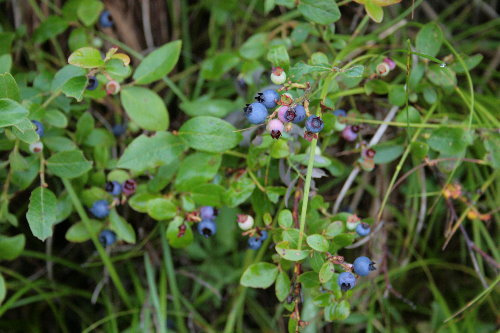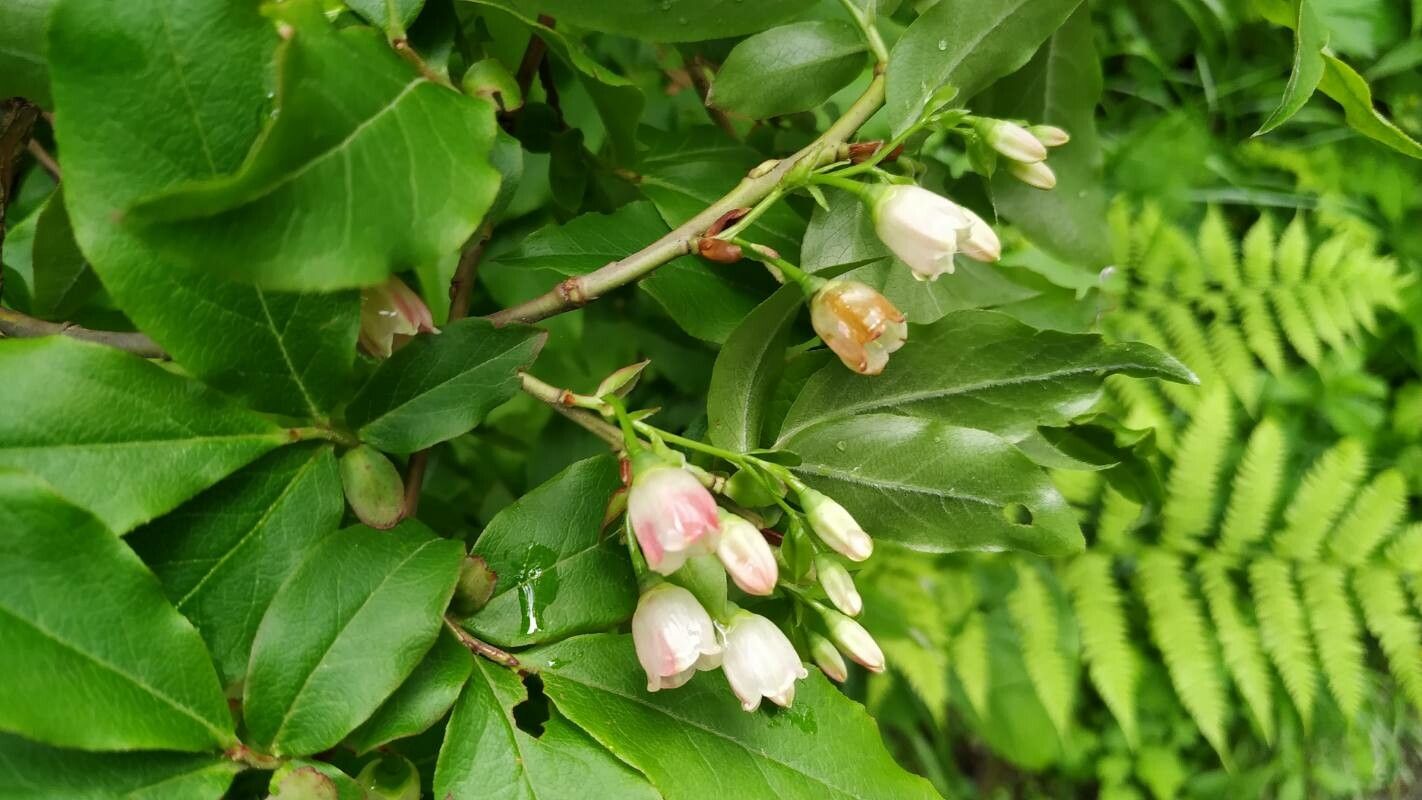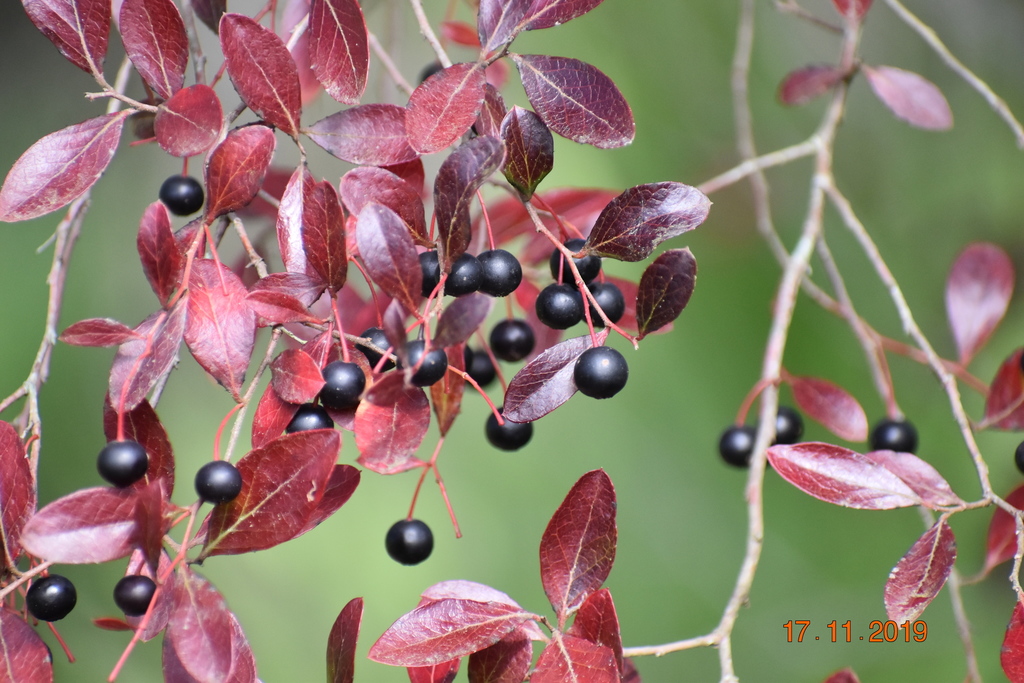
Vaccinium arboreum (sparkleberry or farkleberry) is a species of Vaccinium native to the southeastern and south-central United States, from southern Virginia west to southeastern Nebraska, south to Florida and eastern Texas, and north to Illinois.
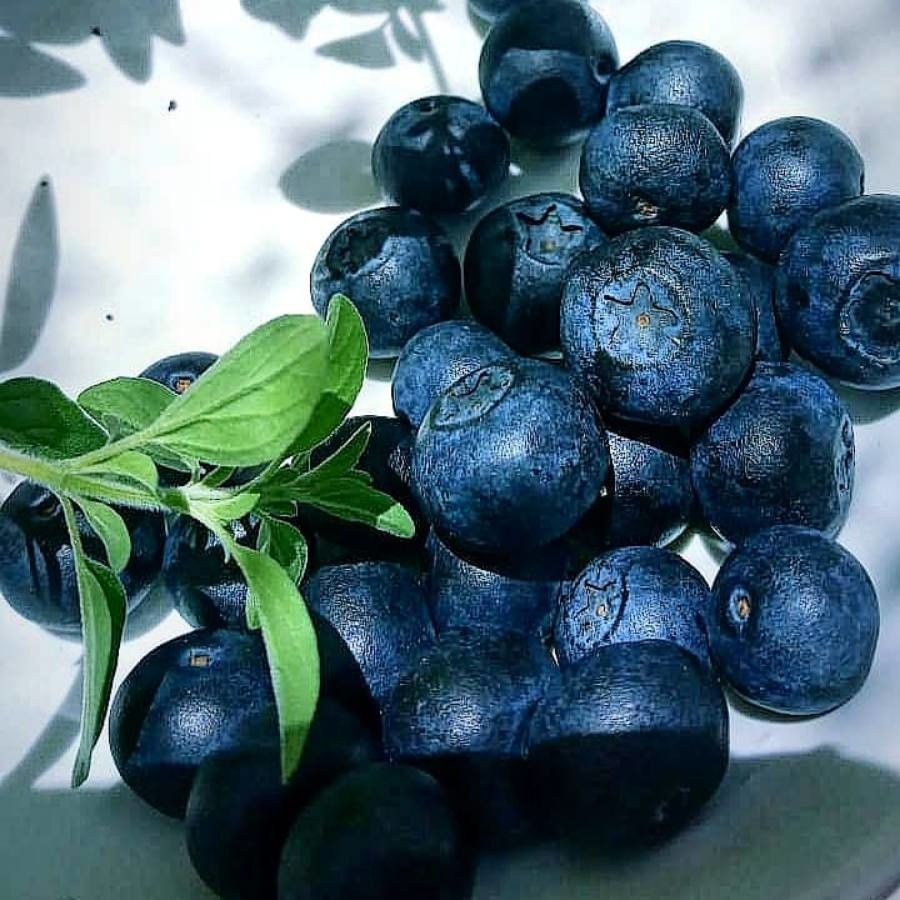
The farkleberry is a type of plant that thrives along the dry, scrubby crests of loess ridges. It produces fruit similar to crabapples, which transition in color from purple to black. Although its genus name, Vaccinium, classifies it as a type of blueberry, it is commonly known as farkleberry due to the dark color of its berries.
Farkleberry shows strong resistance to disease and is typically not susceptible to illnesses. Regarding care, this plant is fairly low-maintenance. Planted outdoors, it needs minimal watering and larger plants generally do not require pruning. Smaller plants, however, should be pruned after they have bloomed. Farkleberryt is suitable for anyone with an outdoor area, such as a garden or deck, and does not demand much experience in plant care.
How to keep Vaccinium Arboreum.
Light
Farkleberry performs best with abundant sunlight but can also survive in locations with moderate sun. Native to well-lit environments, farkleberry's health and development are enhanced by generous light. Nonetheless, extreme light conditions can negatively impact its condition and lead to poor development.
Water
Farkleberry is well-suited to woodland environments, where it thrives in moderate humidity and can tolerate drought conditions. For optimal care, water the plant every 1-2 weeks, allowing the soil to dry out slightly between waterings. When grown outdoors in temperate regions, applying mulch can help retain moisture. However, it's important to ensure good drainage to prevent root rot.
Temperature
The farkleberry does best in moderate temperatures of 50 to 95 ℉ (10 to 35 ℃), similar to its native habitat. During the growing season the plant can tolerate higher heat, but in winter it needs cooler temperatures of 40 to 50 ℉ (4.4 to 10 ℃) for optimal growth and flowering. Protection from frost is advised during severe winters.
Fertilizer
To encourage healthy growth, fertilize your Farkleberry in early spring. Consistent fertilization improves overall health, producing robust growth, increased tolerance of challenging conditions, and enhanced resistance to pests and diseases. Follow a regular fertilizing routine for your Farkleberry to maintain vivid, deeply colored foliage and a full, lush appearance.
Pruning
To encourage vigorous growth and maintain the health of a farkleberry plant, it's best to focus on pruning in late spring. Start by removing dead or damaged branches to improve airflow and light penetration. Thinning out crowded areas will help maintain the plant's shape and support its overall vigor. By following horticultural guidelines, you can maximize the plant's longevity and aesthetic appeal.
Pot & Repot
When repotting Farkleberry, select a pot 1-2 inches (2.5–5.0 cm) larger with good drainage. Use a well-draining potting mix. Repot in spring or fall, making sure the root ball sits slightly below the rim of the pot. Water thoroughly after repotting and place in a warm spot with indirect sunlight.
Botanical profile.
- Plant Type
- Shrub
- Life Cycle
- Perennial
- Genus
- Vaccinium
- Family
- Ericaceae
- Hardiness Zone
- 6-9
- Mature Height
- 2.44 m to 4.57 m
- Mature Spread
- 1.22 m to 3.05 m
- Leaf Color
- Green, Red
- Leaf Type
- Semi-evergreen, Deciduous
- Flower Color
- White
- Flower Size
- 2.54 cm
- Bloom Time
- Mid spring, Late spring
- Planting Time
- Spring
- Harvest Time
- Summer
- Native Area
- Southeastern United States
Other names.
Reader questions.
How should I water my Farkleberry plant in the best way?
To ensure excellent root development, it's best to water the plant at the base using a garden hose. Avoid spraying the leaves directly, as this may cause issues. If the plant is outdoors in direct sunlight, the leaves may require more watering. One option is to use bubblers for each plant, which will help keep the roots moist. Additionally, soaker hoses can be used to cover the entire garden or bed when adding or removing plants, promoting deep root growth. After watering, make sure to drain any excess water and allow the soil to dry before watering again. To prevent diseases, it's important to water at ground level. On sunny days, it may be beneficial to spray the entire bush with water. Keep in mind that whether the plant is potted or in-ground, Farkleberry prefers deep watering rather than light sprinkling.
Why should I add fertilizer to my Farkleberry plant?
No matter which type of Farkleberry you have, regular fertilization is crucial for its overall health. Supplying the right nutrients promotes vigorous growth, making your Farkleberry more resilient to challenging conditions and better equipped to combat diseases and pests. The foliage of your Farkleberry is its main attraction, so it's important to maintain it. To achieve this, create and follow a fertilization schedule tailored to your Farkleberry. This will result in leaves that are rich in color and give your plant a lush appearance.
What are the sun requirements for Farkleberry?
Farkleberry thrives best when exposed to full sun, requiring above 6 hours of sunlight daily. It can also tolerate partial sun, which means about 3-6 hours of sunlight. Observing the way sunlight moves through your garden and choosing locations that offer an optimal balance of light and shade will greatly benefit your Farkleberry plants, ensuring their well-being.
What temperature ranges are ideal for Farkleberry growth?
Farkleberry thrives in moderate temperatures, ideally ranging from 50 to 95°F (10 to 35°C), mirroring its native environment's conditions. During its growing season, it can withstand higher temperatures, but to achieve optimal growth and blooming, cooler winter temperatures between 40 to 50°F (4.4 to 10°C) are necessary. Adequate frost protection is advised during harsh winters, even though Farkleberry shows strong cold resistance. If winters are exceptionally cold with temperatures dipping below -25°C, taking additional measures like wrapping the trunk and branches with protective materials is important. It's also recommended to water the plant abundantly before the first autumn freeze to ensure the soil stays moist and to prevent drought and water scarcity during winter and early spring.
What should I do if I give Farkleberry too much/not enough water?
When a Farkleberry is overwatered, its leaves turn yellow, drop off, and wilt. The plant may also look dull and unhealthy, with mushy stems. When these signs appear, it's important to adjust your watering schedule. Wilting can also be a sign of under watering, characterized by crispy, dry leaves. To determine if watering is needed, check the soil and give it a thorough watering if dry. Although enough water will help the Farkleberry recover, it may still have dry, yellow leaves due to root damage. Once it returns to normal, the yellowing of leaves will cease. When keeping a Farkleberry indoors, always check the moisture levels and avoid overwatering. Look out for black spots, and if present, allow the soil to dry by refraining from watering for a few days. Overwatering can lead to root rot, indicated by discolored and slimy roots. Prevent root rot by avoiding excessively soggy soil and consider transferring the plant to a different pot if necessary. When planting a Farkleberry outdoors, dig a little deeper and if the soil feels too dry, it may indicate underwatering. Adequate watering is necessary to help the plant recover.
When should I put fertilizer on my Farkleberry plant?
To ensure your Farkleberry's healthy growth, the first fertilization should be done in late winter or early spring. This provides all the necessary nutrients for growth when the weather becomes warmer. If you live in a warm climate region, it is beneficial to give an additional fertilizer feeding in early fall. This not only adds nutrients for the following growing season but also helps your Farkleberry withstand the winter cold without foliage damage. By fertilizing earlier, the new branches will have enough time to grow and withstand the cold winter.
What essentials should be considered for Farkleberry's growth?
Farkleberry originally comes from areas with an abundance of light, meaning its health and growth significantly benefit from generous sunlight exposure. However, extreme conditions of light exposure could affect its physical condition, leading to less than ideal growth. For indoor plants, adequate lighting becomes crucial, especially when natural sunlight is insufficient. During winter or in less sunny spaces, artificial lighting, such as LED lights, serves as a vital growth promoter, with recommendations on wattage per square foot based on the plant's sunlight needs. Proper distance (12-36 inches above the plant) and duration (8-12 hours per day) of artificial light exposure mimic natural sunlight conditions and support healthy growth.
How does low temperature affect Farkleberry, and what solutions exist?
Farkleberry is notably cold-tolerant, generally thriving in temperatures above 10°C and surviving winters above -15°C. However, exposure to temperatures below -25°C may not show immediate adverse effects, but come spring, the plant might display dry and brittle branches, with no new shoots emerging. The remedy for such damage includes pruning dead branches that haven't produced new leaves, which helps encourage the growth of new, healthy shoots in spring.
How often do I need to water my Farkleberry plant?
The Farkleberry plant prefers to be watered deeply but infrequently. When planting in pots, it's important to soak them with a gallon of water each time, as the limited water storage in pots causes the soil to dry out faster. In colder regions, watering is necessary every 3 to 5 days. It's best to water the plant early in the morning when the soil is dry, both indoors and outdoors. Checking the soil can also help determine when watering is needed. If the top 2-3 inches of soil are dry, it's time for a thorough watering. On hot days, it may be necessary to check the soil moisture daily, as the pot's soil can dry out quickly due to the heat. In a garden setting, irrigation is also necessary. When living in a hot climate, weekly watering is recommended. Only water when you notice that about 2 to 3 inches of soil have become too dry, whether indoors or outdoors. Take into account the amount of rainfall received by the plant and avoid overwatering to prevent root rot. If there is ample rainfall, additional watering may not be necessary. Farkleberry plants typically grow during spring and fall. When they are planted outdoors, adding mulch about 3 to 4 inches deep can help conserve water. Sandy soil requires more frequent watering due to its faster drainage, while clay soil necessitates less frequent watering to avoid root rot. Keeping track of watering dates and observing drooping leaves can help establish a watering schedule and avoid any potential delays.
When is the best time to not put fertilizer on my Farkleberry?
There are a few specific times of the year when you shouldn't fertilize your Farkleberry. The first instance is in the early and mid-winter months when the plant is dormant and doesn't require any nourishment. Additionally, it's not recommended to fertilize the plant in late spring and throughout summer due to the hotter and potentially drier weather conditions, which can have a detrimental impact on your Farkleberry if fertilized. To avoid any problems, it's best to stick to a fertilization routine that involves feeding only in early spring and early fall.
What symptoms indicate insufficient sunlight for Farkleberry?
Insufficient sunlight can lead Farkleberry to exhibit several symptoms indicating that its light needs are not being met adequately. These symptoms include smaller new leaves, leggy or sparse growth, faster leaf drop, halted new growth or none at all, lighter-colored new leaves, chlorosis (leaving losing their green color), sunscald, leaf curling, wilting, and leaf scorching. Each of these symptoms points towards a need for increased exposure to light to sustain plant health and productivity.
What impact do high temperatures have on Farkleberry, and how can it be mitigated?
Farkleberry should ideally be kept under 35°C during the summer. Exceeding 38°C can lead to the leaves lightening in color, tips becoming dry and withered, and increased susceptibility to sunburn. To mitigate these issues, trim away sunburned and dried-up parts of the plant. Relocate the plant to provide shade during the intense midday and afternoon sun or use a shade cloth to protect it. Ensuring the soil remains moist by watering the plant in the morning and evening can also be beneficial in protecting the Farkleberry from high temperature stresses.