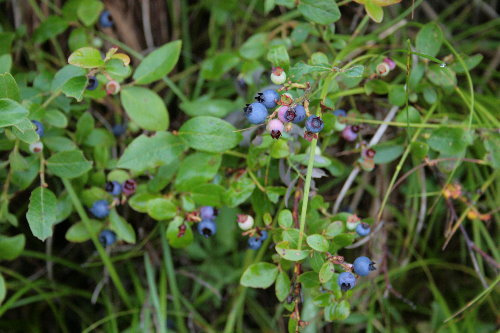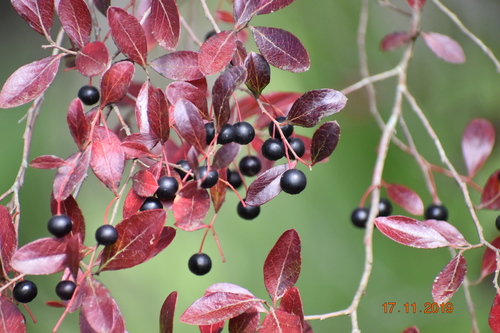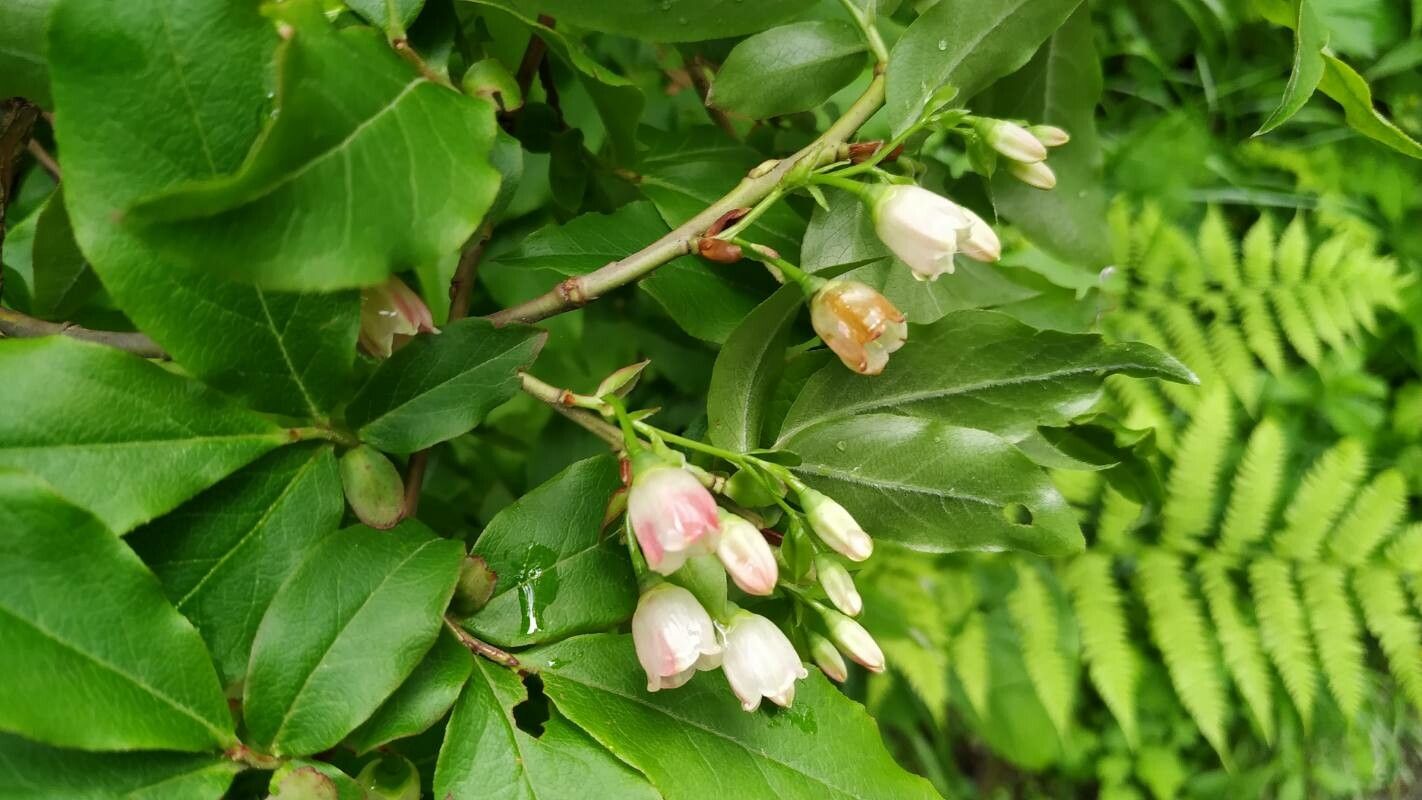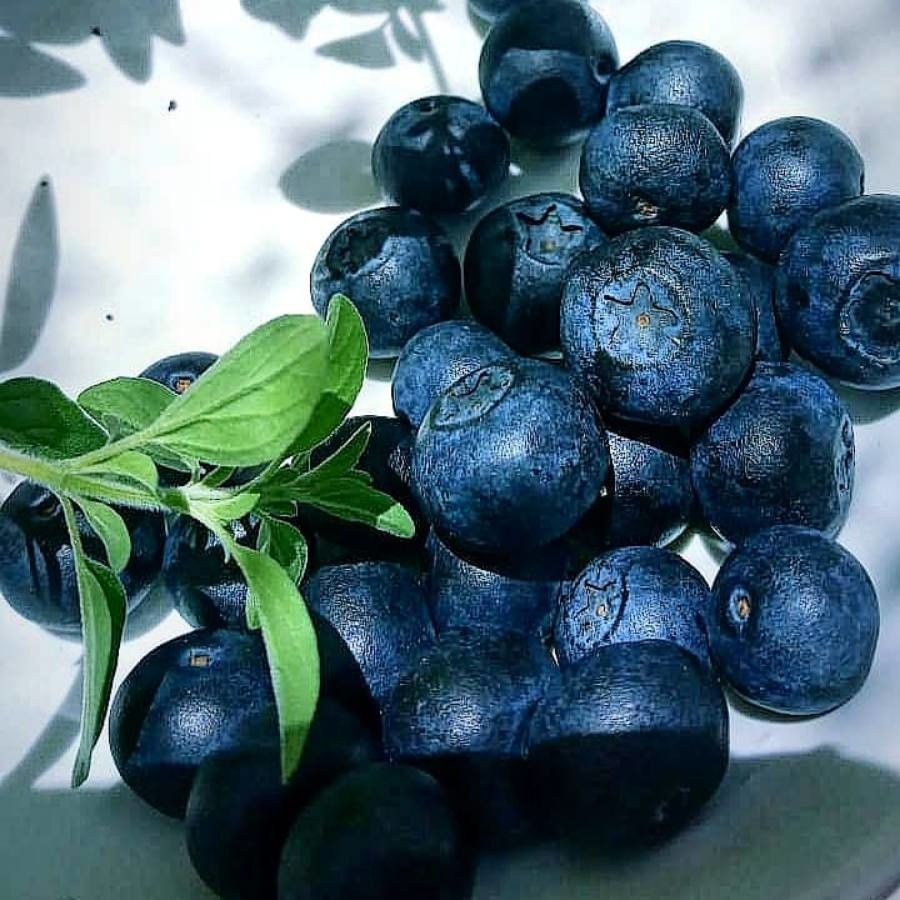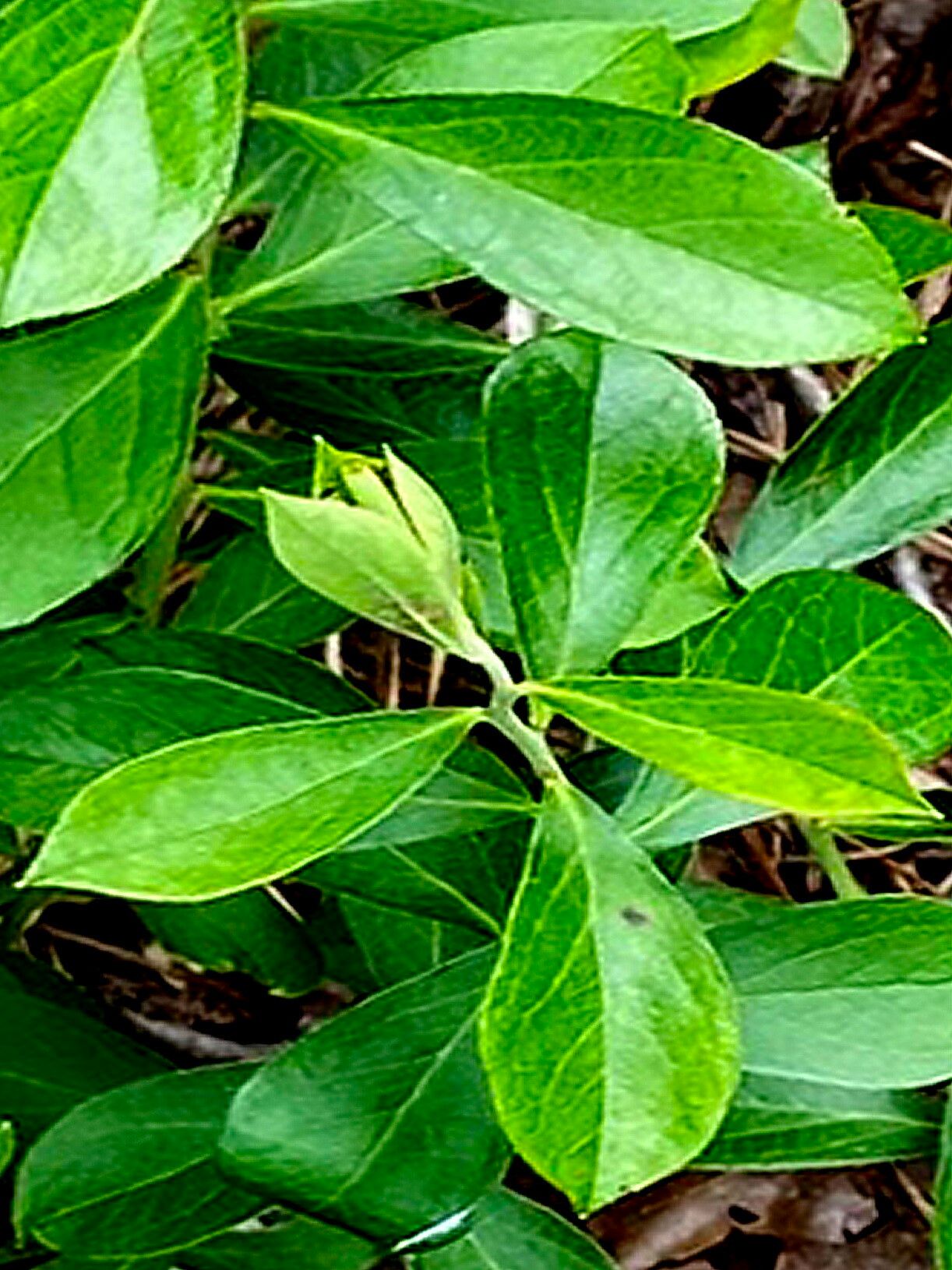
Vaccinium tenellum, also known as the small black blueberry or southern blueberry, is a plant species native to the southeastern United States from southeastern Mississippi to northern Florida to southern Virginia. It grows in forests and in shrubby areas at elevations up to 656 ft.
Lowbush blueberry has strong disease resistance and is generally not susceptible to diseases. In terms of care, this plant is relatively low-maintenance. When planted outdoors it requires minimal watering, and larger plants typically do not need pruning. However, smaller plants should be pruned after they have finished blooming. Lowbush blueberryt is suitable for anyone with outdoor space, such as a garden or deck, and does not require much care experience.
How to keep Vaccinium Tenellum.
Light
The lowbush blueberry tends to flourish most in areas with plenty of light, as its growth is closely related to a wealth of illumination. The plant particularly thrives during its fruit-bearing stage when it receives a lot of sun. Naturally found in environments with abundant sunlight, the lowbush blueberry can adapt to places with less exposure to light. Nevertheless, lack of sufficient light may impede its development or fruit yield, and overly intense sunlight could lead to plant distress.
Temperature
Lowbush blueberries naturally grow in the chilly temperate areas of North America. They thrive in temperature conditions between 32 and 90℉ (0 to 32 ℃). They need a partially shaded environment and sufficient soil moisture when located in warmer climates. For optimal dormancy and maximum fruit yield, winter temperatures between 10 and 20 ℉ (-12 to -6 ℃) are perfect.
Fertilizer
The Lowbush blueberry plant necessitates adequate nutrients for ideal fruit yield. The early spring season is ideal for fertilizing to stimulate new growth and blossom formation. Consistent fertilization aids in maintaining the plant's health, enhancing the taste of its fruits, and avoiding nutrient scarcity problems such as yellowing leaves and subpar fruit yield.
Pot & Repot
When you're transplanting a Lowbush blueberry, opt for a container that is 1-2 inches (2.5-5 cm) bigger and has sufficient drainage. Employ a potting mixture that drains well. Carry out the repotting during spring or autumn, making sure the root ball is a tad lower than the flower pot's edge. After repotting, water it generously and situate it in a warm location with indirect sunlight.
Botanical profile.
- Plant Type
- Shrub
- Life Cycle
- Perennial
- Genus
- Vaccinium
- Family
- Ericaceae
- Hardiness Zone
- 2-8
- Mature Height
- 5 cm to 61 cm
- Mature Spread
- 61 cm
- Leaf Color
- Green
- Leaf Type
- Deciduous
- Flower Color
- White
- Flower Size
- 0.51 cm to 0.51 cm
- Bloom Time
- Late spring, Early summer
- Planting Time
- Spring
- Harvest Time
- Mid summer