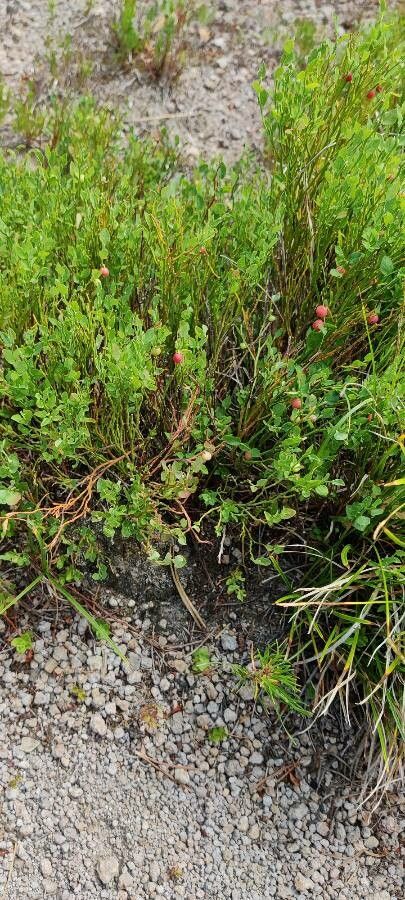
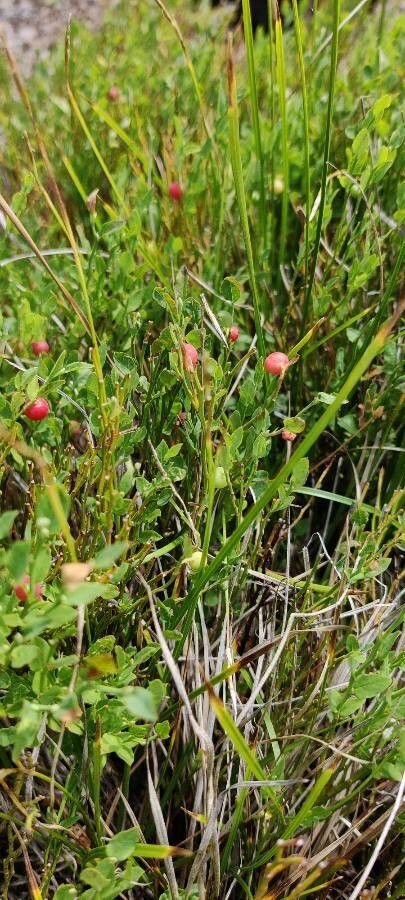
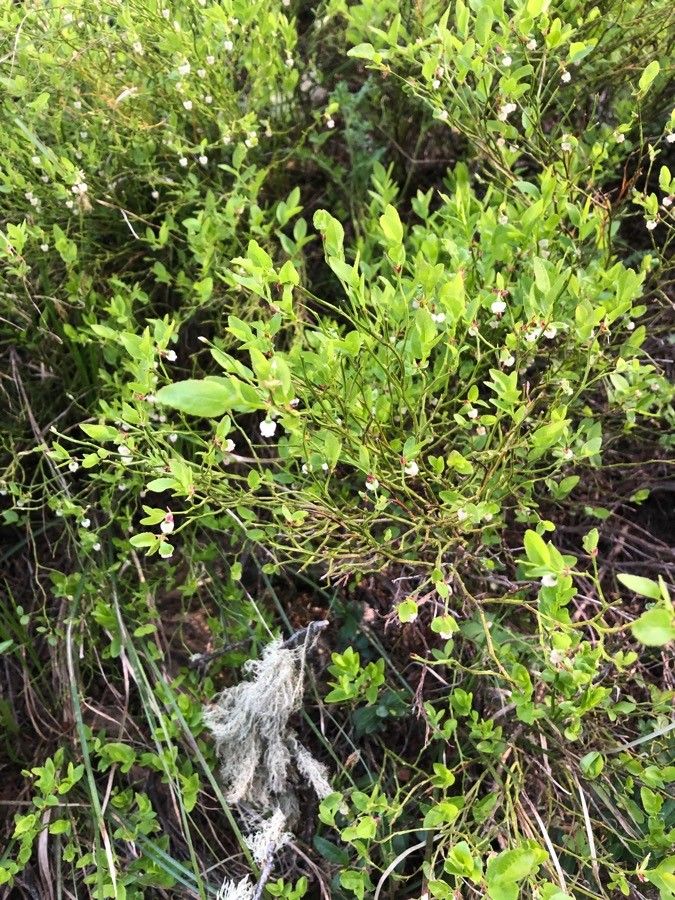
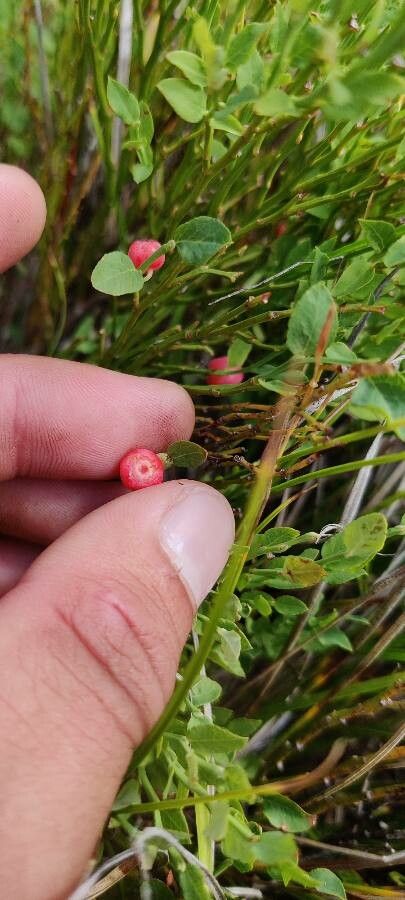
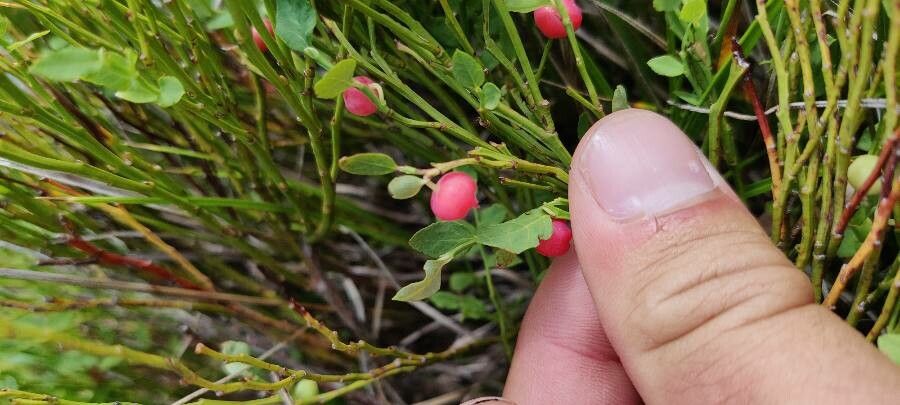
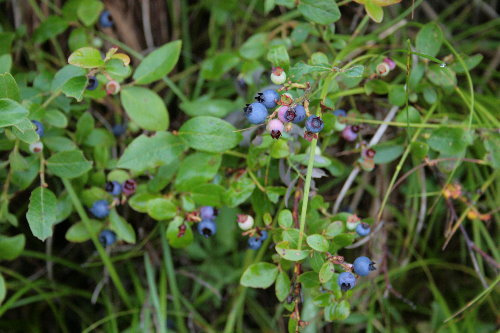
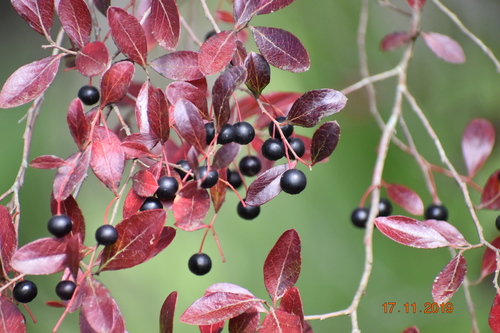
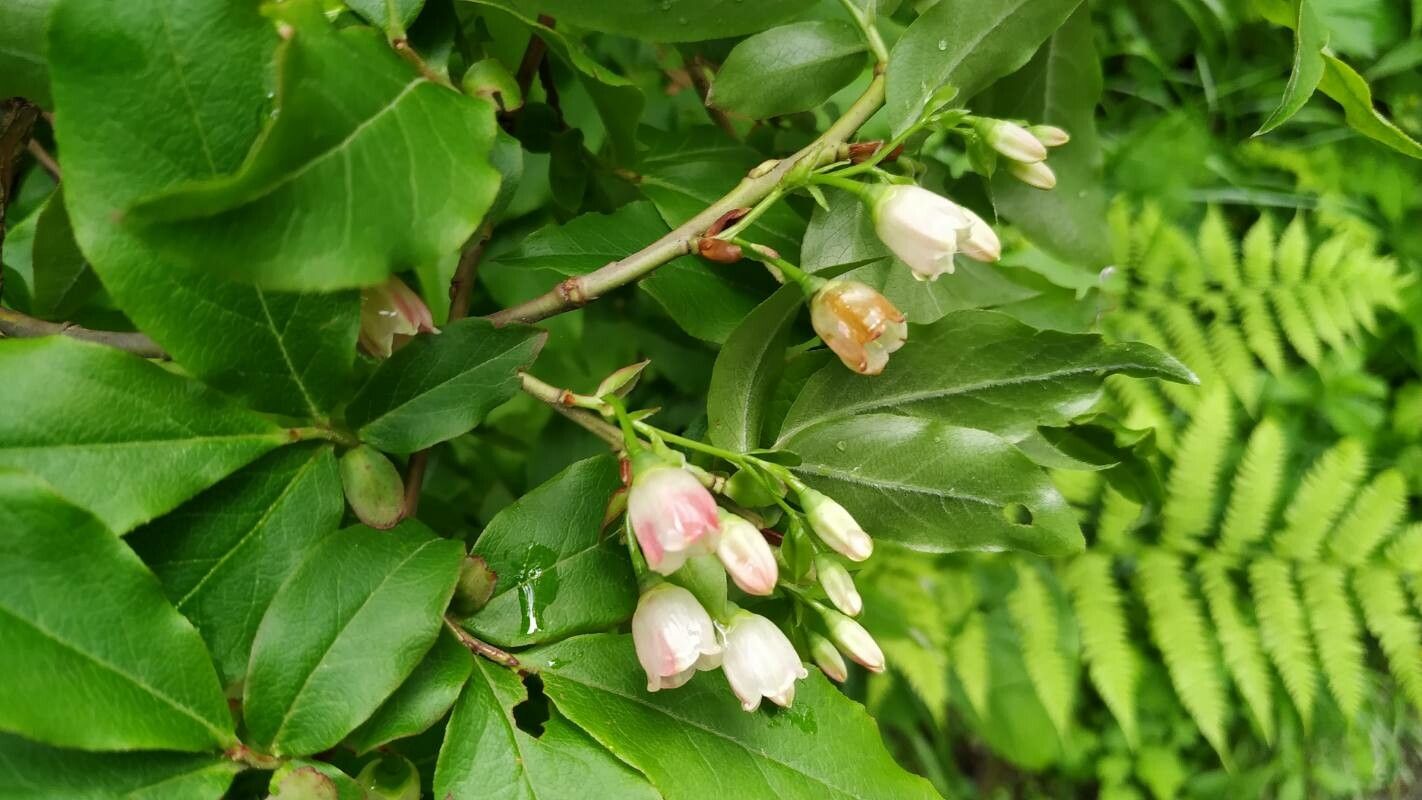
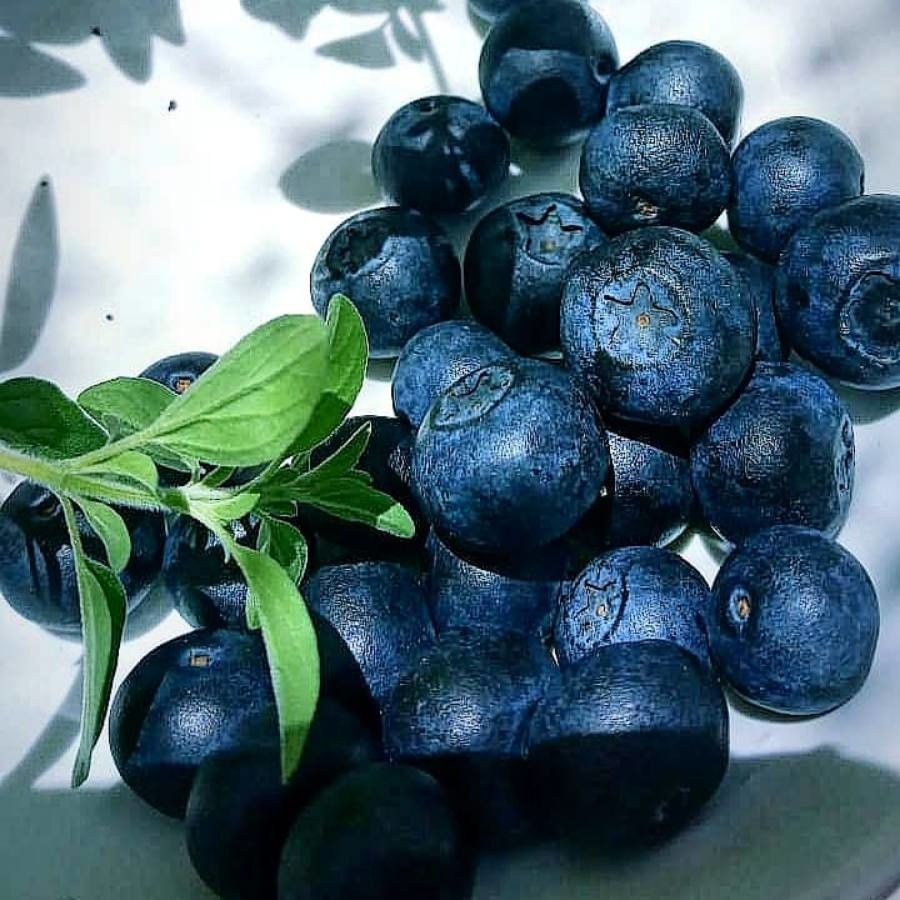
Vaccinium scoparium is a species of huckleberry known by the common names grouse whortleberry, grouseberry, and littleleaf huckleberry. It is native to western North America, primarily in the Rockies, Cascades, and Black Hills from British Columbia and Alberta south to far northern California to Colorado and New Mexico, and east to South Dakota. It grows in mountain habitat such as forests, meadows, and talus, occurring in subalpine and alpine climates at elevations of 700 to 3000 meters (2,333 - 10,000 feet. It is a common understory plant in many forested regions of the Rocky Mountains, being common to abundant in some areas.
Grouse whortleberry is disease-resistant and typically not susceptible to illnesses. As for care, this plant is fairly low-maintenance. Planted outdoors, it needs only light watering, and larger plants generally do not require pruning. Smaller plants, however, should be pruned after they finish blooming. Grouse whortleberryt is appropriate for anyone with an outdoor area, such as a garden or deck, and does not demand much gardening experience.
How to keep Vaccinium Scoparium.
Light
The grouse whortleberry mainly prospers in full sun, which promotes vigorous growth. It can, however, generally adjust to sites where sunlight is not present all day. Its requirement for light remains fairly constant throughout its life stages. Both excessive and insufficient exposure can impede optimal growth. In its native range it is typically found in sunny habitats.
Water
The grouse whortleberry, native to mountain regions, thrives best in soil that has a good balance of moisture retention and drainage. It is moderately drought-tolerant and benefits from watering every three weeks for optimal growth. When grown outdoors, this plant prefers cooler temperatures and relies on natural rainfall for adequate hydration, helping to prevent overwatering.
Temperature
Grouse whortleberry originates from climates where temperatures range from 32 to 90°F (0 to 32°C). In warmer months, providing shade may be necessary to preserve those cooler temperatures. Adapting grouse whortleberry to colder regions may be difficult.
Fertilizer
Apply fertilizer to your Grouse whortleberry in early spring to encourage healthy growth. Regular feeding boosts overall health, producing vigorous growth, improved tolerance of harsh conditions, and increased resistance to diseases and pests. Adhere to a consistent fertilization schedule for your Grouse whortleberry to keep foliage bright with deep color and a lush appearance.
Pruning
The grouse whortleberry is a low-growing plant that forms a mat and produces bright red berries. To ensure healthy growth and abundant berry production, it is important to prune the plant in early spring. Focus on removing weak stems to improve air circulation. Always use clean, sharp tools to minimize the risk of disease.
Botanical profile.
- Plant Type
- Shrub
- Life Cycle
- Perennial
- Genus
- Vaccinium
- Family
- Ericaceae
- Hardiness Zone
- 3-7
- Mature Height
- 15 cm to 52 cm
- Mature Spread
- 20 cm to 40 cm
- Leaf Color
- Green, Dark Green
- Leaf Type
- Deciduous
- Flower Color
- Pink
- Flower Size
- 2.54 cm
- Bloom Time
- Mid spring, Late spring
- Planting Time
- Summer, Autumn
- Harvest Time
- Mid summer, Late summer, Early fall
Other names.
Reader questions.
What are the sunlight requirements for Grouse Whortleberry?
Grouse Whortleberry requires full sun exposure to thrive, which means it needs more than 6 hours of sunlight daily. However, it can also adapt to partial sun conditions, receiving about 3-6 hours of sunlight. It's essential to observe the movement of sunlight in your garden to find the ideal balance of light and shade for the plant, ensuring it receives the appropriate amount of sunlight for optimal growth.
What are the ideal climate conditions for growing Grouse whortleberry?
Grouse whortleberry thrives in climates where temperatures range from 32 to 90°F (0 to 32°C). To ensure the plant maintains cooler temperatures during the warmer months, providing shade may be necessary. Despite its high tolerance for cold, adapting this plant to colder regions can be challenging. It does not require additional frost protection measures in winter. However, it is advisable to water the plant generously before the first freeze in autumn to keep the soil moist. This preparation helps to prevent drought and water scarcity for the plant during the winter and early spring.
How do essentials like artificial lighting affect the growth of Grouse Whortleberry?
While Grouse Whortleberry thrives under the full exposure of the sun, in situations where natural sunlight is insufficient, artificial lighting can be a beneficial alternative to support its growth. Indoor plants, for instance, may require artificial lights, especially during winter or in less sunny spaces. LED lights are recommended because they can be tailored to provide specific wavelengths needed by the plant. Full sun plants should receive 30-50W/sq ft of artificial light, partial sun plants 20-30W/sq ft, and full shade plants 10-20W/sq ft. The light source should be placed 12-36 inches above the plant for 8-12 hours per day to mimic natural light conditions.
How does Grouse whortleberry respond to low temperatures?
Grouse whortleberry is highly resistant to cold and can tolerate winter temperatures above -35°C. If temperatures drop below this threshold, there may not be any noticeable damage during winter; however, in spring, the plant's branches may become brittle, dry, and fail to produce new shoots. To mitigate this, it is recommended to prune any dead branches that haven't produced new leaves in the spring.
What symptoms indicate that Grouse Whortleberry is receiving too much or too little sunlight?
Grouse Whortleberry may show various symptoms when it doesn't receive the optimal amount of sunlight. Too little sunlight can lead to small leaves, leggy or sparse growth, faster leaf drop, slower or no new growth, lighter-colored new leaves indicating a lack of chlorophyll, and chlorosis, where leaves turn yellow. On the other hand, excessive sunlight can cause sunscald, with pale or necrotic areas on leaves, leaf curling as a defense against sunlight exposure, wilting due to increased water loss, and leaf scorching, characterized by brown, dry edges on leaves. These symptoms reflect the plant's struggle with improper light conditions.
What should I do if my Grouse whortleberry is exposed to high temperatures?
Grouse whortleberry struggles with high temperatures, especially when they exceed 32°C, leading to significant leaf drop or, in severe cases, the death of the plant. If exposed to high temperatures, trim away the sunburned and dried-up parts of the plant. Relocate the plant to a shadier spot or use a shade cloth to protect it from the midday and afternoon sun. Ensure the plant is watered in the morning and evening to keep the soil consistently moist.
What solutions can help Grouse Whortleberry adjust to the proper sunlight exposure?
To ensure Grouse Whortleberry receives appropriate sunlight, for indoor settings, gradually move plants to a sunnier location each week until they reach at least 6 hours of direct sunlight daily, utilizing a south-facing window for maximum exposure. Use artificial light sources like desk lamps or professional grow lights for at least 8 hours a day if the plant can’t be moved easily. For outdoor plants, it's crucial to adapt them gradually to sunnier spots to avoid shock and sunburn. Removing obstructions such as branches or leaves can help increase sunlight access. If necessary, transplanting smaller plants during their dormant period to a brighter location can also improve their light exposure. Affected parts might not recover, but new growth will be healthy with adequate light adjustment.