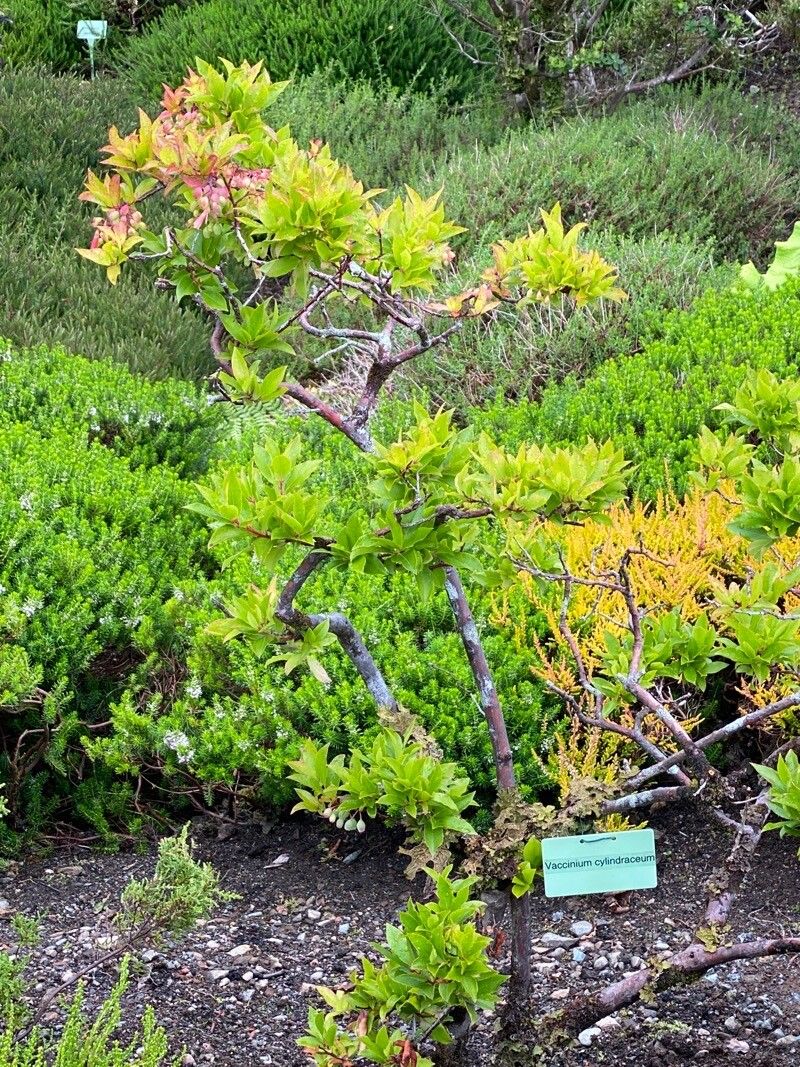
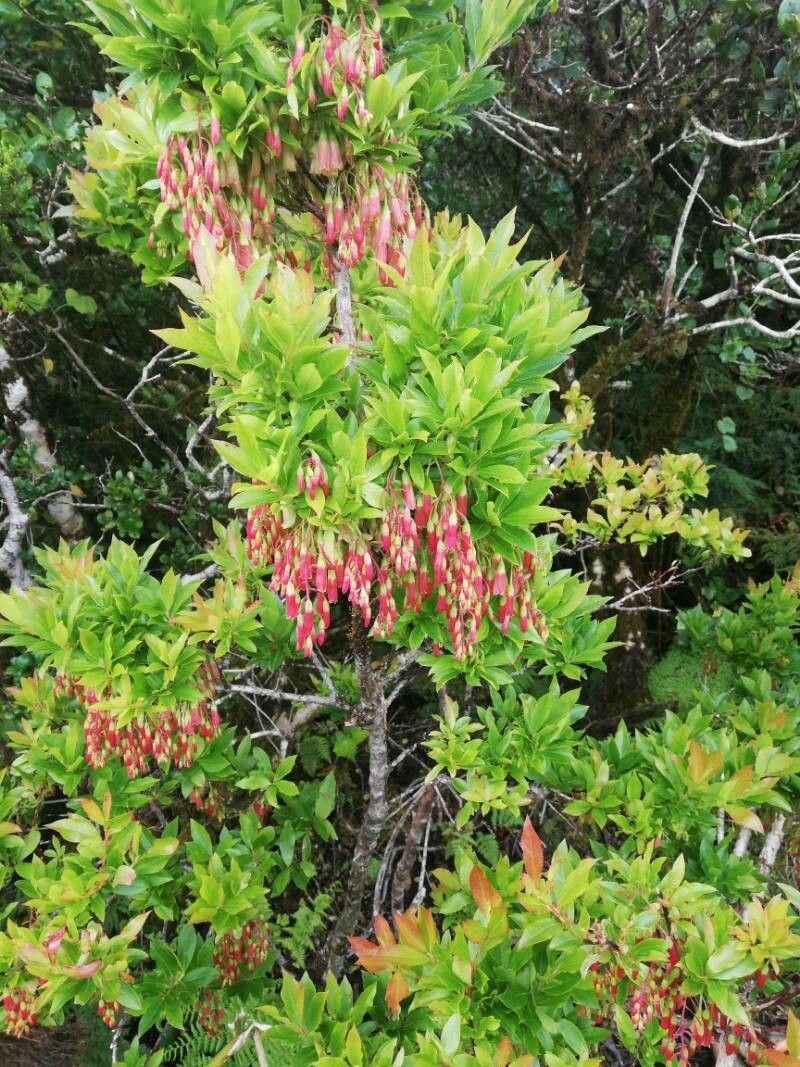
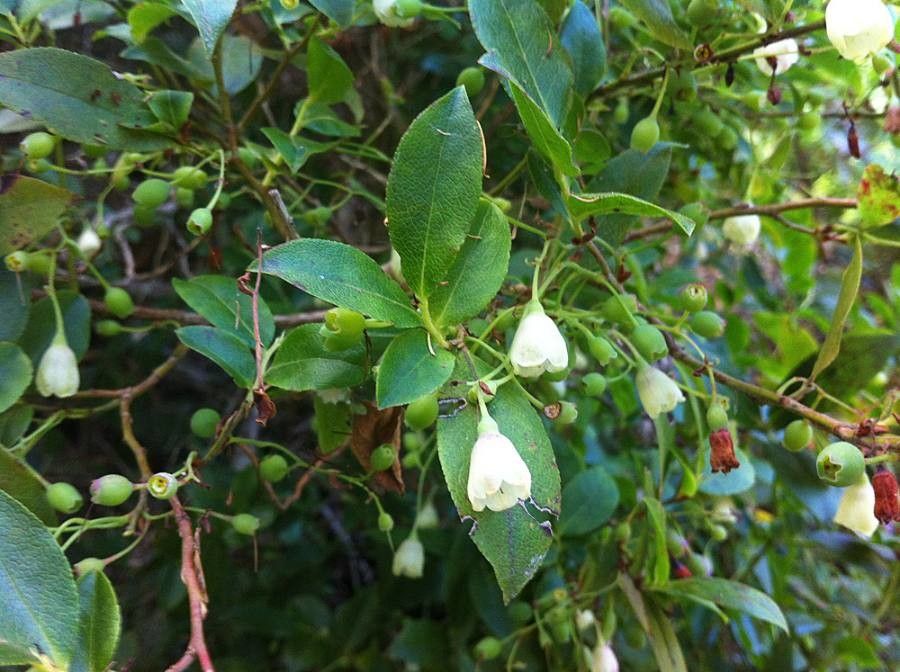
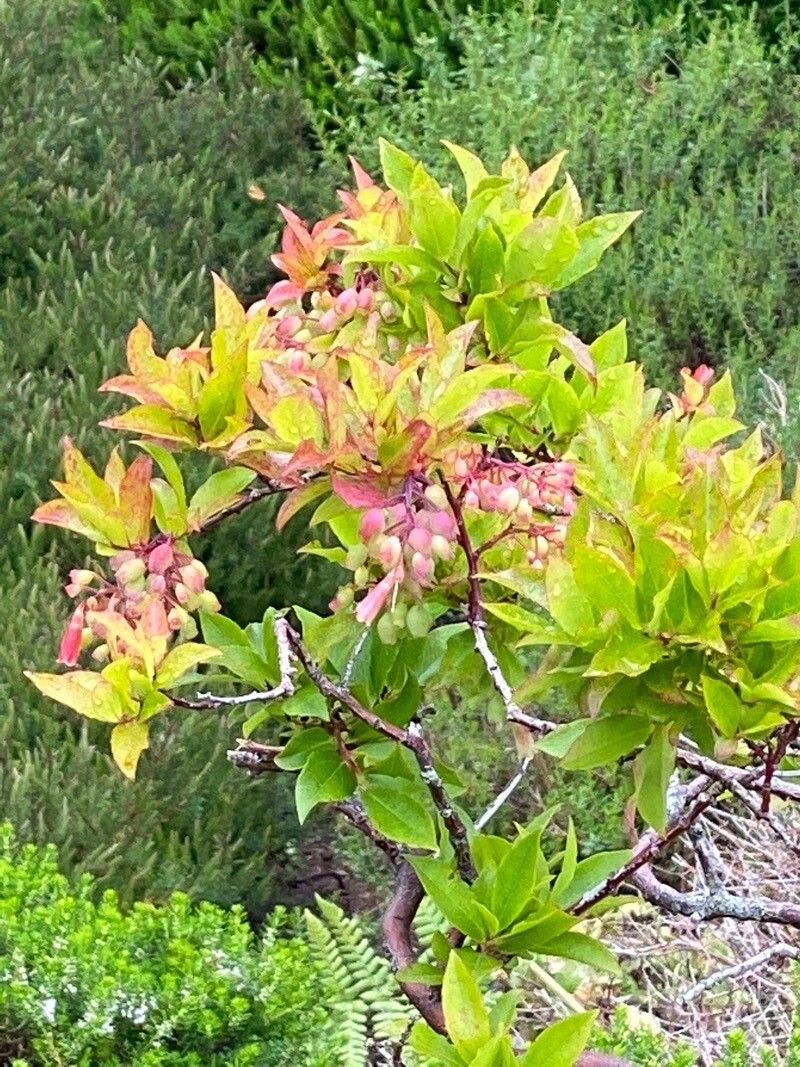
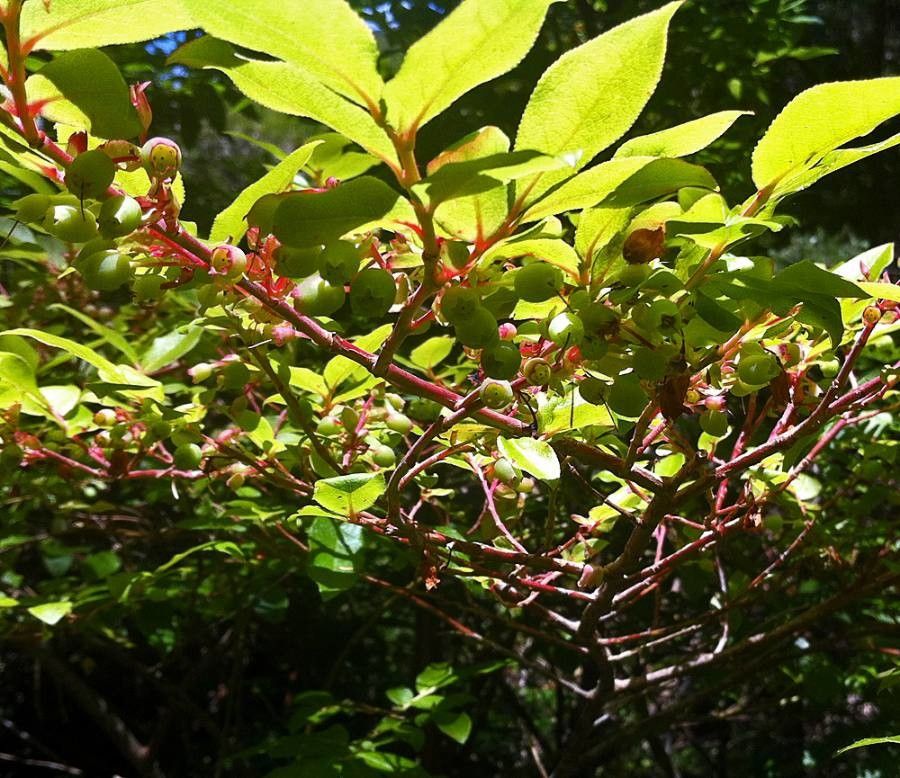
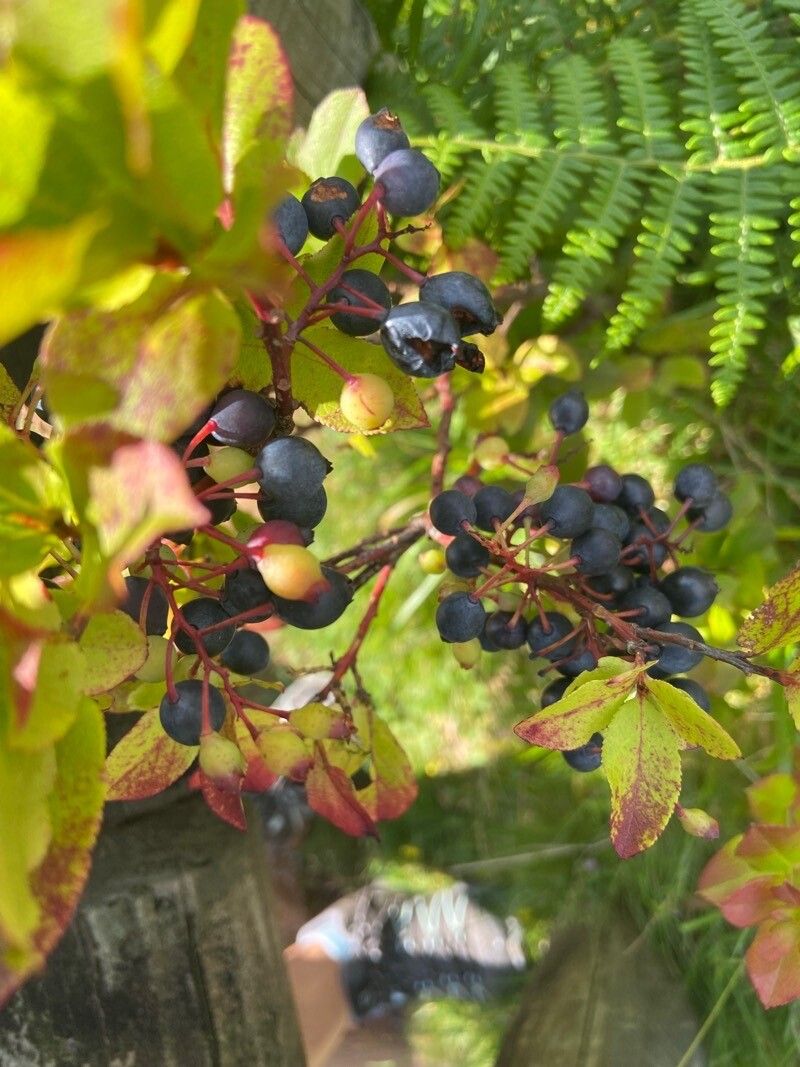
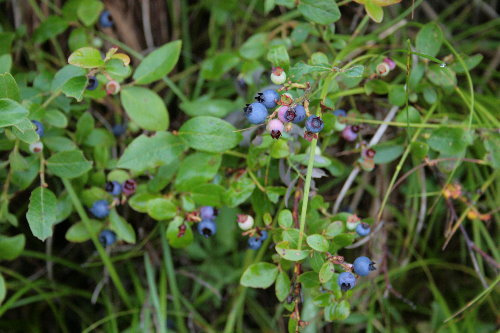
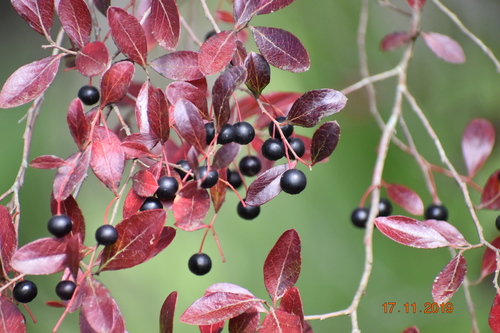
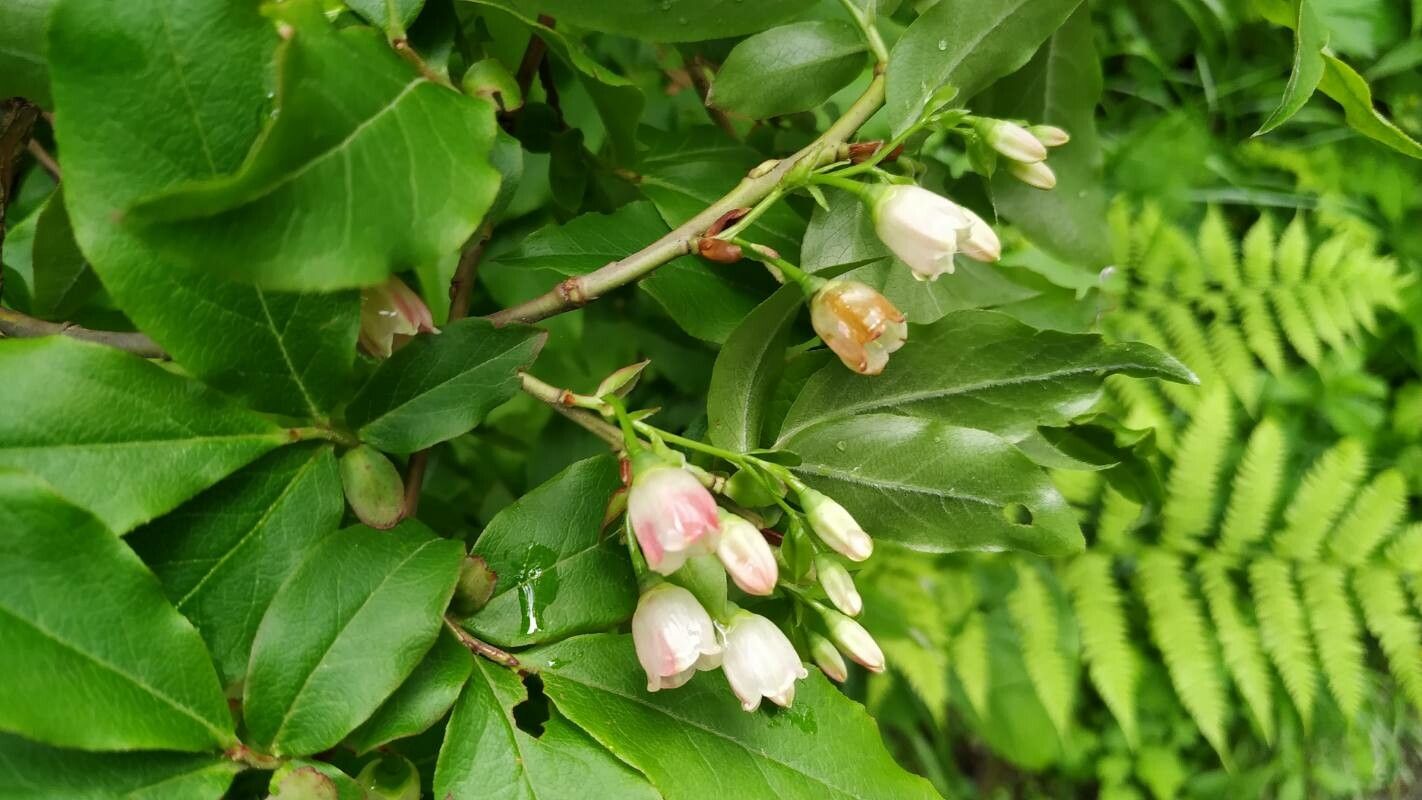
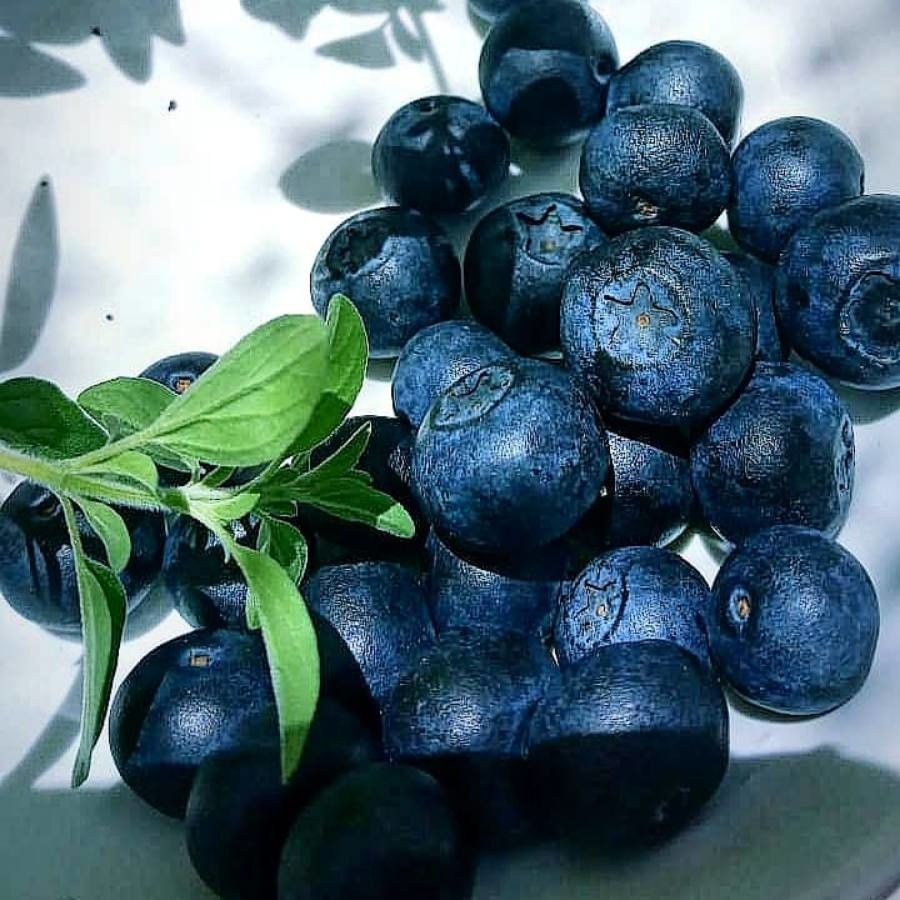
Vaccinium cylindraceum, known by its common names such as Azores blueberry, (Portuguese: uva-da-serra, uva-do-mato) is a semi-deciduous species of Vaccinium endemic to the Azores. It has gained the Royal Horticultural Society's Award of Garden Merit as an ornamental.
The Azores blueberry demonstrates strong resistance to disease and is generally not susceptible to illnesses. In terms of care, this plant is fairly low-maintenance. When grown outdoors it needs only light watering, and larger plants typically do not require pruning. Smaller plants, however, should be pruned after they finish blooming. The Azores blueberry is appropriate for anyone with outdoor space, such as a garden or deck, and does not demand extensive plant-care experience.
How to keep Vaccinium Cylindraceum.
Light
Azores blueberry is native to habitats like forest understories and rocky areas, where it occurs in natural shade. It prefers partial sun but can adapt to full sun or full shade, demonstrating its versatile and hardy nature.
Temperature
Azores blueberry shows strong adaptability to a variety of climate conditions, whether facing blistering summers or frosty winters. Still, it has an optimal temperature range for growth. If temperatures rise too much, the plant becomes susceptible to heat and humidity stress, which can cause it to die. In places where temperatures approach the lower edge of its cold tolerance, taking insulating measures to protect the plant is necessary.
Fertilizer
The Azores blueberry plant needs adequate nutrients to achieve the best fruit production. Apply fertilizer in early spring to support new growth and flower development. Regular feeding keeps the plant healthy, helps it produce tastier fruit, and prevents nutrient deficiency problems like yellowing leaves and poor fruit production.
Pruning
The Azores blueberry is a shrub that features bell-shaped flowers and produces edible blue-black berries. To maintain its health and boost fruit yield, it is advisable to prune the plant regularly in early spring. This process involves removing dead branches and enhancing air circulation. Performing annual pruning helps ensure that the plant remains vigorous and maximizes berry production.
Botanical profile.
- Plant Type
- Shrub
- Life Cycle
- Perennial
- Genus
- Vaccinium
- Family
- Ericaceae
- Hardiness Zone
- 7-9
- Mature Height
- 1.52 m
- Mature Spread
- 91 cm
- Leaf Color
- Green
- Leaf Type
- Evergreen
- Flower Color
- Pink, White
- Flower Size
- 0.76 cm to 1.27 cm
- Bloom Time
- Mid spring, Late spring
- Planting Time
- Spring, Summer
- Harvest Time
- Mid summer, Late summer, Early fall
Other names.
Reader questions.
What is the Azores blueberry?
The Azores blueberry, scientifically known as Vaccinium cylindraceum, is a species of blueberry native to the Azores. This plant is part of the Vaccinium genus, which includes various berries, such as blueberries and cranberries.