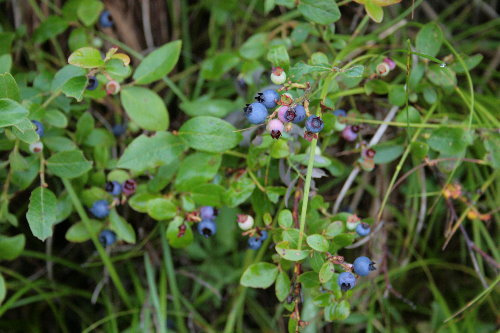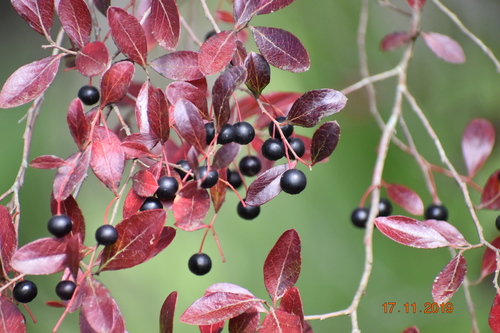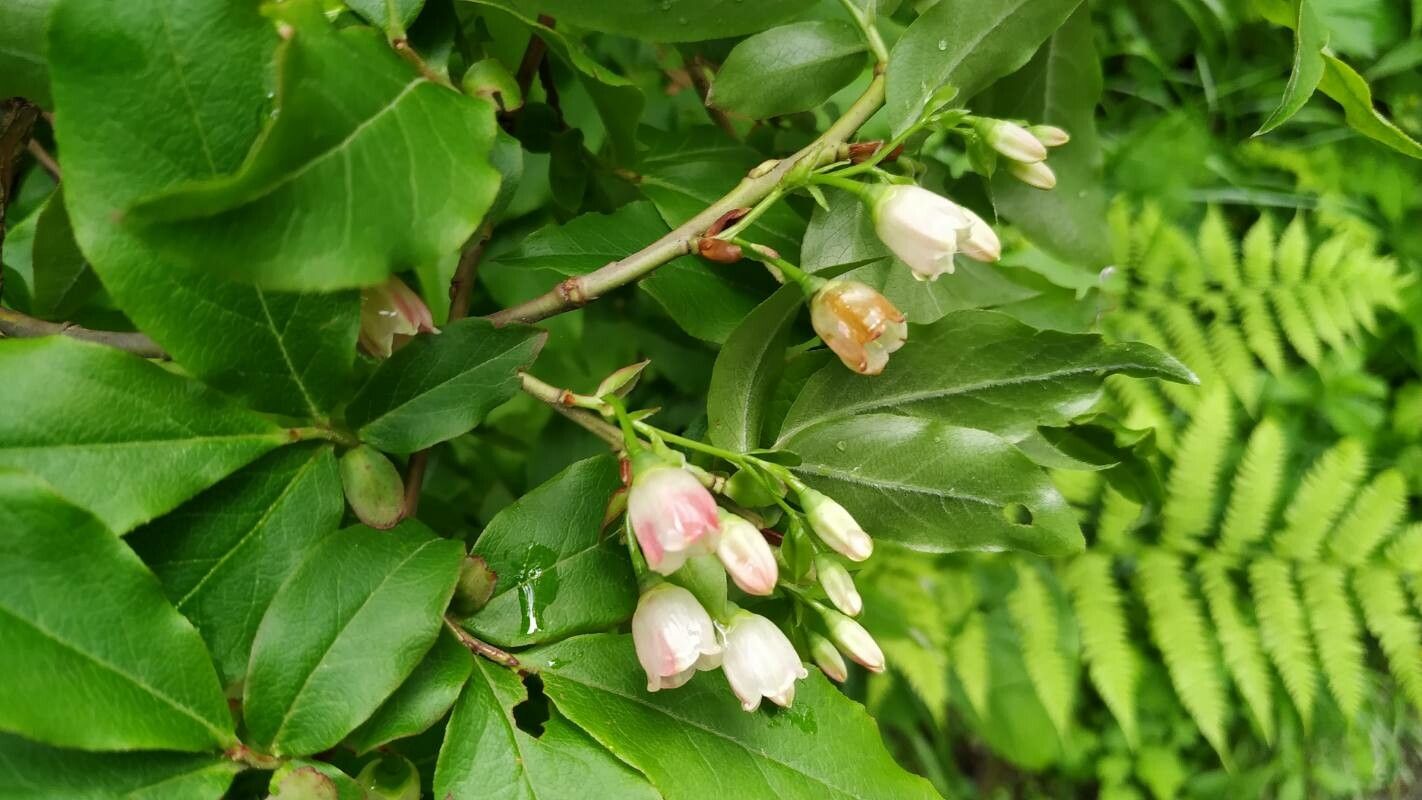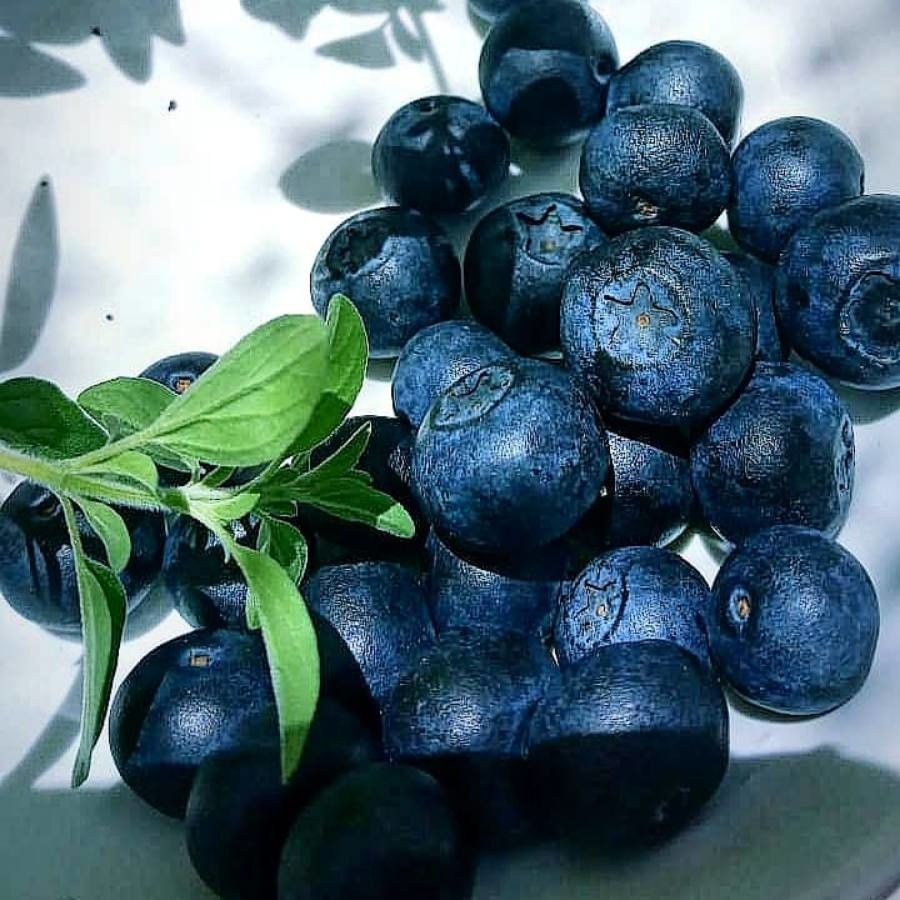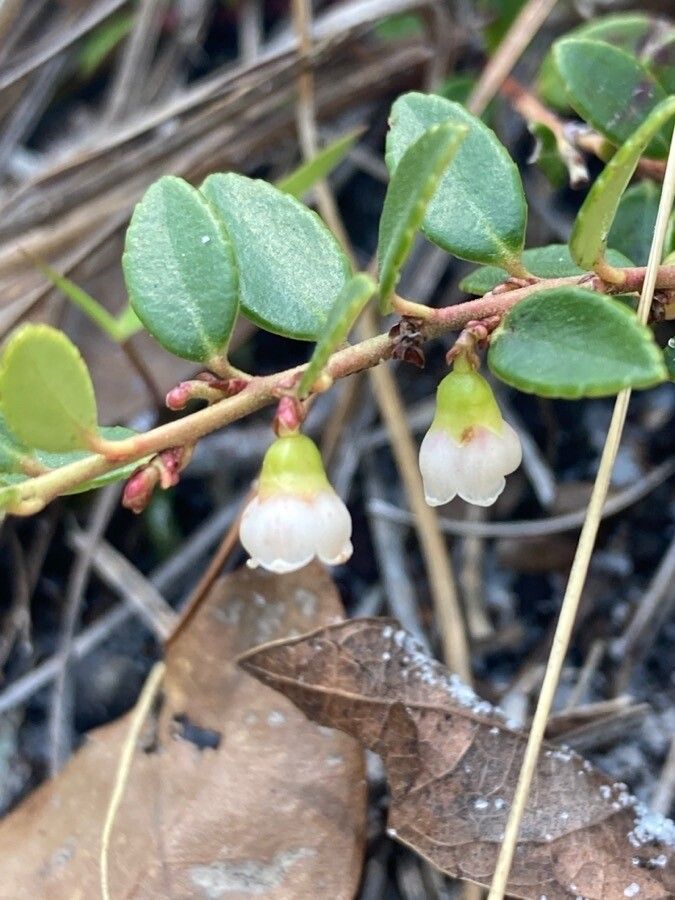
Vaccinium crassifolium, commonly known as the creeping blueberry or thick-leaved blueberry, is an evergreen shrub that belongs to the Ericaceae family. Native to the southeastern United States, it thrives in sandy or rocky soils commonly found in pine forests, savannas, and bogs. This low-growing plant typically reaches 1 to 2 feet in height and spreads 3 to 4 feet wide. Its small, oval-shaped leaves are thick, leathery, and glossy dark green on top with pale green undersides. In winter, the leaves take on a reddish-bronze hue. In early spring, the creeping blueberry produces small, white or pink, bell-shaped flowers, which are followed by edible dark blue berries that ripen from late spring through summer. The berries are sweet with a slightly tart flavor. As an excellent ground cover for gardens, this plant spreads quickly through underground stems known as rhizomes. It prefers acidic soil with good drainage and can tolerate some shade. Historically, Native Americans have used Vaccinium crassifolium for its medicinal properties to treat ailments such as diarrhea, fever, sore throat, and urinary tract infections, due to its antibacterial qualities. Overall, this plant is an attractive addition to any garden. Its evergreen foliage provides year-round interest, and the flowers followed by edible fruit make it both ornamental and functional.
Creeping blueberry is fairly disease-resistant and is generally not susceptible to illnesses. In terms of care, this plant is fairly easy to maintain. When grown outdoors, it needs little watering, and larger plants usually do not require pruning. However, smaller plants should be pruned after they have bloomed. Creeping blueberry is suitable for anyone with outdoor space, such as a garden or a deck, and does not demand much prior care experience.
How to keep Vaccinium Crassifolium.
Light
Creeping blueberry is native to habitats such as forest understories or rocky areas, where it naturally occurs in shade. It prefers partial sun but can adapt to full sun or full shade, showing its versatility and hardiness.
Water
The creeping blueberry thrives in moderate humidity and shows drought tolerance, needing to be watered every 1-2 weeks. Typically grown outdoors, it flourishes during the rainy season by using natural precipitation for its water needs.
Temperature
Creeping blueberry shows strong adaptability to a wide range of climate conditions, from sweltering summers to cold winters. However, it does have an ideal temperature range for growth. If temperatures become too high, the plant is susceptible to heat and humidity stress, which can lead to its death. In areas where temperatures approach the lower limit of its cold tolerance, it is important to provide insulation to protect the plant.
Fertilizer
The Creeping blueberry plant needs adequate nutrients for optimal fruit production. Fertilize in early spring to support new growth and bloom development. Regular fertilization keeps the plant healthy, encourages the growth of more delicious fruit, and prevents nutrient deficiency issues like yellow leaves and poor fruit production.
Pruning
Creeping blueberry is a low-growing, evergreen plant with glossy leaves and bell-shaped flowers. To maintain its health and appearance, it is best to prune the plant between early and late winter. Start by removing any dead branches, and then lightly trim the plant to shape it. Be sure to sterilize your pruning tools before you begin to prevent the spread of disease. Proper pruning enhances air circulation and light exposure, which promotes healthier growth and more vibrant blooms.
Botanical profile.
- Plant Type
- Shrub
- Life Cycle
- Perennial
- Genus
- Vaccinium
- Family
- Ericaceae
- Hardiness Zone
- 6-9
- Mature Height
- 15 cm to 20 cm
- Mature Spread
- 61 cm to 91 cm
- Leaf Color
- Dark Green
- Leaf Type
- Evergreen
- Flower Size
- 2.54 cm
- Bloom Time
- Mid spring, Late spring
- Planting Time
- Spring, Summer, Autumn
- Harvest Time
- Mid summer, Late summer, Early fall
Other names.
Reader questions.
What are the sunlight requirements for a Creeping Blueberry plant?
The Creeping Blueberry, or Vaccinium crassifolium, thrives under specific sunlight conditions. For full sun exposure, it requires more than 6 hours of sunlight daily. Alternatively, for partial sun exposure, about 3-6 hours of sunlight per day is suitable. It's important to observe the way sunlight moves through your garden to identify locations that offer an ideal mix of light and shade, ensuring optimal growth and health for your Creeping Blueberry plants.
What is the botanical name of the Creeping Blueberry?
The botanical name of the Creeping Blueberry is Vaccinium crassifolium. This species is listed under the broader category of blueberry plants, which are known for their edible fruit and ornamental values.