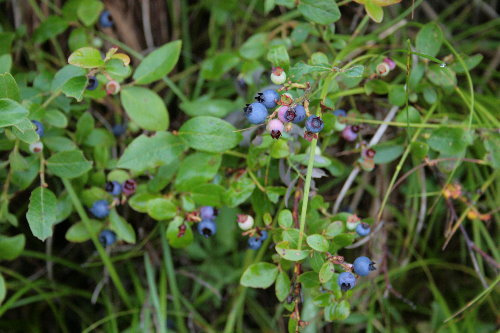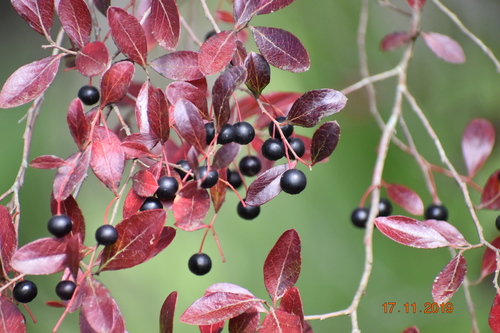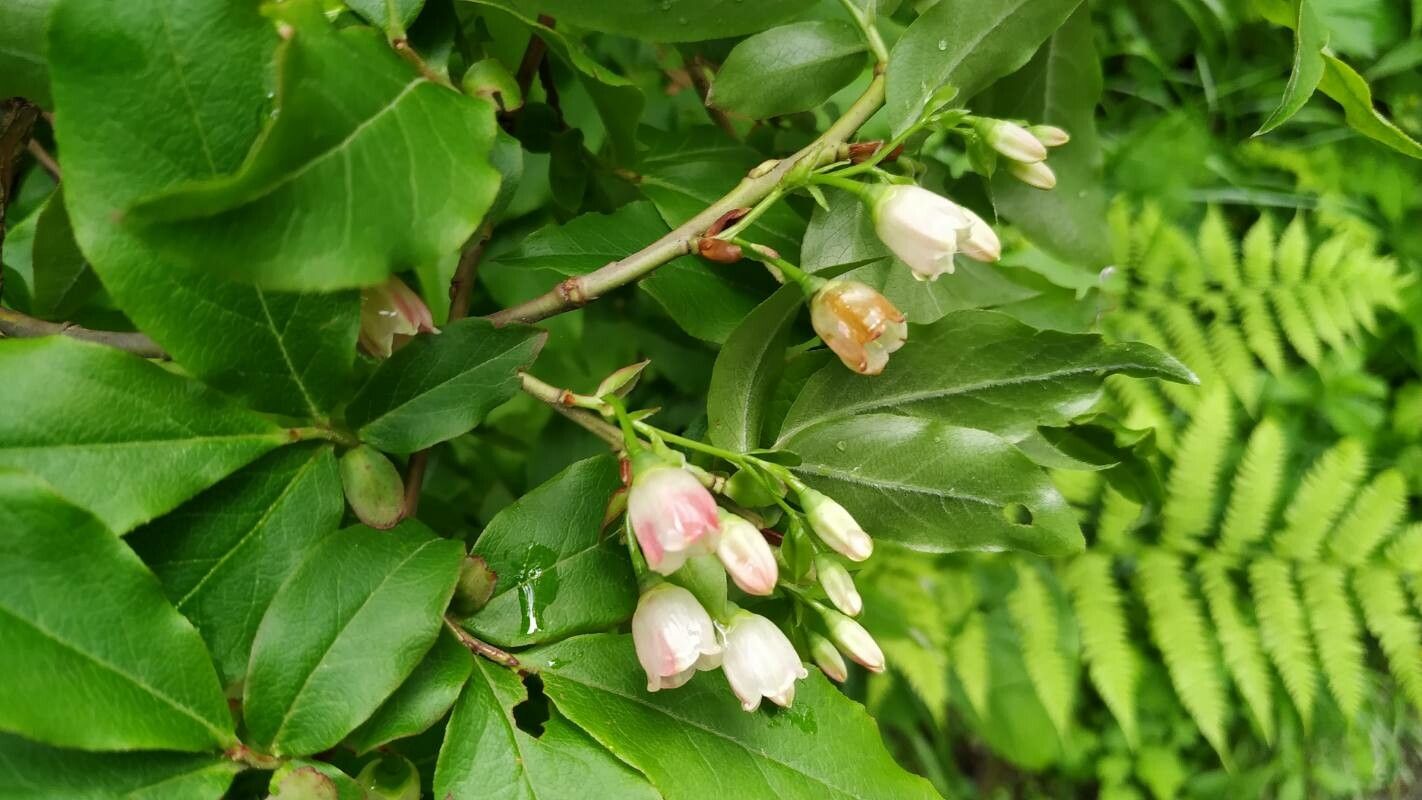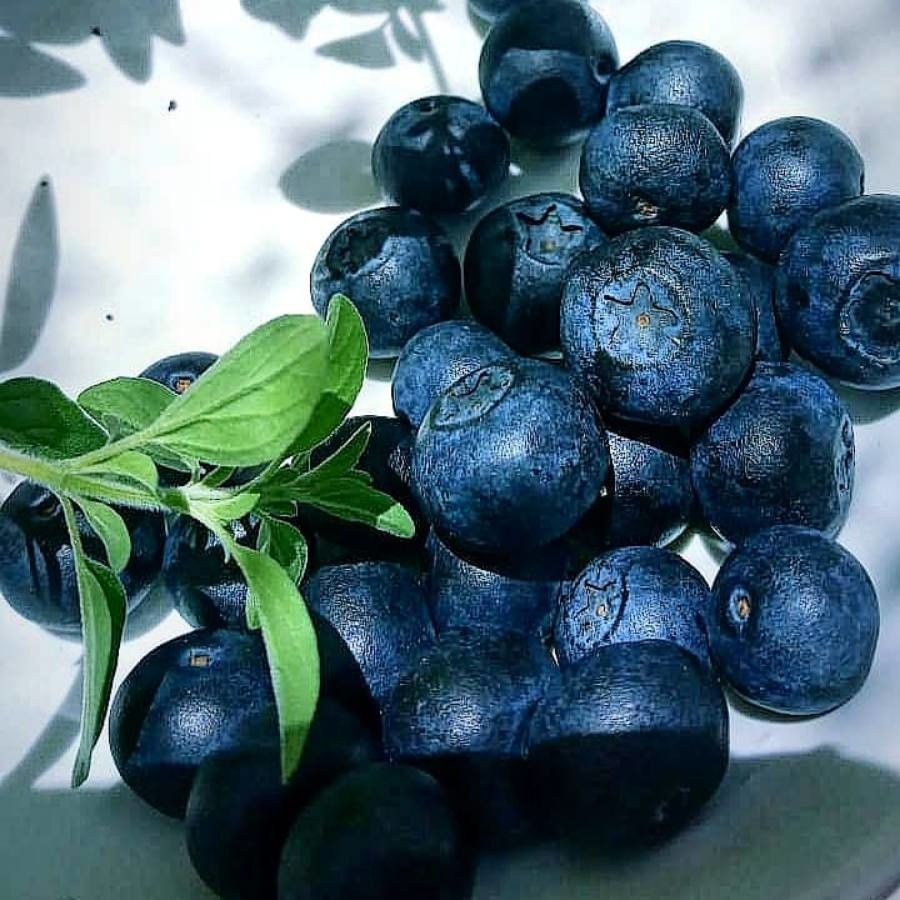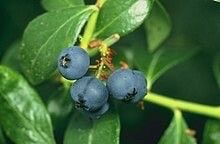
Vaccinium caesariense is a Vaccinium species native to the Eastern United States.
New jersey blueberry has strong resistance to disease and is typically not vulnerable to illnesses. In terms of care, this plant is fairly low-maintenance. When grown outdoors, it needs minimal watering and larger plants usually do not require pruning. Smaller plants, however, should be pruned after they have bloomed. New jersey blueberryt is well suited for anyone with an outdoor area, such as a garden or deck, and does not need extensive care experience.
How to keep Vaccinium Caesariense.
Light
The blueberry plant from New Jersey is native to open settings like sunny fields and the peripheries of forests, where there is plenty of light. It flourishes in areas with full sunlight, while it can still grow in locations with partial sunlight, showing its adaptability to different light conditions.
Water
The New Jersey blueberry is well-suited to different moisture levels and exhibits moderate drought tolerance. It typically requires watering every 2–3 weeks. In temperate climates, when grown outdoors, it benefits from natural rainfall, which often reduces the need for additional watering.
Temperature
The New Jersey blueberry shows impressive flexibility in dealing with a range of weather conditions, from hot summers to freezing winters. Nonetheless, there's an ideal temperature range for its growth. Extreme high temperatures can create stress due to heat and humidity, potentially leading to the plant's death. When temperatures reach the lower edge of the blueberry's tolerance to cold, it becomes necessary to employ insulating actions to safeguard the plant.
Fertilizer
The New Jersey blueberry plant needs adequate nutrients to achieve optimal fruit production. Fertilize in early spring to encourage new growth and bloom development. Regular fertilization keeps the plant healthy, produces more delicious fruit, and prevents nutrient deficiency problems like yellow leaves and poor fruit production.
Pruning
For optimal growth, New Jersey blueberry bushes benefit from annual pruning in early spring, just before new growth begins. The primary goals of pruning are to remove dead branches and thin the plant to improve air circulation, light penetration, and overall health. To achieve clean and precise cuts, it is important to use sharp, well-maintained tools. This practice not only promotes rapid healing and increases fruit production but also reduces the risk of disease.
Botanical profile.
- Plant Type
- Shrub
- Life Cycle
- Perennial
- Genus
- Vaccinium
- Family
- Ericaceae
- Hardiness Zone
- 4-8
- Mature Height
- 0.91 m to 2.13 m
- Mature Spread
- 0.91 m to 1.52 m
- Leaf Color
- Green, Dark Green
- Leaf Type
- Semi-evergreen
- Flower Color
- White
- Flower Size
- 0.51 cm to 1.02 cm
- Bloom Time
- Mid spring, Late spring
- Planting Time
- Spring, Summer, Autumn
- Harvest Time
- Mid summer, Late summer, Early fall