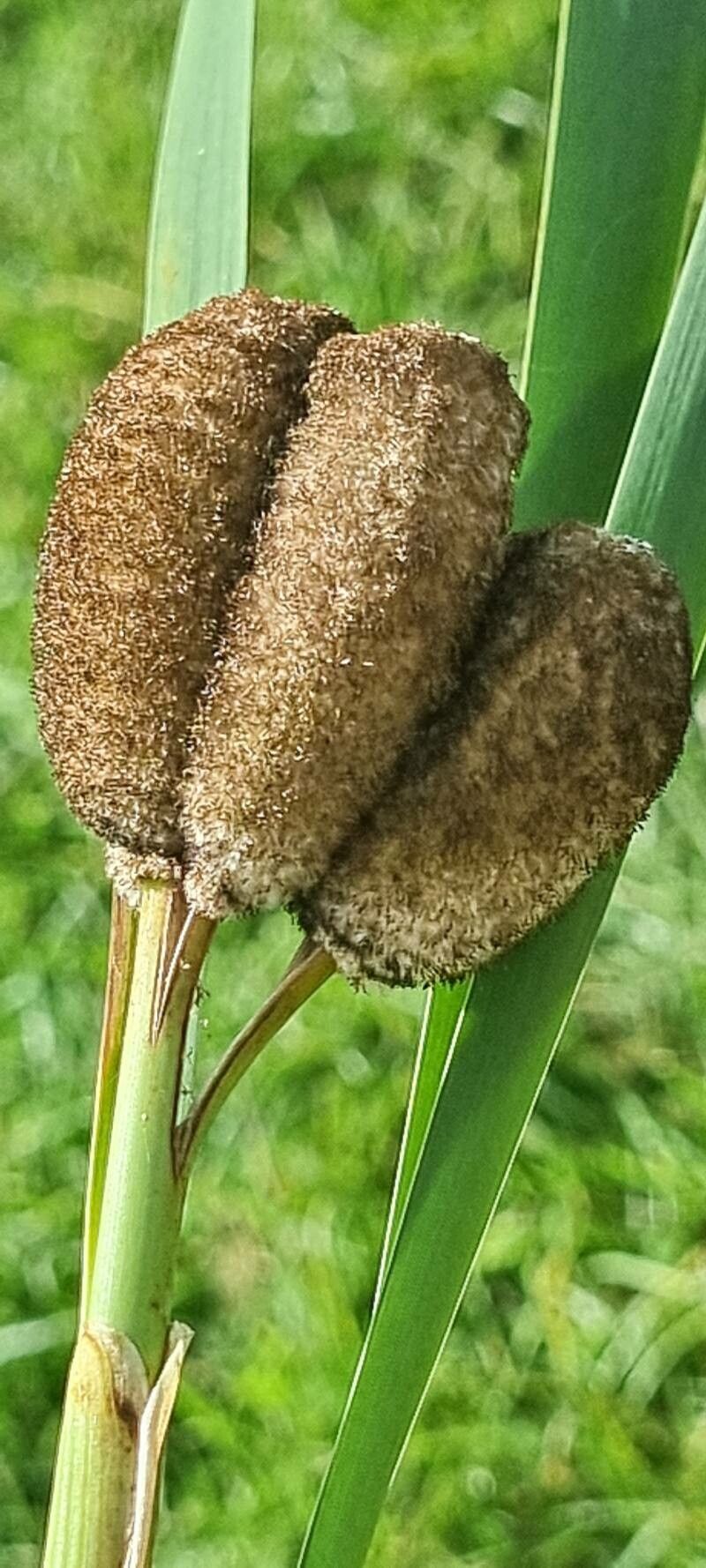
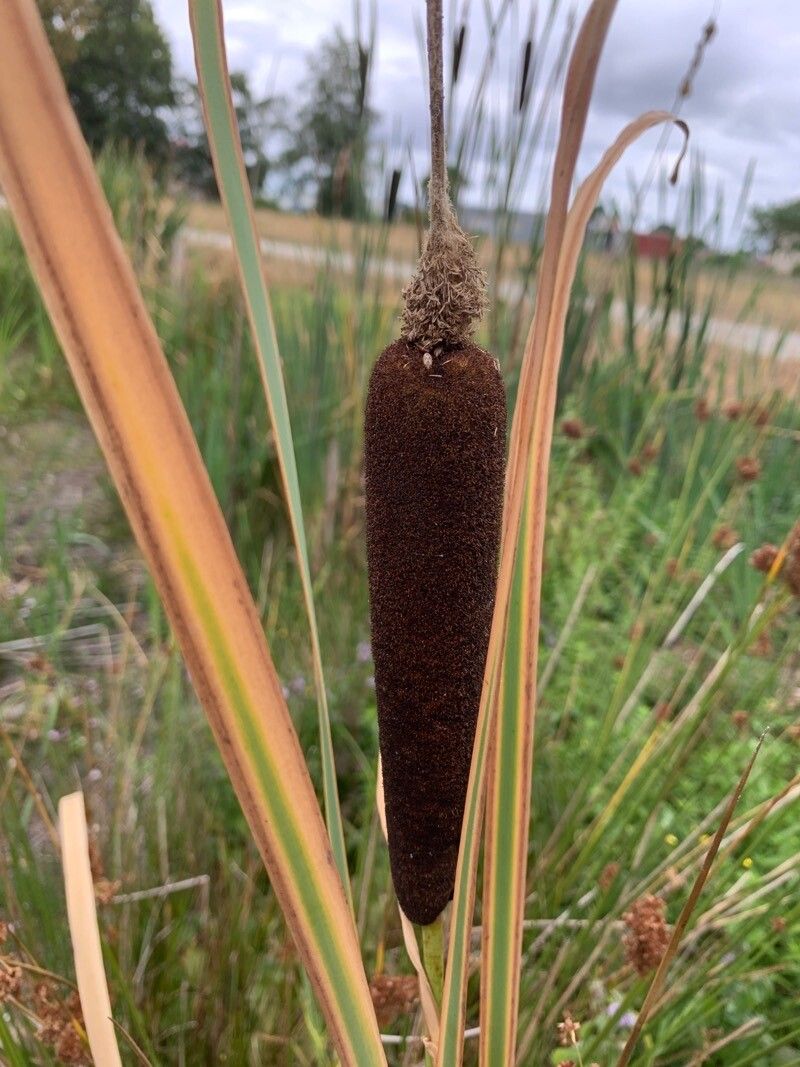
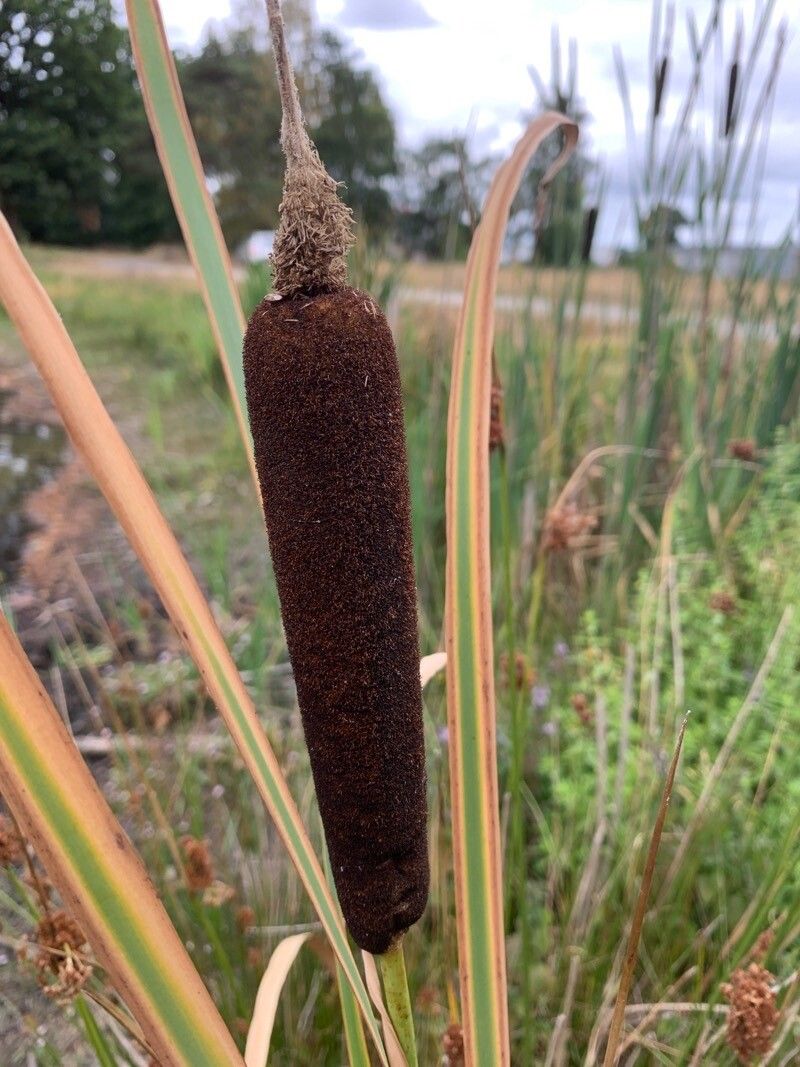
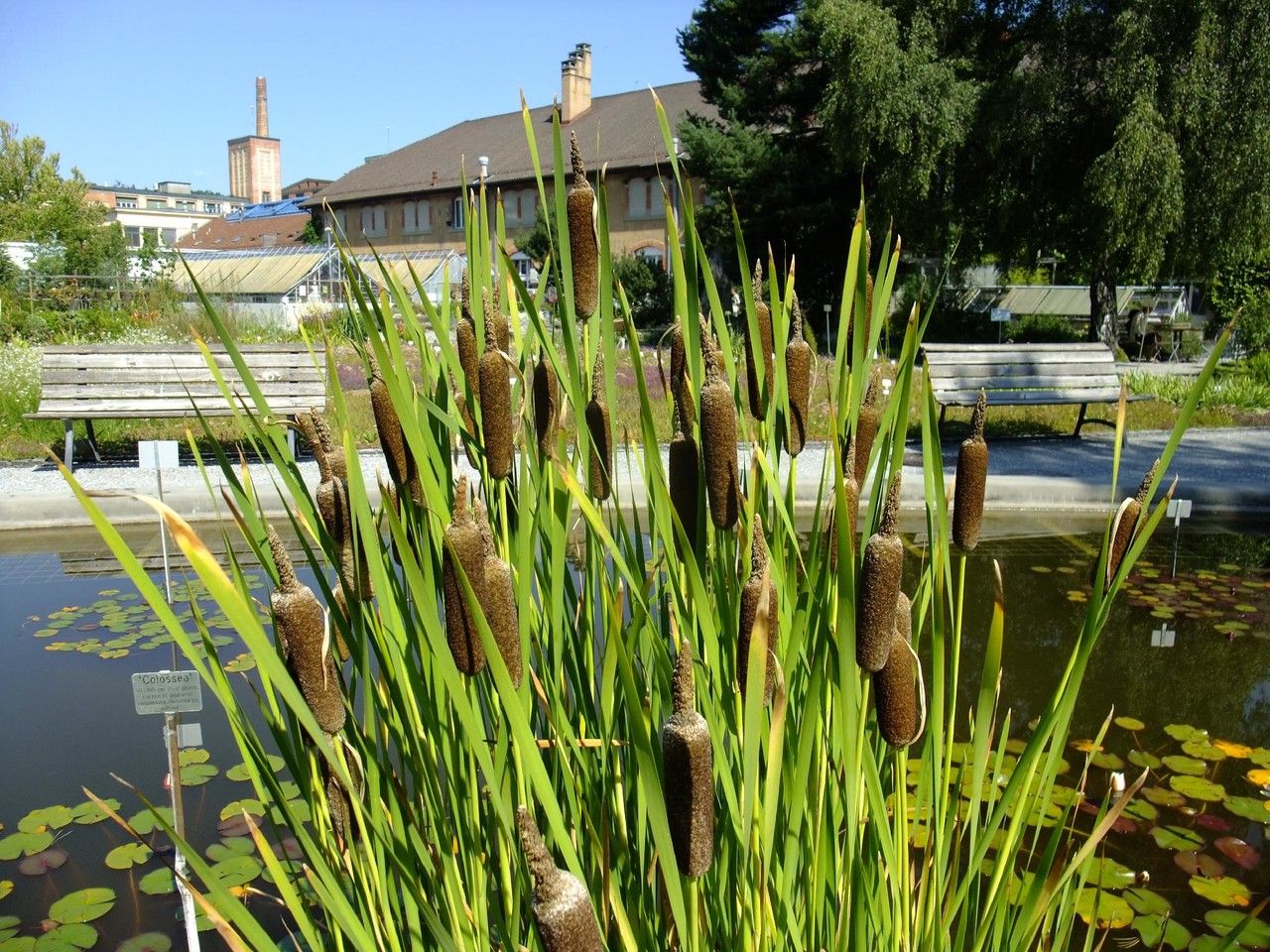
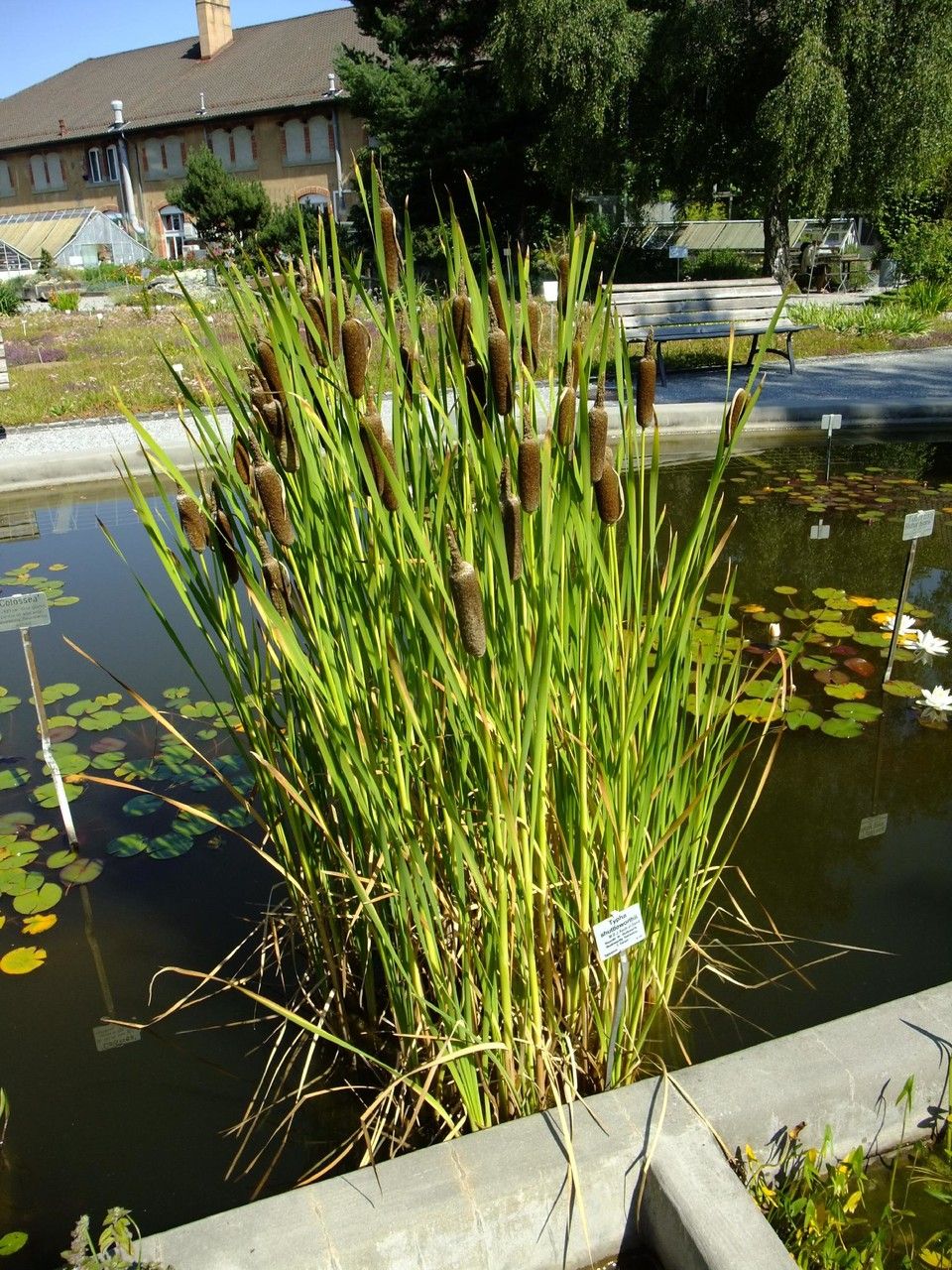
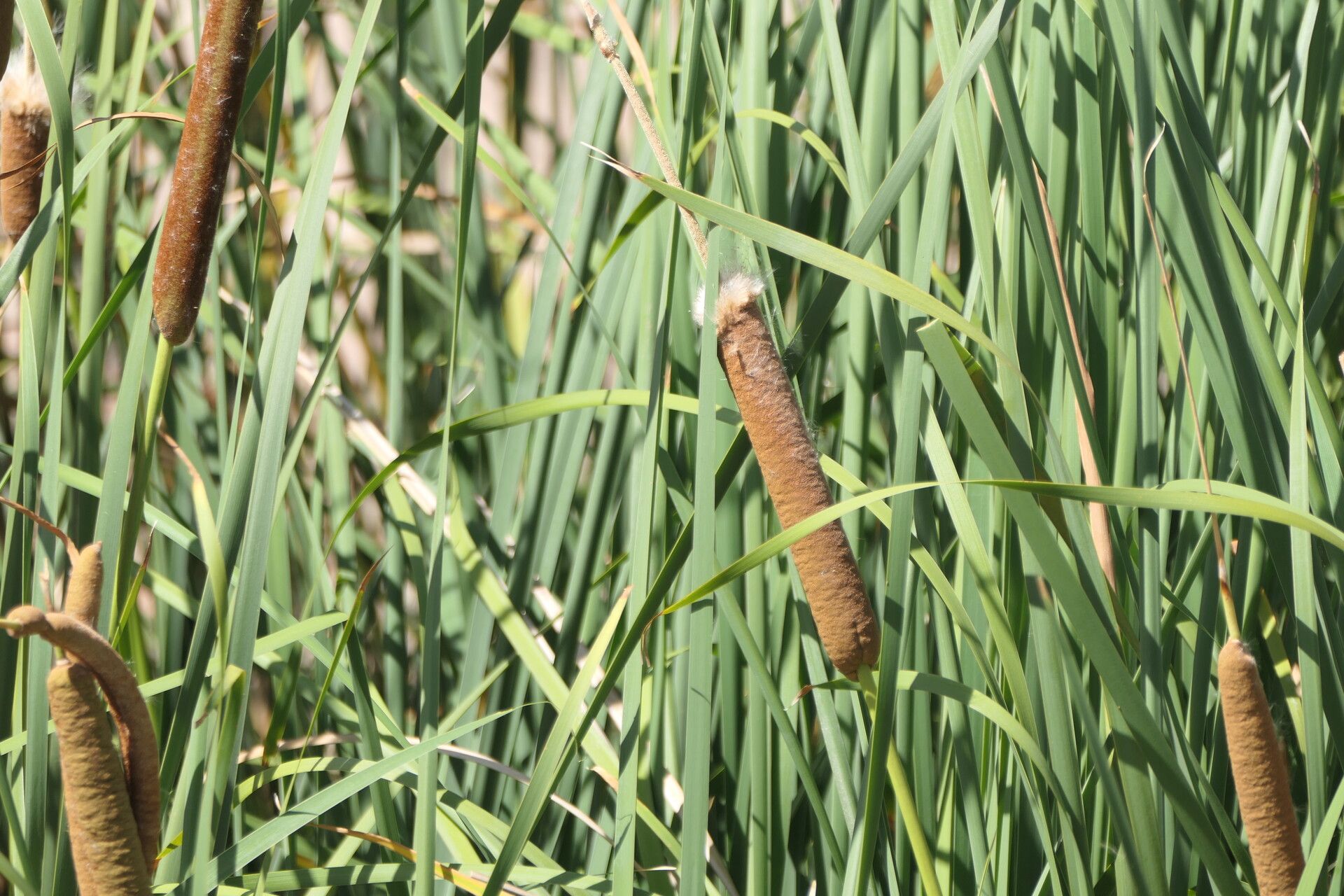
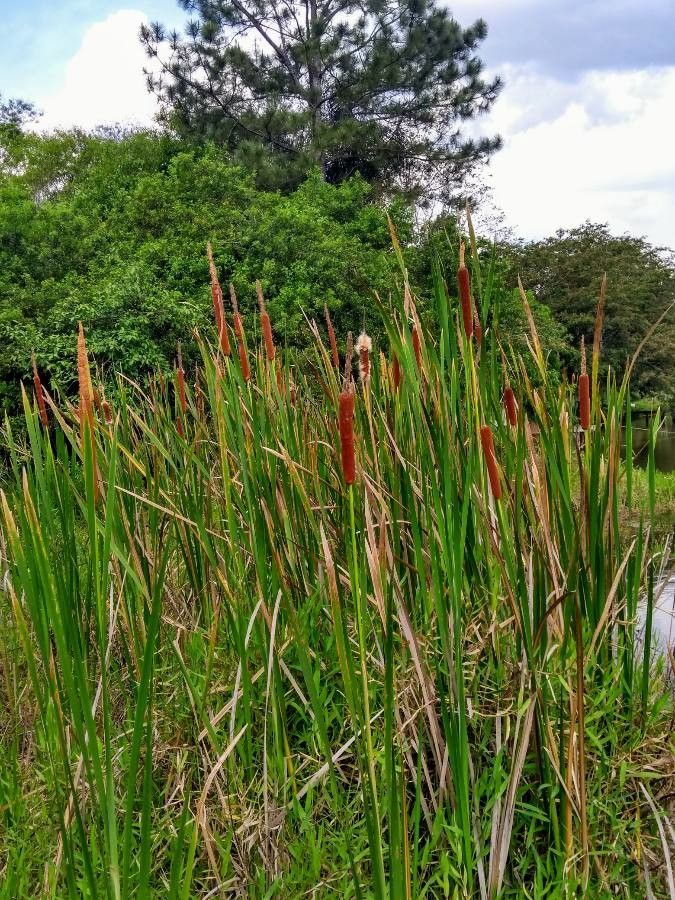
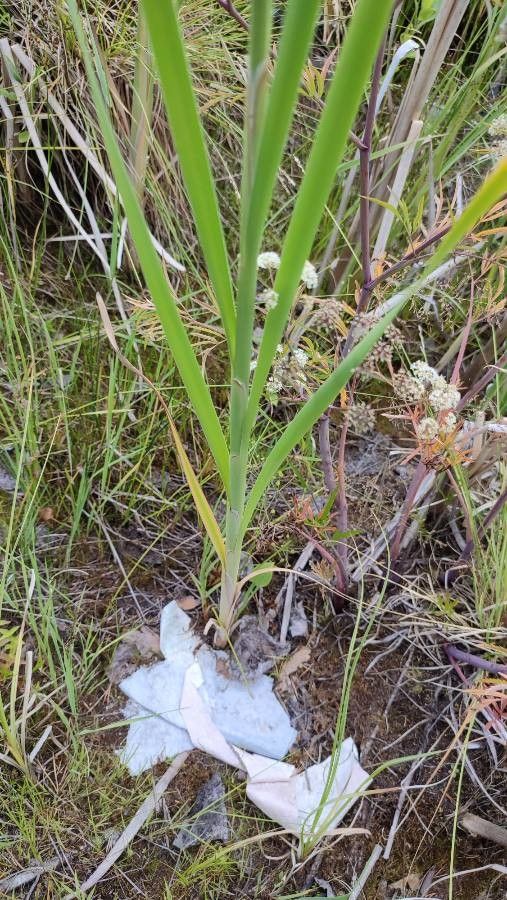
Typha shuttleworthii is a species of cattail found in southern Europe as well as in Iran and Turkey.Typha shuttleworthii is very similar to T. latifolia and has long been considered conspecific with that species. More recent authors have, however, regarded it as a separate species. It differs from T. latifolia in that the male inflorescence is less than half the length of the female inflorescence, as well as having shorter anthers, smaller seeds, and narrower leaves.
Eastern bulrush is fairly resistant to disease and is generally not prone to illnesses. Still, it can be affected by pests and diseases that occur in its environment. Such infestations are typically mild. Regarding upkeep, this plant needs a moderate amount of care. It should be pruned regularly to preserve a neat appearance and encourage healthy growth. Applying fertilizer can also support flowering. Eastern bulrush is a good choice for anyone with outdoor space, like a garden or patio, and does not demand extensive gardening experience. It may need more attention if grown indoors.
How to keep Typha Shuttleworthii.
Light
Eastern bulrush comes from habitats that receive plenty of sunlight, such as the shallow margins of ponds and lakes. It prefers full sun but can also tolerate partial sun.
Water
Shuttleworth's Cat o' Nine Tails thrives in wetland habitats, where it prefers high humidity and can tolerate moderate dry spells. To mimic its natural conditions, it should be watered weekly. This plant is usually grown outdoors, where it plays a crucial role in filtering water and providing habitat for wildlife, underscoring its essential connection to aquatic ecosystems.
Temperature
Eastern bulrush can tolerate a wide range of temperatures, though its distribution can still be restricted by different combinations of moisture and heat. It does best in warm summers with sufficient rainfall or watering. Extended periods of cloudy, rainy weather or prolonged high temperatures increase the chance of Eastern bulrush dying. In winter, proper protection from cold can raise the plant's survival rate.
Pruning
Shuttleworth's cat o' nine tails features tall, slender stems topped with dense flower spikes. To promote new growth and prevent overcrowding, prune the plant from early to late spring to remove any dead stems. Use clean tools and make angled cuts for the best results, which will also enhance flowering and maintain the plant's appearance.
Botanical profile.
- Plant Type
- Herb
- Life Cycle
- Perennial
- Genus
- Typha
- Family
- Typhaceae
- Hardiness Zone
- 3-11
- Mature Height
- 1.83 m to 2.44 m
- Mature Spread
- 91 cm
- Leaf Color
- Dark Green
- Leaf Type
- Deciduous
- Flower Color
- Brown
- Flower Size
- 2.69 cm to 8.89 cm
- Bloom Time
- Early summer, Mid summer
- Planting Time
- Spring, Summer
- Harvest Time
- Late summer, Early fall, Mid fall
- Native Area
- Russia, Japan, Myanmar, Mongolia, Koppen, South Korea, New Zealand, China
Reader questions.
What are the sunlight requirements for Shuttleworth's cat o' nine tails?
Shuttleworth's cat o' nine tails, with its botanical name Typha shuttleworthii, thrives in conditions where it can receive an ample amount of sunlight. It requires 'full sun' conditions, meaning it should receive above 6 hours of sunlight daily for optimal growth. However, it can also tolerate 'partial sun' conditions, which equates to about 3-6 hours of sunlight each day. When planting Shuttleworth's cat o' nine tails, it's important to monitor the movement of sunlight through your garden carefully. Selecting the right spot ensures that your plants receive the ideal balance of light and shade, crucial for their health and happiness.
What is Shuttleworth's cat o' nine tails?
Shuttleworth's cat o' nine tails, botanically known as Typha shuttleworthii, is a plant native to temperate environments.
What is the ideal temperature range for Shuttleworth's cat o' nine tails?
The ideal temperature range for Shuttleworth's cat o' nine tails is between 50 to 90°F (10 to 32°C).
How important is acclimatization for Shuttleworth's cat o' nine tails?
Acclimatizing gently to seasonal temperature changes is essential for the overall growth and survival of Shuttleworth's cat o' nine tails.