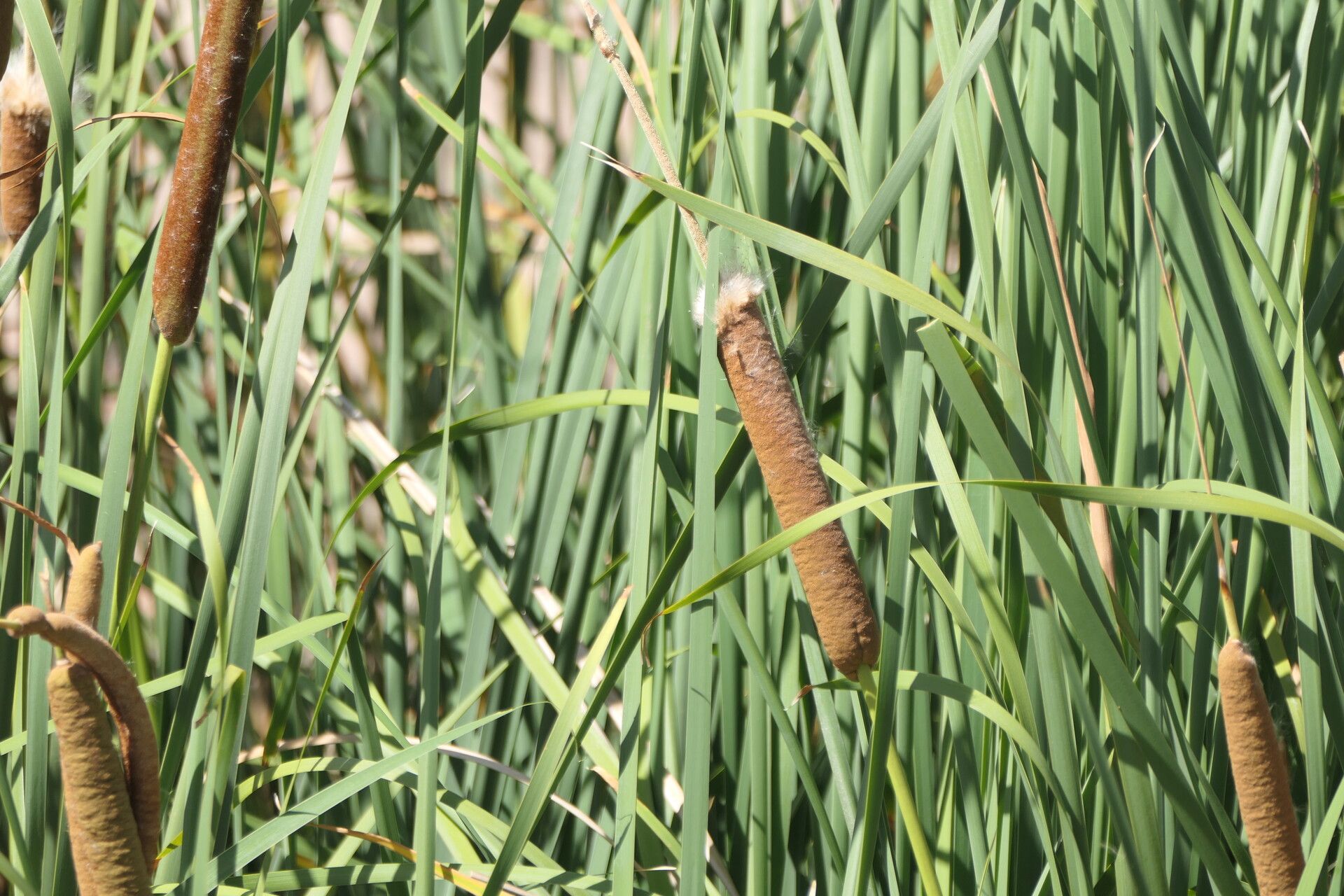
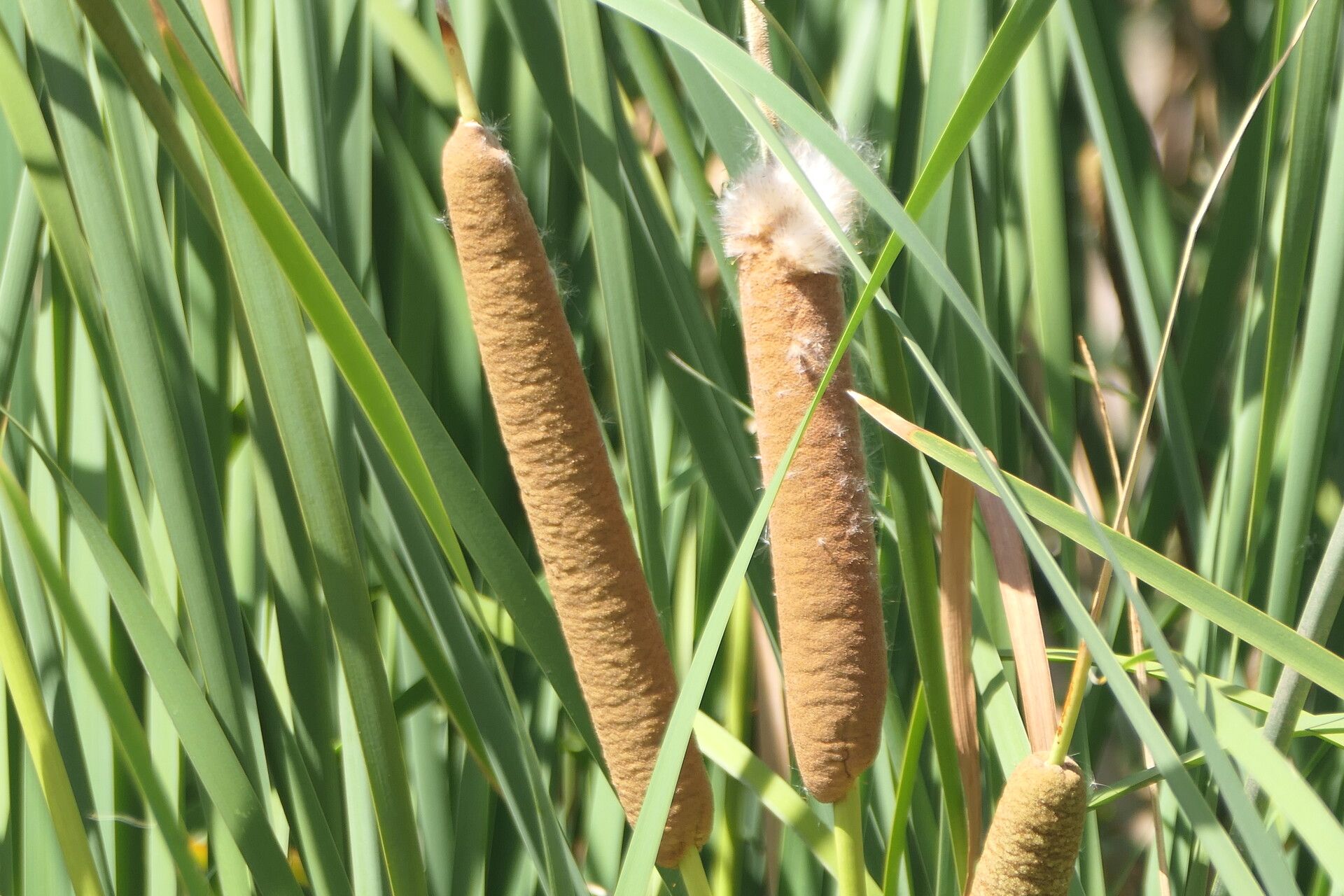
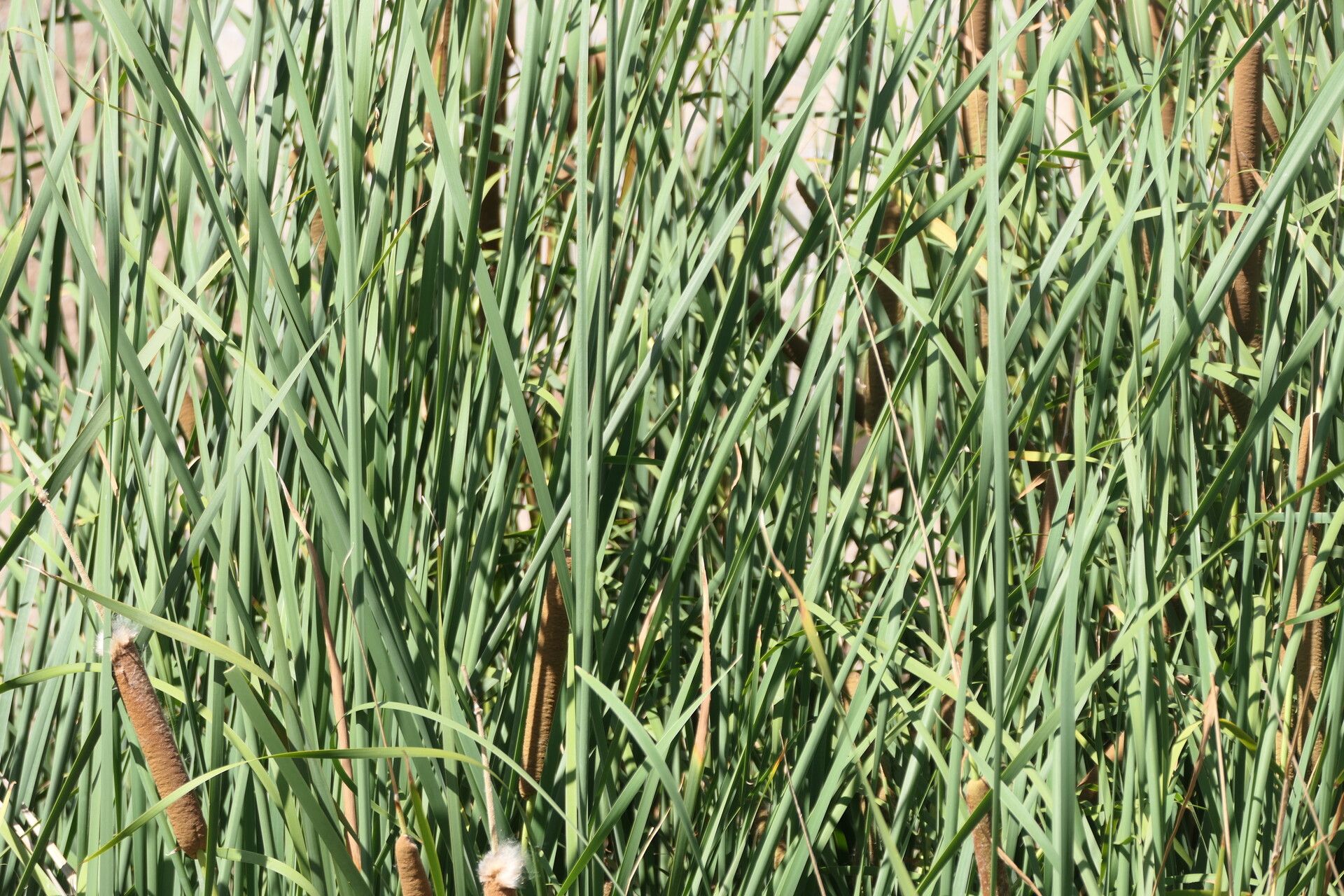
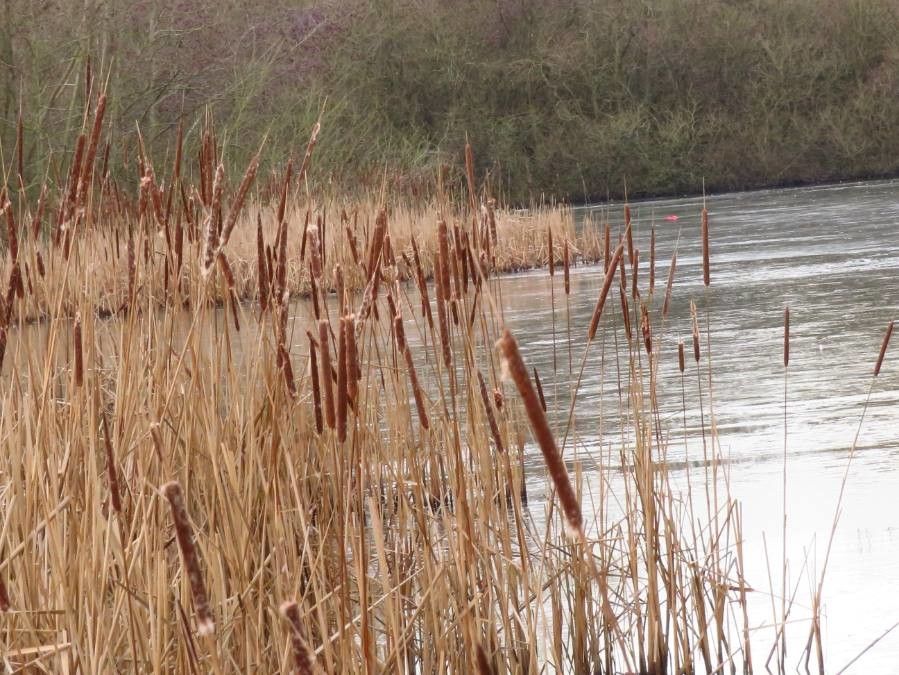
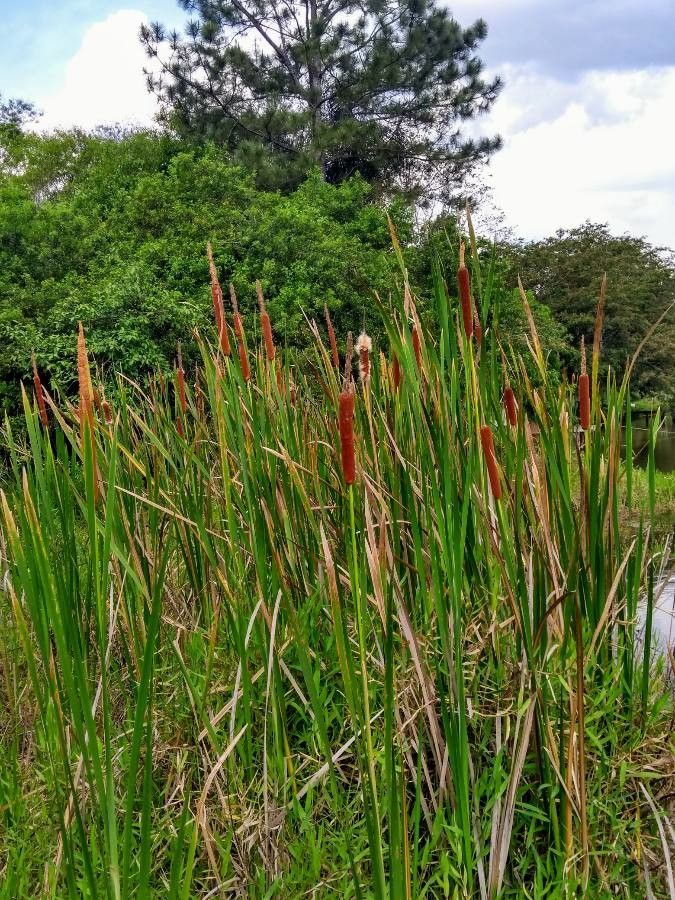
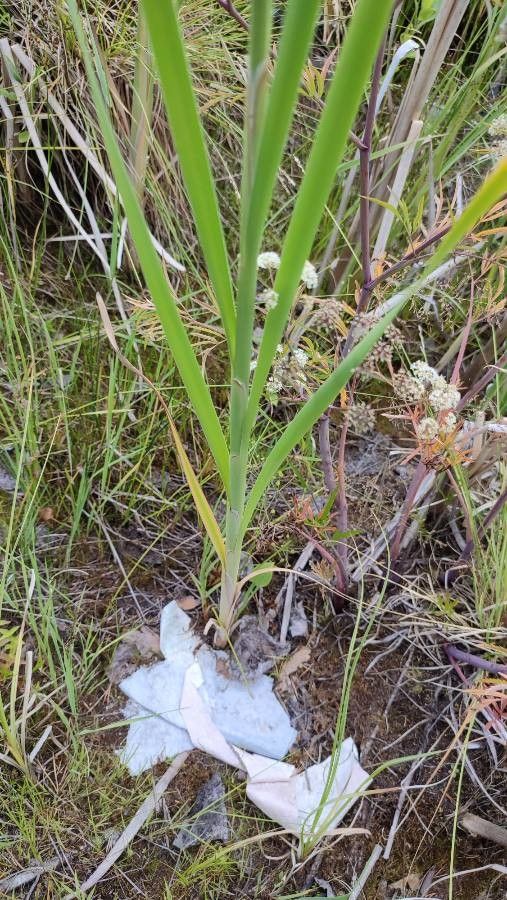
Typha capensis is an aquatic plant known from southern and eastern Africa as far north as Uganda. It has also been reported from Brazil.
Cape bulrush is quite resistant to disease and is usually not susceptible to illnesses. In terms of maintenance, this plant is fairly low-maintenance. When grown outdoors, it needs only minimal watering, and larger plants typically do not require pruning. However, smaller plants should be pruned after they have finished blooming. Cape bulrush is suitable for anyone with an outdoor area, such as a garden or a deck, and does not demand much experience in plant care.
How to keep Typha Capensis.
Light
Cape bulrush is native to habitats with plentiful sunlight, such as the shallow margins of ponds and lakes. It prefers full sun but can also tolerate partial sun.
Temperature
Cape bulrush is naturally adapted to warmer climates, prospering in conditions of 68 to 105.8 °F (20 to 41 ℃). When seasons fluctuate, temperature control may be required to keep it within this optimal range.
Pruning
The Cape bulrush has tall, reed-like stems and dense flower spikes. To promote healthier growth, prune it in early spring by removing dead stems and overcrowded clumps. This not only enhances the plant's appearance but also supports robust development and reduces the risk of disease. Pruning at this time aligns with the plant's growth cycle, ensuring minimal disruption.
Botanical profile.
- Plant Type
- Grass
- Life Cycle
- Perennial
- Genus
- Typha
- Family
- Typhaceae
- Hardiness Zone
- 9-13
- Mature Height
- 2.13 m
- Mature Spread
- 61 cm
- Leaf Color
- Green
- Leaf Type
- Evergreen
- Flower Color
- Brown, Tan
- Flower Size
- 10.16 cm to 20.32 cm
- Bloom Time
- Summer
- Planting Time
- Spring, Summer, Autumn
- Harvest Time
- Late summer, Early fall, Mid fall
- Native Area
- Lesotho, Angola, Tanzania, South Africa, Namibia, Eswatini, Rwanda, Congo (DRC), Uganda, Botswana