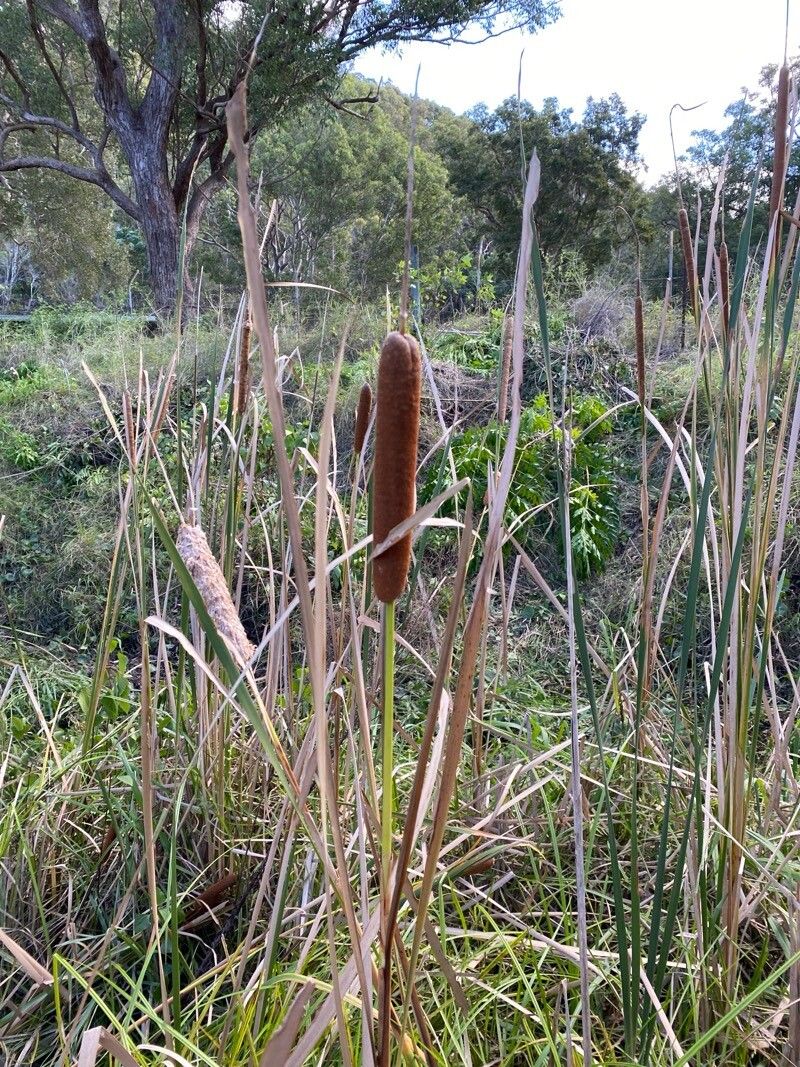
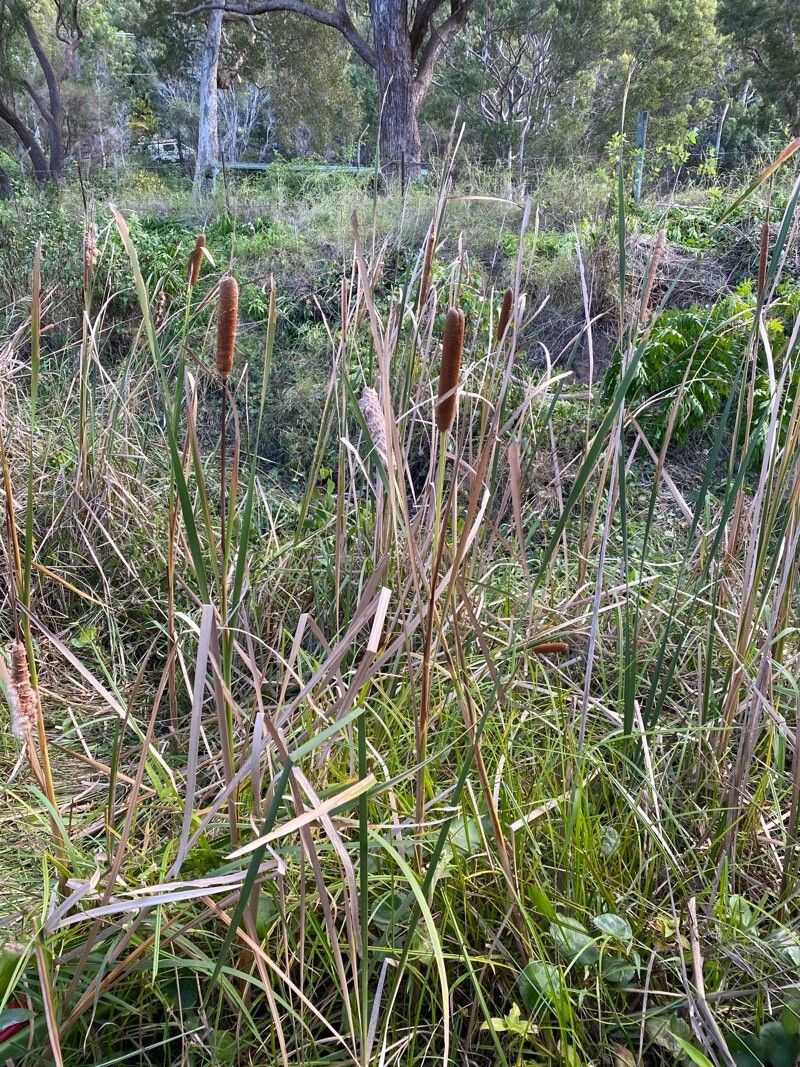
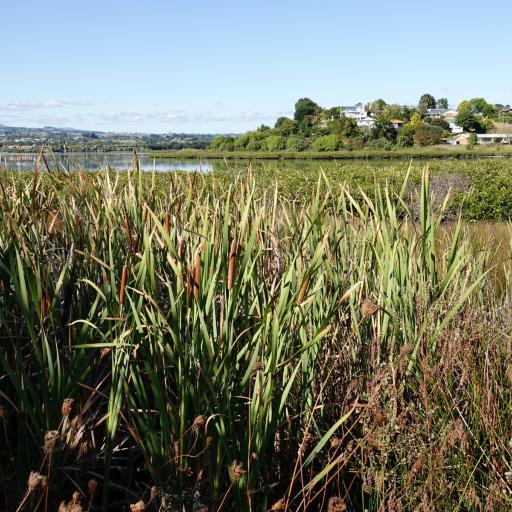
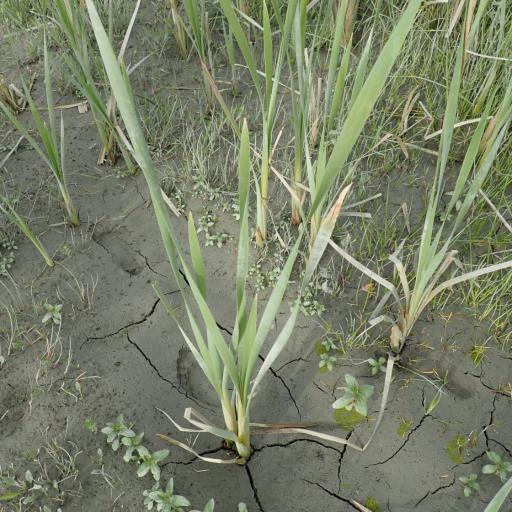
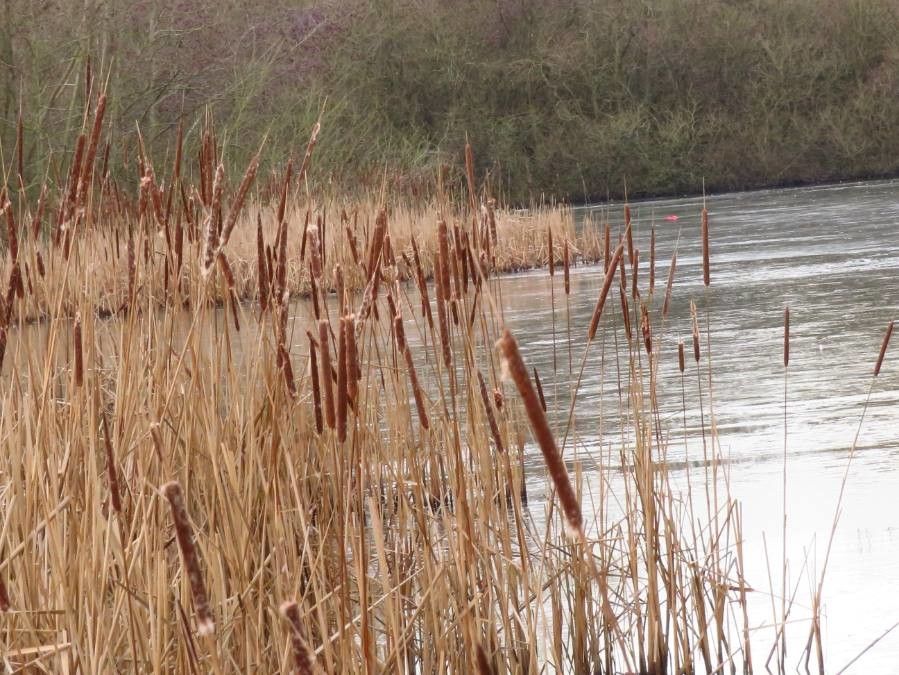
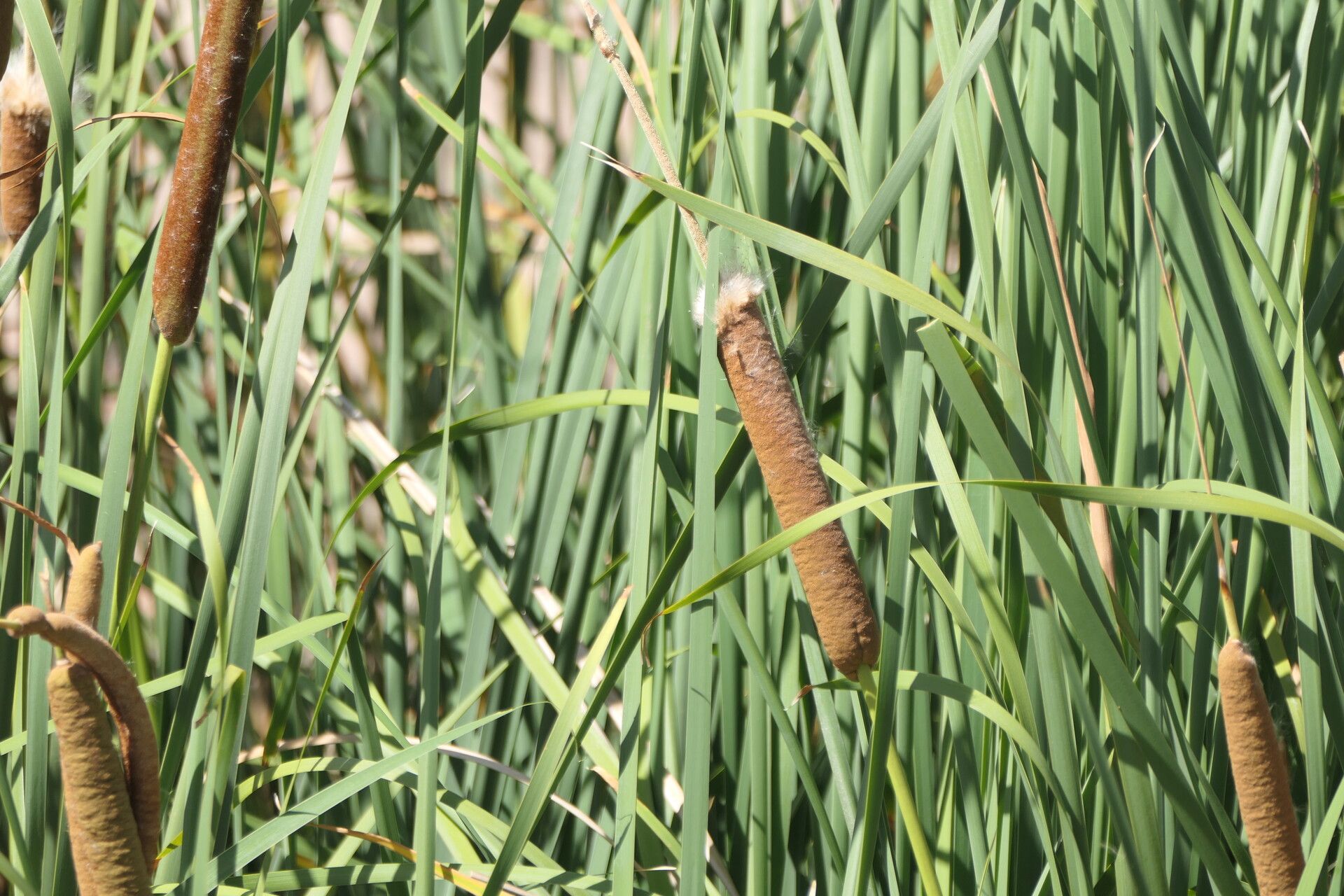
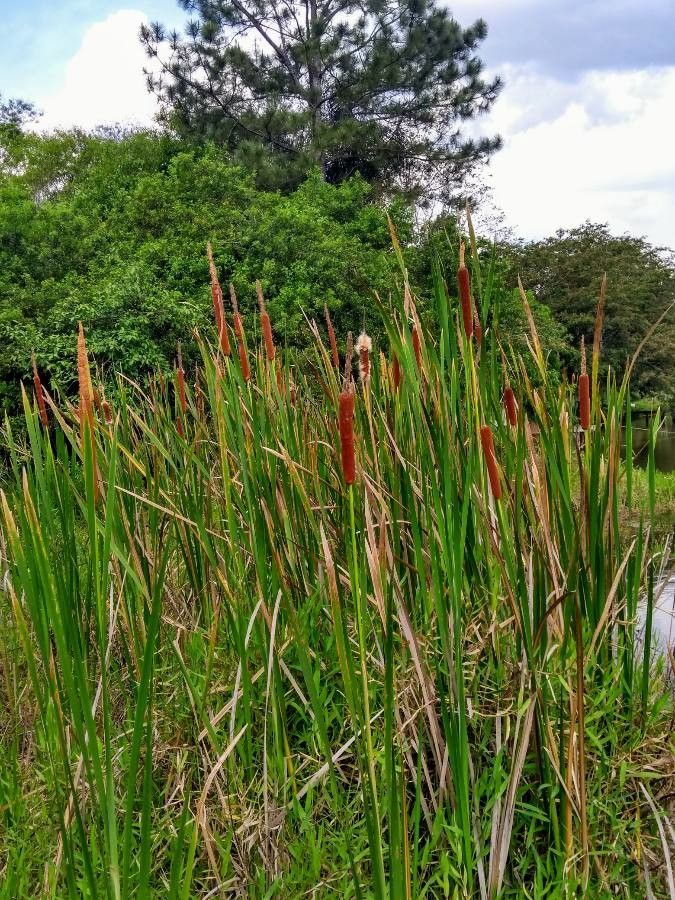
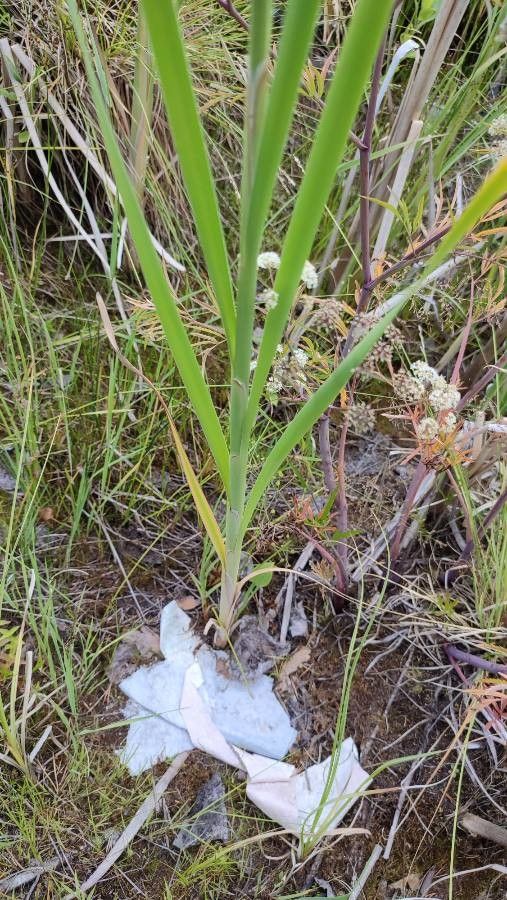
Typha orientalis, commonly known as bulrush or cumbungi, is a perennial herbaceous plant in the genus Typha. It is native to Australia, New Zealand, Malaysia, Indonesia, Japan, Korea, Mongolia, Myanmar, Philippines, China and the Russian Far East (Sakhalin and Primorye). T. orientalis is a wetland plant that grows on the edges of ponds, lakes and slow flowing rivers and streams.
Eastern bulrush is fairly resistant to disease and is generally not prone to illnesses. Still, it can be affected by pests and diseases that occur in its environment. Such infestations are typically mild. Regarding upkeep, this plant needs a moderate amount of care. It should be pruned regularly to preserve a neat appearance and encourage healthy growth. Applying fertilizer can also support flowering. Eastern bulrush is a good choice for anyone with outdoor space, like a garden or patio, and does not demand extensive gardening experience. It may need more attention if grown indoors.
How to keep Typha Orientalis.
Light
Eastern bulrush comes from habitats that receive plenty of sunlight, such as the shallow margins of ponds and lakes. It prefers full sun but can also tolerate partial sun.
Water
The Eastern bulrush thrives in moist, wetland habitats and can easily tolerate waterlogged conditions. For optimal health, it needs to be watered weekly. This resilient evergreen species can flourish in both stagnant and flowing water, demonstrating its adaptability to various water conditions.
Temperature
Eastern bulrush can tolerate a wide range of temperatures, though its distribution can still be restricted by different combinations of moisture and heat. It does best in warm summers with sufficient rainfall or watering. Extended periods of cloudy, rainy weather or prolonged high temperatures increase the chance of Eastern bulrush dying. In winter, proper protection from cold can raise the plant's survival rate.
Pruning
Eastern bulrush flourishes in wetlands and benefits from pruning between early and late spring to improve its health and appearance. Removing dead or damaged foliage encourages new growth. However, significant pruning during the growing season should be avoided to minimize stress on the plant. For optimal results, follow established horticultural guidelines.
Botanical profile.
- Plant Type
- Herb
- Life Cycle
- Perennial
- Genus
- Typha
- Family
- Typhaceae
- Hardiness Zone
- 3-11
- Mature Height
- 1.83 m to 2.44 m
- Mature Spread
- 91 cm
- Leaf Color
- Dark Green
- Leaf Type
- Deciduous
- Flower Color
- Brown
- Flower Size
- 2.69 cm to 8.89 cm
- Bloom Time
- Early summer, Mid summer
- Planting Time
- Spring, Summer
- Harvest Time
- Late summer, Early fall, Mid fall
- Native Area
- Russia, Japan, Myanmar, Mongolia, Koppen, South Korea, New Zealand, China
Other names.