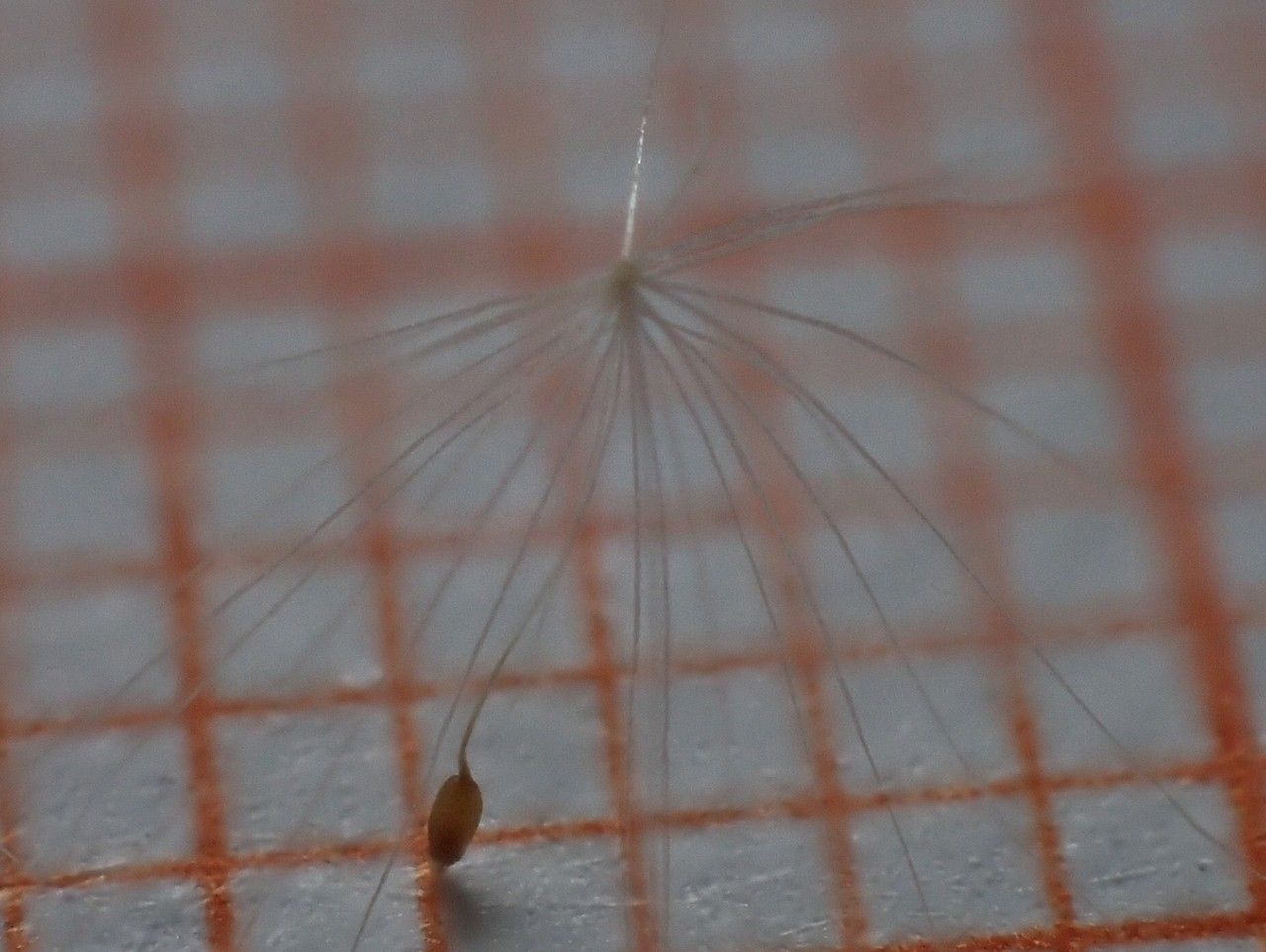
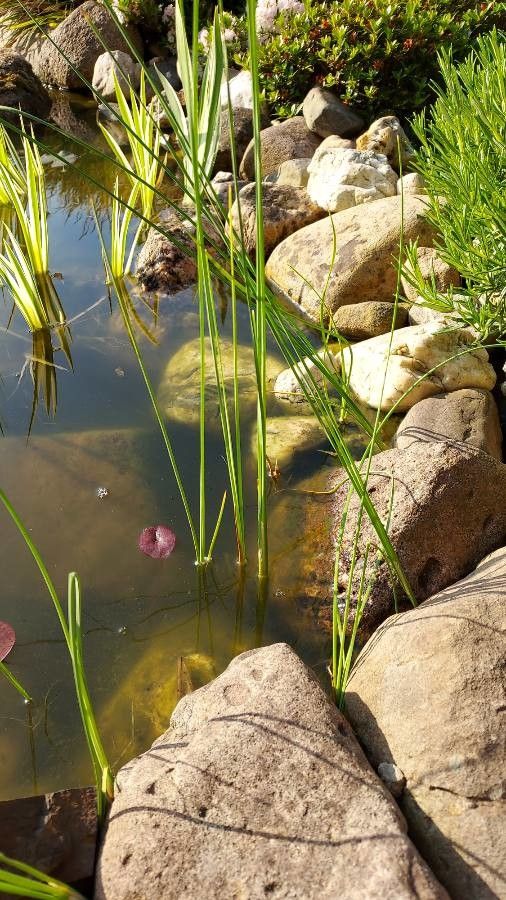
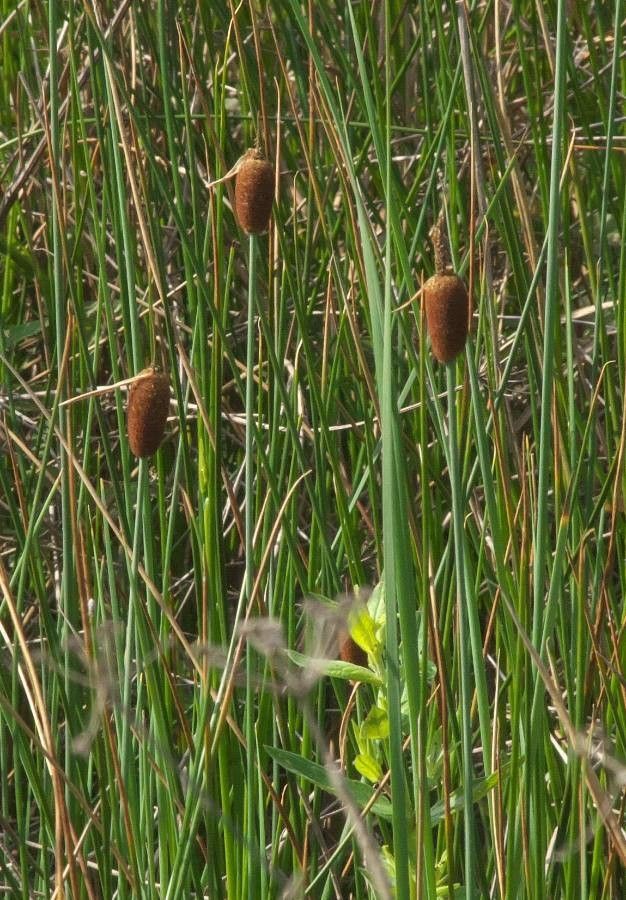
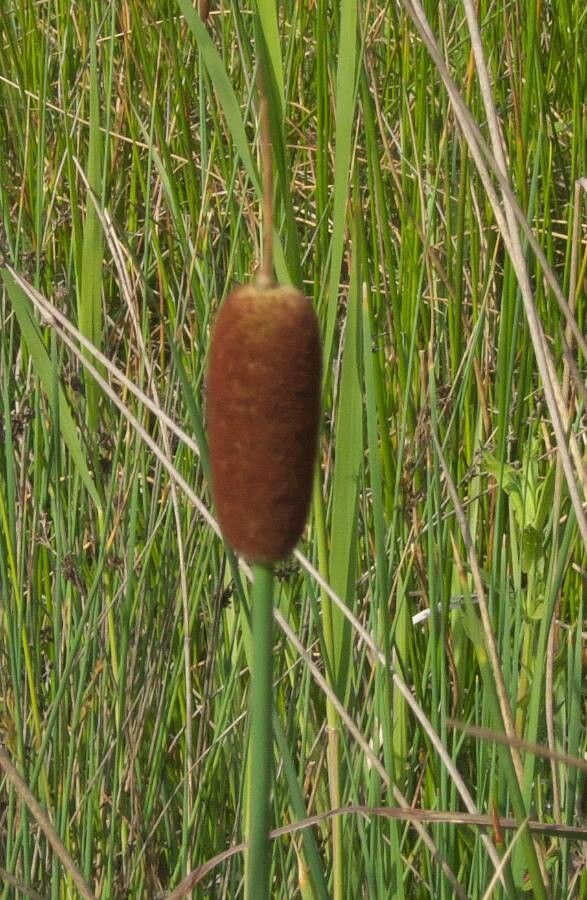
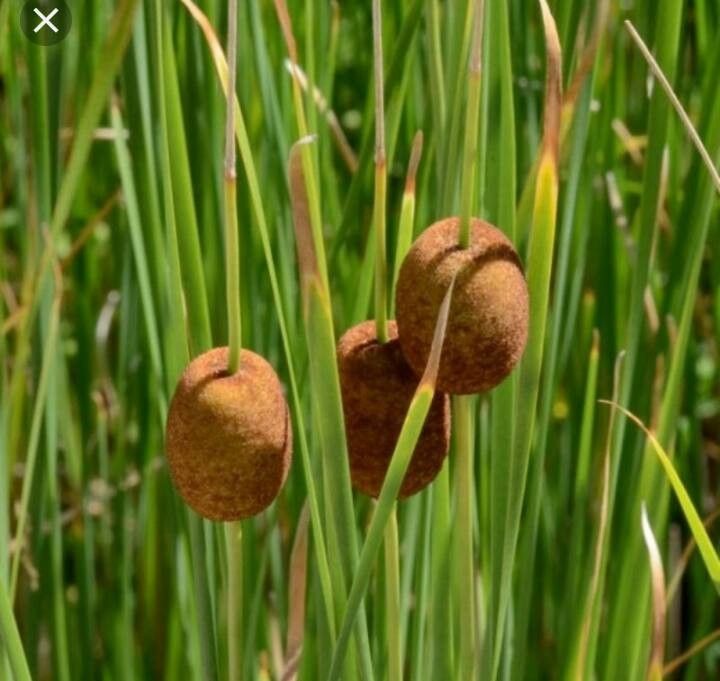
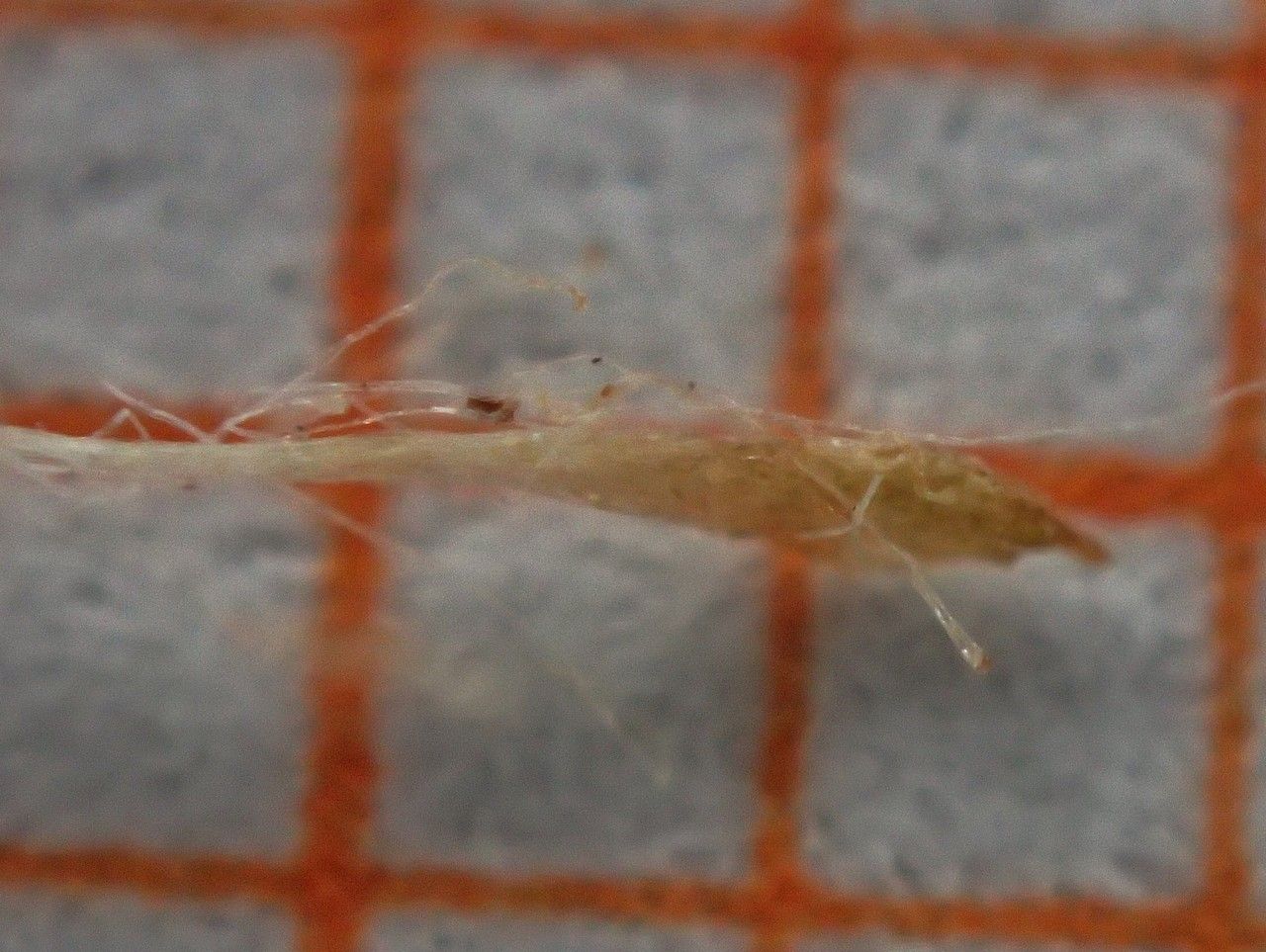
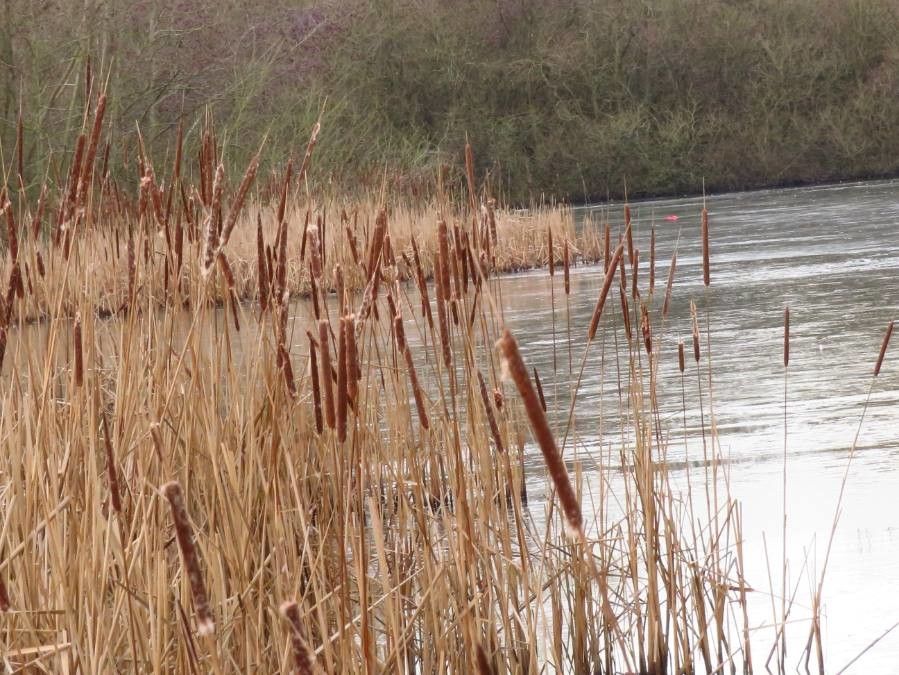
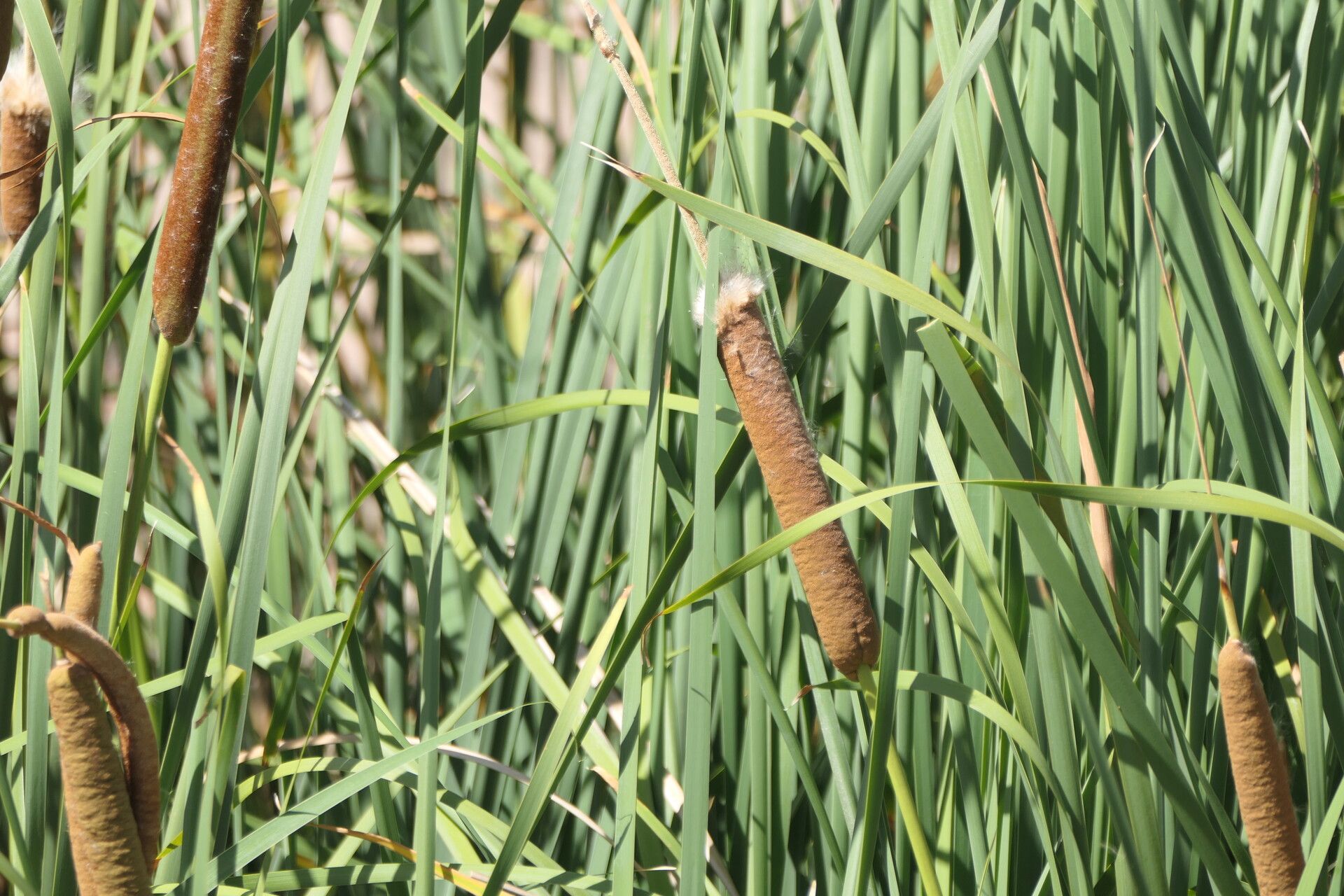
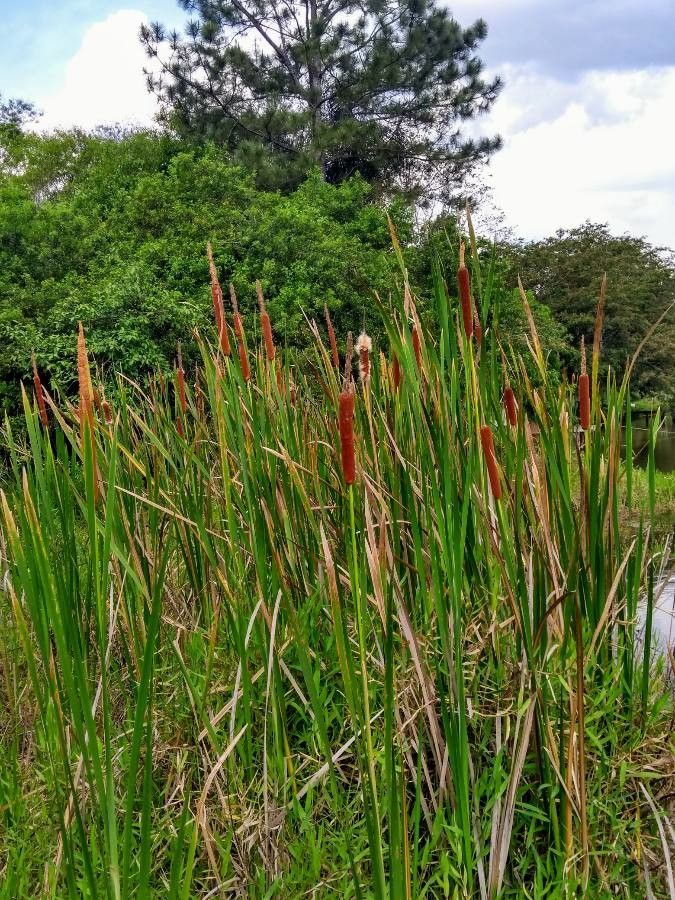
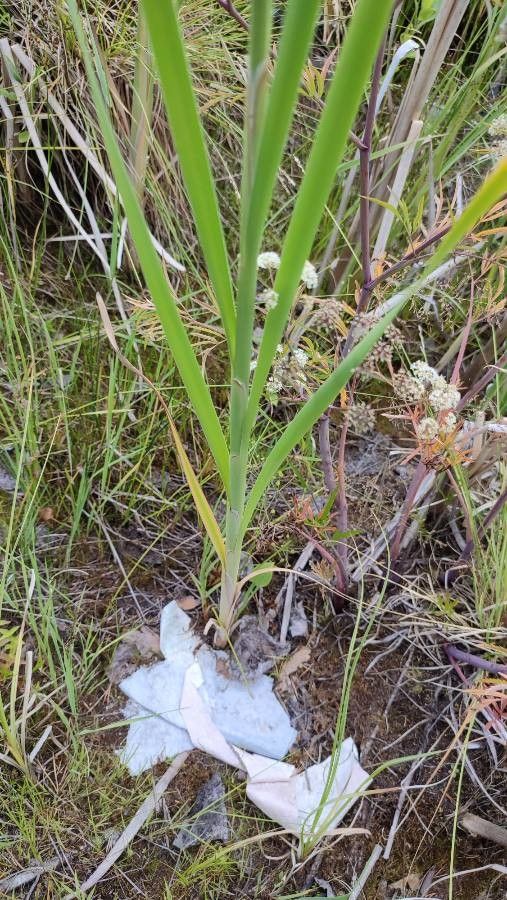
Typha minima, commonly known as dwarf cattail, is a perennial aquatic plant that belongs to the Typhaceae family. Native to North America, it thrives in wetlands, marshes, and shallow water bodies. The plant features long, narrow, green leaves that can reach up to 30 cm in length. Its stem can grow up to 60 cm tall and bears a cylindrical, spike-like inflorescence at the top that contains small flowers. The flowers of Typha minima are unisexual, with male flowers located at the top of the inflorescence and female flowers situated below. The male flowers consist of numerous stamens, while the female flowers include a single pistil with feathery stigmas that facilitate wind pollination. Dwarf cattail serves as an important ecological indicator species for wetland health, owing to its sensitivity to environmental changes such as water quality degradation and habitat loss. It also provides habitat for various aquatic animals, including fish, amphibians, insects, and birds. Humans have utilized Typha minima for various purposes, including as a food source (young shoots), in medicine (root extracts), and as construction material (leaves), among other uses. Overall, Typha minima is a significant aquatic plant species due to its ecological importance and various human uses. This makes it worthy of conservation efforts, especially given the current threats facing wetland ecosystems globally, such as the impacts of climate change on water availability or pollution from agricultural and urban activities.
Dwarf bulrush has strong resistance to disease and is generally unlikely to develop illnesses. Still, it can be vulnerable to pests and diseases present in its environment. Such infections are typically mild. As for care, the plant needs a moderate level of maintenance. It should be pruned on a regular basis to preserve its appearance and encourage healthy growth. Applying fertilizer can also aid in promoting flowering. Dwarf bulrush is appropriate for anyone with outdoor space, like a garden or patio, and does not demand extensive care experience. It may need extra attention if kept indoors.
How to keep Typha Minima.
Light
Dwarf bulrush comes from habitats with abundant sunlight, such as the shallow margins of ponds and lakes. It prefers full sun, although it can tolerate partial sun.
Water
The dwarf bulrush thrives in moist, marshy environments that require high humidity and constantly saturated soil. To maintain its natural moisture levels, it should be watered daily. This aquatic perennial usually grows outdoors, forming dense colonies along water edges. Its peak vitality is closely linked to the availability of water.
Temperature
Dwarf bulrush can tolerate a broad range of temperature conditions, but its distribution may still be restricted by various combinations of moisture and heat. It performs best in warm summer climates with sufficient rainfall or irrigation. Extended periods of cloudy, rainy weather, as well as prolonged high temperatures, can increase the chance of Dwarf bulrush dying. In winter, suitable protection from cold can improve the plant's survival chances.
Fertilizer
For optimal growth and flowering of dwarf bulrush, apply a balanced fertilizer once a month during the growing season. Reduce the fertilizer rate for aquatic plants, and avoid feeding them during dormancy. Additionally, adjust the fertilizer amount based on the plant's size and soil fertility. Careful application will encourage a healthy and vibrant dwarf bulrush.
Pruning
Dwarf bulrush benefits from regular pruning, done from early to late spring. Removing dead stems helps promote healthy growth and keeps the plant looking tidy. Thinning the plant improves air circulation, which reduces the risk of disease and encourages vigorous growth, ultimately extending the plant's lifespan.
Botanical profile.
- Plant Type
- Herb
- Life Cycle
- Perennial
- Genus
- Typha
- Family
- Typhaceae
- Hardiness Zone
- 3-9
- Mature Height
- 76 cm
- Mature Spread
- 46 cm
- Leaf Color
- Dark Green
- Leaf Type
- Deciduous
- Flower Color
- Brown
- Flower Size
- 2.54 cm to 5.08 cm
- Bloom Time
- Early summer, Mid summer
- Planting Time
- Spring, Summer
- Harvest Time
- Late summer, Early fall
Other names.
Reader questions.
How should I water my Dwarf bulrush plant?
To ensure the health of the Dwarf bulrush, it is recommended to use filtered water at room temperature for watering. Tap water may contain harmful particles. Since the plant is accustomed to warm environments, it is best to avoid using cold water, as it can be a shock. Overhead watering should also be avoided to prevent issues with the foliage. Instead, pour the filtered room temperature water directly onto the soil until it is fully saturated. This helps to promote root moisture and nutrient absorption.
Why should I put fertilizer on my Dwarf bulrush?
To maintain healthy and vibrant leaves on your Dwarf bulrush, proper fertilization is essential. This includes both surface feeding to enhance leaf color and texture, and below-ground feeding to support root growth and nutrient absorption. By fertilizing your plant effectively, you not only promote its current health but also ensure its long-term ability to thrive.
What are the sunlight requirements for dwarf bulrush?
Dwarf bulrush is a perennial herbaceous plant that loves the sun and thrives in open habitats like meadows and grasslands. It prefers full sun conditions, which means it requires more than 6 hours of sunlight daily. However, it can also tolerate partial sun conditions, needing about 3-6 hours of sunlight. It's essential to observe how sunlight moves through your garden and choose spots offering a balance of light and shade to ensure your dwarf bulrush plants are happy.
What should I do if I give too much or too little water to my Dwarf bulrush?
Overwatering is a more common problem than underwatering for Dwarf bulrush plants. When Dwarf bulrush receives too much water, its stems and leaves may wilt and turn yellow. Overwatering over a long period can also cause diseases like root rot, mold, and mildew, which can be fatal for the plant. Underwatering is less common, but when it happens, the leaves may become brittle and brown. To take care of your Dwarf bulrush, it's important to watch for signs of overwatering and address them promptly. Some of the diseases caused by overwatering may not be reversible if you wait too long. If you notice early signs of overwatering, reduce your watering schedule and check the soil drainage. If the soil drains poorly, replace it with a loose, well-draining potting mix. If you see signs of underwatering, water more regularly until the signs improve.
When should I fertilize my Dwarf bulrush?
If you grow your Dwarf bulrush outdoors each year, you can expect new growth to appear in early spring as the leaves emerge. This signals that it's time to start fertilizing for the year. In most cases, a single application of fertilizer in the spring is sufficient for a Dwarf bulrush to thrive. However, if you want to promote maximum growth, you can fertilize multiple times during the spring and early summer. If you decide to do this, aim to feed your Dwarf bulrush roughly once every month to month and a half.
How can artificial lighting be used for dwarf bulrush indoor plants?
When natural sunlight is insufficient, especially during winter or in less sunny spaces, artificial lighting can be a vital solution for indoor dwarf bulrush plants. It helps promote faster, healthier growth. LED lights are a popular choice since they can be customized to provide the specific light wavelengths needed by the plants. For full sun plants, aim for 30-50W per square foot of artificial light; partial sun plants need 20-30W per square foot, and full shade plants require 10-20W per square foot. The artificial light source should be placed 12-36 inches above the plant, mimicking natural sunlight as closely as possible. Most plants will need 8-12 hours of light per day.
How often should I water my Dwarf bulrush plant?
If your plant is in a pot, you can easily check if your Dwarf bulrush needs water by testing the soil. Simply stick your finger into the soil and if the top two to three inches feel dry, then it's time to give it some water. The same method can be used for Dwarf bulrush grown outdoors in the ground. Once again, if the first few inches of soil have dried out, it's time to water. Typically, during spring and early fall, watering once a week should suffice. However, during extremely hot weather, you may need to water twice a week or even more. It's worth noting that mature and well-established Dwarf bulrush plants can withstand drought quite well.
When is the best time to not fertilize my Dwarf bulrush?
During the late fall and winter, your Dwarf bulrush enters a dormant phase and stops producing new growth. It is important to refrain from fertilizing during this time. In the spring and summer, if you choose to fertilize multiple times, gradually reduce the rate as summer approaches since the growth rate of your Dwarf bulrush will also slow down. It is generally not advisable to fertilize your Dwarf bulrush during exceptionally hot weather or when the soil is excessively dry. Fertilizing in such conditions can stress the plant and lead to premature death.
What are the symptoms of light deficiency in dwarf bulrush?
Dwarf bulrush shows several symptoms when exposed to inadequate lighting, which may include smaller new leaves compared to older ones, leggy or sparse growth indicating a thin appearance, faster leaf drop to conserve resources, slower or halted growth as the plant enters survival mode, and lighter-colored new leaves due to a lack of chlorophyll. Chlorosis, or the yellowing of leaves caused by excessive sunlight breaking down chlorophyll, sunscald characterized by pale or necrotic spots from intense sunlight exposure, leaf curling as a defense mechanism against water loss and damage, wilting due to increased water loss through transpiration, and leaf scorching indicated by brown, dry edges on leaves are also symptoms that can appear under varying light conditions.
How much water does my Dwarf bulrush plant need?
When watering your Dwarf bulrush, don't be afraid to provide a generous amount of water. Make sure the first two to three inches of soil are dry before watering, and then water thoroughly until the soil is completely soaked. You should add enough water to allow excess water to flow out of the drainage holes at the bottom of the pot. If you don't see excess water draining, it means you have likely not watered enough. However, be cautious not to let water accumulate inside the soil, as this can be harmful to the plant. On the other hand, if water is not draining properly, it may indicate that the soil is not draining well, which is not good for the health of the plant. In outdoor settings, the plant will typically only need 1 inch of rain per week.
Which fertilizer should I use for my Dwarf bulrush?
Choosing the best fertilizer for a Dwarf bulrush is easy. These plants thrive on a general-purpose garden fertilizer with equal amounts of nitrogen, phosphorus, and potassium. A ratio of 10-10-10 or similar will work well. Avoid fertilizers with high nitrogen content if unsure. The best types of fertilizer for Dwarf bulrush are usually in granular form and slow-release. They are easy to apply to the soil. Using an organic soil amendment like compost can also be beneficial for feeding the Dwarf bulrush.
What are the solutions for dwarf bulrush suffering from inadequate sunlight?
To address inadequate sunlight for dwarf bulrush, gradually acclimatize your plants to more sunlight by moving them to a sunnier location each week until they receive at least 6 hours of direct sunlight daily. For indoor plants that are large or hard to move, using artificial light such as desk lamps for at least 8 hours daily or investing in professional grow lights can provide sufficient light. Outdoors, ensure your plants are moved gradually to sunnier spots to prevent sunburn. Reducing obstructions like pruning trees can help increase sunlight. For ground plants, transplanting during their dormant period in late winter or early spring to a sunnier location with good drainage can improve their condition. Note that parts of the plant that were previously affected by low light might not recover, but new growth should be healthy after adjusting the light exposure.