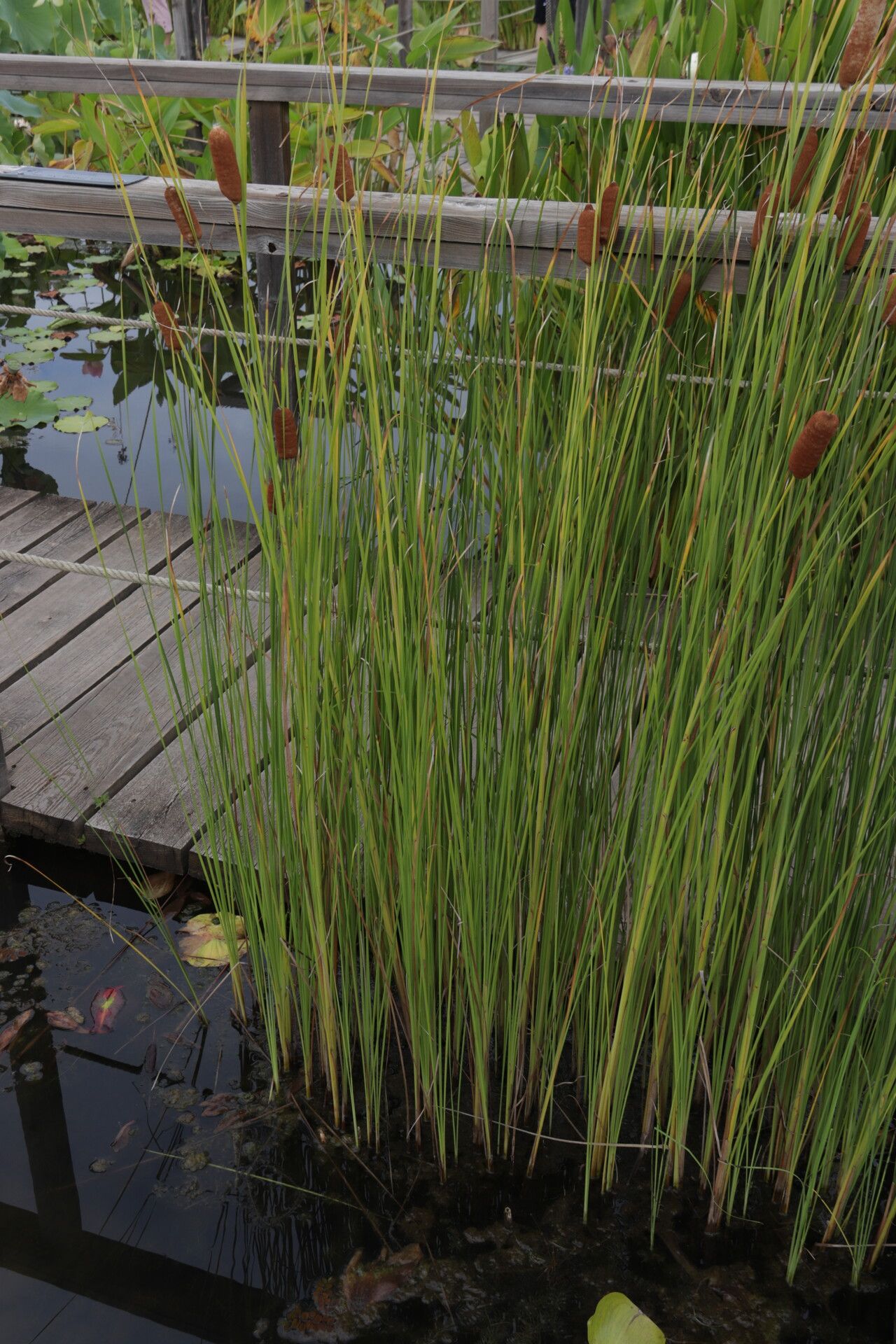
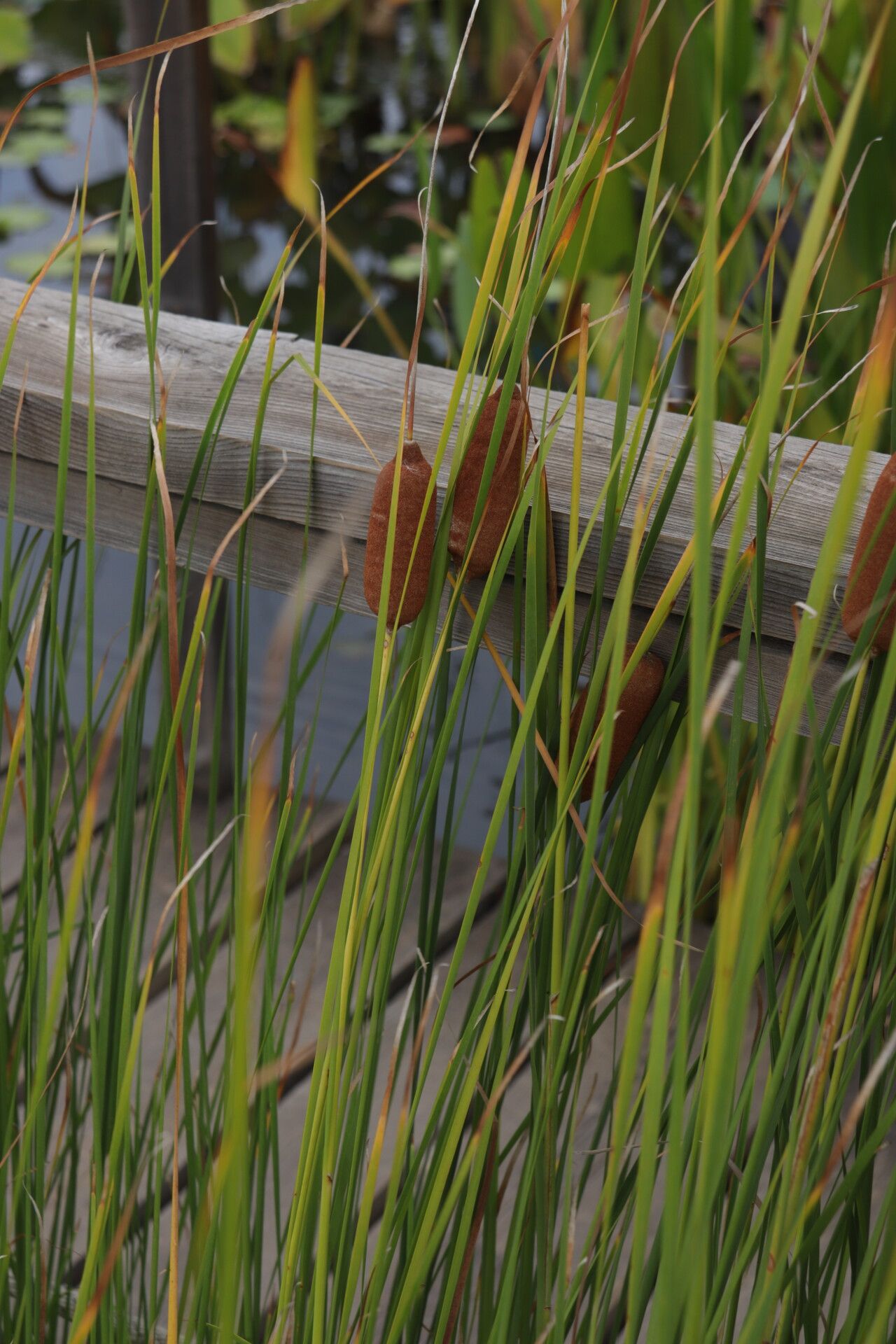
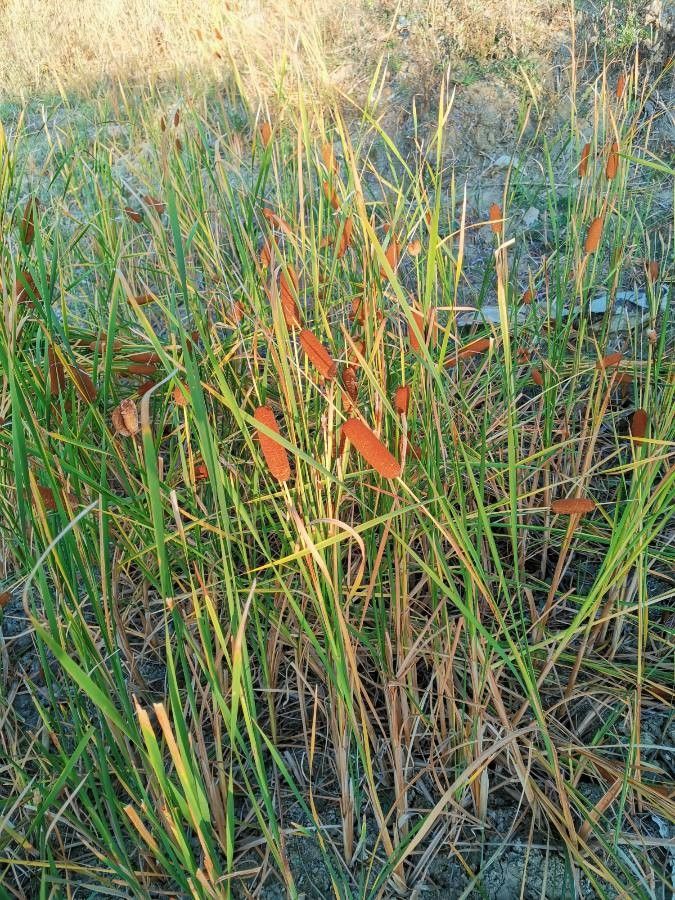
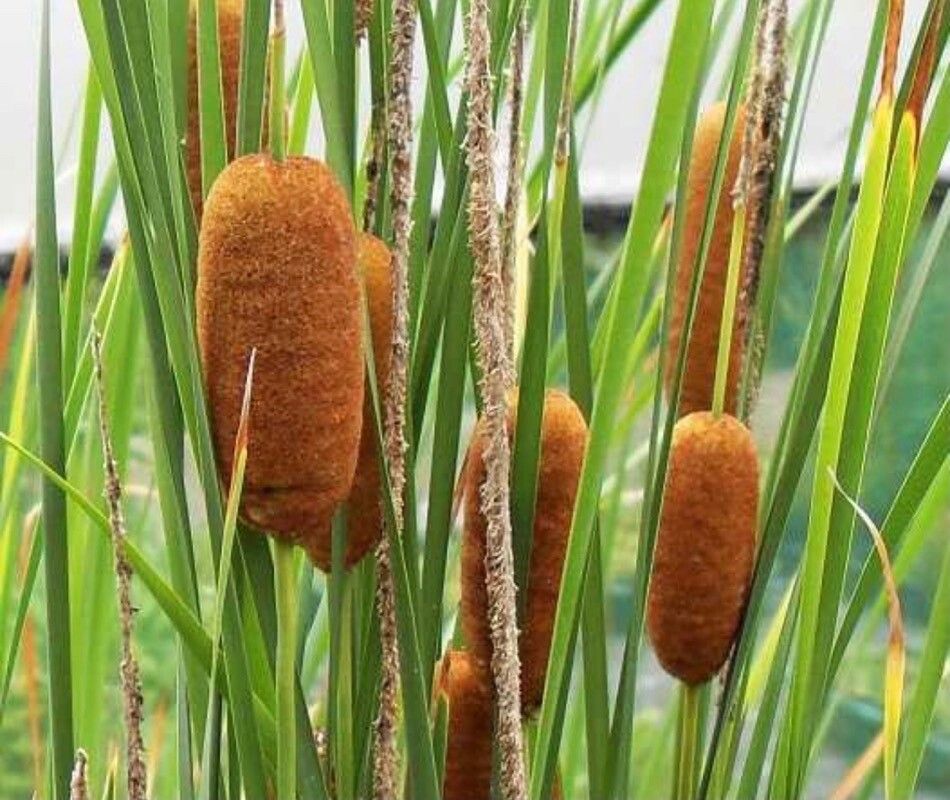
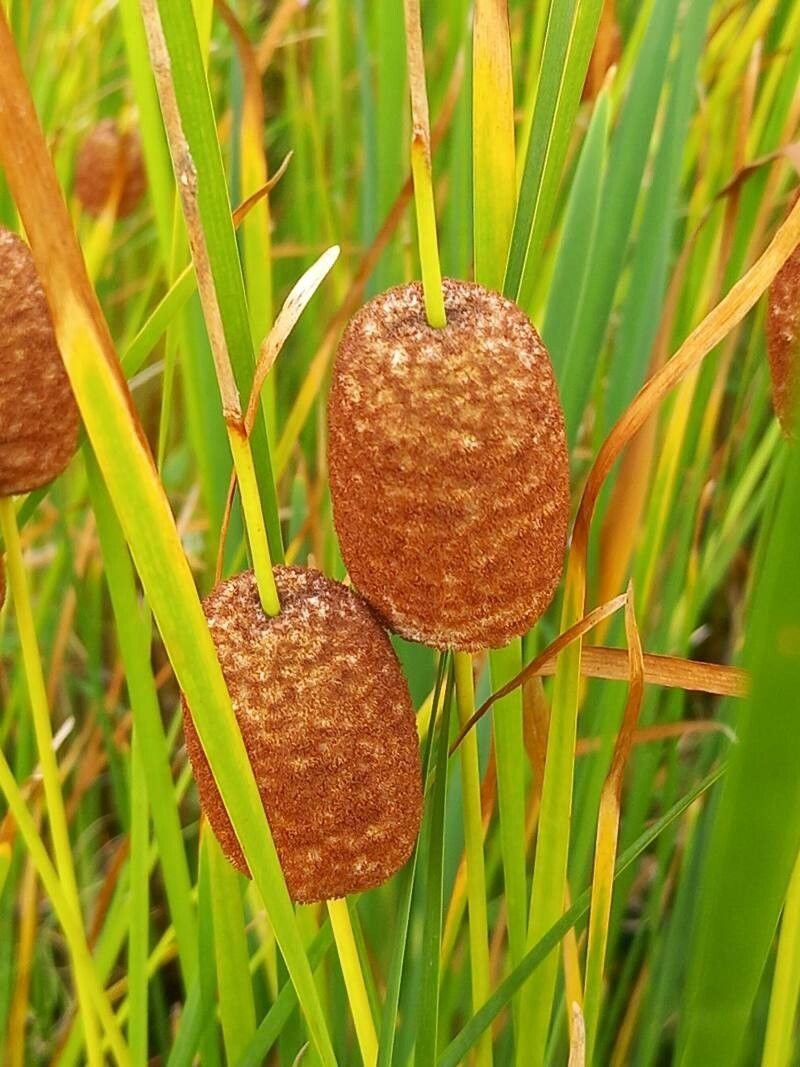
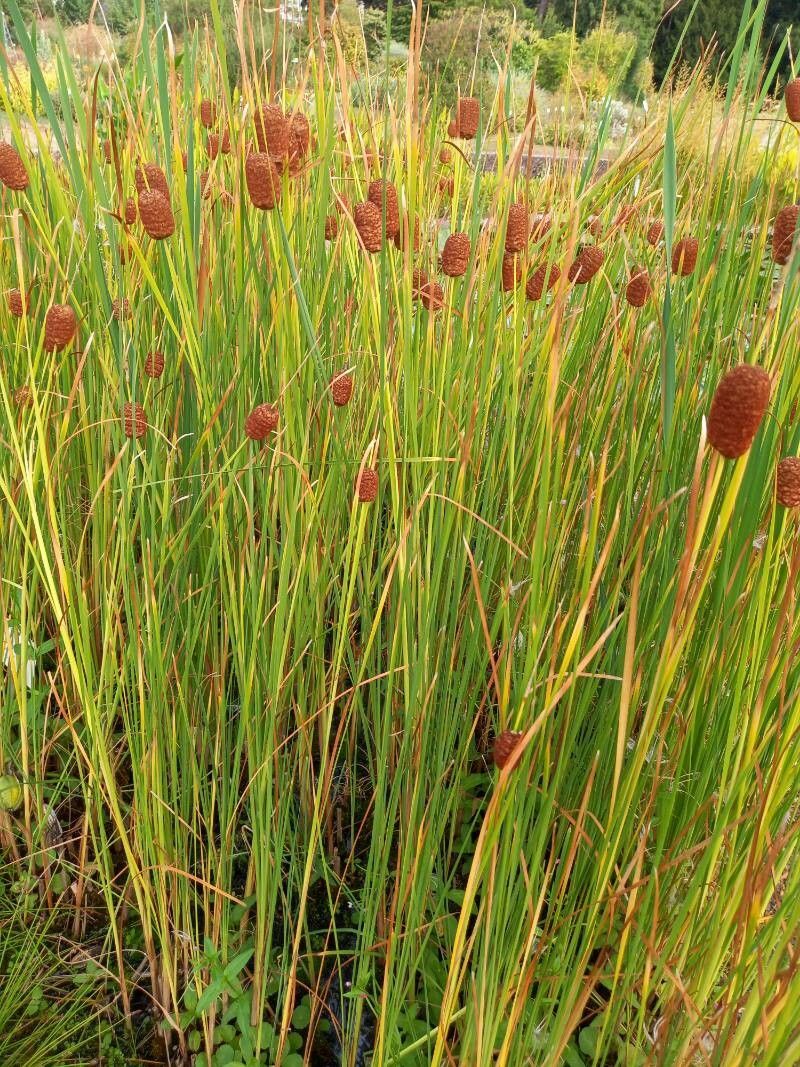
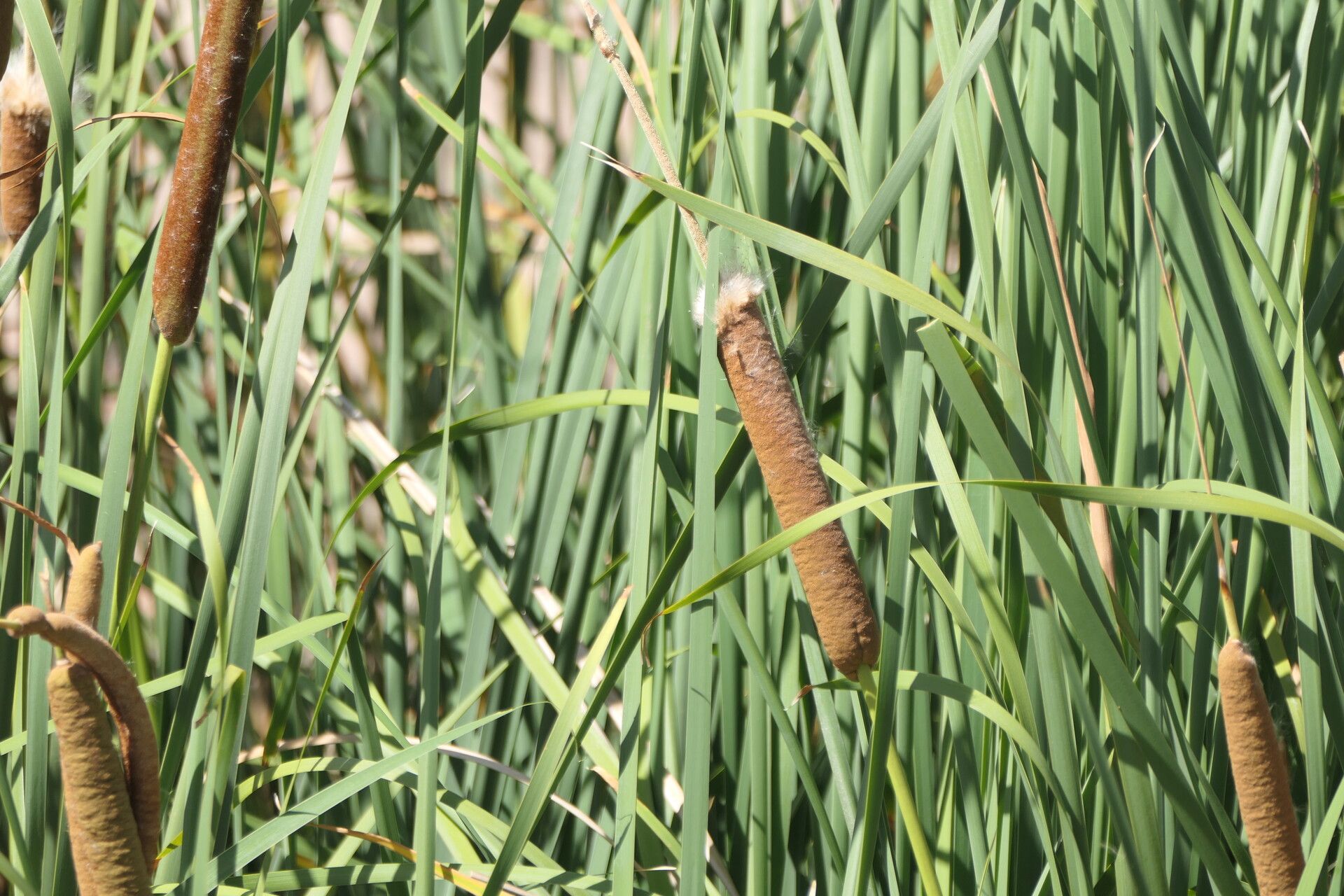
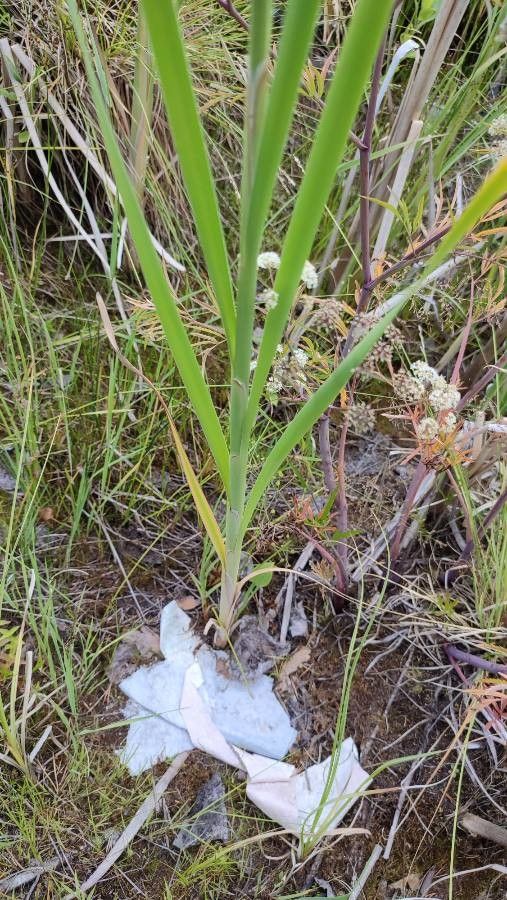
Typha laxmannii, common name graceful cattail, is a wetland plant species widespread across Europe and Asia. Typha laxmannii is not as tall as many of the other species in the genus, rarely more than 130 cm high. A noticeable space separates the staminate (male) flowers from the pistillate (female) ones.
Graceful cattail is fairly disease-resistant and generally not prone to illnesses. However, it can be affected by pests and diseases present in its surroundings. Such infections are usually mild. Regarding care, this plant needs moderate maintenance. Regular pruning is necessary to maintain a neat appearance and healthy growth. Applying fertilizer can also encourage flowering. Graceful cattail is suitable for anyone with an outdoor area, such as a garden or patio, and does not require much care experience. It may need extra attention when grown indoors.
How to keep Typha Laxmannii.
Light
Graceful cattail needs unobstructed sunlight to grow optimally. It can persist in places where the sun's rays are somewhat filtered, but this may impair its healthy development and growth. Excessive shade can weaken its vigor, while too much sun can overwhelm it. Native to habitats with abundant sunlight, it thrives in similar conditions.
Water
The graceful cattail thrives in marshy environments, where it prefers consistent moisture. To achieve this, water the plant twice a week, keeping the soil moist but not waterlogged. Ideally grown outdoors, the graceful cattail is well-suited for pondscapes and rain gardens, as it naturally adapts to the rainfall patterns of its wetland habitat.
Temperature
Graceful cattail can tolerate a broad range of temperatures, but its distribution may still be restricted by specific combinations of moisture and heat. It performs best in warm summer climates with adequate rainfall or watering. Extended stretches of cloudy, rainy weather, as well as prolonged high temperatures, can raise the likelihood of Graceful cattail dying. In winter, appropriate protection from the cold can improve the plant's survival rate.
Pruning
The graceful cattail features slender, reed-like leaves and cylindrical flower spikes. To encourage healthy growth, enhance aesthetics, and improve air circulation, prune the plant in early to late spring by removing any damaged stems. Make sure to use sterilized tools for clean cuts, which help prevent infections and reduce the risk of disease.
Botanical profile.
- Plant Type
- Herb
- Life Cycle
- Perennial
- Genus
- Typha
- Family
- Typhaceae
- Hardiness Zone
- 3-9
- Mature Height
- 0.91 m to 1.52 m
- Mature Spread
- 61 cm
- Leaf Color
- Green, Gray, Silver
- Leaf Type
- Deciduous
- Flower Color
- Brown, Yellow, Green
- Flower Size
- 10.16 cm to 15.24 cm
- Bloom Time
- Early summer, Mid summer
- Planting Time
- Spring, Summer
- Harvest Time
- Late summer, Early fall, Mid fall
- Native Area
- Tajikistan, Turkey, India, Slovakia, Romania, Bulgaria, Armenia, Pakistan, Greece, Croatia, Slovenia, Belarus, Ukraine, Lebanon, Uzbekistan, Russia, China, Afghanistan, Kyrgyzstan, Kazakhstan, Mongolia, Koppen, Iran, Albania, Azerbaijan, South Korea, Turkmenistan
Other names.
Reader questions.
What are the sunlight requirements for Graceful Cattail?
Graceful Cattail requires full sun, meaning it thrives in locations with more than 6 hours of direct sunlight daily. However, it can also grow under partial sun conditions, receiving about 3-6 hours of sunlight. It is essential to watch how sunlight moves through your garden to choose spots that ensure the balance of light and shade for the plants, promoting their optimal growth and health.
Why is proper sunlight important for Graceful Cattail, and what are the consequences of inadequate light?
Proper sunlight is crucial for the healthy development and growth of Graceful Cattail, as it craves unhindered exposure to sunlight, originating from habitats with ample sunlight. Inadequate light may not immediately show symptoms of deficiency when the plant is placed in rooms with insufficient lighting, but too much shade can weaken the plant's vitality, and too much sun may overwhelm it. Symptoms of inadequate light include smaller new leaves, leggy or sparse growth, faster leaf drop, slower or no new growth, lighter-colored new leaves, chlorosis, sunscald, leaf curling, wilting, and leaf scorching, indicating a range of stress due to improper light conditions.
How can artificial lighting be used to support the growth of Graceful Cattail indoors?
Indoor plants, including Graceful Cattail, require adequate lighting for optimal growth, especially when natural sunlight is insufficient. Artificial lights can be a vital solution, particularly in winter or less sunny spaces. For optimal indoor plant growth, it is recommended to choose the right type of artificial light such as LED lights, which can be customized to provide the specific wavelengths of light the plants need. The lighting intensity should be adjusted based on whether the plant is a full sun, partial sun, or full shade plant. The proper setup includes determining the appropriate distance (12-36 inches above the plant) and duration (8-12 hours per day) to mimic natural sunlight conditions.
What solutions can address symptoms of light deficiency or overexposure in Graceful Cattail?
To address light-related issues in Graceful Cattail, gradual adjustments to light exposure are key. For indoor plants, moving them to a sunnier location weekly until they receive at least 6 hours of sunlight daily can help, as well as using artificial light if they cannot be easily moved, ensuring at least 8 hours of light daily. For outdoor plants, a similar gradual relocation to sunnier spots is recommended to prevent sunburn. Additionally, reducing obstructions like pruning trees or transplanting smaller plants can increase sunlight exposure. It's important to note that while parts of the plant affected by insufficient sunlight may not recover, new growth will be healthy with increased light exposure.