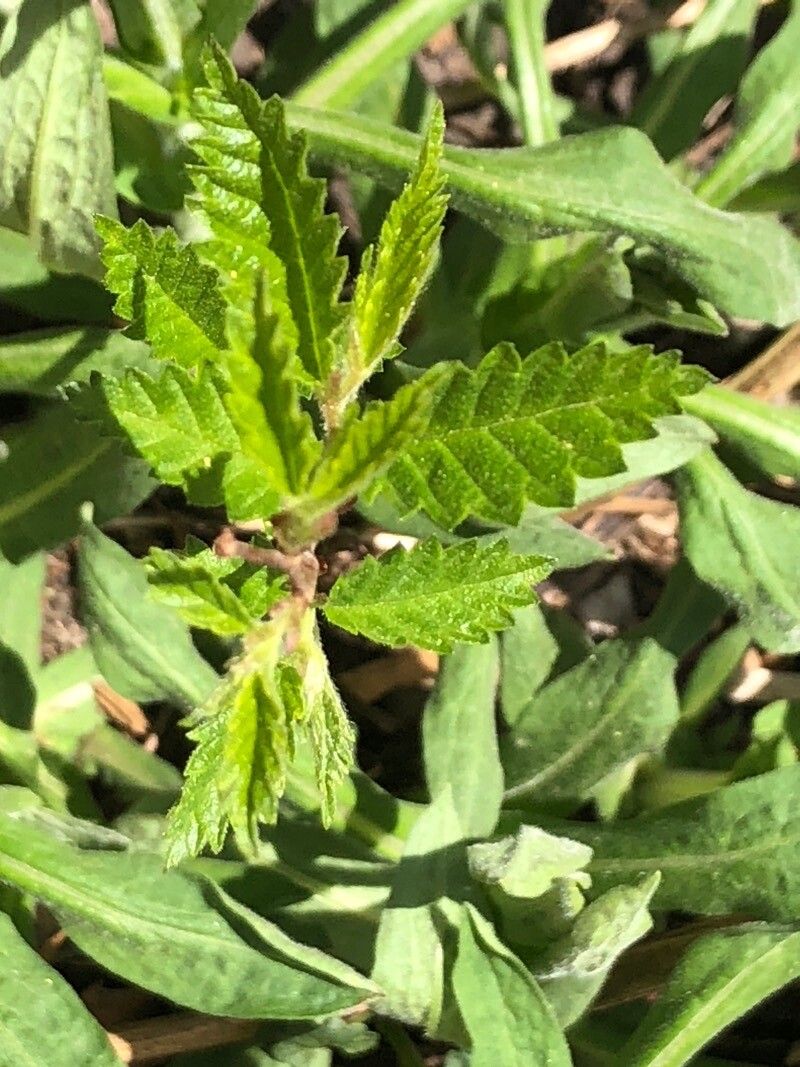
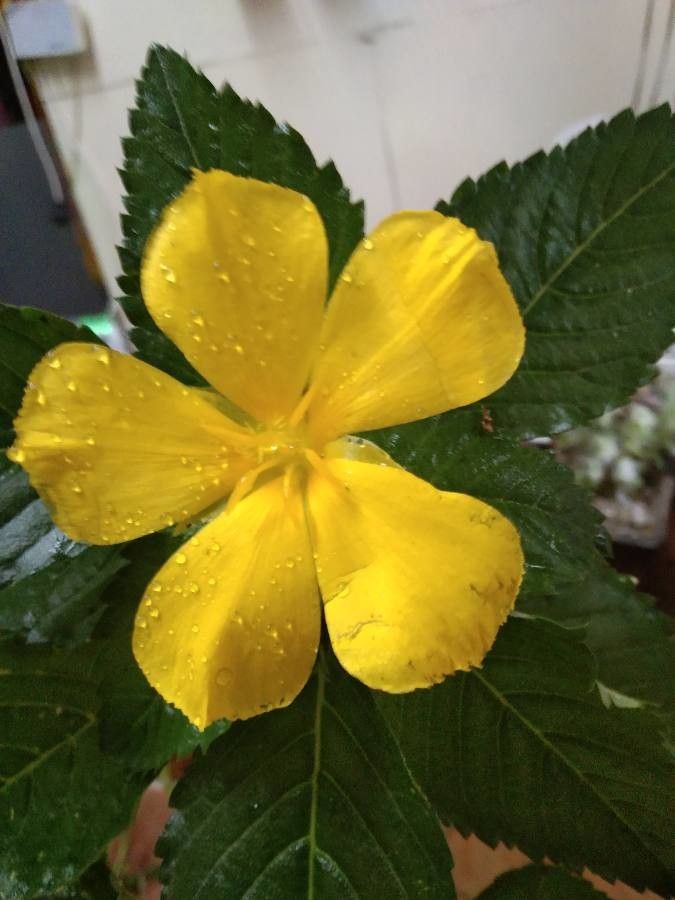
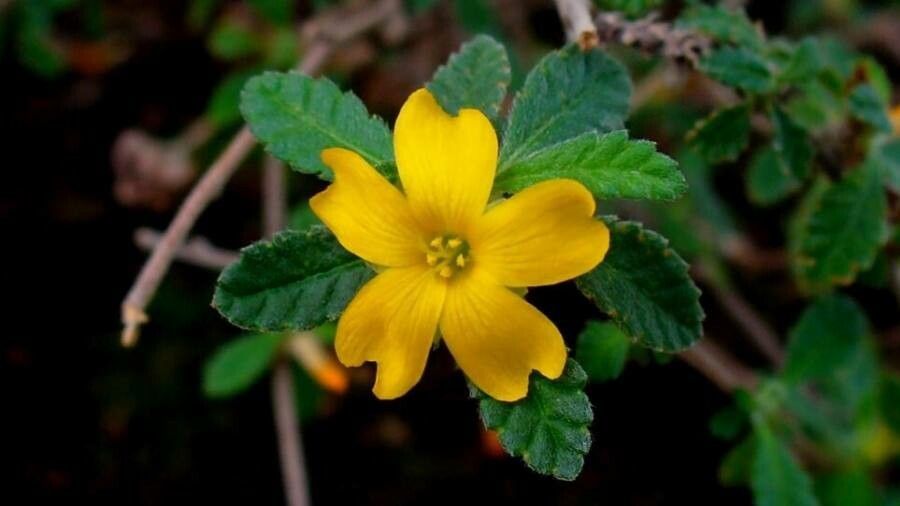
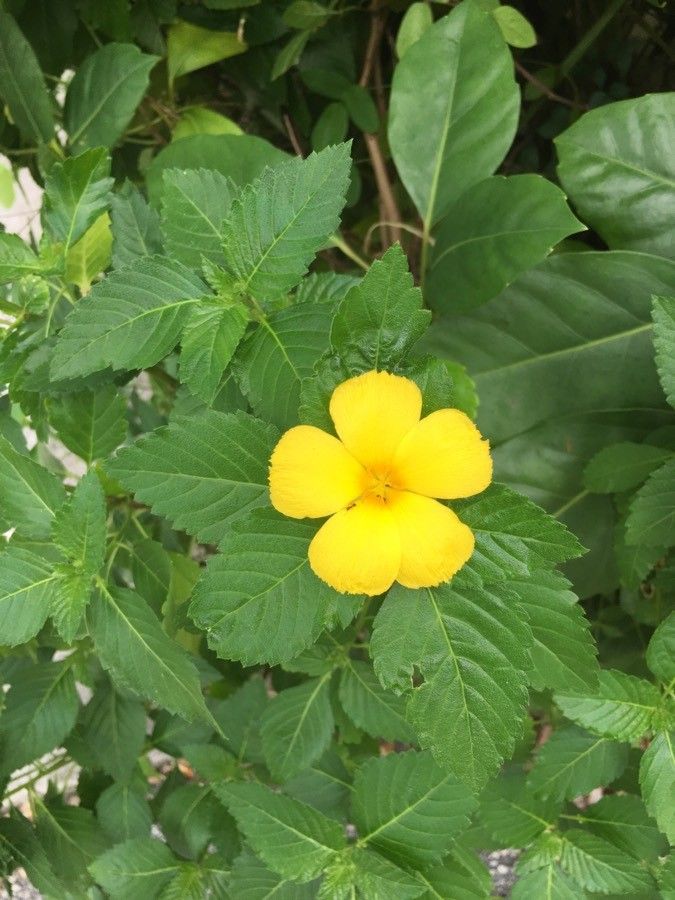
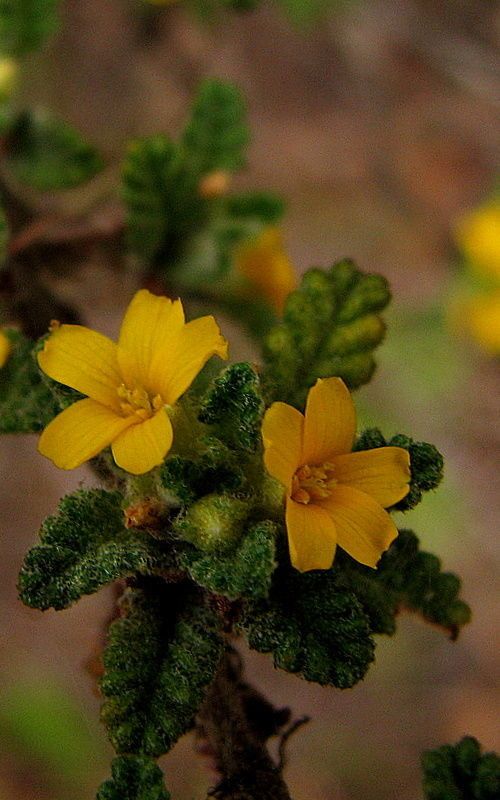
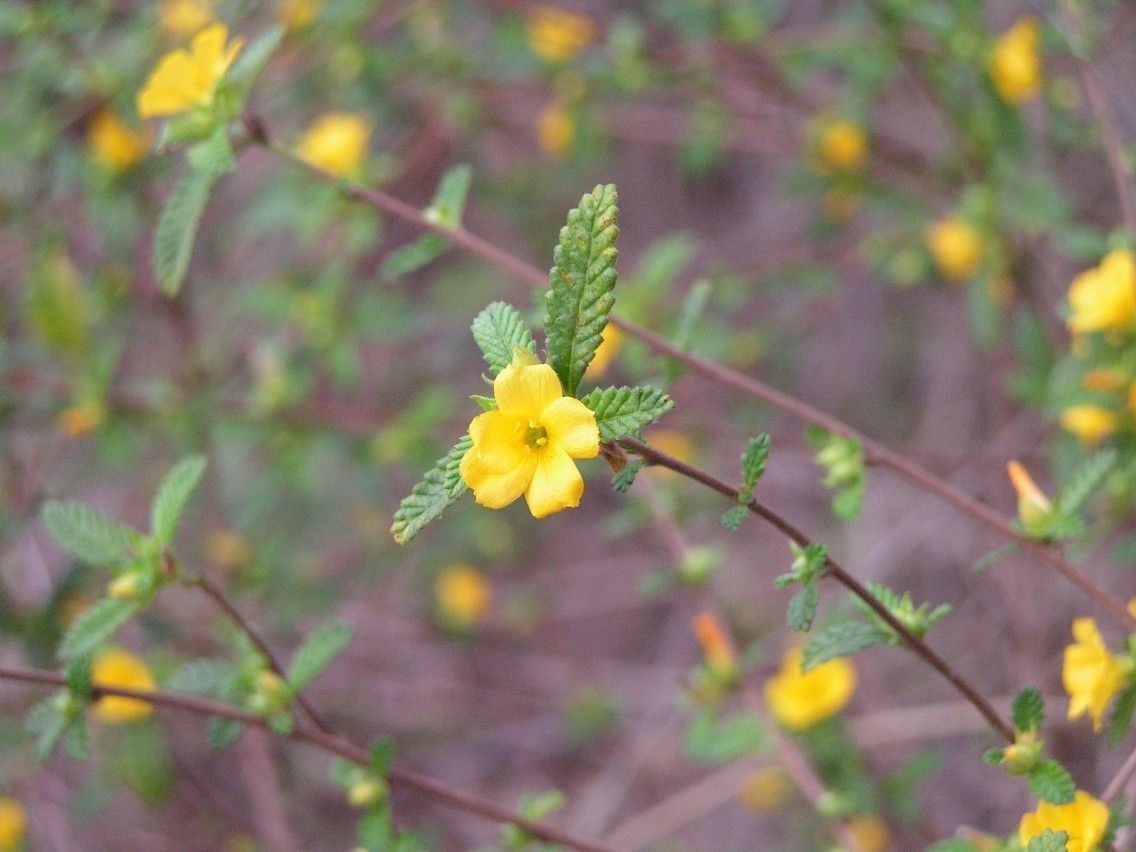
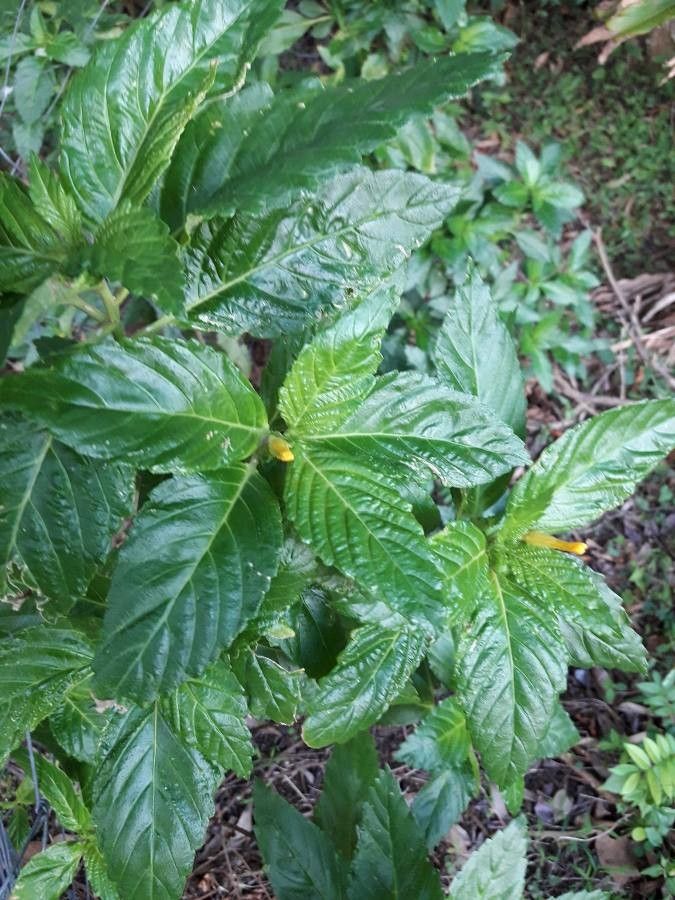
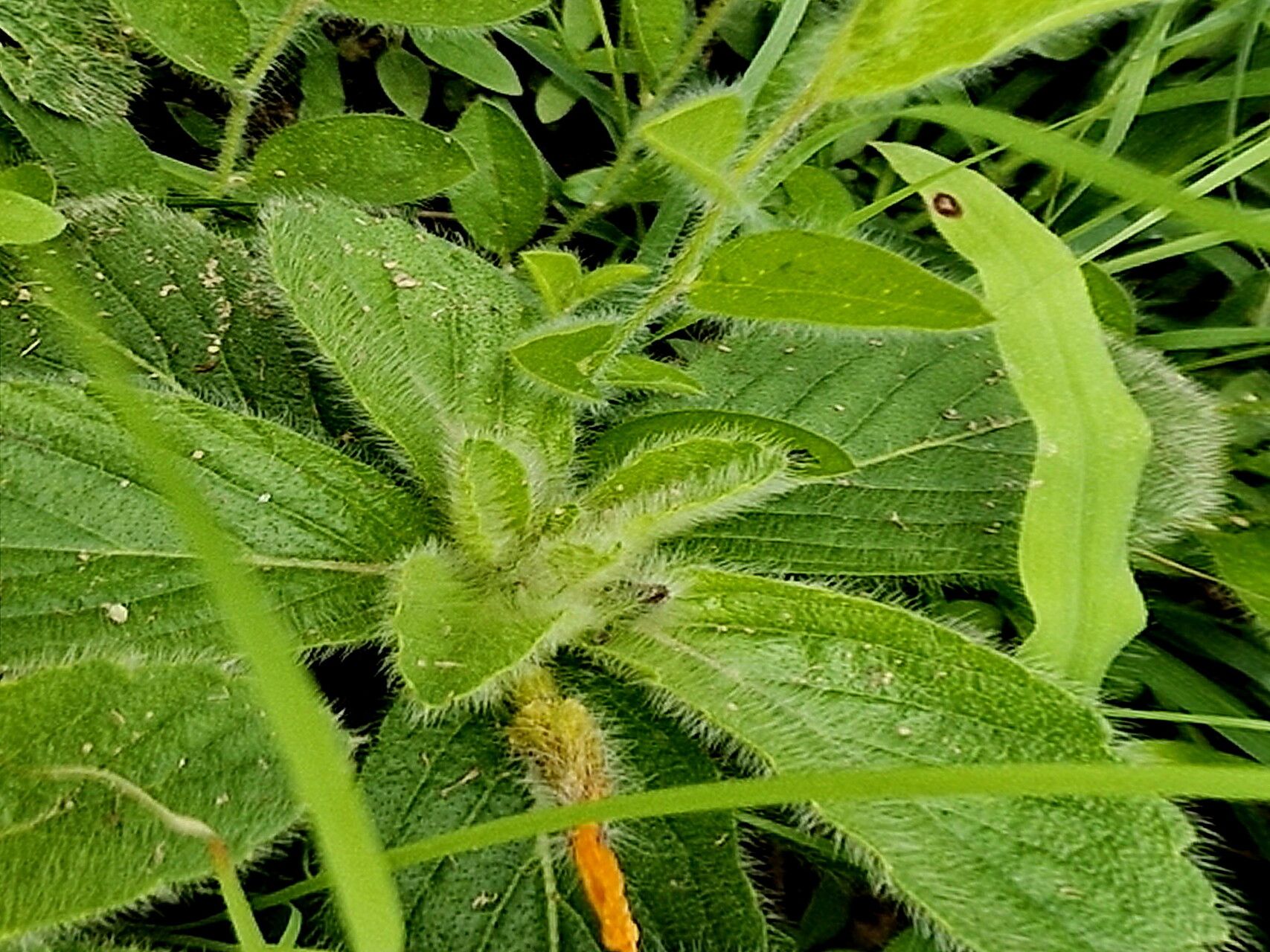
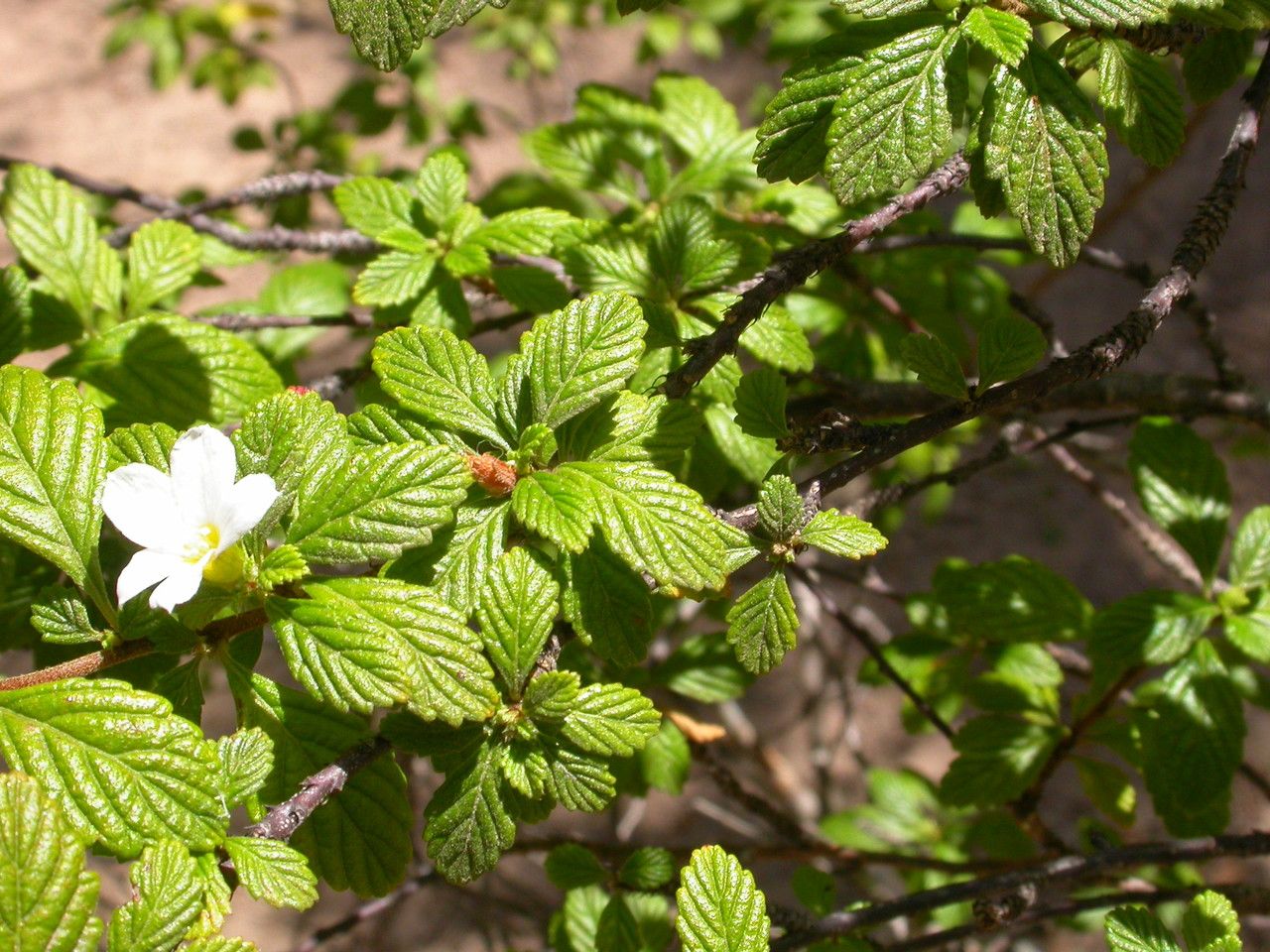
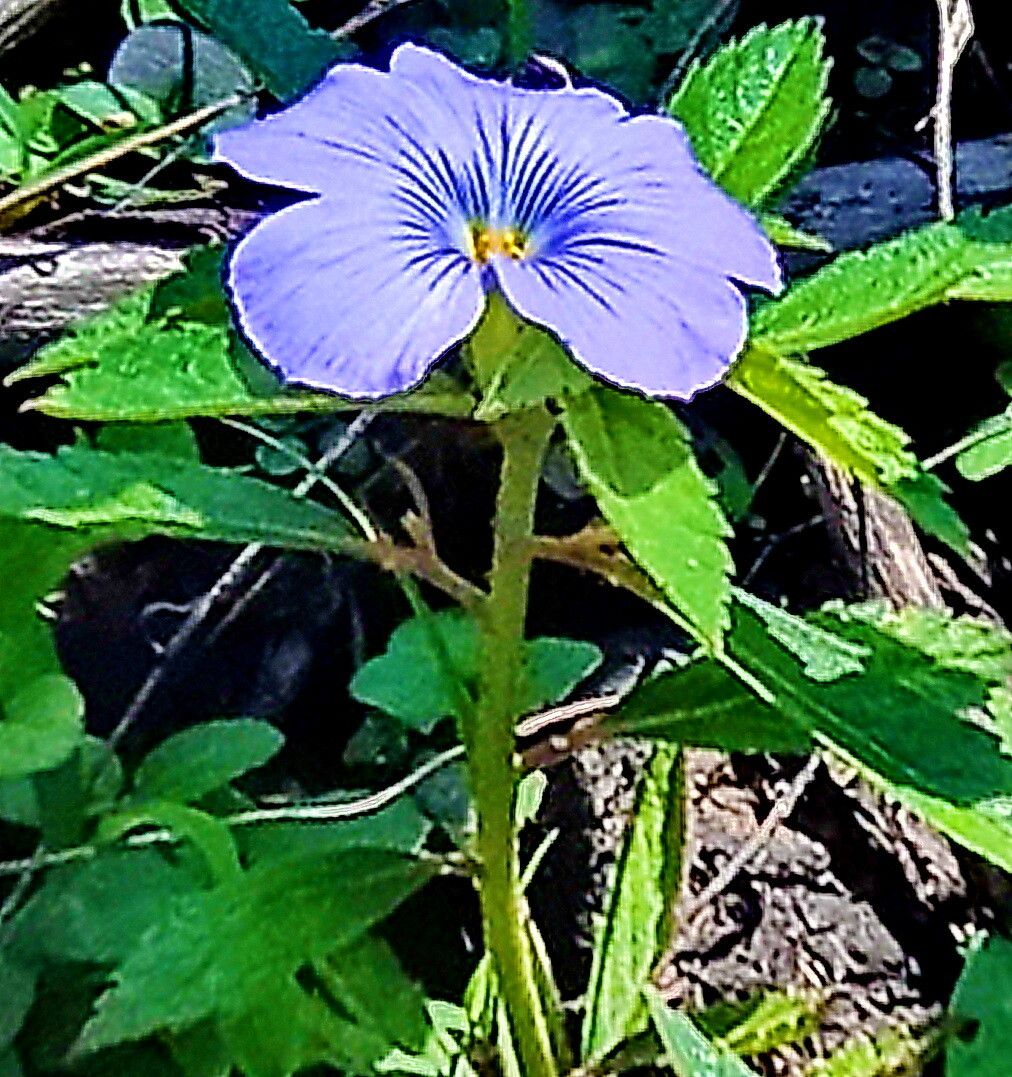
Turnera diffusa, known as damiana, is a shrub native to southern Texas in the United States, Central America, Mexico, South America, and the Caribbean. It belongs to the family Passifloraceae.Damiana is a relatively small, woody shrub that produces small, aromatic flowers. It blossoms in early to late summer and is followed by fruits that taste similar to figs. The shrub is said to have a strong spice-like odor somewhat like chamomile, due to the essential oils present in the plant.
Damiana has strong disease resistance and is usually not vulnerable to illnesses. In terms of maintenance, this plant is fairly low-maintenance. When grown outdoors, it needs only minimal watering, and larger plants typically do not require pruning. Smaller plants, however, should be pruned after they finish blooming. Damianat is suitable for anyone with an outdoor area, such as a garden or a deck, and does not need extensive care experience.
How to keep Turnera Diffusa.
Light
Damiana har en förkärlek för riklig exponering för solens strålar, vilket ökar dess styrka och livskraft. Dess naturliga miljö är fri från skuggning, så att den får ljus under hela dagen. En överdriven mängd solljus kan orsaka stress, medan ljusbrist kan hämma dess robusta tillväxt.
Water
Damiana thrives in its native subtropical climate, where it can withstand both rain and drought. It flourishes in dry conditions with well-drained soil, needing water only every one to two weeks. Best suited for outdoor growth in full sun, damiana is an excellent choice for xeriscaping in climates that support it.
Temperature
Damiana comes from tropical areas, where the climate is generally warm and humid. As a result, it is well suited to high temperatures and humidity. It is sensitive to abrupt temperature changes and prefers a steady temperature, so indoor temperature fluctuations should be avoided. It usually cannot tolerate cold conditions and needs warmer temperatures to grow. If the ambient temperature falls too low, the plant may stop growing or even die.
Fertilizer
The best time to fertilize a Damiana is in early spring, as it breaks dormancy. This supports overall growth and flower development. Fertilization improves the foliage, stems, and branches and encourages flowers that are large, vivid, and long-lasting. It helps move nutrients from the roots to the flowers and boosts the plant's health and resistance to disease.
Pruning
Prune damiana in late spring to encourage new growth and maintain its shape. To do this, remove any dead branches and thin out crowded areas. This process improves the plant's health and encourages flowering. Be careful not to cut old wood, as this can hinder growth. Additionally, pruning helps control the size of damiana in gardens.
Pot & Repot
Repot damiana every 2 to 3 years in the spring, using a new pot that is 2 inches wider in diameter than the current one. Make sure the pot has good drainage and fill it with well-draining soil. Once repotted, water the plant sparingly and position it in full sunlight to encourage healthy growth.
Botanical profile.
- Plant Type
- Shrub
- Life Cycle
- Perennial
- Genus
- Turnera
- Family
- Passifloraceae
- Hardiness Zone
- 9-11
- Mature Height
- 91 cm
- Mature Spread
- 61 cm
- Leaf Color
- Green
- Leaf Type
- Evergreen
- Flower Color
- Yellow
- Flower Size
- 2.54 cm
- Bloom Time
- All year round
- Planting Time
- Spring
- Harvest Time
- All year round
- Native Area
- Bahamas, Belize, Cuba, Honduras, Mexico, Brazil, Nicaragua, Costa Rica, Panama, Jamaica
Other names.
Reader questions.
How should I water my Damiana plant?
Your Damiana plant is not picky about how you water it, so you can use any common watering tool. This includes watering cans, hoses, or even cups. Regardless of which tool you use, it's important to water the soil directly. Make sure to evenly moisten all areas of the soil to provide water to the entire root system. Using filtered water is recommended, as tap water may contain harmful particles. It's also best to use water that is at or slightly above room temperature, as very cold or hot water can shock the Damiana plant. However, the Damiana plant usually responds well to any type of watering.
What are the sunlight requirements for Damiana (Turnera diffusa)?
Damiana thrives when exposed to abundant sunlight, indicative of its preference for natural environments with unobstructed solar exposure throughout the day. It necessitates more than 6 hours of sunlight daily to be classified under 'full sun' conditions, whereas 'partial sun' is about 3-6 hours of sunlight. Monitoring the movement of sunlight through your garden is crucial to choose suitable spots that ensure a balance of light and shade, conducive to the plant's growth and happiness.
If I give my Damiana plant too much or too little water, what should I do?
When it comes to outdoor plants, especially newly planted ones or seedlings, they can be susceptible to not getting enough water. It's important to remember that you need to keep watering them consistently for a few months when the plant is small or recently planted. This is because once the roots are established, the plant can rely on rain most of the time. When your outdoor plant is in a pot, there is a higher chance of overwatering. If you accidentally overwater your plant, it's important to take immediate action to fix the situation. First, stop watering the plant right away to minimize the impact of overwatering. Then, consider removing the plant from its pot to check its roots. If you find that none of the roots have experienced root rot, it may be okay to return the plant to its container. However, if you do see signs of root rot, you should trim away the affected roots and possibly apply a fungicide to prevent further damage. Lastly, make sure to repot the plant in well-draining soil. On the other hand, underwatering a plant is usually an easy problem to fix. If you don't water it enough, the leaves will start to droop, dry out, and eventually fall off. However, once you give the plant sufficient water, the leaves will quickly regain their fullness. So, if you notice your plant is underwatered, make sure to correct your watering frequency promptly.
How can artificial lighting be utilized for Damiana's growth indoors?
In scenarios where natural sunlight is insufficient, especially during winter or in areas receiving less sunlight, artificial lighting serves as an essential alternative to support Damiana's optimal growth. Selecting the correct type of artificial light, like LED lights that can be customized to provide specific wavelengths needed by the plant, is beneficial. For full sun plants, 30-50W/sq ft of artificial light is recommended; partial sun plants require 20-30W/sq ft, and full shade plants need 10-20W/sq ft. The light source should be placed 12-36 inches above the plant, simulating natural sunlight's distance. Furthermore, mimicking natural daylight hours—most plants need 8-12 hours of light per day—is crucial for the plant's health.
How much water should I give my Damiana plant?
Most plants can grow naturally with rainfall, but if your area lacks rainfall, you'll need to water your plants regularly. In the spring and fall, watering every 2 weeks should be enough. However, during the summer, you'll need to water them more frequently. In the winter, when plants don't require as much water, you can water them less often or not at all. If your Damiana plant is young or newly planted, you should water it more often to help it establish and grow. For potted plants like Damiana, there are two main ways to determine how often to water them. The first option is to follow a set watering schedule, such as once a week or every other week. However, this may not always be suitable for your specific plant and growing conditions. Alternatively, you can assess the soil moisture to guide your watering frequency. Typically, it's best to wait until the top few inches of soil have completely dried out before watering again. This method allows you to adjust your watering based on the season and the plant's water needs, as they may vary throughout the year.
What are indicators of insufficient light for Damiana?
Damiana displays several symptoms when subjected to suboptimal lighting conditions. Such symptoms include smaller new leaves compared to older ones, leggy or sparse growth due to elongated spaces between leaves or stems, premature leaf drop as a resource-conserving measure, and halted or diminished new growth as the plant enters survival mode. Additionally, leaves may develop lighter colors or show signs of chlorosis (yellowing) due to inadequate chlorophyll and nutrient levels. Excessive sunlight can also lead to sunscald, leaf curling as a defense mechanism against overexposure, wilting from increased water loss, and leaf scorching characterized by brown, crispy leaf edges.
How much water does my Damiana plant need?
When watering your Damiana plant, you might be surprised to learn that it doesn't always require a large amount of water. Instead, if only a few inches of soil have dried since the last watering, it is enough to give it about five to ten ounces of water each time. You can also assess the soil moisture to determine the appropriate amount of water. Keep track of how many inches of soil have dried between waterings. To ensure your Damiana gets enough moisture, water it enough so that all the layers of soil that have dried since the last time are moistened. If over half of the soil has dried, it's best to provide more water than usual. In such cases, continue watering until you see excess water draining from the pot's drainage holes. If your Damiana is planted in an area that receives sufficient rain outdoors, it may not need additional watering. When the plant is young or newly established, ensure it receives 1-2 inches of rain per week. As it grows and establishes itself, it can rely solely on rainwater, unless there is no rainfall for 2-3 weeks during hot weather. In such cases, give your Damiana a thorough watering to prevent stress.
What solutions can mitigate Damiana's symptoms due to improper sunlight exposure?
Addressing Damiana's sunlight exposure issues involves both indoor and outdoor strategies to ensure optimal growth. Indoors, gradually moving plants to sunnier locations each week to achieve at least 6 hours of direct sunlight is beneficial, complemented by keeping curtains opened during the day or employing artificial grow lights for sufficient light exposure. Outdoors, a gradual adjustment to sunnier spots helps prevent sunburn, emphasizing the necessity to avoid abrupt light intensity changes. Reducing sunlight obstructions, through measures like pruning trees that shade the plant, and transplanting smaller plants during their dormant period to sunlit areas with good drainage, are effective outdoor solutions. It's important to note that while parts of the plant that suffered from insufficient sunlight may not fully recover, new growth following enhanced light exposure will be healthy.
How will I know if I'm giving enough water to my Damiana?
The Damiana plant often faces the issue of overwatering, which is more common. You can easily identify overwatering through its symptoms: yellowing leaves and leaf drop. Moreover, overwatering can lead to a shriveled plant structure and root rot. Conversely, an underwatered Damiana starts to wilt and may have brown or brittle leaves. No matter the signs, it is important to take action and restore the health of your Damiana.
How do I give water to my Damiana plant as it grows?
When the Damiana is young, especially during the seedling stage, it needs more water compared to when it is fully grown. During the early stages, it's important to keep the soil consistently moist to promote root development. This also applies to any Damiana that you have moved to a new growing location. Additionally, providing the right care can result in the Damiana producing beautiful flowers and fruits. If your Damiana is currently in a flowering or fruiting phase, you'll likely need to increase watering slightly to support these plant structures.
How should I water my Damiana plant all year round?
The frequency of watering your Damiana will depend on the seasons and the amount of sunlight it receives. In the summer, when it's hot and receives a lot of sunlight, you'll need to water it more often because the soil dries out quickly. However, in the winter, when it's not actively growing, it requires much less water, and you can water it once every 2 to 3 weeks or even less frequently. If you're growing it indoors, be cautious of appliances like air conditioners, as they can dry out the plant faster, necessitating more frequent watering.
What's the difference in watering my Damiana plant inside or outside?
Depending on the conditions, your Damiana plant may not require any extra watering if it is grown outside and receives adequate rainwater. However, if you live in an area with little to no rainfall, it is advisable to water the plant every two weeks. If you are in a region where the plant is not naturally suited to grow, it is recommended to grow it indoors. When grown indoors, it is important to regularly check the soil moisture as it tends to dry out quicker in containers or when exposed to HVAC units such as air conditioners. These drying factors may necessitate more frequent watering compared to outdoor growth.