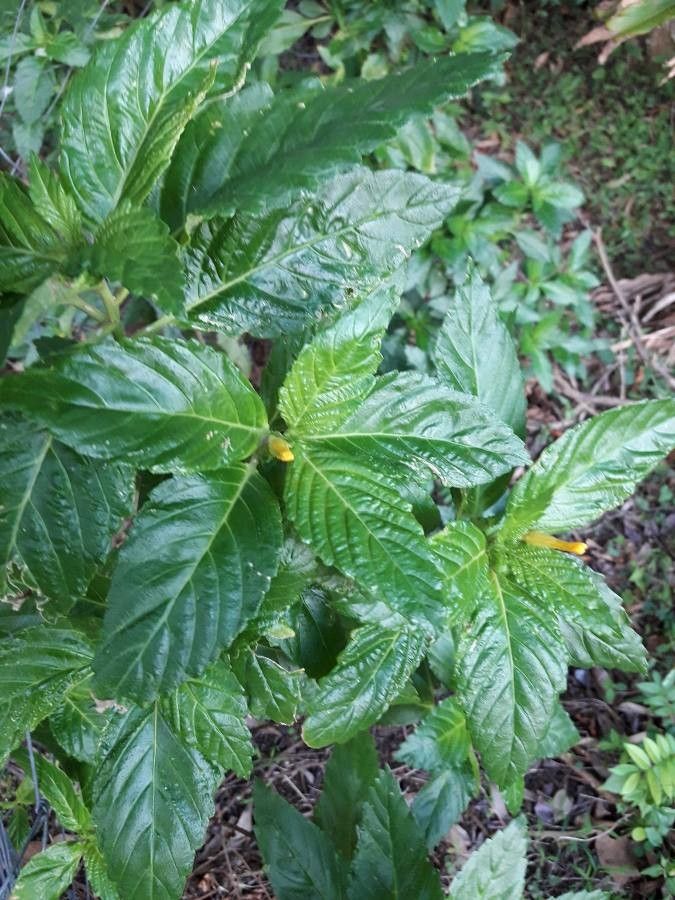
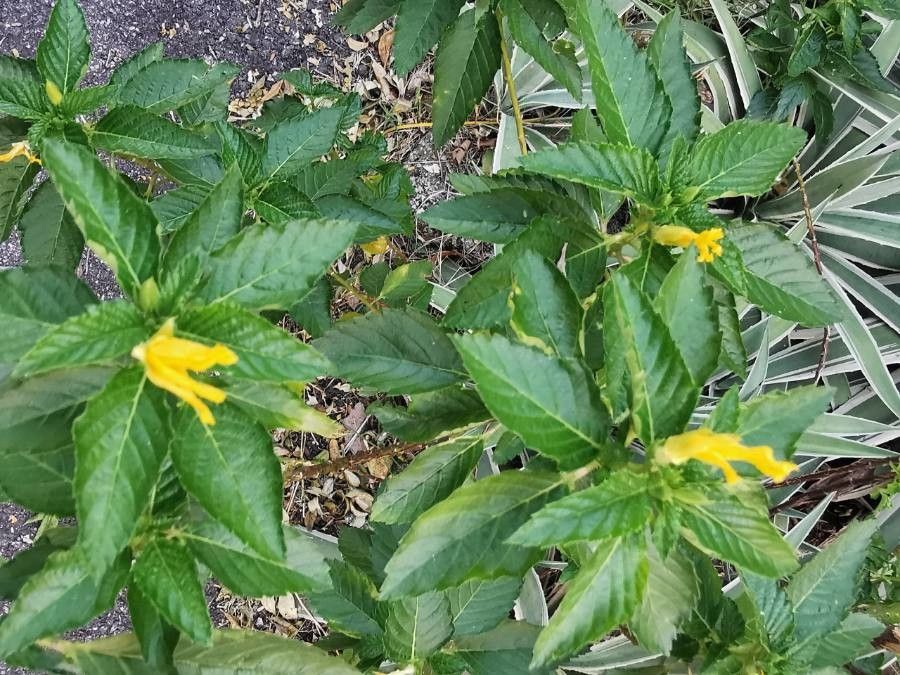
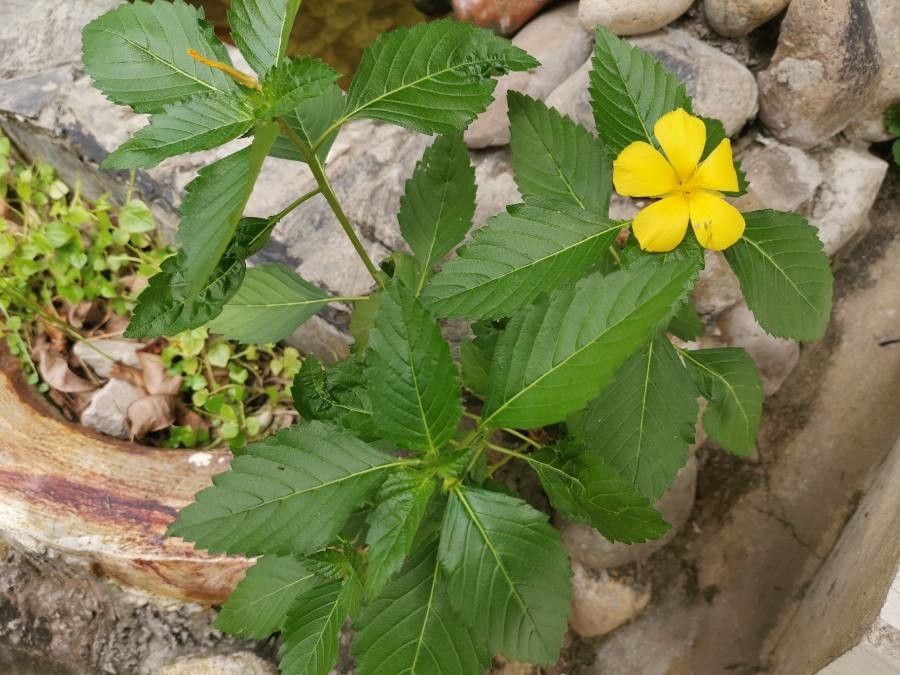
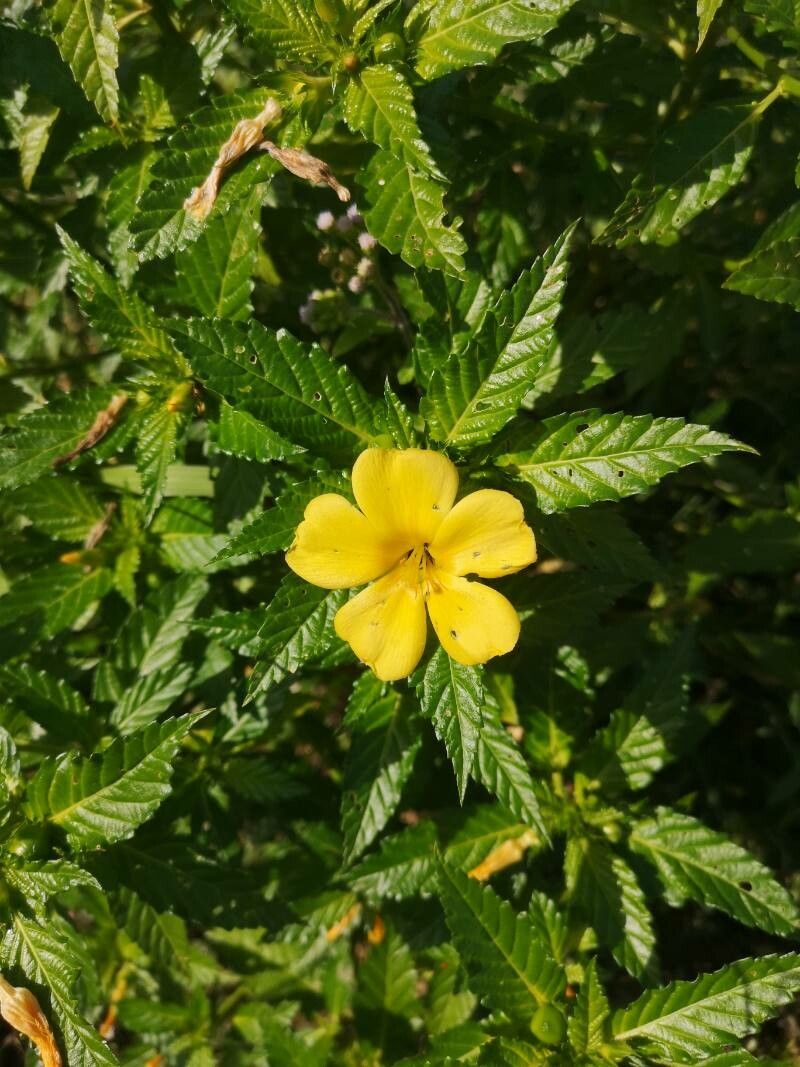
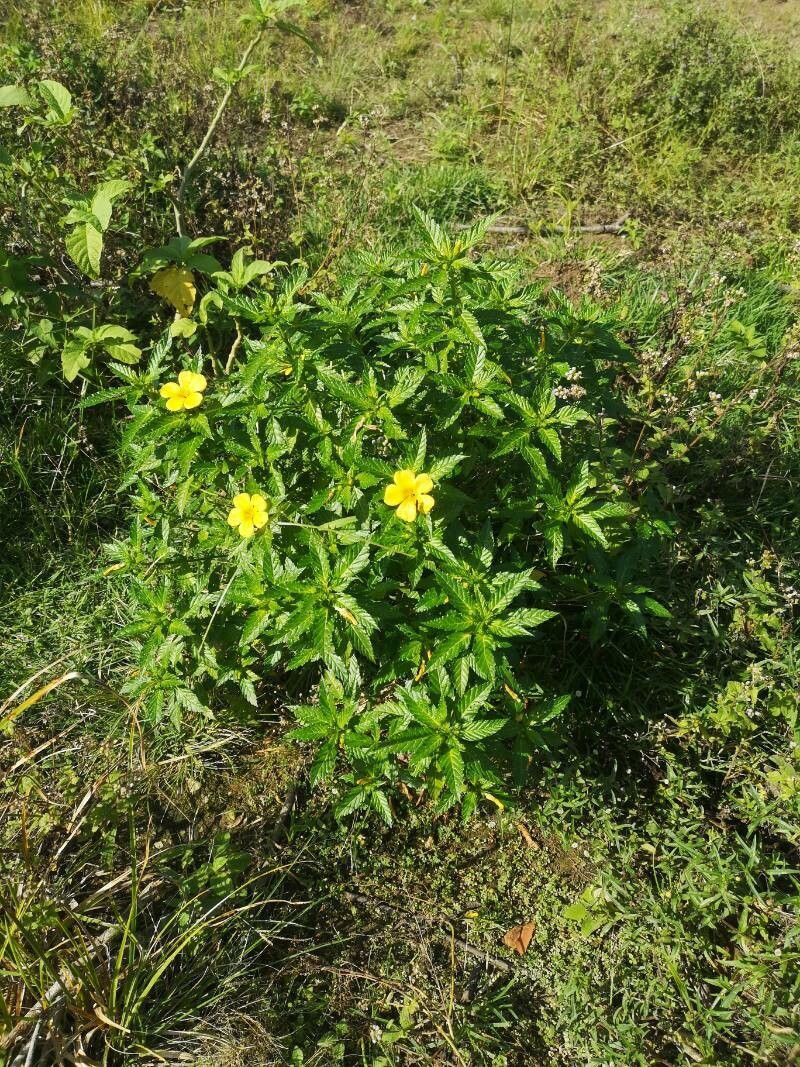
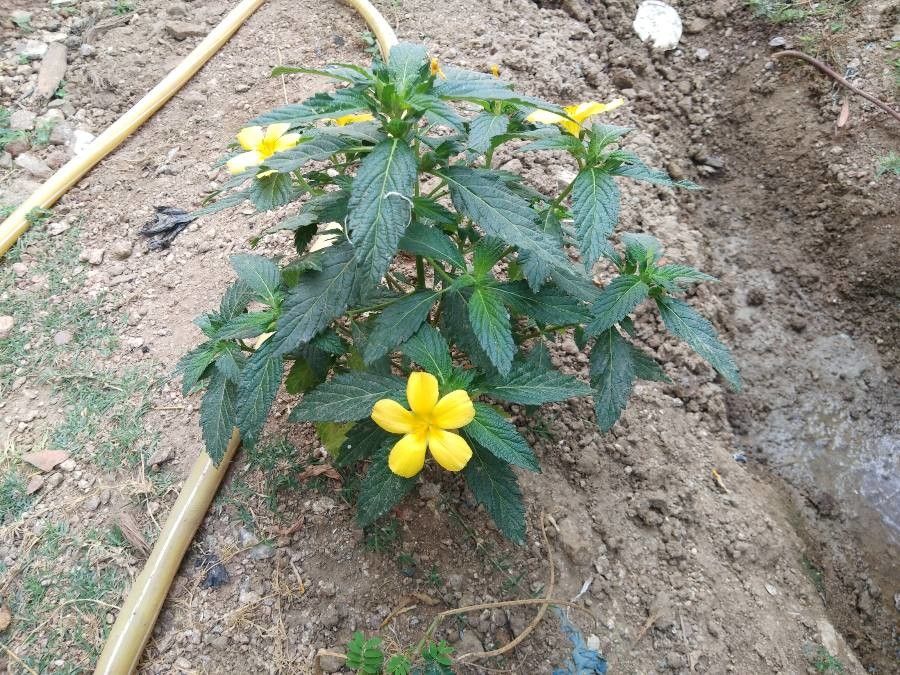
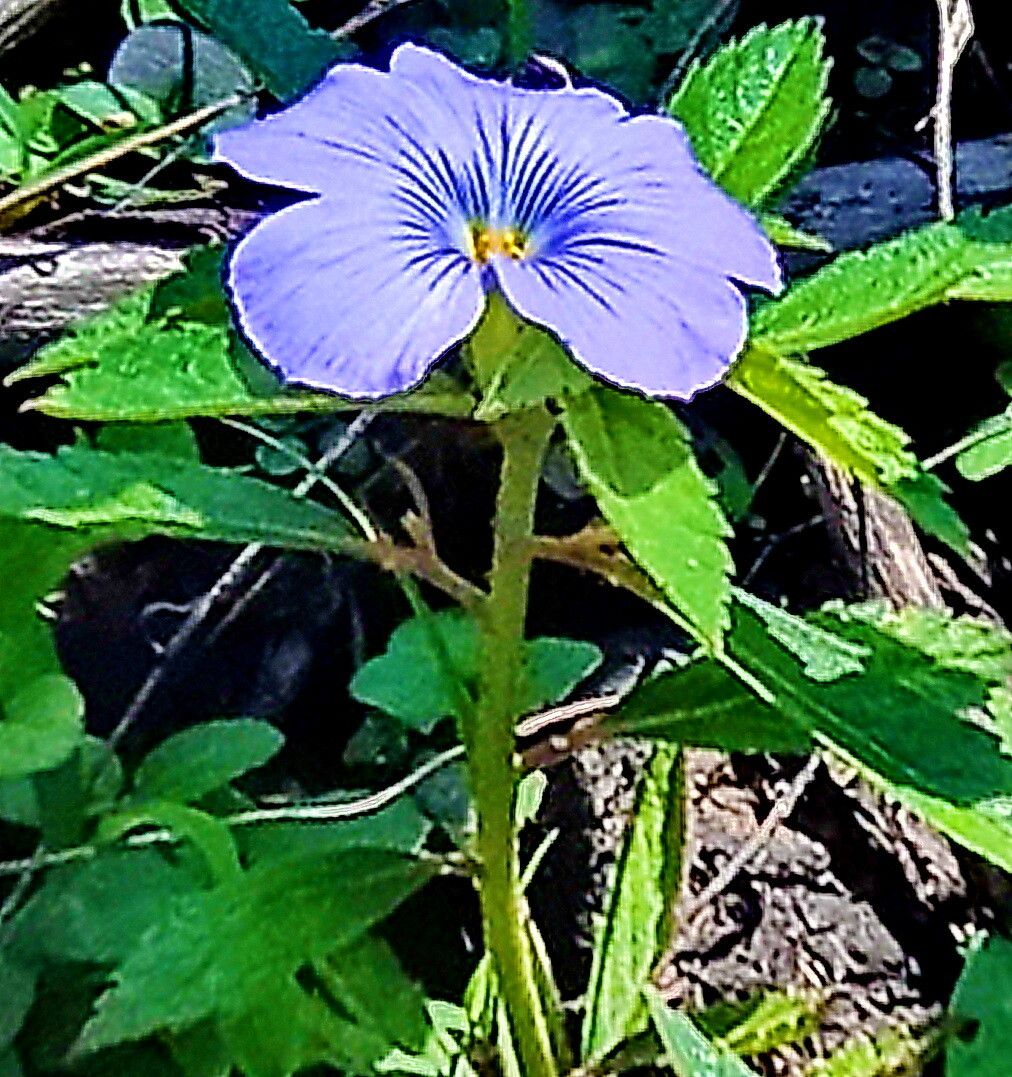
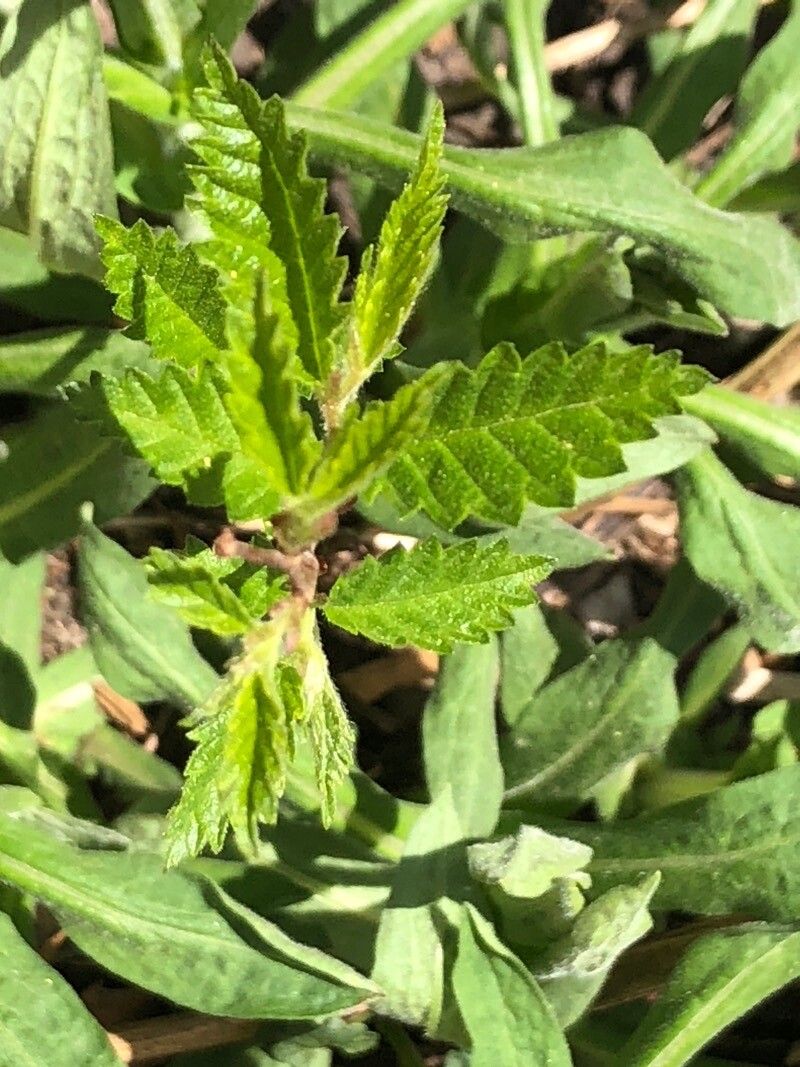
Yellow alder shows good resistance to disease and is generally not prone to illnesses. Regarding care, this plant is relatively low-maintenance. When grown outdoors it needs minimal watering, and larger plants typically do not require pruning. Smaller plants, however, should be pruned after they have finished blooming. Yellow alder is suitable for anyone with an outdoor space, such as a garden or deck, and does not require extensive care experience.
How to keep Turnera Angustifolia.
Light
Yellow alder thrives when it receives plenty of light throughout the day. It is also tolerant of conditions with lower light levels. From seedling to maturity, appropriate light exposure promotes vigorous growth. Both excessive light and insufficient light can damage its health, diminishing its lushness and vibrancy.
Temperature
Native to temperate regions, yellow alder prefers a narrow temperature range of 59 to 100.4 °F (15 to 38 ℃). For optimal growth, its surrounding temperature must be adjusted carefully during extremely cold or hot seasons.
Fertilizer
Timing is important when fertilizing Yellow alder. Apply fertilizer in early spring and continue monthly until early summer. The fertilizer promotes lovely blooms and supplies energy during both dormant and active growth phases.
Botanical profile.
- Plant Type
- Shrub
- Life Cycle
- Perennial
- Genus
- Turnera
- Family
- Passifloraceae
- Hardiness Zone
- 8-11
- Mature Height
- 0.3 m to 1.22 m
- Mature Spread
- 61 cm to 91 cm
- Leaf Color
- Green
- Leaf Type
- Evergreen
- Flower Color
- Yellow
- Flower Size
- 4.06 cm to 5.08 cm
- Bloom Time
- All year round
- Planting Time
- Spring, Autumn
- Harvest Time
- All year round
- Native Area
- Colombia, Bahamas, Belize, Cuba, Haiti, Mexico, Honduras, El Salvador, Nicaragua, Dominican Republic, Costa Rica, Panama, Jamaica
Other names.