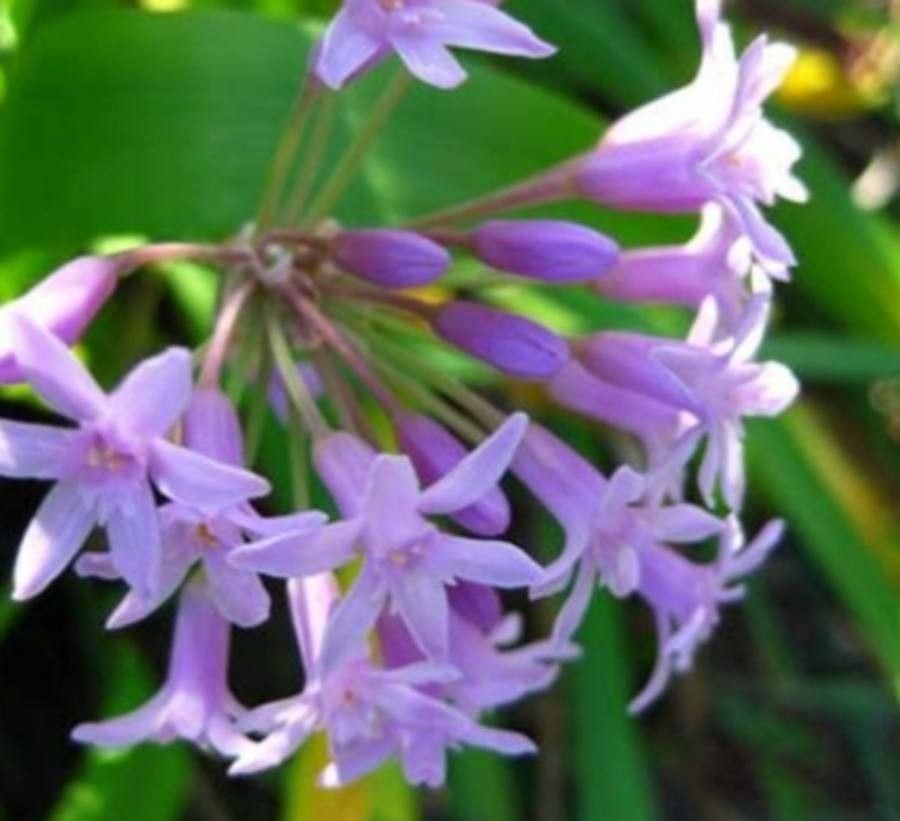
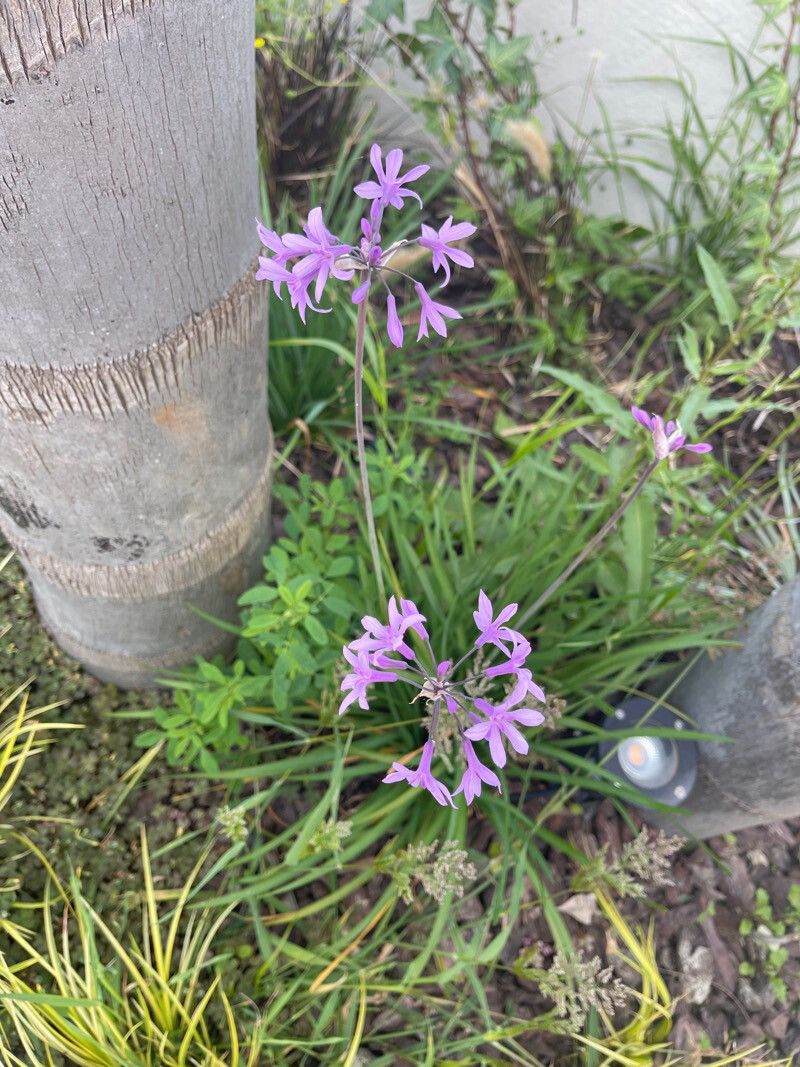
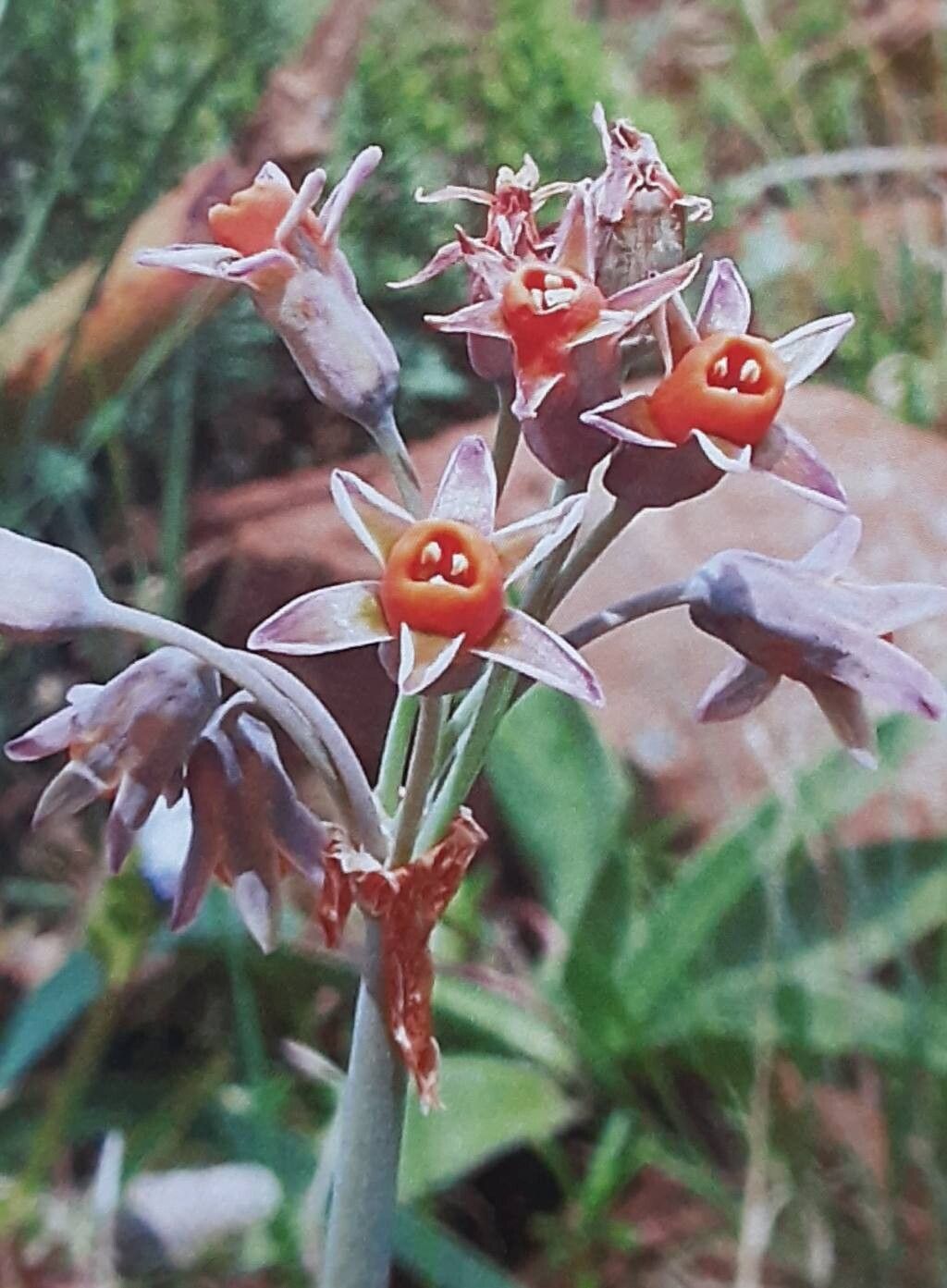
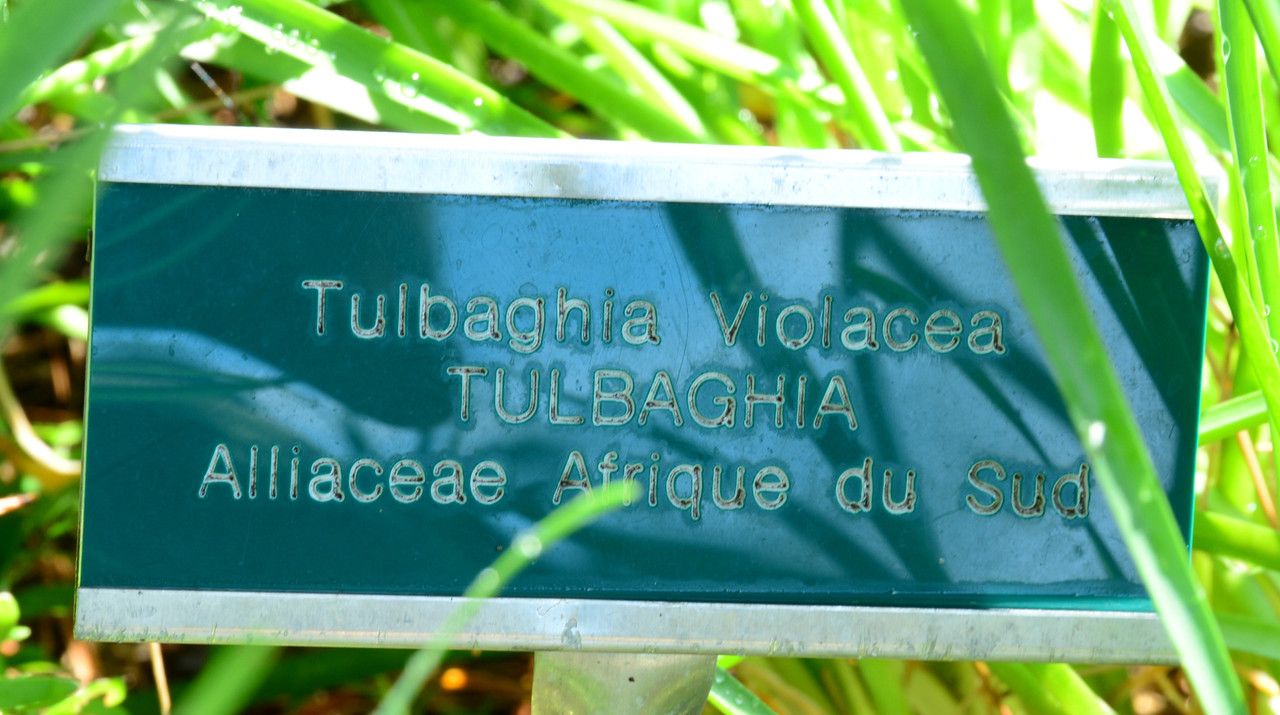
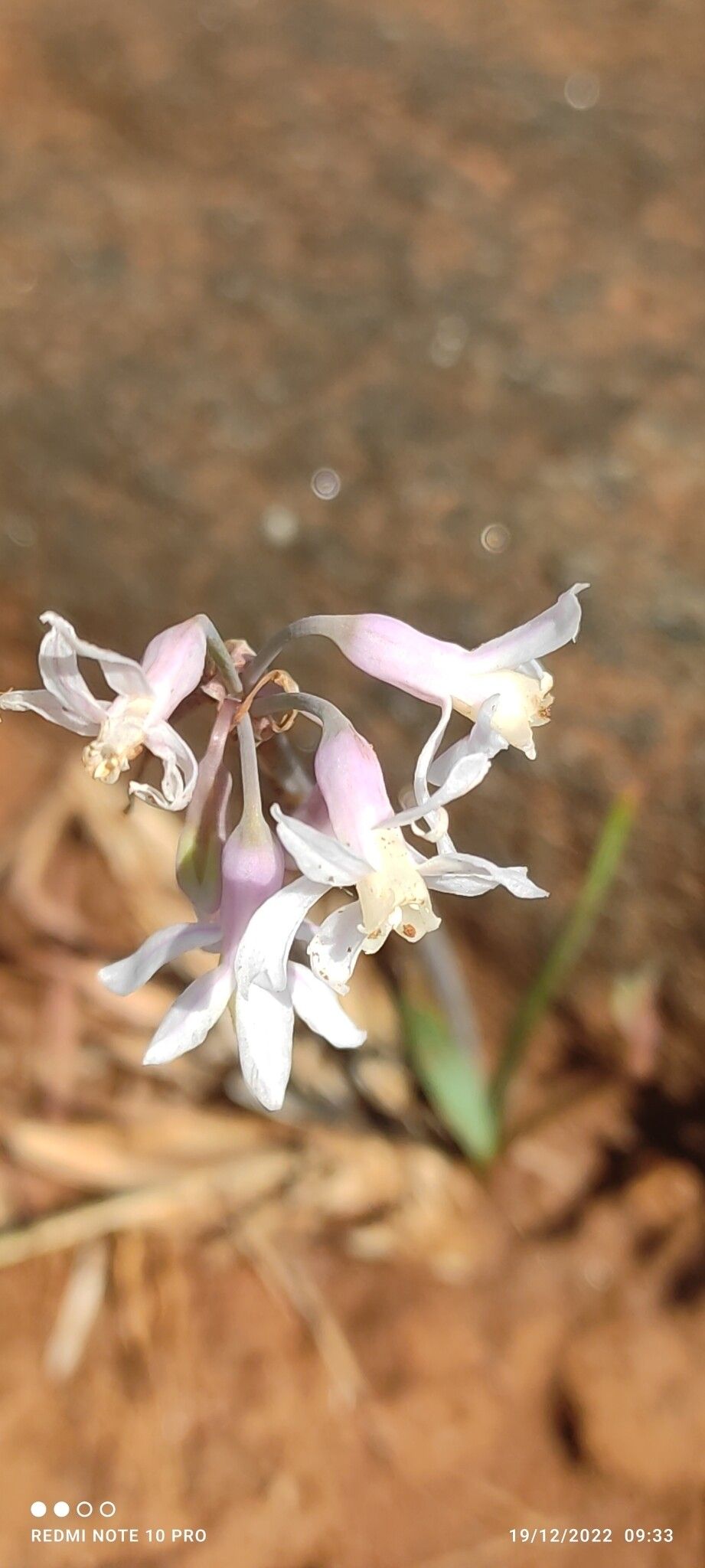
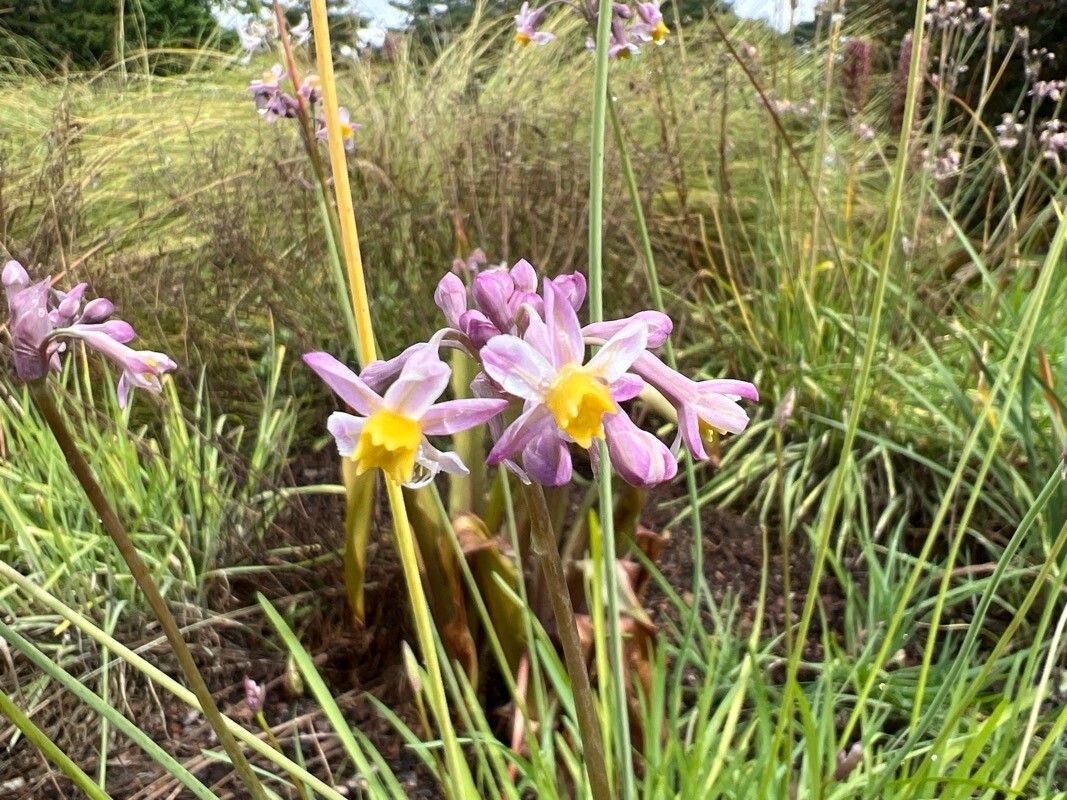
Tulbaghia simmleri, variously called pink agapanthus, fragrant tulbaghia, and sweet wild garlic (a name it shares with Tulbaghia natalensis), is a species of flowering plant in the family Amaryllidaceae, native to the Northern Provinces of South Africa. It has gained the Royal Horticultural Society's Award of Garden Merit as an ornamental.
Sweet garlic is fairly resistant to disease and generally does not tend to get sick. Still, it can be vulnerable to pests and illnesses present in its environment. These problems are typically minor. In terms of care, the plant needs moderate maintenance. It should be pruned regularly to keep a good appearance and encourage healthy growth. Fertilizing can also help boost flowering. Sweet garlic is well suited for anyone with outdoor space, like a garden or patio, and does not demand a lot of care experience. It may need more attention when grown indoors.
How to keep Tulbaghia Simmleri.
Light
Sweet garlic is a sun-loving perennial herbaceous plant native to open habitats, commonly found in meadows and grasslands. It favors full sun but can also tolerate partial sun.
Water
Sweet garlic grows best in moderate humidity and requires balanced watering, ideally every 1-2 weeks. While it can handle brief periods of drought, it needs consistent moisture throughout the year, including during dormancy. As an evergreen plant, it retains its leaves in all seasons.
Temperature
Sweet garlic is quite adaptable to heat, tolerating high temperatures and wide temperature fluctuations. In hot weather, it’s important to ensure proper watering and provide suitable shade to avoid sunburn. On the other hand, sweet garlic is relatively sensitive to cold. While it can endure some chill, very low temperatures can cause frost damage.
Fertilizer
The best time to fertilize Sweet garlic is in early spring, when it is coming out of dormancy and beginning active growth. Fertilization supplies essential nutrients needed for healthy development. Although Sweet garlic requires relatively little fertilizer, applying it annually can improve its survival and encourage better, longer-lasting blooms.
Pruning
Sweet garlic, celebrated for its fragrant flowers and garlic-like aroma, should be pruned between early and late spring. This practice promotes healthy growth, encourages blooming, improves air circulation, and reduces the risk of disease, resulting in a lush and attractive addition to your garden.
Botanical profile.
- Plant Type
- Herb
- Life Cycle
- Perennial
- Genus
- Tulbaghia
- Family
- Amaryllidaceae
- Hardiness Zone
- 8-10
- Mature Height
- 49 cm
- Mature Spread
- 30 cm
- Leaf Color
- Green
- Leaf Type
- Semi-evergreen
- Flower Color
- Lavender, Purple
- Flower Size
- 2.03 cm to 3.05 cm
- Bloom Time
- All year round
- Planting Time
- Spring, Summer, Autumn
- Harvest Time
- All year round
- Native Area
- South Africa
Other names.
Reader questions.
What are the sunlight requirements for Sweet garlic (Tulbaghia simmleri)?
Sweet garlic (Tulbaghia simmleri) thrives best under certain sunlight conditions. For full sun exposure, the plant requires above 6 hours of sunlight daily. If the area receives about 3-6 hours of sunlight, it is considered partial sun. It's important to observe the way sunlight moves through your garden to ensure you choose spots that offer a good balance of light and shade. Finding the right spot is crucial for the plant's happiness.
What is Sweet Garlic?
Sweet garlic, known botanically as Tulbaghia simmleri, is a plant distinguished by its unique characteristics and importance in various contexts. The details about its essentials and symptoms are not provided in the given data.