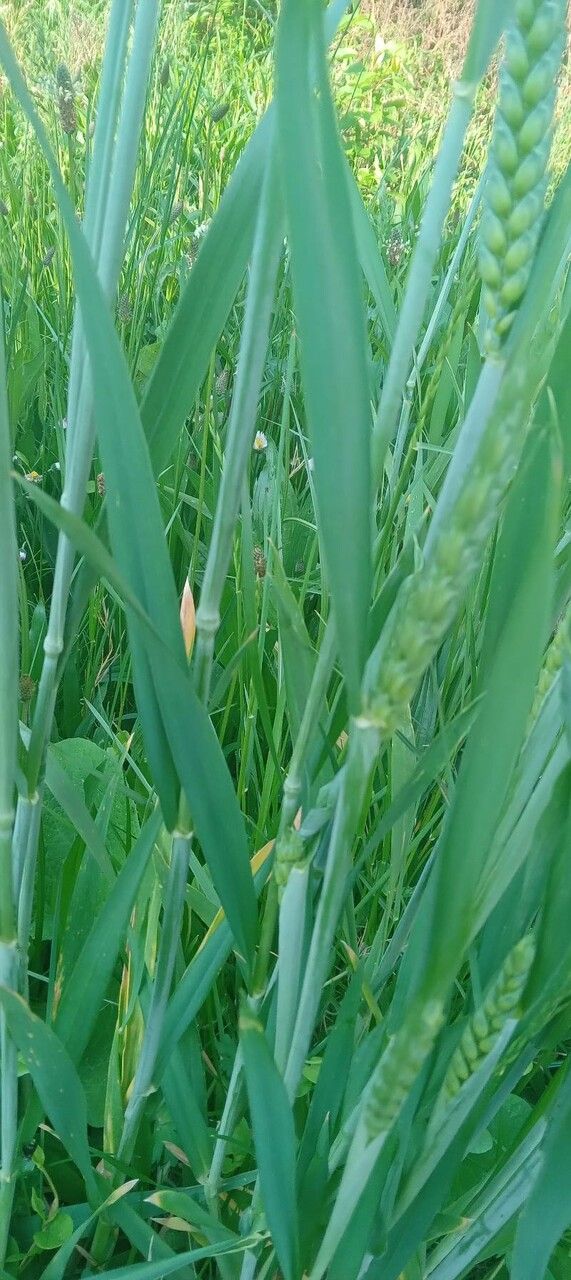
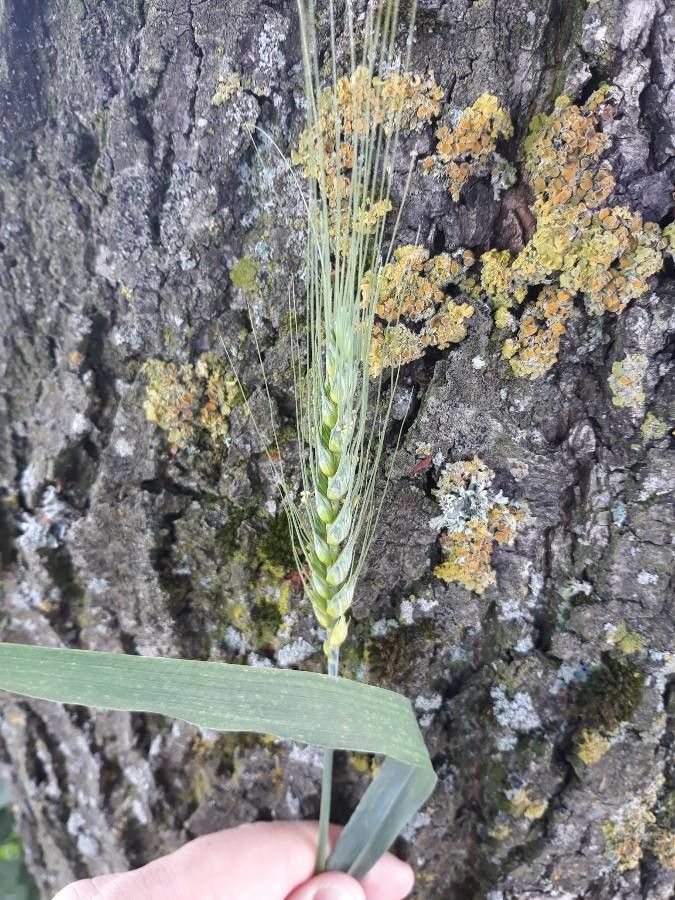
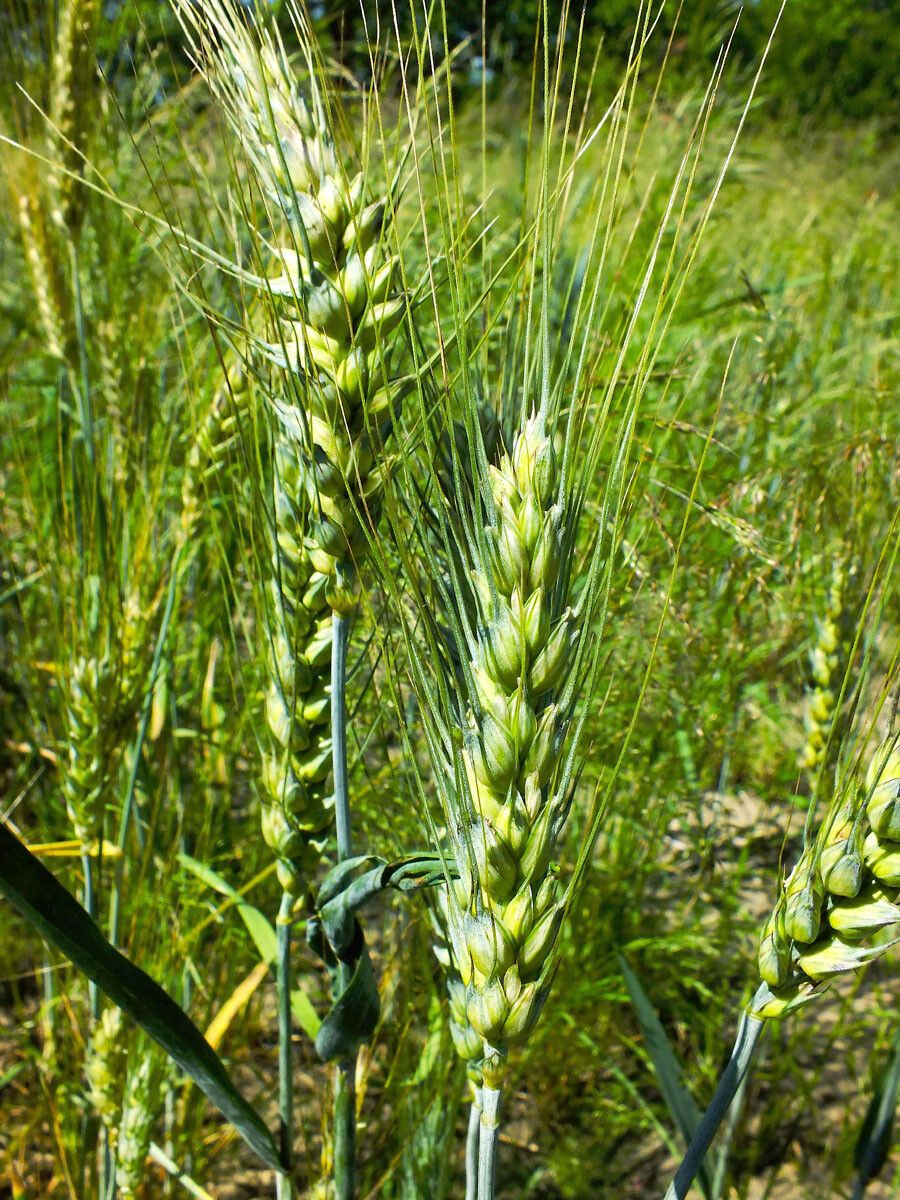
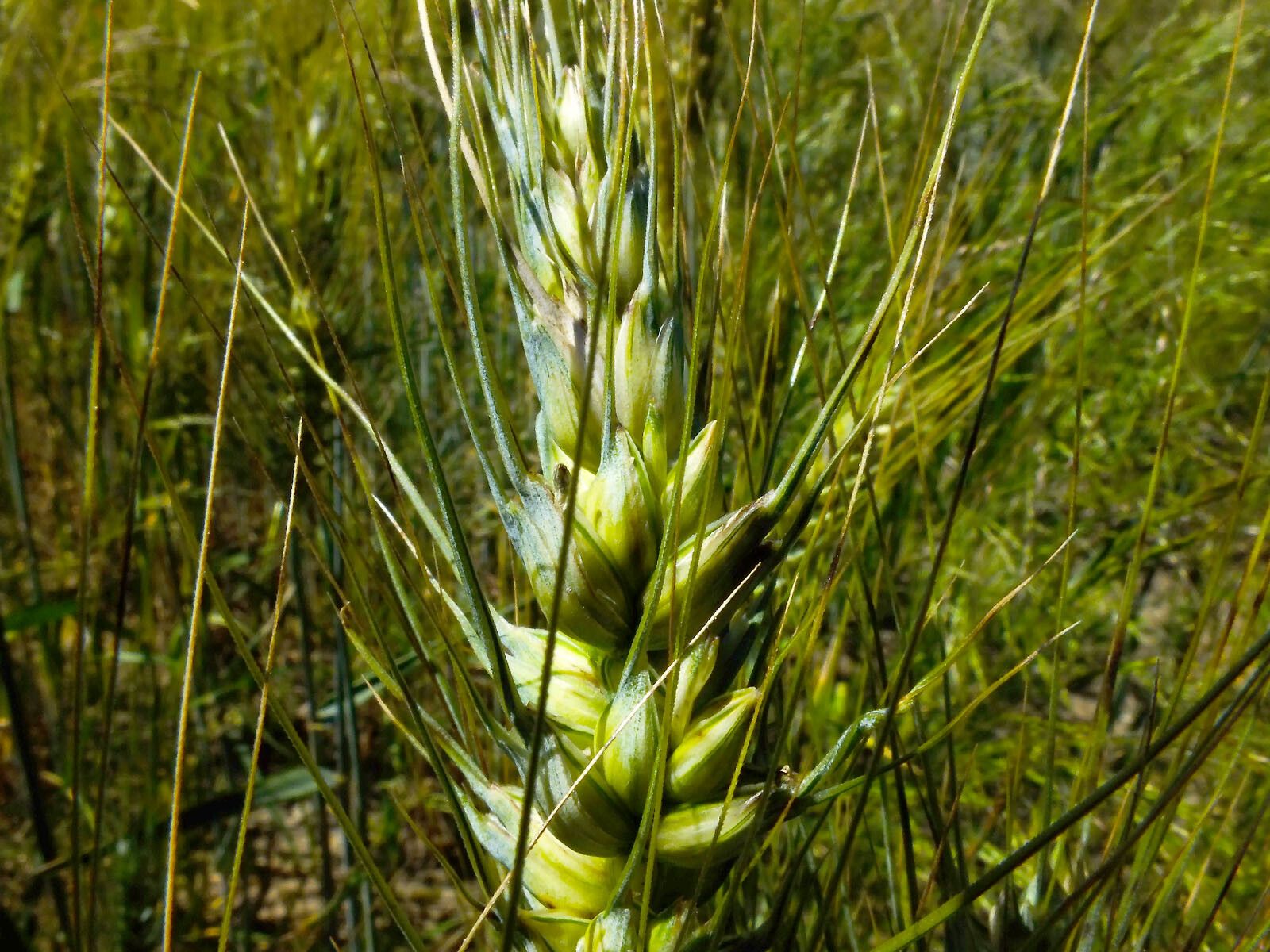
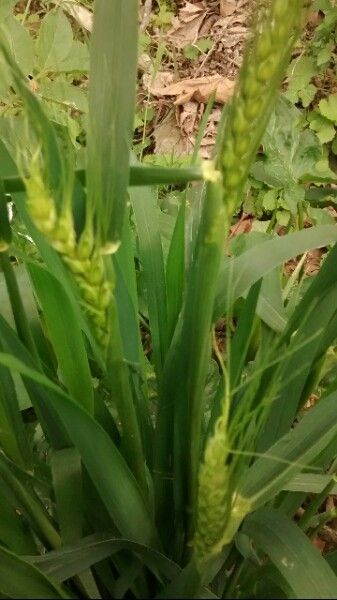
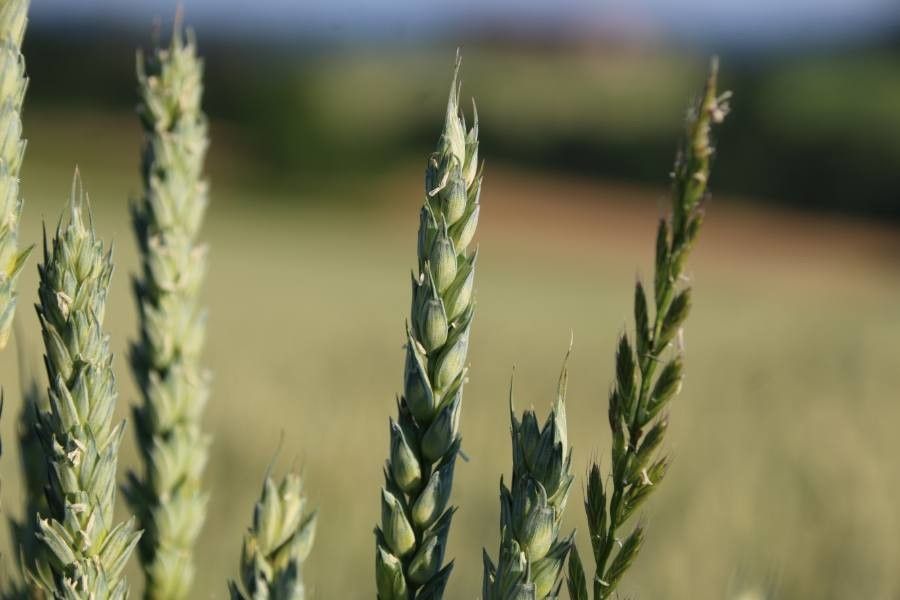
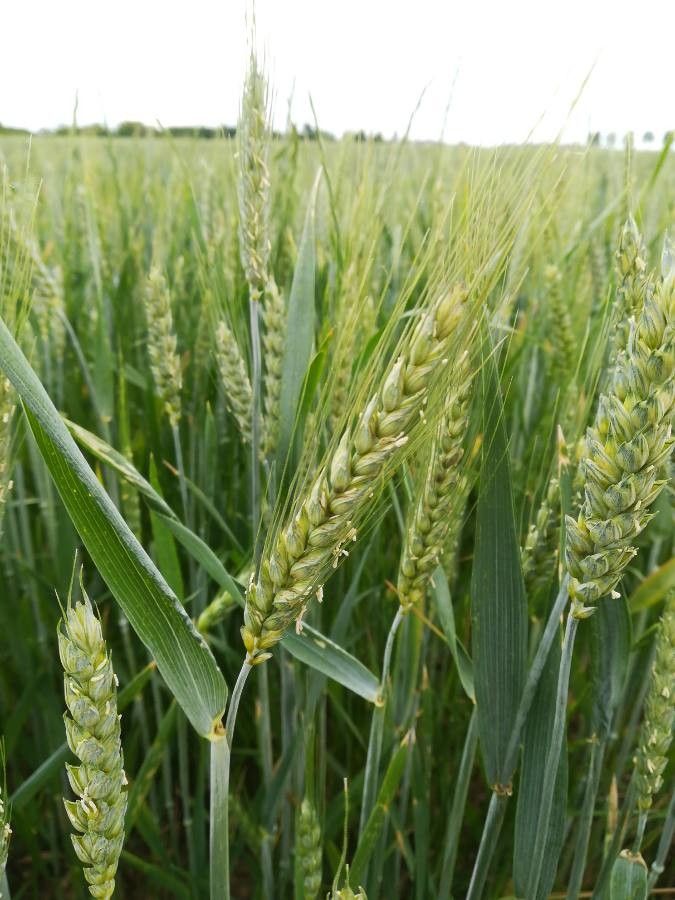
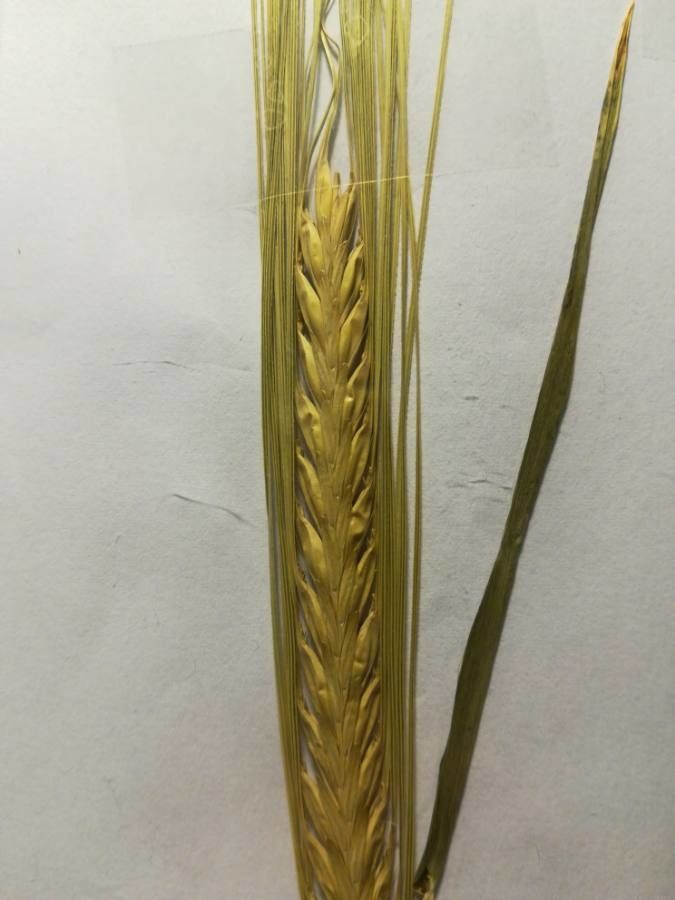
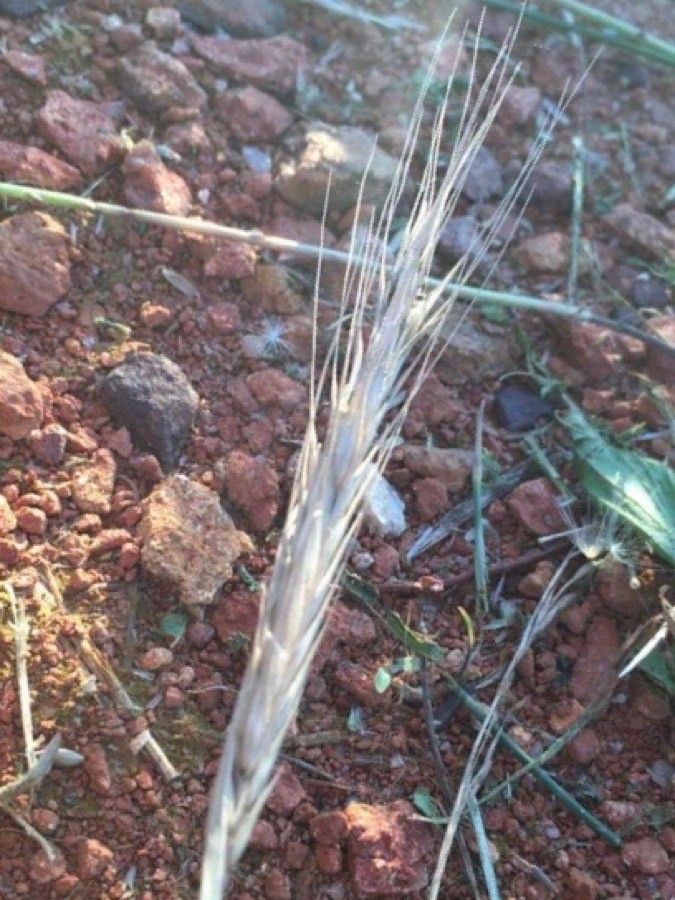
Durum wheat (), also called pasta wheat or macaroni wheat (Triticum durum or Triticum turgidum subsp. durum), is a tetraploid species of wheat. It is the second most cultivated species of wheat after common wheat, although it represents only 5% to 8% of global wheat production. It was developed by artificial selection of the domesticated emmer wheat strains formerly grown in Central Europe and the Near East around 7000 BC, which developed a naked, free-threshing form. Like emmer, durum wheat is awned (with bristles). It is the predominant wheat that grows in the Middle East. Durum in Latin means "hard", and the species is the hardest of all wheats. This refers to the resistance of the grain to milling, in particular of the starchy endosperm, implying dough made from its flour is weak or "soft". This makes durum favorable for semolina and pasta and less practical for flour, which requires more work than with hexaploid wheats like common bread wheats. Despite its high protein content, durum is not a strong wheat in the sense of giving strength to dough through the formation of a gluten network. Durum contains 27% extractable wet gluten, about 3% higher than in common wheat (T. aestivum L.).
Rivet wheat has strong disease resistance and is generally unlikely to develop diseases. It is fairly low-maintenance. When grown outdoors it needs little watering, and larger plants typically do not require pruning. Smaller plants, however, should be pruned after they finish flowering. Rivet wheat is appropriate for anyone with outdoor space, such as a garden or deck, and does not demand much experience in plant care.
How to keep Triticum Turgidum.
Light
Rivet wheat does best with a plentiful supply of sunlight. Sunlight is crucial to its healthy development, from seed germination through to maturity. Native to areas with full sun, rivet wheat can show stunted growth or fail to germinate if sunlight is below optimal levels.
Water
Rivet wheat, which comes from semi-arid regions, shows moderate drought tolerance and thrives in consistently moist, well-draining soil. To achieve this, it's best to water the plant weekly. This schedule keeps the soil moist without causing waterlogging, thus preventing root rot and mimicking the plant's natural habitat conditions.
Temperature
Rivet wheat can adjust to a wide range of temperatures, but its distribution may still be restricted by different combinations of moisture and heat. It grows best in warm summer climates with sufficient rainfall or watering. Extended periods of cloudy, rainy weather, as well as prolonged high temperatures, can increase the chance of Rivet wheat dying. In winter, proper protection from cold can enhance the plant's survival rate.
Fertilizer
For optimal growth, Rivet wheat needs three fertilizer applications: before planting, one month after the seedlings emerge, and a final application 1 to 1.5 months after the second. Some Rivet wheat types also benefit from extra fertilizer at planting to support rapid growth.
Botanical profile.
- Plant Type
- Grass
- Life Cycle
- Annual
- Genus
- Triticum
- Family
- Poaceae
- Hardiness Zone
- 4-9
- Mature Height
- 0.91 m to 1.22 m
- Mature Spread
- 15 cm to 30 cm
- Leaf Color
- Green, Dark Green
- Leaf Type
- Deciduous
- Flower Color
- Yellow, Green
- Flower Size
- 3.05 cm
- Bloom Time
- Late spring, Early summer
- Planting Time
- Spring, Summer
- Harvest Time
- Mid summer, Late summer
- Native Area
- Uzbekistan, Egypt, Iraq, Turkey, Kazakhstan, Israel, Iran, Turkmenistan, China
Other names.
Reader questions.
If I give my Rivet wheat too much or too little water, what should I do?
Proper watering is essential for the growth and health of Rivet wheat, whether it is planted in the ground or in a container. If it doesn't get the right amount of water, it may underperform or even die. Overwatering can cause yellow leaves with brown tips, while underwatering can lead to drooping leaves, weak seed head production, and browned leaves. To determine if your Rivet wheat is being improperly watered, first assess if it's receiving too much or too little water. If it's getting too much, stop watering immediately and wait for the soil to dry out. Once new growth appears, check the soil for moisture and adjust watering accordingly. If it's getting too little water, give it a deep drink to see if it revives. Remember that deep watering is better than frequent shallow waterings because it promotes deep root growth, making the grass more resistant to drought and less susceptible to watering-related issues.
What are the sunlight requirements for Rivet wheat?
Rivet wheat requires a significant amount of sun exposure for optimal growth, thriving in environments known for full illumination. For healthy development from seed germination to maturity, it must receive above 6 hours of sunlight daily, classified as 'Full sun'. However, it can also grow in 'Partial sun' conditions, which is about 3-6 hours of sunlight daily. It's crucial to watch how sunlight moves through your garden and choose spots with the perfect balance of light and shade, ensuring the plants' happiness. Inadequate sun exposure can result in stunted growth or unsuccessful germination.
What is Rivet wheat?
Rivet wheat, known botanically as Triticum turgidum, is a type of wheat. It does not have additional context or specified essentials and symptoms in the provided data. For more detailed information, a deeper look into specific literature about Triticum turgidum may offer insights into its uses, cultivation practices, and nutritional values.
How often should I sprinkle water on my Rivet wheat?
The watering needs of Rivet wheat vary depending on the planting location. In general, watering once a week is recommended. However, in hot climates, watering once or twice a week during summer may be necessary. In moderate climates, watering once every seven days or more may suffice. Grass in containers usually requires more frequent watering compared to grass planted in the ground. The location is also significant, as shaded grasses require less frequent watering than in-ground grasses. Only water Rivet wheat when the soil is dry. To determine this, you can press your finger a couple of inches into the soil or weigh the grass with a portable scale if it's in a pot. When the roots lack sufficient water, the blades may appear folded and thinner. Despite its drought tolerance, regular and deep waterings will result in a beautiful color. In its natural habitat, Rivet wheat grows in open scrubland, exposed to extreme heat, bright sun, and intermittent rain. Although it is drought-resistant, it still requires care and attention. Consistent watering is beneficial for its growth. When newly planted, Rivet wheat needs more frequent watering until it develops deep roots. Potted Rivet wheat dries out quickly, especially when placed in hot, direct sun. Test the soil every 3 to 4 days and water only when it feels dry. In-ground Rivet wheat generally requires less watering, but this depends on the soil type. Clay soil retains water and may feel dry at the surface while still holding moisture below. Sandy soils that drain quickly will need more frequent watering.
How can artificial lighting support Rivet wheat's growth indoors?
Indoor plants, including Rivet wheat, require adequate lighting for optimal growth, especially when natural sunlight is insufficient, such as in winter or less sunny spaces. Artificial lights, such as LEDs, are vital, offering a solution by providing specific wavelengths needed for the plant's growth. For full sun plants, 30-50W/sq ft of artificial light is needed, partial sun plants require 20-30W/sq ft, and full shade plants 10-20W/sq ft. The artificial light source should be placed 12-36 inches above the plant to mimic natural sunlight and should be kept on for 8-12 hours per day to mimic natural daylight hours.
What do I need to watch out for when watering my Rivet wheat at different times of the year, in different weather, or during different stages of growth?
To determine if you are watering enough, you can look at the rate of growth of your grasses. Rivet wheat typically doubles in size in a year when grown during the hottest months. If the weather is hot but the grass is not growing well, you may need to adjust your watering schedule. In winter, you may be able to water just once a month, but it's still important to check the soil for moisture. During the warmest months, the grass will require more water than usual, but during winter and cooler months, the water needs will decrease significantly. It is crucial to always let the soil dry out completely before watering Rivet wheat.
What are the common symptoms of insufficient light in Rivet wheat?
When Rivet wheat is cultivated indoors with inadequate light, it may exhibit symptoms such as smaller new leaves, leggy or sparse growth, faster leaf drop, slower or no new growth, and lighter-colored new leaves. These symptoms indicate light deficiency and the plant entering a survival mode. Additionally, excessive sunlight can cause issues such as chlorosis, where leaves lose their green color, sunscald with damaged leaves or stems, leaf curling as a defense mechanism, wilting due to increased water loss, and leaf scorching characterized by brown, dry edges on leaves.
What are effective solutions for Rivet wheat experiencing low light conditions?
For indoor plants suffering from low light, gradually moving them to a sunnier location to receive at least 6 hours of sunlight daily or using artificial light such as desk lamps or professional plant grow lights for at least 8 hours daily can be effective. For outdoor plants, it's essential to avoid sudden changes in light intensity and gradually move them to sunnier spots each week. If direct sunlight is blocked, identify obstructions and consider pruning to allow more light or transplanting smaller plants to sunnier locations with ample sunlight and good drainage during their dormant period.