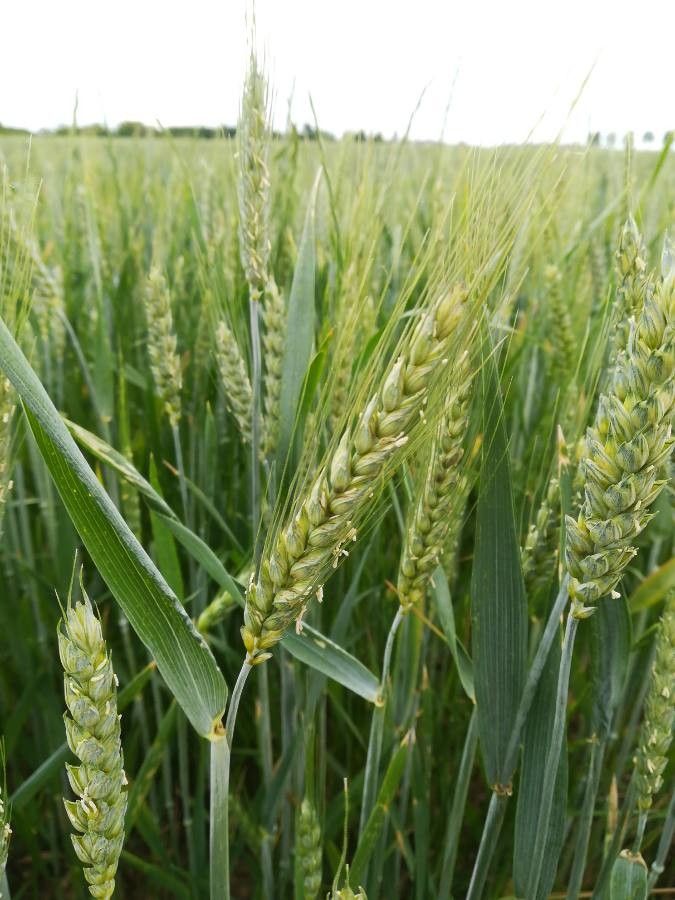
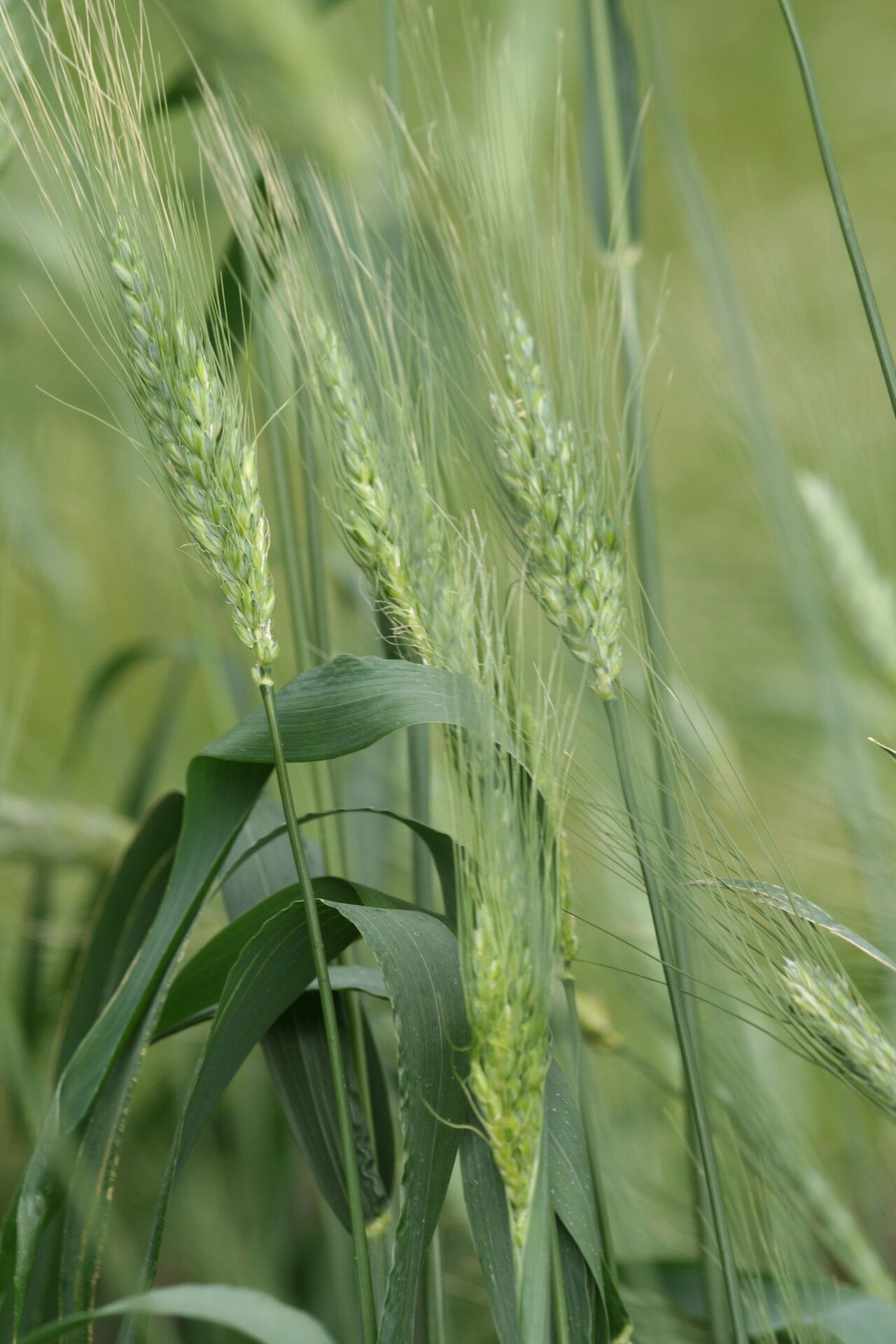
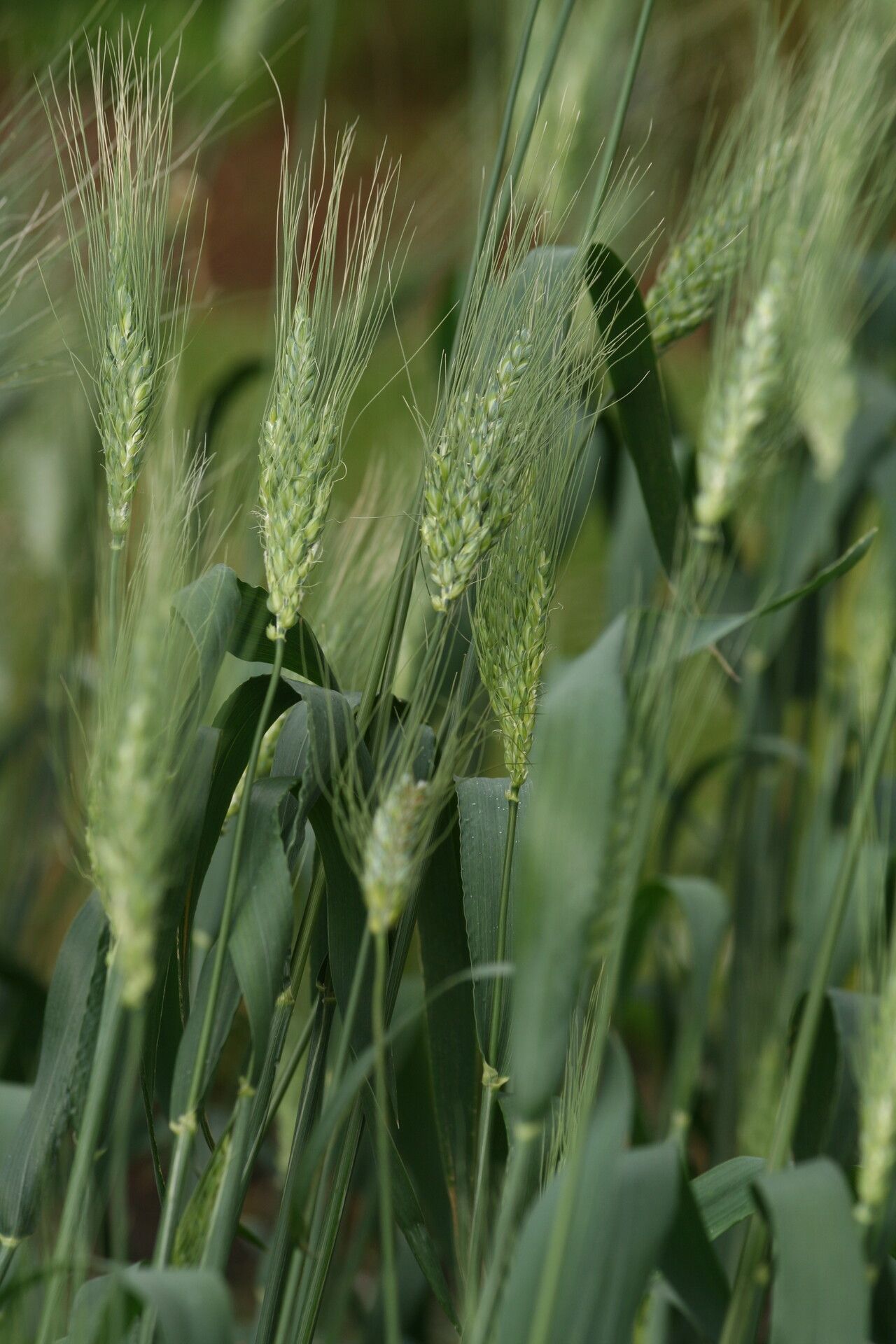
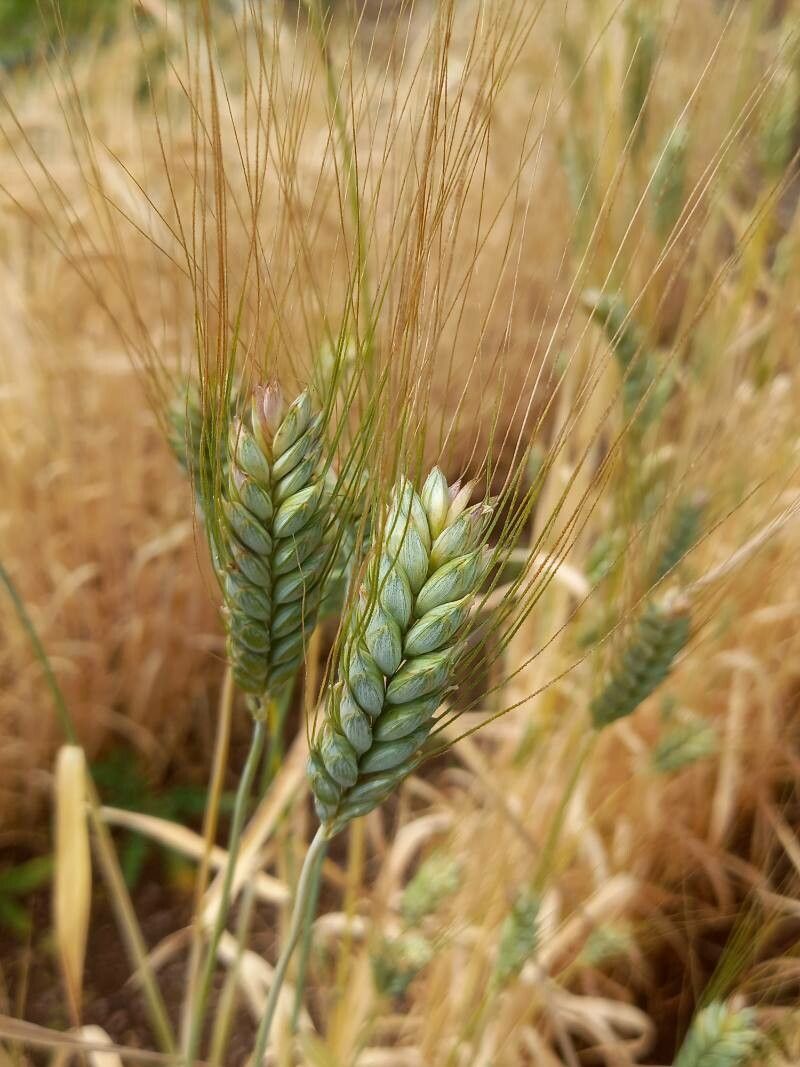
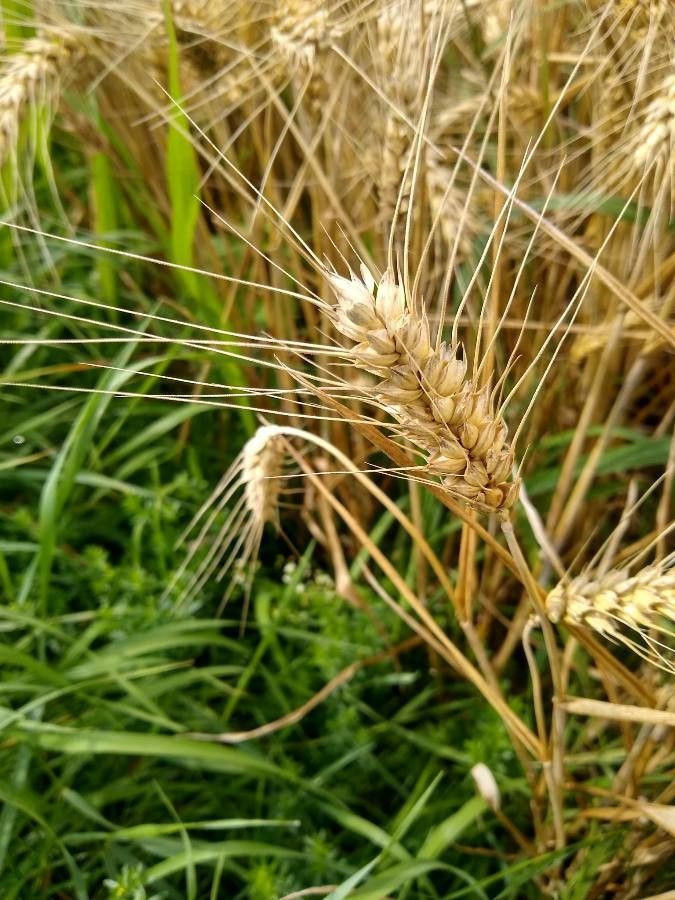
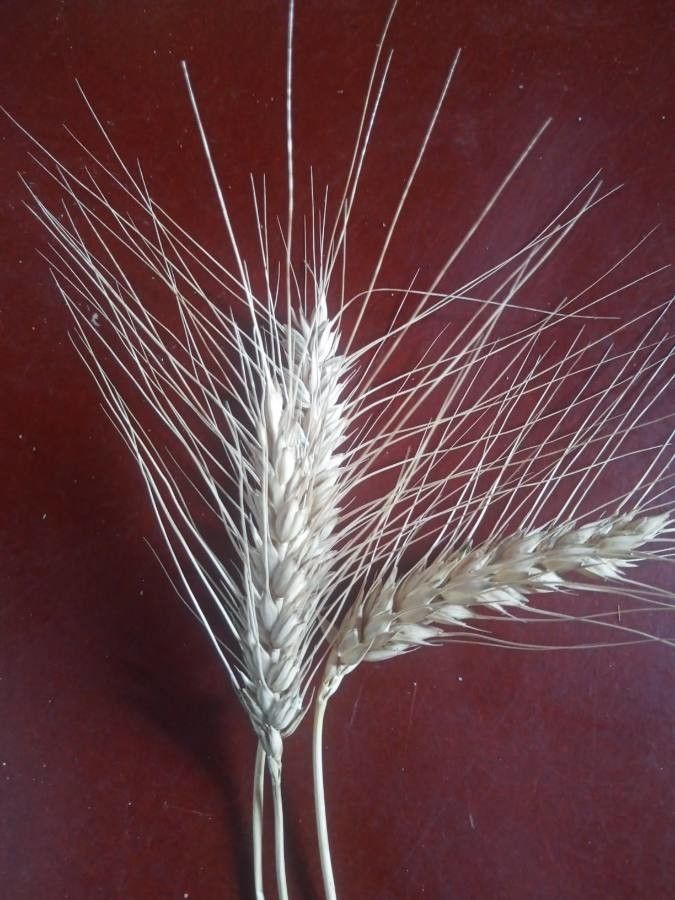
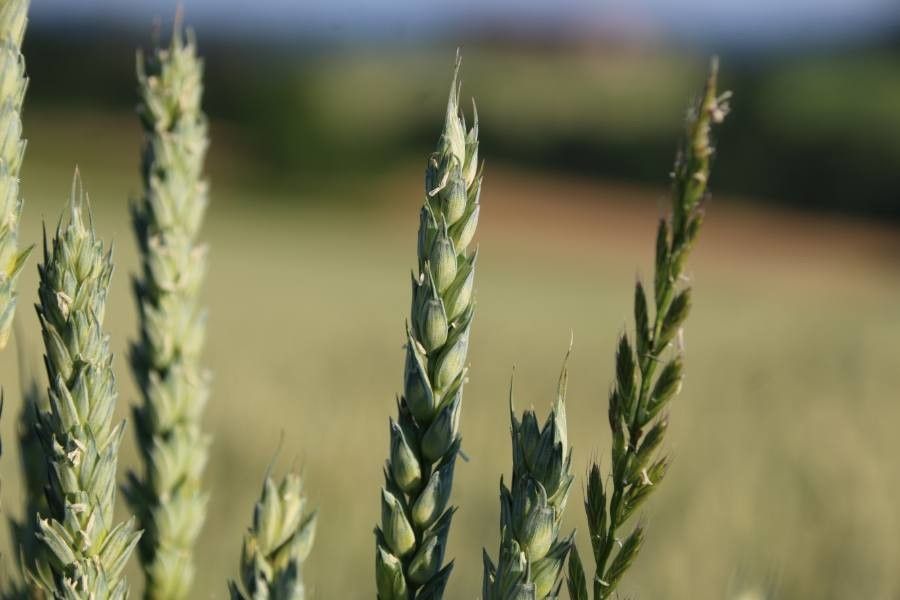
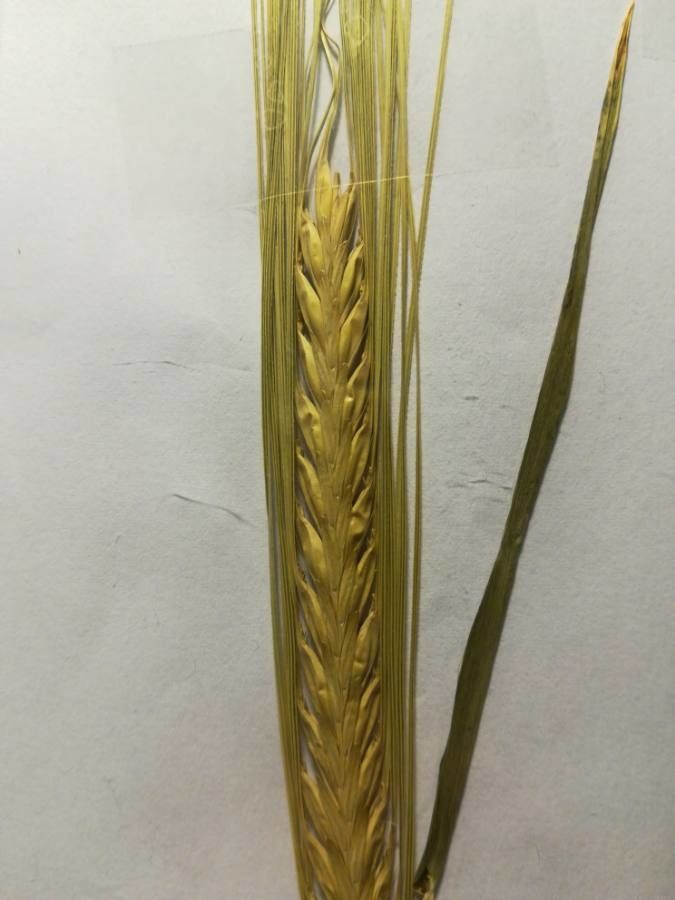
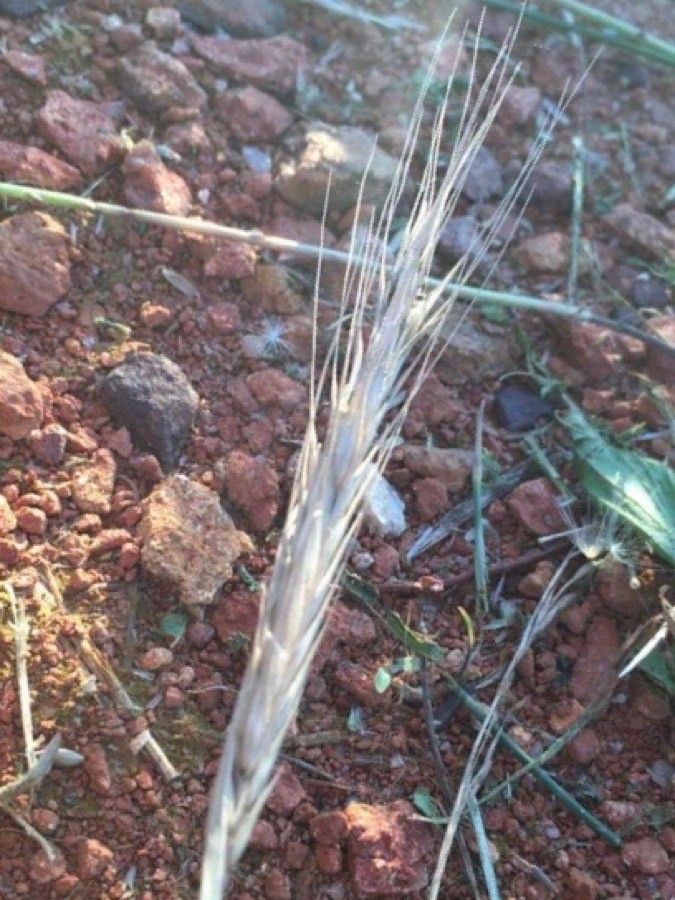
Durum wheat (), also called pasta wheat or macaroni wheat (Triticum durum or Triticum turgidum subsp. durum), is a tetraploid species of wheat. It is the second most cultivated species of wheat after common wheat, although it represents only 5% to 8% of global wheat production. It was developed by artificial selection of the domesticated emmer wheat strains formerly grown in Central Europe and the Near East around 7000 BC, which developed a naked, free-threshing form. Like emmer, durum wheat is awned (with bristles). It is the predominant wheat that grows in the Middle East. Durum in Latin means "hard", and the species is the hardest of all wheats. This refers to the resistance of the grain to milling, in particular of the starchy endosperm, implying dough made from its flour is weak or "soft". This makes durum favorable for semolina and pasta and less practical for flour, which requires more work than with hexaploid wheats like common bread wheats. Despite its high protein content, durum is not a strong wheat in the sense of giving strength to dough through the formation of a gluten network. Durum contains 27% extractable wet gluten, about 3% higher than in common wheat (T. aestivum L.).
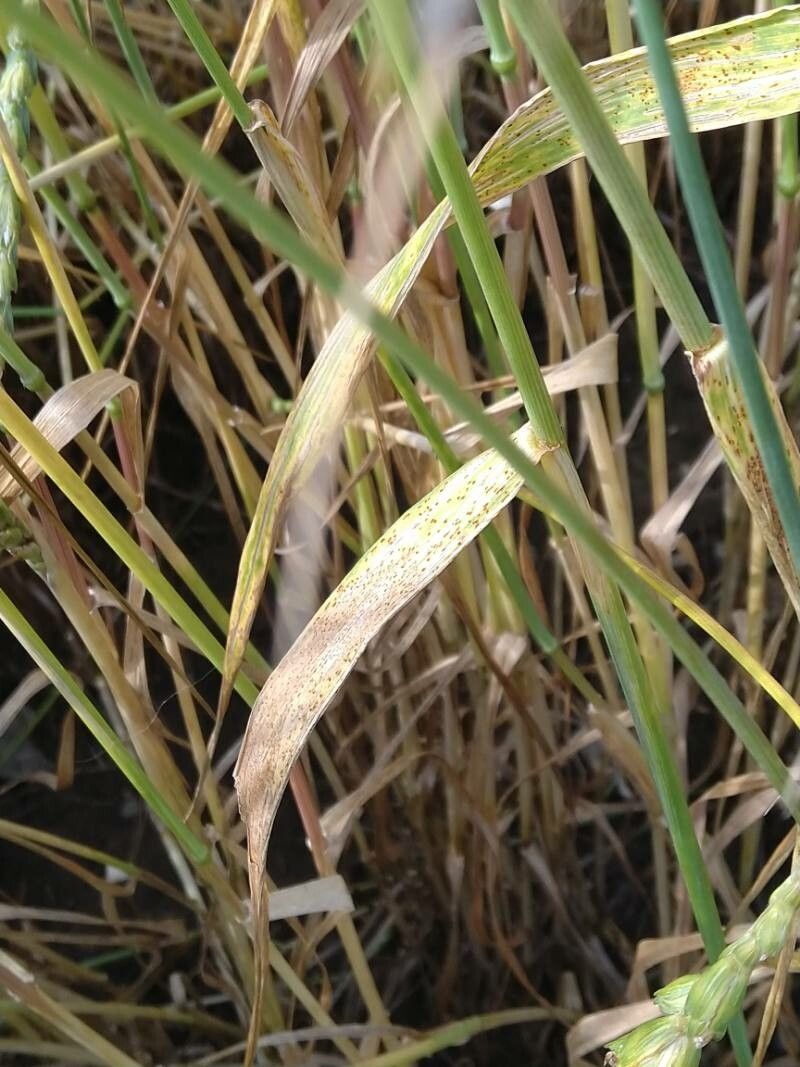
Durum wheat is resistant to many diseases and is typically not vulnerable to them. Care-wise, the plant is fairly low-maintenance. When grown outdoors it needs only minimal watering, and larger plants usually do not need pruning. Smaller plants, however, should be pruned after they finish blooming. Durum wheat is appropriate for anyone who has outdoor space, such as a garden or a deck, and it does not require extensive care experience.
How to keep Triticum Durum.
Light
Durum wheat comes from bright, open habitats and does best in full sun. It can tolerate partial shade but prefers direct sunlight for optimal growth. This plant, which can be annual or biennial, is known for its sun-loving character.
Temperature
Durum wheat has the potential to adjust to diverse temperature conditions, nevertheless, combinations of heat and water situations may constrain its dispersion. It prospers optimally in hot climates throughout the summer months when sufficient rainfall or irrigation is present. Extended spans of overcast and wet conditions, along with long-lasting elevated temperatures, can heighten the chances of Durum wheat perishing. During winter, appropriate shielding against the cold enhances the survival prospects of the plant.
Fertilizer
To achieve optimal growth, Durum wheat needs three fertilizer applications: before planting, roughly one month after seedlings emerge, and a final application 1 to 1.5 months following the second. Some Durum wheat varieties also benefit from extra fertilizer at planting to promote rapid growth.
Botanical profile.
Other names.