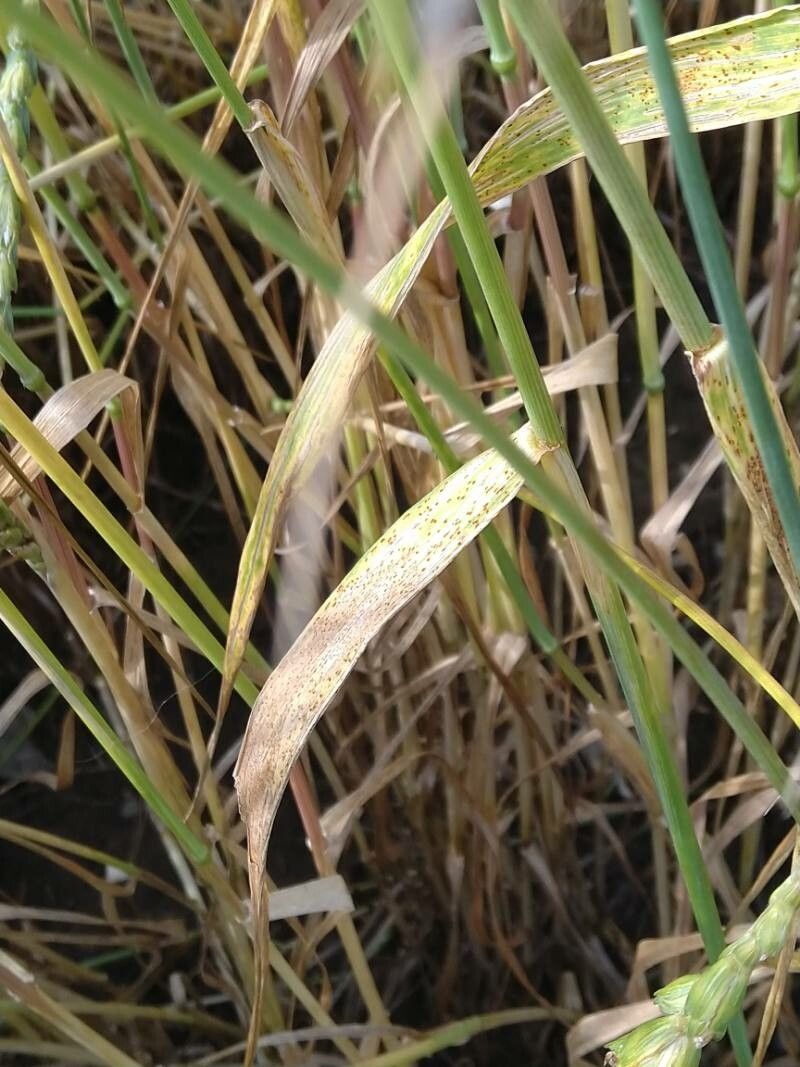
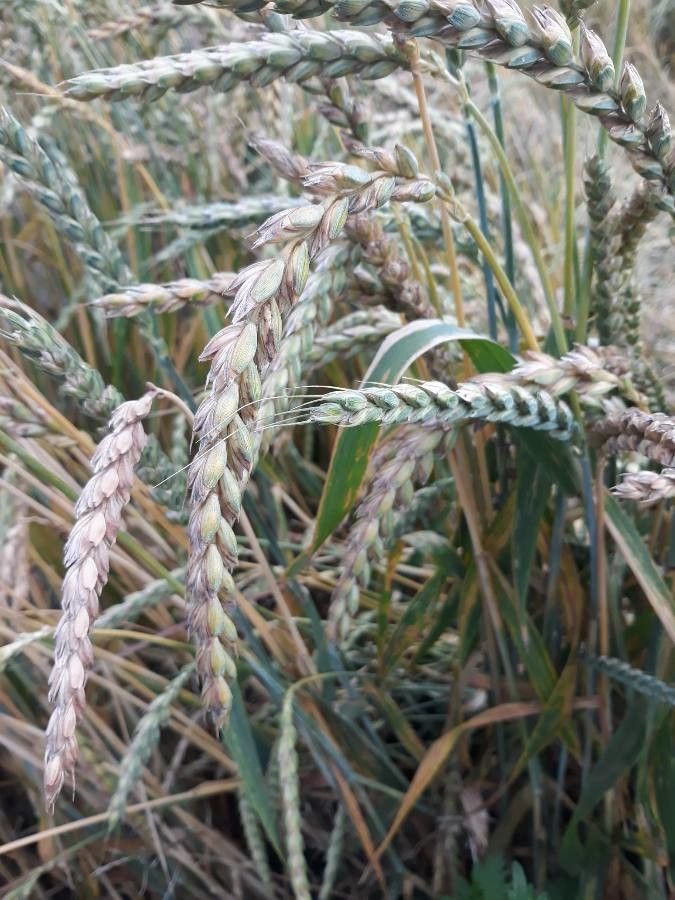
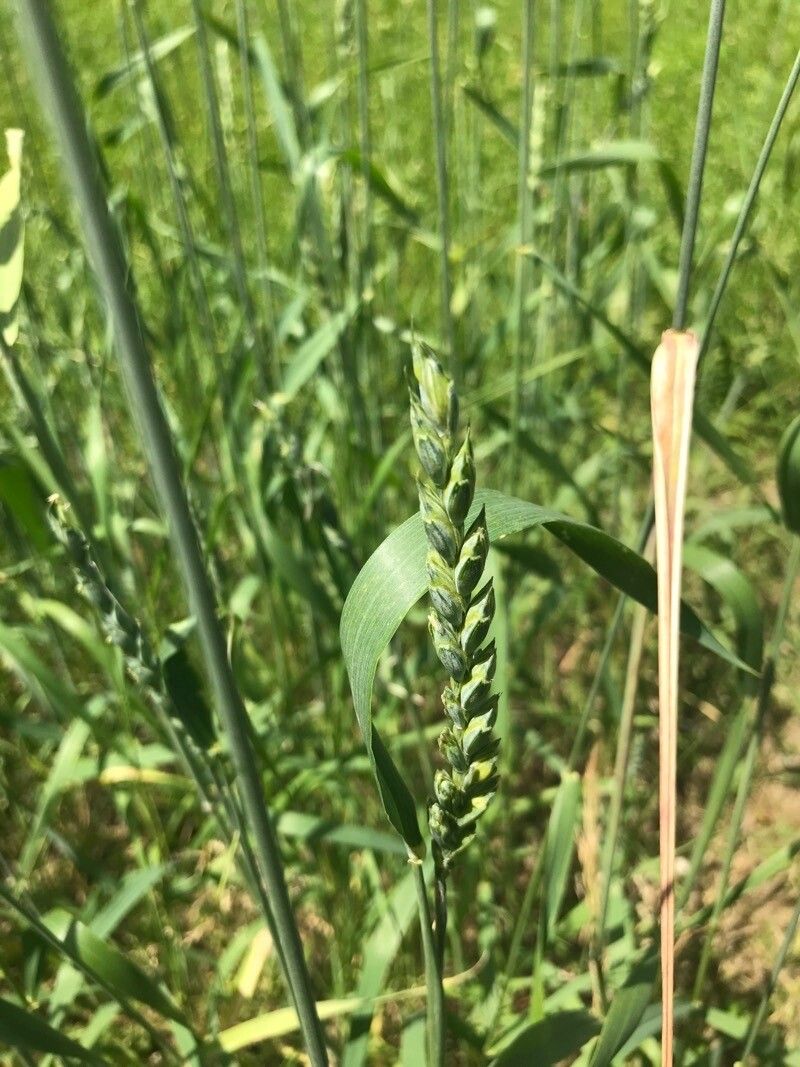
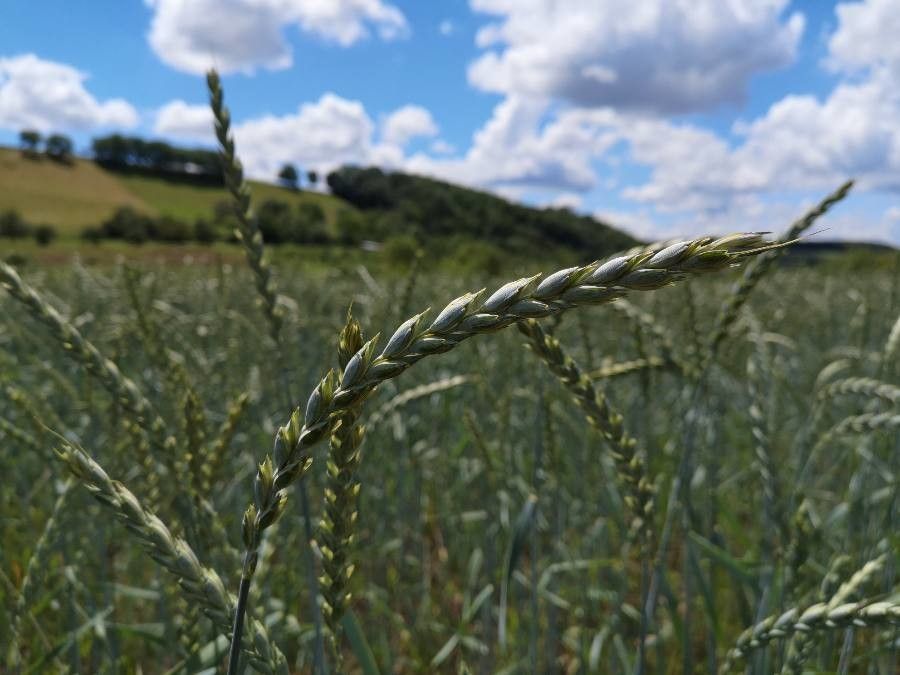
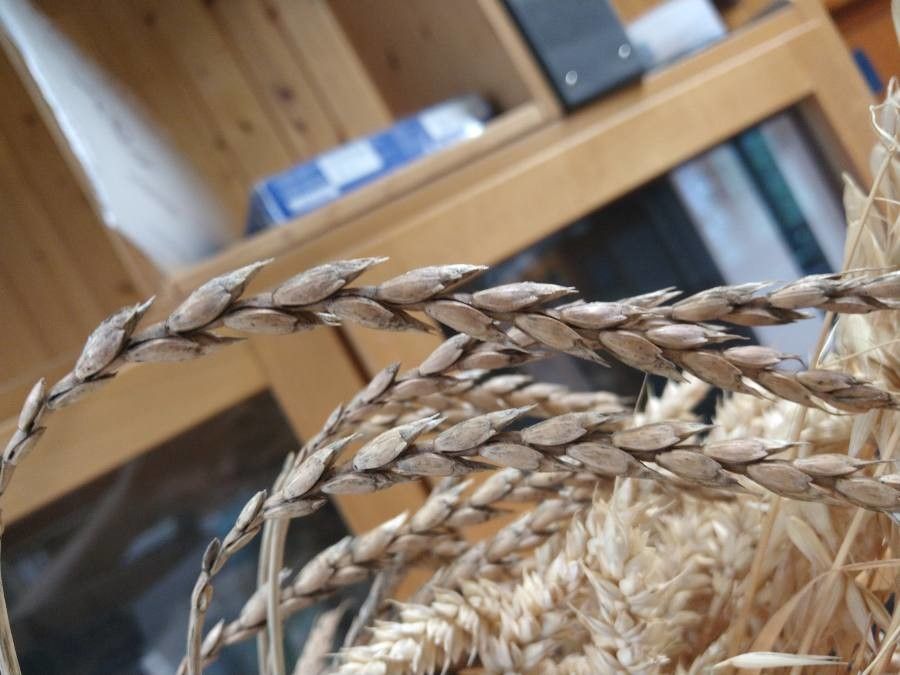
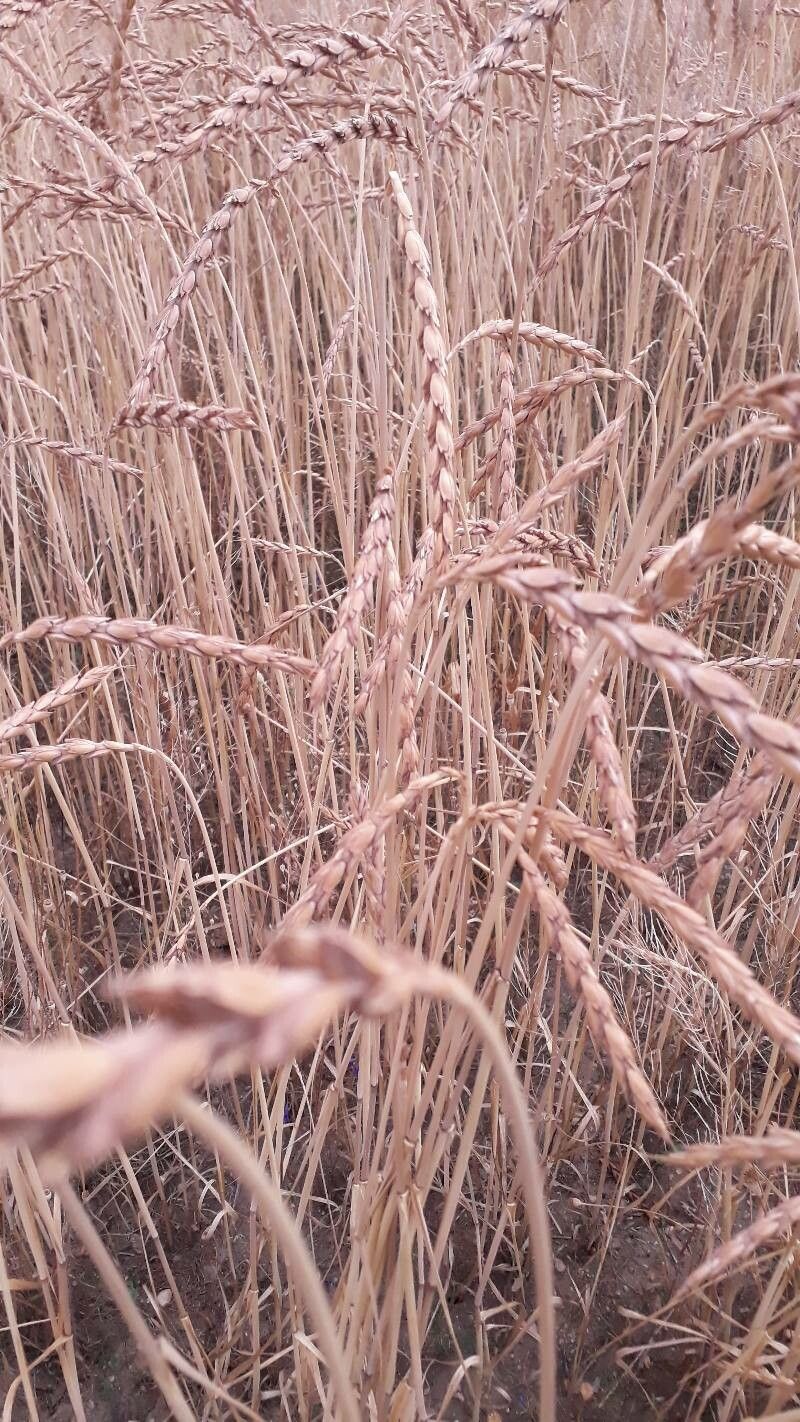
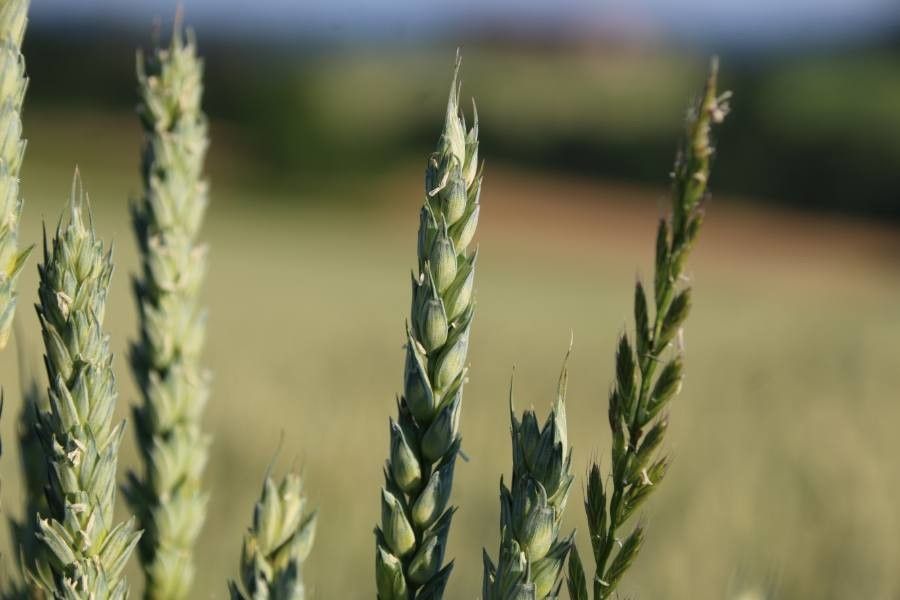
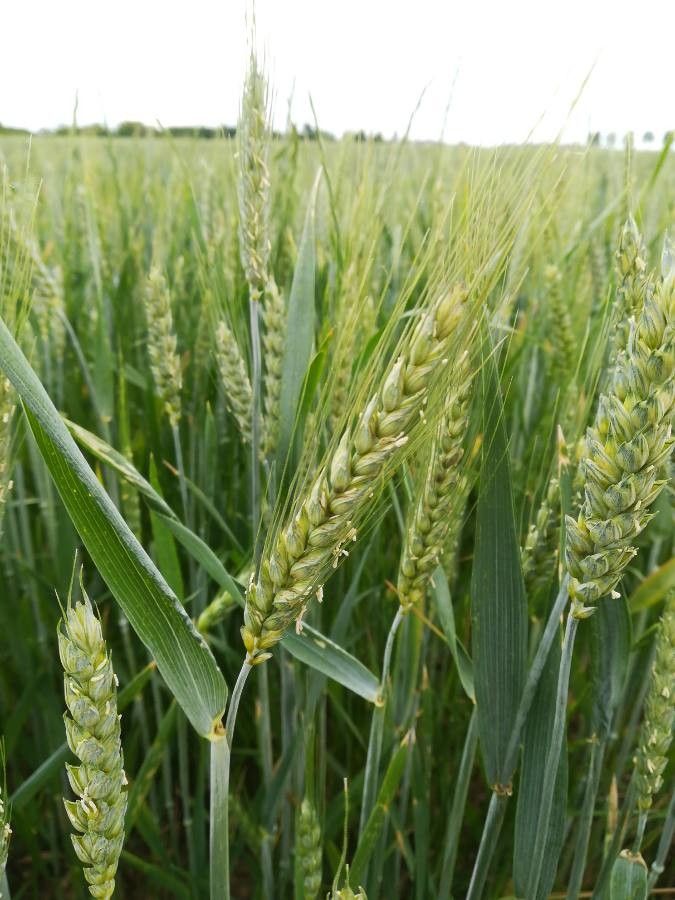
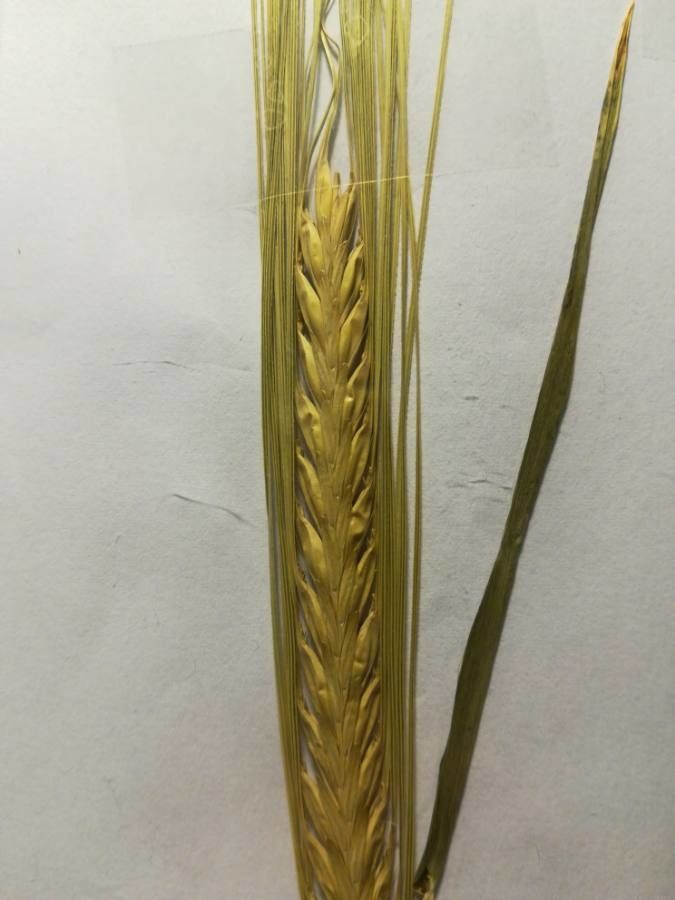
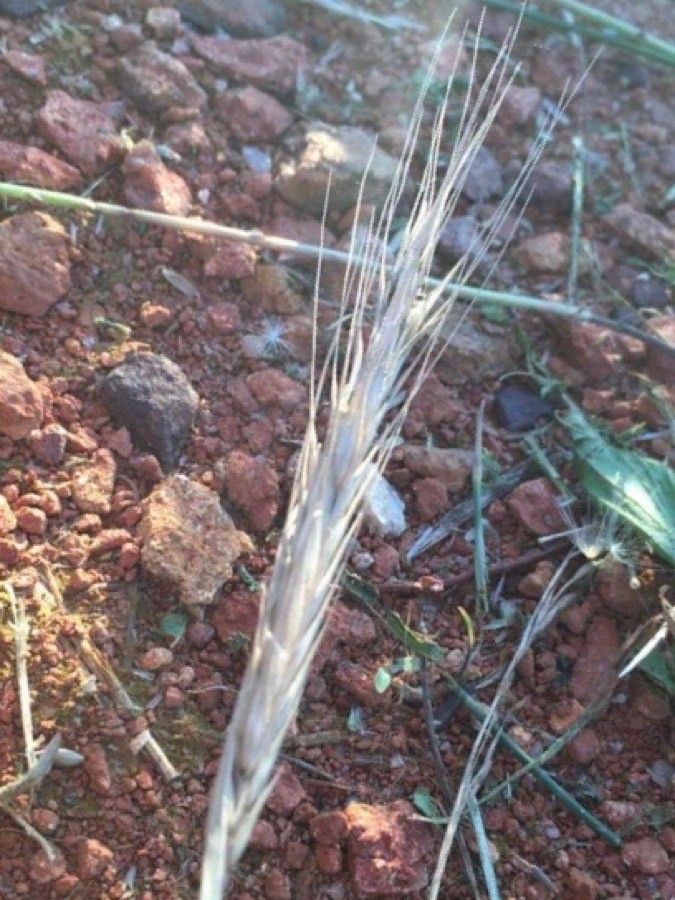
Spelt (Triticum spelta), also known as dinkel wheat or hulled wheat, is a species of wheat that has been cultivated since approximately 5000 BC. Spelt was an important staple food in parts of Europe from the Bronze Age to medieval times. Now it survives as a relict crop in Central Europe and northern Spain, and it has found a new market as a health food. Spelt is sometimes considered a subspecies of the closely related species common wheat (Triticum aestivum), in which case its botanical name is considered to be Triticum aestivum subsp. spelta. Like common wheat, it is a hexaploid wheat, which means it has six sets of chromosomes.
Spelt wheat is fairly resistant to disease and is generally not susceptible to illnesses. As for care, this plant is relatively low-maintenance. When grown outdoors it needs little watering, and larger plants typically do not need pruning. However, smaller plants should be pruned after they finish blooming. Spelt wheat is suitable for anyone with an outdoor area, like a garden or deck, and does not require extensive care experience.
How to keep Triticum Spelta.
Light
Spelt wheat is a plant that hails from well-lit, open spaces, and it flourishes under direct sunlight. While it can withstand partially sunny areas, it typically requires full sun for the best growth. Identified as an annual and biennial plant, it is recognized for its love of the sun.
Temperature
Spelt wheat possesses the capacity to acclimate to various temperature environments, yet its spread might be constrained by distinct configurations of moisture and heat circumstances. Its growth is optimal in warm summer climates with sufficient rain or irrigation. Lengthy durations of overcast and wet weather, in addition to extended periods of intense heat, can raise the probability of Spelt wheat perishing. During winter, safeguarding it appropriately from the cold enhances its chances of survival.
Fertilizer
To achieve maximum growth, Spelt wheat necessitates three applications of fertilizer: prior to planting, a month post seedling appearance, and a final application 1 to 1.5 months subsequent to the second application. Certain types of Spelt wheat are enhanced by extra fertilizer during the time of planting to promote swift growth.
Botanical profile.
Other names.