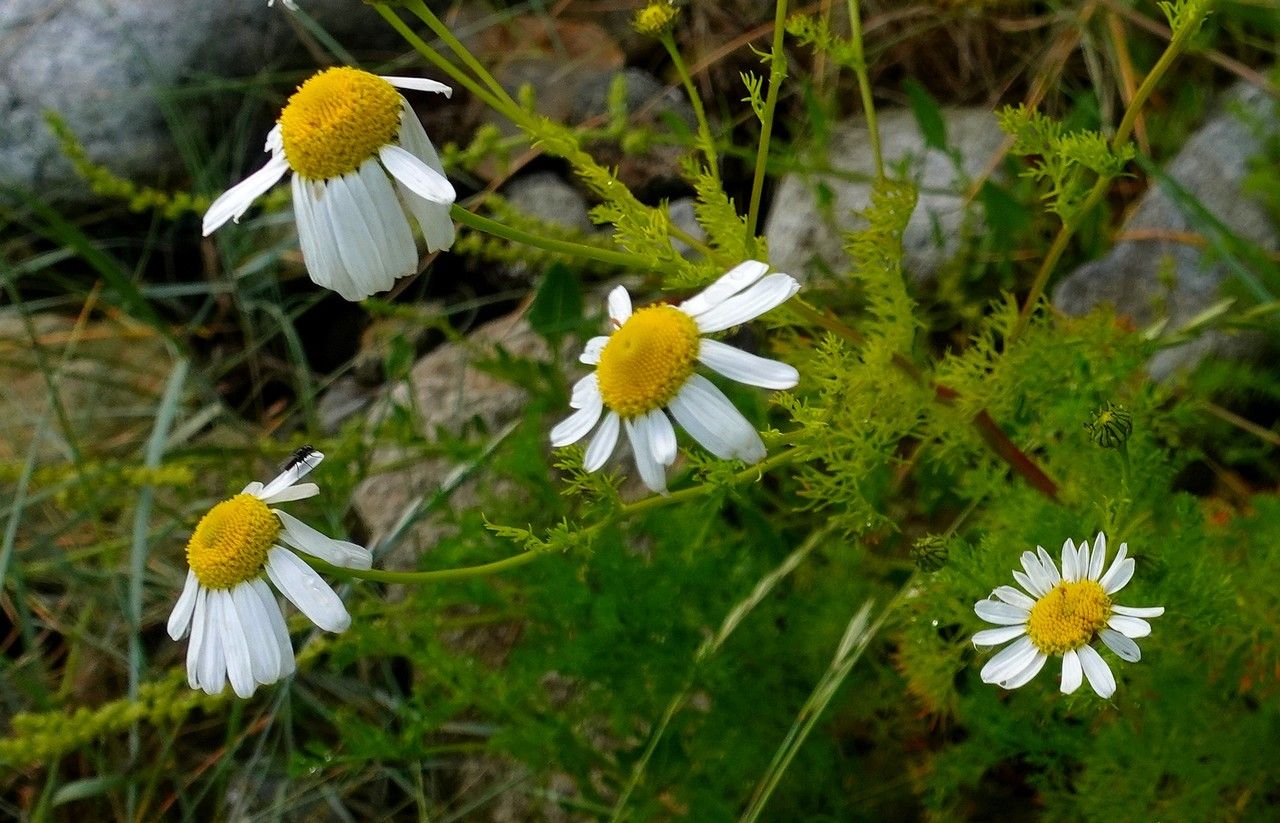
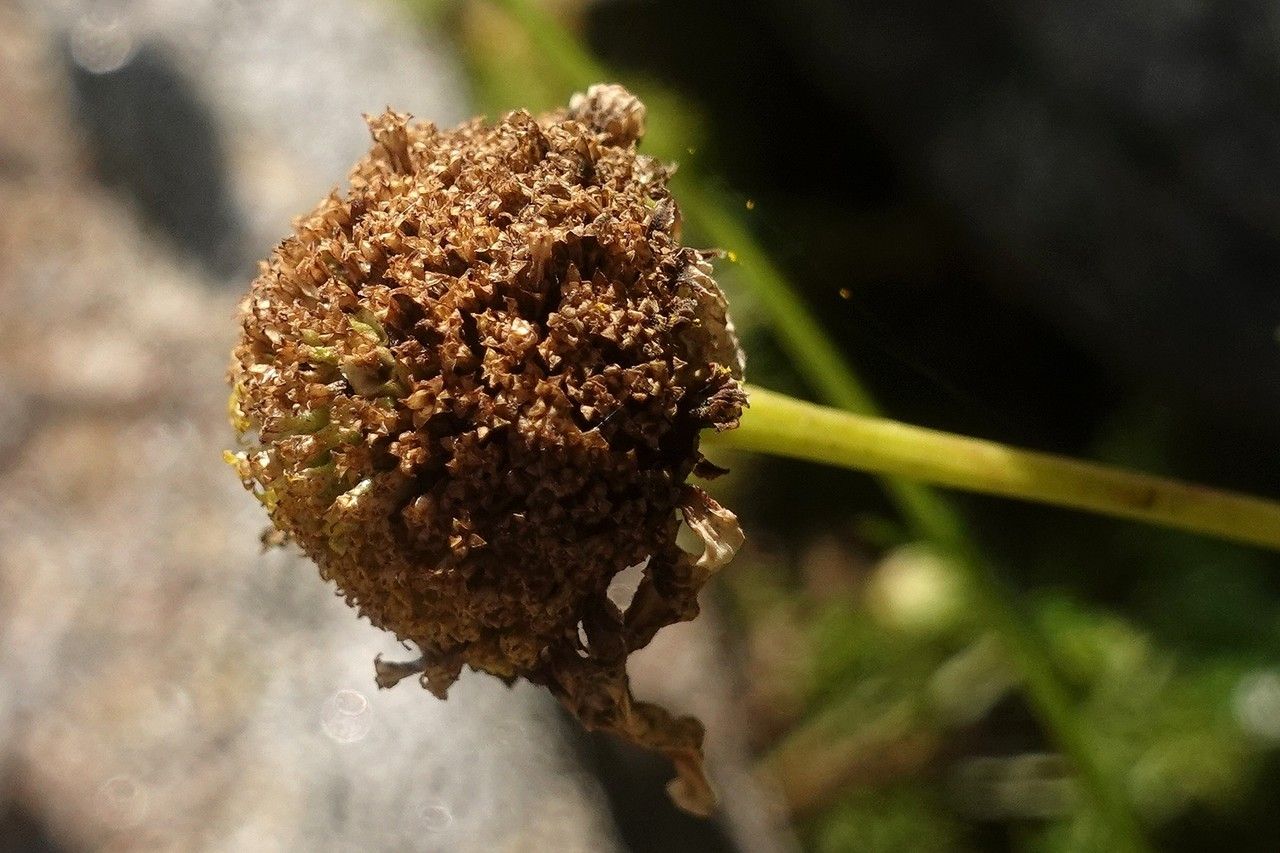
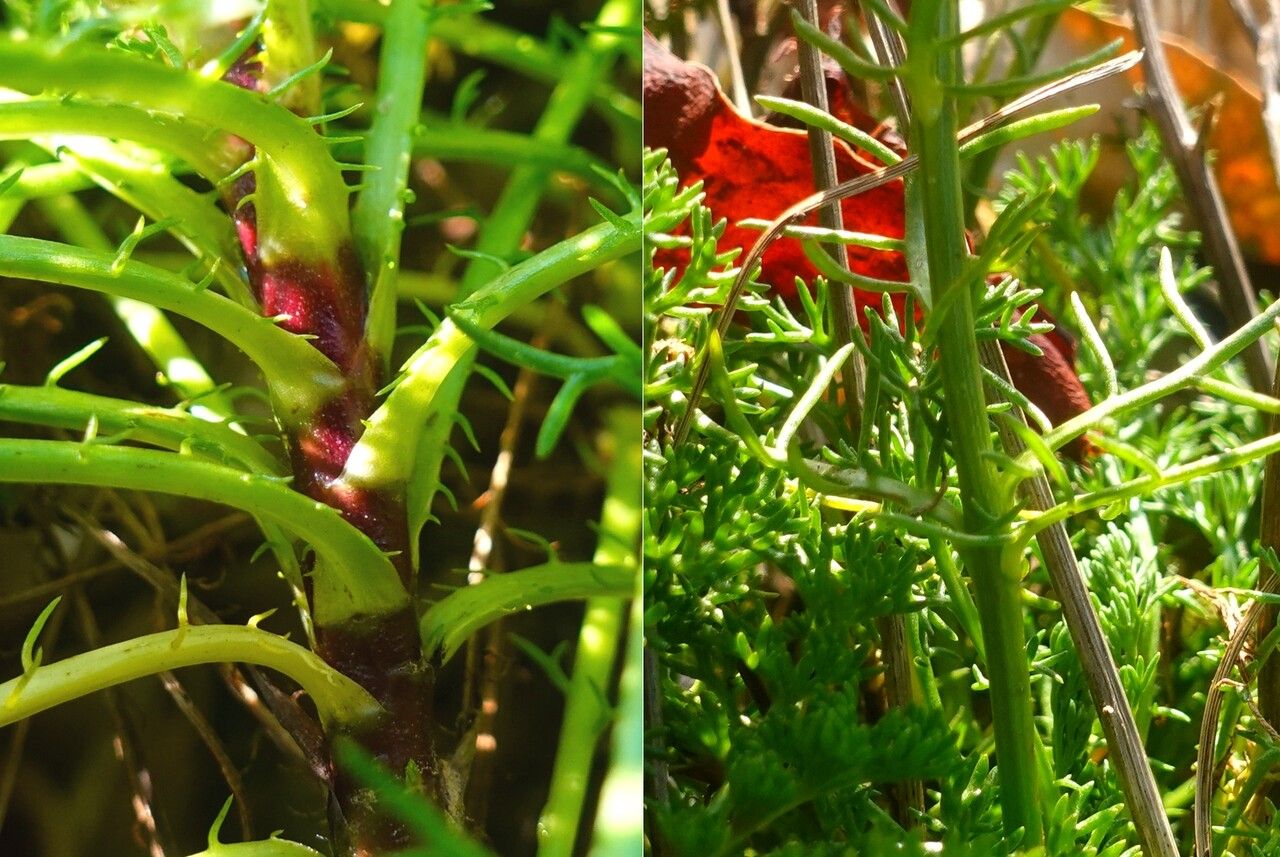
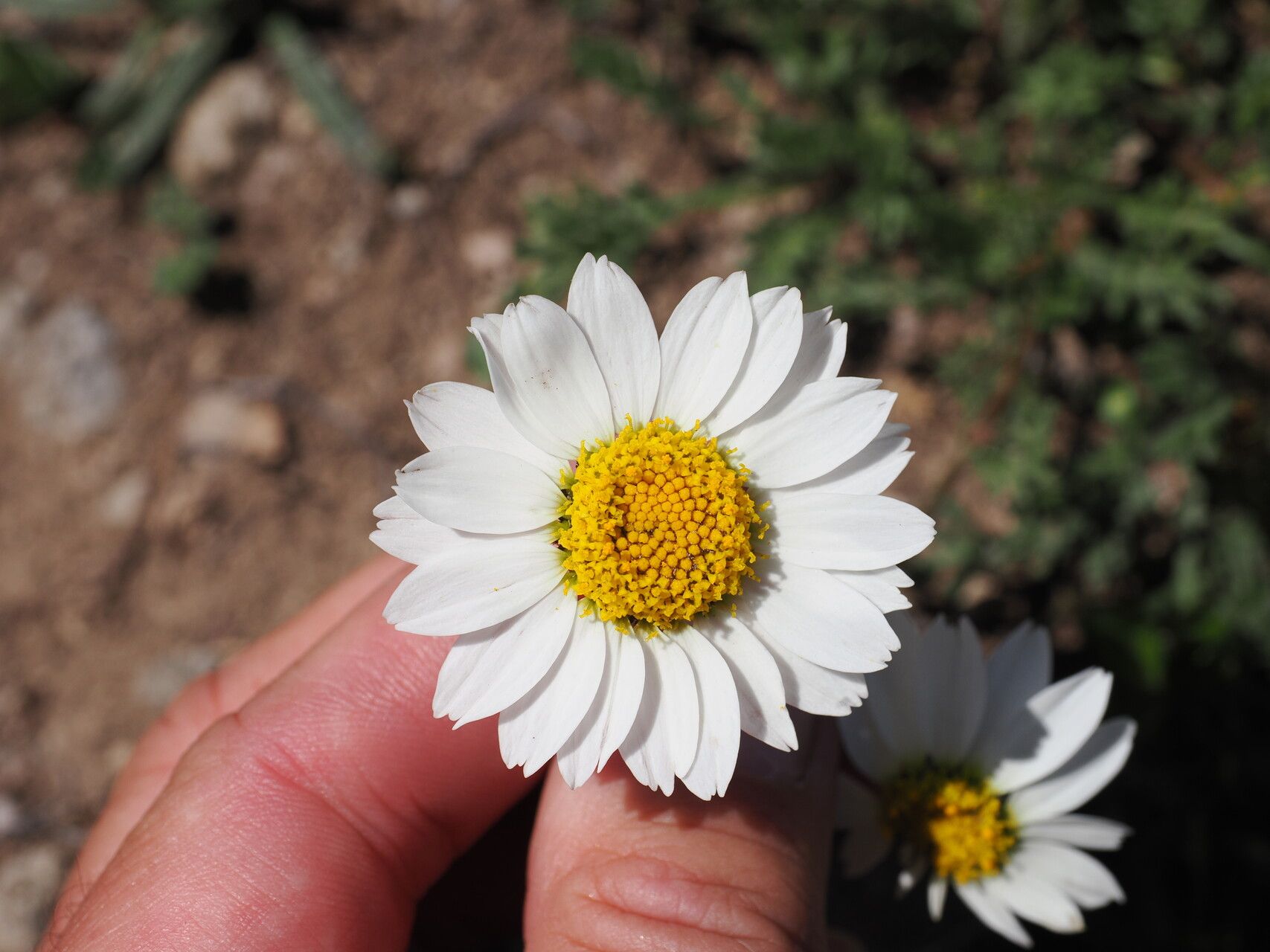
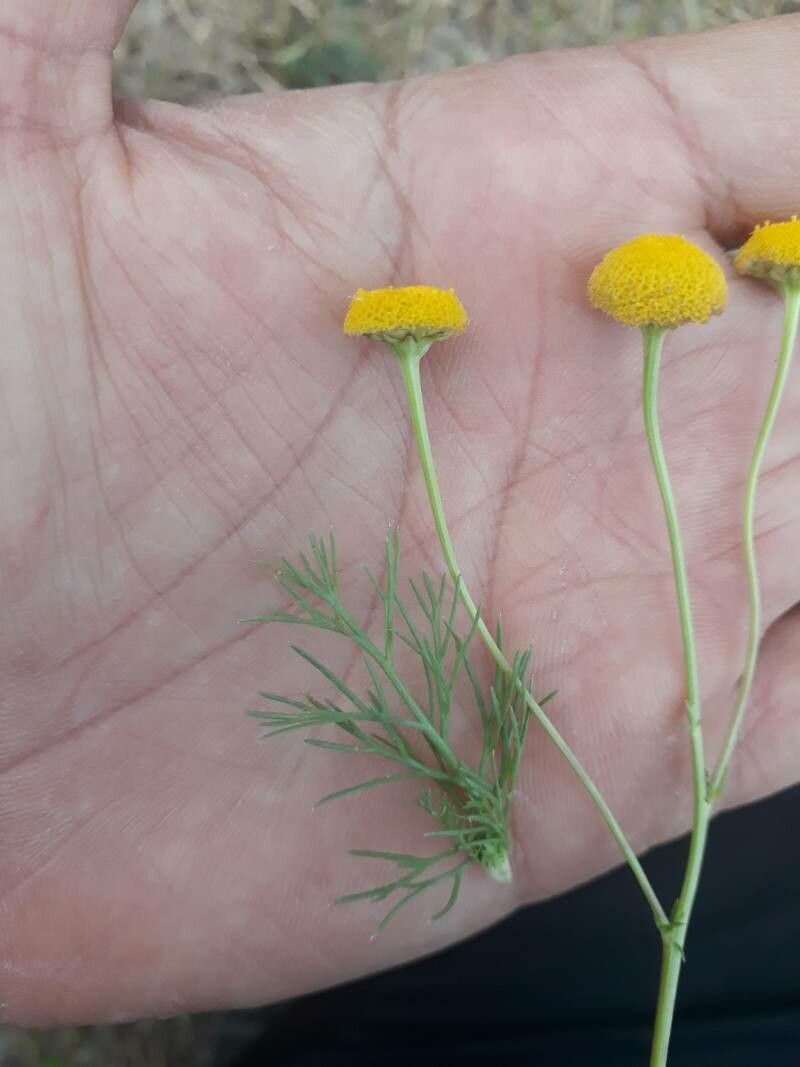
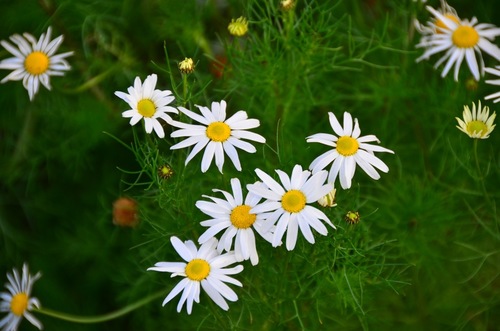
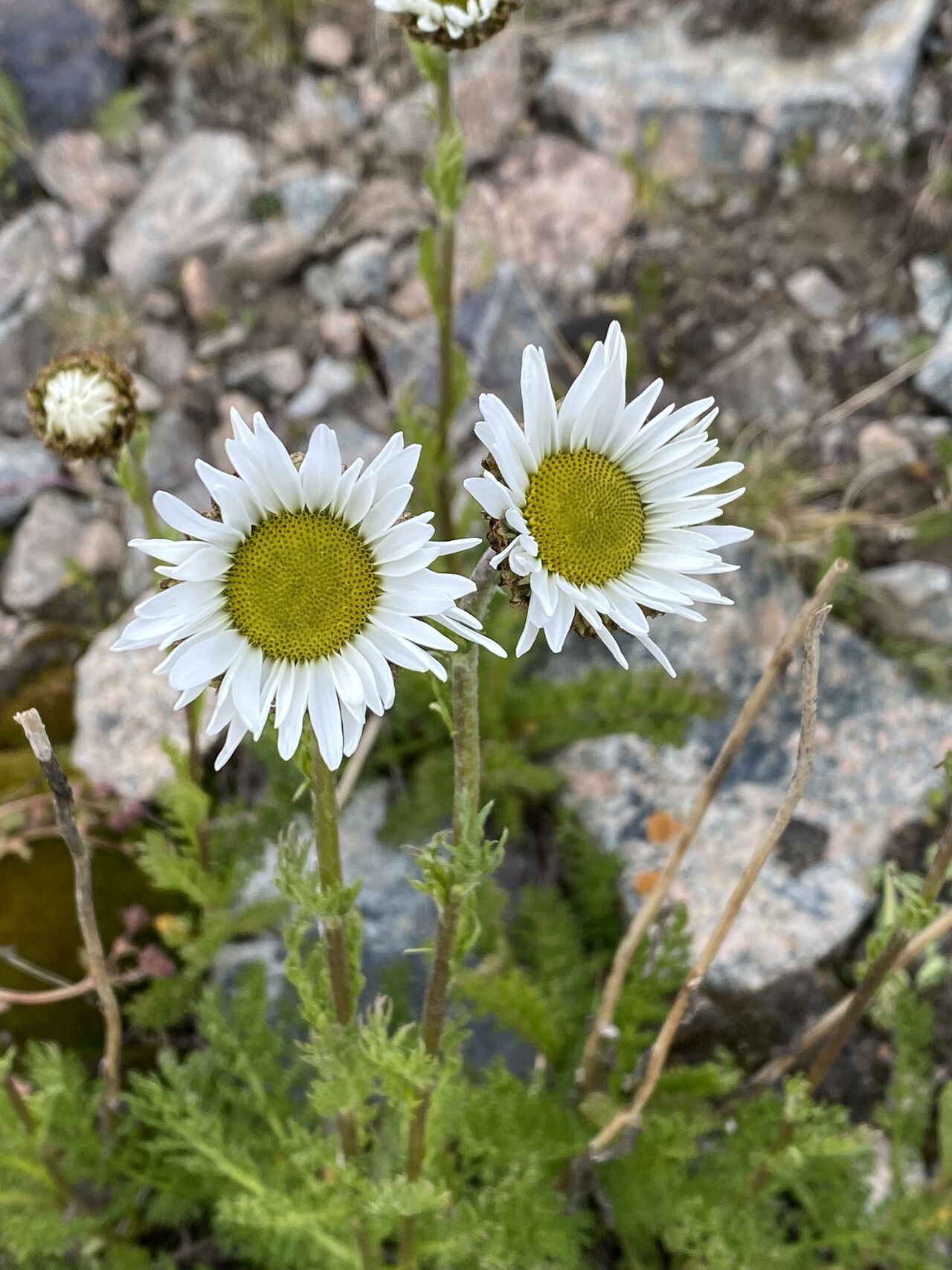
Tripleurospermum maritimum (syn. Matricaria maritima) is a species of flowering plant in the aster family commonly known as false mayweed or sea mayweed. It is found in many coastal areas of Northern Europe, including Scandinavia and Iceland, often growing in sand or amongst beach pebbles. In Iceland, sea mayweed is known as Baldr's eyelashes (baldursbrá), though this name is given to all mayweed flowers in Norway and Sweden.
False mayweed has strong disease resistance and is generally not susceptible to illnesses. Still, it can be affected by pests and diseases present nearby. Such infections are typically mild. Regarding care, this plant is of medium maintenance. It should be pruned regularly to preserve a tidy appearance and support healthy growth. Applying fertilizer can also encourage blooming. False mayweed is appropriate for anyone with outdoor areas like a garden or patio and does not demand extensive care experience. It may need more attention when cultivated indoors.
How to keep Tripleurospermum Maritimum.
Light
False mayweed performs best when given a generous amount of daily light, comparable to unobstructed daylight. Native to habitats with abundant sunshine, these plants can flourish even though they lack any tolerance for varying light conditions. Both excessive and insufficient light can undermine their vigor and hinder their growth.
Water
False mayweed flourishes in coastal environments where there is moderate moisture and can tolerate saline conditions. When watering this plant, it's best to mimic its natural growth pattern by watering about once a week. Being an outdoor plant, false mayweed adapts well to varying rainfall, which makes it resilient across different climate zones.
Temperature
False mayweed originates from temperate areas and does best at temperatures between 68 and 95 °F (20 to 35 ℃). In colder months, a heated environment can aid its growth.
Fertilizer
When most of False mayweed's blooms have opened to full size, resume fertilizing. At the peak of flowering, fertilize every three to four weeks, weather permitting. Then, once False mayweed begins to produce fewer new blooms, stop fertilizing; there's no need to feed the plant when it can no longer produce more blooms.
Pruning
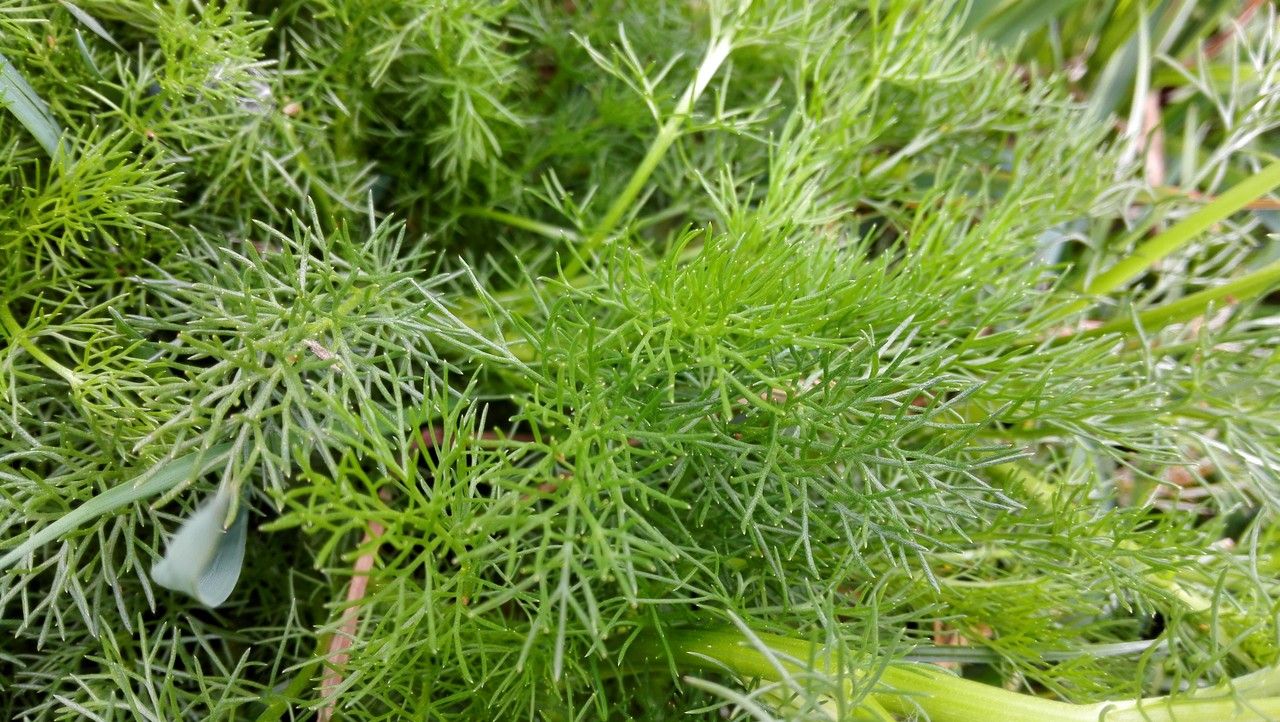
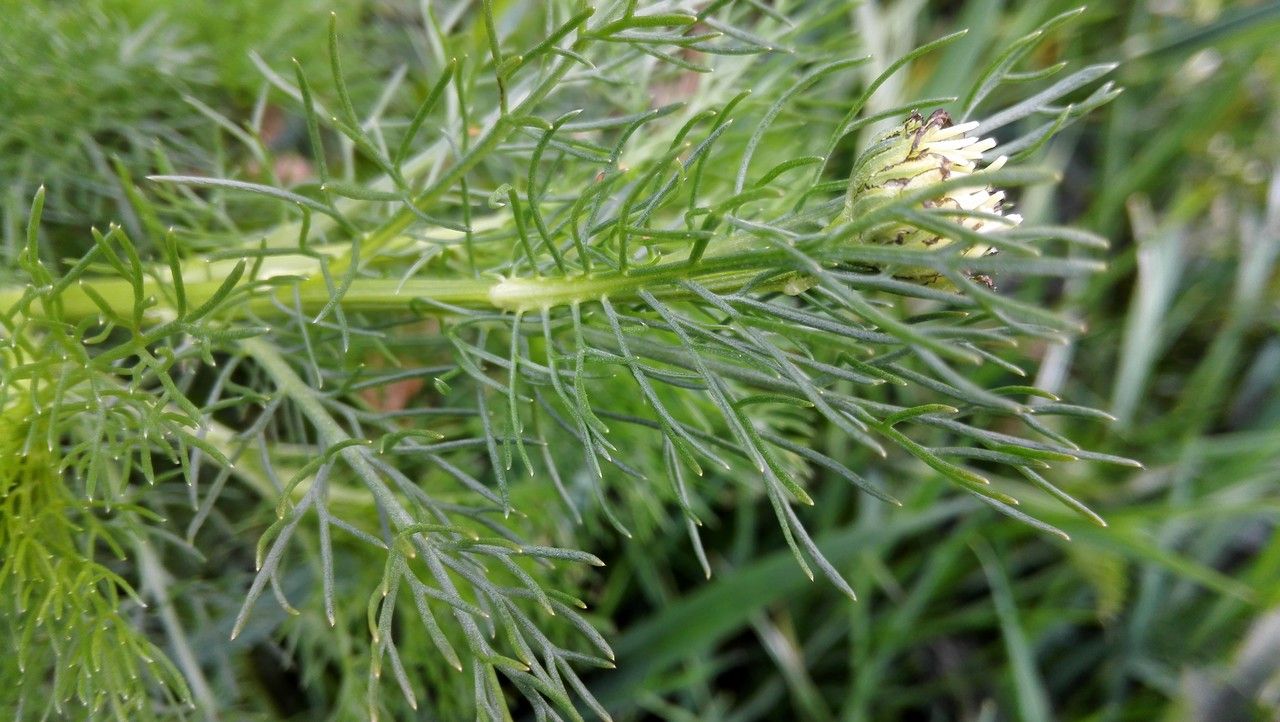
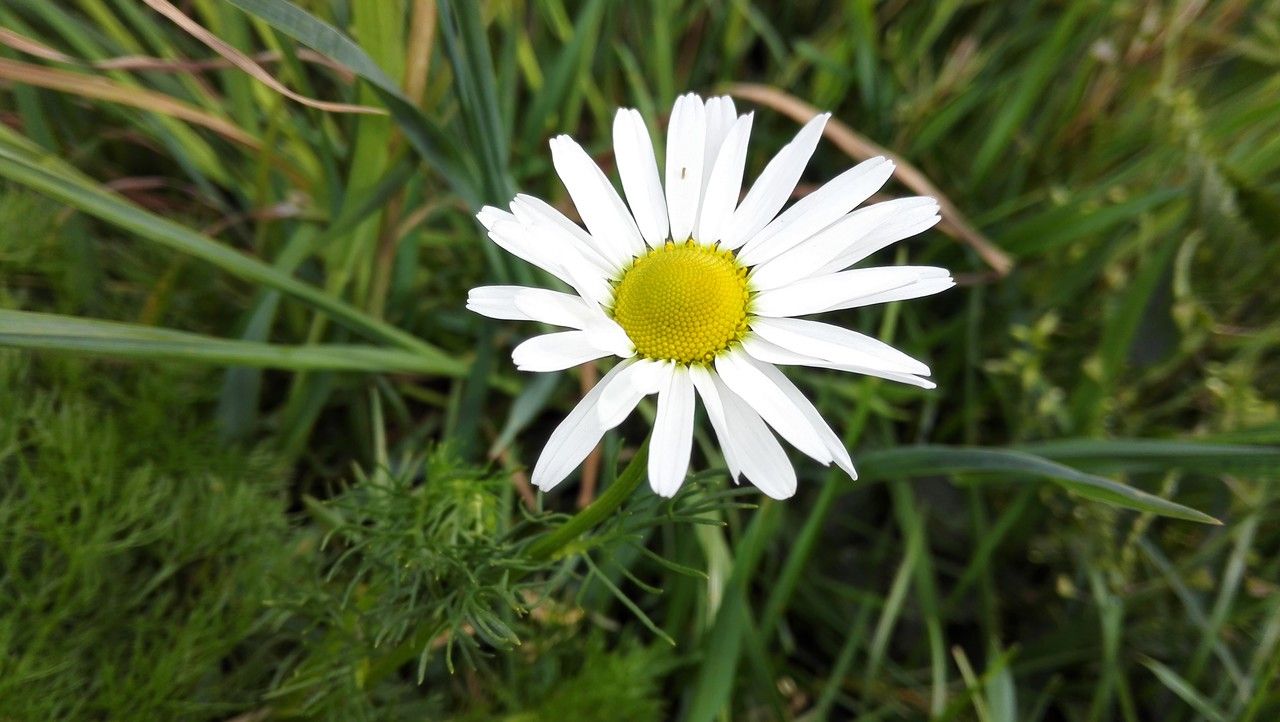
False mayweed has daisy-like flowers and aromatic leaves. To encourage growth and flowering, prune it from early to late spring. Be sure to remove any dead stems to improve airflow around the plant. It's important to sterilize your pruning tools to prevent the spread of disease. Regular pruning not only enhances the plant's appearance but also promotes its overall health.
Botanical profile.
- Plant Type
- Herb
- Life Cycle
- Annual, Biennial, Perennial
- Genus
- Tripleurospermum
- Family
- Asteraceae
- Hardiness Zone
- 5-7
- Mature Height
- 10 cm to 61 cm
- Mature Spread
- 49 cm
- Leaf Color
- Green
- Leaf Type
- Deciduous
- Flower Color
- White, Yellow
- Flower Size
- 5.08 cm
- Bloom Time
- Summer
- Planting Time
- Spring, Summer, Autumn
- Harvest Time
- Late summer, Early fall, Mid fall
Other names.
Reader questions.
How should I water my False mayweed plant?
To water False mayweed, you have several options such as using a garden hose with a spray nozzle, a watering can, or any typical watering tool. False mayweed is not too particular about the type of water it receives and can thrive with rainwater, tap water, or filtered water. It is best to avoid watering this plant from above as it can harm the leaves and flowers and potentially cause diseases. A drip irrigation system is often the most effective way to water False mayweed since it applies water evenly and directly to the soil. If you have a potted False mayweed, you can follow a similar approach but adjust the tools by using a cup, watering can, or tap water to water the soil specifically.
What are the sunlight requirements for False mayweed?
False mayweed requires above 6 hours of sunlight daily to thrive optimally, as it originates from environments with abundant sunlight. It's crucial to watch how sunlight moves through your garden to ensure the plants receive the perfect balance of light and shade. This ensures plants' happiness by favorable positioning.
What is the native temperature range for False mayweed?
False mayweed, scientifically known as Tripleurospermum maritimum, thrives in temperate regions with an ideal temperature range between 68 to 95°F (20 to 35°C). This indicates that the plant prefers moderate to warm climates for optimal growth.
What do I need to do if I give too much or too little water to my False mayweed plant?
To fix the issue of underwatering False mayweed, simply water it more regularly when you see that it lacks moisture. Overwatering, on the other hand, can be more serious and can lead to diseases and the decline of the plant. To prevent this, choose a suitable location with enough sunlight and good drainage for excess water to drain properly. If you overwater a potted False mayweed, consider changing it to a new pot with better drainage. Use loose soils and a pot that drains efficiently when you repot the overwatered plant.
Can False mayweed grow with artificial lighting?
Yes, False mayweed can grow with artificial lighting, especially when natural sunlight is insufficient, such as in winter or in less sunny spaces. Indoor plants benefit from adequate artificial lighting, which promotes faster, healthier growth. LED lights are a popular choice because they can be customized to provide specific wavelengths of light needed by the plants. The amount of artificial light needed varies depending on whether plants need full sun (30-50W/sq ft), partial sun (20-30W/sq ft), or full shade (10-20W/sq ft); lights should be placed 12-36 inches above the plant and turned on for 8-12 hours per day to mimic natural daylight hours.
Does False mayweed need special care during the colder seasons?
Despite its high tolerance for cold, False mayweed does not require additional frost protection measures during the winter. However, it's beneficial to water the plant generously before the first freeze of autumn to ensure the soil stays moist and enters a frozen state. This preemptive watering helps prevent drought and water scarcity for the plant during the winter and early spring, promoting healthier growth once temperatures rise.
How often should I water my False mayweed plant?
To keep your False mayweed healthy, it is important to provide regular watering. In the spring, watering once a week should suffice. However, as the weather gets warmer, you may need to increase watering to two or three times a week. It's crucial not to exceed this rate as it can harm the plant. It is also essential to keep the soil moist but not overly wet, regardless of watering frequency. When it comes to potted False mayweed, you should water it more frequently than those planted in the ground. Generally, watering a container-grown False mayweed a few times per week is recommended, compared to just once per week for a plant in the ground.
What are the signs of light deficiency in False mayweed?
Signs of light deficiency in False mayweed include small, new leaves that are smaller than the mature ones; leggy or sparse growth; faster leaf drop; slower or no new growth; lighter-colored new leaves; chlorosis, or the yellowing of leaves due to lack of chlorophyll; sunscald, which appears as pale, bleached, or necrotic areas on the plant; leaf curling as a defense mechanism against sunlight exposure; wilting from loss of turgor pressure; and leaf scorching, characterized by brown, dry edges on leaves caused by excessive sunlight.
What should be done if the temperature falls below -25°C for False mayweed?
False mayweed is extremely cold-tolerant, but it does have its limits. Should the winter temperatures dip below -25°C, the plant might survive without visible changes during the colder months, but there could be a noticeable decrease in sprouting or even a lack of sprouting in the following spring. If this occurs, it's advised to remove any parts of the plant that have failed to sprout as part of spring care.
How much water does my False mayweed require?
Determining how much water to give your False mayweed can be approached in a few different ways. Some gardeners prefer to gauge the moisture level of the soil by feeling it, and they recommend watering until the top six inches of soil feel moist. Another option is to use a fixed measurement, such as giving your False mayweed around two gallons of water per week, adjusting for factors like temperature and soil dryness. However, it's important to avoid overwatering if your plant actually requires less water. When growing False mayweed in a container, you'll need to apply a different method. In this case, you should ensure that all layers of soil are moist, which can be tested by sticking your finger in the soil. Additionally, you can water until you notice a small amount of excess water draining from the pot's holes.
How can I optimize light conditions for False mayweed indoors?
To optimize light conditions for False mayweed indoors, gradually move the plant to sunnier locations each week until receiving at least 6 hours of direct sunlight daily, ideally using a south-facing window. For large or immovable plants, consider using a desk or ceiling lamp for at least 8 hours daily, or invest in professional plant grow lights for ample lighting. Ensure that adjustments to light exposure are gradual to prevent sunburn.
How does high temperature affect False mayweed and what are the solutions?
False mayweed struggles in high temperatures; when the thermometer reads above 35°C, its growth halts, and the plant becomes more prone to diseases such as rot. To mitigate heat stress, affected areas should be trimmed away, and, if possible, the plant should be moved to a shaded area or covered with a shade cloth to protect it from the midday and afternoon sun. Additionally, watering the plant during cooler times of the day, such as in the morning and evening, helps keep the soil appropriately moist.