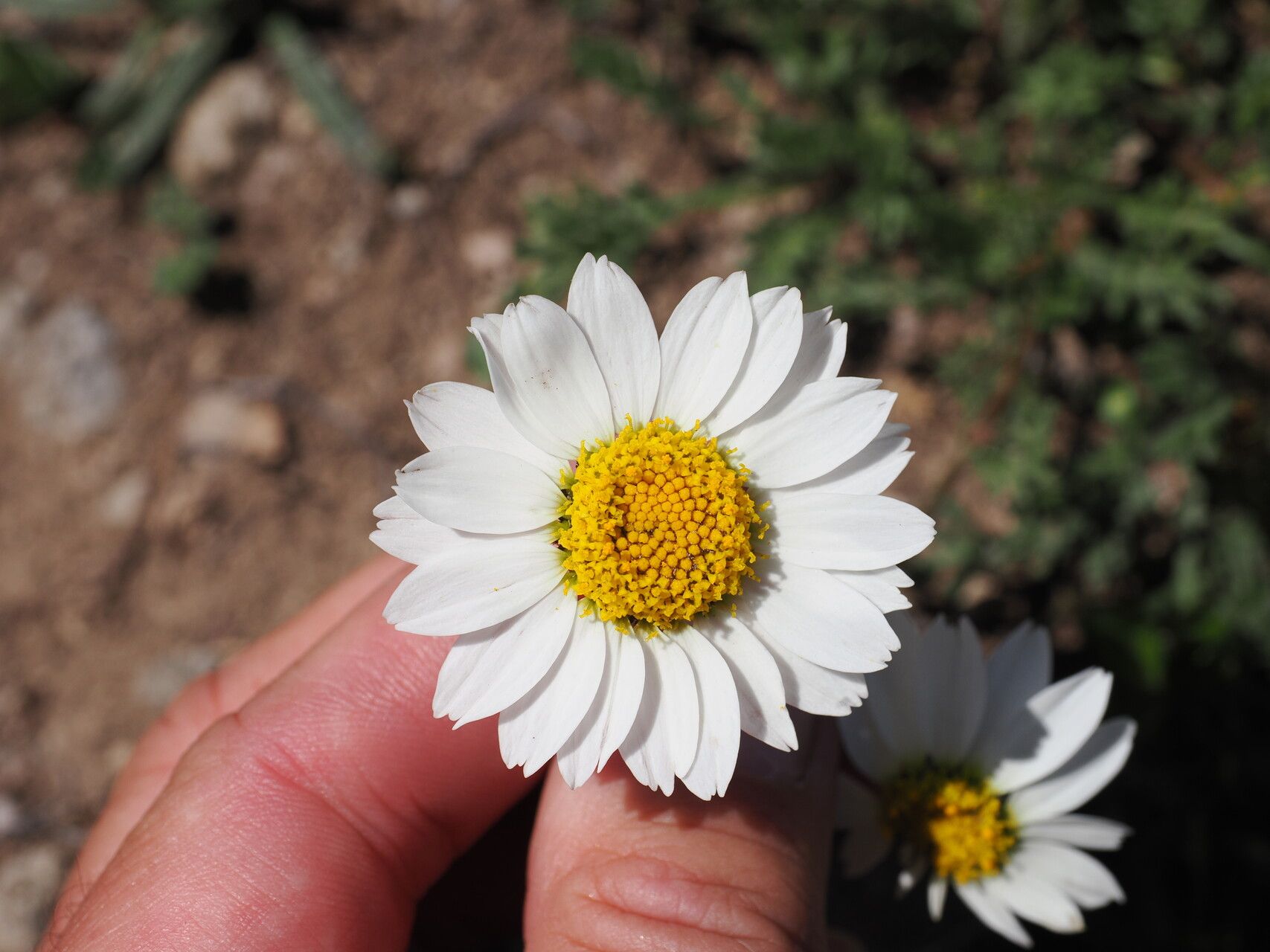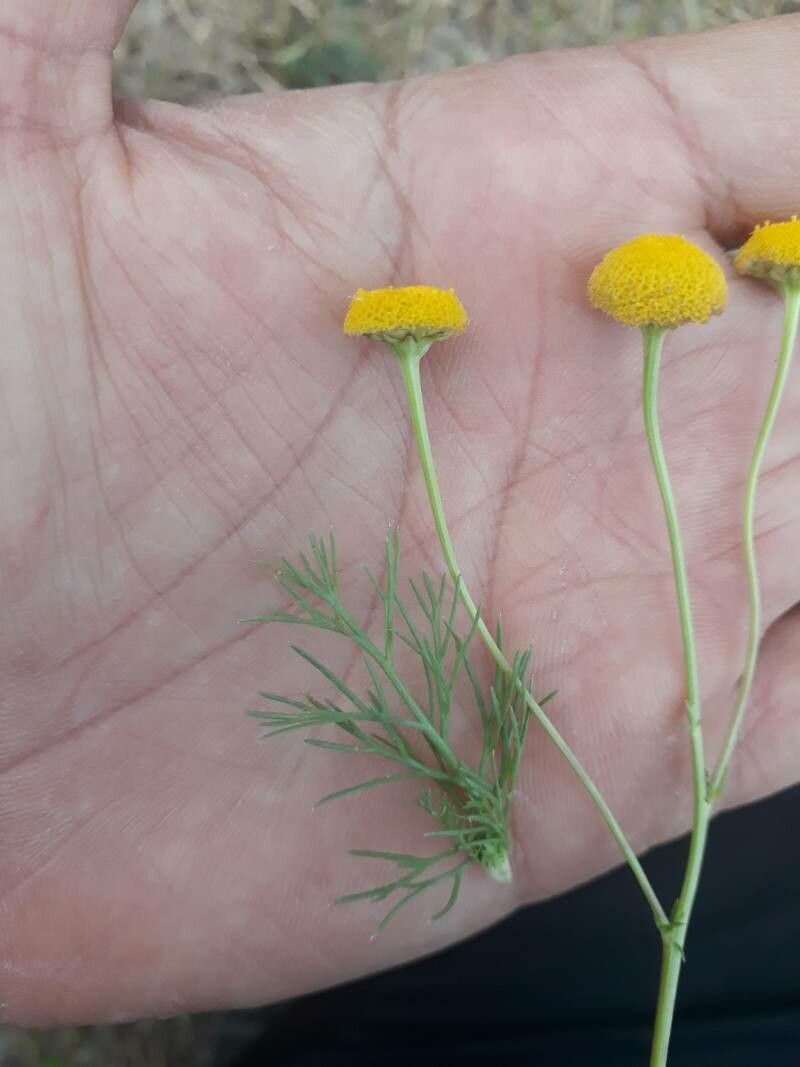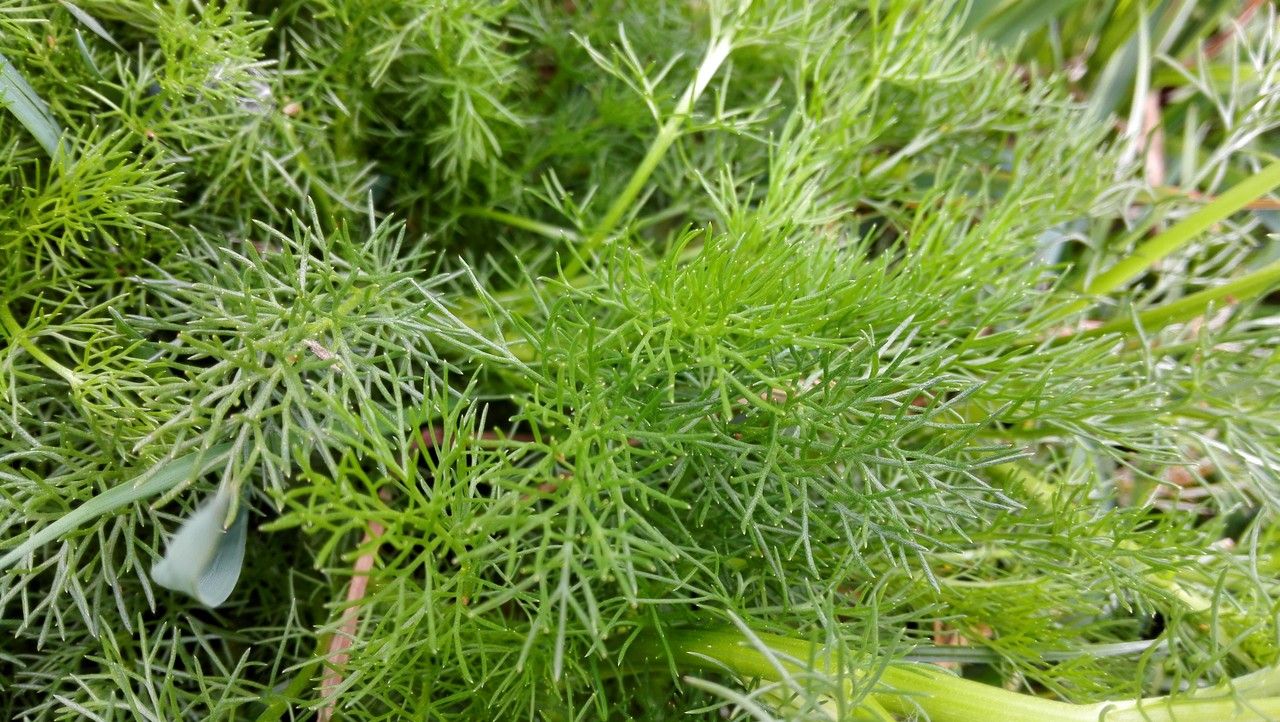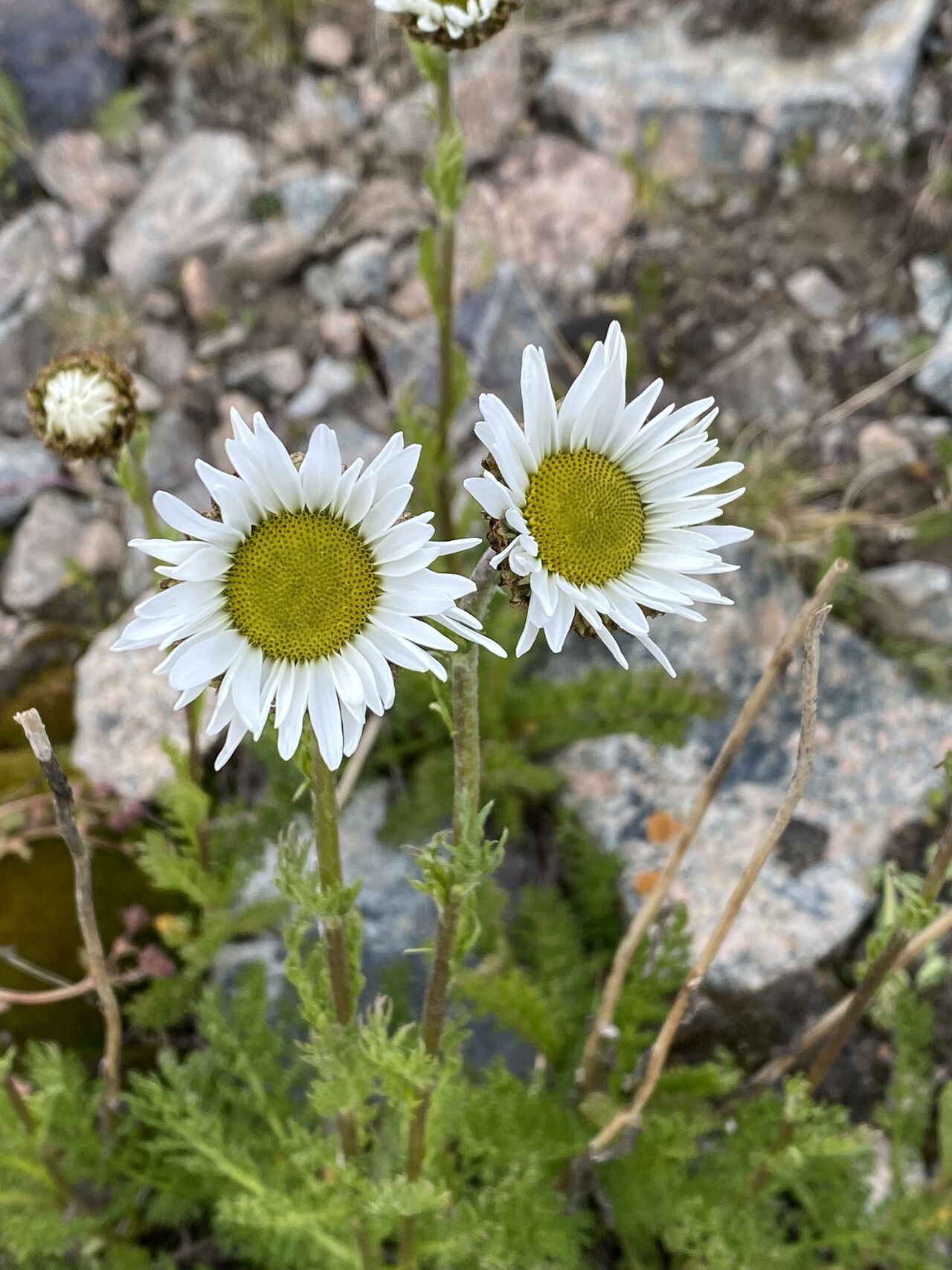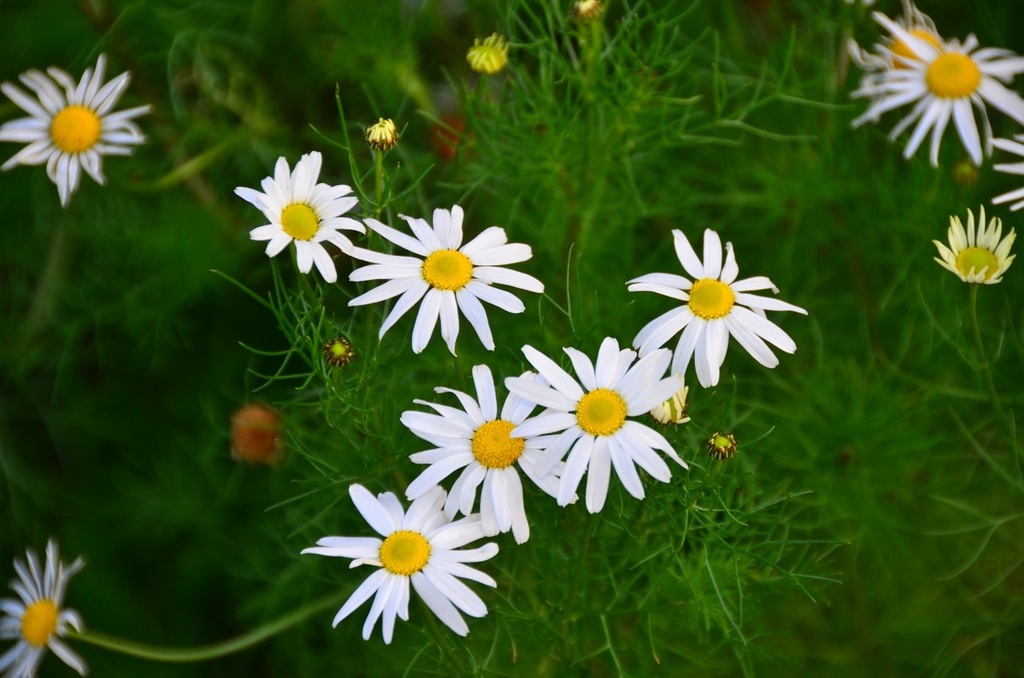
Tripleurospermum inodorum, commonly known as scentless mayweed or false chamomile, is a flowering plant in the Asteraceae family. It is native to Europe and Asia but has been introduced and naturalized in many parts of the world. The plant grows up to 60 cm tall and has finely divided, feathery leaves. Its flowers are white with yellow centers, resembling chamomile flowers but lacking the characteristic scent.
Scentless mayweed is commonly found growing along roadsides, in fields, waste areas, and disturbed sites. It prefers well-drained soils with full sun exposure, but it can tolerate a wide range of soil types.
For centuries, the plant has been valued for its medicinal properties, particularly its anti-inflammatory benefits. Traditionally, it has been used as a remedy for digestive disorders such as bloating and indigestion.
Additionally, scentless mayweed serves as an important source of food for many insects, including bees and butterflies, which feed on its nectar-rich flowers.
Despite its beneficial properties, scentless mayweed can be considered an invasive species due to its ability to spread rapidly through self-seeding. Its presence can negatively impact native vegetation by outcompeting them for resources such as water and nutrients.
Overall, Tripleurospermum inodorum is a fascinating plant with both medicinal benefits and ecological significance. It warrants further study to explore its potential uses while also remaining mindful of its potential negative impacts on local ecosystems where it grows abundantly.
Scentless mayweed is fairly resistant to disease and is generally not vulnerable to illnesses. However, it can be affected by pests and diseases present in its surroundings; these problems are usually mild. Care requirements are moderate. The plant should be pruned regularly to preserve a neat appearance and support healthy growth. Fertilizing can also encourage flowering. Scentless mayweed is appropriate for anyone with outdoor space, such as a garden or patio, and does not require extensive experience in plant care. It may need more attention if grown indoors.
How to keep Tripleurospermum Inodorum.
Light
Scentless mayweed grows best when it receives plenty of sunlight, as it comes from habitats that get abundant sun throughout the day. Both too little and too much light can impede the plant's healthy growth and vitality.
Water
Scentless mayweed flourishes in moderate water conditions typical of temperate climates and benefits from weekly watering to maintain optimal health. As an annual herb, it completes its life cycle within a single growing season and requires consistent moisture throughout this period to ensure vibrant growth.
Temperature
Scentless mayweed naturally occurs in habitats with temperatures between 68 to 95 °F (20 to 35 ℃). It grows best within that temperature range. In colder or hotter seasons, modify the environment to closely approximate those temperature conditions.
Fertilizer
The best time to fertilize a Scentless mayweed is in early spring, when it is coming out of dormancy and entering active growth. Fertilization supplies key nutrients needed for healthy growth. Although a Scentless mayweed has relatively low fertilizer requirements, annual fertilization can improve its survival and encourage better, longer-lasting flowers.
Pruning
Scentless mayweed, known for its oil-free aroma and daisy-like appearance, benefits from pruning between early and late spring. To promote healthy blooms and vigorous growth, remove spent flowers and damaged leaves. This enhances the plant's appeal in the garden and prevents legginess.
Pot & Repot
When repotting Scentless mayweed, select a pot 1-2 inches (2.5–5.1 cm) larger with adequate drainage. Use a well-draining potting mix. Repot in spring or fall, making sure the root ball sits slightly below the rim of the flower pot. Water thoroughly after repotting and place in a warm spot with indirect sunlight.
Botanical profile.
- Plant Type
- Herb
- Life Cycle
- Perennial, Annual, Biennial
- Genus
- Tripleurospermum
- Family
- Asteraceae
- Hardiness Zone
- 2-10
- Mature Height
- 20 cm to 76 cm
- Mature Spread
- 40 cm
- Leaf Color
- Green
- Leaf Type
- Deciduous
- Flower Color
- White, Yellow
- Flower Size
- 3.05 cm to 5.08 cm
- Bloom Time
- Early summer, Mid summer
- Planting Time
- Spring, Summer
- Harvest Time
- Mid summer
- Native Area
- Turkey, Sweden, Austria, Slovakia, Montenegro, Slovenia, Croatia, Belarus, Uzbekistan, Russia, Germany, Indonesia, Estonia, Romania, Latvia, Belgium, Moldova, Portugal, Netherlands, France, Tajikistan, Czech Republic, Cyprus, Bulgaria, Poland, Armenia, Greece, Ukraine, Serbia, China, Lithuania, Norway, Italy, Kazakhstan, Spain, Switzerland, Denmark, Finland, Albania, Ireland, United Kingdom, Hungary, Azerbaijan
Other names.
Reader questions.
How should I water my Scentless mayweed?
When watering the Scentless mayweed, it's best to use filtered water at room temperature. Tap water can have harmful particles, so filtered water is preferred. The Scentless mayweed is used to warm environments, so using cold water can be a shock to it. Avoid overhead watering to prevent foliage issues. Instead, saturate the soil with filtered room temperature water. This helps the roots stay moist and spread through the soil to absorb nutrients.
What are the sunlight requirements for Scentless mayweed?
Scentless mayweed requires full sun, meaning it should receive above 6 hours of sunlight to thrive best. This plant originates from environments that enjoy generous sunlight throughout the day. It's crucial to watch how sunlight moves through your garden to ensure you choose spots that provide the perfect balance of light and shade for your plants, guaranteeing their happiness and healthy growth.
What is the ideal temperature range for growing Scentless mayweed?
Scentless mayweed, scientifically known as Tripleurospermum inodorum, is indigenous to environments where temperatures range between 68 to 95 °F (20 to 35 °C), thriving best within this temperature range. To ensure the plant's healthy growth, it's important to adjust its environment to closely mimic these conditions during colder or hotter seasons. The plant has strong cold resistance, indicating that special frost protection measures are generally not necessary, even though precautions should be taken if winter temperatures are expected to drop below -40°C.
What do I do if I give too much or too little water to my Scentless mayweed?
Overwatering is a more common issue than underwatering for your Scentless mayweed. When the plant receives too much water, it may wilt, turn yellow, and develop diseases like root rot, mold, and mildew, which can be fatal. While underwatering is less common, the leaves can become brittle and brown when it occurs. It's important to recognize the signs of overwatering early on to prevent irreversible damage. Reduce your watering schedule if you notice these signs, and consider improving the soil drainage. If underwatering is the issue, simply increase the frequency of watering until the symptoms improve.
How can artificial lighting be used for Scentless mayweed grown indoors?
When natural sunlight is insufficient, especially in winter or in less sunny spaces, artificial lighting becomes essential for Scentless mayweed's growth. LED lights are recommended because they can be customized to provide specific wavelengths needed by plants. Full sun plants, like Scentless mayweed, should have 30-50W/sq ft of artificial light. Position the light source 12-36 inches above the plant and ensure it mimics natural daylight hours, requiring 8-12 hours of light per day for most plants.
How do you protect Scentless mayweed during extreme cold?
Although Scentless mayweed is notable for its cold resistance, in the extreme scenario where temperatures are expected to plummet below -40°C, it's important to take measures to protect the plant. This could include covering the plant with insulative materials such as soil or straw to safeguard it from the harsh cold. Another recommended practice is to water the plant abundantly before the first freeze of autumn. This ensures the soil retains moisture and enters a frozen state, which helps prevent the plant from experiencing drought and water scarcity during the winter and into early spring.
How frequently do I need to water my Scentless mayweed?
If your Scentless mayweed is in a pot, the most precise way to know if it needs water is by checking the soil with your finger. If the top two to three inches of soil are dry, it's time to water it. If you're growing the Scentless mayweed outdoors in the ground, you can use the same method. When the top few inches of soil are dry, it's time to water. Usually, in the spring and early fall, watering once a week is sufficient. However, during extremely hot weather, you may need to water two or more times a week. Keep in mind that mature, well-established Scentless mayweed can withstand drought well.
What are the symptoms of inadequate lighting for Scentless mayweed?
Symptoms of inadequate lighting in Scentless mayweed include small and lighter-colored new leaves, leggy or sparse growth, faster leaf drop, slower or no new growth, and symptoms of overexposure like chlorosis, sunscald, leaf curling, wilting, and leaf scorching. These symptoms indicate that the plant is not receiving the optimal light conditions it needs to maintain healthy growth and vitality.
What should you do if Scentless mayweed experiences low temperatures?
Scentless mayweed is cold-tolerant and ideally should be kept in temperatures above 20°C. However, during winter, it's crucial to ensure the temperature remains above 0°C. If temperatures dip below -40°C, you may not notice any immediate changes during the winter, but there might be a noticeable decrease in sprouting or even a complete lack of sprouting in the spring. To address this, remove any parts of the plant that have failed to sprout come springtime.
How much water does my Scentless mayweed require?
When watering your Scentless mayweed, don't be shy about the amount of water you give. Make sure the first two to three inches of soil are dry before watering. It's best to give the plant a thorough watering, making sure the soil is completely soaked. You'll know you've added enough water when you see excess water draining from the pot's drainage holes. If you don't see this, it means you haven't watered enough. However, be careful not to let water accumulate in the soil, as this can be harmful to the plant. On the other hand, if water doesn't drain well from the pot, it may indicate poorly draining soil, which is bad for the plant's health. If the plant is outdoors, about 1 inch of rain per week should be enough.
What solutions can be applied for Scentless mayweed facing light issues indoors and outdoors?
To address light issues for Scentless mayweed, gradually move the plant to locations with at least 6 hours of direct sunlight daily. Indoors, consider using a south-facing window or artificial grow lights for additional light. Outdoors, carefully transition your plants to sunnier spots to prevent sunburn. For plants in the ground, reduce obstructions like tree branches to allow more sunlight or transplant smaller plants to sunnier locations during their dormant period. Note that while parts of the plant affected by insufficient light may not recover, new growth will be healthy after adjusting light exposure.
How do you care for Scentless mayweed during high temperatures?
During summer, it's important to keep Scentless mayweed below 35°C. Should the temperatures exceed 41°C, you might observe the plant's leaves becoming lighter in color, prone to curling, susceptible to sunburn, and in severe cases, the entire plant may wilt and become dry. To mitigate this, trim away sunburned and dried-up parts of the plant. Additionally, moving the plant to a location that provides shade during midday and afternoon sun or using a shade cloth can help. Watering the plant in the morning and evening will also help keep the soil moist and reduce stress on the plant.