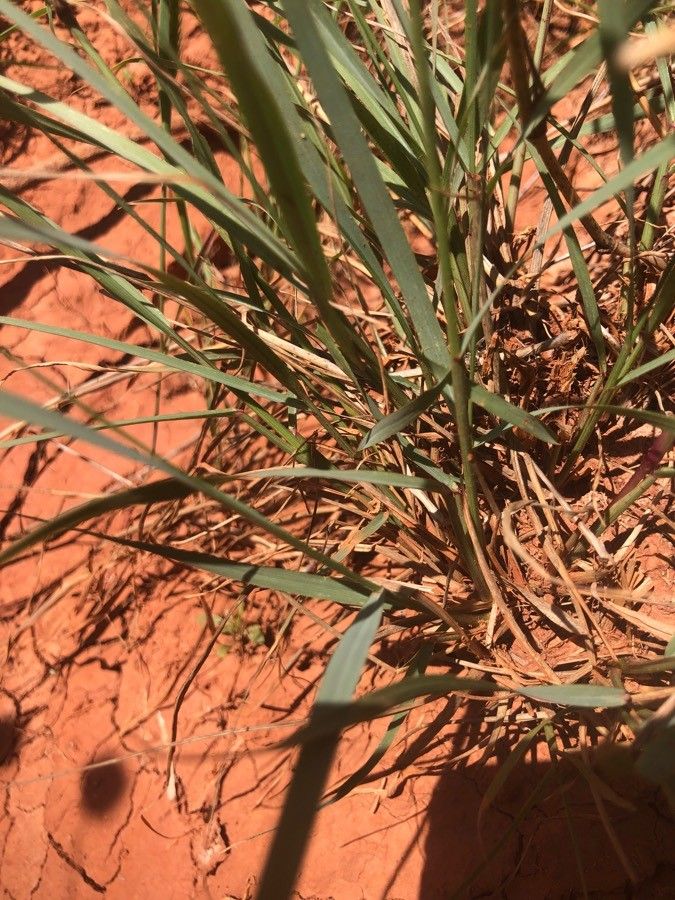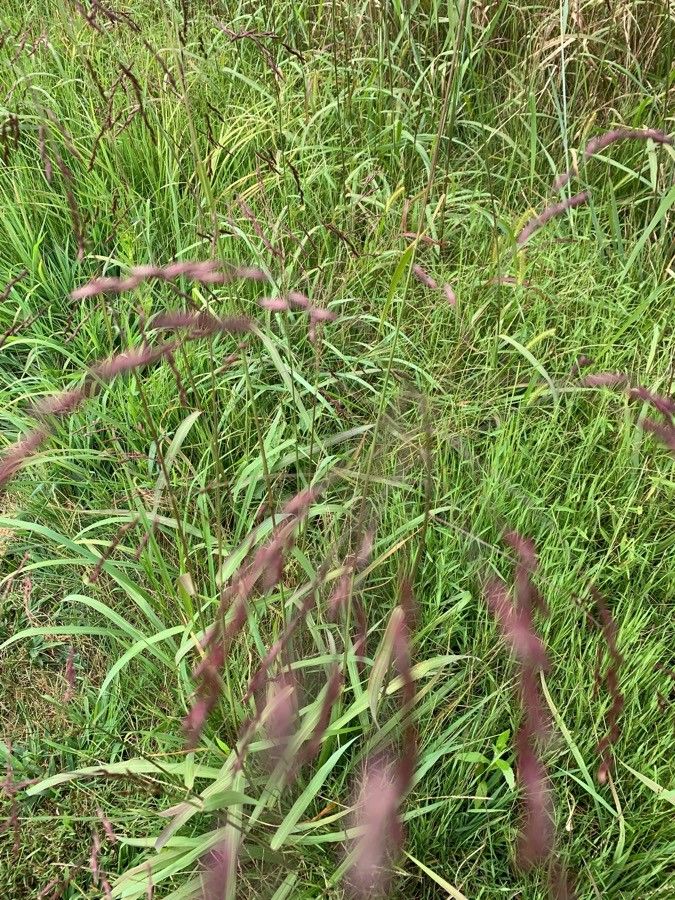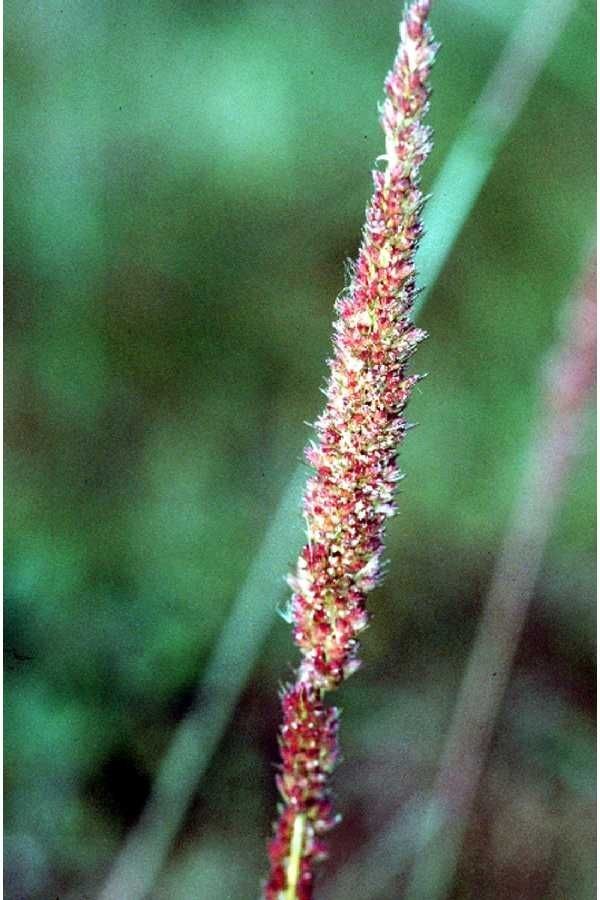
Tridens strictus, the longspike tridens, is a species of flowering plant in the grass family Poaceae. It is a perennial reaching 1.7 metres.
Long-spike tridens is disease-resistant and typically not susceptible to disease. Regarding care, this plant is fairly low-maintenance. When grown outdoors it needs only minimal watering, and larger specimens usually do not require pruning. Smaller plants, however, should be pruned after they have finished blooming. Long-spike tridens is suitable for anyone with outdoor space, such as a garden or deck, and does not demand much gardening experience.
How to keep Tridens Strictus.
Light
Long-spike tridens prospers with plentiful sunlight throughout the day and cannot tolerate low-light conditions. Native to a sun-rich environment, it shows poor growth and diminished vigor when deprived of substantial light but is not harmed by excessive sunlight.
Water
Long-spike tridens grows best in moderate climates with consistent moisture and prefers soil that stays evenly moist. To mimic its natural environment, water the plant once a week, but be careful not to overwater. When cultivating long-spike tridens, take local precipitation into account, as it usually thrives in outdoor conditions similar to its native habitat.
Temperature
Long-spike tridens is a plant native to temperate areas, growing well across a wide temperature span of 41 to 95 °F (5 to 35 ℃). It prefers cooler surroundings and therefore needs careful temperature control. In hotter seasons, provide shade to keep it within its preferred temperature range.
Fertilizer
Long-spike tridens needs supplemental nutrients to encourage healthy new growth. In spring, spreading compost around the plant’s base will effectively supply the nutrition it requires. Fertilizing supports vigorous growth and helps the plant resist diseases and pests.
Pruning
Prune long-spike tridens in early spring to remove dead stems and leggy growth. This encourages denser foliage and reduces the risk of disease. Be sure to use clean, sharp tools when pruning, as this also promotes abundant flowering and improves the plant's ornamental appeal. For additional guidance, consult reliable horticultural resources.
Botanical profile.
- Plant Type
- Grass
- Life Cycle
- Perennial
- Genus
- Tridens
- Family
- Poaceae
- Hardiness Zone
- 5-9
- Mature Height
- 0.61 m to 1.22 m
- Mature Spread
- 46 cm to 76 cm
- Leaf Color
- Green
- Leaf Type
- Deciduous
- Flower Color
- Purple, Lavender
- Flower Size
- 10.16 cm to 30.48 cm
- Bloom Time
- Mid summer, Late summer, Early fall
- Planting Time
- Spring, Summer
- Harvest Time
- Fall
- Native Area
- Georgia
Other names.
Reader questions.
What are the sunlight requirements for Long-spike tridens?
Long-spike tridens requires full sun, which means it thrives in conditions where it receives above 6 hours of sunlight daily. It's vital to observe how sunlight moves through your garden to ensure you choose spots that offer a balance of light and shade. Originating from a sun-rich habitat, Long-spike tridens suffers poor growth and weakened health if deprived of significant light, although it isn't negatively affected by overexposure to sunlight.
What are the ideal temperature conditions for Long-spike tridens?
Long-spike tridens thrives in temperate regions, preferring a broad temperature range of 41 to 95°F (5 to 35°C). The plant flourishes in cooler conditions and necessitates strict temperature management to stay within its preferred range. During hotter seasons, it's crucial to provide shade to keep the temperature around the plant cooler. Despite its strong cold resistance, ensuring protection against extreme winter cold below -25°C (-13°F) by covering it with soil or straw can be beneficial. Additionally, before the onset of the first freeze in autumn, watering the plant abundantly to keep the soil moist is recommended as it helps prevent drought and water scarcity during the colder months.
How does artificial lighting benefit indoor plants like Long-spike tridens?
Indoor plants, including Long-spike tridens, require adequate lighting for optimal growth, especially when natural sunlight is insufficient, such as in winter or less sunny spaces. Artificial lights, like LEDs, offer a vital solution, promoting healthier, faster growth. They should provide specific wavelengths suited to your plant's needs, with full sun plants needing 30-50W/sq ft, partial sun plants 20-30W/sq ft, and full shade plants 10-20W/sq ft of artificial light. The light source should be placed 12-36 inches above the plant for 8-12 hours per day to mimic natural daylight.
How does Low temperature affect Long-spike tridens and what are the solutions?
Long-spike tridens is highly tolerant of cold conditions and shows optimal growth when temperatures stay above 5°C (41°F). During the winter months, it's important to ensure that the temperature does not fall below -20°C (-4°F). Should temperatures plummet below -25°C (-13°F), there might not be immediate noticeable damage during winter; however, a decrease in sprouting or even a lack of sprouting can occur by spring. To address this, removing any parts of the plant that have failed to sprout in spring is advisable.
What are common symptoms of light deficiency or overexposure in Long-spike tridens?
Symptoms of light deficiency in Long-spike tridens include small leaves, leggy or sparse growth, faster leaf drop, slower or no new growth, and lighter-colored or chlorotic leaves, which indicate a lack of chlorophyll. Overexposure symptoms include sunscald, indicated by pale or necrotic areas on plant tissue, leaf curling as a defense mechanism, wilting from water loss, and leaf scorching, characterized by brown or crispy leaf edges. These symptoms highlight the plant's struggle with inadequate or excessive light.
How does high temperature affect Long-spike tridens and what are the solutions?
During the summer, it's imperative to keep Long-spike tridens's environment below 35°C (95°F). Should temperatures exceed 38°C (100.4°F), the plant can exhibit signs of stress such as lightening of leaf color, leaf curling, susceptibility to sunburn, and, in severe cases, the entire plant might wilt and dry out. To mitigate these symptoms, trim away sunburned and dried sections of the plant. Relocating the plant to a shaded location, especially during the peak sun of midday and afternoon, or utilizing a shade cloth can offer some relief. Adequate watering in the morning and evening to maintain soil moisture is also crucial during periods of high heat.
What solutions can address light-related issues for Long-spike tridens?
To address light-related issues in Long-spike tridens, gradually move plants to sunnier locations to provide at least 6 hours of direct sunlight daily. Utilize south-facing windows and keep curtains open. If the plant is large or not easily movable, consider artificial lighting solutions such as desk lamps or professional grow lights for ample light exposure. Outdoors, adapt plants gradually to sunnier spots to avoid sunburn. Minimize obstructions by pruning or transplanting during dormant periods to locations with better sunlight and drainage. Note that parts of the plant damaged by insufficient light may not recover, but new growth will be healthy.