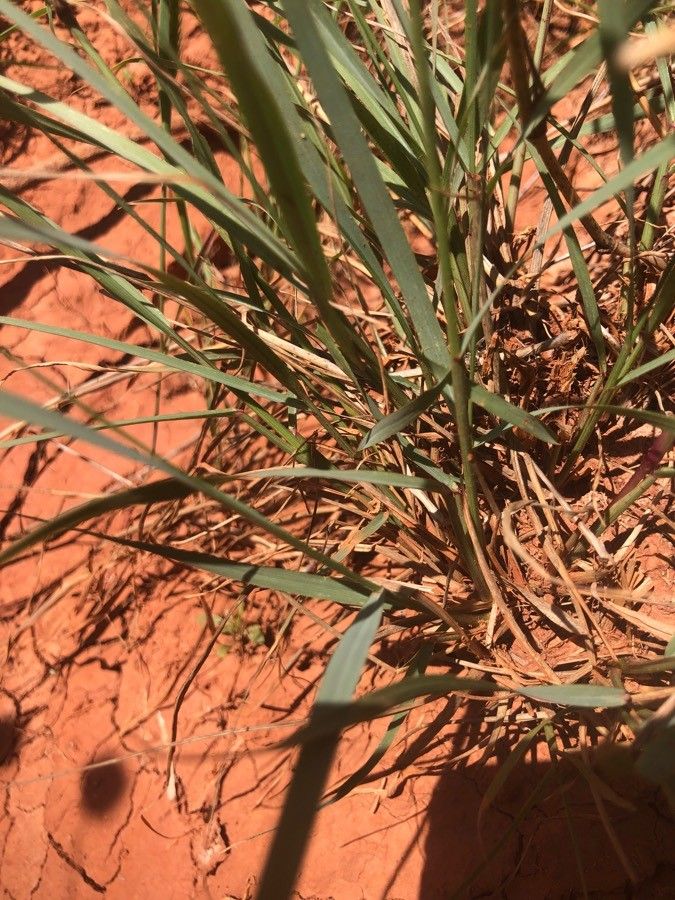
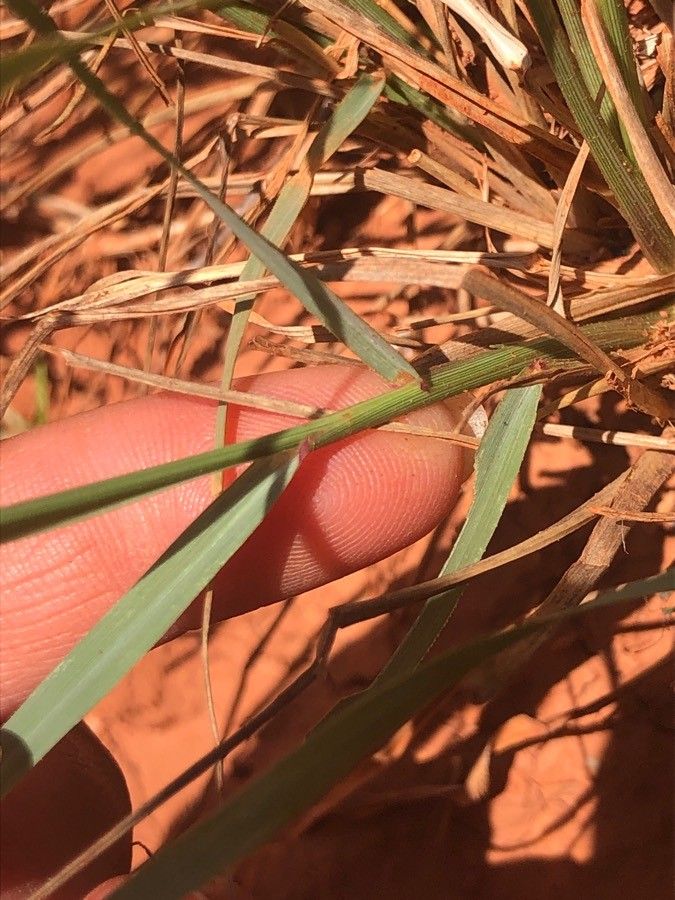
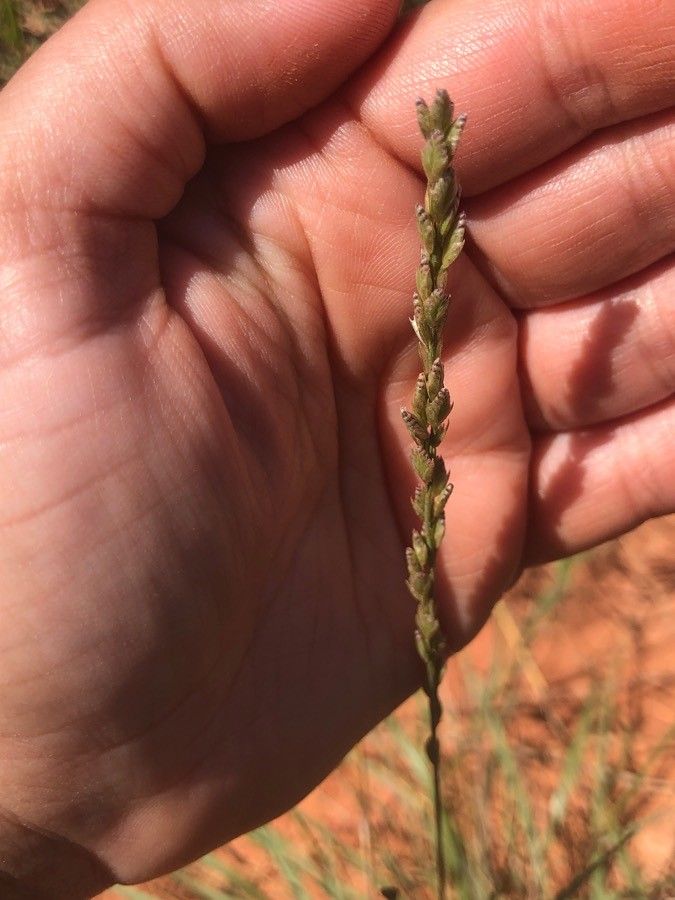
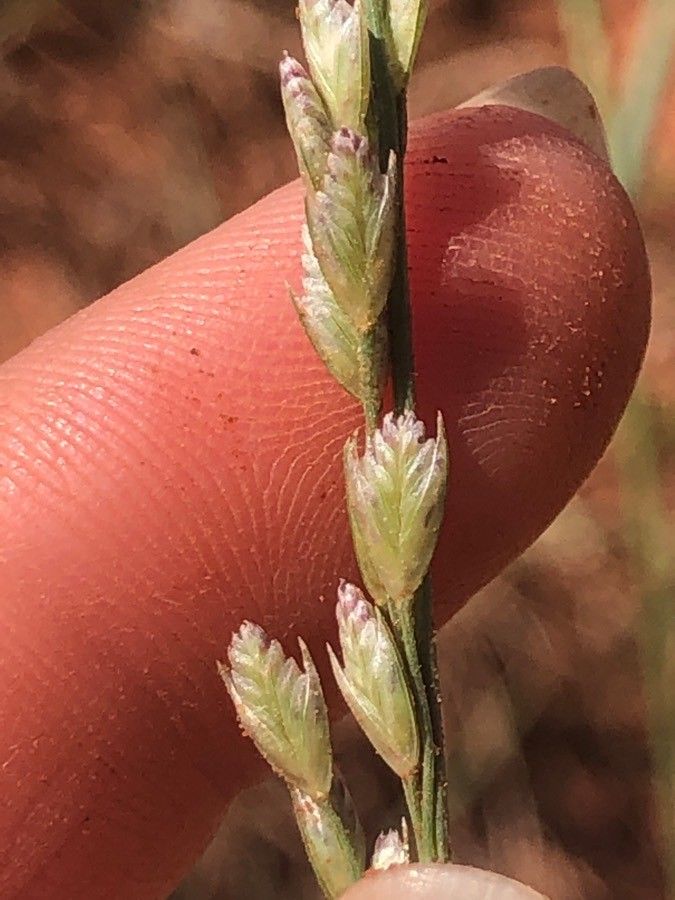
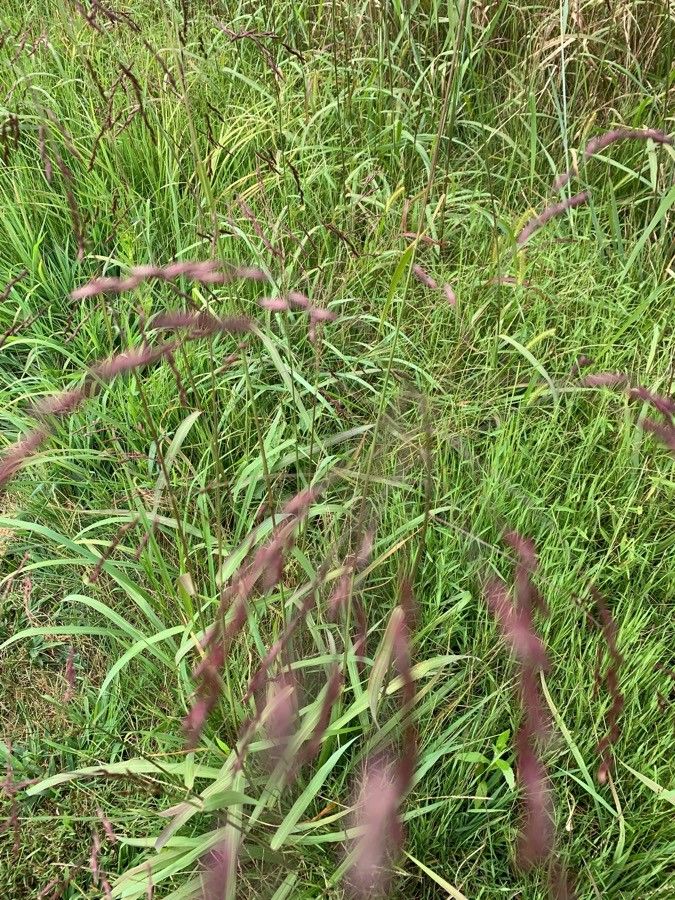
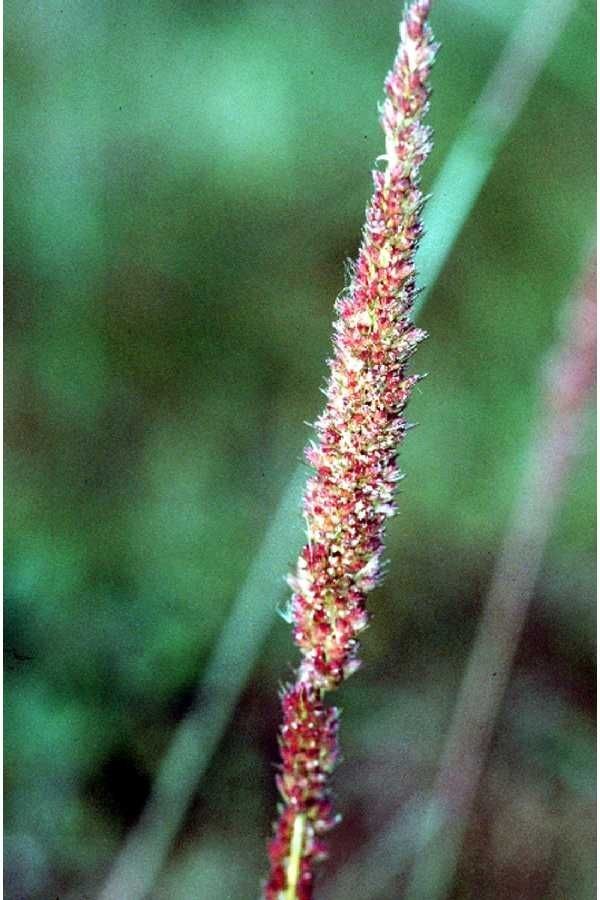
White tridens shows strong disease resistance and is usually not prone to illnesses. Regarding care, this plant is fairly low-maintenance. When grown outdoors it needs only minimal watering, and larger specimens generally do not require pruning. Smaller plants, however, should be pruned after they have finished blooming. White tridenst is suitable for anyone with an outdoor area, such as a garden or a deck, and does not need much experience in plant care.
How to keep Tridens Albescens.
Light
White tridens is a sun-loving perennial herbaceous plant native to open habitats, often thriving in meadows and grasslands. It prefers full sun but can also tolerate partial sun.
Water
White tridens naturally thrives in areas with moderate moisture, preferring a balance between wet and dry conditions. It should be watered weekly, as it exhibits moderate tolerance to drought. This adaptability makes it well-suited for outdoor growth, allowing it to adjust to different rainfall patterns and making it compatible with a variety of climate zones.
Temperature
White tridens can tolerate a wide range of temperatures, but its range may still be constrained by various combinations of moisture and heat. It performs best in warm summer conditions with sufficient rainfall or watering. Extended periods of cloudy, rainy weather or prolonged high temperatures can raise the chance of White tridens dying. In winter, appropriate protection from cold can increase the plant’s survival rate.
Fertilizer
White tridens needs extra nutrients to encourage healthy new growth. In spring, adding compost around the base of the plant can effectively supply the necessary nutrition. Fertilizing helps support vigorous growth and enables the plant to resist diseases and pests.
Pruning
White tridens grows densely and thrives in sunny, dry areas. To promote new growth, maintain its shape, and enhance air circulation, prune old stems in early spring. This practice helps prevent overcrowding, encourages healthier foliage, and improves flowering, ensuring vibrant and sustainable growth.
Botanical profile.
- Plant Type
- Grass
- Life Cycle
- Perennial
- Genus
- Tridens
- Family
- Poaceae
- Hardiness Zone
- 5-9
- Mature Height
- 30 cm to 76 cm
- Mature Spread
- 20 cm to 40 cm
- Leaf Color
- Light Green, Gray
- Leaf Type
- Deciduous
- Flower Color
- Yellow, Green, Purple, Brown
- Flower Size
- 20.32 cm
- Bloom Time
- Summer
- Planting Time
- Spring, Summer, Autumn
- Harvest Time
- Late summer, Early fall, Mid fall
- Native Area
- Mexico
Other names.
Reader questions.
What are the sunlight requirements for White Tridens?
White Tridens, a perennial herbaceous plant thriving in meadows and grasslands, requires full sun, meaning it needs more than 6 hours of sunlight daily. However, it can also tolerate partial sun conditions, which entail about 3-6 hours of sunlight. It's important to observe how sunlight moves through your garden to select spots that provide a balance of light and shade, ensuring the plants' wellbeing.
What should I do if natural sunlight is insufficient for my White Tridens?
When natural sunlight is inadequate, especially during winter or in less sunny spaces, artificial lighting can be a valuable solution for your indoor White Tridens plants. It’s recommended to use LED lights, as they can be adjusted to the specific light wavelengths needed. Full sun plants require 30-50W/sq ft, partial sun plants need 20-30W/sq ft, and full shade plants should have 10-20W/sq ft of artificial light. Position the light source 12-36 inches above the plant and ensure it gets 8-12 hours of light daily to mimic natural daylight hours.
What are the symptoms of light deficiency in White Tridens?
When White Tridens is grown in inadequate lighting, it may show various symptoms. These include smaller new leaves, leggy or sparse growth leading to a weak appearance, faster leaf drop, slowed or halted growth, and lighter-colored or yellowing leaves (chlorosis). Other symptoms under excessive sunlight include sunscald, leaf curling to minimize water loss, wilting from increased transpiration, and leaf scorching with brown, dry edges.
How can I address sunlight deficiencies for my indoor and outdoor White Tridens plants?
To mitigate sunlight deficiencies, gradually move your indoor plants to a sunnier spot, ensuring at least 6 hours of direct sunlight daily or use artificial light for large, immovable plants, keeping it on for about 8 hours a day. Outdoors, adapt your plants to brighter conditions by shifting them gradually to avoid sunburn. If obstacles like trees block sunlight, consider pruning or relocating smaller plants to sunnier areas with good drainage, preferably during their dormant period in late winter or early spring. Remember, parts of the plant already affected by insufficient light may not recover, but increased light exposure will encourage healthy new growth.