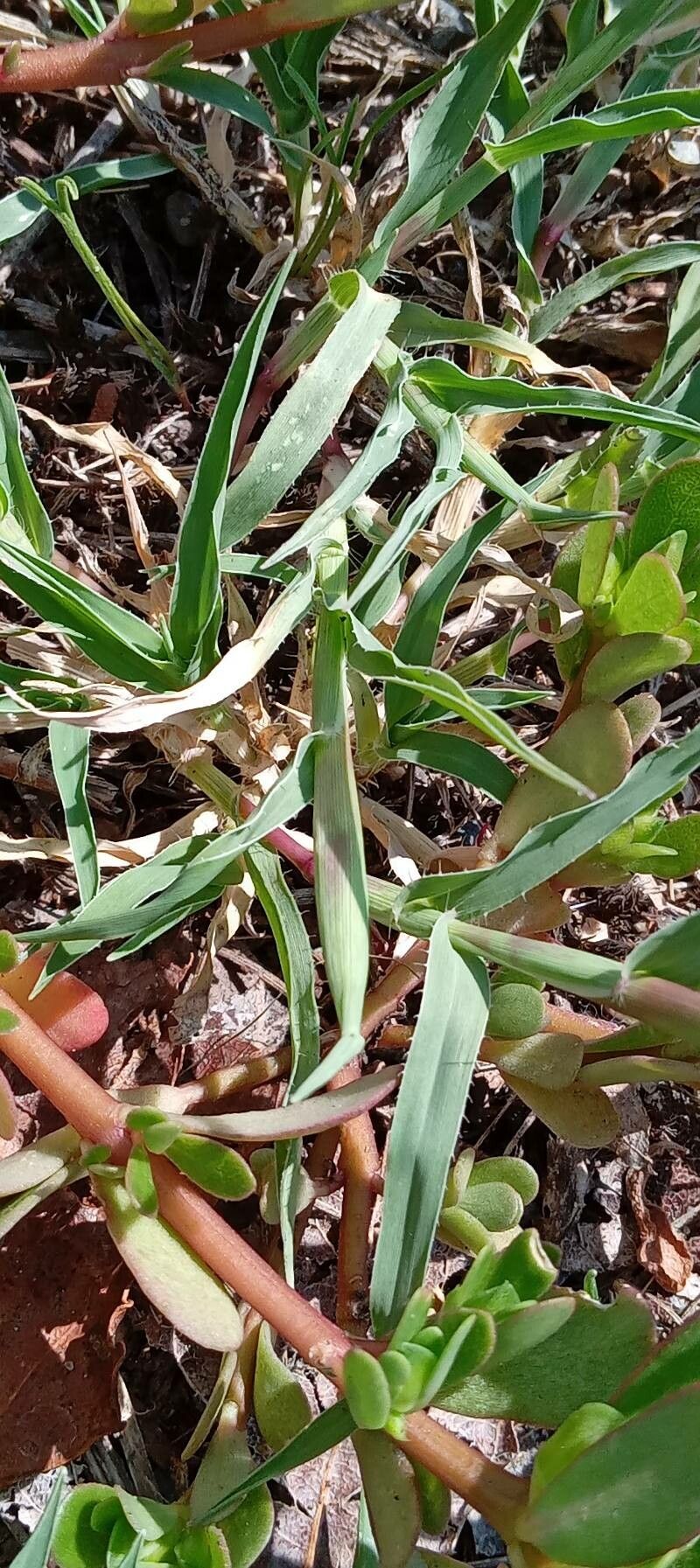
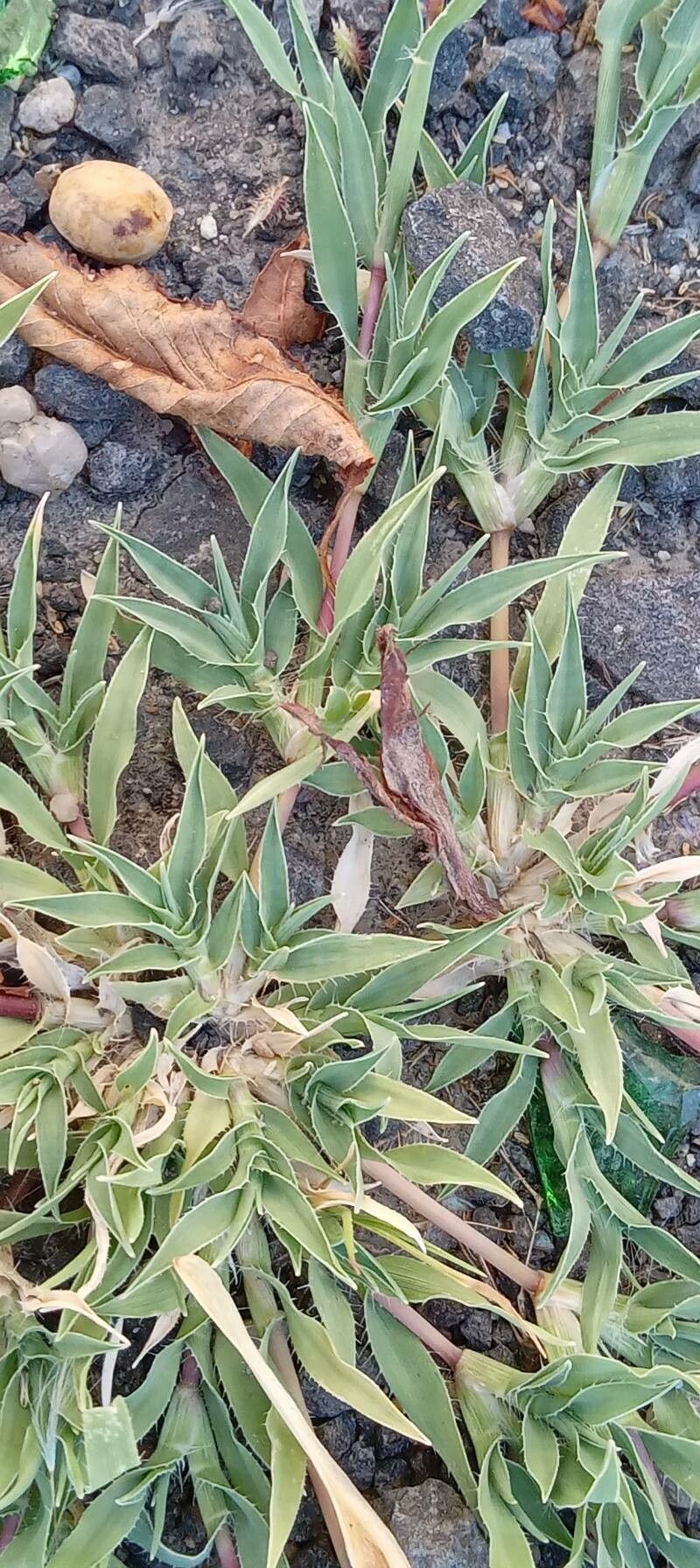
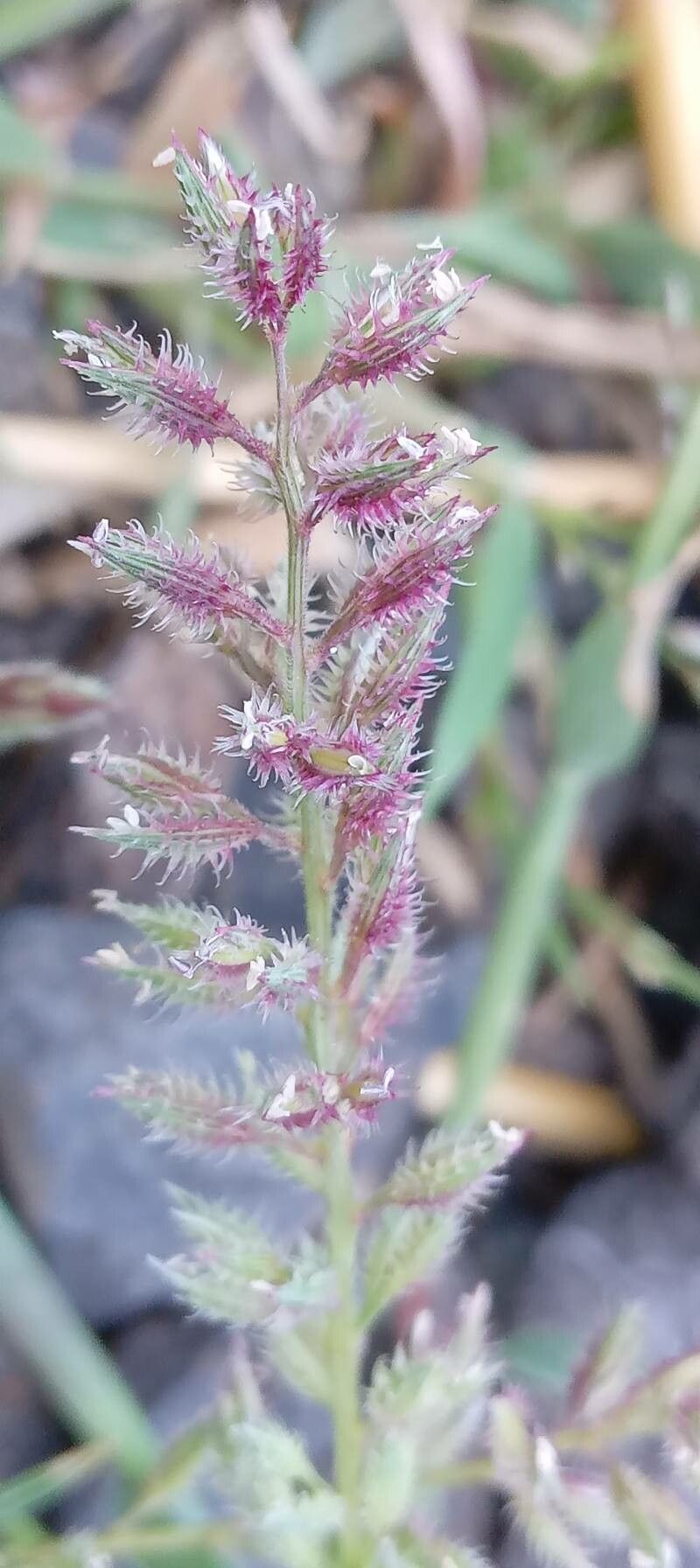
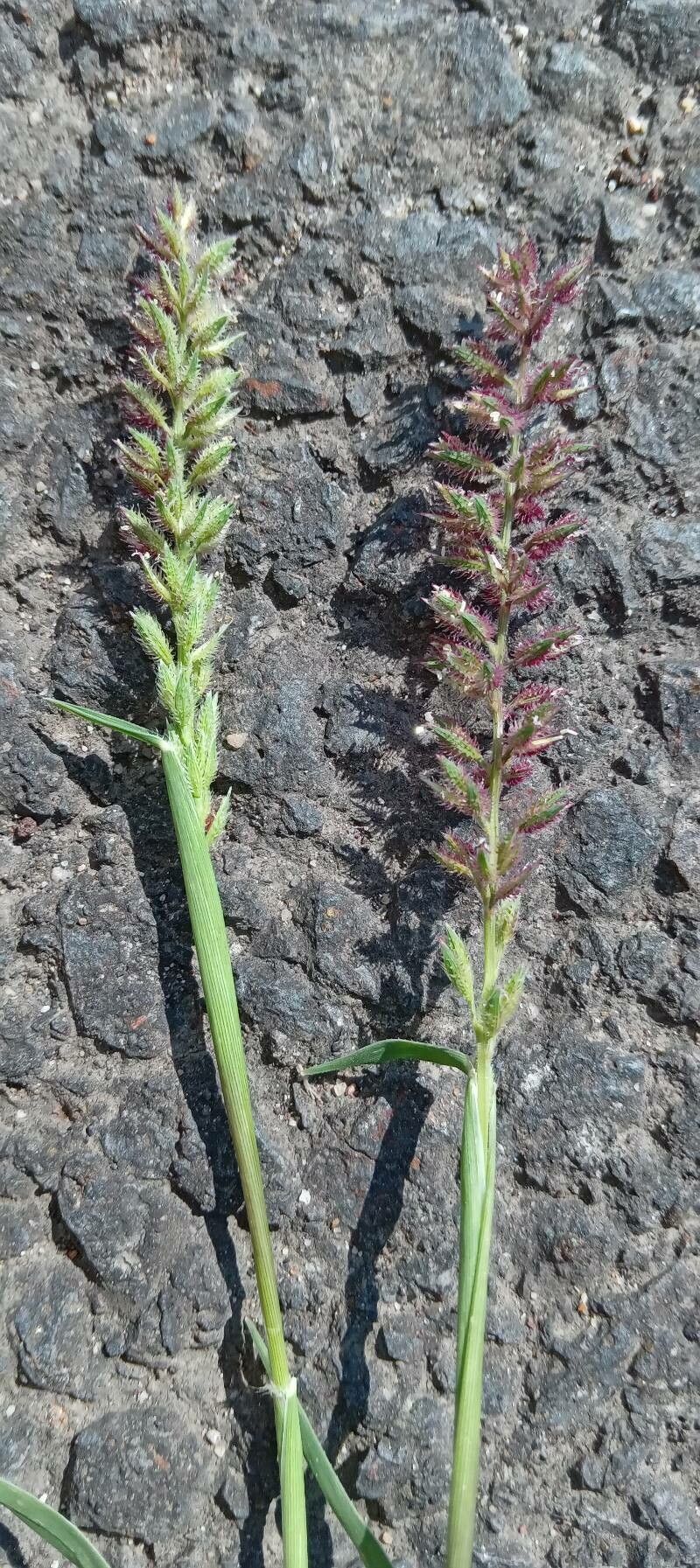
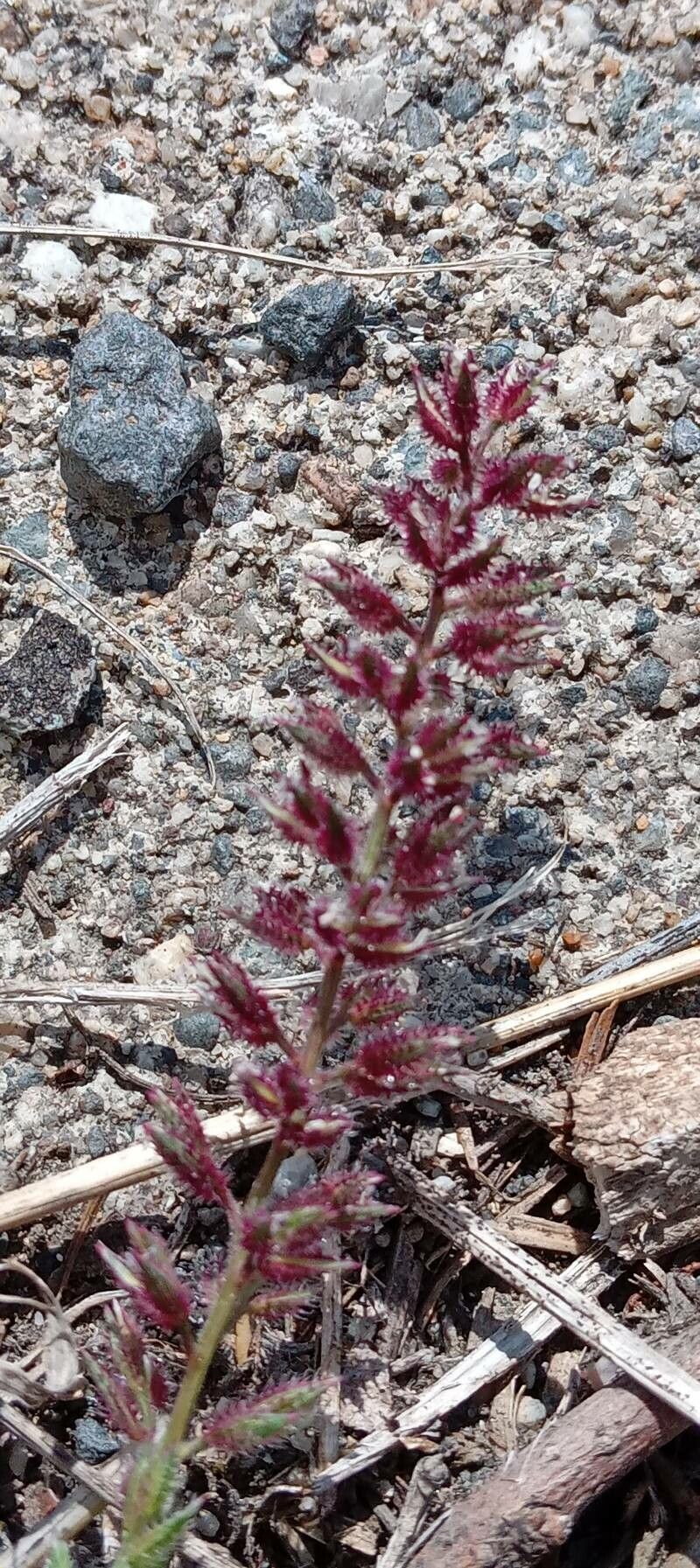
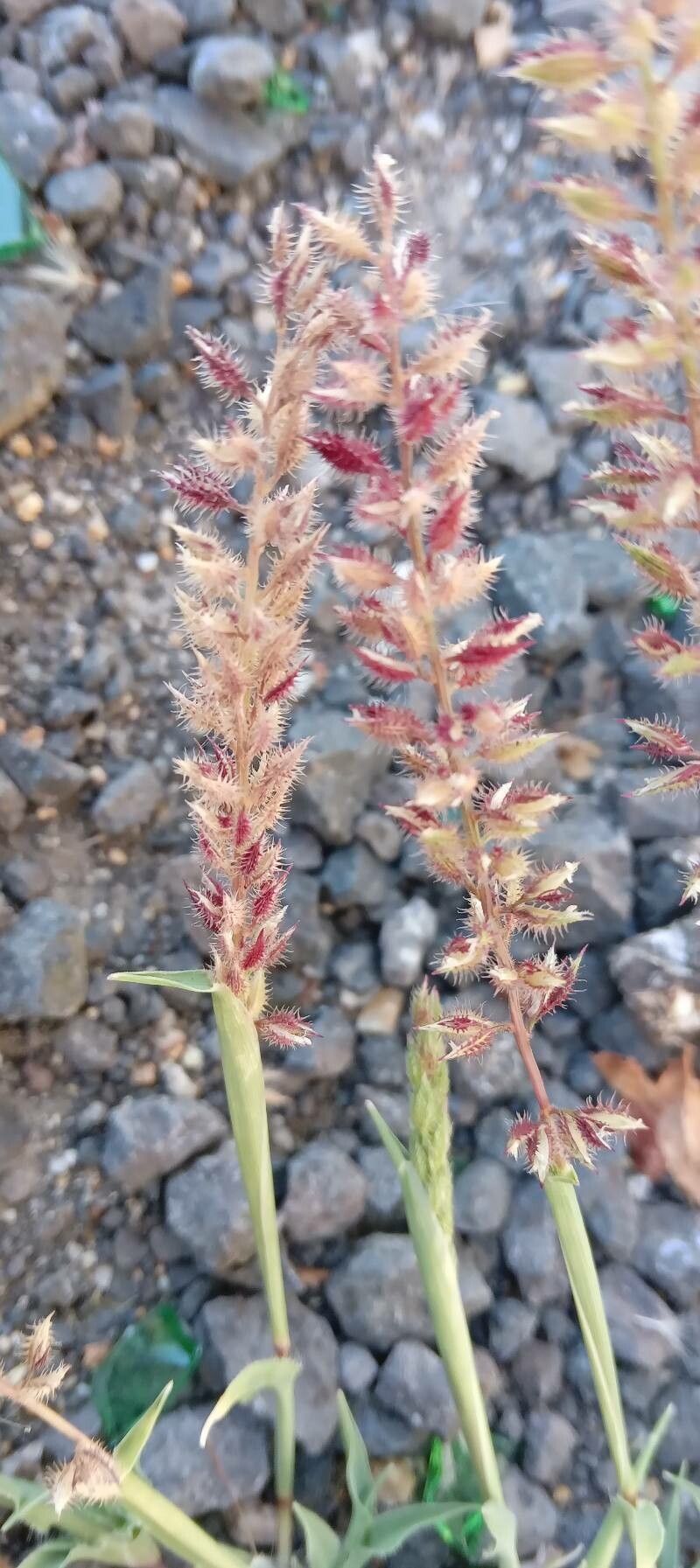
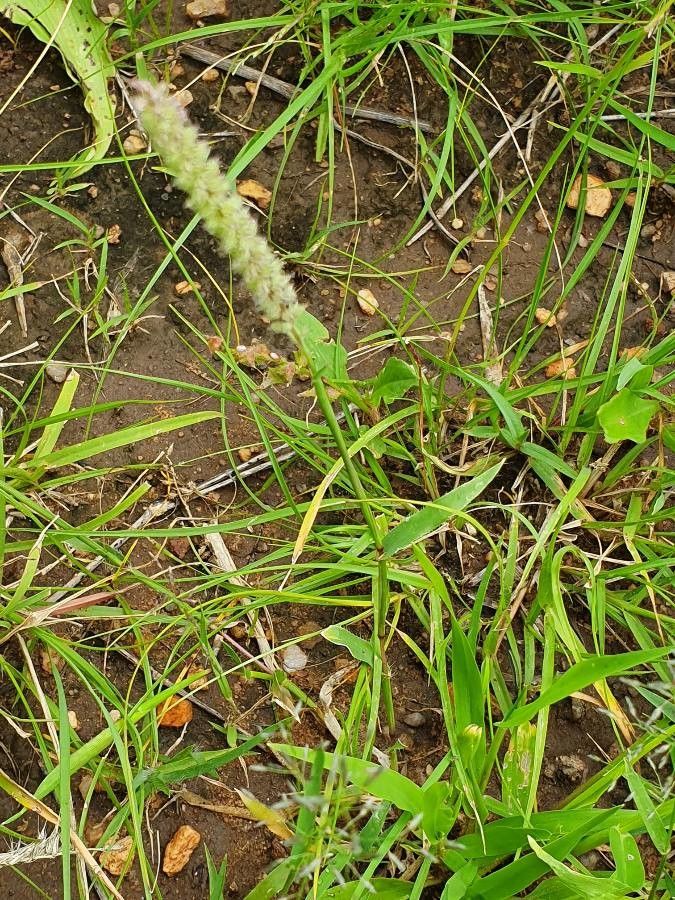
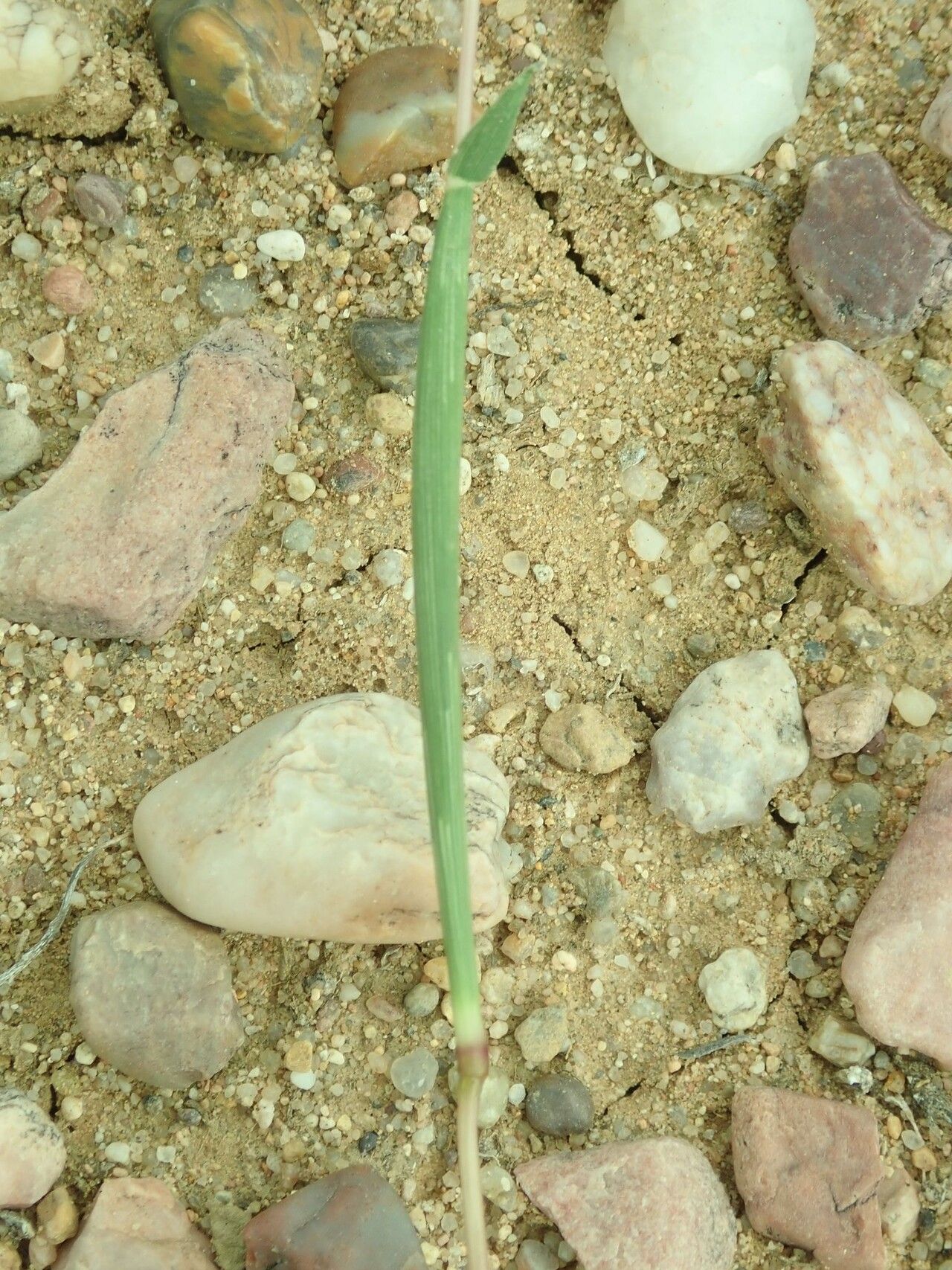
Tragus racemosus, commonly referred to as stalked bur grass, European bur grass, or large carrot seed grass, is a species of grass native to Europe. It is often confused with a similar plant of the same genus, Tragus berteronianus. It is a monocot and is considered a weed in many countries and is a relatively uncommon seed contaminant.
Large carrot-seed grass is highly resistant to disease and generally not prone to infections. As for care, the plant is fairly low-maintenance. When grown outdoors it needs only light watering, and larger specimens typically do not require pruning. Smaller plants, however, should be pruned after they finish blooming. Large carrot-seed grass is suitable for anyone with an outdoor area, such as a garden or deck, and does not demand extensive experience in plant care.
How to keep Tragus Racemosus.
Light
Large carrot-seed grass comes from sunny, open habitats where it does best in full sun. It can tolerate some shade but favors direct sunlight for optimal growth. This plant, which can be annual or biennial, is known for its sun-loving nature.
Temperature
Large carrot-seed grass is well adapted to temperature, tolerating higher heat and broad temperature swings. In hot weather, attention should be paid to watering and to providing appropriate shade to prevent sunburn. However, Large carrot-seed grass is relatively poorly tolerant of low temperatures; although it can endure some cold, very cold conditions can cause frost damage.
Pruning
Large carrot-seed grass is a hardy type of grass known for its tall, tufted appearance and racemose flower clusters. To promote healthy growth, enhance air circulation, and address pest problems, it is best to prune this grass from early to late spring. Regular maintenance in tune with its natural growth cycle helps maintain the plant's vigor and visual appeal.
Botanical profile.
- Plant Type
- Grass
- Life Cycle
- Annual
- Genus
- Tragus
- Family
- Poaceae
- Hardiness Zone
- 8-11
- Mature Height
- 20 cm to 61 cm
- Mature Spread
- 15 cm to 30 cm
- Leaf Color
- Light Green
- Leaf Type
- Semi-evergreen
- Flower Size
- 0.20 cm to 0.25 cm
- Bloom Time
- Summer
- Planting Time
- Spring, Summer, Autumn
- Harvest Time
- Late summer, Early fall, Mid fall
- Native Area
- Burkina Faso, Libya, Somalia, Lesotho, Turkey, India, Egypt, Austria, Angola, United Arab Emirates, Slovakia, Namibia, Montenegro, Eritrea, Pakistan, Slovenia, Morocco, Croatia, Yemen, Kenya, Niger, Belarus, Zimbabwe, Russia, Mali, Iraq, Oman, Ethiopia, Romania, Botswana, France, Congo, Saudi Arabia, Central African Republic, Tunisia, Czech Republic, South Africa, Sudan, Mauritania, Bulgaria, Armenia, Turkmenistan, Greece, Ukraine, Chad, Lebanon, Afghanistan, Syria, Italy, Kazakhstan, Spain, Switzerland, Israel, Senegal, Iran, Albania, Azerbaijan, Algeria, Hungary, Thailand
Other names.
Reader questions.
What are the sunlight requirements for Large carrot-seed grass (Tragus racemosus)?
Large carrot-seed grass (Tragus racemosus) thrives in various sunlight conditions. For full sun exposure, it requires above 6 hours of sunlight per day. If the plant is in partial sun, it should receive about 3-6 hours of sunlight daily. It's important to observe the way sunlight moves through your garden throughout the day. This observation will help you select the optimal locations that offer a perfect balance of light and shade, ensuring your plants grow healthily and happily.