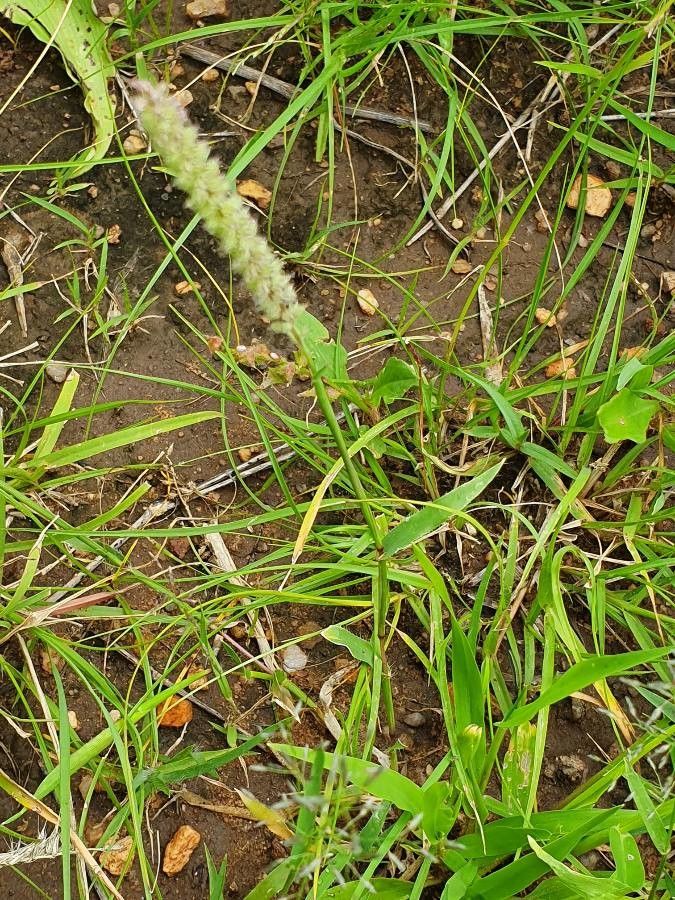
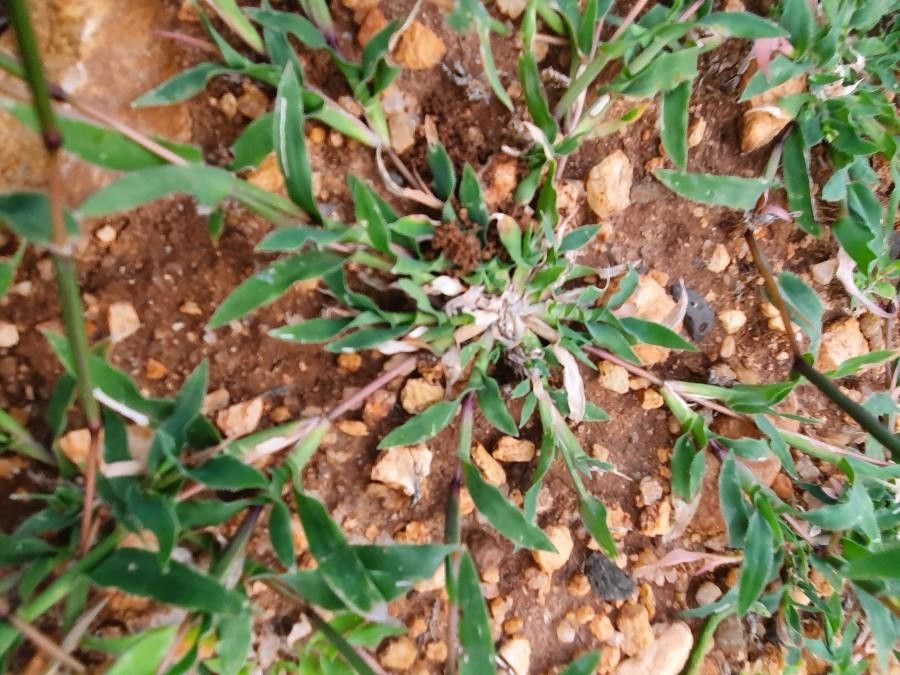
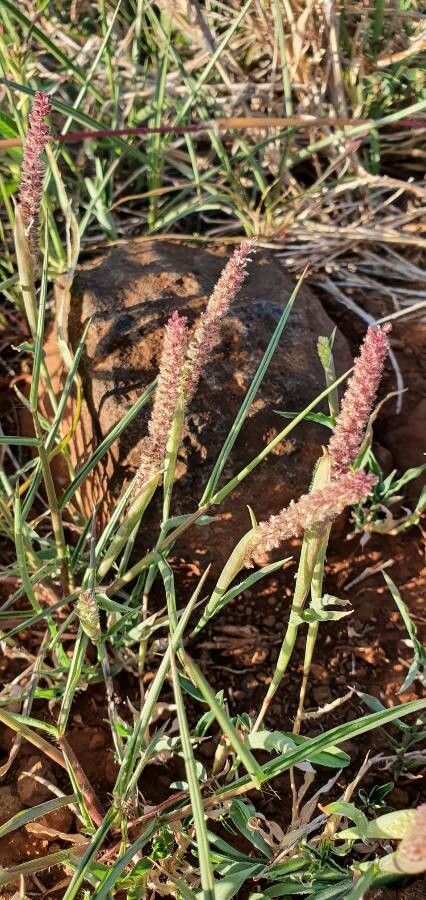
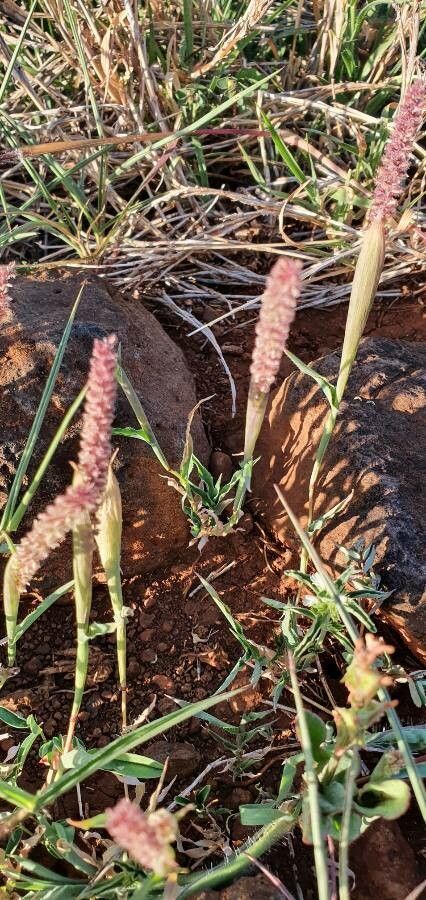
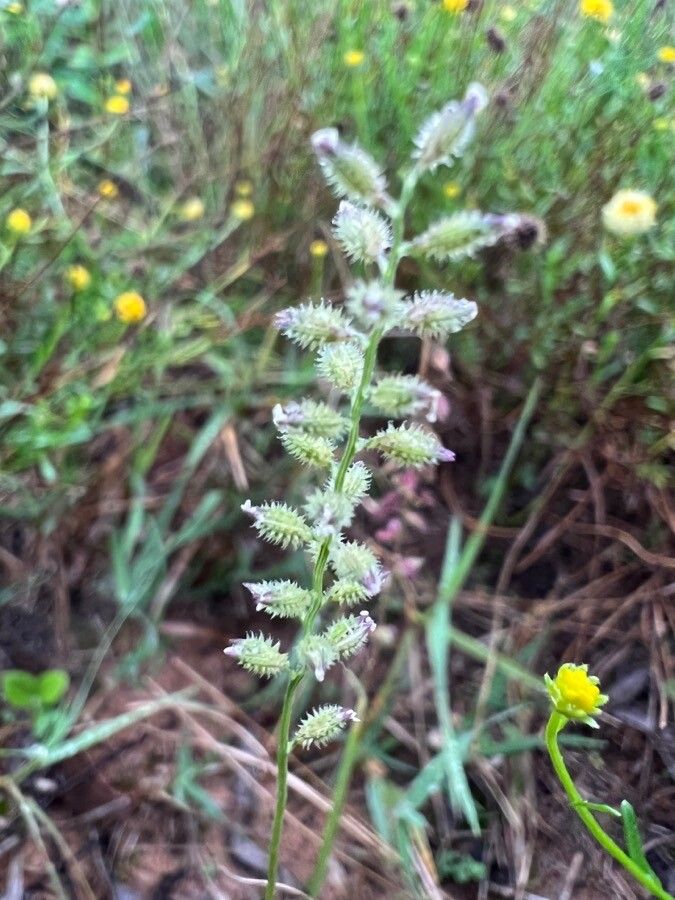
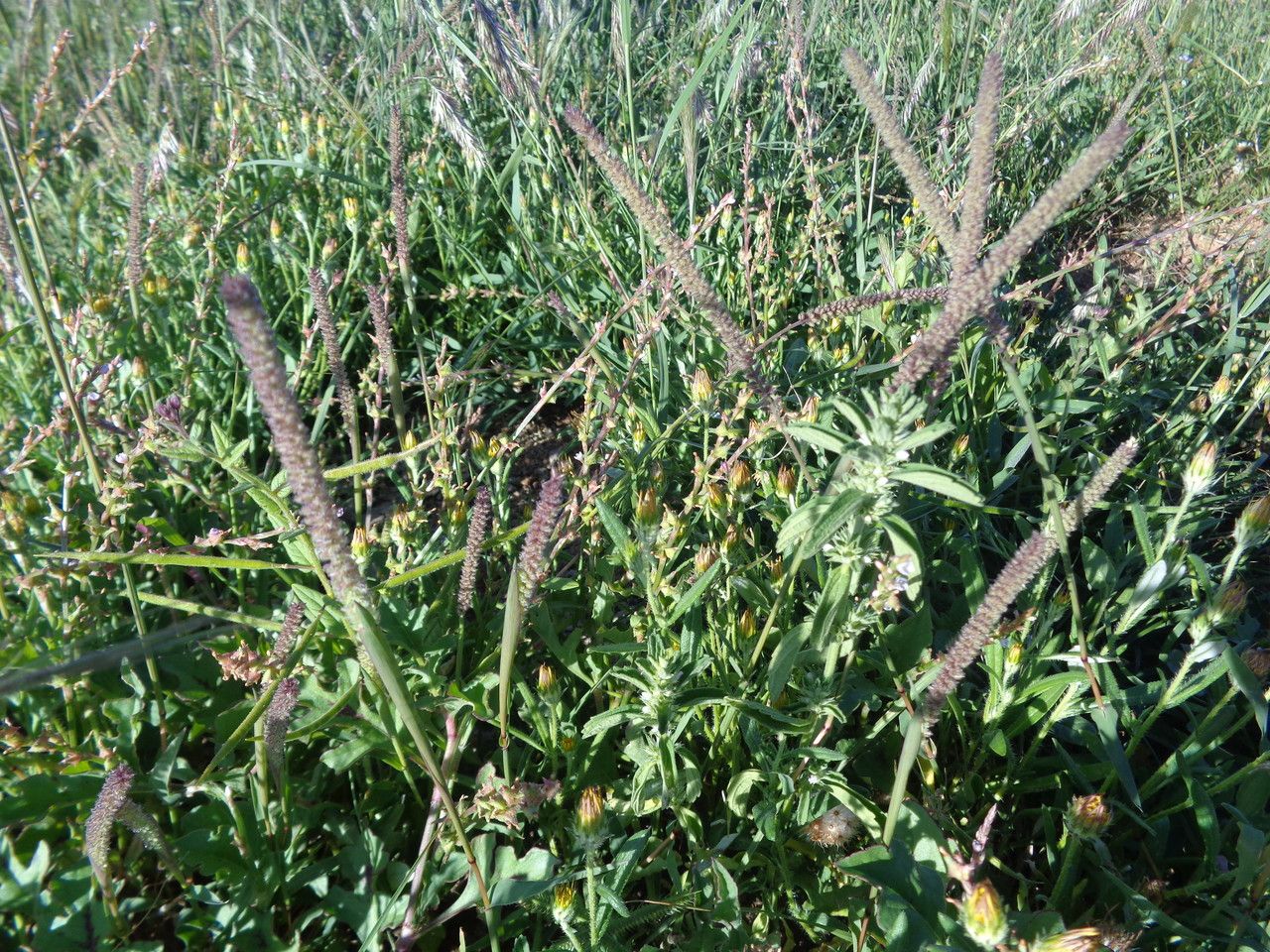
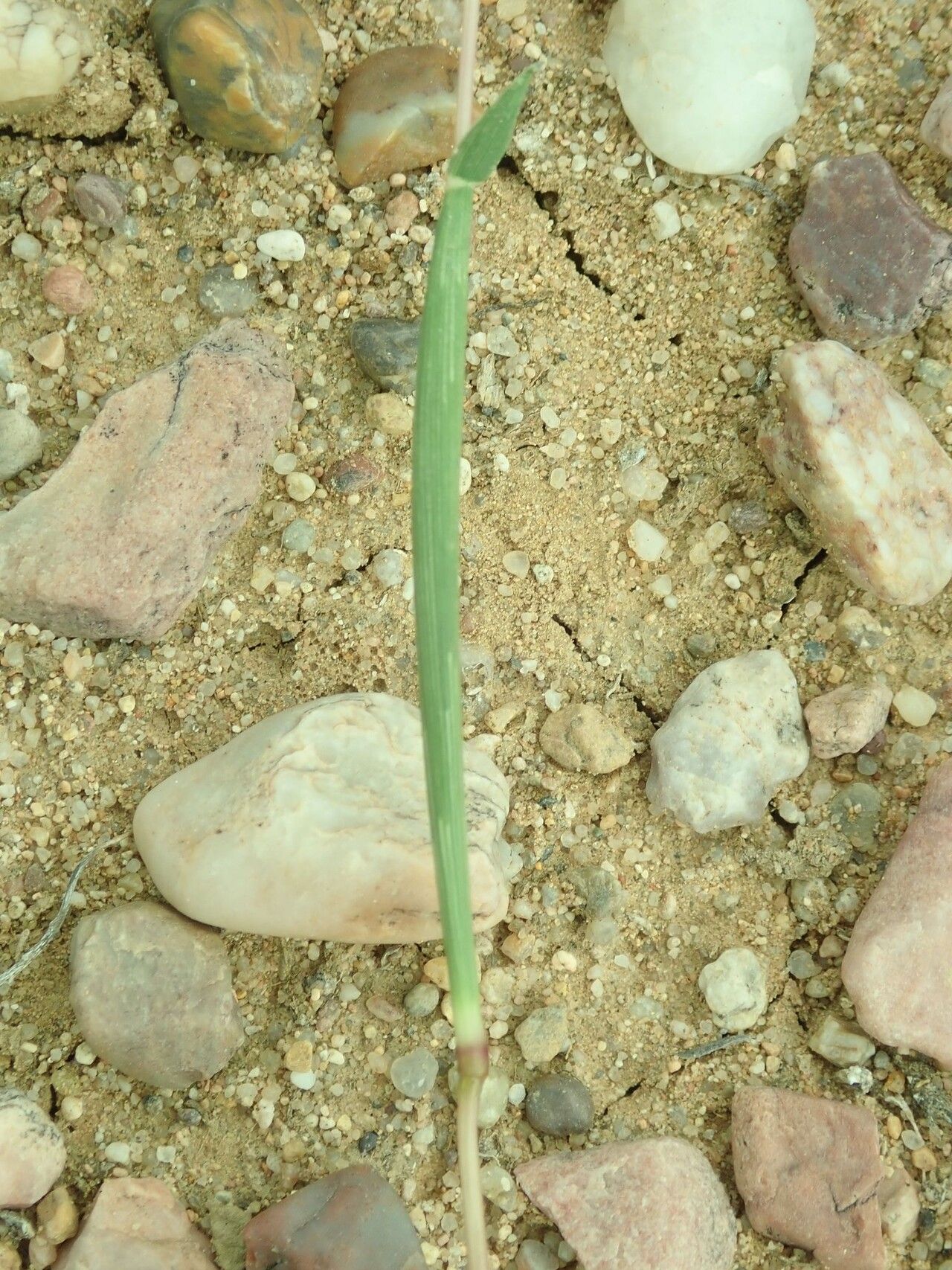
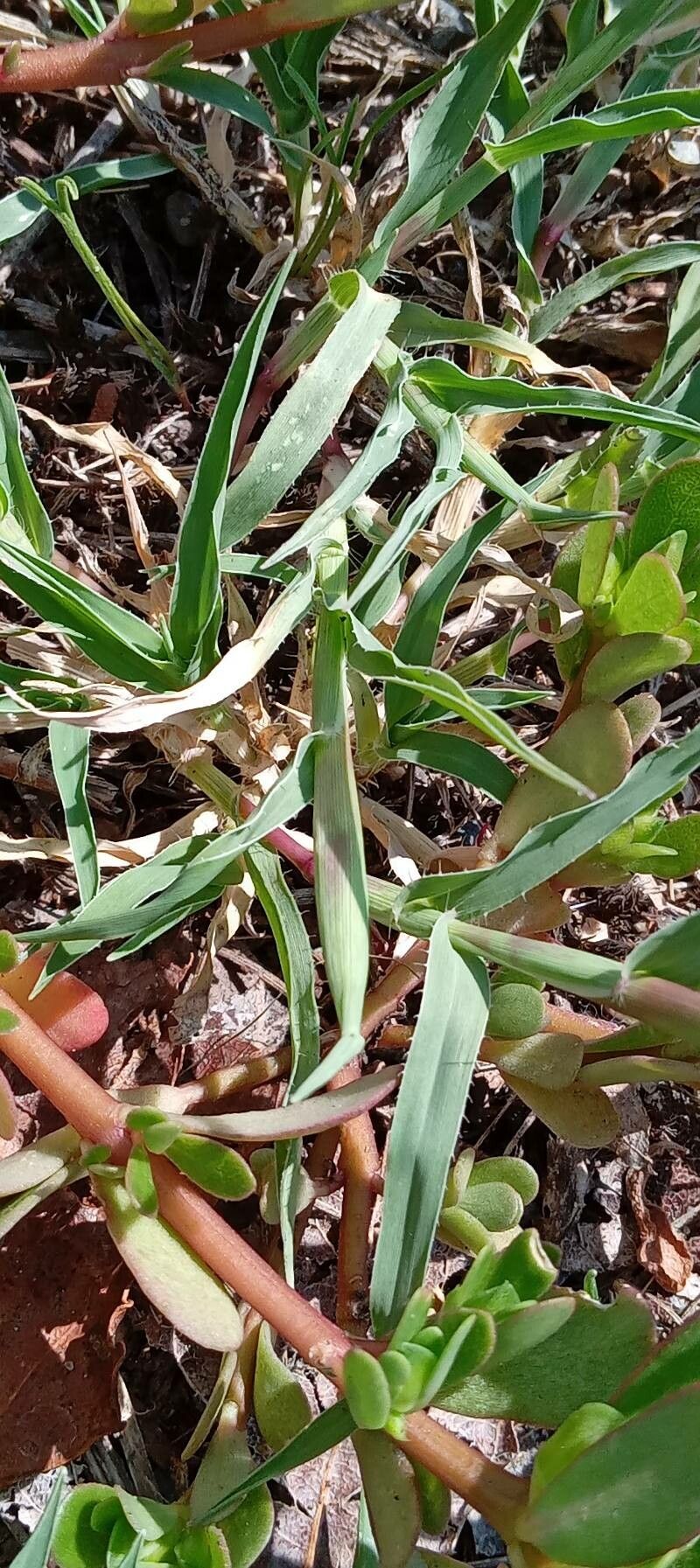
Spiked bur grass is resistant to disease and is usually not susceptible to illnesses. As for care, this plant is fairly low-maintenance. When grown outdoors it needs only minimal watering, and larger plants typically do not require pruning. Smaller plants, however, should be pruned after they finish blooming. Spiked bur grasst is appropriate for anyone with outdoor space, such as a garden or deck, and does not require much care experience.
How to keep Tragus Berteronianus.
Light
Spiked bur grass grows best in unobstructed sunlight. Its origin in open grasslands enables it to photosynthesize efficiently for optimal growth. From sprouting through maturity, all stages require the same light exposure. Although the plants can survive with reduced sunlight, insufficient light can decrease vigor and seed production. Excessive exposure does not cause harm.
Water
Spiked bur grass flourishes in semi-arid environments, as it needs minimal water and has a high tolerance for drought. However, for optimal health, especially if grown in containers, it requires weekly watering. Outdoors, it benefits from natural rainfall, but it's important to manage soil moisture carefully to avoid over-saturation.
Temperature
Spiked bur grass comes from tropical areas, where the climate is generally warm and humid. Consequently, it is adapted to high temperatures and humidity. It does not handle sudden temperature changes well and prefers a steady thermal environment, so avoiding temperature fluctuations indoors is important. It typically cannot tolerate cold and needs warmer conditions to develop. If the surrounding temperature falls too low, the plant’s growth may stop or it may die.
Pruning
To manage the aggressive growth of spiked bur grass and promote healthy development, it's important to prune it from early to late spring. Focus on cutting back dead or damaged stems to maintain its shape, minimize seed dispersal, and make management easier. This also enhances the grass's overall appearance.
Botanical profile.
- Plant Type
- Grass
- Life Cycle
- Annual
- Genus
- Tragus
- Family
- Poaceae
- Hardiness Zone
- 8-11
- Mature Height
- 15 cm to 30 cm
- Mature Spread
- 20 cm to 40 cm
- Leaf Color
- Green
- Leaf Type
- Semi-evergreen
- Flower Color
- Yellow, Green, Purple, Brown
- Flower Size
- 0.51 cm
- Bloom Time
- Summer, Early fall, Mid fall
- Planting Time
- Spring, Autumn
- Harvest Time
- Late summer, Fall, Early winter
- Native Area
- Djibouti, Somalia, Egypt, Angola, Namibia, Madagascar, Rwanda, Pakistan, Eritrea, Yemen, Kenya, Niger, Uganda, Tanzania, Zimbabwe, Mali, Burundi, Mozambique, Oman, Ethiopia, Botswana, Saudi Arabia, Malawi, South Africa, Zambia, Sudan, Mauritania, Chad, China, Afghanistan, Senegal, Eswatini, Iran
Other names.
Reader questions.
What should I do if I give too much or too little water to my Spiked bur grass?
Proper watering is crucial for the health of Spiked bur grass. When planted in the ground, watering issues can be resolved; however, in a container, too much or too little water can quickly lead to the death of the grass. Insufficient water will cause it to stop growing, while overwatering will result in yellow leaves with brown tips. Underwatering may cause drooping leaves, weak seed head production, and browning of the leaves. If you suspect improper watering, the first step is to determine if it is receiving too much or too little water. In the case of overwatering, immediately stop watering and allow time for heavy soils to dry out. Once new growth appears, check the soil's moisture level to decide if more water is needed. On the other hand, if the grass is not getting enough water, simply give it a deep drink and observe if it recovers. It is important to remember that deep watering is better than frequent shallow waterings as it encourages the growth of deep roots, making the grass more resistant to drought and watering-related problems.
What are the sunlight requirements for Spiked bur grass?
Spiked bur grass, known botanically as Tragus berteronianus, thrives in full sun, requiring more than 6 hours of sunlight daily for optimal growth. Originating from open grasslands, this plant is accustomed to unobstructed sunlight, which aids in its photosynthesis process, crucial from sprouting to maturity. While it can survive in less sunlight, doing so might reduce its vigor and seed production. It is important to monitor the movement of sunlight through your garden to find spots that provide a balance of light and shade, ensuring the plant's well-being.
How frequently should I water my Spiked bur grass?
The watering needs of Spiked bur grass depend on where it is planted. In general, watering once a week is recommended. However, in hot climates, watering once or twice a week during the summer may be necessary. In moderate climates, watering once every seven days or more should suffice. Grass in containers typically requires more frequent watering compared to grasses planted in the ground. Additionally, the location of the grass plays a role. Shaded grasses require less frequent watering than grasses in the ground. It is important to water Spiked bur grass only when the soil is dry. You can check the soil's moisture level by pressing your finger a couple of inches into the soil. For potted grass, you can weigh the grass or feel the pot to determine if it is light from lack of water. Insufficient watering may cause the grass blades to fold and appear thinner than usual. Despite its drought tolerance, regular deep waterings will result in vibrant colors. Although Spiked bur grass is drought resistant, it still requires care and attention. It is recommended to provide consistent water for optimal growth. When first planted, Spiked bur grass needs more frequent water until its roots establish. Potted Spiked bur grass, especially those under intense sun exposure, tends to dry out quickly. Therefore, it is advisable to test the soil every 3 to 4 days and water only when it feels dry. In-ground Spiked bur grass generally requires less watering, but the soil type is a determining factor. Clay soil holds water for longer and may still be moist below the surface even if it feels dry on top. Sandy soil, on the other hand, drains quickly and may necessitate more frequent watering.
How can indoor Spiked bur grass plants receive adequate lighting?
For indoor Spiked bur grass, when natural sunlight is insufficient, especially in winter or less sunny spaces, artificial lighting becomes essential. LED lights are recommended because they can be customized to provide specific wavelengths needed by plants. Full sun plants require 30-50W per square foot, partial sun plants 20-30W, and full shade plants 10-20W of artificial light. Position the light source 12-36 inches above the plant and mimic natural daylight hours, typically 8-12 hours of light per day, to promote healthier and faster growth.
What do I need to watch out for when I water my Spiked bur grass in different seasons, climates, or during different stages of growth?
To determine if you are watering your grass enough, observe the rate of growth. Spiked bur grass, for example, grows rapidly and can double in size within a year, especially during the hottest months. If the weather is hot but your grass is not growing vigorously, it may be necessary to adjust your watering schedule. In winter, you can likely water only once a month, but it is still essential to check the soil for moisture. During the growth cycle, typically in the warmest months, the grass will require more water than usual. However, during winter and cooler months, the need for water will be significantly reduced. Remember that it is crucial for the soil of spiked bur grass to completely dry out before adding water.
What are the symptoms of inadequate light in Spiked bur grass?
When Spiked bur grass is grown indoors or in conditions of inadequate light, it may show several symptoms indicating a light deficiency. These include smaller new leaves compared to mature ones, leggy or sparse growth due to longer spaces between stems or leaves, premature leaf drop to conserve resources, halted or slower new leaf production, lighter-colored or pale new leaves suggesting a lack of chlorophyll, chlorosis represented by yellowing leaves, sunscald with visible damage from intense sunlight, leaf curling as a defense against excessive sunlight, wilting due to loss of turgor pressure, and leaf scorching showing brown, crispy edges from too much light.
What solutions can alleviate the symptoms of inadequate sunlight for Spiked bur grass?
To mitigate symptoms of inadequate sunlight for Spiked bur grass, gradual adaptation to more sunlight is key. For indoor plants, gradually move them to sunnier locations weekly until they receive at least 6 hours of direct sunlight daily, utilizing a south-facing window and keeping curtains open during the day. If moving the plant isn't feasible, supplement with artificial light, ensuring the light is on for a minimum of 8 hours daily. Outdoors, gradually acclimate your plants to sunnier spots to prevent sunburn, avoiding sudden changes in light intensity. If sunlight is obstructed by trees, consider pruning to allow more light to reach your plants. For smaller plants, transplanting during their dormant period to locations with better sunlight and drainage might be necessary. Note that while parts of the plant damaged by insufficient light may not fully recover, new growth will improve with increased light exposure.