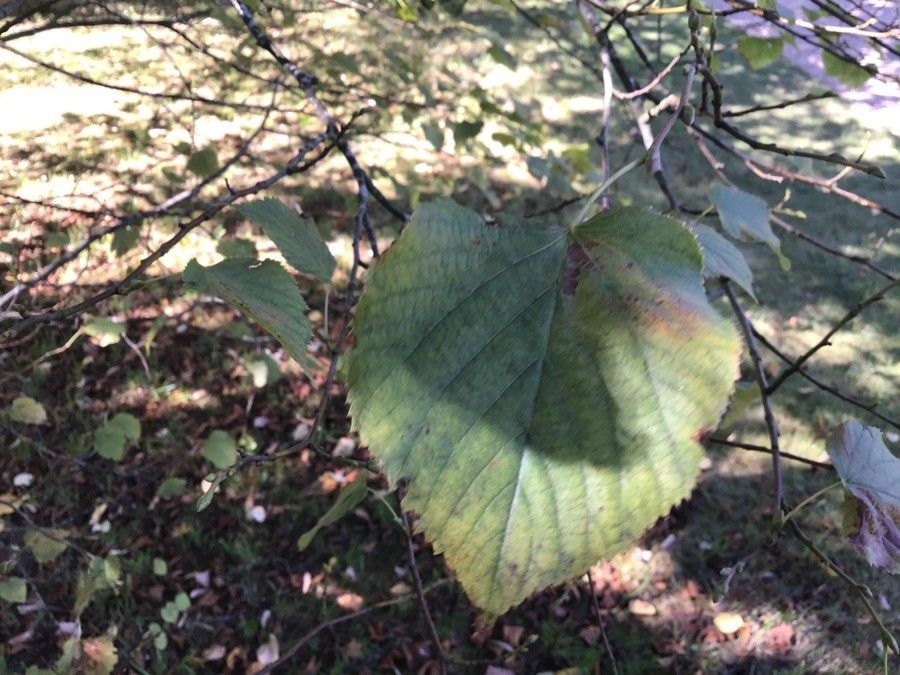
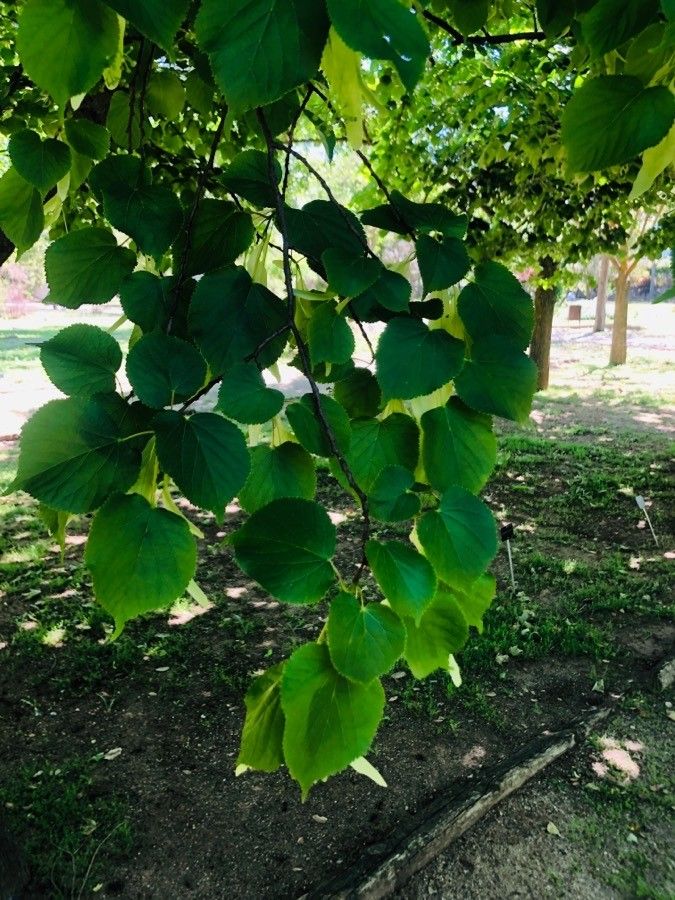
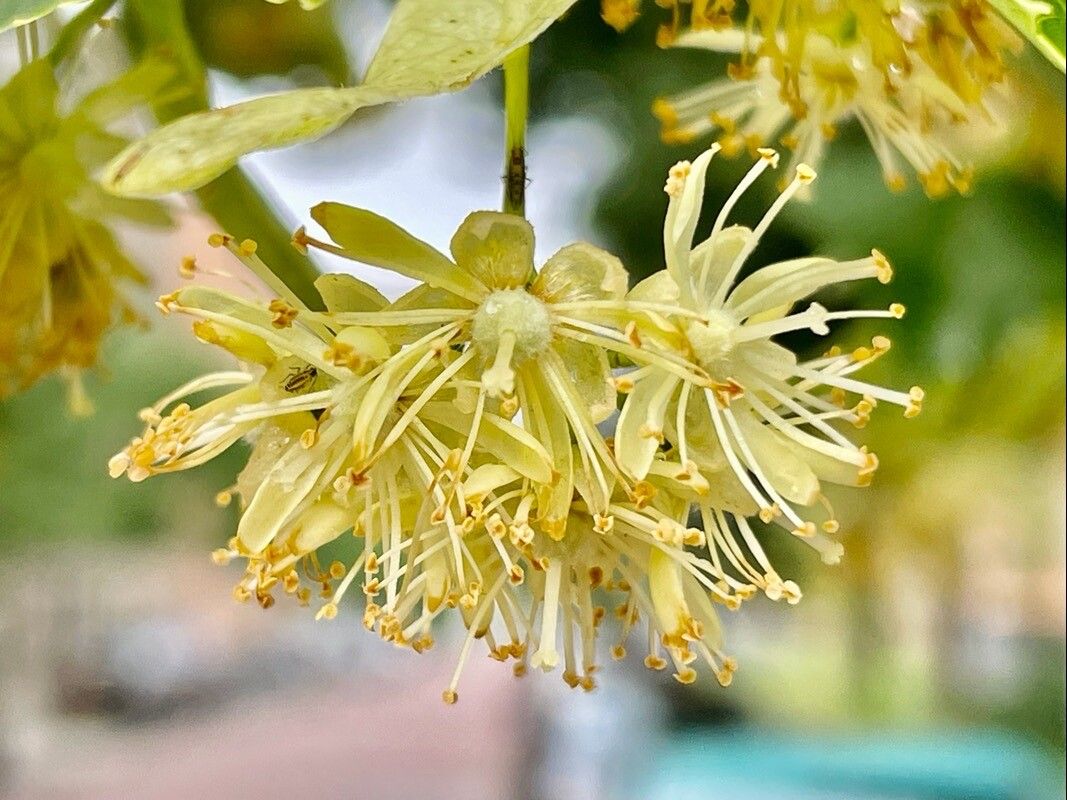
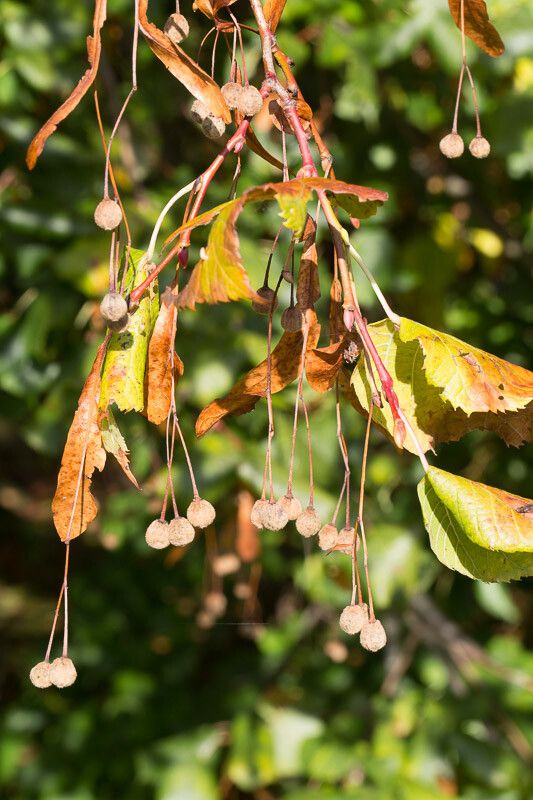
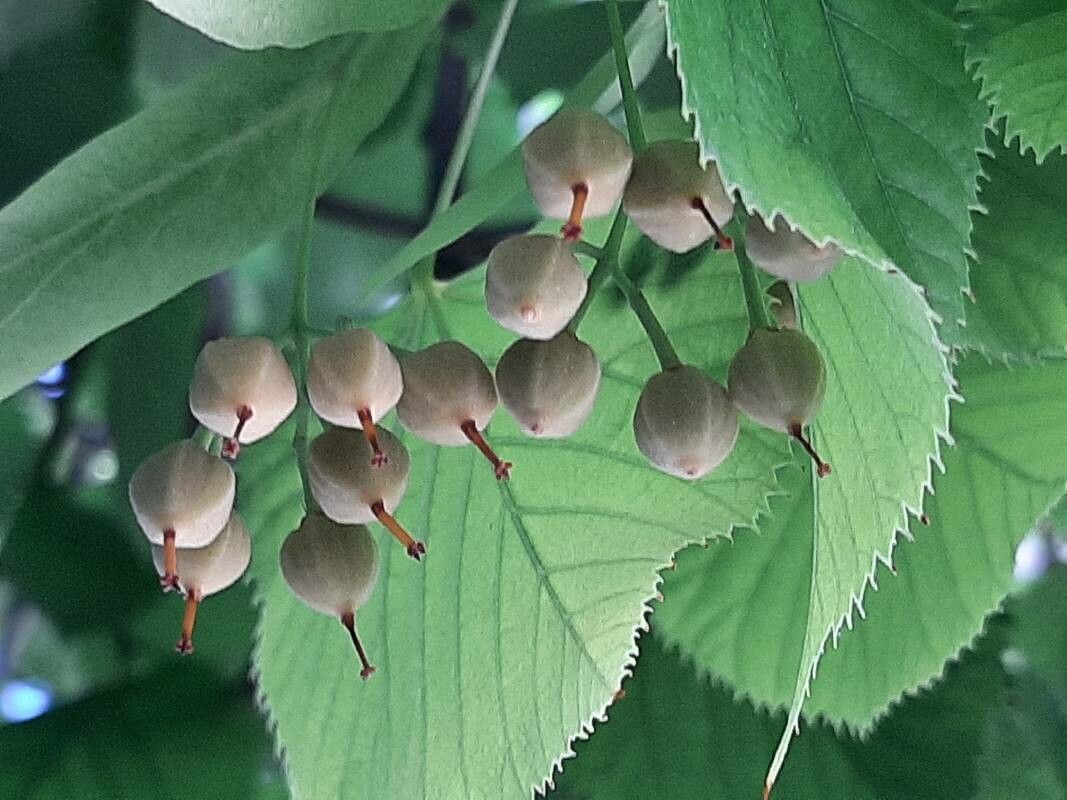
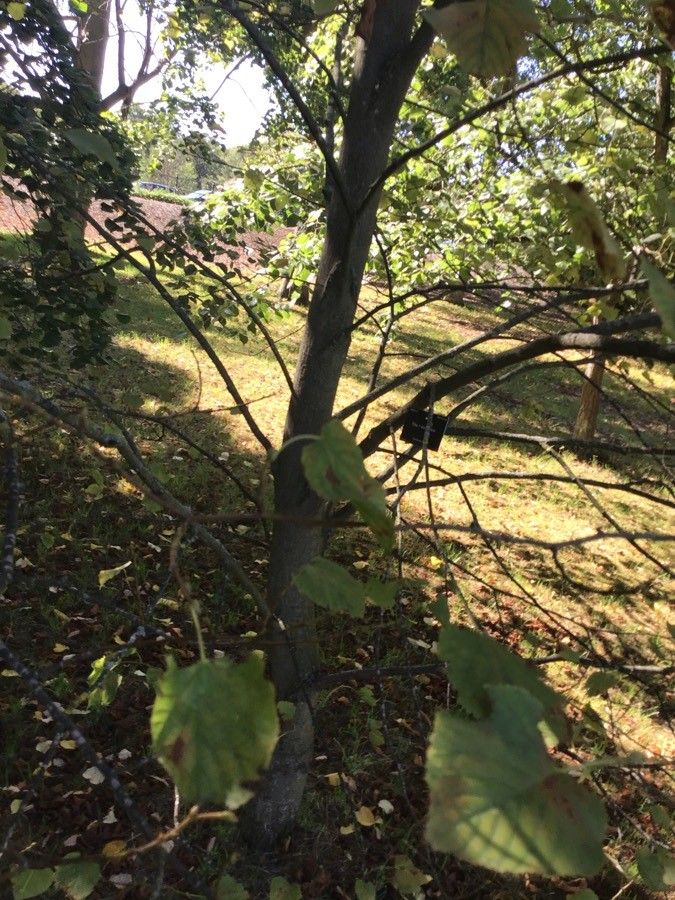
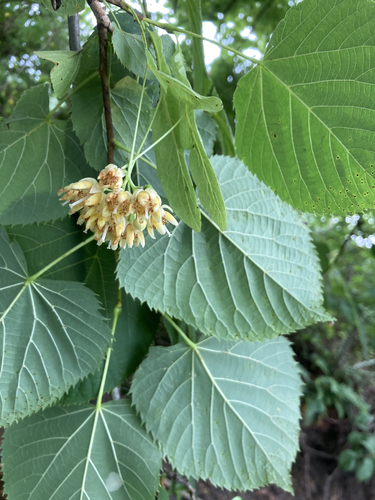
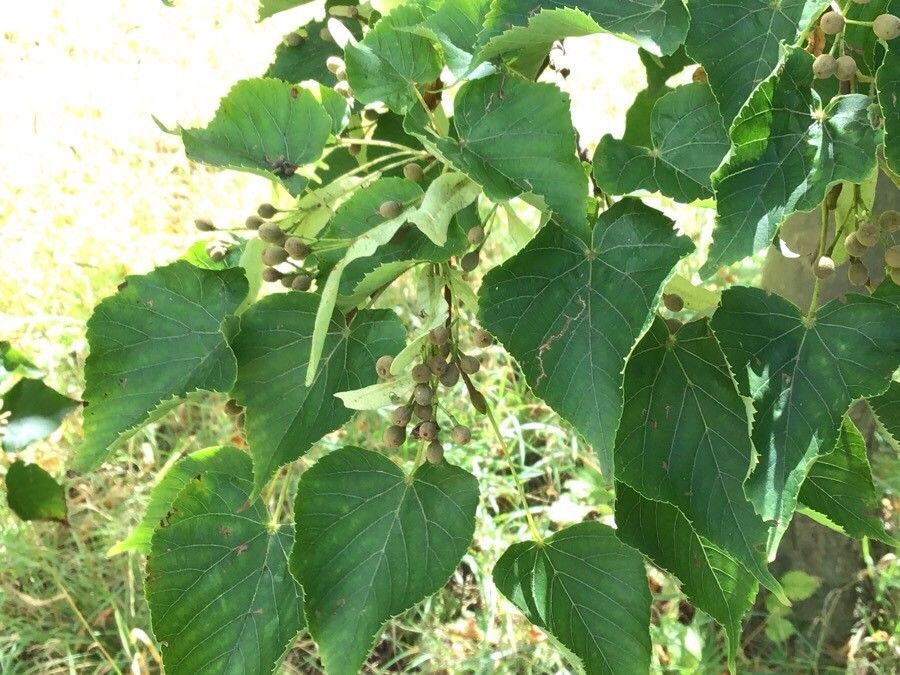
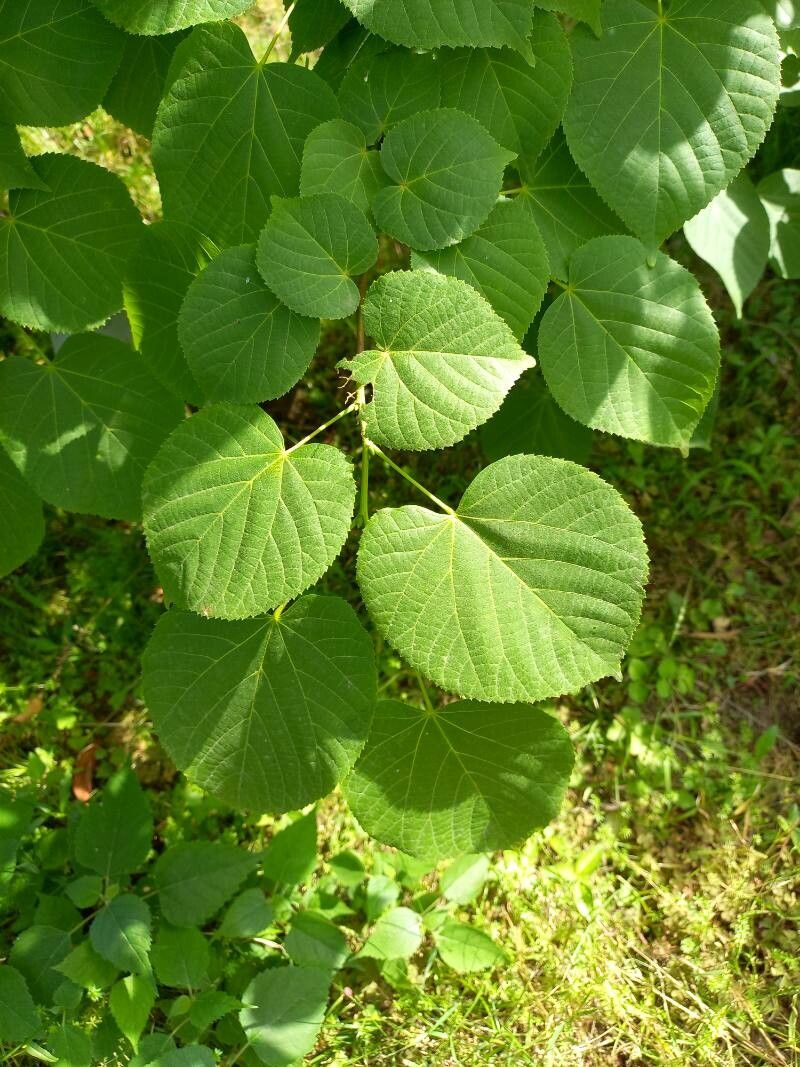
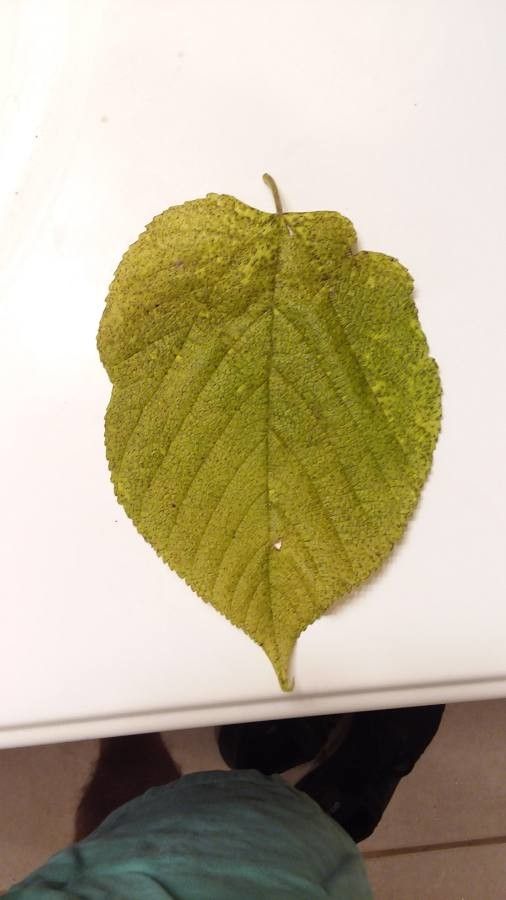
Tilia × europaea, generally known as the European lime, common lime (British Isles) or common linden, is a naturally occurring hybrid between Tilia cordata (small-leaved lime) and Tilia platyphyllos (large-leaved lime). It occurs in the wild in Europe at scattered localities wherever the two parent species are both native. It is not closely related to the lime fruit tree, a species of citrus.
European Lime Tree has good resistance to disease and is generally not prone to illnesses. In terms of care, this plant is fairly low-maintenance. When grown outdoors, it needs little watering, and larger specimens usually do not require pruning. Smaller plants, however, should be pruned after they have bloomed. European Lime Tree is suitable for anyone with outdoor space, such as a garden or deck, and does not demand much experience in plant care.
How to keep Tilia Ux Europaea.
Light
The European Lime Tree is native to open habitats, such as sunny meadows and forest edges, which provide plentiful light. It thrives in Full Sun but can also tolerate Partial Sun, adapting well to a range of sunlight conditions.
Water
The European Lime Tree thrives in moist soil but is sensitive to both drought and stagnant water. In dry periods during spring, it needs extra watering. However, watering should stop during heavy rains. Using organic mulch is beneficial because it helps retain soil moisture, particularly during droughts. Mature trees have deep root systems, which means they require less frequent watering.
Temperature
The European lime tree copes well with a wide variety of climate conditions, whether facing sweltering summers or frosty winters. Still, it requires a preferred temperature range to grow best. When temperatures rise too much, the tree becomes susceptible to heat and humidity stress, which can cause it to die. In locations where temperatures approach the lower edge of its cold tolerance, it is necessary to provide insulation to protect the tree.
Fertilizer
Applying fertilizer at the right time is important for the European lime tree. Start feeding it in early spring and continue monthly until early summer. Fertilizer encourages attractive blooms and supplies energy during both dormant and active growth phases.
Pruning
The deciduous European lime tree benefits from early spring pruning, which involves removing dead or diseased branches to improve air circulation and sunlight penetration. To prevent stress on the tree, avoid heavy pruning during periods of active growth or in late autumn. Regular maintenance not only enhances the tree's appearance but also promotes its longevity and resilience, ensuring it remains healthy and attractive.
Toxicity
Tilia × europaea has no toxic effects reported.
Further reading →
The toxicity and danger assessments provided are for reference only. We do not assure their accuracy, so it's crucial not to depend on them. Seek professional advice when necessary for accurate guidance.
Botanical profile.
- Plant Type
- Tree
- Life Cycle
- Perennial
- Genus
- Tilia
- Family
- Malvaceae
- Hardiness Zone
- 3-7
- Mature Height
- 20.12 m to 29.87 m
- Mature Spread
- 14.94 m to 20.12 m
- Leaf Color
- Dark Green, Forest Green
- Leaf Type
- Deciduous
- Flower Color
- Cream
- Flower Size
- 0.51 cm to 1.02 cm
- Bloom Time
- Early summer, Mid summer
- Planting Time
- Spring, Summer, Autumn
- Harvest Time
- Late summer, Early fall, Mid fall
- Native Area
- United States, Canada
Other names.