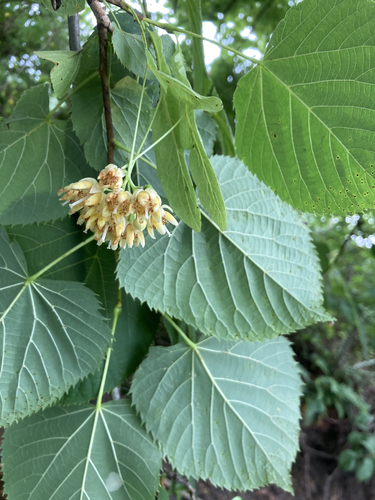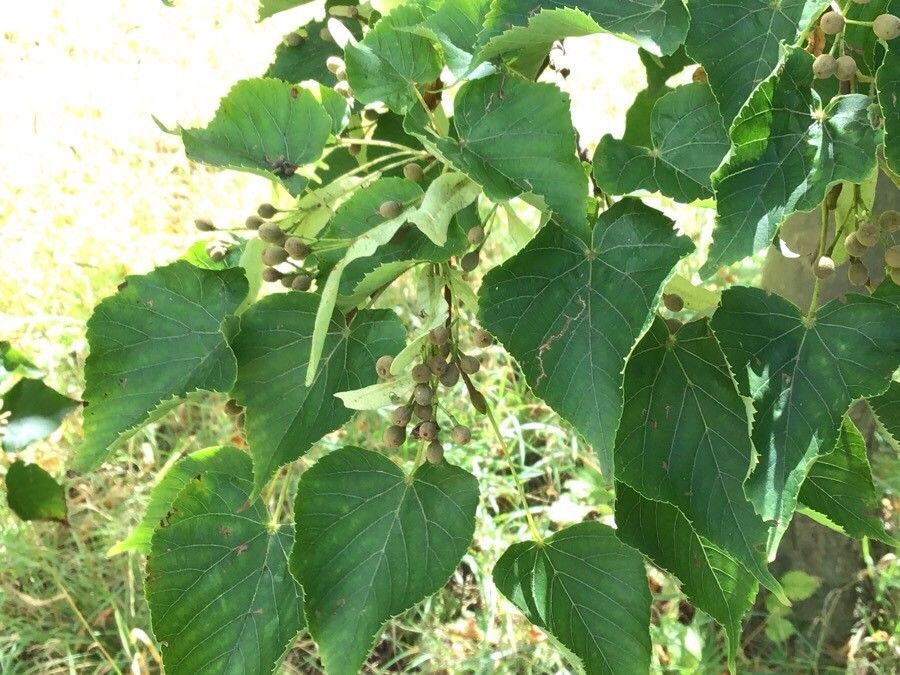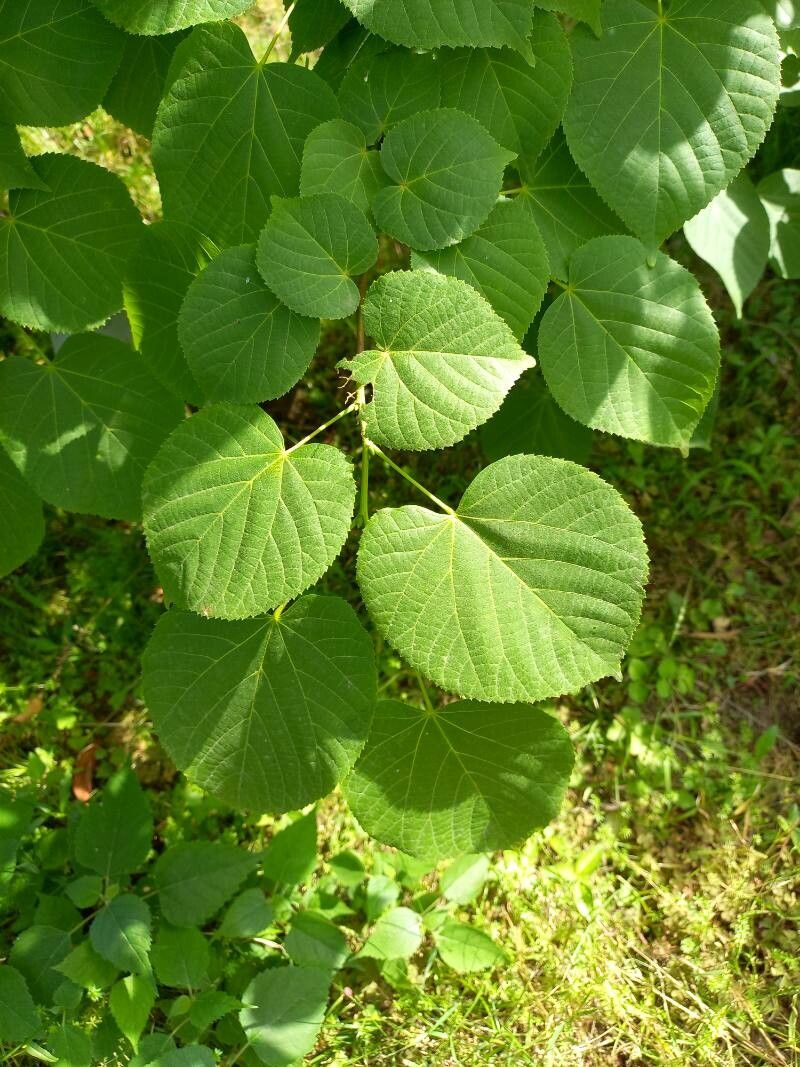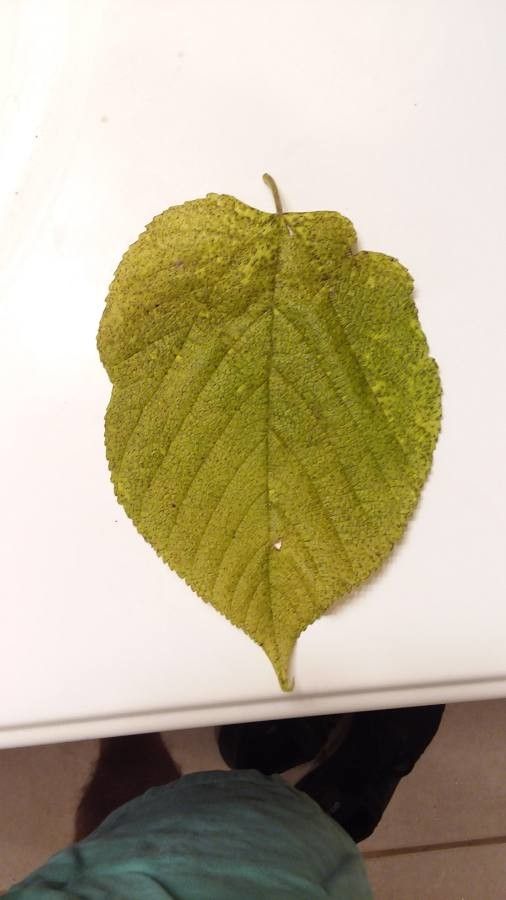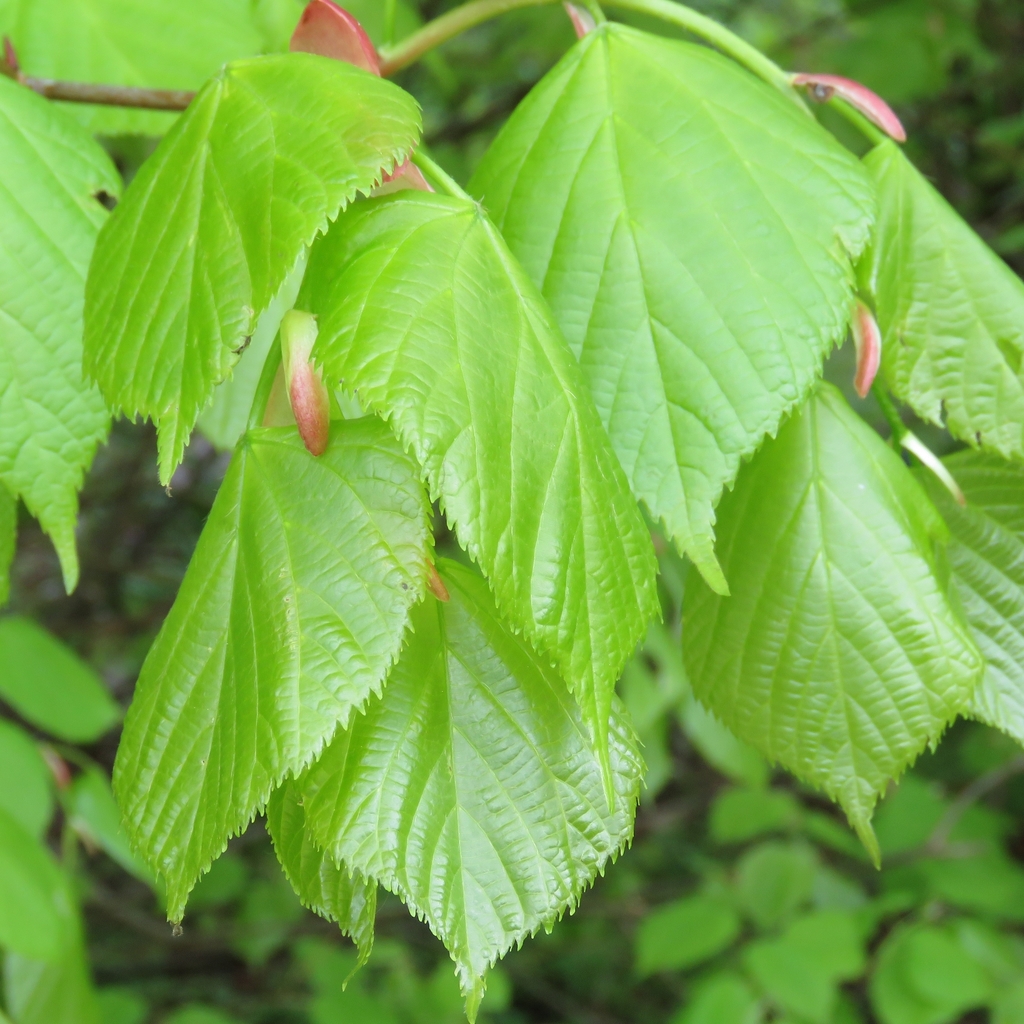
Tilia platyphyllos, the large-leaved lime or large-leaved linden, is a species of flowering plant in the family Malvaceae (Tiliaceae). It is a deciduous tree, native to much of Europe, including locally in southwestern Great Britain, growing on lime-rich soils. The common names largeleaf linden and large-leaved linden are in standard use throughout the English-speaking world except in the British Isles, where it is known as large-leaved lime. The name "lime", possibly a corruption of "line" originally from "lind", has been in use for centuries and also attaches to other species of Tilia. It is not, however, closely related to the lime fruit tree, a species of citrus. The specific epithet platyphyllos (greek: πλατύφυλλος) means in greek "with broad leaves".
Large-leaved lime is resistant to disease and is generally not susceptible to illnesses. In terms of care, this plant is fairly low-maintenance. When grown outdoors it needs little watering, and larger specimens usually do not require pruning. Smaller plants, however, should be pruned after they finish blooming. Large-leaved lime is appropriate for anyone with an outdoor area, such as a garden or deck, and does not demand much hands-on care experience.
How to keep Tilia Platyphyllos.
Light
The large-leaved lime prefers plentiful sunlight to remain vigorous, though it can grow in moderately lit conditions. Excessive sun can scorch its leaves, while insufficient light results in stunted growth. Its origin in forests where it receives abundant sunshine attests to its light requirements.
Water
The large-leaved lime thrives in temperate climates with seasonal rainfall and requires consistent moisture. While it can tolerate short dry periods, it needs watering every three weeks, particularly during the growing season. Being primarily an outdoor deciduous plant, it requires careful adjustment of its watering schedule to maintain optimal health.
Temperature
Large-leaved lime is highly adaptable to different climate conditions, whether facing scorching summers or cold winters. Still, it does have an optimal temperature range for growth. If temperatures become too high, the plant is susceptible to heat and humidity stress, which can lead to its death. In areas where temperatures approach the lower limit of its cold tolerance, it is important to use insulation measures to protect the plant.
Fertilizer
Proper timing is essential when fertilizing Large-leaved lime. Apply fertilizer in early spring and then monthly through early summer. Fertilizer encourages attractive blooms and supplies energy during both dormant and active growth periods.
Pruning
To prune large-leaved lime trees effectively, begin in early spring. Focus on removing any dead or diseased wood, as well as crossing branches, to help maintain the tree’s shape. Light thinning can improve airflow, reduce the risk of disease, and promote good structural integrity and growth. When making cuts, be sure to do so above buds or branches to prevent dieback. For optimal results, consult reliable horticultural resources to learn best practices.
Toxicity
Usually not toxic to people, pets and livestock.
Further reading →
The toxicity and danger assessments provided are for reference only. We do not assure their accuracy, so it's crucial not to depend on them. Seek professional advice when necessary for accurate guidance.
Botanical profile.
- Plant Type
- Tree
- Life Cycle
- Perennial
- Genus
- Tilia
- Family
- Malvaceae
- Hardiness Zone
- 5-8
- Mature Height
- 17.98 m to 24.08 m
- Mature Spread
- 9.14 m to 14.94 m
- Leaf Color
- Green, Yellow
- Leaf Type
- Deciduous
- Flower Color
- Yellow, White, Green
- Flower Size
- 6.35 cm to 11.43 cm
- Bloom Time
- Mid summer
- Planting Time
- Spring, Autumn
- Harvest Time
- Mid summer, Late summer
- Native Area
- Canada
Other names.
Reader questions.
What's the best way to water my Large-leaved lime tree?
To promote excellent root development, place a garden hose at the base of the plant rather than directly spraying the leaves. If the plant is outdoors and exposed to direct sunlight, keep in mind that the leaves will need more water. You can use bubblers or soaker hoses to moisten the roots. When adding or removing plants, use soaker hoses that cover the entire garden or bed to encourage deep root growth. After watering, ensure any excess water drains and wait for the soil to dry before watering again. Watering at ground level helps prevent diseases. On a sunny day, consider spraying the entire bush with water. Whether the plant is potted or in the ground, it's important to remember that large-leaved lime prefers deep watering instead of light sprinkling.
Why is it necessary to give nutrients to my Large-leaved lime plant?
To help your Large-leaved lime flourish, it is important to fertilize it for several reasons. One obvious reason is that fertilizer promotes beautiful blooms in your lime tree. The best time to fertilize is in early spring, as this will ensure abundant flowers during the season. Additionally, fertilizer provides your tree with ample energy that can be stored in the ground during its dormant growth phases. By providing your lime tree with extra nutrients in the fall or late spring, you are helping it store more energy to use once active growth resumes.
What are the sunlight requirements for the large-leaved lime?
The large-leaved lime requires full sunlight for optimal growth, which means it should receive more than 6 hours of direct sunlight per day. However, it can also grow under partial sun conditions, receiving about 3-6 hours of sunlight. This tree's ability to thrive in abundant sun exposure while tolerating moderately illuminated conditions highlights its versatility in different lighting environments. Excessive sunlight can lead to leaf scorching, whereas too little exposure may result in stunted growth. Originating in forests where it benefits from generous sunshine, the large-leaved lime demonstrates significant light needs, reflecting its natural habitat's conditions.
What is the Large-leaved lime's botanic name?
The botanic name of the Large-leaved lime is Tilia platyphyllos. This species is recognized by its distinct large leaves and is a part of the Tilia genus.
If I give too much or too little water to a Large-leaved lime tree, what should I do?
When a Large-leaved lime is overwatered, its leaves can turn yellow, drop off, and wilt. The plant may also look dull and unhealthy, with mushy stems. If you notice these signs, it's best to adjust your watering schedule. On the other hand, wilting can also be a sign of under watering. Underwatered leaves will become crispy and dry, while overwatered leaves will be soft and wilted. If the soil is dry, watering alone may not be sufficient; give it a thorough watering. This will help the Large-leaved lime recover, but the plant may still appear dry with yellow leaves due to root damage. Once it returns to normal, the yellowing of leaves will stop. Indoors, always check the moisture levels in the pot and avoid overwatering. Look out for black spots, and if present, allow the soil to dry out by withholding water for a few days. Overwatering can lead to root rot, so if you see discolored and slimy roots, consider transferring the plant to a different pot. Prevent root rot by avoiding overly soggy soil. When planting the Large-leaved lime outdoors, check the soil's moisture level by digging a little deeper. If it feels too dry, the plant may be underwatered. Adequate watering is necessary for recovery.
When should I fertilize my Large-leaved lime tree?
To effectively fertilize Large-leaved lime trees, timing is crucial. Applying fertilizer too early, while the tree is still dormant, will result in ineffective use as the rainwater will wash it away, leading to wastage and pollution. The first application of fertilizer should be in early spring, followed by monthly applications until early summer.
How can artificial lighting support indoor large-leaved lime plants?
Indoor large-leaved lime plants require adequate lighting to grow optimally. When natural sunlight is insufficient, artificial lighting becomes a crucial alternative. It's recommended to use LED lights as they can be customized to provide specific wavelengths needed by the plant. Full sun plants need 30-50W per square foot, partial sun plants require 20-30W per square foot, and full shade plants need 10-20W per square foot of artificial light. The artificial light source should be placed 12-36 inches above the plant, mimicking natural sunlight. The duration of artificial lighting should replicate the natural daylight hours, generally 8-12 hours daily, to promote healthier and faster plant growth.
How frequently should I water my Large-leaved lime?
The Large-leaved lime tree prefers deep, infrequent watering. If it's planted in a pot, you should soak it with a gallon of water each time. Potted plants have limited water storage, so their soil tends to dry out faster. In colder regions, you should water the tree every 3 to 5 days. It's best to water it early in the morning when the soil is dry, whether it's indoors or outdoors. You can also check the soil's moisture level; if the top 2-3 inches are dry, it's time for a full watering. During hot days, keep an eye on the moisture since the heat can quickly dry out the soil in the pot. If you have the tree planted in a garden, you'll need to irrigate the soil as well. In a hot climate, watering once a week is usually sufficient. Only water when you notice that about 2 to 3 inches of soil have become too dry, regardless of whether it's indoors or outdoors. You should also take into account any rainfall the plant receives and avoid adding water to prevent root rot. If there is a lot of rain, additional watering may not be necessary. The Large-leaved lime mostly grows during spring and fall. When the tree is outdoors, adding a 3 to 4-inch layer of mulch can help conserve water. Sandy soil tends to drain faster, so in this type of soil, more frequent watering is needed. On the other hand, with clay soil, watering can be less frequent, allowing the plant to dry out for 2 to 3 days without risking root rot. To help keep track of watering, mark the date on a calendar and pay attention to any drooping leaves, as this could be a sign that watering is needed soon.
When is the best time to not add fertilizer to my Large-leaved lime tree?
To ensure optimal growth and blooming of Large-leaved lime, it is important to choose a fertilizer with a lower level of nitrogen compared to other nutrients. Too much nitrogen can lead to an abundance of leaves but not many blooms. It is also crucial to avoid fertilizing after early autumn, as this can result in excessive growth right before winter. Additionally, refrain from fertilizing during hot and dry periods as dry soil is not as effective in delivering fertilizer, and stimulating growth during this time may require more water that may not be available. It is advisable to apply fertilizer earlier in the season when temperatures are cooler. Lastly, since Large-leaved lime can absorb fertilizer from nearby plants or lawns, be careful to avoid unintentionally giving the tree or shrub a double-dose of fertilizer.
What are the signs of inadequate light in large-leaved lime plants?
Large-leaved lime plants may exhibit several symptoms when they do not receive enough light. These include small, newer leaves appearing smaller in size than mature ones; leggy or sparse growth, characterized by longer spaces between leaves or stems; faster leaf drop as the plant sheds older leaves to conserve energy; slowed or halted new growth indicating the plant is in survival mode due to poor light; lighter-colored or pale new leaves suggesting a deficiency in chlorophyll and essential nutrients; and symptoms like chlorosis, sunscald, leaf curling, wilting, and leaf scorching that indicate either excessive sunlight exposure or an inability to photosynthesize efficiently. Identifying and addressing these signs early can help in rehabilitating the plant's health.
How much water does my Large-leaved lime tree need?
The Large-leaved lime generally needs about a gallon of water on a regular schedule. For potted plants, water them deeply until you see water dripping from the bottom of the pot, and then wait for the soil to dry before watering again. To determine the amount of water given to your plant in a week, you can use a water calculator or a moisture meter. During the flowering period, provide plenty of water but let the moisture evaporate to prevent root rot. If the Large-leaved lime is planted outdoors with sufficient rainfall, it may not need additional watering. However, when it is young or newly planted, make sure it receives 1-2 inches of rain per week. As the Large-leaved lime grows, it can rely on rainfall for survival. Only in very hot weather or when there is no rain for 2-3 weeks should you consider giving it a full watering during the cooler part of the day to prevent heat damage. Additional watering will be needed during prolonged dry spells.
What kind of fertilizer does my Large-leaved lime tree need?
To help your Large-leaved lime thrive, you'll want to use a fertilizer that has a balanced mix of the three main nutrients, with slightly more phosphorus. Another option is to enrich the soil with organic materials like compost, worm castings, or manure. Experienced gardeners may choose to supplement with water-soluble fertilizers containing phosphorus when they start to see flower buds. This can enhance flower development, resulting in larger and longer-lasting blooms. There are various types of fertilizers available, but for Large-leaved lime, liquid or powdered forms work best. Regardless of the form you choose, dilute the fertilizer and apply it while watering your plant.