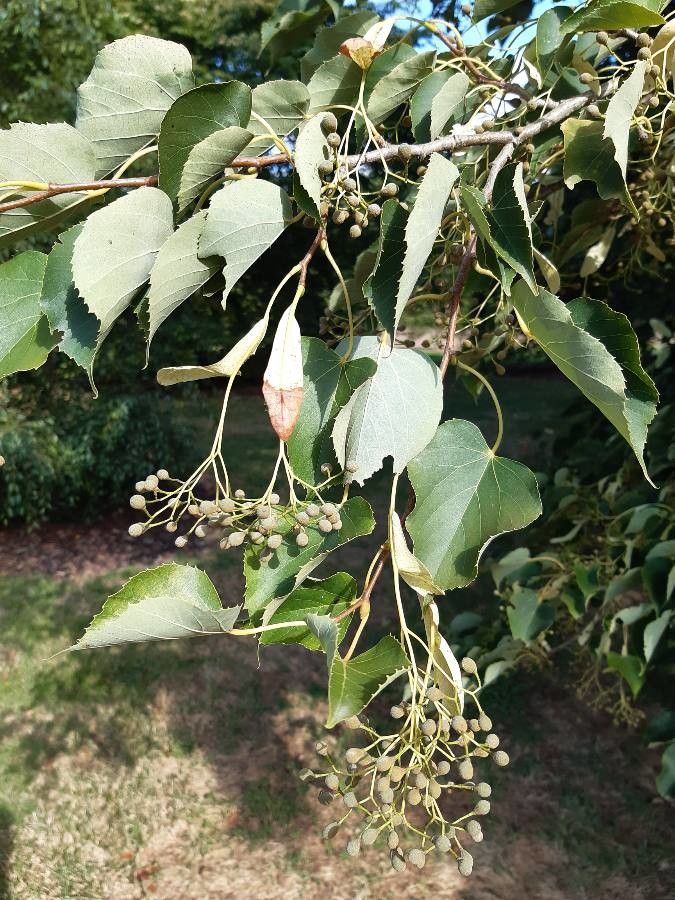
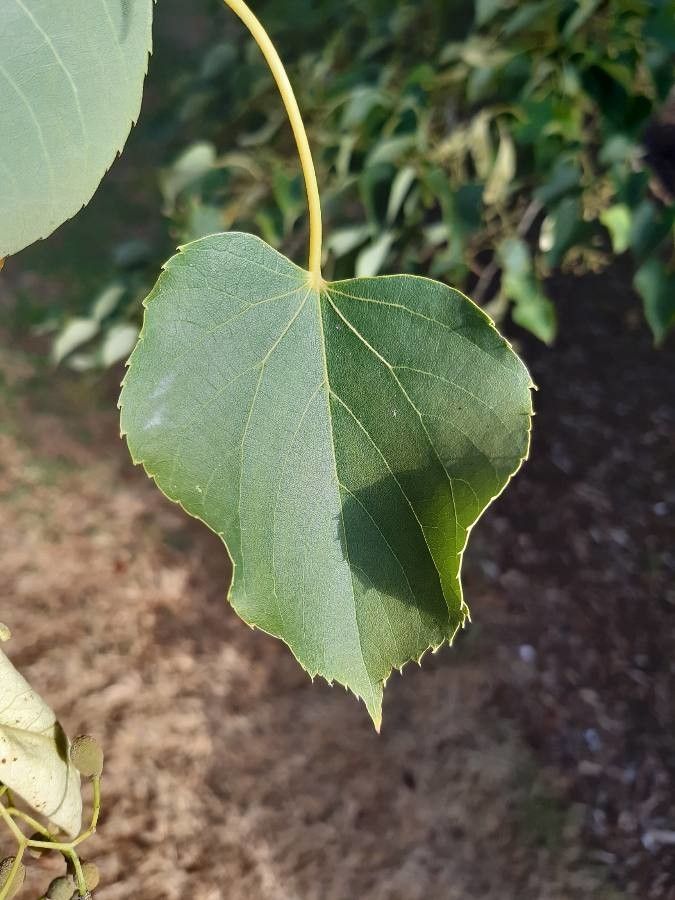
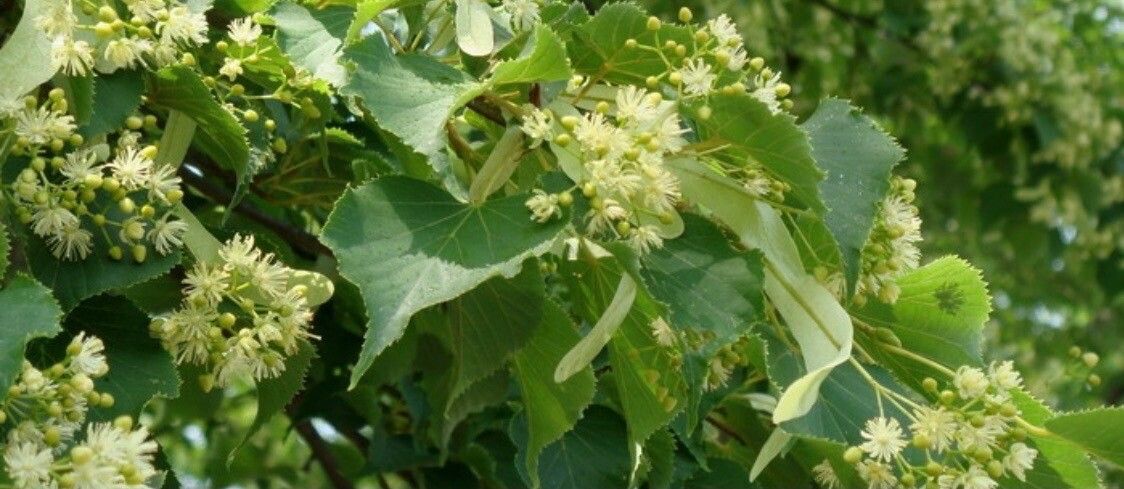
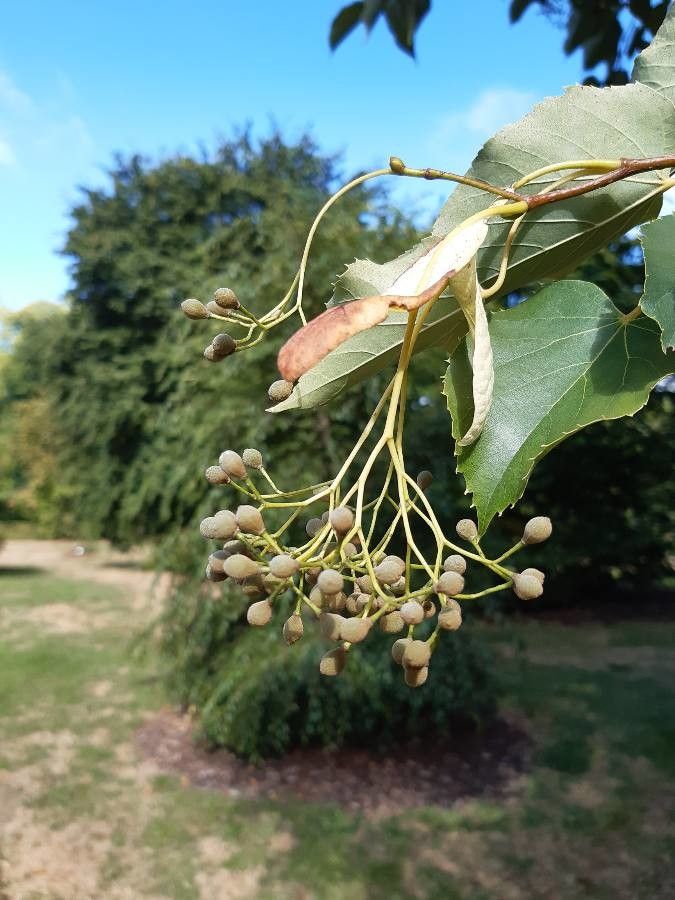
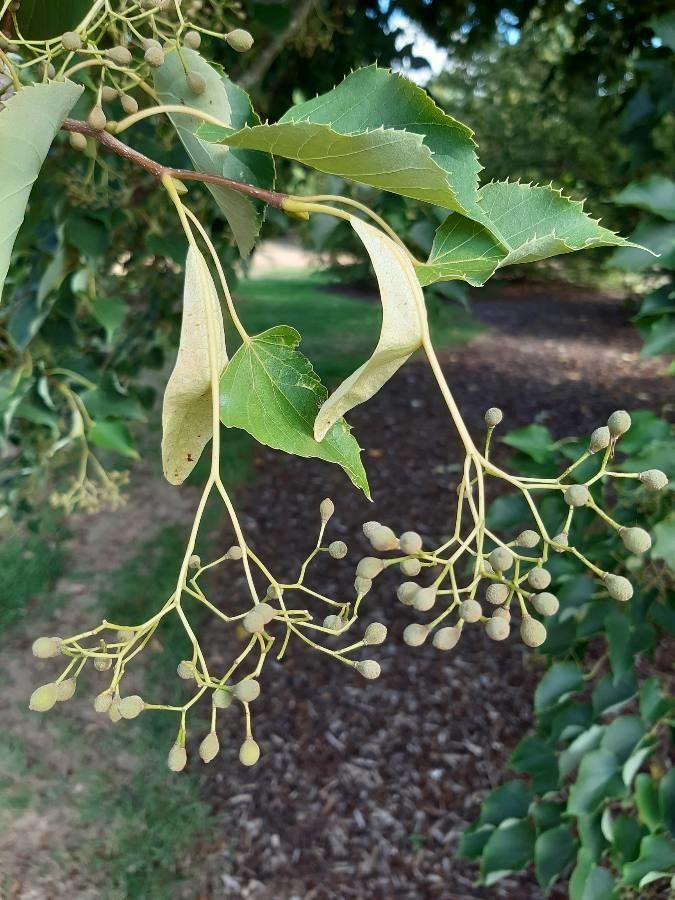
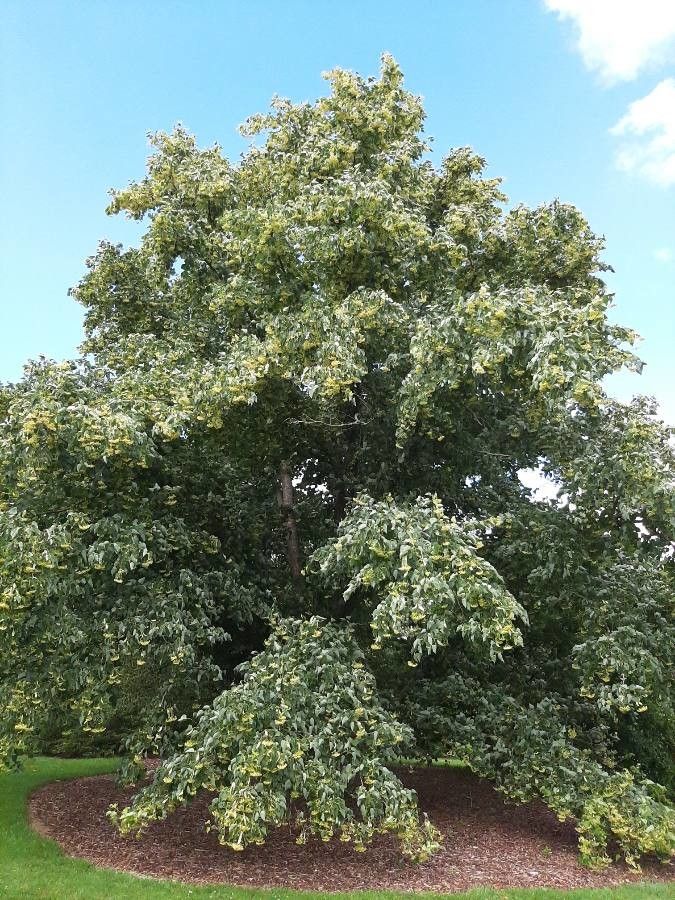
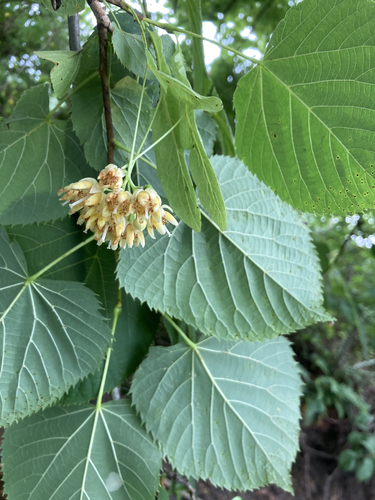
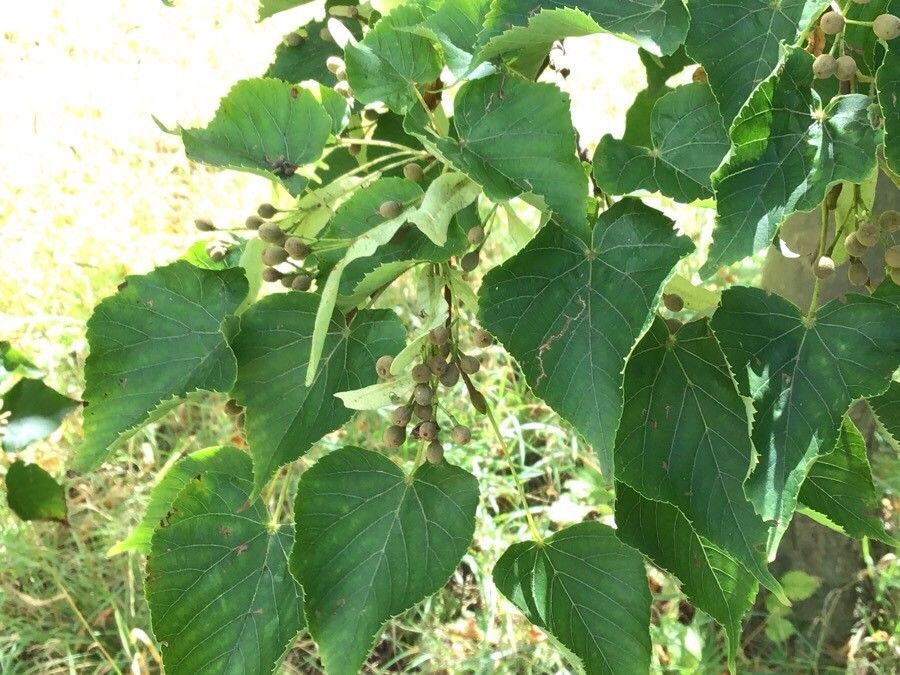
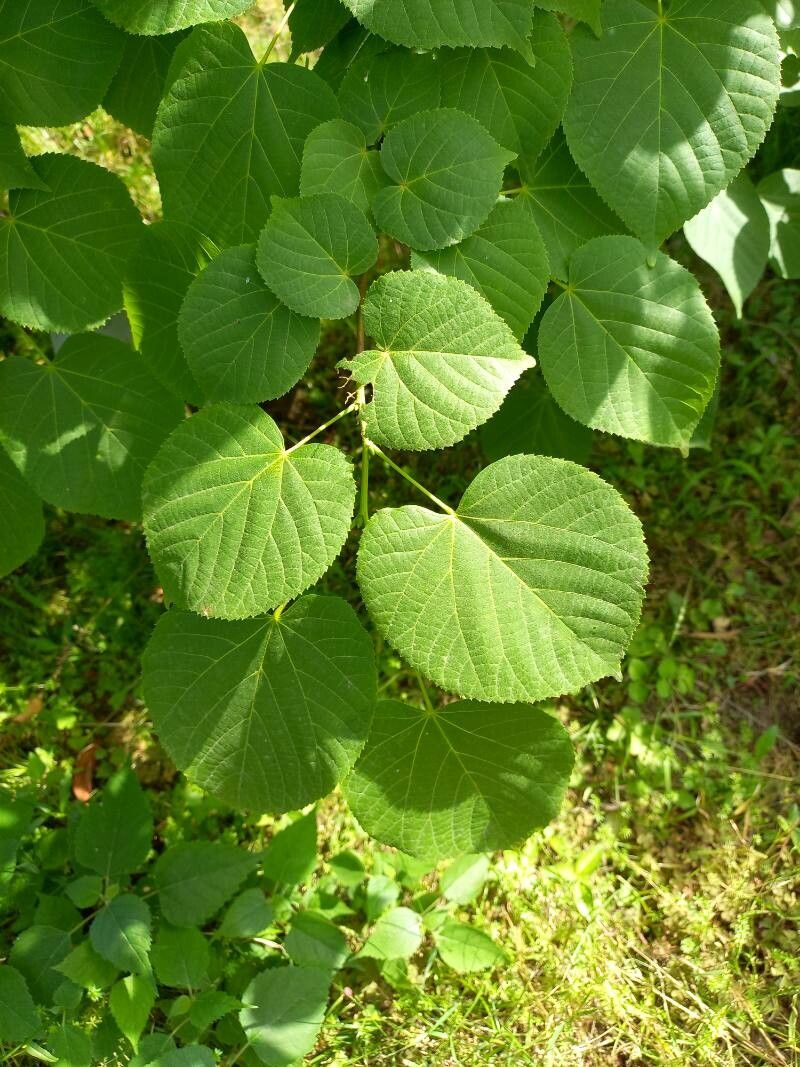
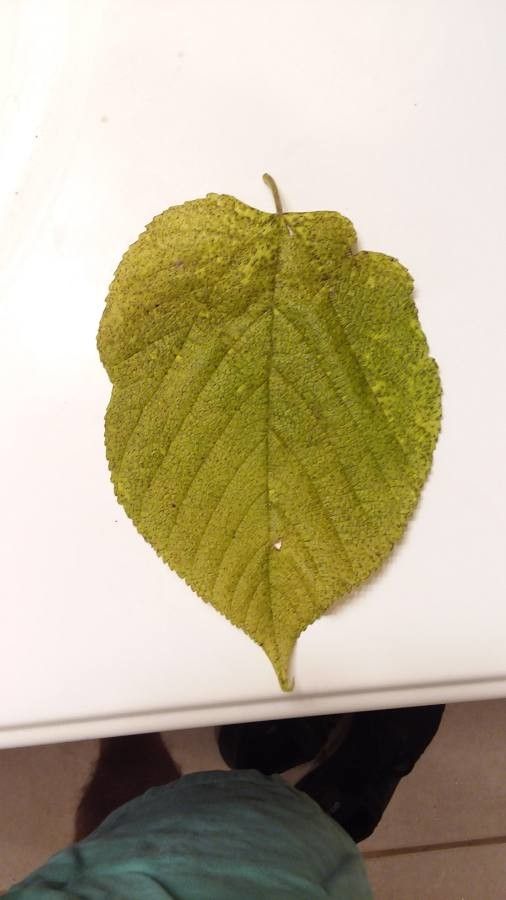
Tilia japonica, the Japanese lime or Japanese linden, is a species of Tilia native to eastern China and Japan, preferring to grow in mountains up to 2000 m. It superficially resembles the better-known Tilia cordata, the small-leaved lime, and was originally described as Tilia cordata var. japonica. It differs from T. cordata in having 164 chromosomes instead of 82, and by some subtle differences in leaf and flower morphology. T. japonica inflorescences consistently have 5 staminodes, which is a reliable trait distinguishing it from T. cordata and T. amurensis. Recent studies indicate T.japonica to play an important role in maintaining the ectomycorrhizal networks in local forests it grows in Japan.
Japanese lime is resistant to disease and typically not susceptible to illnesses. Regarding care, this plant is fairly low-maintenance. When grown outdoors it needs minimal watering, and larger specimens usually do not require pruning. However, smaller plants should be pruned after they have bloomed. Japanese limet is appropriate for anyone with outdoor space, such as a garden or deck, and does not demand a great deal of care experience.
How to keep Tilia Japonica.
Light
Japanese lime grows naturally in open habitats, like sunny meadows and forest margins, where there is plenty of light. It does best in Full Sun but can tolerate Partial Sun, adjusting well to a range of light conditions.
Water
The Japanese lime flourishes best in a temperate climate and prefers moderate watering. It should be watered every two weeks. During dry seasons, the tree demonstrates its resilience by shedding leaves to conserve moisture, allowing it to adapt to changes in water availability.
Temperature
Japanese lime is a plant with high temperature adaptability, native to temperate regions. Its ideal temperature range is 41 to 95 °F (5 to 35 ℃). Adjust the temperature with the seasons to keep the plant healthy.
Fertilizer
The timing of fertilizing Japanese lime is important. Apply fertilizer in early spring and continue monthly through early summer. Fertilizer encourages attractive blooms and supplies energy during both dormant and active growth phases.
Pruning
The Japanese lime is known for its heart-shaped leaves and fragrant flowers. To care for this plant, it's best to prune it in early spring. Start by removing any dead or damaged wood, and then thin out crowded branches to improve air circulation. Clean cuts are important for promoting the plant's health, and using proper pruning techniques will enhance its growth and flowering, helping to ensure a strong plant structure.
Botanical profile.
- Plant Type
- Tree
- Life Cycle
- Perennial
- Genus
- Tilia
- Family
- Malvaceae
- Hardiness Zone
- 5-9
- Mature Height
- 15.24 m to 19.81 m
- Mature Spread
- 7.92 m
- Leaf Color
- Dark Green, Forest Green
- Leaf Type
- Deciduous
- Flower Color
- Yellow, Green
- Flower Size
- 0.76 cm to 1.27 cm
- Bloom Time
- Early summer, Mid summer
- Planting Time
- Spring, Summer, Autumn, Winter
- Harvest Time
- Late summer, Early fall, Mid fall
- Native Area
- Japan, China
Other names.
Reader questions.
What are the sunlight requirements for Japanese lime (Tilia japonica)?
Japanese lime (Tilia japonica) requires specific sunlight conditions to thrive. For full sun exposure, it needs more than 6 hours of sunlight daily. If the preference is for partial sun, about 3-6 hours of sunlight per day is ideal. It's important to observe the movement of sunlight through your garden carefully. Finding spots that offer the right balance of light and shade is crucial for the well-being of your Japanese lime, ensuring it remains happy and healthy.
What is the Japanese lime?
Japanese lime, also known by its botanical name Tilia japonica, is a plant renowned for its strong temperature adaptability. It originates from temperate regions.
What is the optimal temperature range for Japanese lime?
The optimal temperature range for Japanese lime to thrive is between 41 to 95 °F (5 to 35 °C). It's crucial to adjust the temperature according to the season to ensure the plant's health.