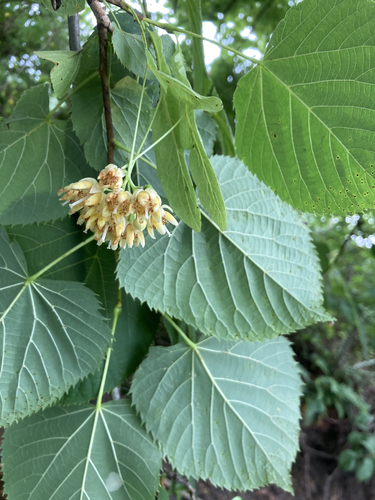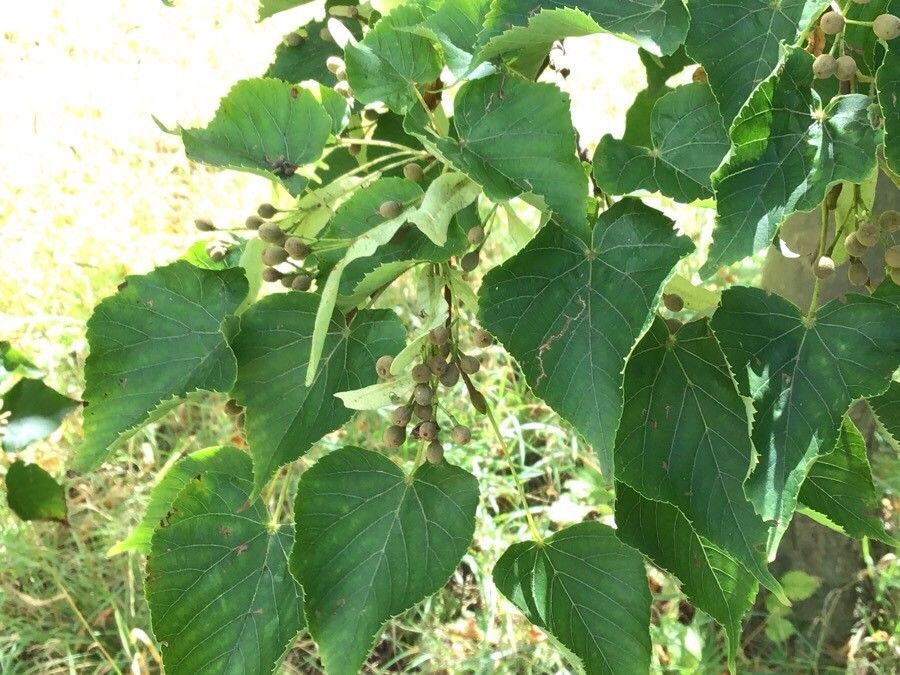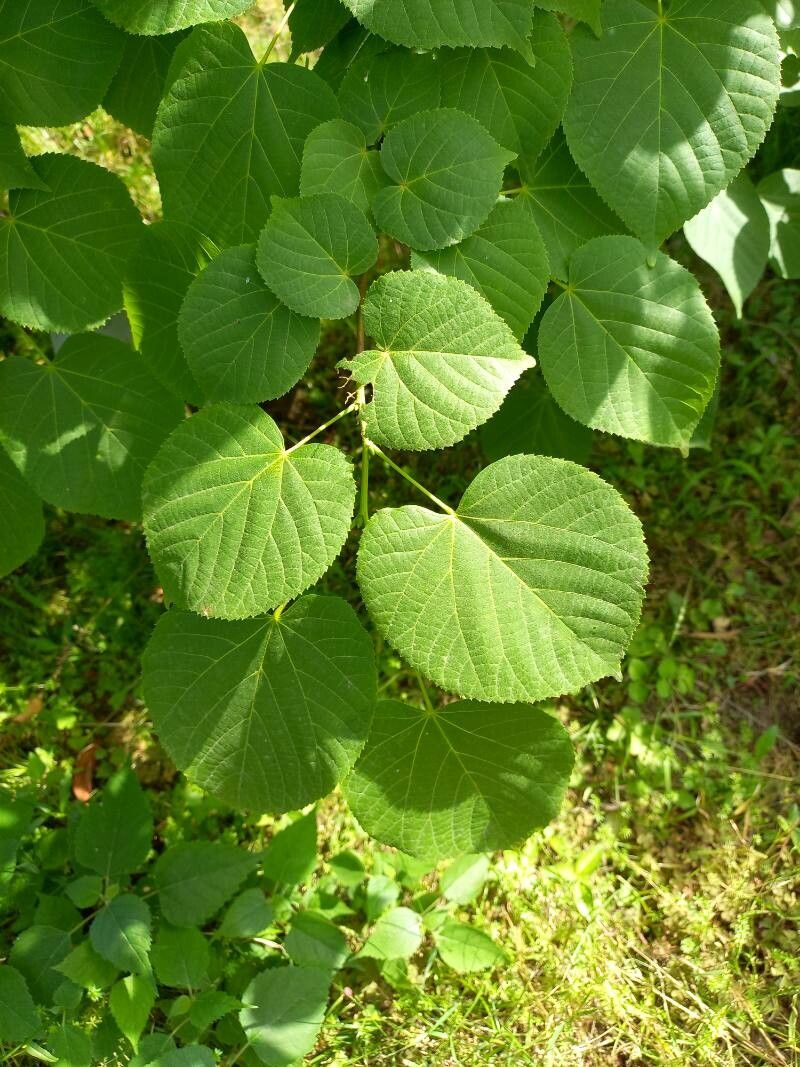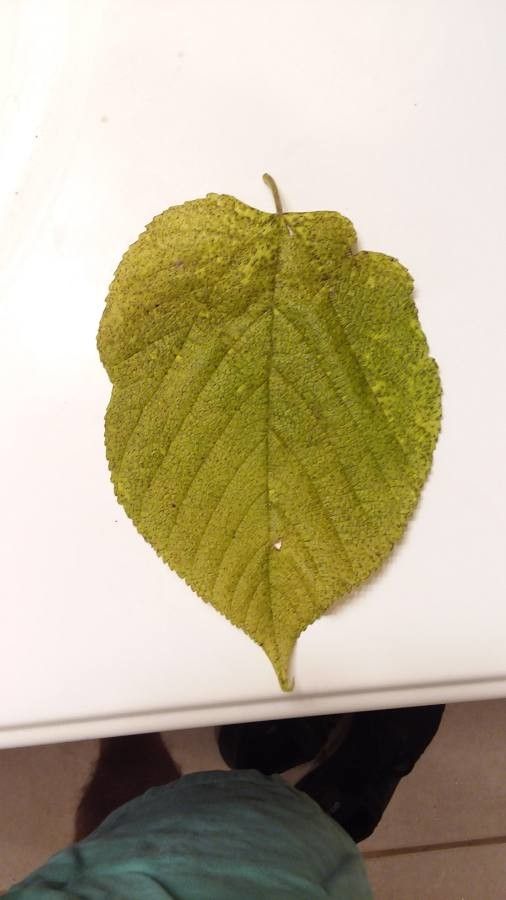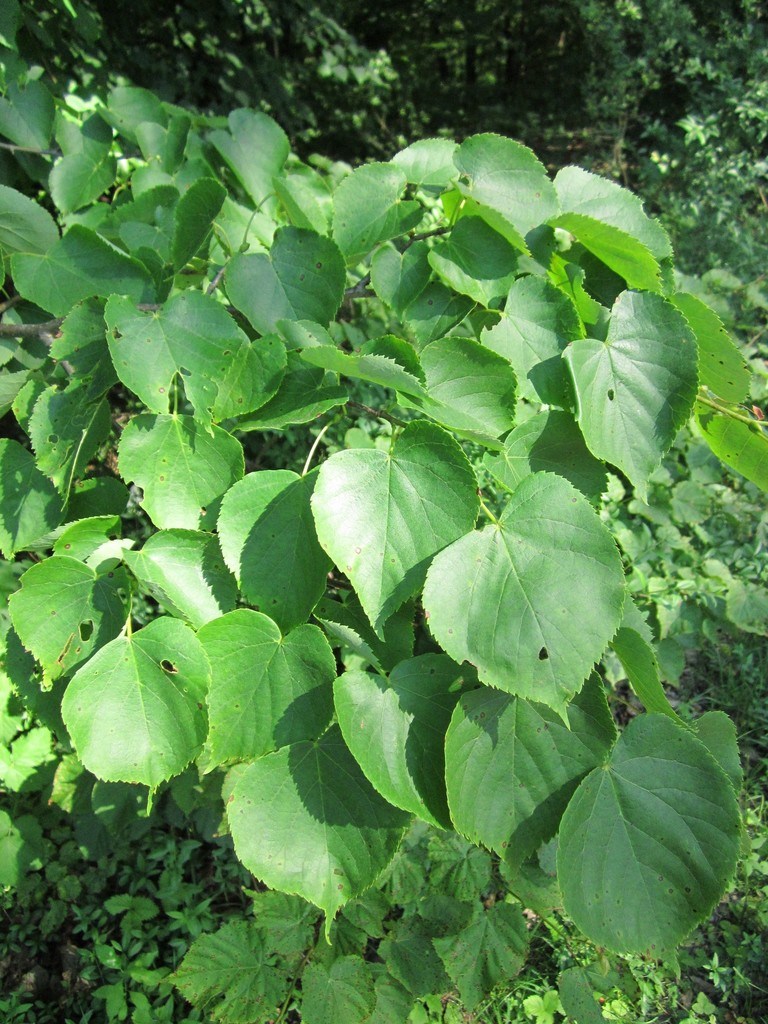
Tilia cordata, the small-leaved lime or small-leaved linden, is a species of tree in the family Malvaceae, native to much of Europe. Other common names include little-leaf or littleleaf linden, or traditionally in South East England, pry or pry tree. Its range extends from Britain through mainland Europe to the Caucasus and western Asia. In the south of its range it is restricted to high elevations.
The small-leaved lime, also known as the linden, gets its name from its leaves, which are smaller and smoother compared to those of the Tilia americana tree. The term "lime" is derived from "lind," an abbreviation of "linden," thus giving it the name small-leaved lime.
Littleleaf linden is resistant to disease and typically not susceptible to illnesses. Regarding care, this plant is relatively low maintenance. When planted outdoors it needs minimal watering, and larger specimens generally do not require pruning. Smaller plants, however, should be pruned after they finish blooming. Littleleaf linden is suitable for anyone with outdoor space, such as a garden or deck, and does not demand much gardening experience.
How to keep Tilia Cordata.
Light
Littleleaf linden prefers spots with abundant sunlight to do well. It can endure lower sun exposure, but that may affect its healthy development. Native to areas that are usually filled with natural light, its balance can be disturbed by either too much or too little light.
Water
The small-leaved lime tree flourishes in moderately moist soil, preferring consistent moisture without becoming waterlogged. Water the tree once every one to two weeks, allowing the soil to dry out slightly between waterings. In the colder months, when the tree enters dormancy, reduce the frequency of watering to help conserve resources as it prepares for rejuvenation in the spring.
Temperature
Littleleaf linden is a temperate woody species native to areas where the mean annual temperature ranges from 5 to 32 ℃ (41 to 89.6 ℉). The tree favors temperatures of 20 to 27 ℃ (68 to 80.6 ℉) during the growing season and does not encounter frost. Tilia cordata can tolerate −25 to −35 ℃ (−13 to −31 ℉) in the dormant season and does not require any temperature adjustment.
Fertilizer
Fertilize your Littleleaf linden in early spring to encourage healthy growth. Regular feeding boosts its overall health, leading to robust growth, greater toughness in challenging conditions, and enhanced resistance to pests and diseases. Keep a specific fertilization schedule for your Littleleaf linden to maintain lush, vibrant foliage with rich color.
Pruning
The small-leaved lime tree is characterized by its heart-shaped leaves and fragrant flowers. To maintain its health and appearance, prune the tree in early spring. Start by removing any dead wood, then thin out the branches to achieve a balanced shape. Be sure to use clean, sharp tools to prevent infections. Proper pruning encourages healthy growth, improves air circulation, enhances the tree's appearance, controls its size, and increases flowering.
Toxicity
Although generally non-toxic and safe to consume, if the flowers used to make tea are too old, they may cause narcotic intoxication symptoms.
Further reading →
The toxicity and danger assessments provided are for reference only. We do not assure their accuracy, so it's crucial not to depend on them. Seek professional advice when necessary for accurate guidance.
Botanical profile.
- Plant Type
- Tree
- Life Cycle
- Perennial
- Genus
- Tilia
- Family
- Malvaceae
- Hardiness Zone
- 4-8
- Mature Height
- 14.94 m to 39.93 m
- Mature Spread
- 9.14 m to 14.94 m
- Leaf Color
- Green, Yellow
- Leaf Type
- Deciduous
- Flower Color
- Yellow, Cream, White
- Flower Size
- 2.54 cm
- Bloom Time
- Mid summer
- Planting Time
- Spring, Autumn
- Harvest Time
- Mid summer, Late summer
- Native Area
- Canada
Other names.
Reader questions.
When Should I Water My Small-leaved Lime?
Proper watering of the small-leaved lime (Tilia cordata) is crucial for its health and growth. The soil should never be allowed to completely dry out. Check the top 1-2 inches of soil for dryness, as this indicates it's time to water. Observing the plant's leaves for wilting or changes in color (pale or yellowish spots) can also suggest the need for watering. Slow growth and dry twig tips are additional signs that the plant may need more water. However, it's important to avoid both underwatering and overwatering to prevent root rot, moss, mildew, pest problems, and to ensure the plant does not dry up or die. Adapting your watering schedule to these signs will help maintain optimal hydration levels.
Why do I have to put fertilizer on my Small-leaved lime?
No matter which type of Small-leaved lime you have, regular fertilization is key for a healthy plant. Proper nutrient supply promotes vigorous growth and increases the plant's resilience to tough conditions, as well as its ability to fend off diseases and pests. The foliage of your Small-leaved lime is one of its most attractive features, so it's important to maintain it. This involves following a regular fertilization schedule that is tailored to your specific Small-leaved lime. By doing so, your plant will develop leaves with vibrant color and a lush appearance.
What are the sunlight requirements for small-leaved lime?
Small-leaved lime requires full sun, meaning it thrives best in areas that receive above 6 hours of direct sunlight daily. However, it can also tolerate partial sun, where it gets about 3-6 hours of sunlight. It's important to watch how sunlight moves through your garden, choosing spots that offer the right balance of light and shade, to ensure your small-leaved lime tree grows happily.
What is Small-leaved Lime and where is it indigenous to?
Small-leaved lime, or Tilia cordata, is a temperate woody plant indigenous to regions that experience an annual average temperature range of 5 to 32°C (41 to 89.6°F). This includes areas where the climate supports its growth without the need for temperature adjustment, showcasing the plant's adaptability to a variety of temperate conditions.
How Should I Water My Small-leaved Lime?
Watering your small-leaved lime (Tilia cordata) effectively involves deep and thorough watering to ensure moisture reaches the root zone. Use a watering can with a long spout for targeted watering at the base of the plant, minimizing moisture on the leaves to reduce the risk of fungal diseases. Incorporating the use of a moisture meter can help determine the actual need for watering. It's crucial to avoid excessive moisture on the foliage, ensure good drainage, and be mindful of water quality, as the small-leaved lime can be sensitive to certain chemicals and minerals found in tap water. Using filtered or distilled water can be beneficial.
When should I fertilize my Small-leaved lime tree?
To properly fertilize your Small-leaved lime, there are two recommended times. The first is in late winter or early spring, which provides essential nutrients for healthy growth once the weather warms up. Additionally, if you live in a warm climate region, it is beneficial to give your Small-leaved lime an extra dose of fertilizer in early fall. This helps to provide necessary nutrients for the following growing season and improves its ability to withstand the cold of winter without harming the foliage. By fertilizing earlier, it allows new branches to grow and strengthen in preparation for winter.
What are the essentials for growing small-leaved lime successfully?
To grow successfully, small-leaved lime prefers locations that receive ample sunlight since it originates from habitats typically bathed in natural light. Though it can withstand less exposure to the sun, insufficient light could impact the plant's healthy growth. In situations where natural sunlight is lacking, especially during winter or in less sunny spaces, artificial lighting can provide a vital alternative. Indoor plants benefit from LED lights, which can be adjusted to meet their specific light wavelength needs. For full sun plants, 30-50W per square foot of artificial light is recommended; for partial sun plants, 20-30W; and for full shade plants, 10-20W. The artificial light source should be placed 12-36 inches above the plant, and most plants require 8-12 hours of light daily.
What temperature conditions do Small-leaved Lime trees thrive in?
Small-leaved Lime trees thrive best in temperatures ranging from 20 to 27°C (68 to 80.6°F) during their growing season. Importantly, they exhibit strong cold resistance and can tolerate temperatures as low as -25 to -35°C (-13 to -31°F) during their dormant season. Despite this resilience, they are best maintained in conditions without frost and within their ideal temperature range for optimal growth.
How Much Water Does Small-leaved Lime Really Need?
The small-leaved lime (Tilia cordata) thrives in consistently moist soil with good drainage, reflective of its natural woodland habitat. The needed water quantity varies based on several factors including pot size, root depth, and the plant size. A good rule is to water deeply enough to saturate the root ball without causing waterlogging. For example, a large plant in a 10-12 inches deep pot may need about 2-3 gallons of water per session during the growing season. Look for signs of proper hydration such as lush green leaves and a slightly moist soil feel. Adjust watering based on seasonal changes and ensure your pot has good drainage to avoid water accumulation.
When is the best time to not put fertilizer on my Small-leaved lime tree?
There are certain times throughout the year when you should avoid fertilizing your Small-leaved lime. One such time is during the early and mid-winter months when the plant is dormant and does not require any feeding. Similarly, it is not recommended to fertilize the plant during late spring and summer, as the hotter and drier weather conditions can have a detrimental effect on its response to fertilization. To prevent any issues, it is best to follow a fertilization schedule that involves feeding only during early spring and early fall.
What symptoms indicate a small-leaved lime is receiving insufficient sunlight?
Symptoms of insufficient sunlight in small-leaved lime include smaller new leaves compared to mature ones, leggy or sparse growth indicating a thin appearance due to stretched-out stems and leaves, faster leaf drop as a survival tactic in low light, slowed growth or a complete halt in new leaf production, lighter-colored new leaves due to a lack of chlorophyll, and specific conditions like chlorosis (leaf yellowing), sunscald damages, leaf curling as a defense mechanism against too much sunlight, wilting from excessive water loss, and leaf scorching indicative of too much direct sunlight exposure.
How should Small-leaved Lime trees be protected in winter?
For Small-leaved Lime trees, special frost protection measures are typically not necessary due to their strong cold resistance. However, in the anticipation of winter temperatures dropping below -30°C, it is advised to protect the trees by wrapping the trunk and branches with insulating materials like non-woven fabric or cloth. Additionally, watering the plant abundantly before the first freeze to keep the soil moist helps prevent drought and water scarcity during the colder months.