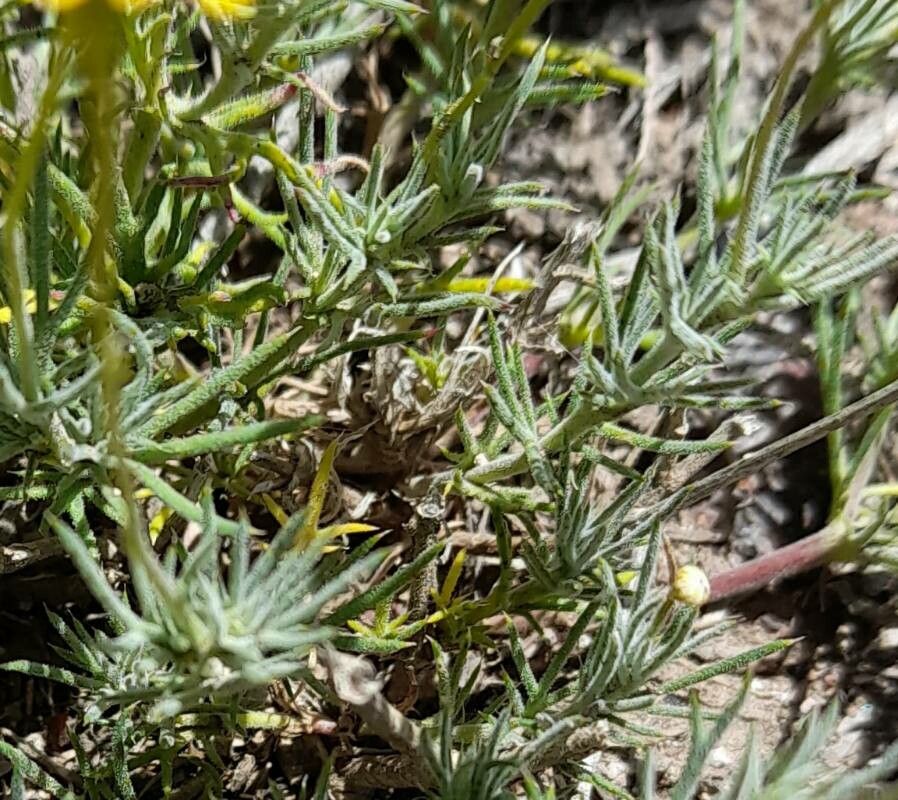
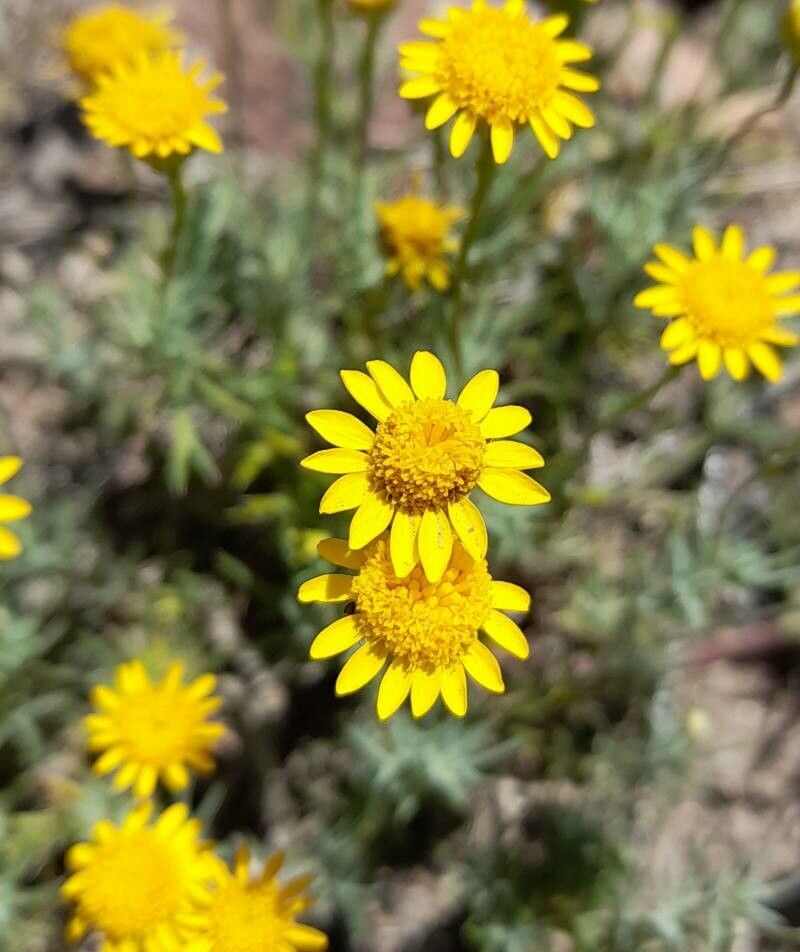
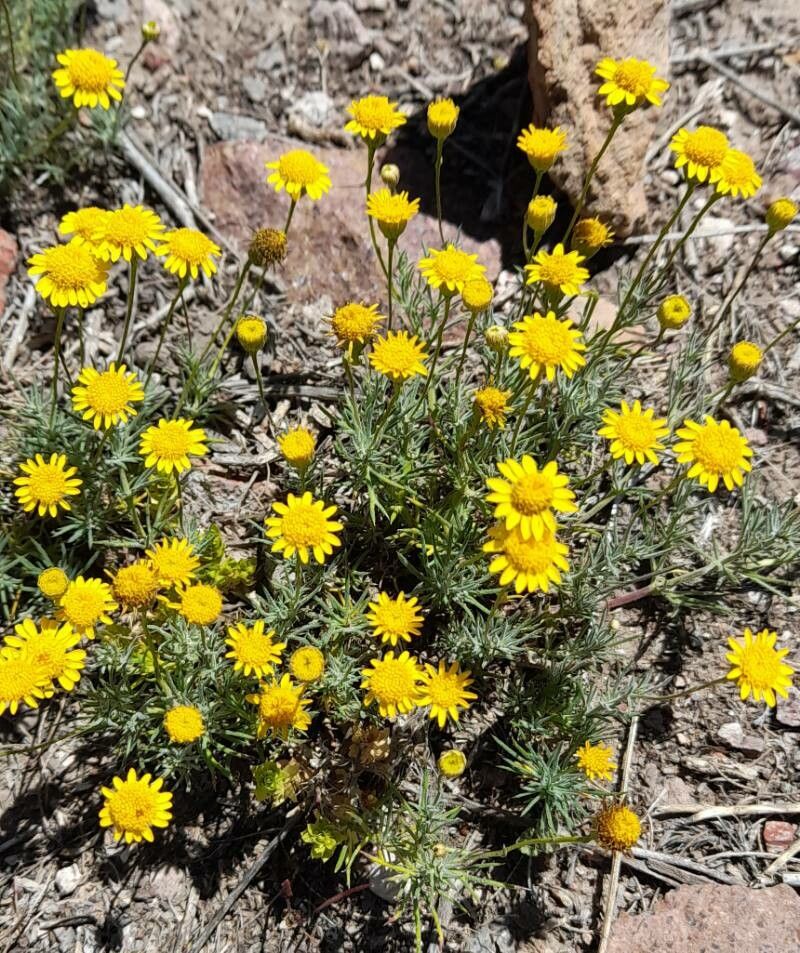
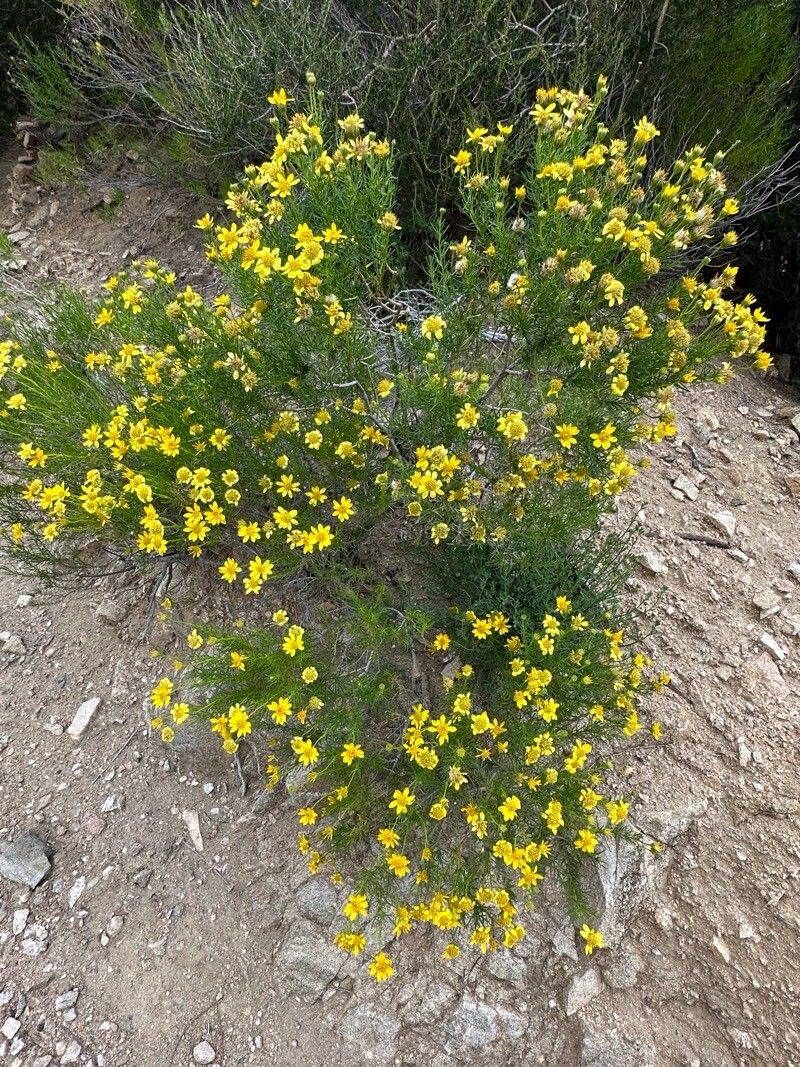
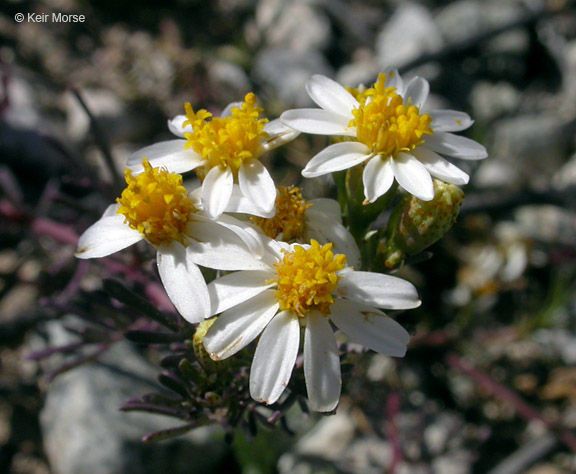
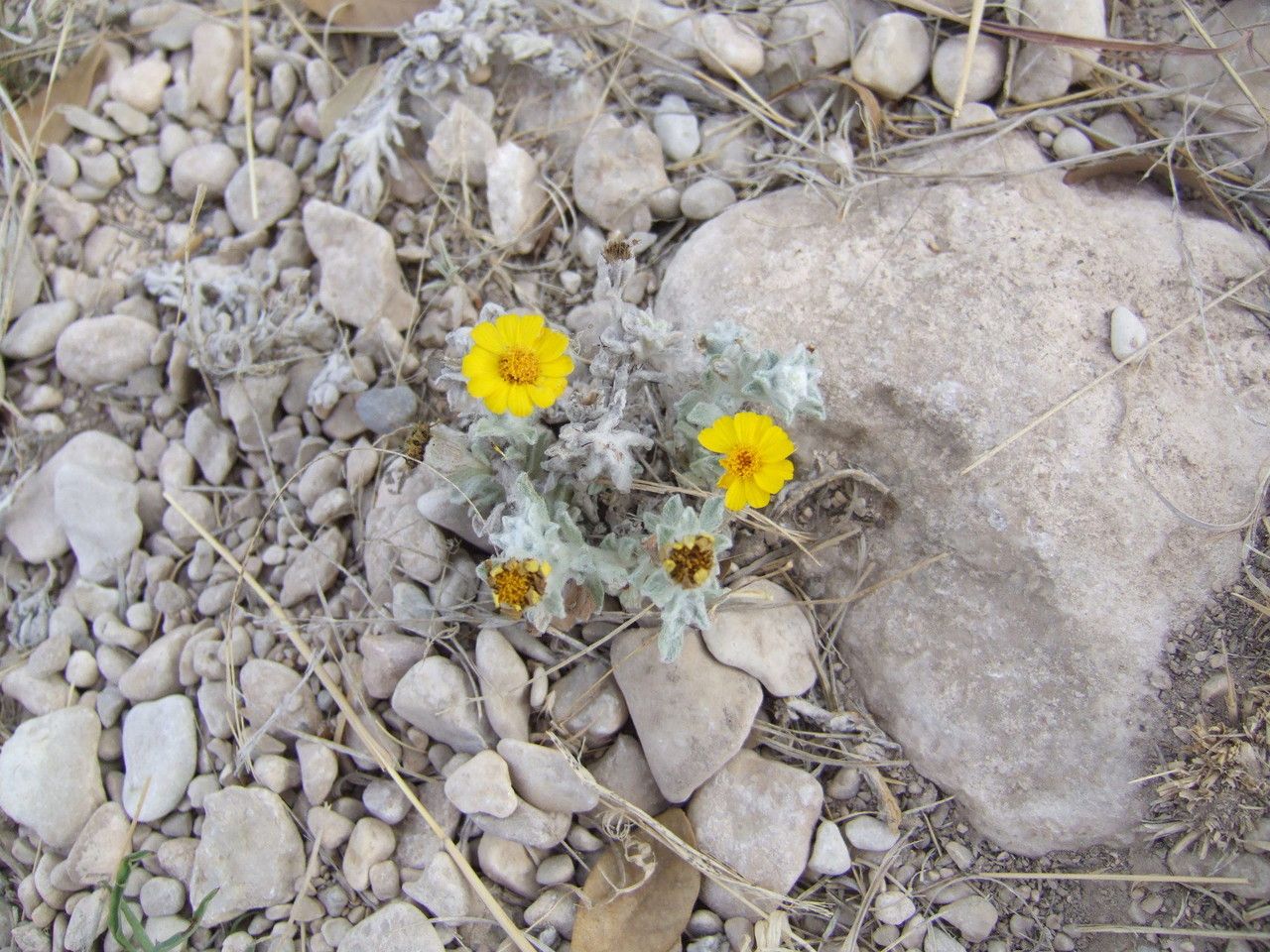
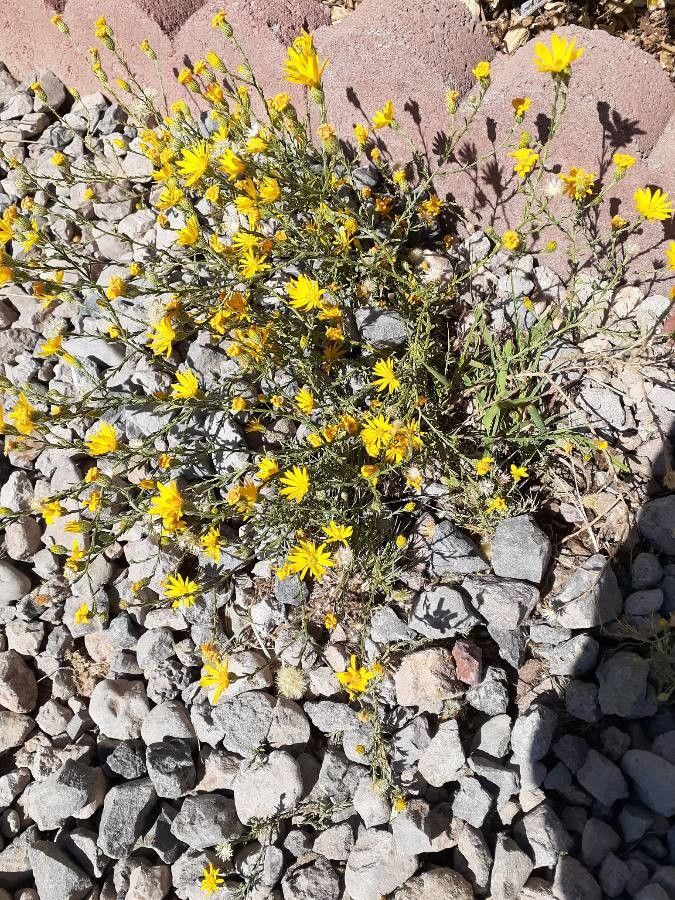
Thymophylla pentachaeta, commonly known as golden fleece or dogweed, is a small perennial plant in the Asteraceae family. Native to North America, it thrives in diverse habitats such as prairies, rocky slopes, and open woodlands.
This plant features a compact growth habit with small green leaves covered in fine hairs. It produces bright yellow, five-petaled flowers that bloom from spring to fall, attracting pollinators like bees and butterflies.
For centuries, Native Americans have used Thymophylla pentachaeta for its medicinal properties. The leaves were applied topically to treat skin conditions like rashes and insect bites, while the roots were consumed to address digestive issues.
Beyond its medicinal benefits, Thymophylla pentachaeta is also valued as an ornamental plant because of its attractive foliage and bright yellow flowers. It can be grown in containers or directly in the ground, provided the soil is well-draining and the location receives full sun.
In summary, Thymophylla pentachaeta is an easy-to-grow plant that enhances any garden with its vibrant color and offers potential health benefits through its traditional medicinal uses.
Fiveneedle Pricklyleaf has strong disease resistance and is generally not prone to illnesses. However, it can be affected by pests and diseases present in its environment. These infections are typically not severe. In terms of care, this plant requires moderate maintenance. It should be pruned regularly to preserve a good appearance and support healthy growth. Fertilizing can also help encourage flowering. Fiveneedle Pricklyleaf is suitable for anyone with an outdoor area, such as a garden or patio, and does not demand extensive care experience. It may need more attention when grown indoors.
How to keep Thymophylla Pentachaeta.
Light
Fiveneedle Pricklyleaf requires a plentiful amount of light, which greatly improves its health and development. Native to open habitats, every stage of this plant's growth demands high light levels. Excessive light does not pose a problem, but a lack of light results in diminished health and slower growth.
Water
The Fiveneedle Pricklyleaf is well adapted to arid environments, exhibiting high drought tolerance. It thrives with minimal watering, ideally just once a week. This plant prefers well-draining soil, which helps it maintain water balance even with irregular rainfall. These characteristics make it ideal for outdoor growth, as it mimics the precipitation patterns of its natural habitat.
Temperature
Fiveneedle Pricklyleaf naturally occurs in habitats with temperatures of 68 to 95°F (20 to 35℃). The plant does best in warm conditions and may need some extra care during colder seasons to keep it within its preferred temperature range.
Fertilizer
The best time to fertilize a Fiveneedle Pricklyleaf is in early spring, when it is coming out of dormancy and beginning active growth. Fertilization supplies essential nutrients for healthy development. Although Fiveneedle Pricklyleaf has relatively low fertilizer requirements, applying fertilizer annually can improve its survival and encourage better, longer-lasting flowers.
Pruning
Fiveneedle Pricklyleaf is a drought-tolerant perennial known for its delicate yellow flowers. To maintain its shape and vigor, regular pruning is essential, particularly from early to late spring. Removing dead stems and trimming back one-third of the plant encourages bushiness, prevents legginess, and ensures a fuller appearance.
Botanical profile.
- Plant Type
- Herb
- Life Cycle
- Perennial, Annual
- Genus
- Thymophylla
- Family
- Asteraceae
- Hardiness Zone
- 9-10
- Mature Height
- 15 cm to 25 cm
- Mature Spread
- 30 cm to 61 cm
- Leaf Color
- Green, Blue
- Leaf Type
- Semi-evergreen
- Flower Color
- Yellow
- Flower Size
- 2.54 cm
- Bloom Time
- All year round
- Planting Time
- Autumn
- Harvest Time
- All year round
- Native Area
- Mexico
Other names.
Reader questions.
How should I water my Fiveneedle Pricklyleaf plant?
To properly water the Fiveneedle Pricklyleaf, it's important to use filtered water at room temperature. Tap water may contain harmful particles, so filtered water is preferred. The Fiveneedle Pricklyleaf prefers warmer temperatures, so avoid using cold water. Overhead watering should also be avoided to prevent foliage issues. Instead, thoroughly soak the soil with filtered room temperature water. This helps moisten the roots and enables them to collect the necessary nutrients and spread throughout the soil.
What are the sunlight requirements for Fiveneedle Pricklyleaf?
Fiveneedle Pricklyleaf thrives with abundant light exposure, a necessary factor for its health and growth. It requires full sun, meaning it should receive above 6 hours of sunlight daily, but can also grow in partial sun with about 3-6 hours of sunlight. It is important to monitor the movement of sunlight throughout the garden to identify areas that offer the best conditions of light and shade for the plant's optimal growth.
What are the ideal temperature conditions for Fiveneedle Pricklyleaf?
Fiveneedle Pricklyleaf thrives in warm conditions, with its ideal temperature range being between 68 to 95°F (20 to 35°C). Though it has some cold tolerance and usually doesn't require extra care for temperatures above 0°C, precautions should be taken if temperatures are expected to drop below freezing. Temporary protective measures like wrapping the plant with plastic film, fabric, or other materials are recommended in such cold conditions, which should be removed once the temperature rises again.
What should I do if I give my Fiveneedle Pricklyleaf plant too much or too little water?
Caring for your Fiveneedle Pricklyleaf involves avoiding both overwatering and underwatering, but overwatering is the more common problem. When this plant gets too much water, its stems and leaves may wilt and turn yellow. Overwatering for a long time can also cause diseases like root rot, mold, and mildew, which can be fatal to the plant. Underwatering is less likely, as the Fiveneedle Pricklyleaf can withstand drought reasonably well. However, it's still a possibility, and you'll notice brittle, brown leaves if it happens. It's important to catch signs of overwatering early since some diseases, like root rot, may not be fixable if you wait too long. If you see these signs, reduce watering immediately, and check if the soil is draining poorly. Replace it with a loose, well-draining potting mix if needed. If you see signs of underwatering, simply water more often until the signs disappear.
How important is lighting for Fiveneedle Pricklyleaf, and what are some solutions for insufficient sunlight?
Lighting is crucial for Fiveneedle Pricklyleaf as it significantly impacts its health and growth. In situations where natural sunlight is inadequate, especially during winter or in less sunny locations, artificial lighting can be an effective alternative. Using the right type of light (such as LED lights for their customizable wavelengths) and ensuring proper distance (12-36 inches from the plant) and duration (mimic natural daylight hours, typically 8-12 hours daily) are essential steps. The amount of artificial light recommended varies by plant type; full sun plants need 30-50W/sq ft, partial sun plants 20-30W/sq ft, and full shade plants 10-20W/sq ft.
How does low temperature affect Fiveneedle Pricklyleaf, and what are the solutions?
Fiveneedle Pricklyleaf has a moderate tolerance to low temperatures, preferentially thriving above 20°C. In winter, it is advisable to keep the plant above 0°C to avoid damage. Temperatures falling below -5°C can cause the leaves to droop; they might recover in mild cases, but severe cold can lead to leaves wilting and falling off. To manage frost damage, trim off the frost-damaged parts of the plant, wrap it with non-woven fabric or cloth, and construct a wind barrier for cold wind protection before encountering lower temperatures again.
How frequently should I give water to my Fiveneedle Pricklyleaf plant?
If your Fiveneedle Pricklyleaf plant is in a pot, you can determine if it needs water by sticking your finger in the soil. If the top two to three inches are dry, it's time to water it. The same method can be used if you have the plant growing outdoors in the ground. In the spring and early fall, watering once a week using this method is usually sufficient. In extremely hot weather, you may need to water twice a week or more. However, it's worth noting that mature Fiveneedle Pricklyleaf plants are quite resilient to drought.
What are the symptoms of light deficiency in Fiveneedle Pricklyleaf, and how can they be addressed?
Light deficiency in Fiveneedle Pricklyleaf can manifest as smaller new leaves, leggy or sparse growth, faster leaf drop, slower or halted new growth, paler new leaves, and symptoms of chlorosis, sunscald, leaf curling, wilting, and leaf scorching. To address light deficiency, gradually relocate the plant each week to ensure it receives sufficient sunlight, considering the use of south-facing windows or artificial lighting. Outdoor plants should similarly be moved to sunnier spots gradually, avoiding sudden changes to prevent sunburn. Pruning and transplantation during dormant periods may also help improve sunlight access.
What should be done if Fiveneedle Pricklyleaf experiences high temperatures?
High temperatures, especially above 35°C during summer, can cause the Fiveneedle Pricklyleaf to suffer from symptoms like lighter leaf color, dry and withered leaf tips, curling leaves, and increased susceptibility to sunburn if temperatures exceed 41°C. To mitigate these issues, trim away any sunburned and dried-up parts of the plant. Relocate the plant to a shaded area during the midday and afternoon sun, or use a shade cloth to create sufficient shade. Ensure the soil remains moist by watering the plant in the morning and evening.
How much water does my Fiveneedle Pricklyleaf plant need?
When watering your Fiveneedle Pricklyleaf, don't hold back on the amount of water. Make sure the top two to three inches of soil are dry before giving it a good, deep watering. You want to water it enough so that the soil is completely soaked, and excess water should flow out of the drainage holes at the bottom of the pot. If you don't see any excess water draining, then you may have not given enough water. However, be careful not to let the water accumulate in the soil, as this can be harmful to the plant. On the other hand, if water is not draining properly, it may indicate that the soil is not draining well, which is not good for the plant's health. If the plant is outside, it generally needs around one inch of rain per week.
What specific care solutions can help Fiveneedle Pricklyleaf recover from insufficient light exposure?
To help Fiveneedle Pricklyleaf recover from insufficient light exposure, it is advisable to gradually increase its sunlight exposure by moving it to a sunnier location each week or utilizing a south-facing window for indoor plants. Artificial lighting can also supplement natural light, especially for larger plants that are difficult to move. For outdoor care, it is important to make gradual adjustments to avoid sunburn. Pruning obstructions and transplanting smaller plants during their dormant season can also improve sunlight access. Note, however, that parts of the plant already affected may not recover, but new growth should be healthy with improved light exposure.
What is the botanical name of Fiveneedle Pricklyleaf?
The botanical name of Fiveneedle Pricklyleaf is Thymophylla pentachaeta.