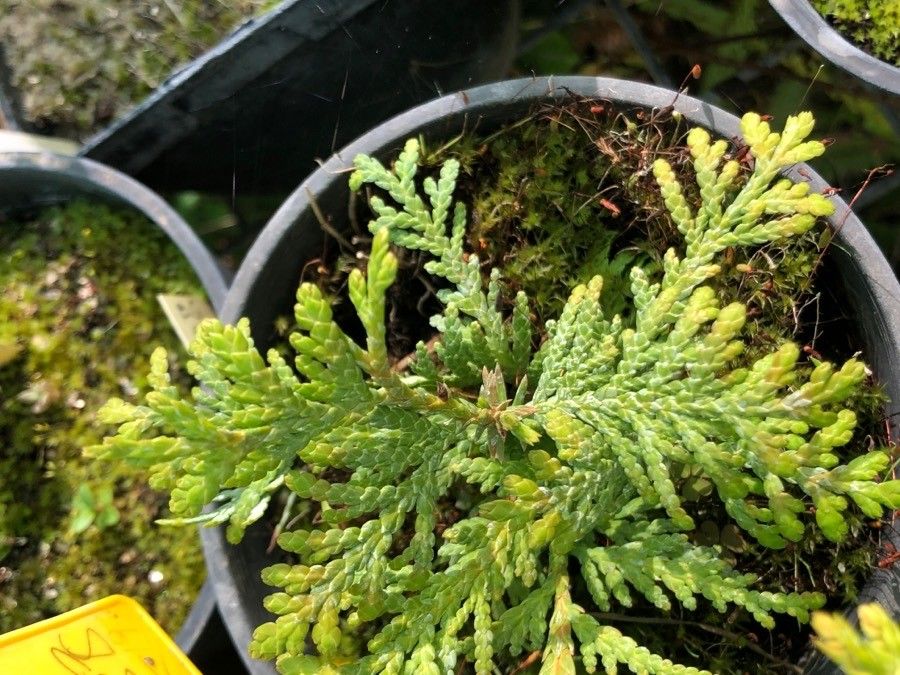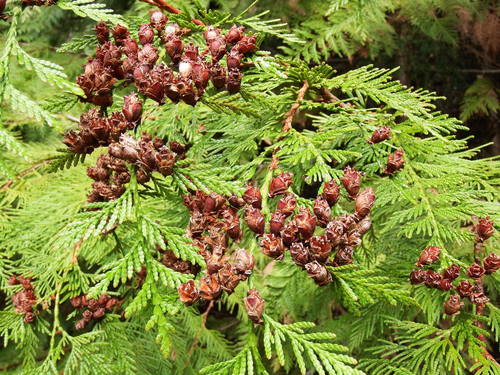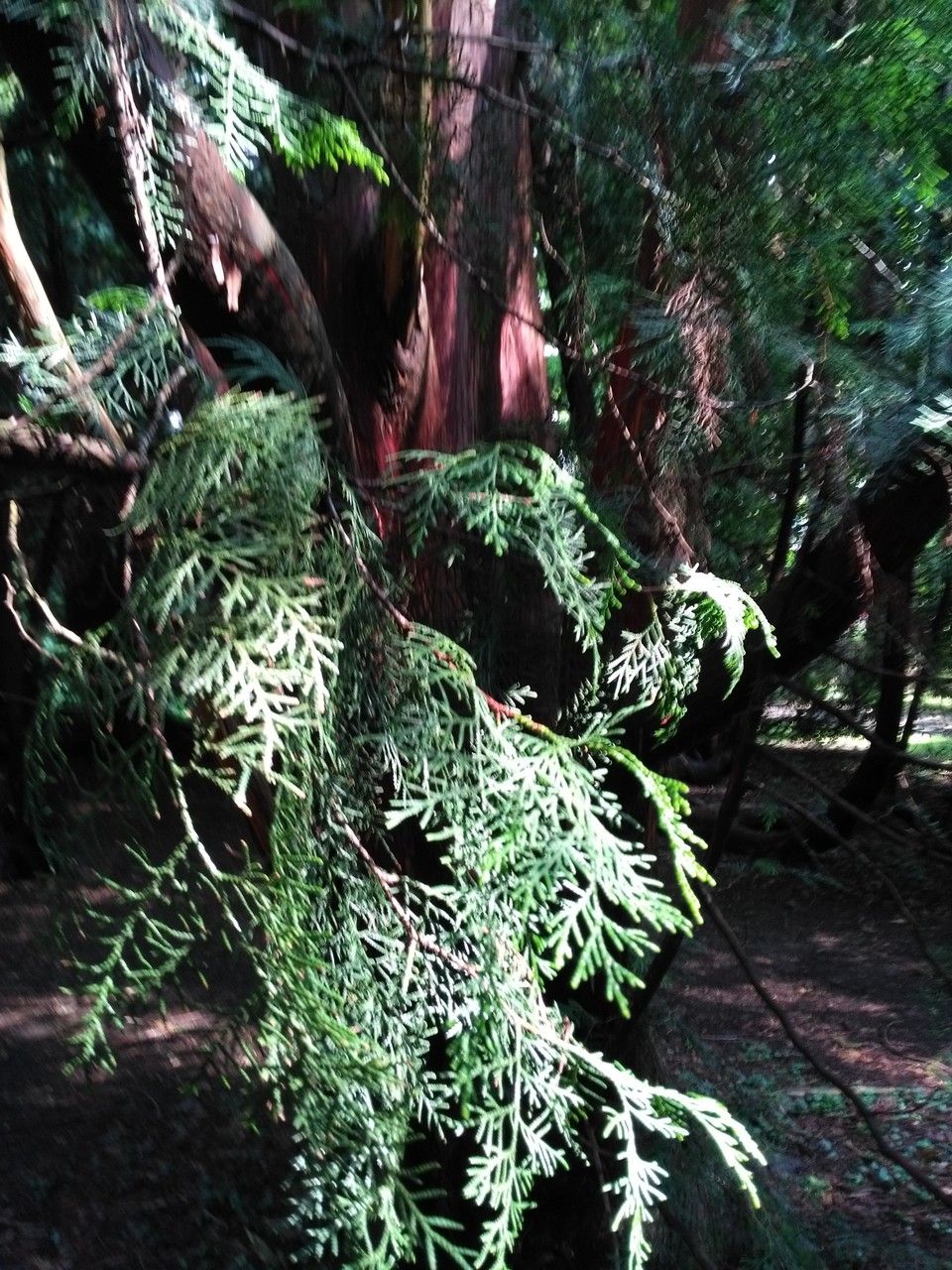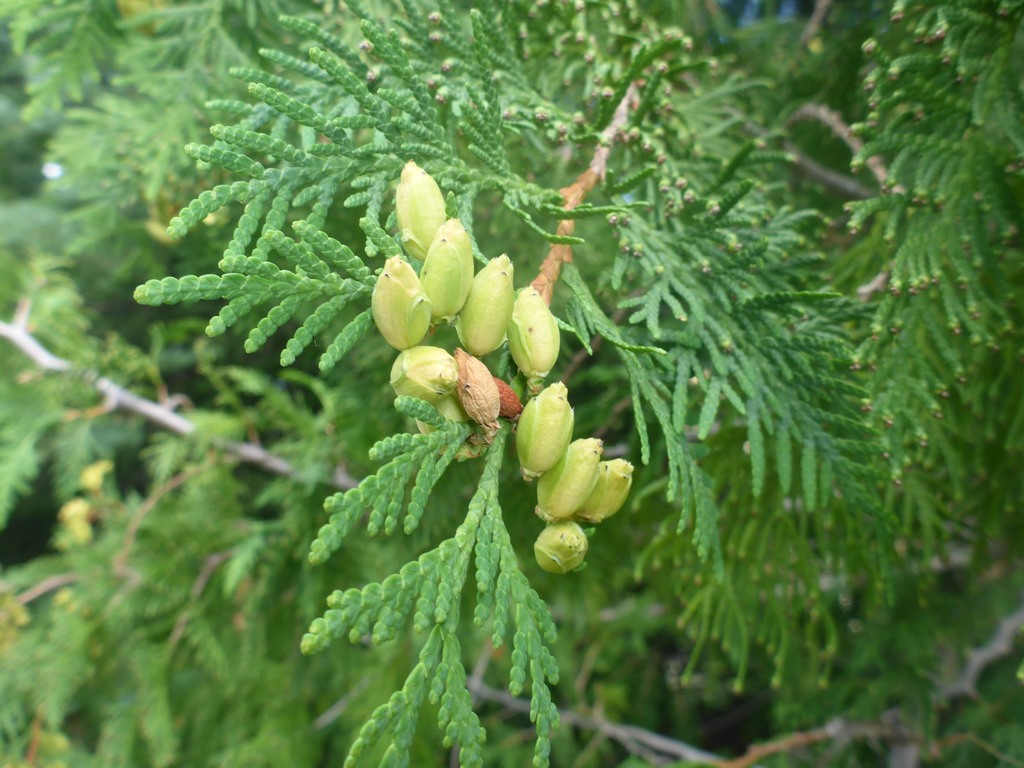
Thuja occidentalis, commonly known as the American arborvitae or white cedar, is a coniferous evergreen tree native to North America. This member of the cypress family can reach a height of up to 20 meters, with a trunk diameter of up to 60 centimeters. The tree features a narrow conical shape and dense foliage consisting of flattened sprays of scale-like leaves that are green on top and yellow-green underneath. The American arborvitae is widely cultivated as an ornamental plant due to its attractive appearance and adaptability to various soil types. Its dense foliage makes it an excellent choice for hedges or screens, providing both privacy and noise reduction. The tree also produces small brown cones. In addition to its ornamental uses, Thuja occidentalis has been utilized for medicinal purposes by Native Americans for centuries. The leaves contain essential oils with antifungal properties, traditionally used to treat a variety of ailments such as respiratory infections, skin conditions, and rheumatism. Overall, Thuja occidentalis is an attractive evergreen tree with numerous practical applications, both ornamental and medicinal, making it an important species in the biodiversity of North America's flora.
Arborvitae shows strong resistance to disease and is usually not prone to illnesses. Regarding care, the plant is fairly low-maintenance. When grown outdoors it needs only minimal watering, and larger specimens typically do not require pruning. However, smaller plants should be trimmed after they have bloomed. Arborvitaet is appropriate for anyone who has an outdoor area, such as a garden or deck, and it does not demand a lot of care experience.
How to keep Thuja Occidentalis.
Light
Arborvitae does best in full, unshaded sun but can still grow reasonably well with only partial sunlight. Native to sunny areas, this plant's health depends on adequate sun exposure. However, too much sun or too little can cause yellowing leaves or slower growth, respectively.
Water
Arborvitae does well with moderate watering, needing irrigation every 1-2 weeks with some drying of the soil in between. It adapts to different climates and prefers well-draining soil to avoid root rot. Its resilience is demonstrated by its ability to thrive through a balance of wet and dry periods.
Humidity
This plant will thrive in moderate humidity, which is probably the level in your home. However, misting it a few times a week can be very beneficial. Make sure the room has good ventilation.
Temperature
The arborvitae plant is native to the cooler areas of North America and prefers temperatures between 32℉ (0℃) and 70℉ (21℃). It can tolerate winter temperatures as low as -30℉ (-34℃). During summer months, it benefits from occasional misting to acclimate to higher temperatures.
Fertilizer
Arborvitae has specific nutrient needs and does not require heavy fertilization. Spring is the best time to apply fertilizer for optimal growth. Providing nutrients enhances its health, increases its resistance to pests and diseases, and helps sustain its long lifespan.
Pruning
Arborvitae is a dense evergreen known for its aromatic, scale-like leaves. The best time to prune it is during the winter when it’s dormant. When pruning, concentrate on removing damaged branches and thinning the plant to improve airflow. Be careful to avoid cutting into the old wood. Regular pruning helps maintain the arborvitae's shape and promotes its health. For detailed pruning instructions, consult horticultural guides.
Pot & Repot
When repotting Arborvitae, select a pot 1-2 inches (2.5–5.1 cm) larger that has good drainage. Use a well-draining potting mix. Repot in spring or fall, making sure the root ball is slightly lower than the rim of the flower pot. Water thoroughly after repotting and place it in a warm spot with indirect sunlight.
Toxicity
Cedar contains oils, phenols, and plicatic acid. Any one of these compounds may cause allergic reactions in small animals, canines, and people who work in places with a lot of cedar (lumber mills, wood shops). The smaller the shaving blade, the more irritating it has been discovered to be.
Further reading →
The toxicity and danger assessments provided are for reference only. We do not assure their accuracy, so it's crucial not to depend on them. Seek professional advice when necessary for accurate guidance.
Botanical profile.
- Plant Type
- Tree
- Life Cycle
- Perennial
- Genus
- Thuja
- Family
- Cupressaceae
- Hardiness Zone
- 3-7
- Mature Height
- 14.94 m to 38.1 m
- Mature Spread
- 3.05 m to 4.57 m
- Leaf Color
- Green, Yellow
- Leaf Type
- Evergreen
- Flower Color
- Yellow, Green
- Flower Size
- 1.27 cm
- Bloom Time
- Mid spring, Late spring
- Planting Time
- Spring, Autumn
- Harvest Time
- Mid summer, Late summer, Early fall
Other names.
Reader questions.
When Should I Water My Arborvitae?
The optimal timing for watering an Arborvitae (Thuja occidentalis) involves monitoring for a few key signals: check the soil's moisture level by inserting your finger 1 to 2 inches deep into the soil - if it feels dry, it's time to water. Leaf wilting, yellowing, or browning leaves signal the plant needs water. Cracked soil surface and stalled growth also indicate the need for irrigation. Before the dormancy period, ensure a thorough watering to prepare the plant for winter. However, be mindful of the risks of both overwatering, which can cause root rot, and underwatering, which may lead to wilting and potentially the death of the plant. Regular observation of soil moisture, leaf condition, and growth is essential for maintaining arborvitae's health and resilience.
Why is it necessary to fertilize my Arborvitae plant?
To promote healthy growth in Arborvitae during springtime, it is important to fertilize the plant. Since Arborvitae has a long lifespan, it requires proper support. Additionally, adding nutrients to the soil not only enhances the plant's overall health but also helps it resist common pests and diseases that can hinder growth and lifespan.
What are the light requirements for Arborvitae?
Arborvitae requires a significant amount of sunlight to flourish, thriving best in full sun conditions, which means over 6 hours of sunlight daily. It can still grow reasonably well in partial sun, receiving about 3-6 hours of sunlight. Originating from regions with ample sun, Arborvitae's health and growth are closely tied to its exposure to sunlight, often leading to poor growth or yellow leaves if the light conditions are not met adequately.
What is the native region and ideal temperature range for Arborvitae plants?
Arborvitae plants, botanically known as Thuja occidentalis, are native to the cooler regions of North America. These plants thrive in temperatures ranging between 32°F (0°C) and 70°F (21°C). They are highly adaptable to cold conditions, capable of tolerating winter temperatures as low as -30°F (-34°C). To cope with higher summer temperatures, occasional misting is beneficial for maintaining their health.
How Should I Water My Arborvitae?
Watering your Arborvitae effectively requires paying attention to the plant's hydration needs and employing suitable techniques and equipment. Utilize the deep watering method to encourage healthy root growth deep within the soil and avoid shallow watering to prevent drought stress. A watering can with a long spout is ideal for targeting the water at the plant base, minimizing foliage wetness that could lead to fungal infections. Using a moisture meter can help gauge soil moisture accurately to avoid over or underwatering. For automated watering, consider a drip irrigation system or soaker hose for slow and deep watering. Focus on watering the root zone while avoiding frequent or excessive irrigation to prevent waterlogging. Also, steer clear of overhead watering which can contribute to leaf diseases.
When should I fertilize my Arborvitae for the best results?
Arborvitae doesn't need a lot of extra nutrients like garden annuals and perennials do, as the growing medium may not provide enough nutrients for healthy growth. The ideal time to fertilize Arborvitae is in the spring, before new growth starts.
How should you manage Arborvitae in indoor settings regarding light?
For Arborvitae kept indoors, ensuring adequate lighting is crucial for optimal growth. When natural sunlight is insufficient, especially during winter or in less sunny indoor spaces, artificial lighting becomes essential. LED lights are recommended due to their efficiency and the ability to customize the specific wavelengths needed by the plant. The general guideline is that full sun plants need 30-50 watts per square foot, partial sun plants require 20-30 watts per square foot, and full shade plants need 10-20 watts per square foot. Position the artificial light source 12-36 inches above the plant and mimic natural daylight hours, providing 8-12 hours of light per day.
How should Arborvitae plants be cared for during winter?
Arborvitae plants are exceptionally cold-tolerant and do not require special frost protection measures. To prepare them for winter, it is advisable to water the plants generously before the first freeze of autumn. This ensures the soil remains moist and enters winter in a frozen state, which helps prevent drought and water scarcity for the plants during the colder months and into early spring.
How Much Water Does Arborvitae Really Need?
The Arborvitae, a plant native to North America, thrives in moist conditions and requires a consistent supply of water to flourish. Typically, it benefits from receiving 1-2 inches of water per week, whether through rainfall or supplemental watering. Aim to moisten the soil around the root zone, usually the top 6-8 inches, to meet the plant's needs adequately. An adequately hydrated Arborvitae will display vibrant green foliage and maintain a healthy growth pattern, whereas signs of overwatering include yellowing foliage and root rot. Conversely, signs of underwatering are dry foliage and growth reduction. Proper drainage is crucial to prevent waterlogging. Monitoring soil moisture is key to avoiding the detrimental effects of both over and underwatering.
When is it not a good idea to put fertilizer on my Arborvitae?
Arborvitae is a plant that doesn't need frequent fertilization like other plants. Adding too much fertilizer can actually harm it, causing it to die back. To avoid this, only apply fertilizer in the spring and avoid using any during the summer, fall, and winter months. Additionally, there is no need to add any organic matter to the soil during these seasons either.
What are the signs of inadequate light exposure in Arborvitae and how can it affect the plant?
When Arborvitae doesn't receive enough light, it may show several symptoms indicating stress or poor health. These symptoms include slower or no new growth as the plant goes into survival mode, chlorosis or yellowing of leaves due to the breakdown of chlorophyll, sunscald manifesting as pale or necrotic areas on the plant from intense light exposure, leaf curling as a defense mechanism to reduce water loss, wilting from excessive transpiration causing the plant to lose its turgor pressure, and leaf scorching characterized by brown, dry edges on leaves. These conditions signify that the plant struggles with light intake, negatively impacting its overall well-being.
What symptoms indicate that an Arborvitae plant is exposed to too low temperatures?
If winter temperatures drop below -35°C, Arborvitae plants can still appear unchanged during the colder months. However, come spring, symptoms such as brittleness, dry branches, and the absence of new shoots can become apparent. This condition suggests the plant suffered from the extreme cold.