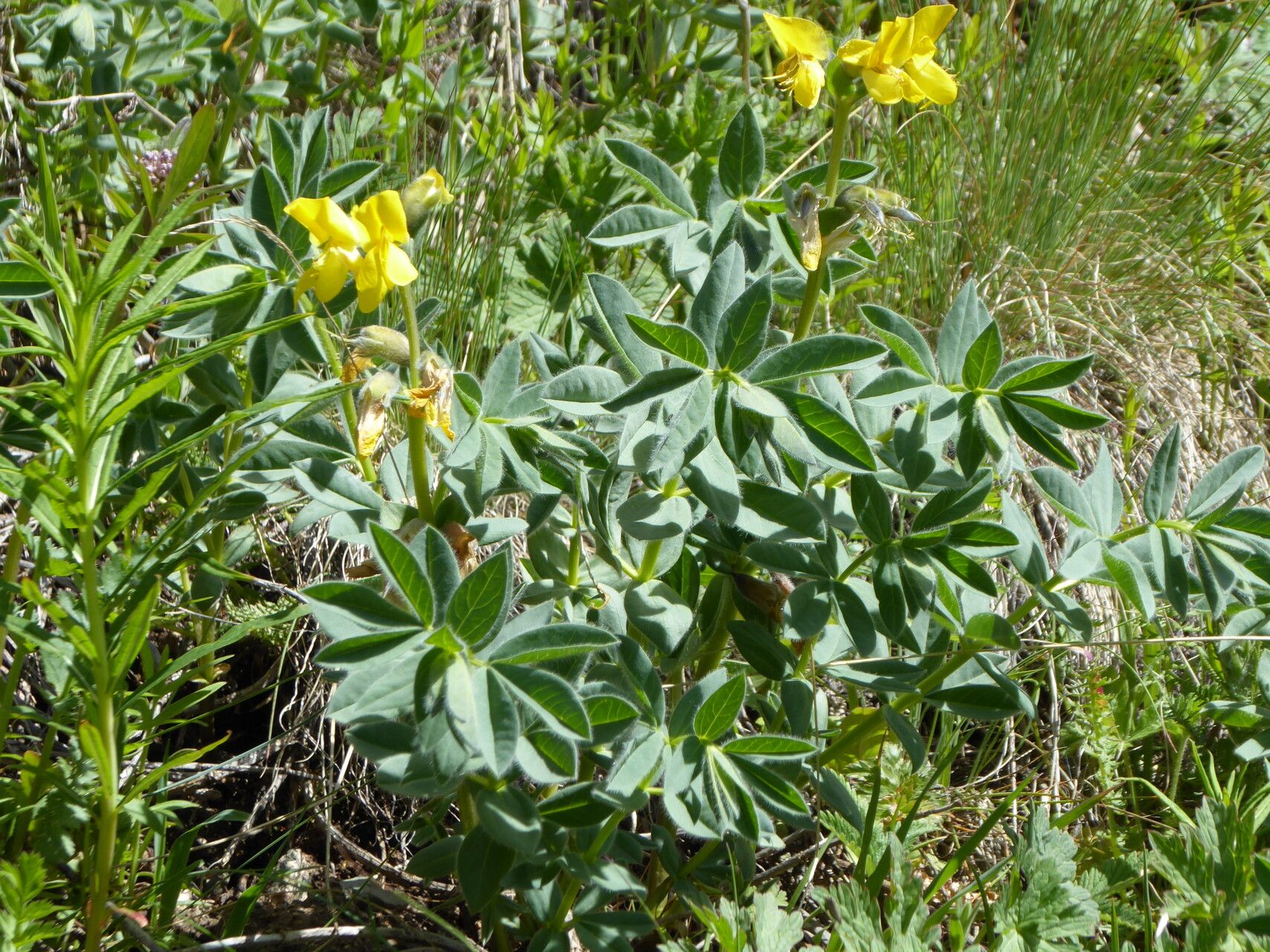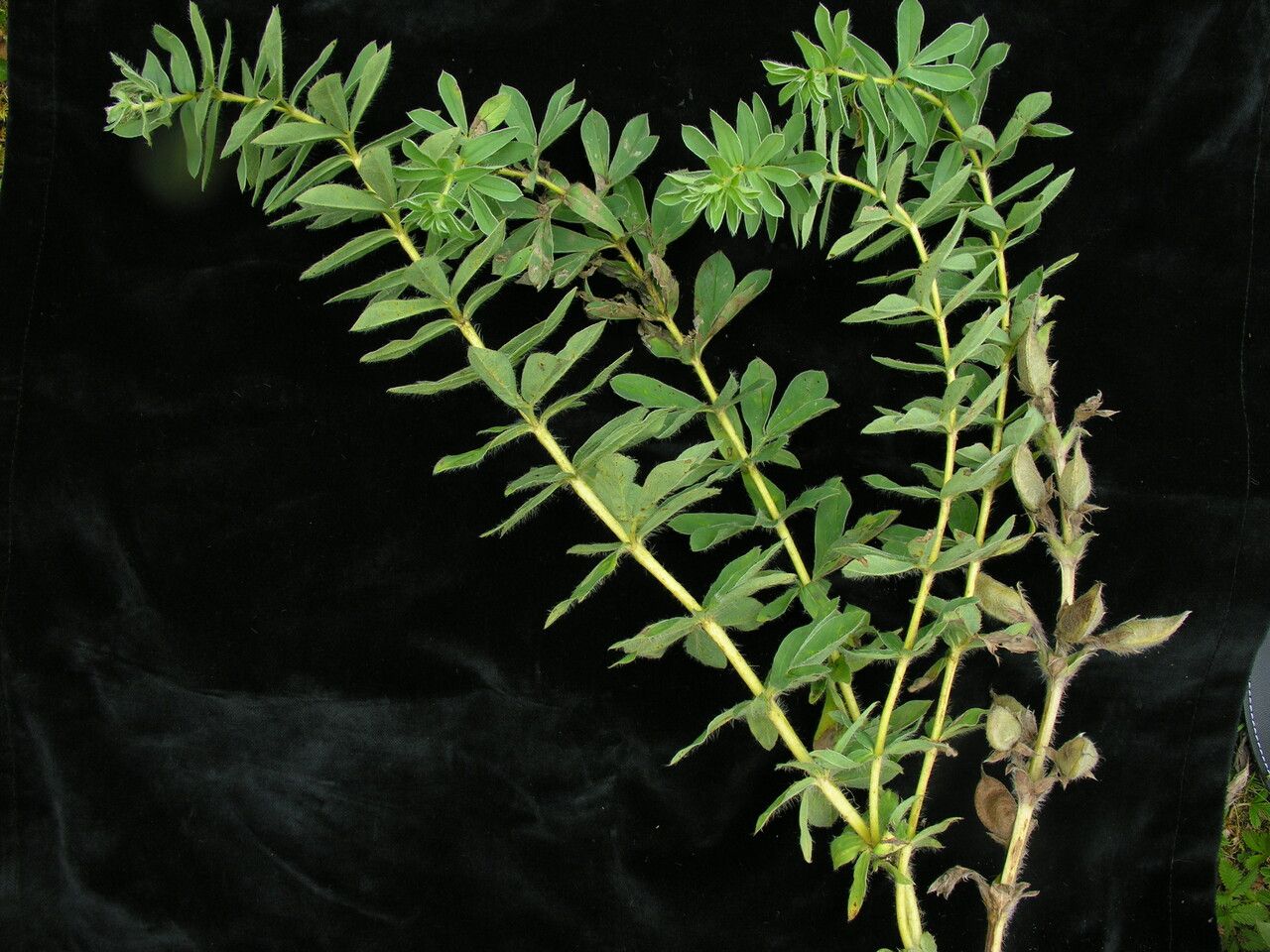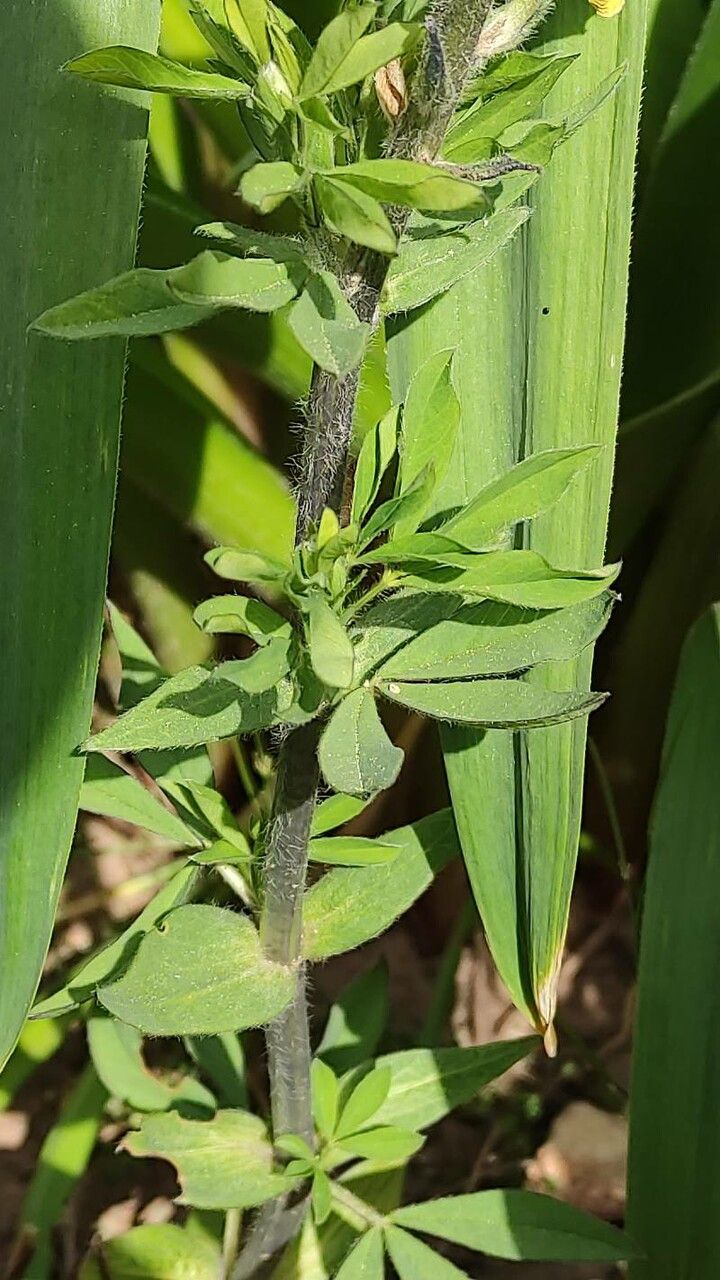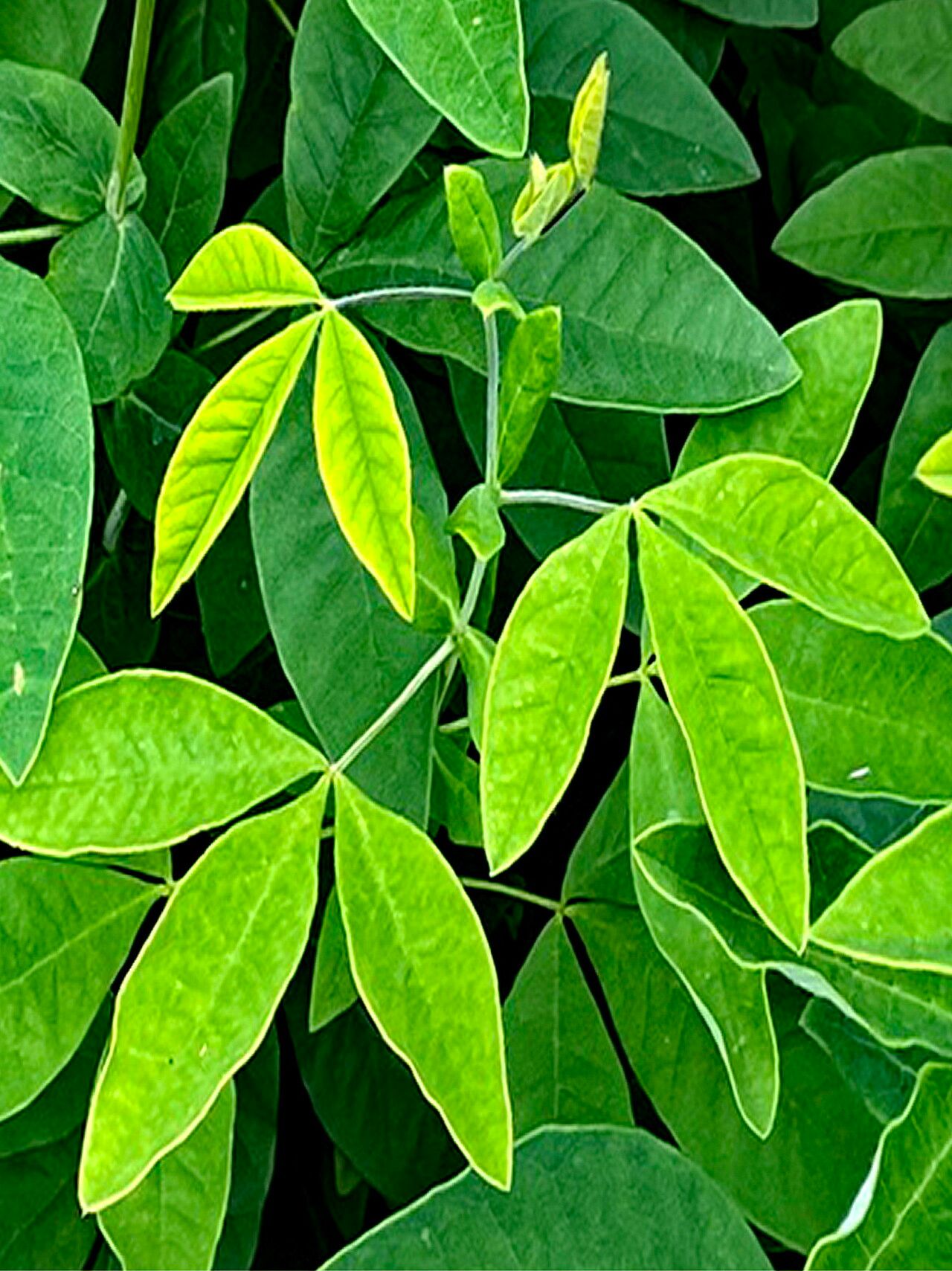
Thermopsis villosa, commonly referred to as Carolina (false) lupine, Carolina bush pea, Southern lupine, Aaron's rod, and Blue Ridge golden banner, is an herbaceous plant in the legume family. Its native range is in North America, in the southern Appalachian Mountains. It is found elsewhere as an escape from cultivation.
Aaron's rod is fairly resistant to disease and typically does not develop illnesses. However, it can be vulnerable to pests and diseases present in its environment, and these issues are usually mild. For care, the plant needs a moderate level of maintenance. It should be pruned regularly to preserve a neat appearance and encourage healthy growth. Fertilizing can also help stimulate flowering. Aaron's rod is appropriate for anyone with outdoor space, such as a garden or patio, and does not require extensive experience in plant care. It may demand more attention when cultivated indoors.
How to keep Thermopsis Villosa.
Light
Aaron's rod is a perennial herbaceous plant that prefers sunny locations, originating from open environments, such as meadows and grasslands frequently. Although it has a preference for full sun exposure, it can also survive in conditions with partial sunlight.
Temperature
Aaron's rod has the capacity to withstand various temperature conditions; however, the availability of water and heat conditions may still restrict its spread. It flourishes optimally in the summer under warm climate conditions when there's sufficient rain or irrigation. Extended durations of overcast and wet weather, in tandem with extreme heat periods, can heighten the chances of Aaron's rod perishing. During the winter months, implementing appropriate protection against the cold can enhance the survival probability of the plant.
Fertilizer
The optimal period to feed an Aaron's rod plant is during early spring, as it wakes from its dormant phase and starts to grow actively. Feeding the plant enables it to get vital nutrients for its robust growth. Despite the fact that the Aaron's rod's nutritional needs are relatively small, administering fertilizer once a year can boost its lifespan and facilitate the production of superior, long-lasting blooms.
Botanical profile.
- Plant Type
- Herb
- Life Cycle
- Perennial
- Genus
- Thermopsis
- Family
- Fabaceae
- Hardiness Zone
- 4-8
- Mature Height
- 0.61 m to 1.52 m
- Mature Spread
- 61 cm to 91 cm
- Leaf Color
- Green, Blue, Gray, Silver
- Leaf Type
- Deciduous
- Flower Color
- Yellow
- Flower Size
- 2.54 cm to 7.62 cm
- Bloom Time
- Mid spring, Late spring
- Planting Time
- Spring, Summer
- Harvest Time
- Early summer, Mid summer